The producers of the Marches
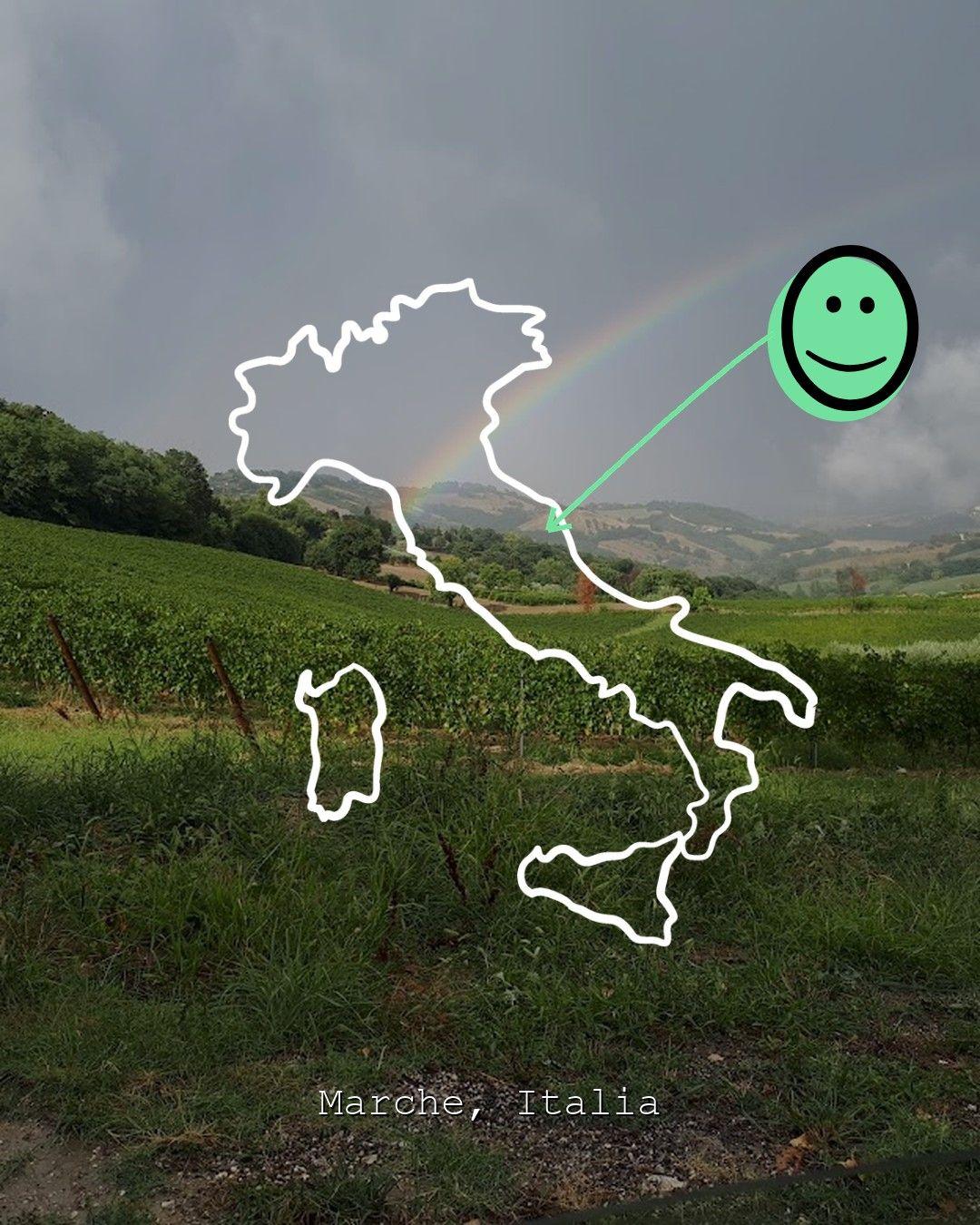
The Marches stretches along Italy's central Adriatic coast, with the Apennines running inland and the sea moderating temperatures on the eastern slopes. Most estates here are small, often family-run, and rooted in a handful of native grapes that rarely travel far beyond the region. Verdicchio is the dominant white, grown in two distinct zones — dei Castelli di Jesi on the broader coastal hills and di Matelica further inland at higher altitude, where cooler nights produce leaner, more mineral wines. On the red side, Montepulciano and Sangiovese share the vineyards, sometimes blended, sometimes vinified alone. A smaller number of producers work with Lacrima di Morro d'Alba, a grape so aromatic and so specific to a cluster of communes near Ancona that it appears almost nowhere else. The independent wineries listed here work their own land, and the wines they sell and ship through Free Grape Society travel directly from their cellars, with no importer or warehouse adding a step between the grower and the buyer. Browse the wineries of Tuscany, Umbria, or Abruzzo to see how the Marches sits within the wider central Italian picture.
How we choose our producers
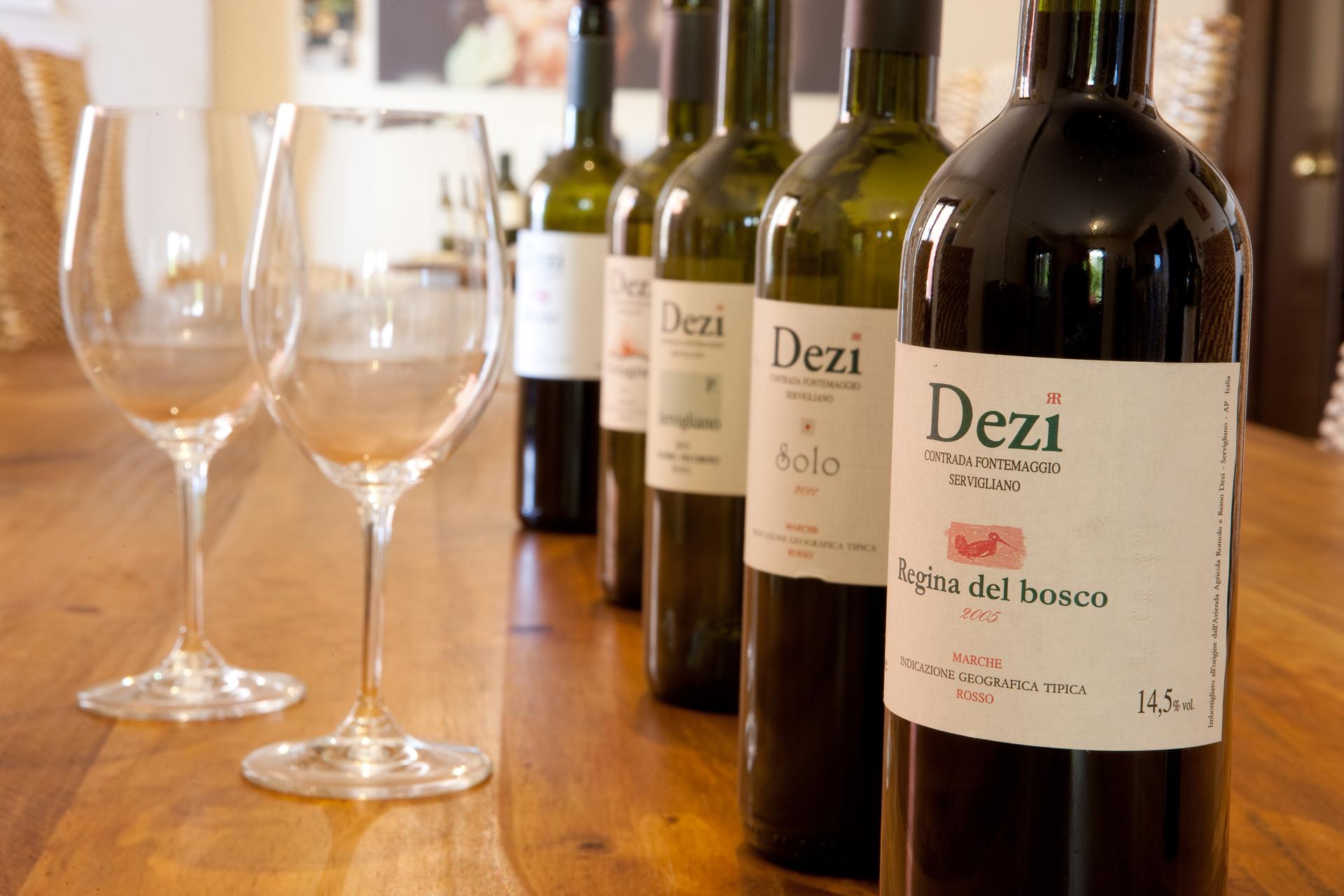
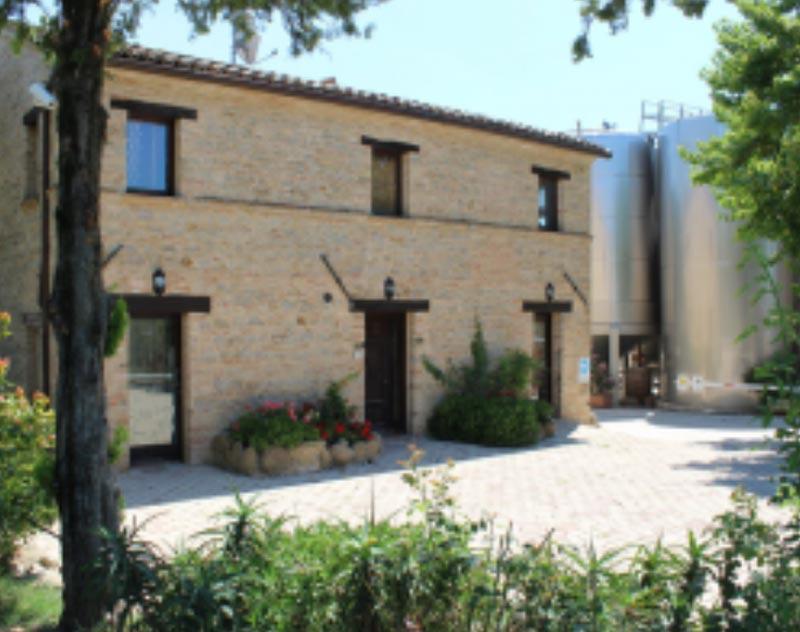
We work directly with the growers behind the wines, so we learn how they farm and what they charge before a single bottle is listed. Producers send samples, and those samples are tasted before a wine goes live on the platform — the decision rests on what is in the glass rather than on a label or a reputation. We look for pricing that reflects the work in the vineyard without the mark-ups that importers and warehouses add, and we keep the relationship direct so the grower sets their own terms. For the Marches, that means talking to estates whose output rarely reaches specialist retailers outside Italy, and whose wines are shaped by the specific elevation, aspect, and soil of the parcel they farm. Once a wine is listed, independent wine experts rate and review individual bottles, building a public track record that buyers can read on the wine page. We do not try to carry the full output of the region: we list wines tasted before listing, from producers we have a direct relationship with. You can also browse all-wineries across Italy or compare producers in neighbouring regions such as Piedmont and Veneto.
Winemaking traditions in the Marches
The Marches has long been shaped by the tension between its two main zones. The coastal strip from Ancona northward offers broad, gently rolling hills where Verdicchio dei Castelli di Jesi is grown across a relatively large area, producing wines that range from light and fresh to structured examples aged on the lees. Further inland, toward Matelica, the valley sits at altitude and sees greater temperature swings between day and night — conditions that slow ripening and concentrate both acidity and flavour in the grape. Many producers here still work small parcels by hand, and the use of concrete or large old oak for fermentation and ageing is common among growers who want to let the site speak clearly. Rosso Conero, built on Montepulciano grown on the slopes of Monte Conero near Ancona, produces some of the region's most structured reds and has its own DOCG in the Conero Riserva category. For wine cases from single producers in nearby Italian regions, Tuscany mixboxes, Piedmont mixboxes, and Umbria wines are natural points of comparison. Free Grape Society is a society of producers, independent experts and wine lovers, not a shop — and the Marches producers here represent that directly.