Independent wine producers of Umbria

Umbria wineries range from family domaines working volcanic soils around Orvieto to growers devoted to Sagrantino di Montefalco, one of Italy's most distinctive red grapes. Browse the independent producers listing on Free Grape Society.

Small estates farming the hills between Orvieto and Montefalco, from ancient Trebbiano Spoletino to Sagrantino's dense tannins.

Country

Dropdown arrow

Region (1)

Dropdown arrow

Production Volume

Dropdown arrow

Sort by

Sort arrow
Umbria

Umbria wineries

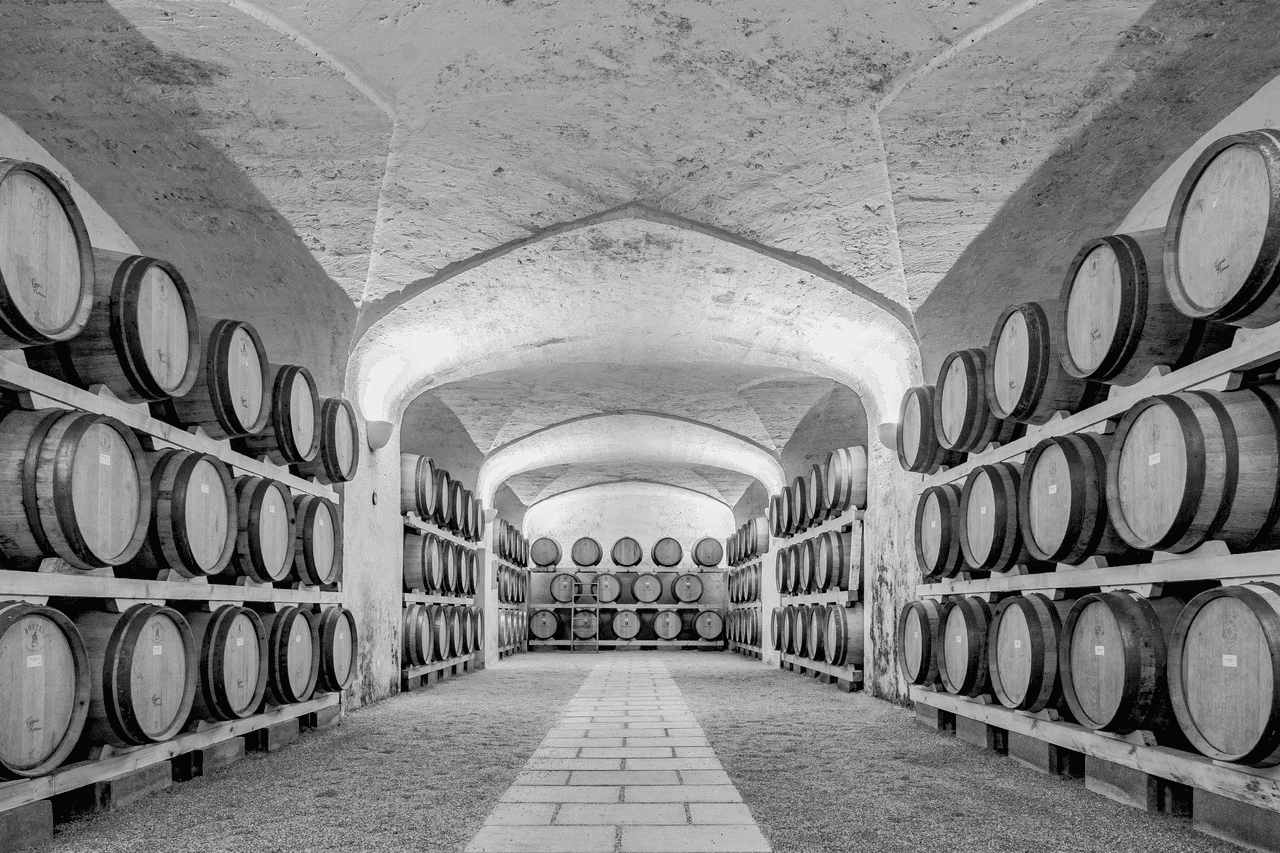
Umbria sits at the centre of the Italian peninsula with no coastline to moderate its climate, which pushes growers to work with altitude and aspect instead. Holdings here tend to be small and family-run, often farming the same plots across generations. The estates listed on Free Grape Society sell and ship directly from their own cellars, with no importer or warehouse in between, so the grower remains the point of contact for every bottle they produce.

Umbria wines

Several Umbria producers also compose a wine case: six bottles from their own cellar, put together as a single recommendation rather than blended across estates. A case from this region might trace a grower's range from their entry-level Trebbiano to an aged Sagrantino, giving you a short, guided read of one cellar before committing to individual bottles. Free Grape Society is a society of producers, independent experts and wine lovers, not a shop, and every case reflects that directly.

View all wines from Umbria

Wine experts

Independent wine experts rate and review wines they have personally tasted, and several of those listed below have covered bottles from Umbrian producers. Their reviews are visible on the individual wine page and on each expert's own profile, so you can read the track record before you buy. Experts add their own assessments continuously, and not every wine carries a review yet.

View all wine experts

Frequently asked questions

How do I buy directly from an Umbria producer on Free Grape Society?

Browse the producers listed on this page, open the winery profile you want, and add bottles to your cart. The order goes directly to that producer, who packs and ships from their own cellar. Delivery runs 4 to 14 days depending on where you are, and payment is handled securely via Klarna or card at checkout.

What happens if a bottle arrives broken or doesn't taste right?

Send a photo to Free Grape Society customer support within 7 days of delivery. We will arrange a replacement or a refund. Because producers ship directly, quality issues are handled with the producer's direct involvement. Shared responsibility is built into how FGS works.

Do all Umbria producers ship to my country?

Each producer sets their own delivery markets, so coverage varies. The available shipping destinations are shown on the producer's page before you add anything to your cart. If a winery does not yet ship to your country, you can follow them on Free Grape Society and be notified when that changes.

How long does delivery take?

Average delivery is 8 to 9 days from order to door. The full range is 4 to 14 days depending on the producer's location and your delivery address. Wines ship directly from the producer's cellar, not from a central warehouse.

How do I find the right Umbria producer for the wines I like?

If you know the appellation, filter by Orvieto or Montefalco to narrow the list. If you are starting from a grape, Sagrantino points you toward the Montefalco area while Grechetto and Trebbiano Spoletino lead to the central and southern zones. You can also ask a wine expert on Free Grape Society for a personal recommendation based on what you already enjoy.

Can I contact an Umbria producer directly through Free Grape Society?

Yes. Each winery profile has a contact option so you can ask the producer questions about their wines, their farming, or a specific vintage before you order. Because there is no intermediary between buyer and grower, the person who answers is the person who made the wine.

Which Umbria wine expert can recommend something for me?

Several independent wine experts on Free Grape Society have tasted and reviewed Umbrian wines. Open the wine expert section on this page, browse their profiles and recent reviews, and send your question directly to the expert whose palate looks closest to yours. There is no charge for asking.

Why don't you carry every wine from every Umbria producer you work with?

Producers send samples, and those samples are tasted before a wine is listed, which means the listing decision rests on what is in the glass. We list wines tasted before listing, from producers we have a direct relationship with, rather than carrying a full catalogue by default. As relationships deepen and more samples are tasted, the range from each producer typically grows.

Can I find Umbrian wines in a regular wine shop or supermarket?

Some larger Umbrian labels reach retail through importers and distributors, but the independent, smaller-production estates listed here generally do not. Producers on Free Grape Society sell directly, bypassing the import and wholesale chain, which is why you will find growers here whose wines are not on any supermarket shelf.

The producers of Umbria

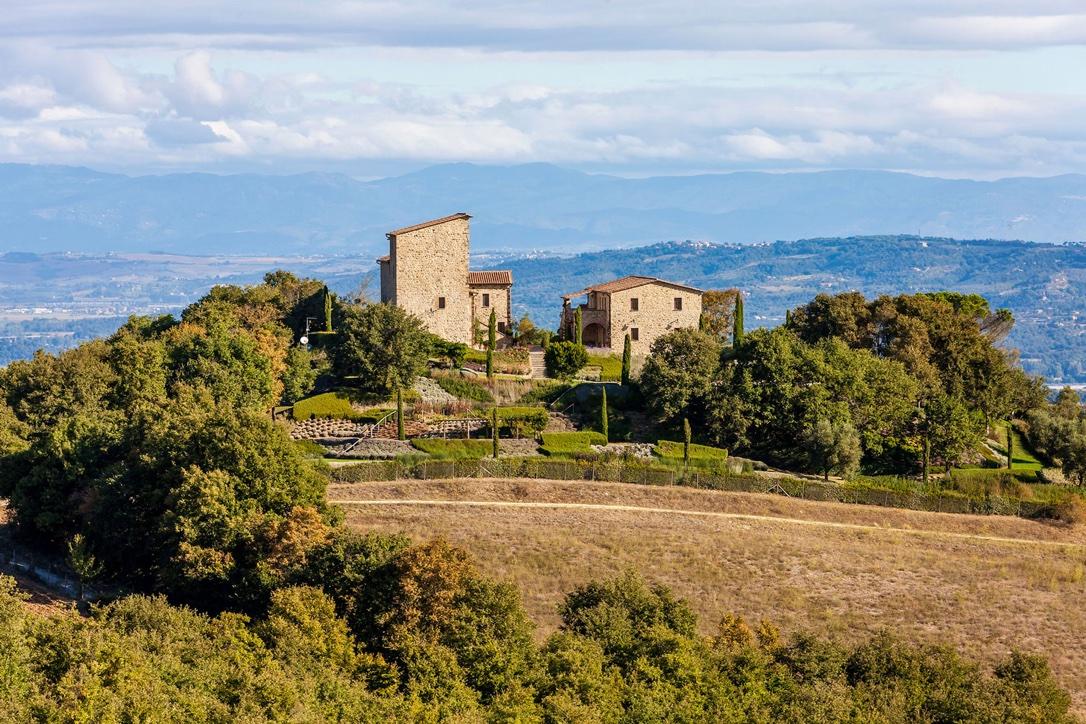
Umbria sits at the centre of the Italian peninsula, landlocked between Tuscany, Lazio and the Marches, and its producers tend to work on a scale that keeps farming close and personal. Most estates are family-run, with vineyards on the region's rolling hills and volcanic soils that run between the Tiber valley and the Apennine foothills. The region divides broadly between the western shores of Lake Trasimeno, where lighter, more aromatic styles emerge, and the steep, clay-rich slopes around Montefalco and Todi in the south, where the terrain suits thicker-skinned varieties and longer ageing. A handful of producers have worked the same land for several generations; others are newer estates that have chosen Umbria precisely because of the room it gives them to work without the commercial pressures that weigh on more famous Italian regions. You can find Umbria wineries on Free Grape Society, alongside producers from Tuscany, the Marches and Campania if you want to compare approaches across central and southern Italy.

How we choose our producers

We work directly with the growers behind the wines, so we get to know how they farm and what they charge before a single bottle is listed. Producers send samples, and those samples are tasted before a wine is listed, which means the decision rests on what is in the glass rather than on a label or a reputation. In Umbria that matters particularly because the region contains both internationally recognised appellations and quieter corners where serious producers work with little outside attention. We look for pricing that reflects the work in the vineyard without the mark-ups that importers and warehouses add, and we keep the relationship direct so the grower sets their own terms. Once a wine is listed, independent wine experts rate and review individual bottles, building a public track record that buyers can read on the wine page. We do not try to carry the full output of the region: we list wines tasted before listing, from producers we have a direct relationship with. Free Grape Society is a society of producers, independent experts and wine lovers, not a shop, and that shapes how we approach every new producer conversation.

Winemaking traditions in Umbria

Umbria's most distinctive contribution to Italian wine is Sagrantino, a thick-skinned red grape grown almost exclusively around Montefalco that produces wines of deep colour and formidable tannin structure. Sagrantino di Montefalco has DOCG status and requires extended ageing before release; the dried-grape passito version, though less common today, is one of Italy's older winemaking traditions, made by laying harvested bunches to dry before pressing. Alongside Sagrantino, Sangiovese has a long history in the region, appearing here as Sangiovese di Romagna styles and as a component in Rosso di Montefalco blends. Grechetto is the white variety most closely associated with Umbria, used both in the Orvieto DOC in the west and as a varietal wine further inland; it produces whites with texture and a slight bitterness on the finish that suits the region's food traditions. Orvieto itself is one of Italy's oldest named white wine zones, built around the town of the same name on volcanic tufa soil, and historically it was a blend-led appellation that has shifted in recent decades toward crisper, drier styles. If Sagrantino interests you, the Sangiovese grape page and wines from Tuscany and the Marches offer useful comparisons across central Italian red traditions. For the white side of Umbria, Grechetto and Trebbiano both appear across the region's white appellations.