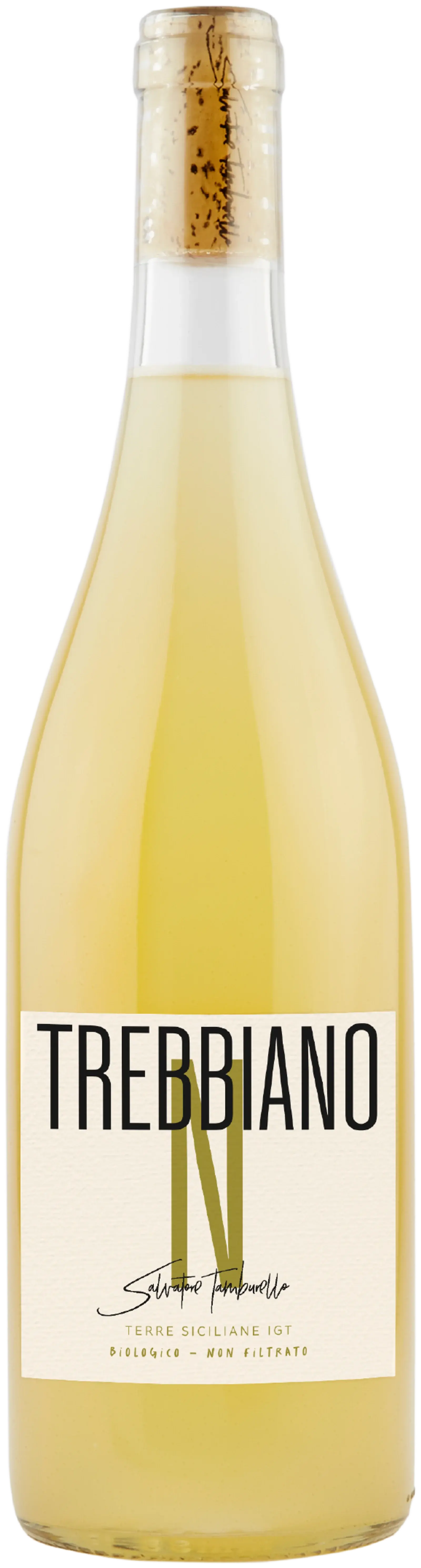
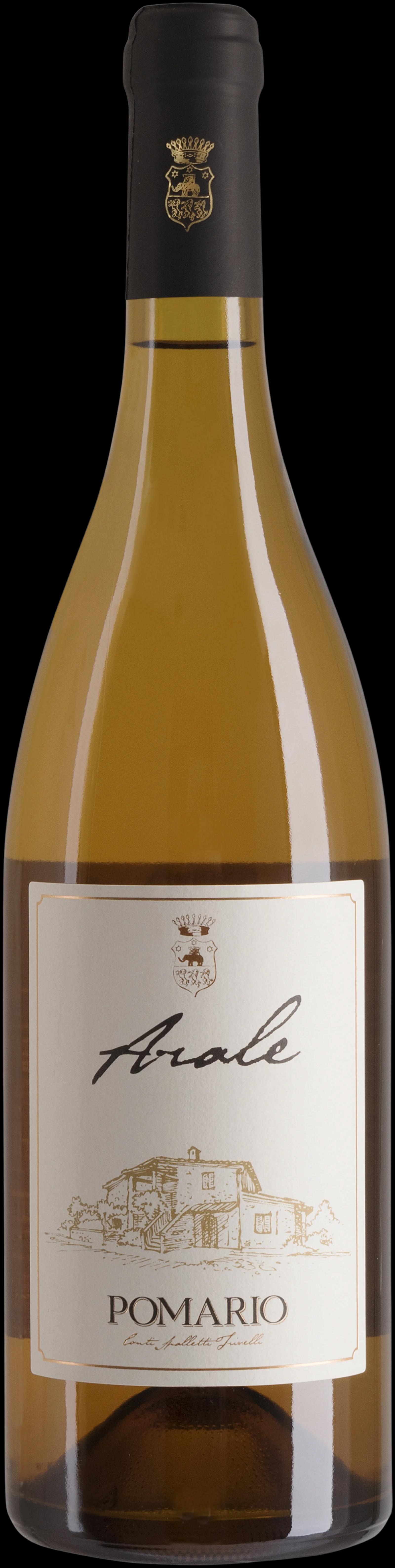
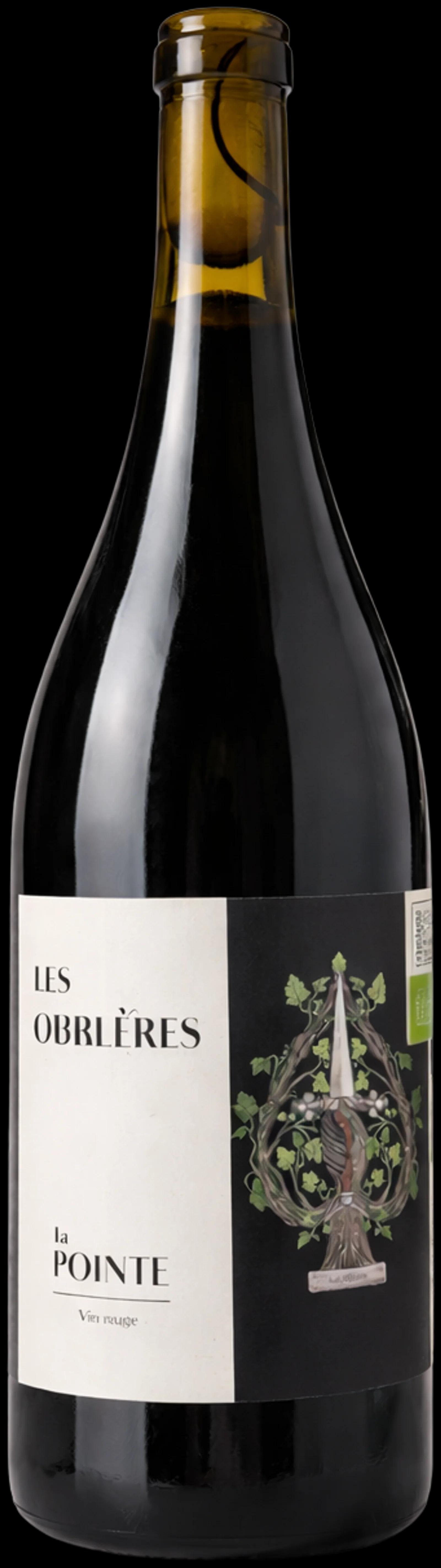
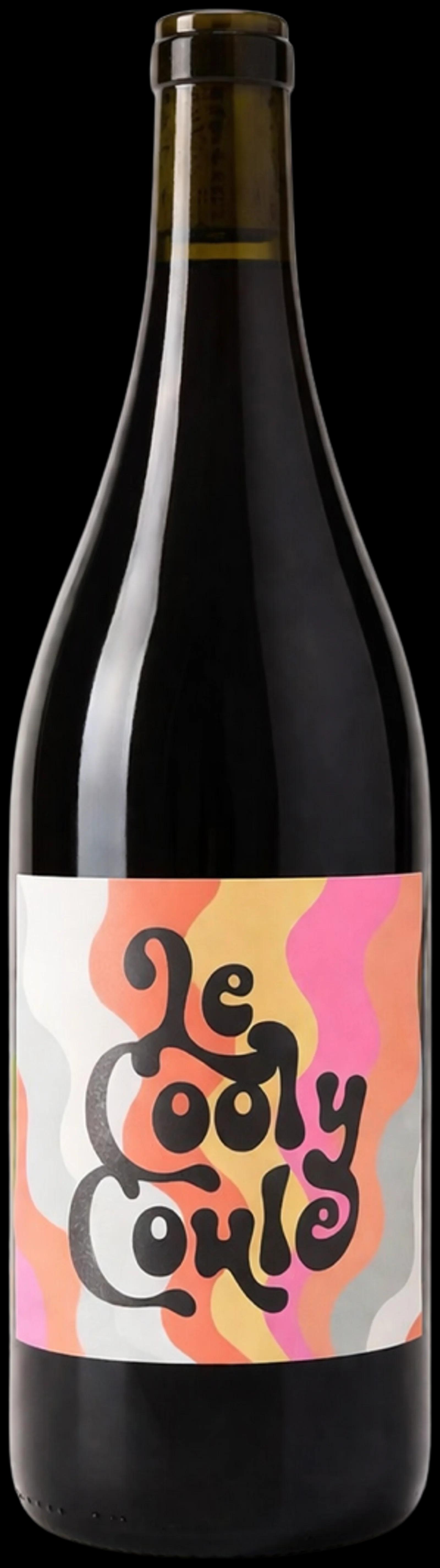
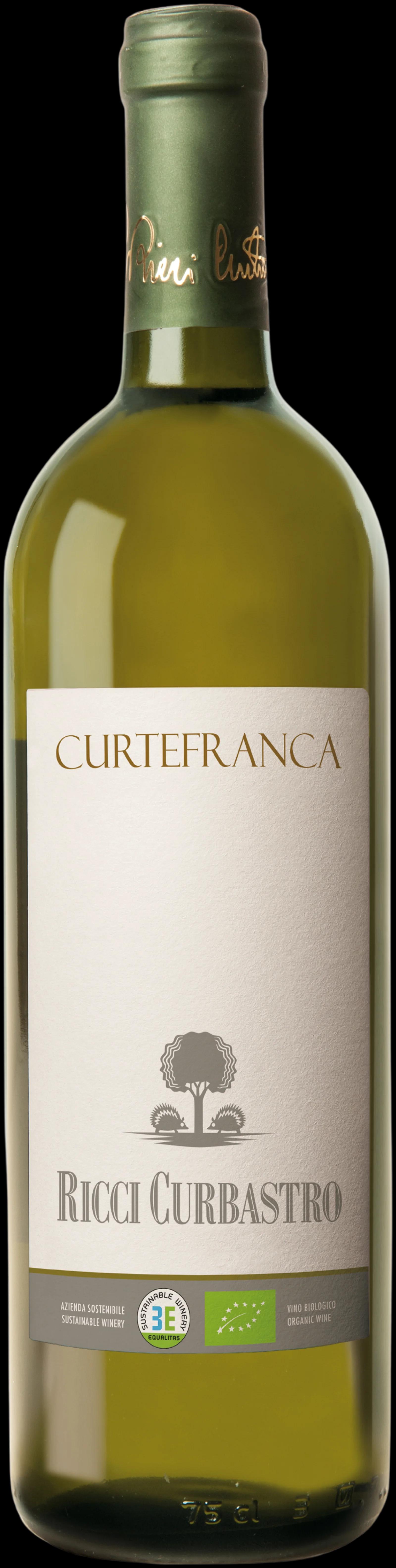
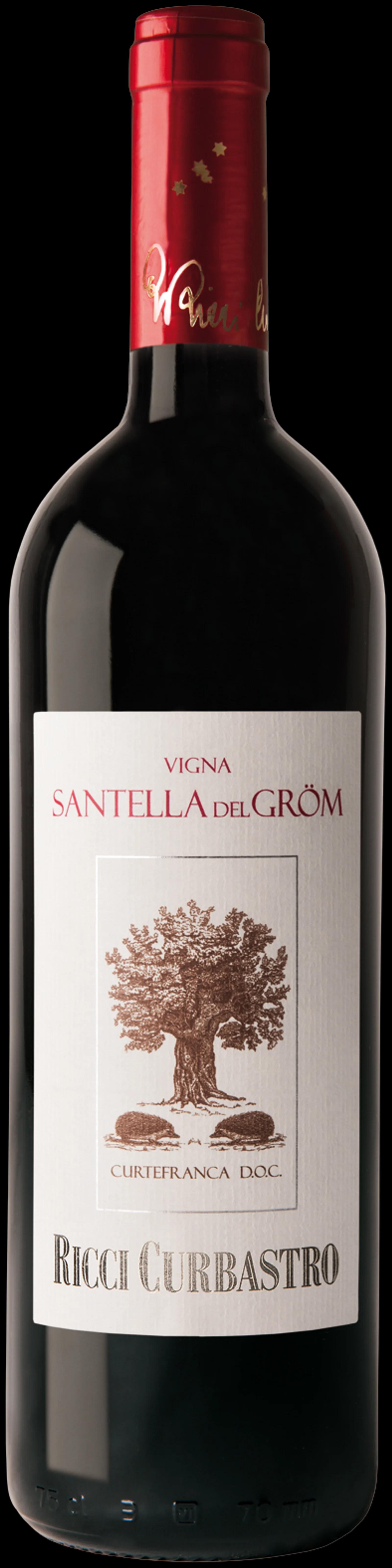
Trebbiano wine: Italy's most widely planted white grape

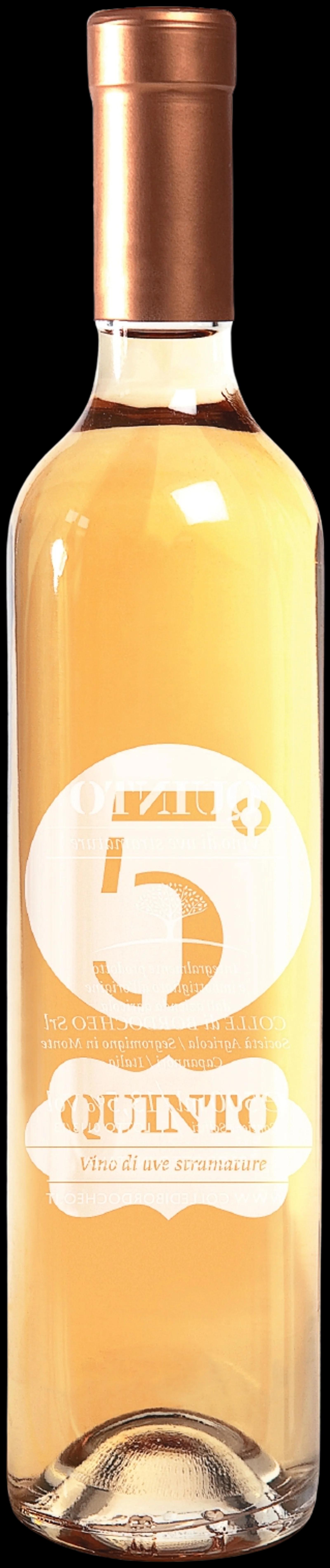
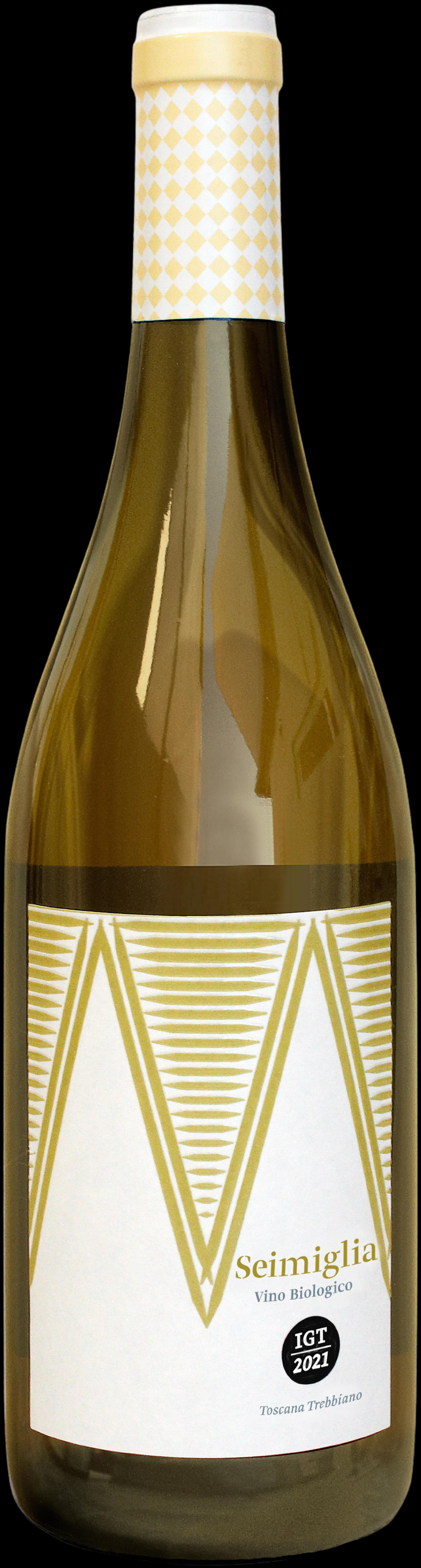
Trebbiano wine covers more vineyard land in Italy than any other white variety. The producers below grow it across central and southern Italy, from Abruzzo to Tuscany and Umbria.

From crisp, high-acid Trebbiano d'Abruzzo to richer Umbrian expressions, one grape, many faces.

Color

Dropdown arrow

Type

Dropdown arrow

Country

Dropdown arrow

Region

Dropdown arrow

Grape

Dropdown arrow

Pairing

Dropdown arrow

Sort by

Sort arrow
Trebbiano

Trebbiano wines

Trebbiano divides into two distinct families that share a name but little else. Trebbiano Toscano is the high-yielding, lighter-bodied variety long used in Chianti blends and Vin Santo. Trebbiano d'Abruzzo, now understood by many ampelographers to be a different grape entirely — Bombino Bianco — produces a fuller, more textured white. Both reward producers who work with low yields and careful handling in the cellar. The wines below come directly from the growers' own cellars, with no importer or warehouse in between.

Previous1 of 1Next

Trebbiano wine cases

A producer's own selection of six bottles is often the clearest way to understand how they work with Trebbiano: whether they pick early for freshness, use extended skin contact for texture, or age on the lees for depth. Free Grape Society is a society of producers, independent experts and wine lovers, not a shop.

View all mixboxes

Wineries

The growers working with Trebbiano sit mostly in central Italy — Abruzzo, Tuscany, Umbria, and the Marches — though the grape appears across the peninsula under different local names. Reading a producer's own notes shows quickly how seriously they take a variety that is still underestimated. The wine-advice service is there if you would like a recommendation before choosing.

View all wineries

Wine experts

Trebbiano is not a grape that attracts a great deal of critical attention, which makes independent reviews from wine experts who have tasted a bottle in the glass more useful than usual. Expert reviews are visible on each wine page and on the expert's own profile. Several of the experts below have reviewed Trebbiano wines featured on this page.

View all wine experts

Frequently asked questions

How do I order Trebbiano wine on Free Grape Society?

Browse the Trebbiano wines above and add bottles to your cart. Each wine ships directly from the producer's cellar. Your order includes free shipping, and payment is handled securely by Klarna or card. You will receive a confirmation by email once the producer has dispatched your bottles.

What happens if a bottle arrives broken or doesn't taste right?

Send a photo to Free Grape Society customer support within 7 days of delivery. We will arrange a replacement or a refund. Because producers ship directly, quality issues are handled with the producer's direct involvement. Shared responsibility is built into how FGS works.

Can I order Trebbiano wines from more than one producer at a time?

Yes. You can add wines from different producers to the same cart. Each producer ships their bottles separately from their own cellar, so your order may arrive in more than one delivery. Delivery typically takes 4 to 14 days per shipment, with an average of around 8 to 9 days.

How long does delivery take?

Average delivery is 8 to 9 days from order to door. The full range is 4 to 14 days depending on the producer's location and your delivery address. Wines ship directly from the producer's cellar, not from a central warehouse.

How do I choose between the different styles of Trebbiano wine on this page?

The main split is between Trebbiano Toscano, which tends to be lighter and more neutral, and the fuller-bodied Trebbiano d'Abruzzo style. Check the region and producer notes on each wine page. If you are unsure, a wine expert can help you choose based on what you enjoy.

Which regions produce the most interesting Trebbiano wines on Free Grape Society?

Abruzzo has the strongest reputation for quality Trebbiano, particularly from producers working with old vines and low yields. Tuscany and Umbria also have growers handling the grape with care. The wines page for each region shows which producers are currently listed.

Which Trebbiano wine expert can recommend something for me?

The independent wine experts listed on this page have tasted and reviewed wines personally. You can read their reviews on the individual wine pages, or fill in the form on any expert's profile to ask a specific question about which Trebbiano wine suits you.

Why don't you sell supermarket-brand Trebbiano wines?

Free Grape Society lists wines from independent producers who grow the grapes and bottle the wine themselves. Supermarket-branded wines are typically blended and bottled by large commercial operations with no connection to a specific estate. The growers here are the ones who made the wine in the bottle.

How is buying Trebbiano on Free Grape Society different from buying it in a wine shop?

In most European wine shops, Trebbiano from Italy travels through an importer and a distributor before reaching the shelf. On Free Grape Society, the producer ships directly from their own cellar. That means the producer sets the price, and the wine reaches you with fewer hands involved.

Where Trebbiano comes from and how region shapes it

Trebbiano is one of the most widely planted white grapes in the world, and it has been grown across central Italy for centuries. It is the backbone of many appellations in Tuscany, Umbria, Abruzzo, and the Marches, where it appears under its own name or blended into wines like Orvieto and Trebbiano d'Abruzzo. Outside Italy it is called Ugni Blanc, and in France it is the dominant grape in Cognac and Armagnac distillation, contributing its naturally high acidity to the base wine. The same acidity that makes it ideal for brandy also gives still Trebbiano wines their freshness and their ability to cut through food. What changes across regions is texture and weight: cool, elevated sites in central Italy tend to produce leaner, citrus-driven wines, while warmer lowland plots and later harvests can push the grape toward something rounder and more generous.

How Trebbiano tastes, and what to drink it with

Trebbiano is not a grape that commands attention through drama. Its signature is restraint: pale straw in the glass, crisp acidity, and flavours that sit in the range of green apple, lemon peel, white blossom, and sometimes a faint almond note on the finish. The best examples from careful producers have a mineral thread that holds the wine together and keeps it lively through a meal. That dryness and freshness make it a reliable match for the food traditions of the regions where it grows. Grilled white fish, seafood pasta, fried vegetables, and fresh goat's cheese all work well, as does the kind of simple antipasto that dominates the tables of central Italy. If you want to explore how the grape varies across its home territory, putting a Tuscan white alongside one from Umbria or the Veneto is a straightforward way to see how site and producer approach shape the result.

Buying Trebbiano direct from independent producers

Trebbiano rarely reaches the export market as a headline grape. It tends to disappear into blends or travel under regional appellations rather than its own name, which means the producers who bottle it as a single variety are usually those who believe in it enough to stake their label on it. On Free Grape Society, producers selling Trebbiano ship directly from their own cellar, with no importer or warehouse in between. The wines on this page come from independent growers who work with the grape as it fits their land and their winemaking approach, rather than as a neutral base for high-volume production. You can explore the full range of Italian white wines on the Italy wines page, or look at the producers behind these bottles on the Italy wineries page. Free Grape Society is a society of producers, independent experts and wine lovers, not a shop, and wines are tasted before listing.