Primitivo, Negroamaro and the sun-baked heel of Italy: Apulian wines

Apulia wine is built on two grapes above all others — Primitivo and Negroamaro — grown on some of the oldest vines in Italy, where the Adriatic and the Ionian meet at the heel of the boot. Browse bottles from independent producers working this sun-drenched stretch of southern Italy.

From the limestone plains of Salento to the trulli country of the Itria Valley, Apulia's vineyards sit closer to Athens than to Milan.

Color

Dropdown arrow

Type

Dropdown arrow

Country

Dropdown arrow

Region (1)

Dropdown arrow

Grape

Dropdown arrow

Pairing

Dropdown arrow

Sort by

Sort arrow
Puglia

Apulian wines

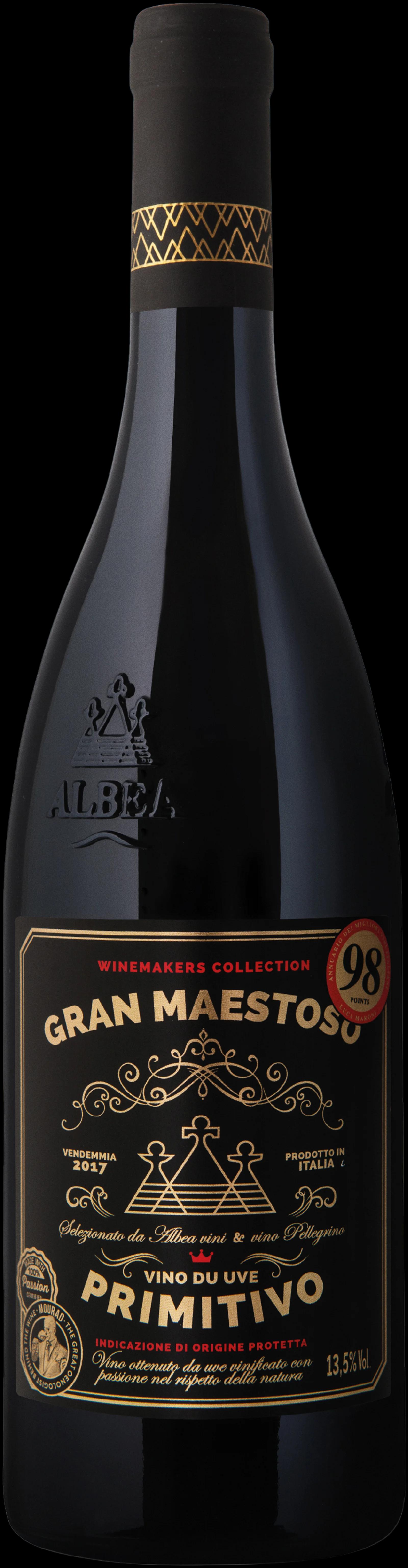
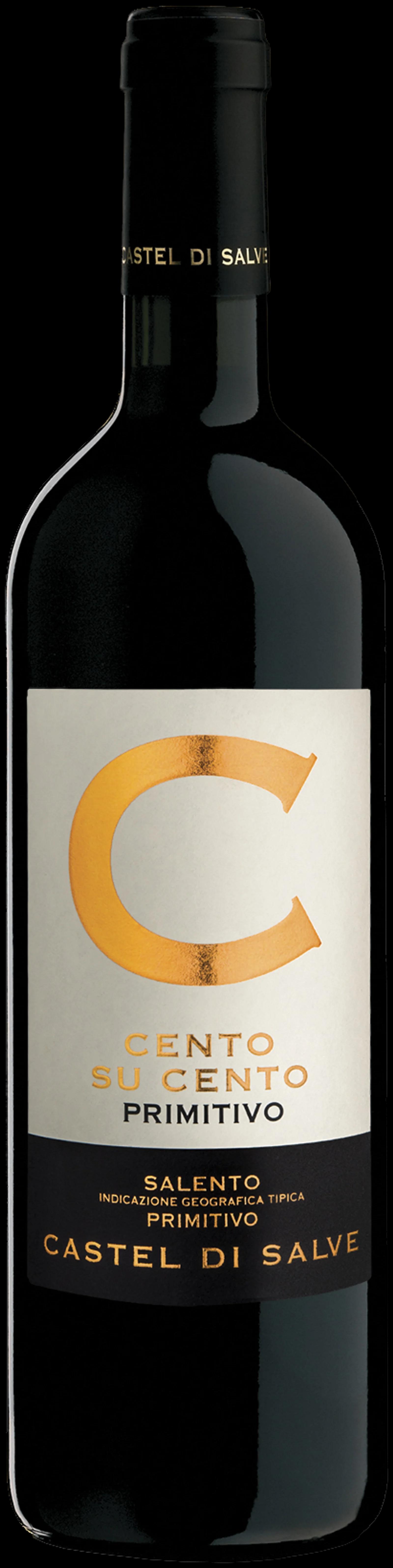
Apulia's reputation rests on red grapes ripened under intense southern sun, but the region is more varied than that single image suggests. Primitivo — genetically the same grape as California's Zinfandel — thrives around Manduria and Gioia del Colle, producing wines that range from densely fruited to structured and age-worthy. Negroamaro, the other pillar, dominates Salento's flatlands and gives Salice Salentino its characteristic bitter-cherry depth. On Free Grape Society, producers ship directly from their own cellar, with no importer or warehouse in between.

Previous1 of 1Next

Apulian producers

Apulia's producers range from family estates that have farmed the same red soils for generations to a newer wave of growers reclaiming old bush-vine plots that survived when higher-yielding varieties arrived. Many work in the Manduria, Gioia del Colle and Salice Salentino denominations, but a quiet number are also reviving indigenous whites — Fiano Minutolo, Verdeca, Bianco d'Alessano — that had largely disappeared from the market. Several producers here also offer a wine case alongside their individual bottles.

View all wineries from Puglia

Wine experts

Independent wine experts on Free Grape Society rate and review wines they have personally tasted, and their notes appear on the wine page and on each expert's own profile. Several of the experts below have reviewed wines from Apulian producers featured here. Their assessments are their own — experts review wines after they are listed, and their activity builds a transparent track record that any buyer can read before ordering.

View all wine experts

Frequently asked questions

How do I buy directly from an Apulia wine producer on Free Grape Society?

Browse the Apulia wineries listed on this page and open any producer profile to see their available wines. Add a bottle to your cart and check out — payment is handled securely via Klarna or card. The producer ships your order directly from their own cellar, so there is no warehouse or importer handling the wine before it reaches you.

What happens if a bottle arrives broken or doesn't taste right?

Send a photo to Free Grape Society customer support within 7 days of delivery. We will arrange a replacement or a refund. Because producers ship directly, quality issues are handled with the producer's direct involvement. Shared responsibility is built into how FGS works.

Do I need an account to order from an Apulia producer?

You can browse all producers and wines without an account. To place an order you register as a member of Free Grape Society — it is free to join. Once you are a member you can track orders, save favourite producers and access personal wine advice from independent experts.

How long does delivery take?

Average delivery is 8 to 9 days from order to door. The full range is 4 to 14 days depending on the producer's location and your delivery address. Wines ship directly from the producer's cellar, not from a central warehouse.

How do I find the right Apulia producer for the wines I am looking for?

Each producer profile lists the wines they have available, the grape varieties they work with and the subzone they farm in. If you know you want a Primitivo di Manduria or a Salice Salentino, you can filter by those terms. If you are less sure, an independent wine expert can point you toward the right estate for your taste and budget.

How does Free Grape Society decide which Apulia producers to list?

We work directly with each producer before listing their wines. Producers send samples, and those samples are tasted before any wine goes live on the platform. We look for growers whose pricing reflects the work in the vineyard without the mark-ups that come from trading through importers and agents, and we keep the relationship direct so the producer sets their own terms.

Which Apulia wine expert can recommend something for me?

Independent wine experts on Free Grape Society are available to answer questions about Apulia's producers, grapes and styles. Fill in the contact form on any wine or expert page and one of them will respond with a personal recommendation based on what you are looking for and what is currently available.

Why don't you carry every wine from every Apulia producer you work with?

Each producer chooses which wines to list and manages their own availability. A small estate farming a few hectares may produce only a few hundred cases of a particular wine, which sells out quickly. We list wines tasted before listing from producers we have a direct relationship with — the range reflects what those growers are making and choosing to sell directly, not a complete regional catalogue.

Can I find Apulia wines in a regular wine shop or online retailer?

Some larger Apulian producers distribute through importers and appear in retail. The independent estates listed on Free Grape Society typically sell direct — either from their own cellar door or through platforms like this one — because they are too small for the margins that importer and retailer chains demand. Buying here means the price reflects the producer's work, not a chain of intermediaries.

Apulia's grapes and what they do

Primitivo and Negroamaro are the two grapes that built Apulia's reputation, and they behave very differently in the glass. Primitivo — genetically the same variety as California's Zinfandel — produces dense, dark reds with a ripe, forward fruit character and naturally high alcohol, grown above all around Manduria and Gioia del Colle. Negroamaro, whose name translates roughly as 'black and bitter', is the backbone of Salice Salentino and Brindisi, producing wines with more savoury depth and a distinctly earthy finish. Beyond these two, Apulia grows Malvasia Nera as a blending partner for Negroamaro, and Verdeca and Fiano for its whites — the latter producing some of the region's most structured and aromatic bottles in the Salento peninsula. Understanding which grape dominates a label tells you most of what you need before you open the bottle. You can explore wines made from Primitivo, Negroamaro, Fiano and Malvasia Nera across the producers listed here.

How Apulia's wine zones are organised

Apulia runs for roughly 400 kilometres along the heel of Italy, and the wine landscape shifts as you move south. The Daunia hills in the north, near Foggia, produce lighter reds from Nero di Troia — a grape with a long local history and a tannic structure that suits ageing. Moving south into the Murge plateau, the soils shift to limestone and clay, and Primitivo takes over as the dominant variety, with the DOC zones of Gioia del Colle and Primitivo di Manduria marking the quality heartland. Further south still, the Salento peninsula — flat, hot and swept by the Adriatic and Ionian on two sides — is Negroamaro country. The heat here concentrates sugars, so the best growers manage canopy carefully to preserve freshness. Apulia's IGT designation, Salento IGT, gives producers flexibility to blend or experiment outside the stricter DOC rules, which is where some of the region's more inventive bottles appear. You can also browse other southern Italian regions: Campania, Sicily and Calabria share a similar warm-climate character but with distinct grape varieties of their own.

Choosing an Apulian wine for the table

The warm climate and high ripeness of Apulian reds make them natural partners for food with weight and savour. A full Primitivo di Manduria sits comfortably next to slow-cooked lamb or aged hard cheese; a lighter, fresher Gioia del Colle Primitivo — picked earlier and fermented at lower temperatures — works well with grilled meat or southern Italian pasta dishes based on rich tomato sauce. Negroamaro, with its savoury bitter edge, is one of the better matches for orecchiette with turnip tops, the dish most associated with the region itself. For whites, a Fiano from Salento handles oily fish and seafood pasta better than most of its neighbours. If you are looking at a blend rather than a varietal, check the back label: a wine labelled Salento IGT often shows which grapes lead the blend, giving you a clearer read on weight and style before you open it. For more Italian reds with a similar warmth, Sicilian wines and Veneto reds offer useful comparisons, and the producers listed on this page all ship directly from their own cellars, with wines tasted before listing.