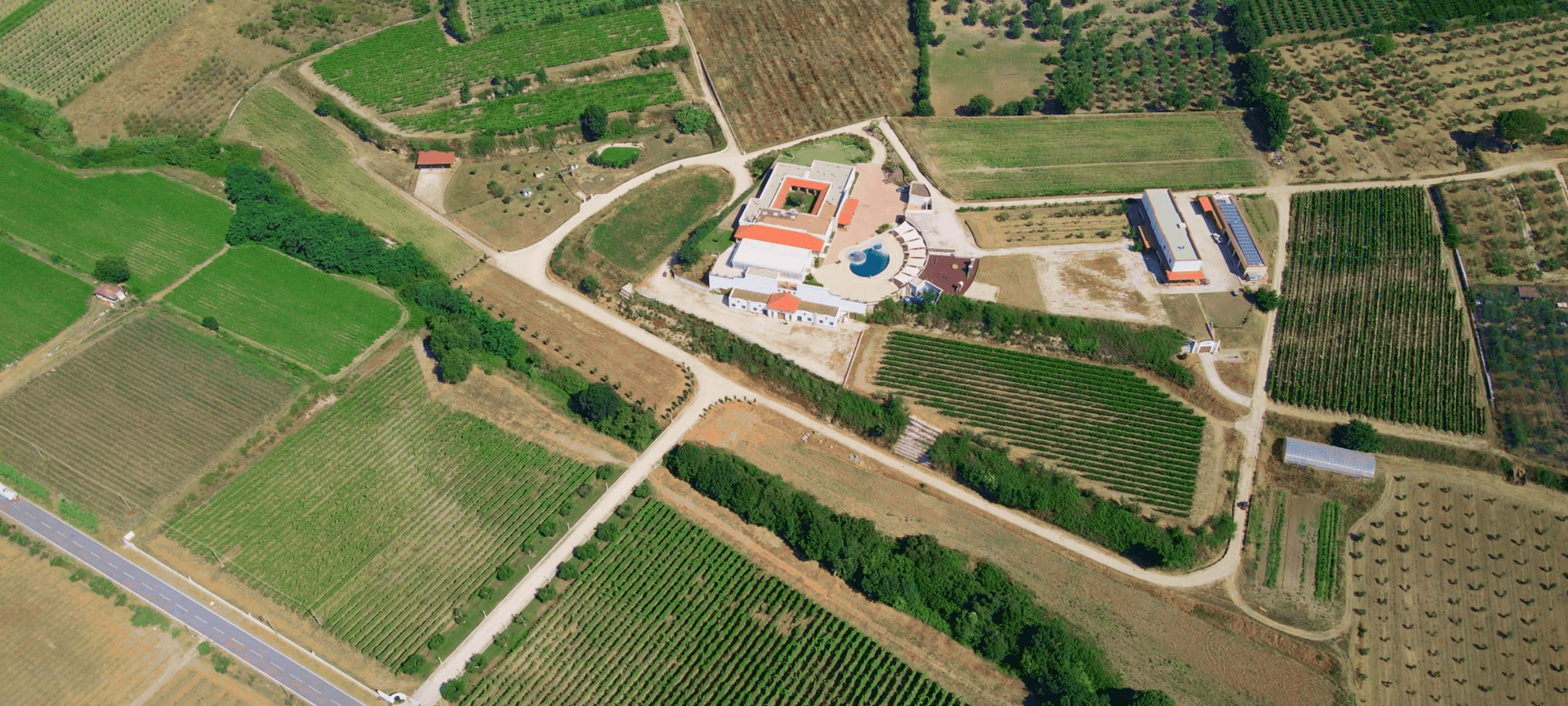
Primitivo, from Puglia's sun-baked plains to independent growers across southern Italy

Primitivo wine ranges from generous and fruit-forward to structured and age-worthy, shaped by the soils and microclimates of Puglia and beyond. The producers below grow and bottle it themselves, shipping directly from their own cellars.

A thick-skinned, early-ripening red that produces rich, full-bodied wines with ripe dark fruit and natural warmth.

Color

Dropdown arrow

Type

Dropdown arrow

Country

Dropdown arrow

Region

Dropdown arrow

Grape

Dropdown arrow

Pairing

Dropdown arrow

Sort by

Sort arrow
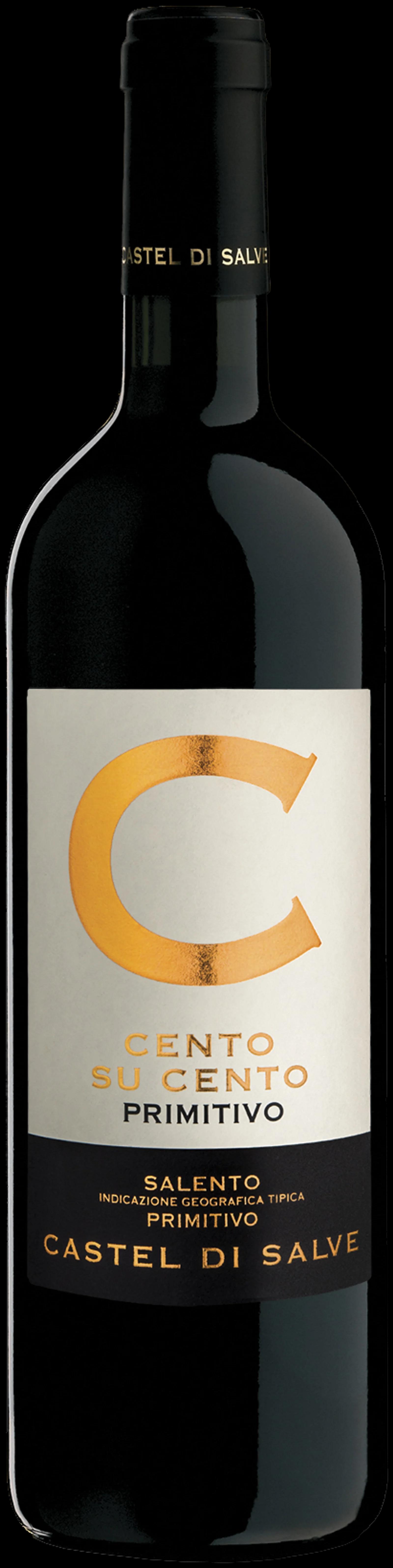
Primitivo

Primitivo wines

Primitivo is one of southern Italy's most characterful grapes — thick-skinned, early-ripening, and deeply coloured. It thrives in the flat, sun-drenched plains of Puglia, particularly around Manduria and Gioia del Colle, where the soils and climate push it toward wines of real concentration and warmth. The same variety also appears in the United States as Zinfandel, where DNA analysis confirmed a shared origin, though the two traditions have developed in very different directions. On Free Grape Society, wines tasted before listing are shipped directly from each producer's cellar, with no importer or warehouse in between.

Previous1 of 1Next

Primitivo wine cases

A Primitivo wine case is a producer's own selection of six bottles, put together as the recommendation they would make if you visited their cellar. With a grape this expressive, a producer's case often moves across styles — from younger, fruit-driven wines to older, more structured ones — showing how the same variety and estate can shift with time or site. Free Grape Society is a society of producers, independent experts and wine lovers, not a shop.

View all mixboxes

Wineries

The growers below work with Primitivo across different parts of Puglia and southern Italy, each shaped by their own soils, elevations and winemaking approaches. Some farm old vines trained in the traditional alberello bush style, which limits yields and concentrates the fruit; others work younger vineyards with different methods. Reading each producer's notes is a useful way to understand what sets their wines apart, and the wine-advice service is there if you would rather talk through the options before choosing.

View all wineries

Wine experts

Primitivo produces a range of wines — from bright and easy-drinking to dense and tannic — which makes a considered second view worthwhile before committing. Independent wine experts review wines they have personally tasted, and their notes are visible on each wine page and on the expert's own profile. Several of the experts below have reviewed Primitivo wines featured on this page, so you can read what they found before deciding.

View all wine experts

Frequently asked questions

How do I order Primitivo wine on Free Grape Society?

Browse the Primitivo wines above, add bottles to your basket, and complete your order through secure checkout. Each bottle ships directly from the producer's own cellar. Your order includes free delivery to your door, typically arriving within 4 to 14 days, with an average of around 8 to 9 days.

What happens if a bottle arrives broken or doesn't taste right?

Send a photo to Free Grape Society customer support within 7 days of delivery. We will arrange a replacement or a refund. Because producers ship directly, quality issues are handled with the producer's direct involvement. Shared responsibility is built into how FGS works.

Can I order Primitivo wines from more than one producer in the same order?

Yes. You can add wines from different producers to the same basket. Each producer ships their own wines separately, directly from their cellar. Delivery is free regardless, and you will receive a confirmation with tracking details for each shipment.

How long does delivery take?

Average delivery is 8 to 9 days from order to door. The full range is 4 to 14 days depending on the producer's location and your delivery address. Wines ship directly from the producer's cellar, not from a central warehouse.

How do I choose between different styles of Primitivo?

Primitivo varies considerably depending on where and how it is grown. Wines from Manduria tend to be riper and fuller-bodied, while Gioia del Colle produces wines with more acidity and structure. Old-vine, bush-trained fruit generally means lower yields and more concentration. Reading the producer's own notes on each wine page will help you find the style that suits you.

How does the selection of Primitivo producers work on Free Grape Society?

Every producer on Free Grape Society is an independent grower who makes and bottles their own wine. Wines are tasted before listing. You are buying from the people who grew the grapes — not from an importer, a broker, or a warehouse — which means you can read the producer's own story and understand exactly where the wine comes from.

Which Primitivo wine expert can recommend something for me?

The independent wine experts on Free Grape Society have personally tasted and reviewed wines on the platform, including Primitivo. Browse the experts shown on this page, read their reviews and profiles, and reach out directly through Free Grape Society to ask for a recommendation suited to your taste and budget.

Why don't you sell supermarket-brand Primitivo wines?

Free Grape Society lists wines from independent producers who grow and bottle their own fruit. Supermarket-label wines are typically blended and bottled at industrial scale, often with bought-in grapes from multiple sources. The producers here are the people behind the wine — their name is on the label because they made it themselves.

Can I find Primitivo wines anywhere else online in Europe?

Primitivo is stocked by various online retailers across Europe, but most source through importers and distributors rather than directly from the grower. On Free Grape Society, the producer ships the wine themselves, which means fewer intermediaries, producer-set prices, and the ability to read the grower's own account of how the wine was made.

Where Primitivo comes from and why Puglia defines it

Primitivo is southern Italian through and through. Its heartland is Puglia, the long heel of the Italian boot, where the grape ripens fast under intense summer heat to produce wines that are dense, deeply coloured and high in alcohol. The two appellations that matter most are Primitivo di Manduria, a DOC and DOCG on the Tarantine plain, and Gioia del Colle further north, where higher altitude and a wider temperature range give wines a firmer structure and more lifted fruit. Primitivo is genetically identical to Zinfandel — the two are the same variety, brought to California by Italian immigrants in the nineteenth century and given a different name. That connection explains something about the wine: like Zinfandel, Primitivo can swing between fruit-forward and jammy in warmer, flatter sites, and structured and mineral in cooler, hillier ones. The grape is also found in Sicily and other parts of southern Italy, though Puglia remains its defining home. Producers across the region work with it in very different ways — some vinifying it as a dry red, others as a late-harvest or passito style where the grapes are partially dried to concentrate sugar and flavour.

How Primitivo tastes, and what to drink it with

Primitivo produces wines that are unmistakably warm-climate: deep ruby to near-black in colour, with aromas of ripe blackberry, plum, dried fig and often a note of dark chocolate or tobacco. Tannins are present but rarely hard, and alcohol is typically high — 14 to 16 percent is common, sometimes more in late-harvest styles. The texture is generous rather than austere, which makes it approachable young while still capable of ageing. At the table, it suits slow-cooked meat dishes: braised lamb, pork ribs, ragù, and grilled sausages all work well. It also holds its own against aged hard cheeses and anything with umami depth, like mushroom-based pasta or lentil stew. Because the grape ripens unevenly on the vine — the name Primitivo comes from the Latin for "early ripener", referring to the first clusters to develop — a single bunch can contain berries at very different stages of maturity when picked. This irregular ripening is part of what gives the wine its characteristic mix of fresh and dried-fruit notes side by side. If you want to explore the range, comparing a Primitivo di Manduria against a Nero d'Avola or a Montepulciano from neighbouring regions is a good way to understand how southern Italian reds differ from one another.

Buying Primitivo direct from independent producers

Most Primitivo on the European market passes through importers and distributors before it reaches a shop shelf, which means the estate that made it has little control over how it is presented or priced. On Free Grape Society, producers in Puglia and across Italy ship directly from their own cellars, with no importer or warehouse in between — so the wine arrives in the same condition it left the estate, and the price reflects what the producer actually charges. The independent producers on this page work at a different scale from the large co-operatives that dominate Primitivo production in the region. Many farm smaller plots, pick by hand, and make wines in volumes that never reach the major retail chains. That is precisely why they are here. Free Grape Society is a society of producers, independent experts and wine lovers, not a shop — and finding a Primitivo producer you trust is the kind of discovery worth making once and returning to. You can also explore Puglian wineries and Italian red wines more broadly, or browse Italian mixboxes if you want to try a producer's own selection of six bottles before committing to a single wine.