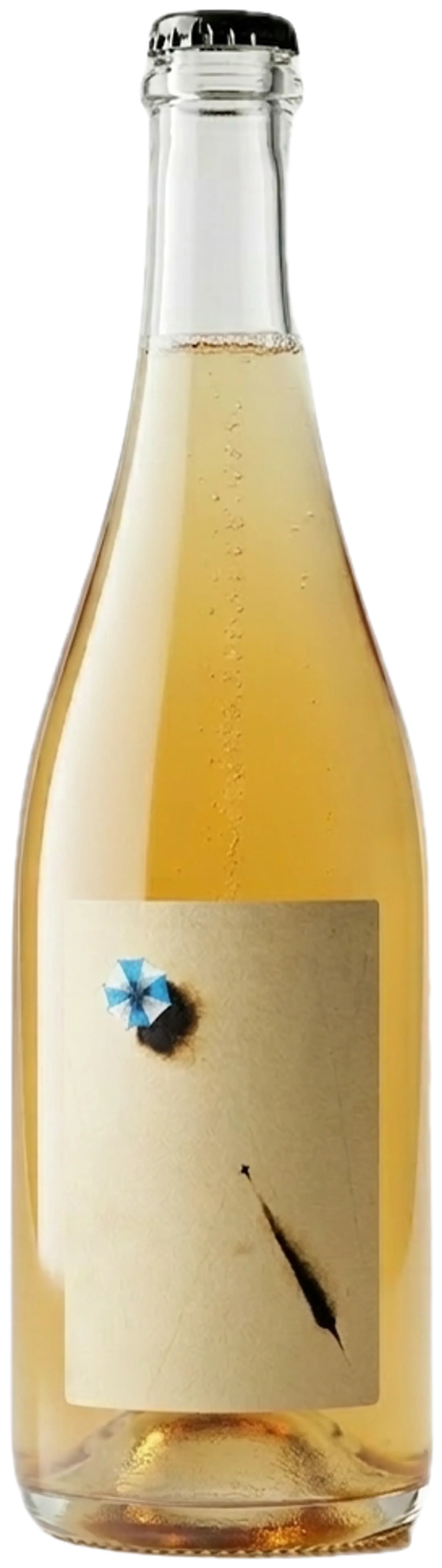
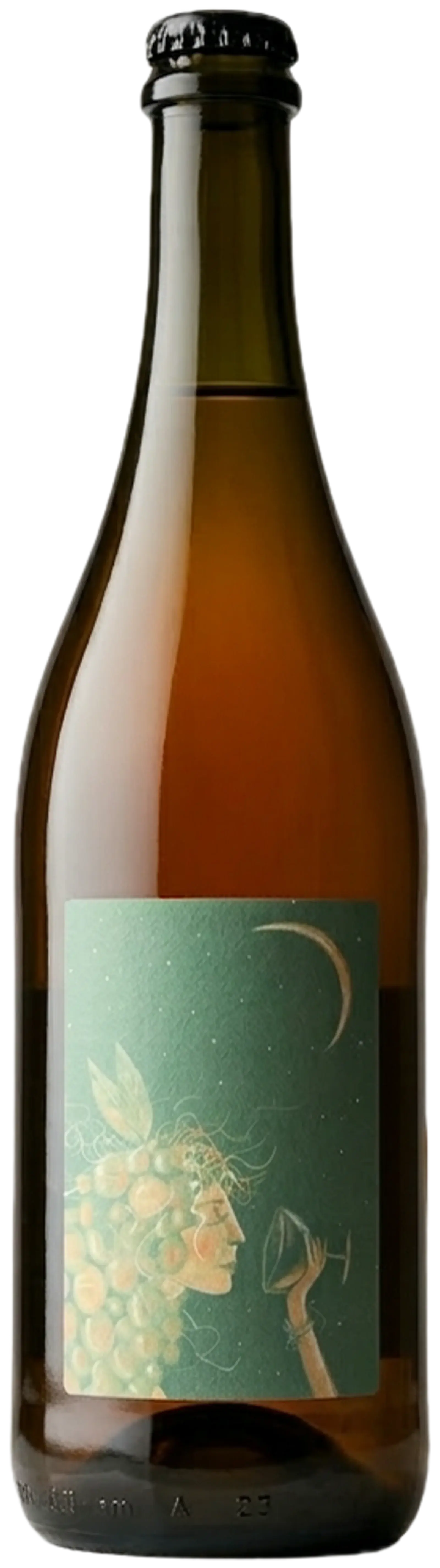
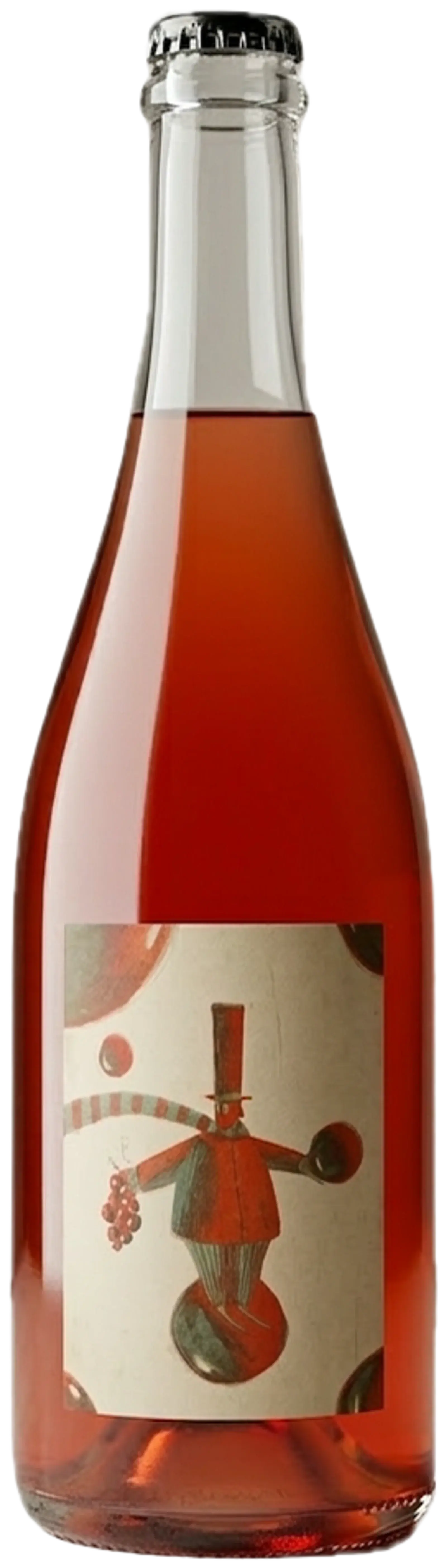
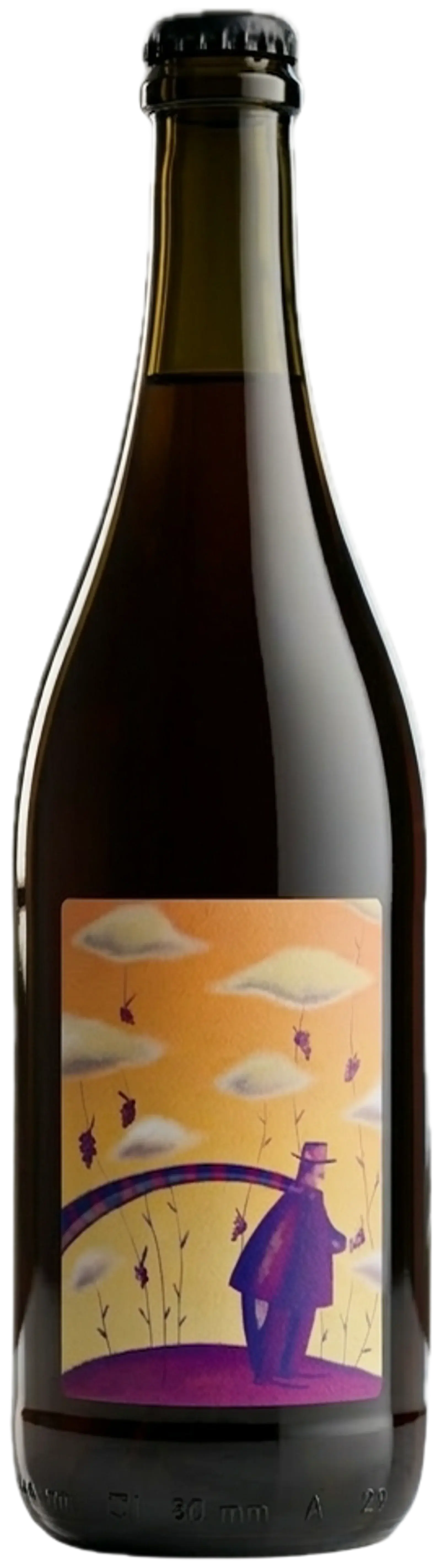
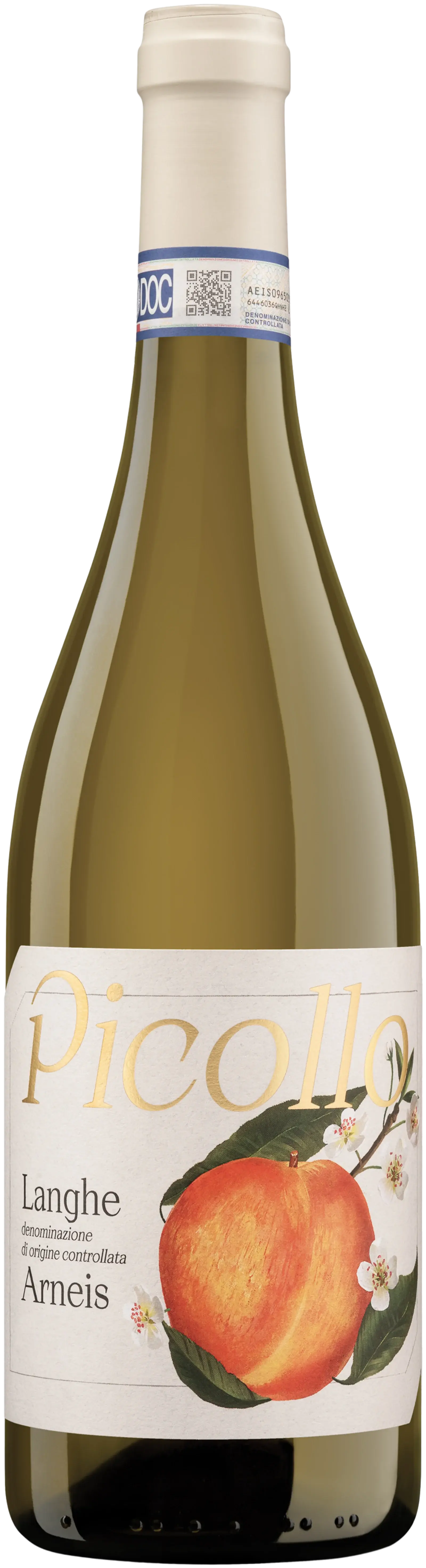
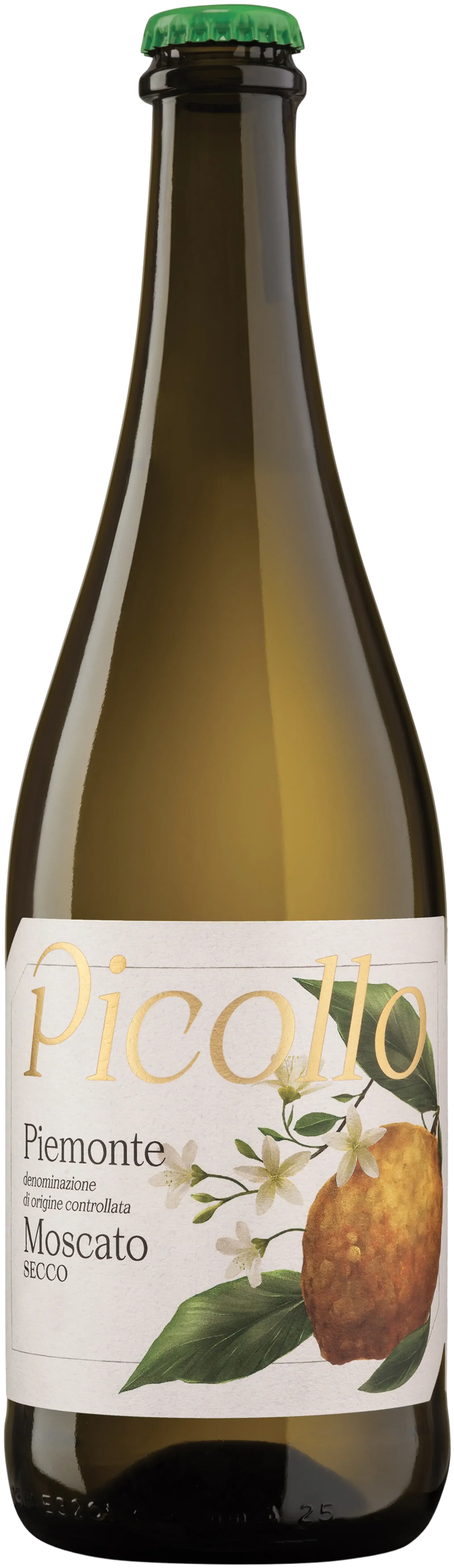
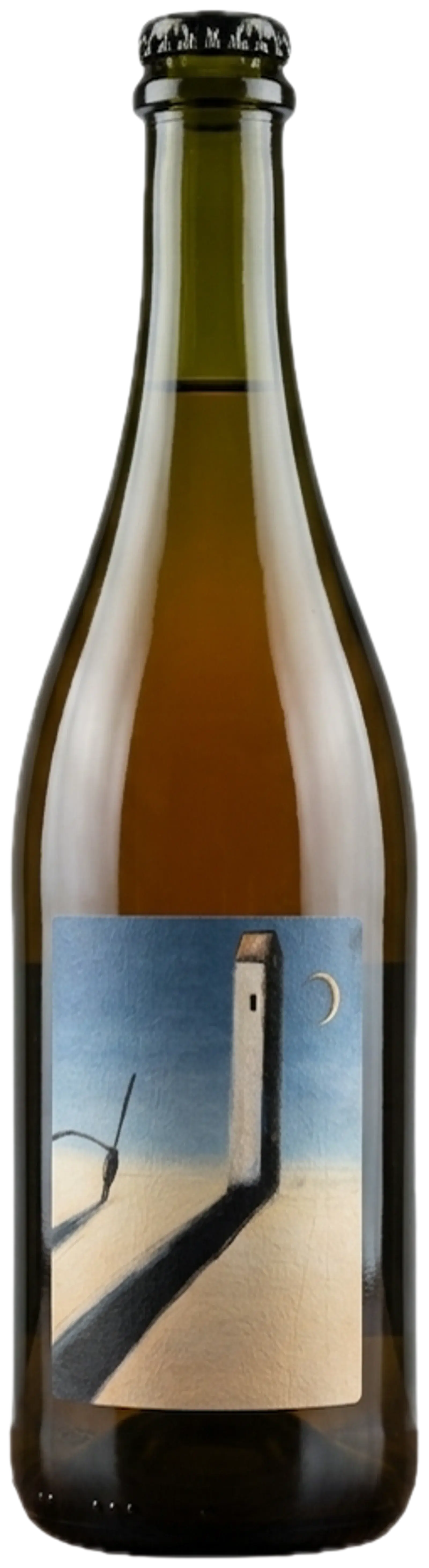
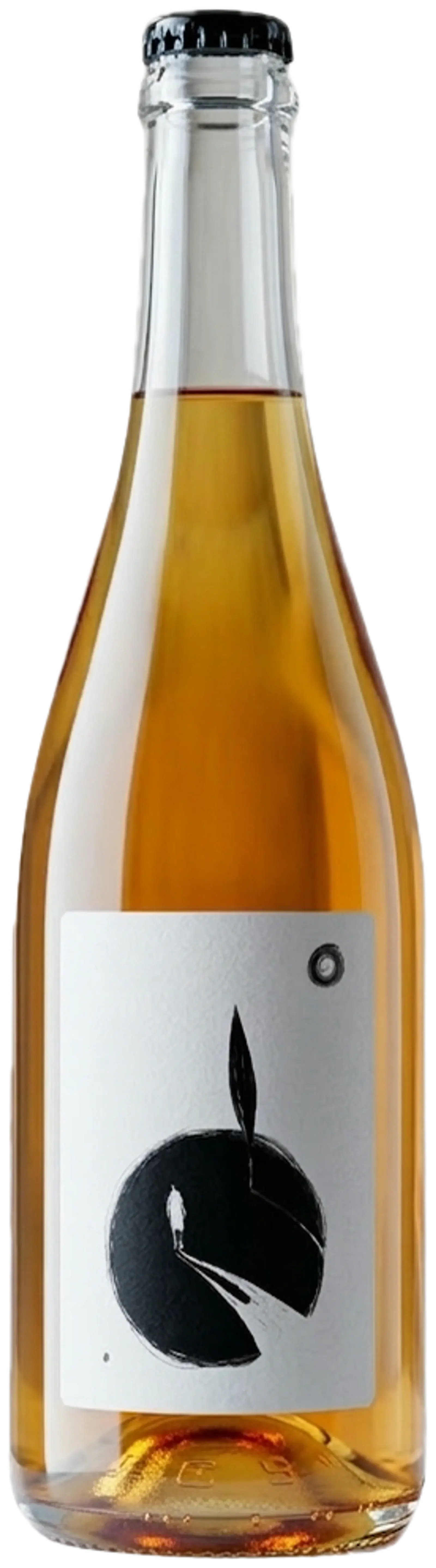
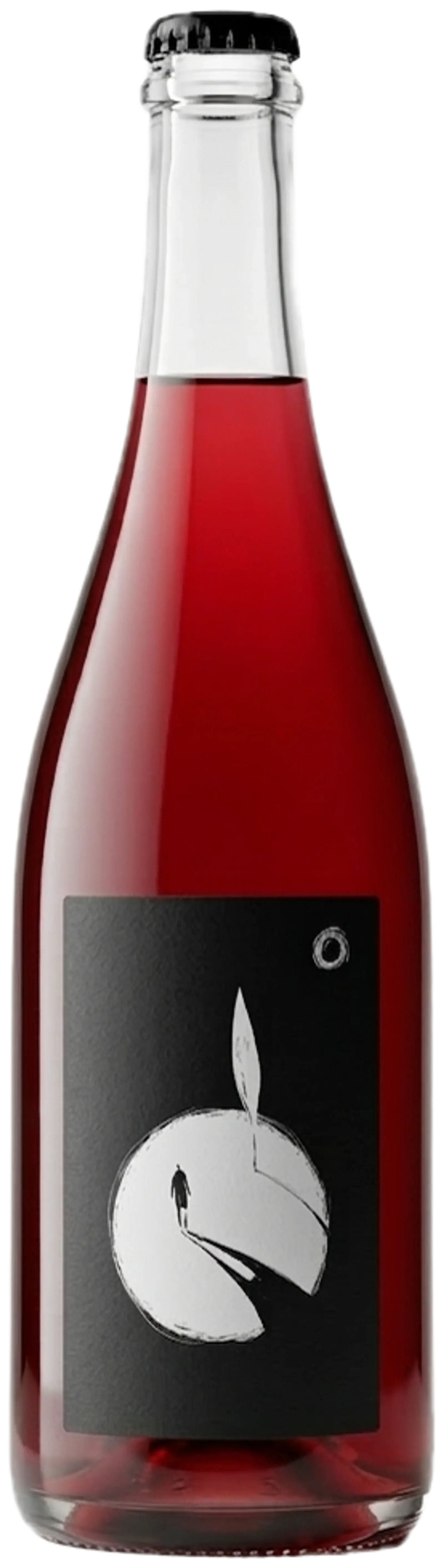
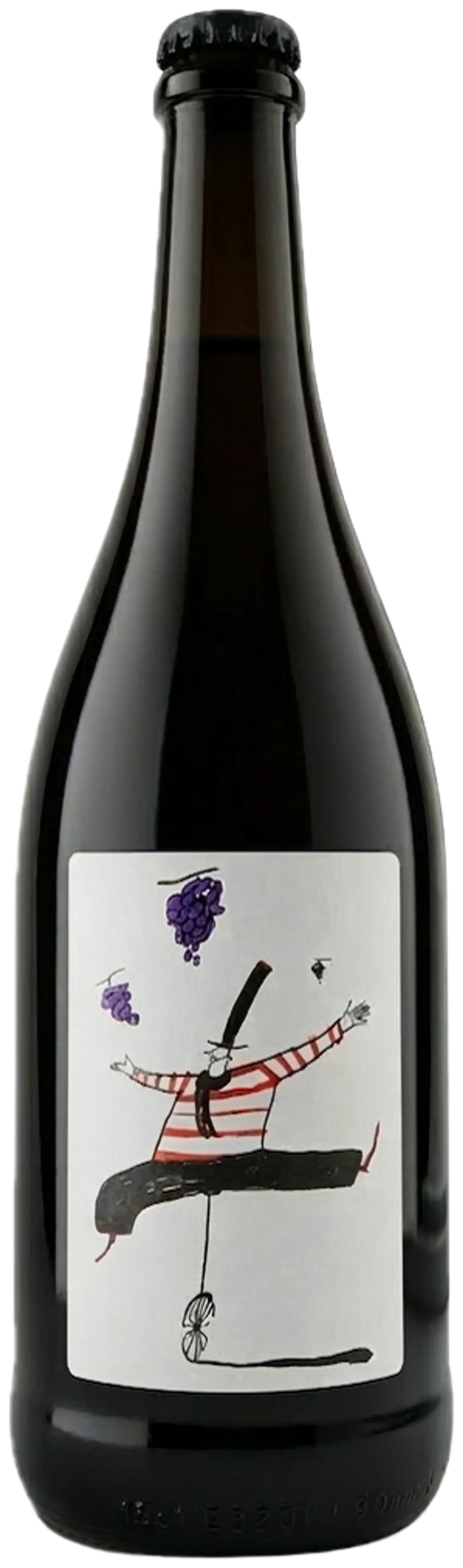
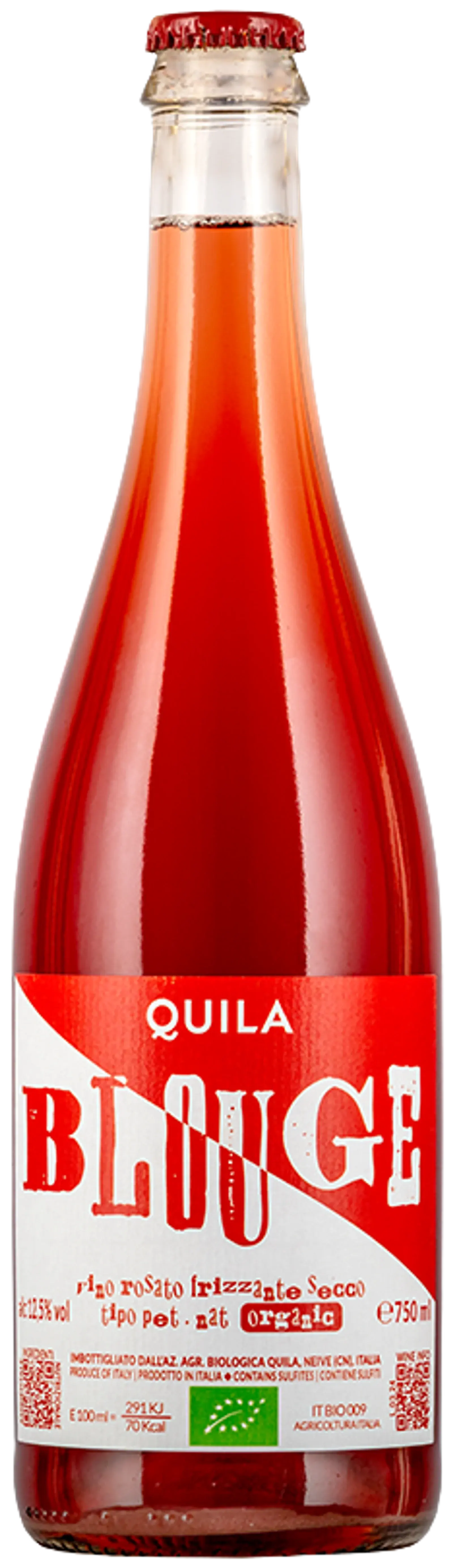
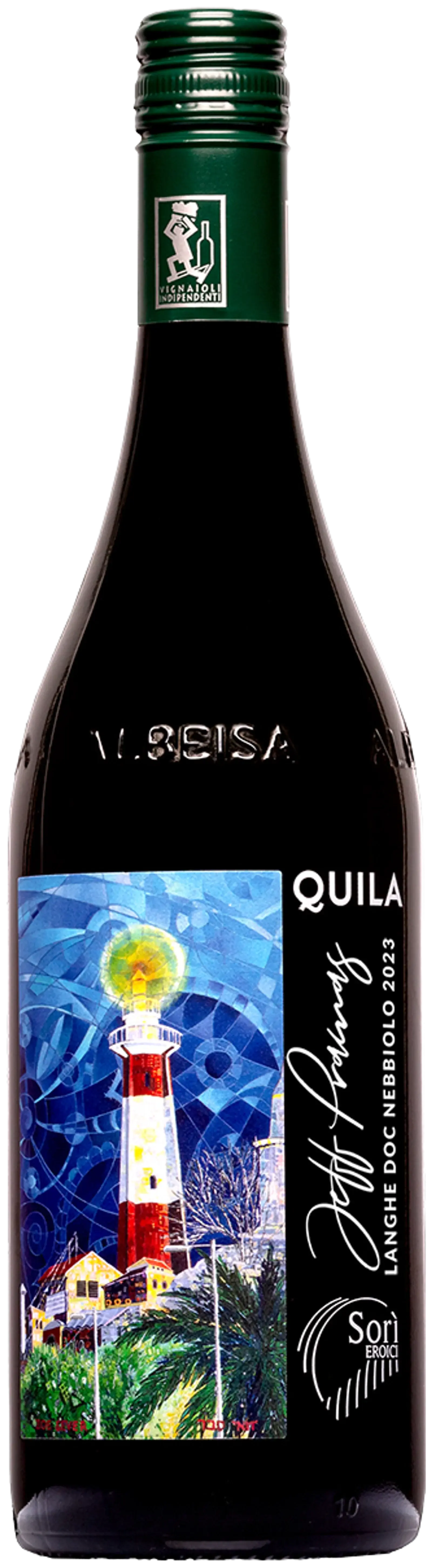
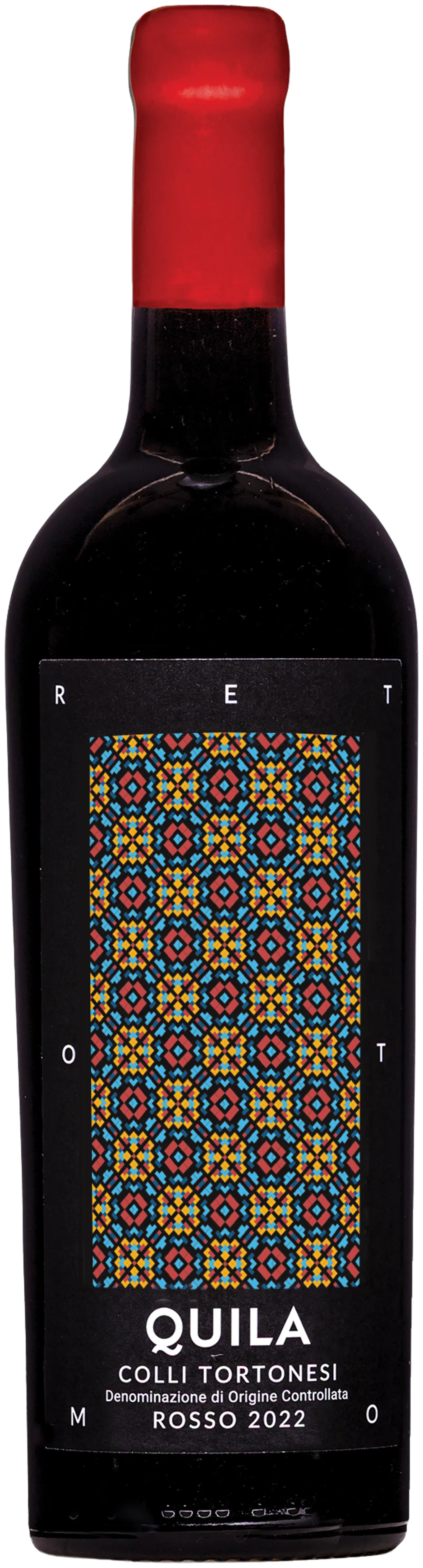
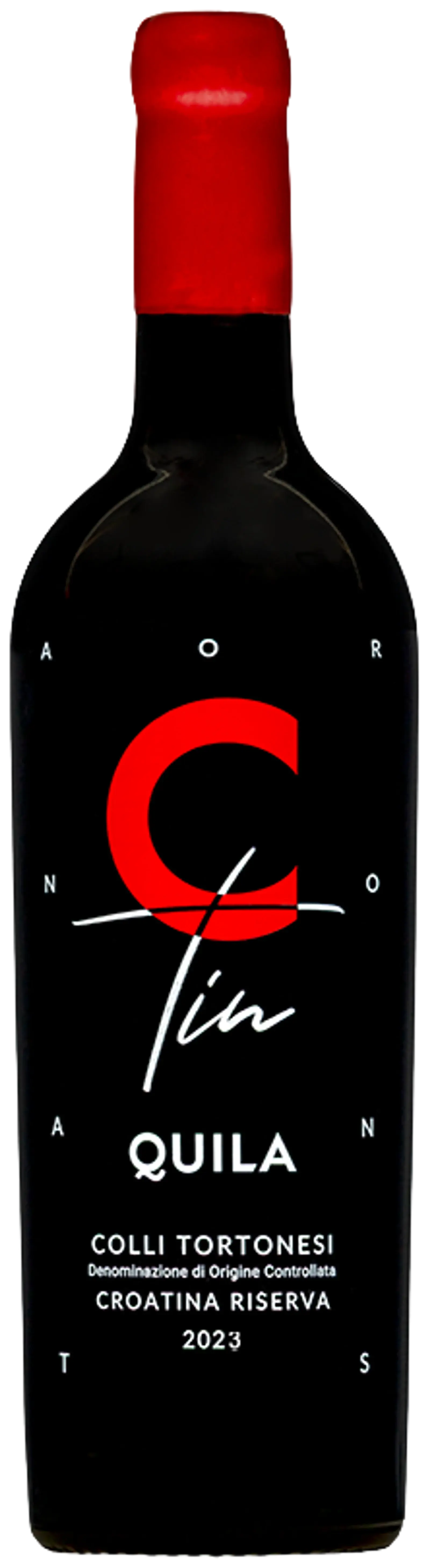
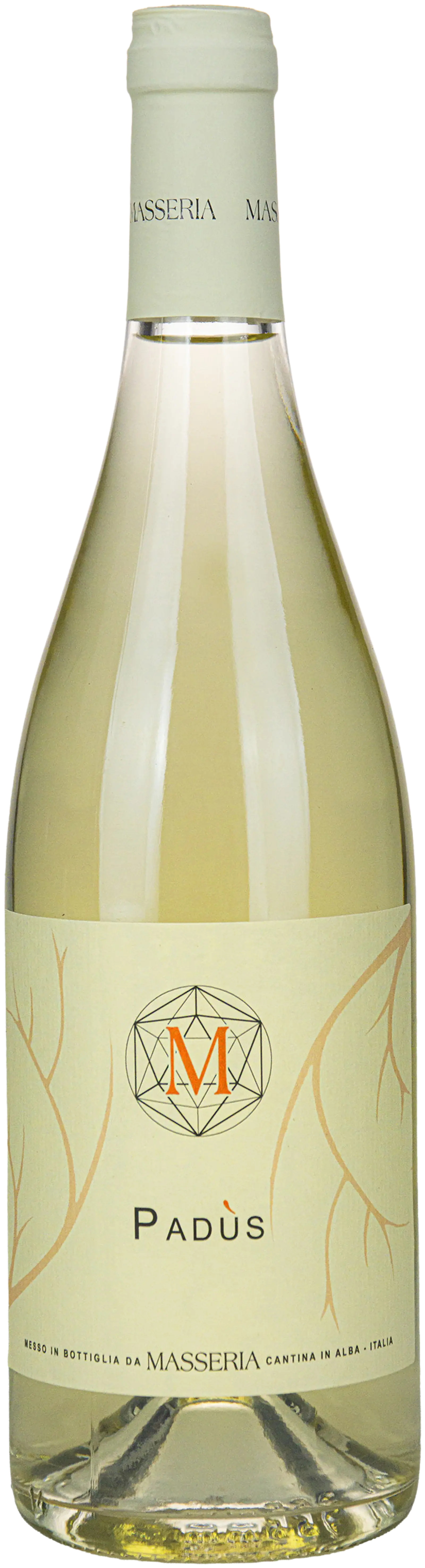
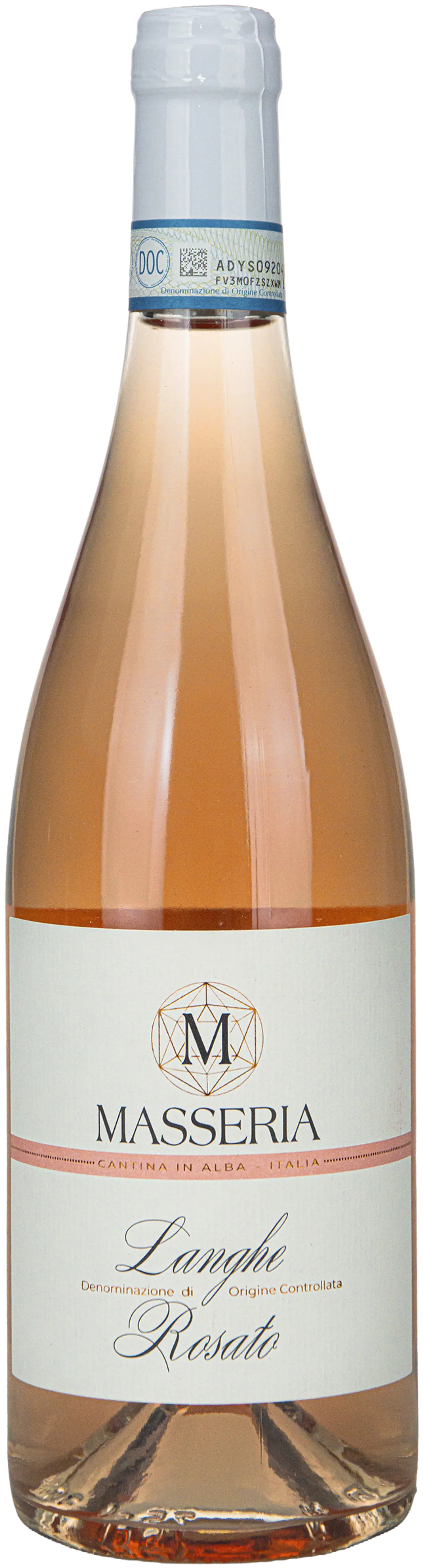
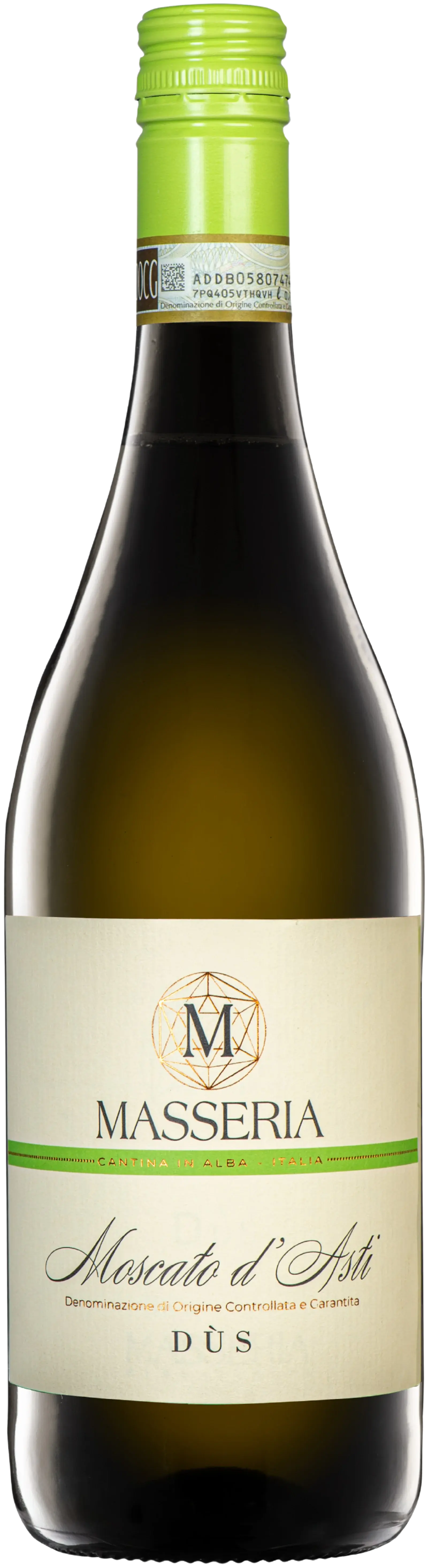
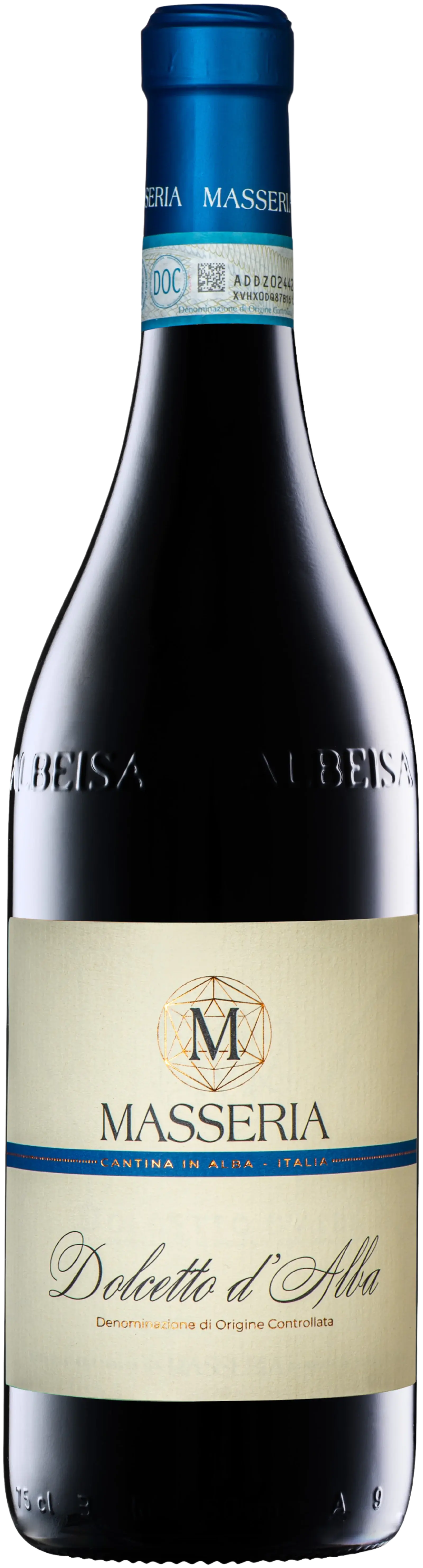
What's in an Italian six-bottle wine case
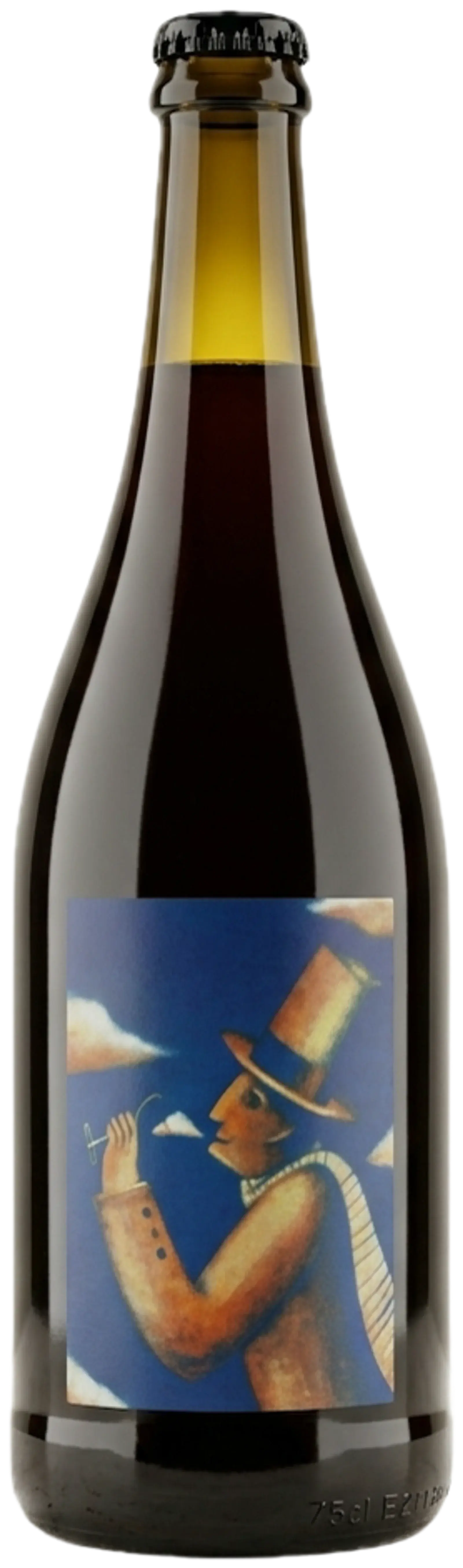
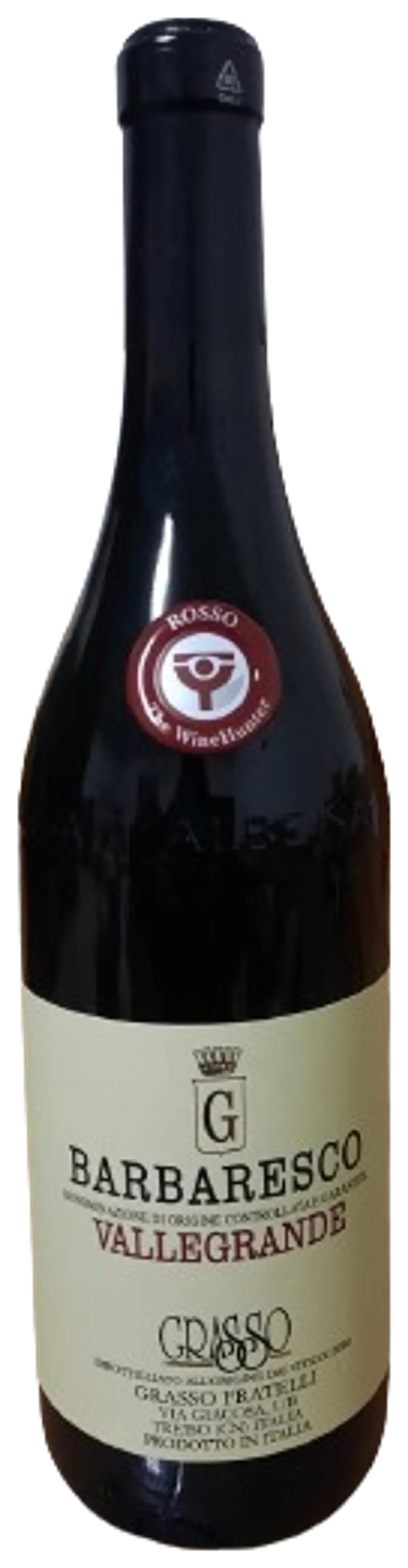
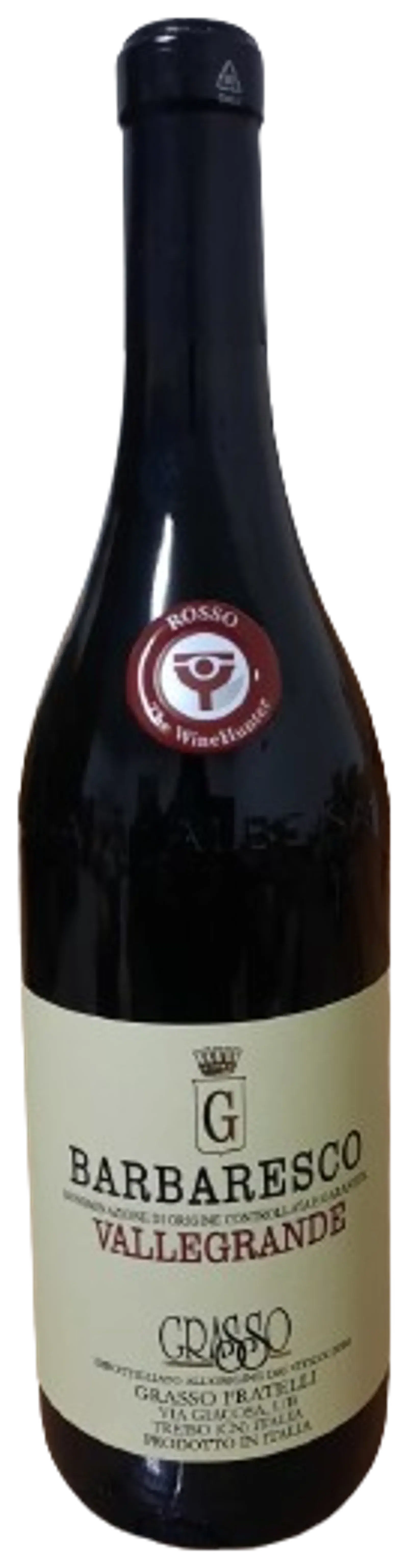
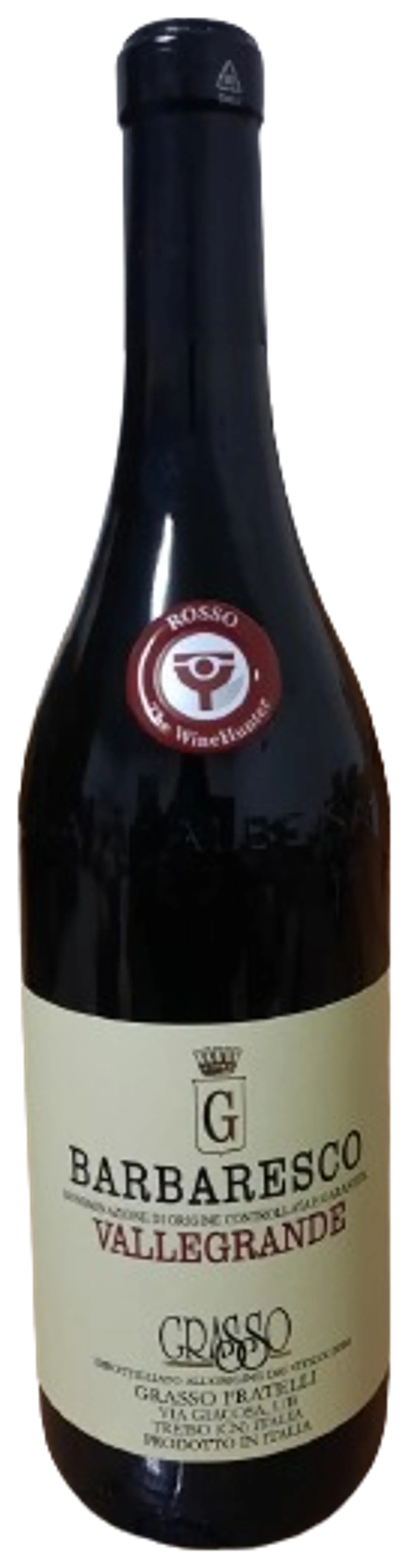
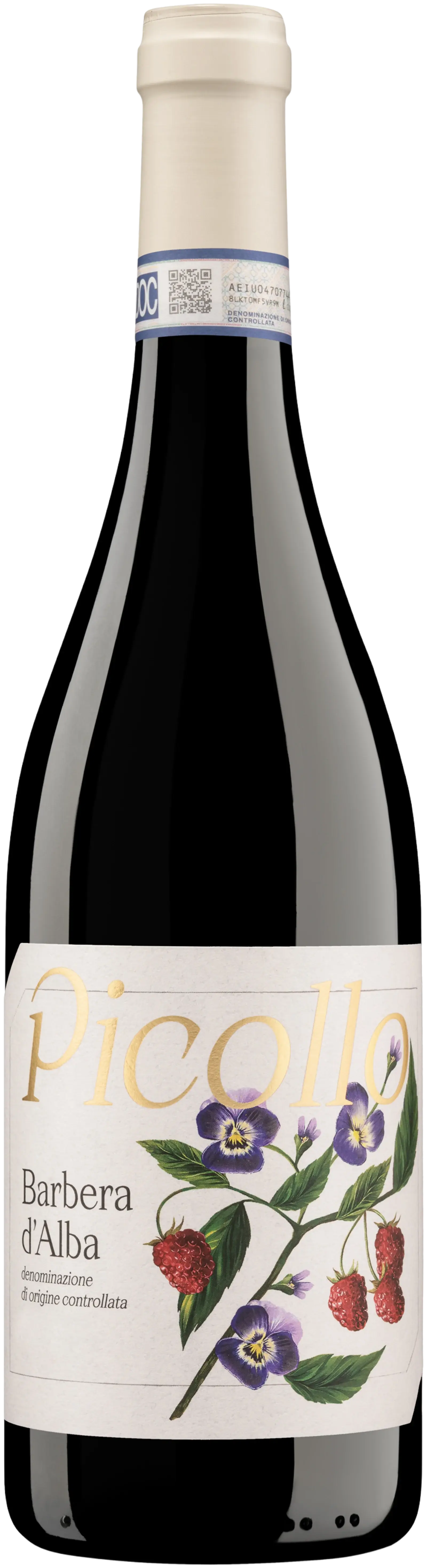
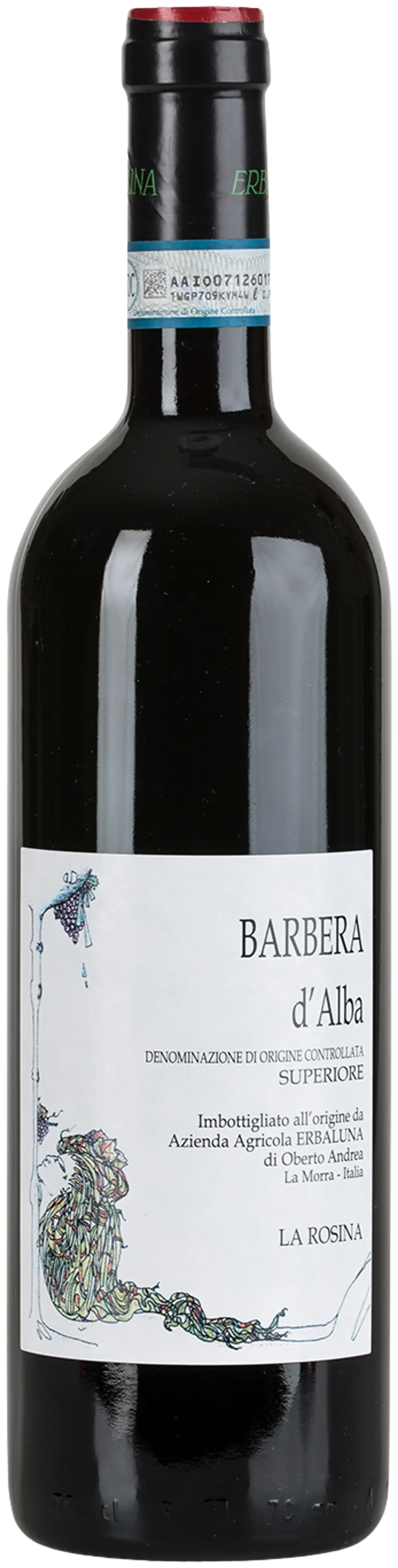
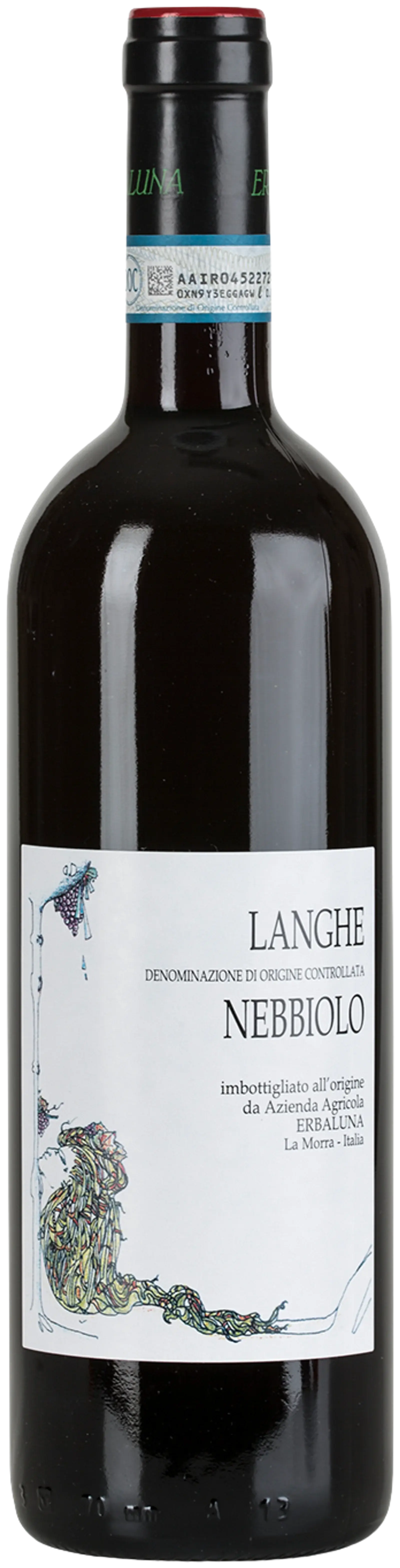
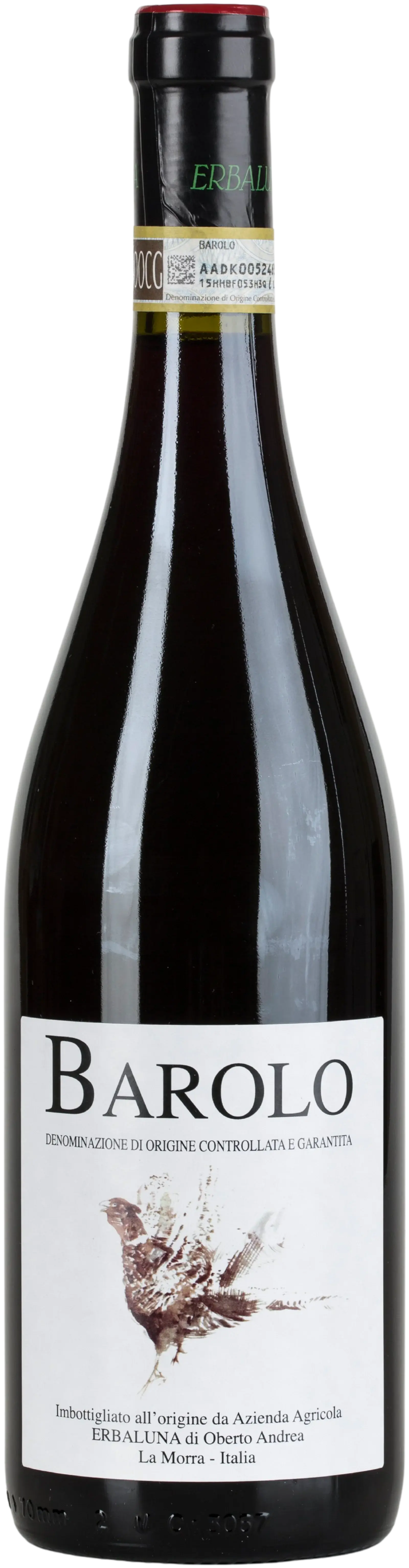
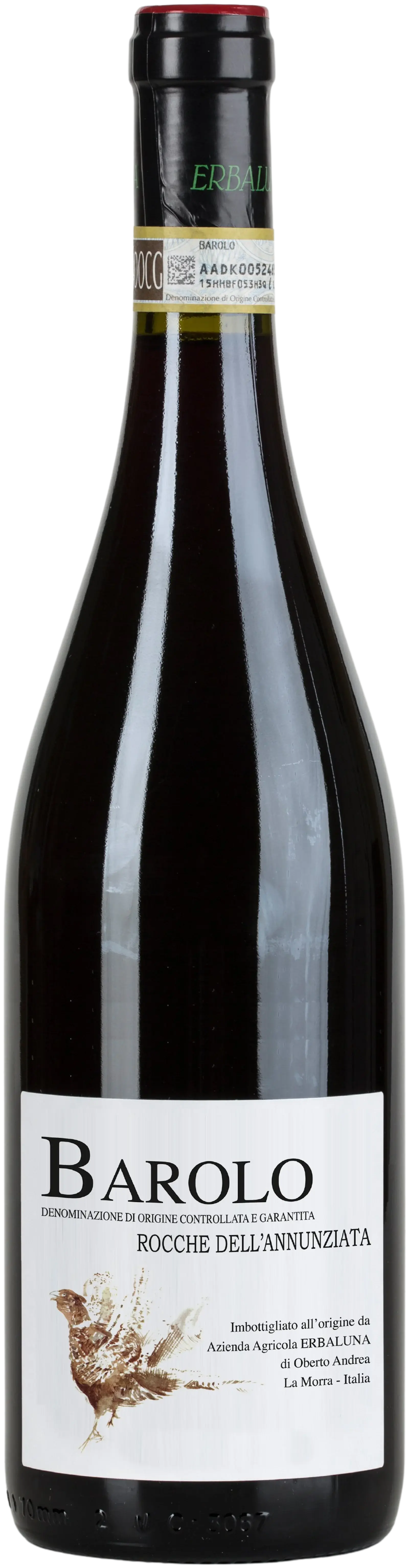
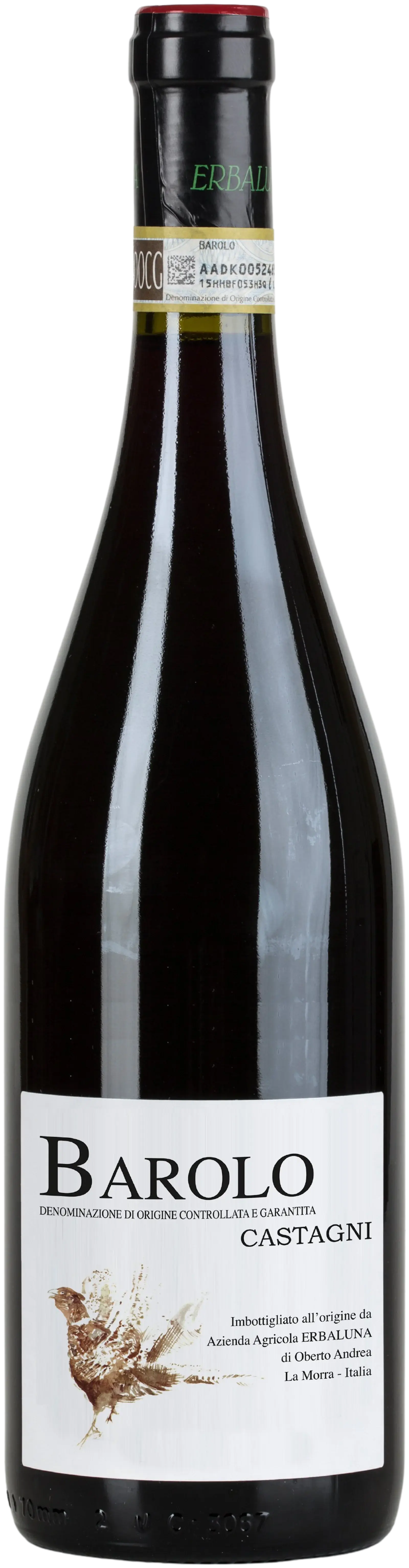
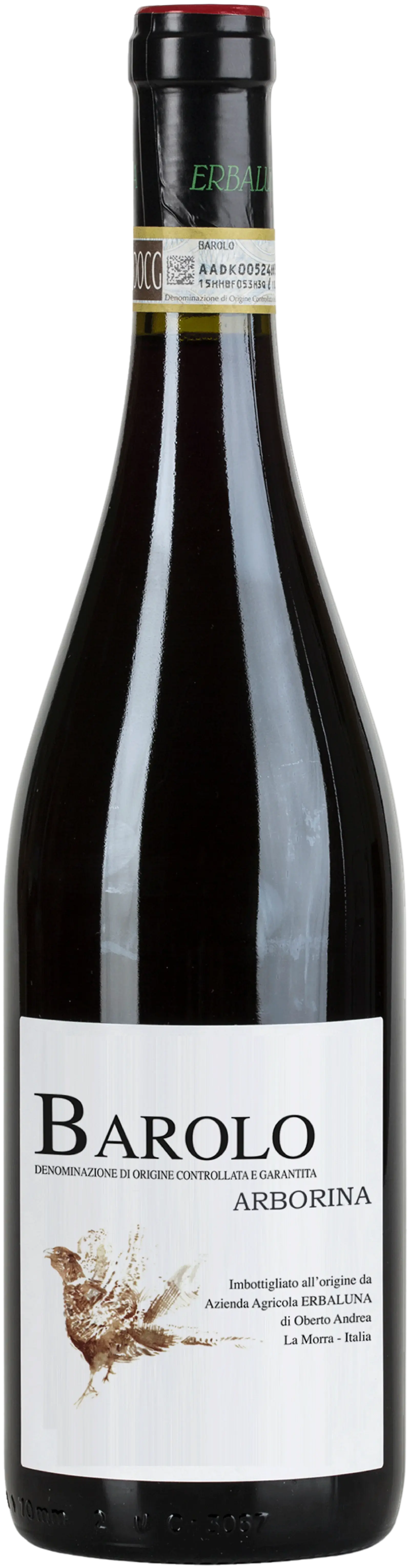
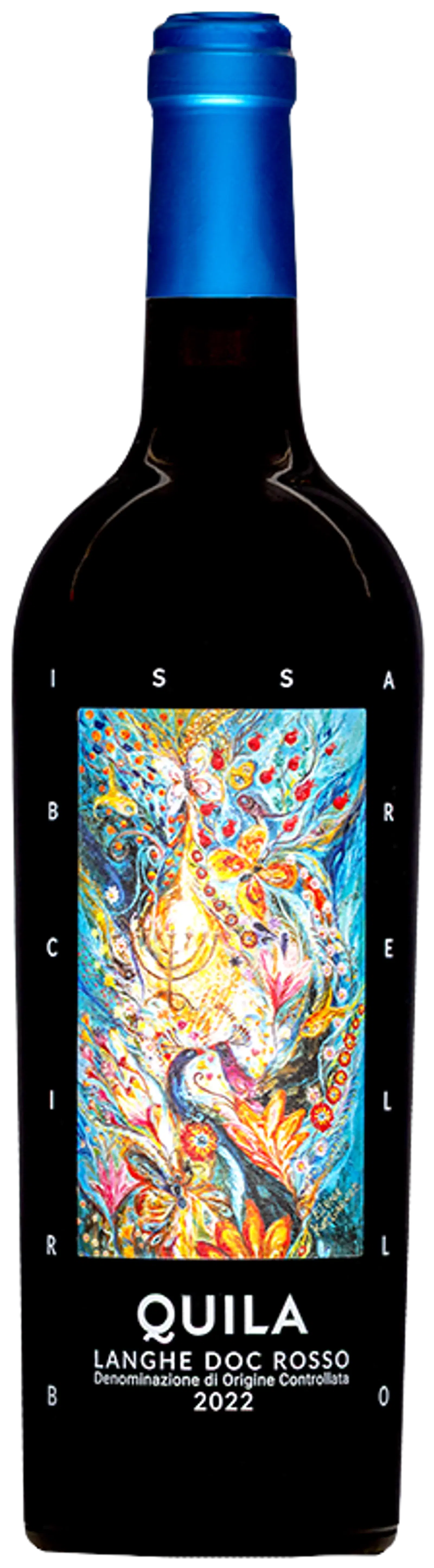
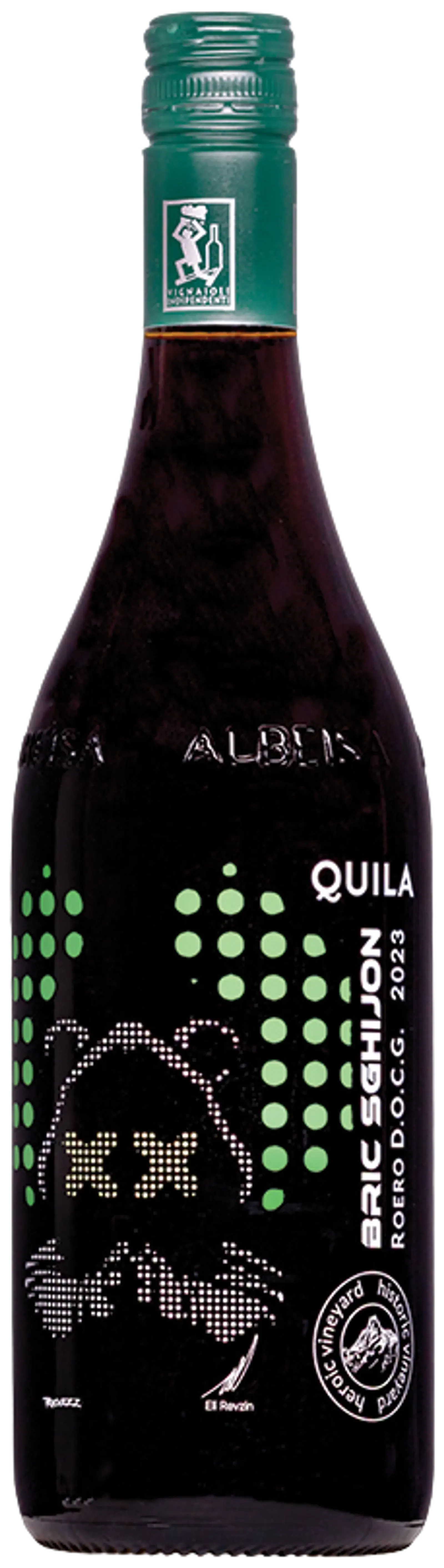
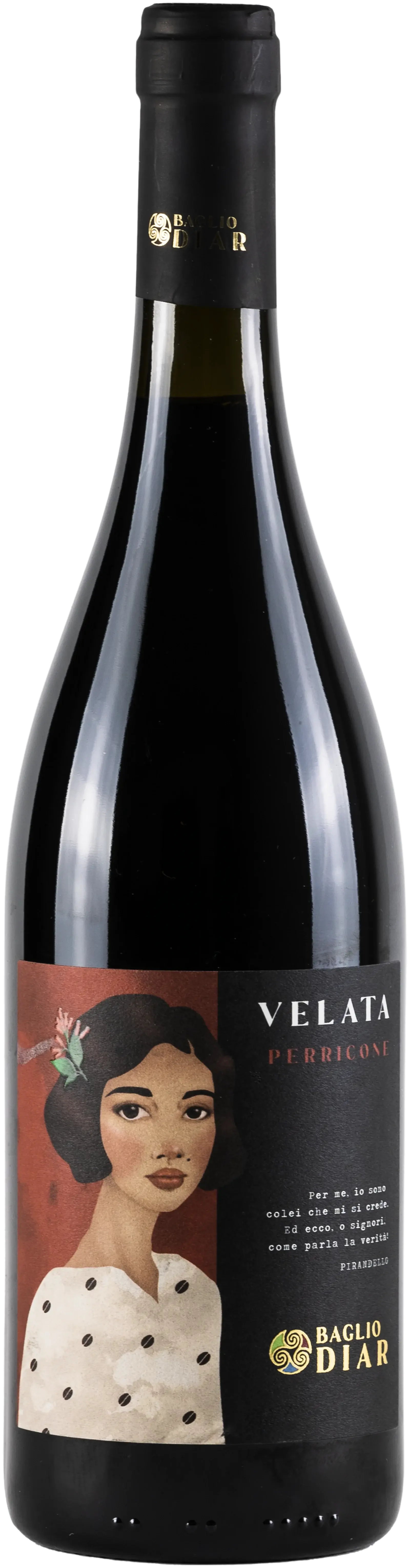
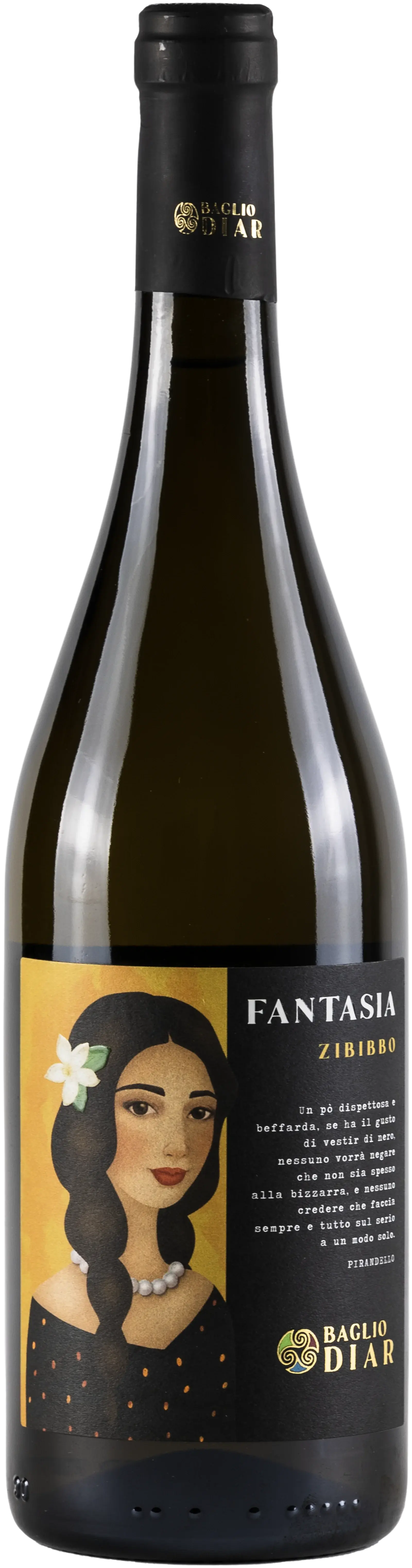
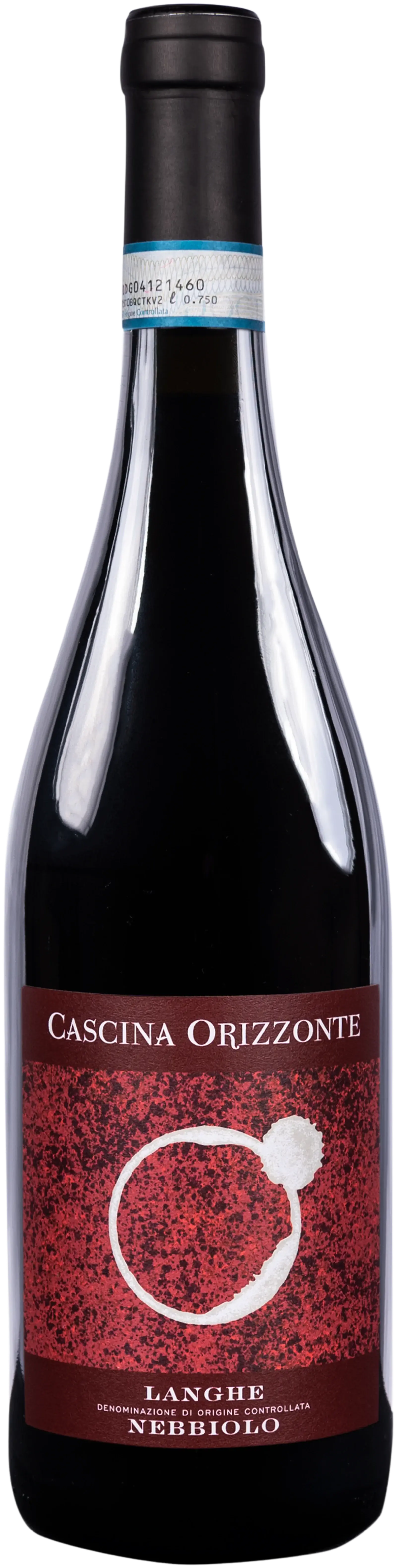
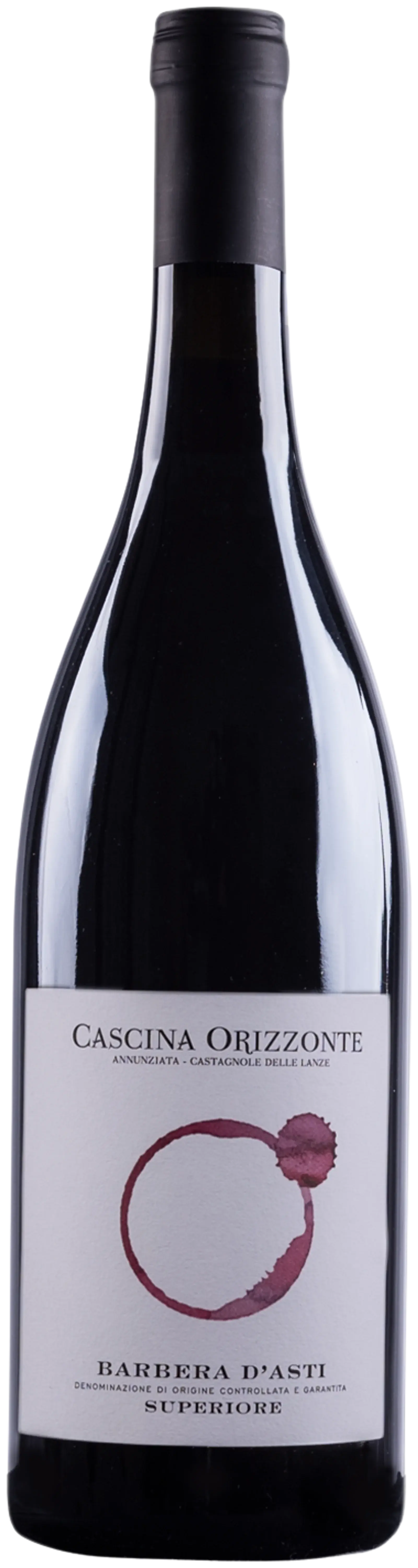
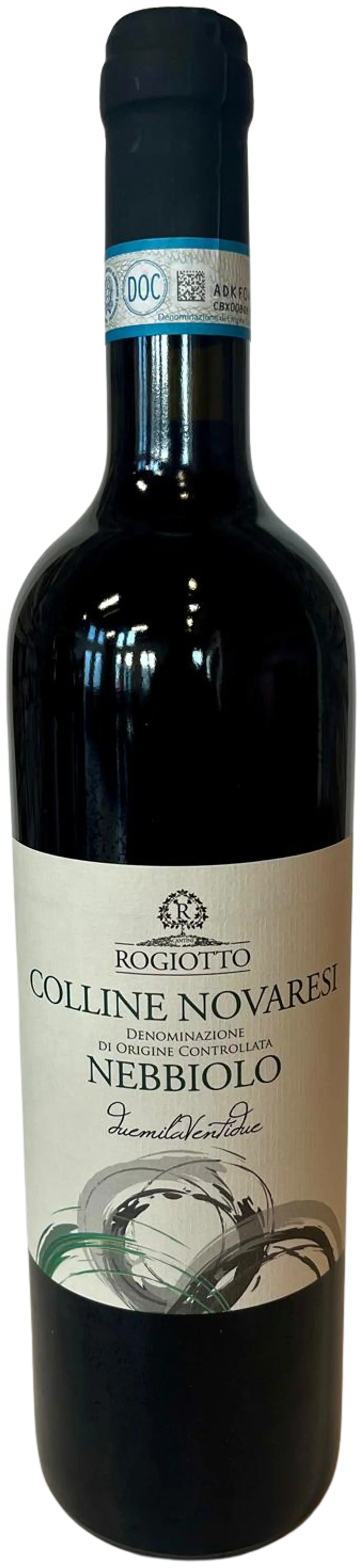
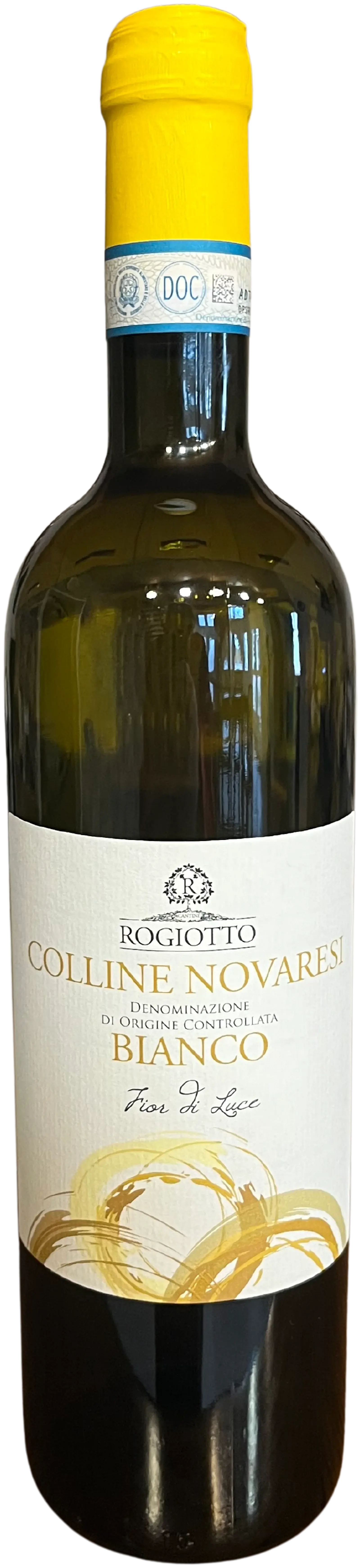
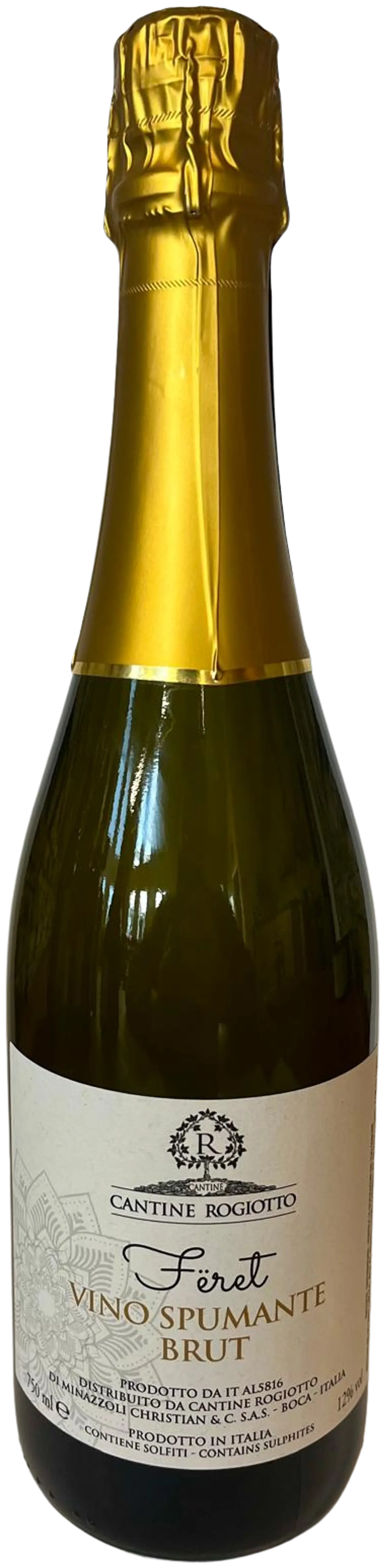
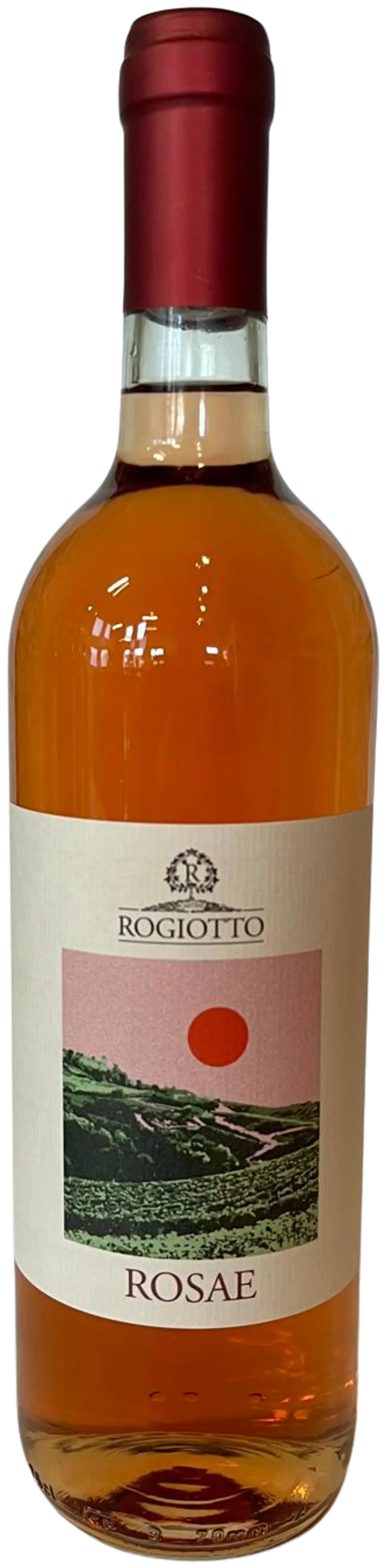
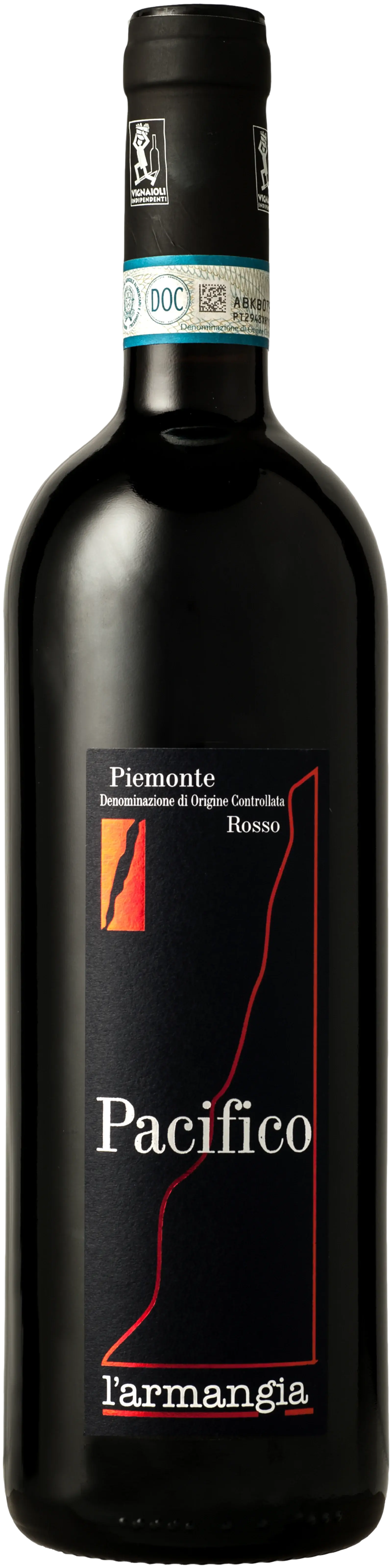
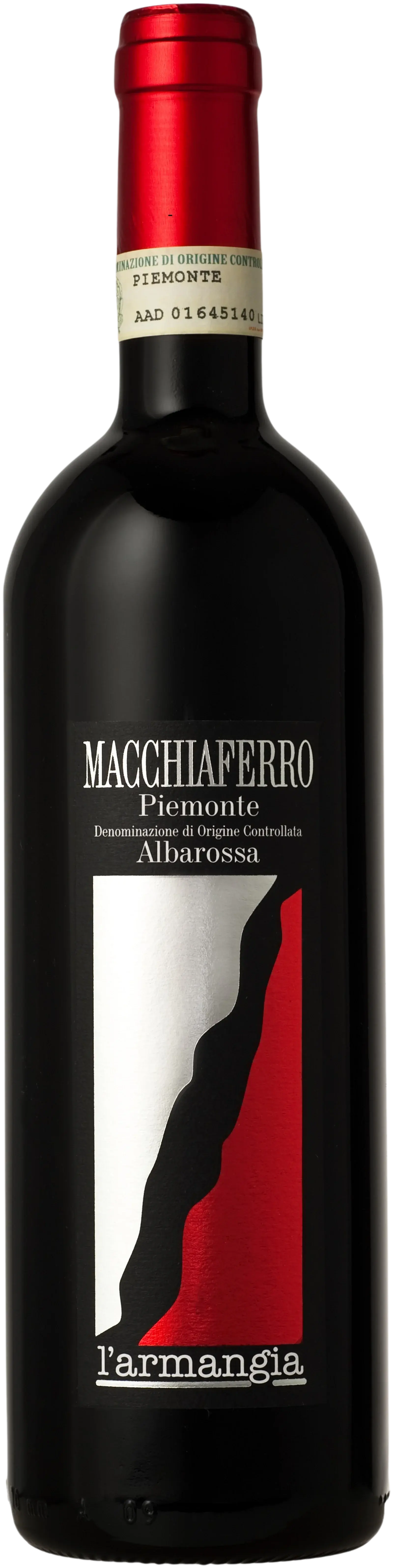
Every wine case on Free Grape Society contains exactly six bottles, all from one producer. The bottles you receive all come from that producer's own cellar. From an estate in Piedmont, a case might hold two vintages of Nebbiolo alongside a tank-sample Barbera. From a family domaine in Tuscany, it might show the difference between their village wine and their single-vineyard bottling. The 6-bottle format matters because six bottles are enough to show an estate in context. One bottle tells you what something tastes like. Six bottles tell you how a producer works.
Italian wine regions and what a six-bottle wine case shows you
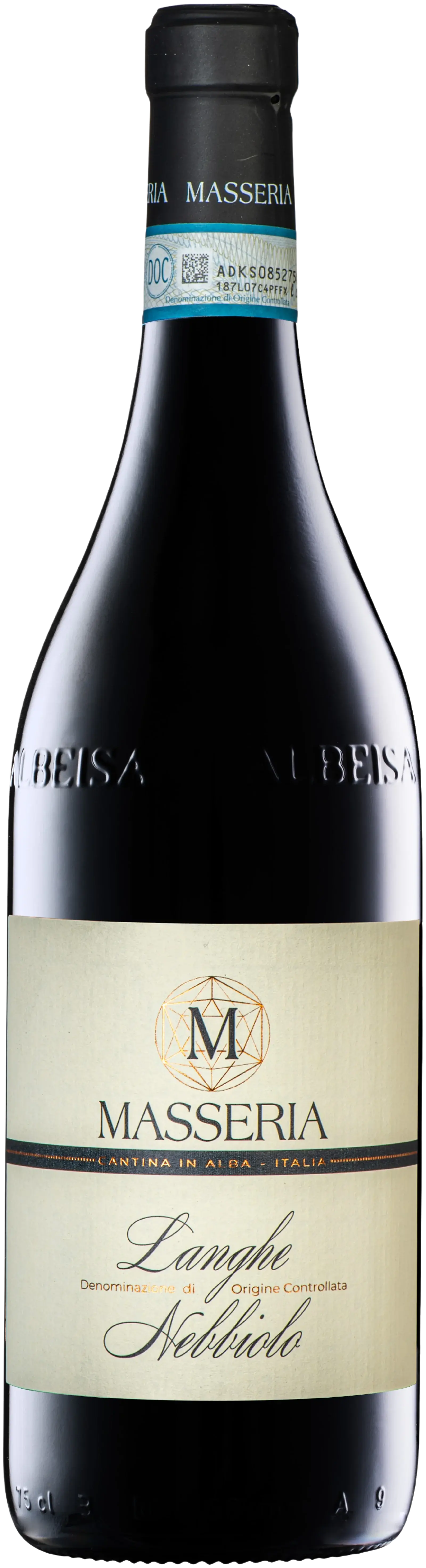
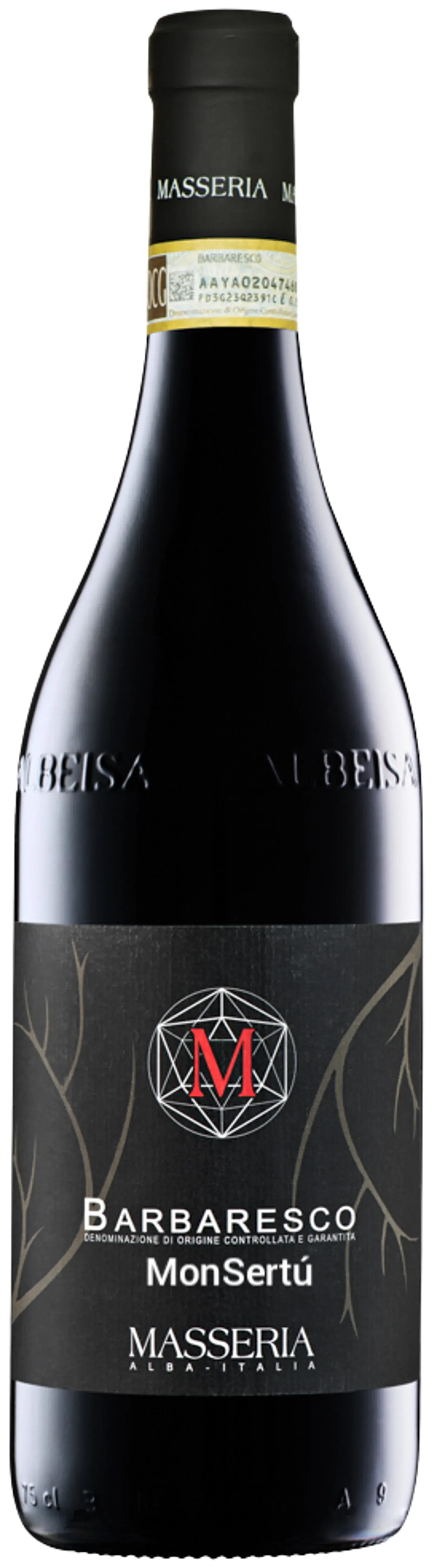
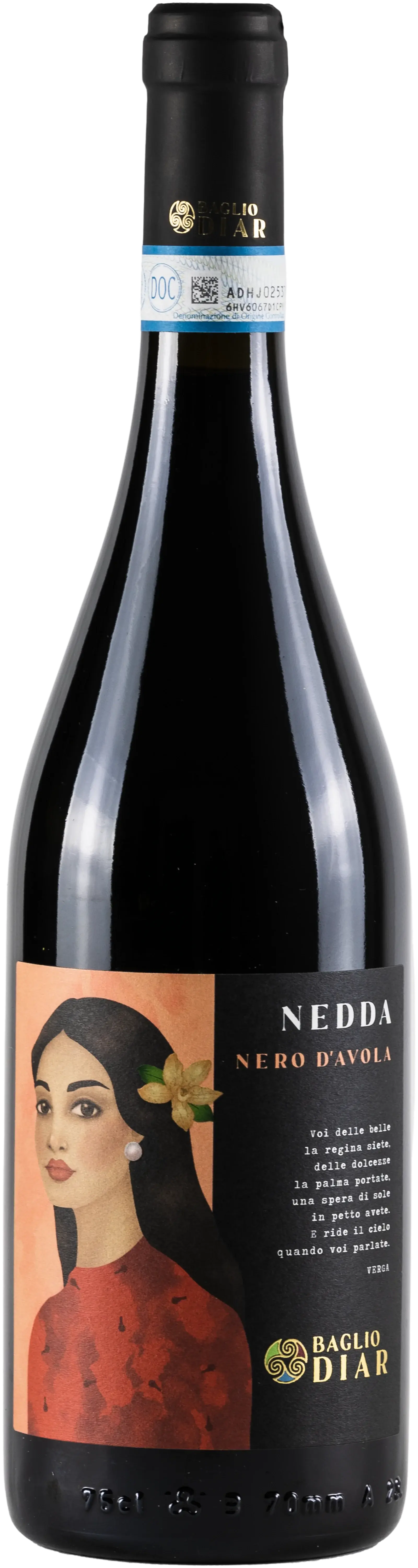
Italy has 20 regions and 350-plus authorized grape varieties, more than any other wine-producing country in the world. That breadth is not decorative. Sangiovese in Tuscany produces a structurally different wine than Sangiovese grown 200 kilometres north in Emilia-Romagna. Nebbiolo in Piedmont requires a minimum of 18 months in barrel under DOCG rules for Barolo, a regulation with no direct equivalent elsewhere in Italy. Nero d'Avola is almost entirely confined to Sicily, where summer temperatures regularly exceed 35°C and producers harvest up to three weeks earlier than in the north. A six-bottle wine case from a single producer gives you a vertical or horizontal slice of one of these regions, not a sampler assembled from a warehouse catalogue. The Veneto alone accounts for more DOC wine volume than any other Italian region, yet most of its most interesting producers are not in large-format retail at all. Bottles ship directly from the producer's cellar. Not from a warehouse in the Netherlands.
Reading an Italian wine label inside a six-bottle wine case
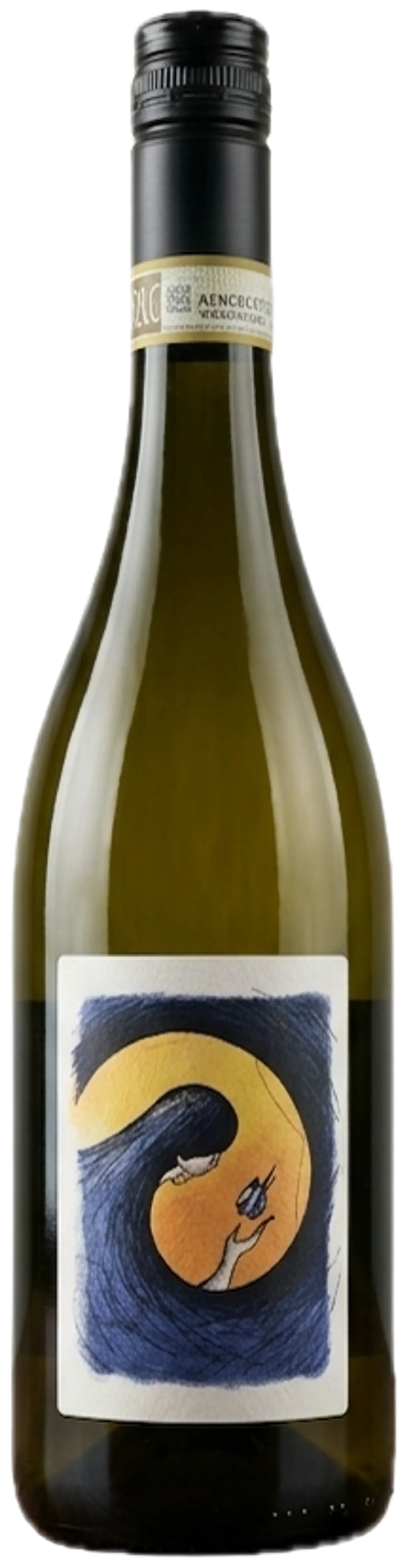
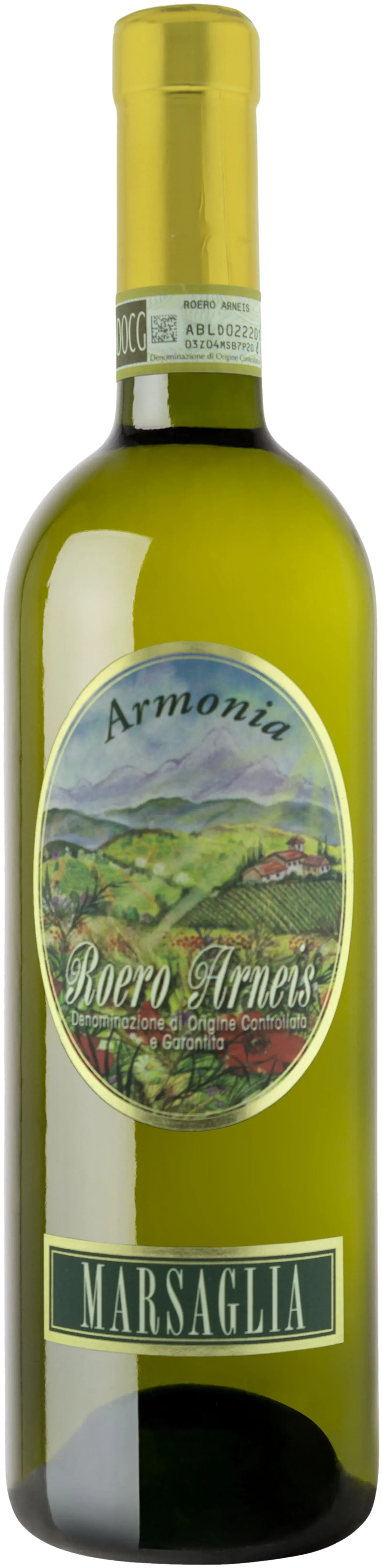
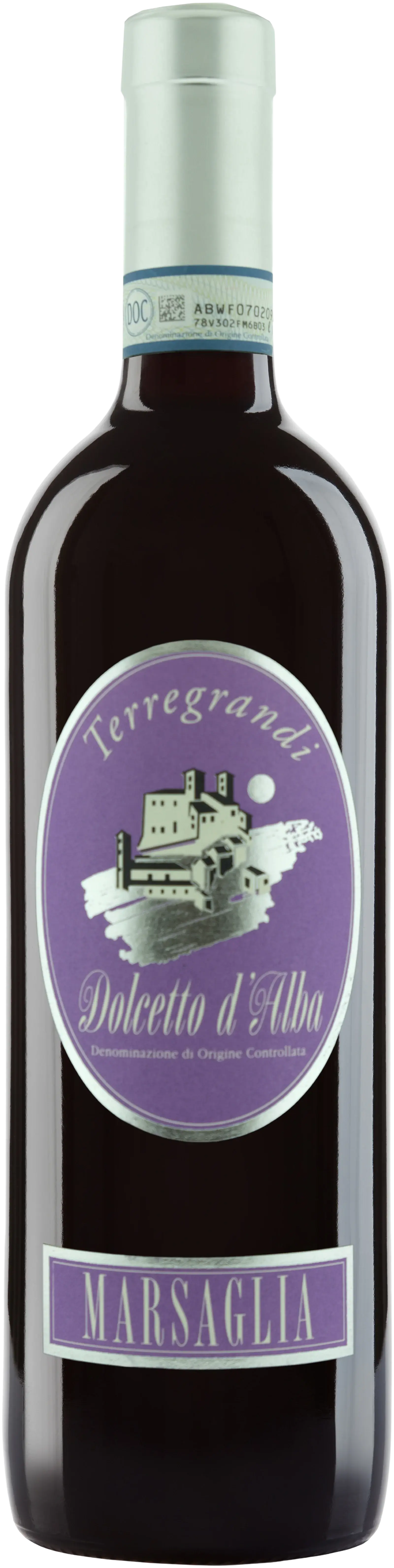
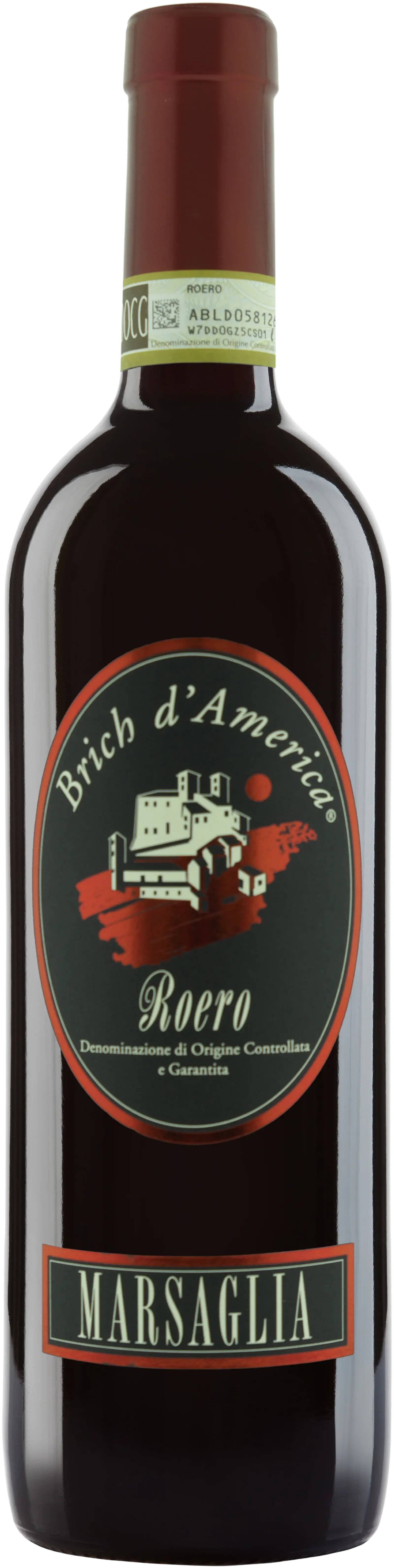
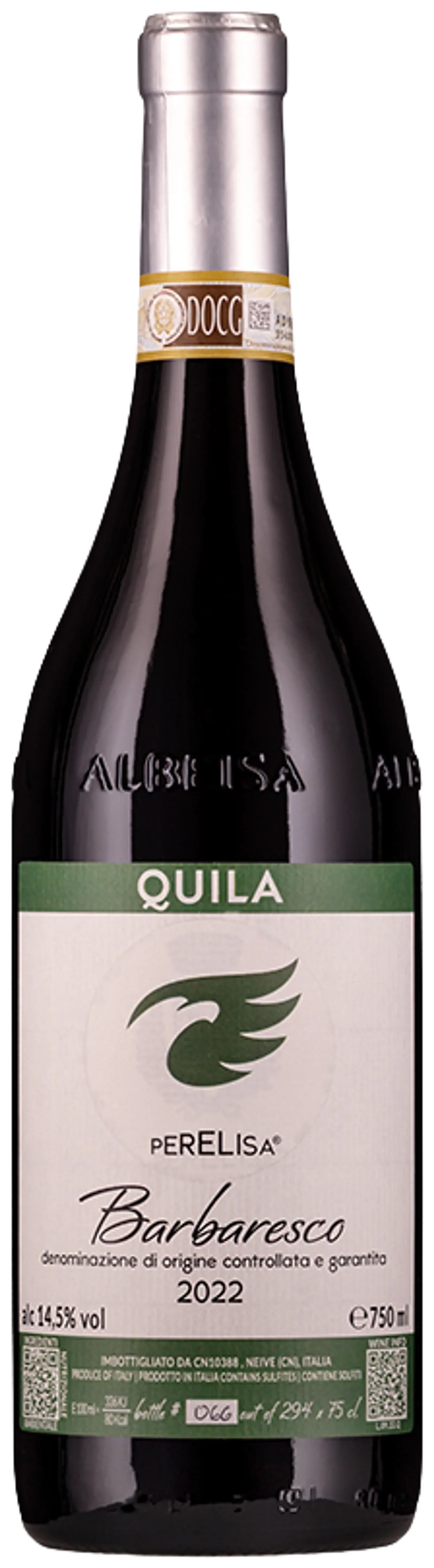
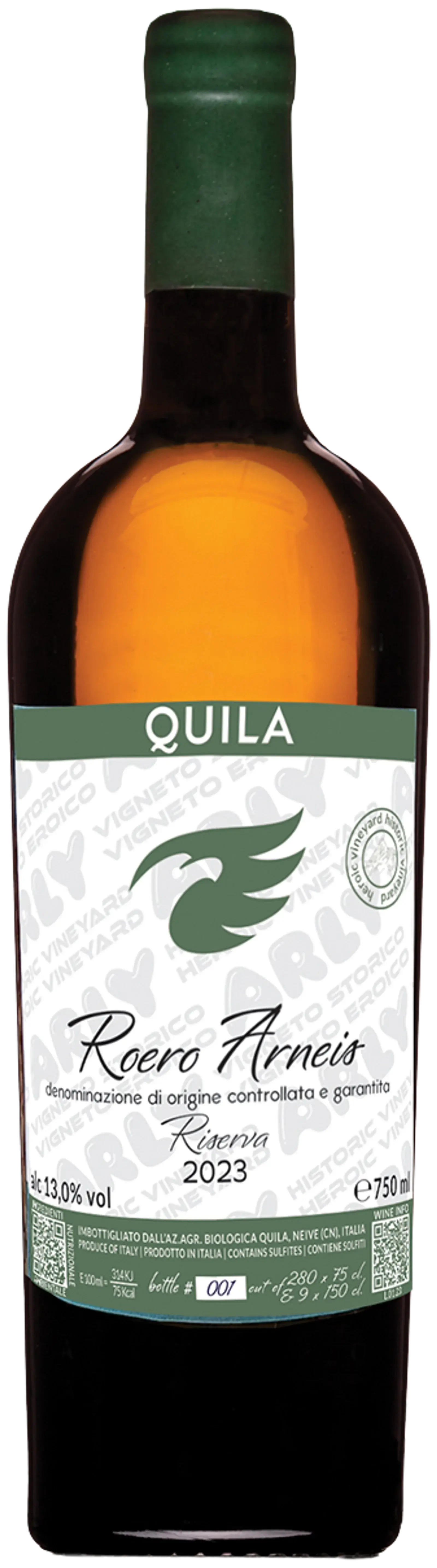
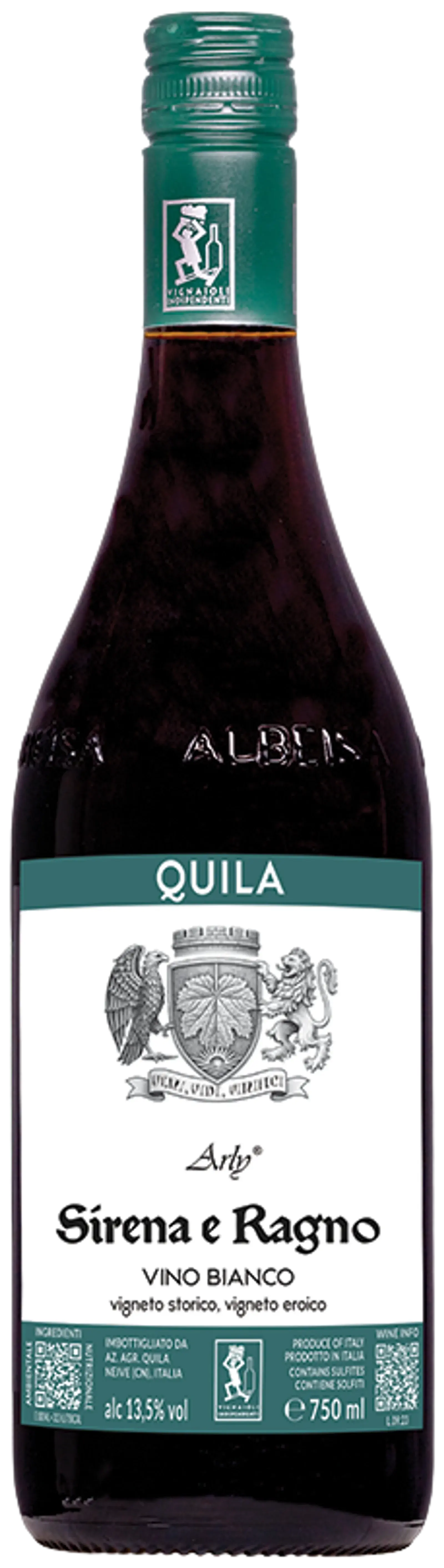
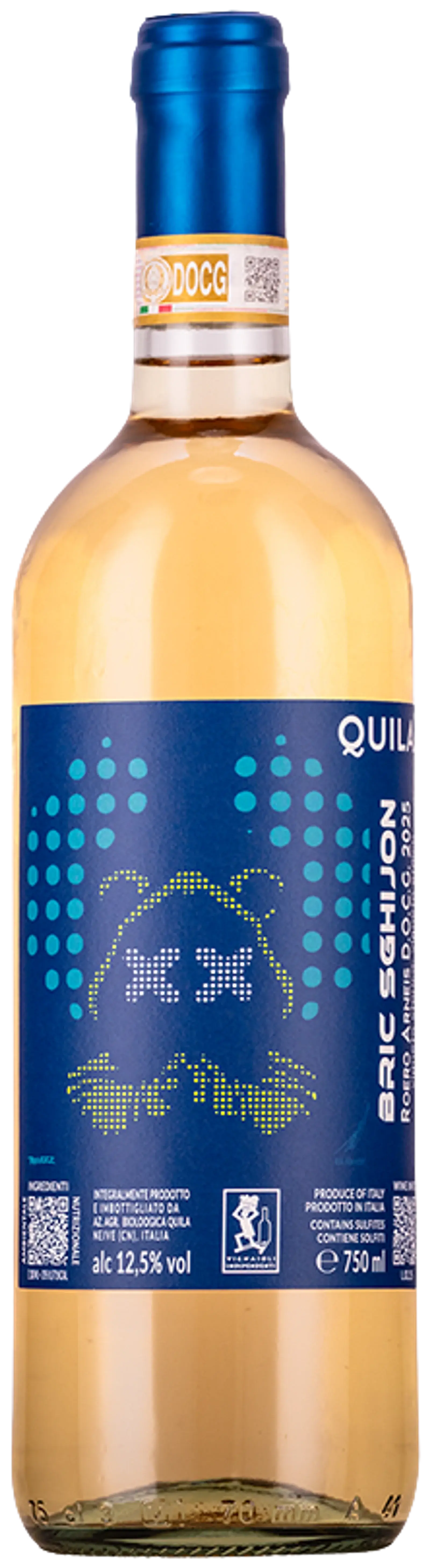
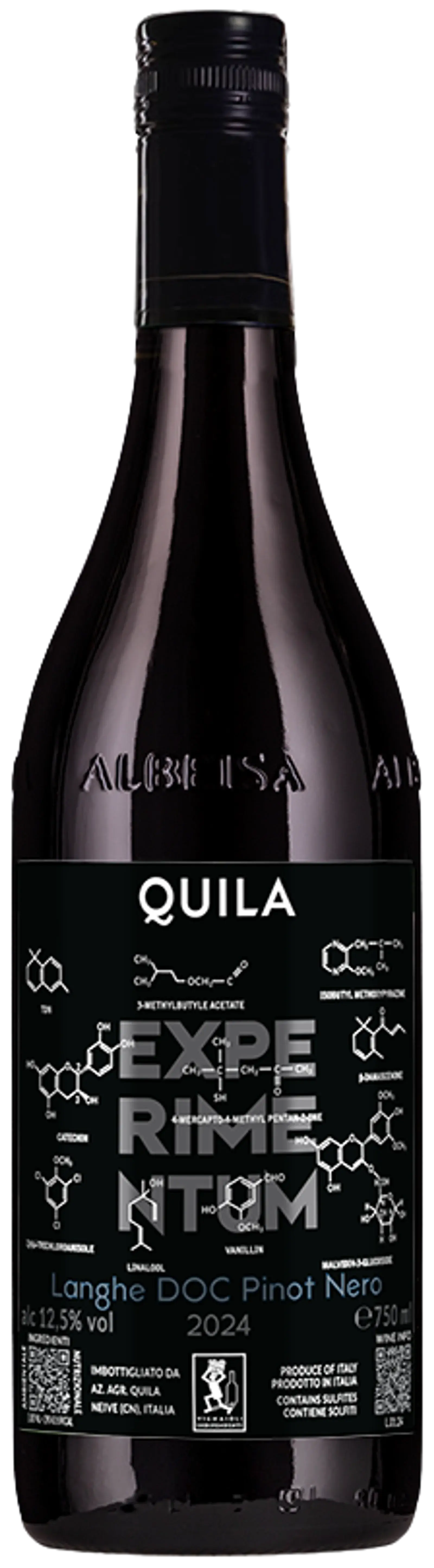
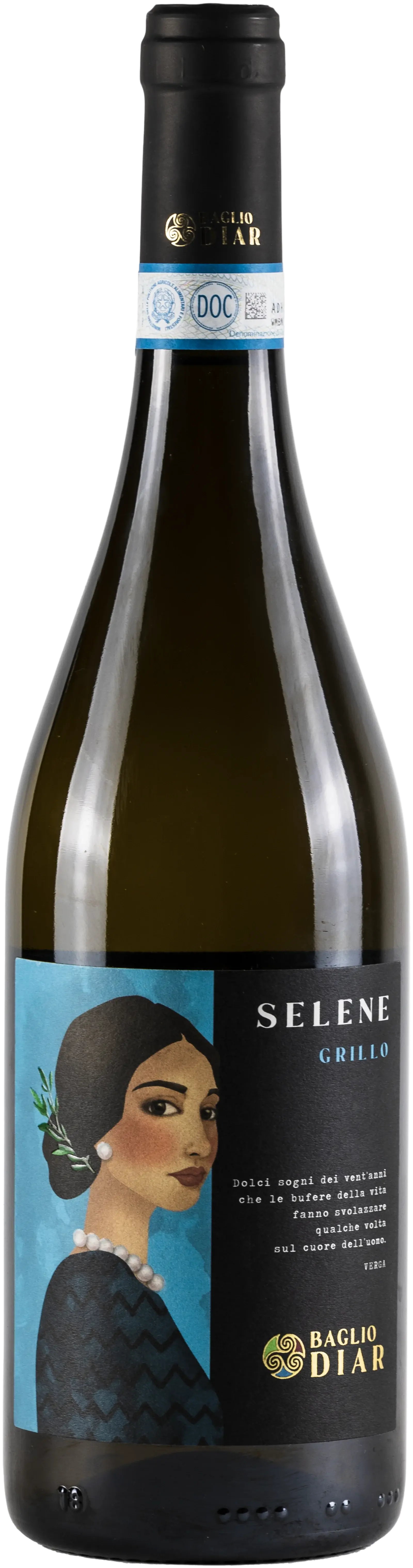
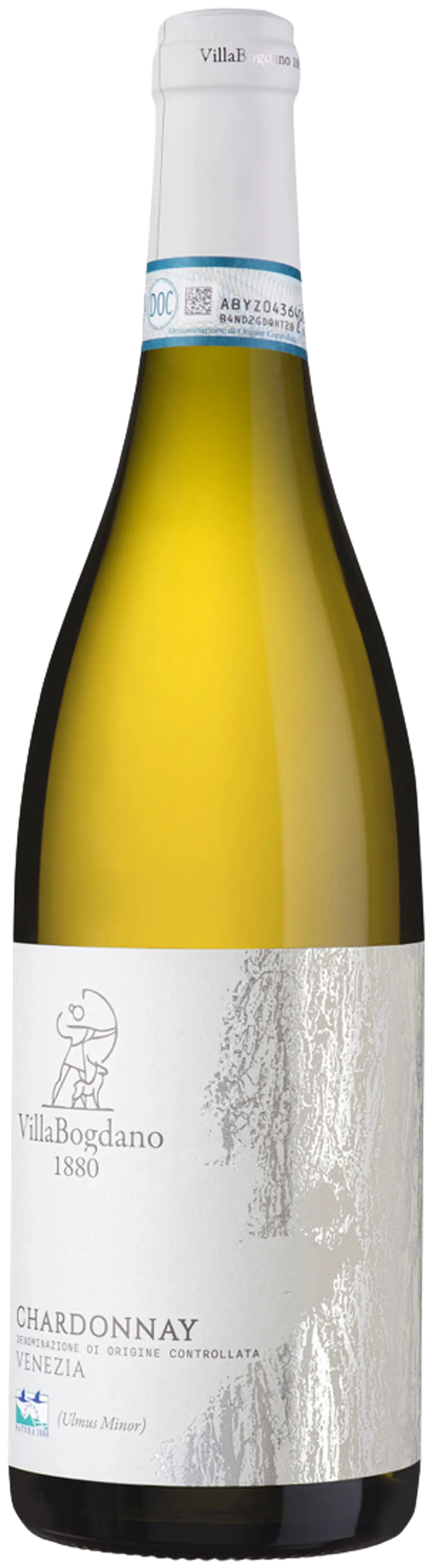
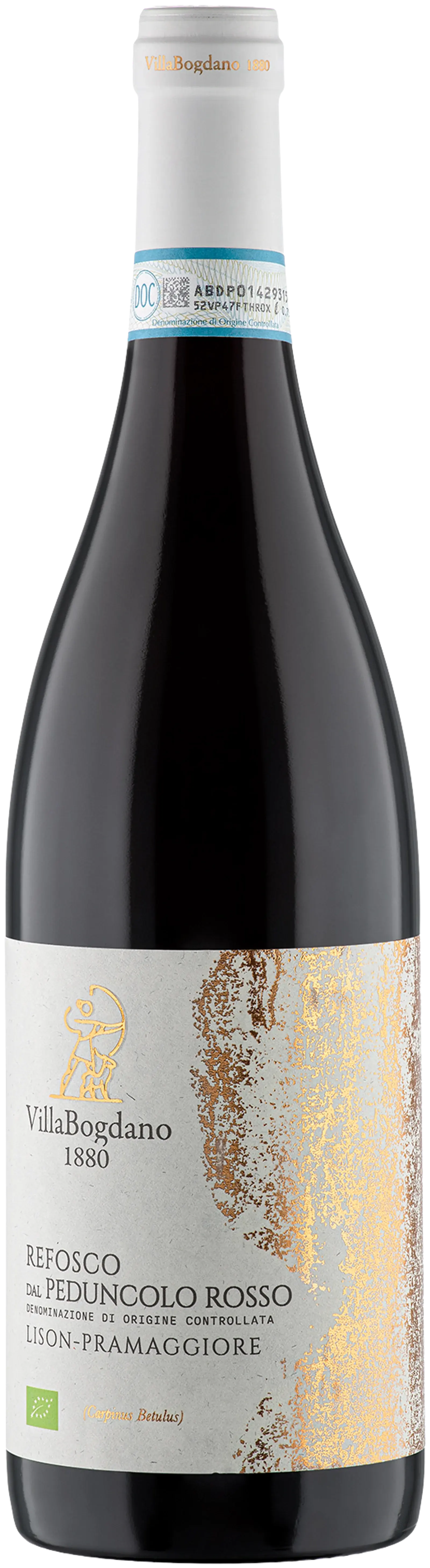
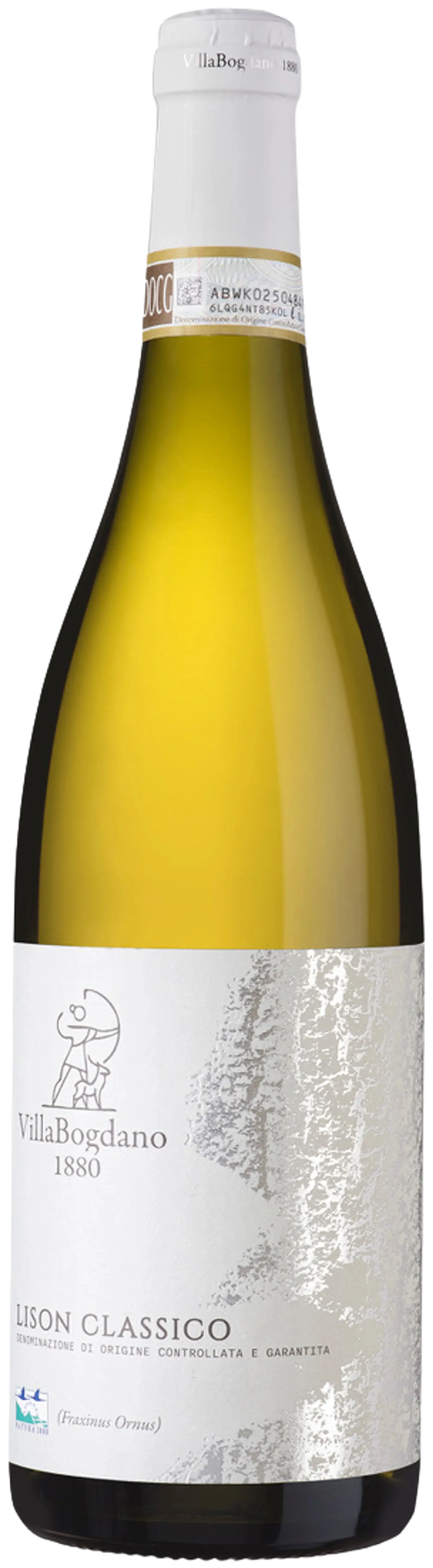
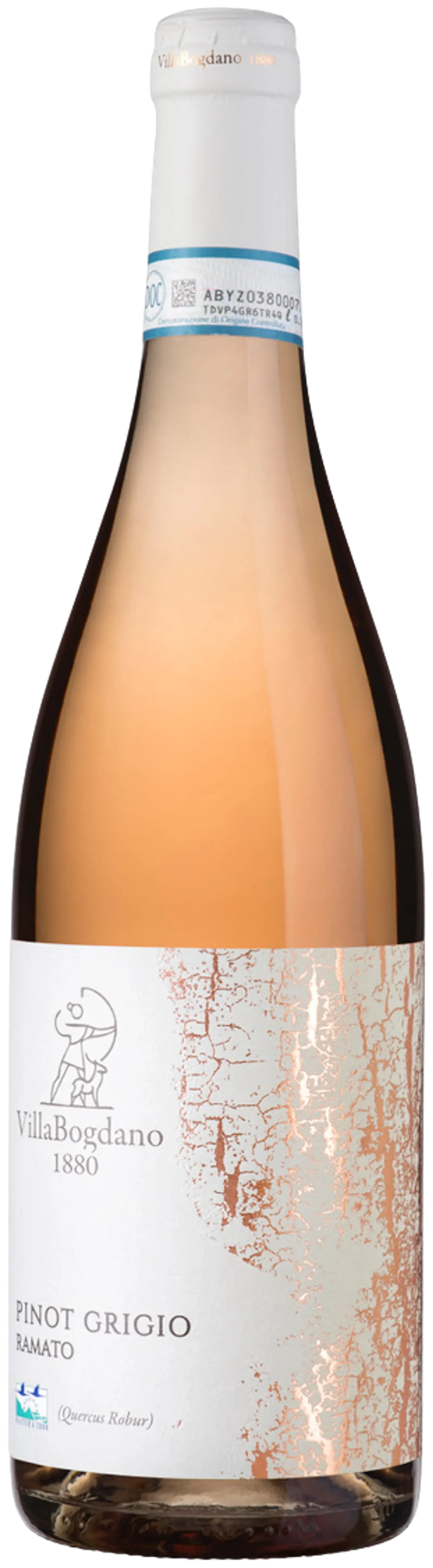
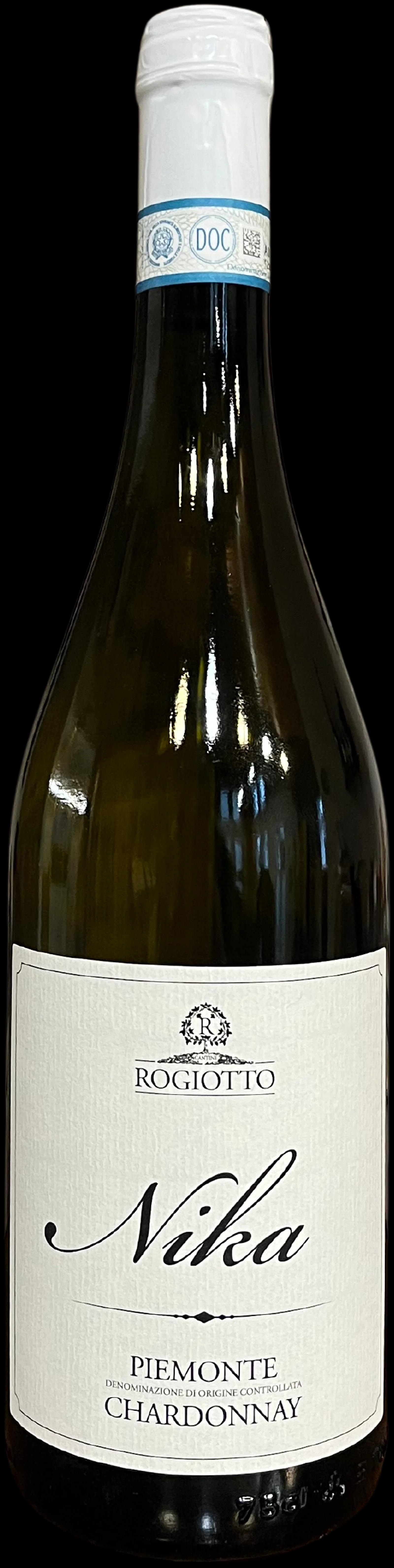
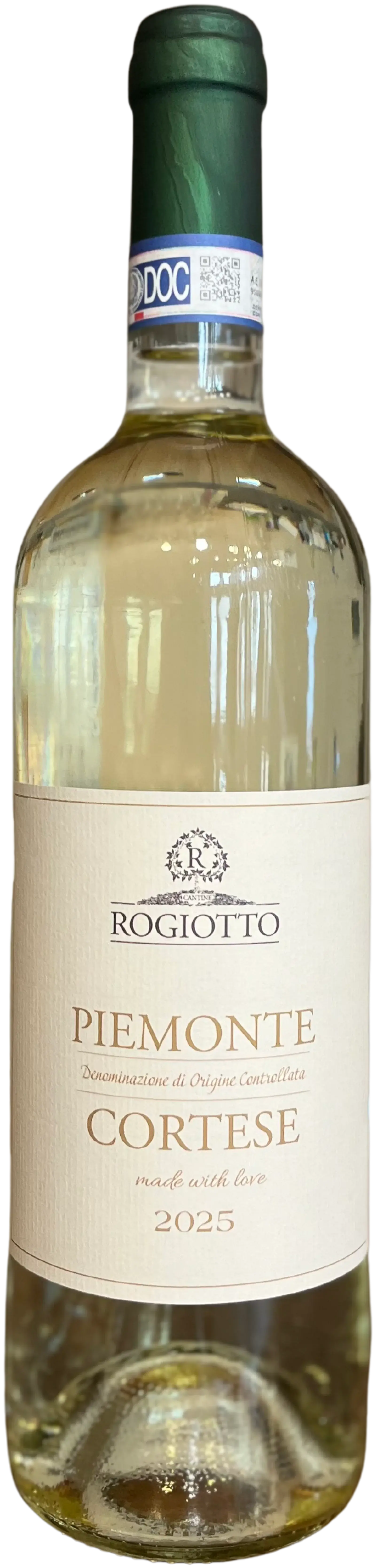
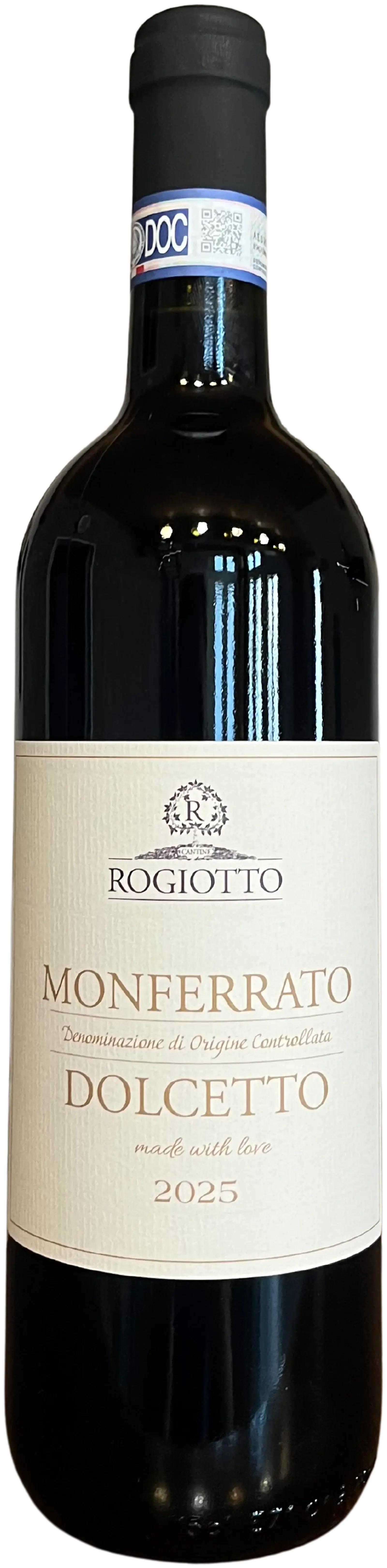
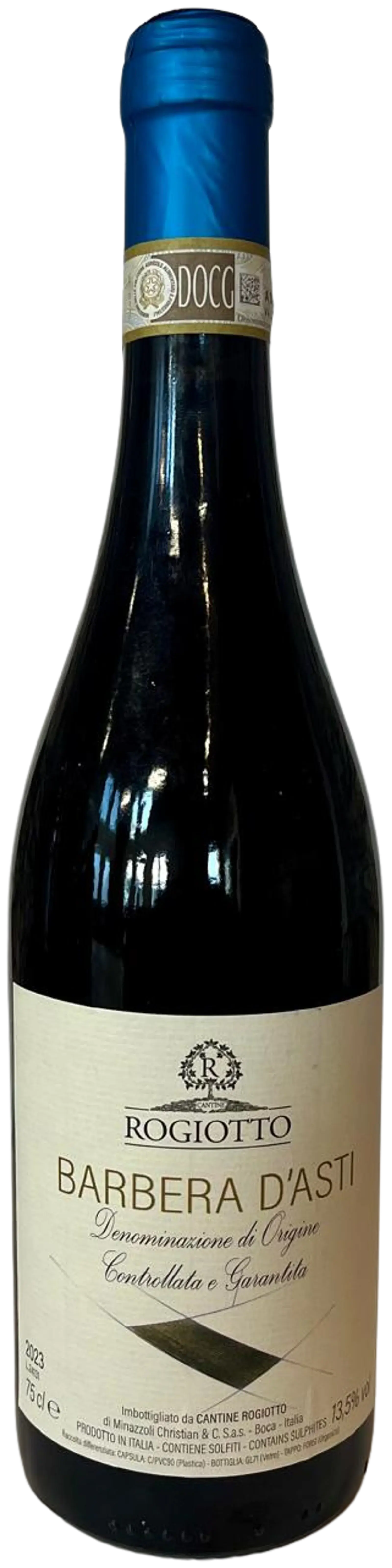
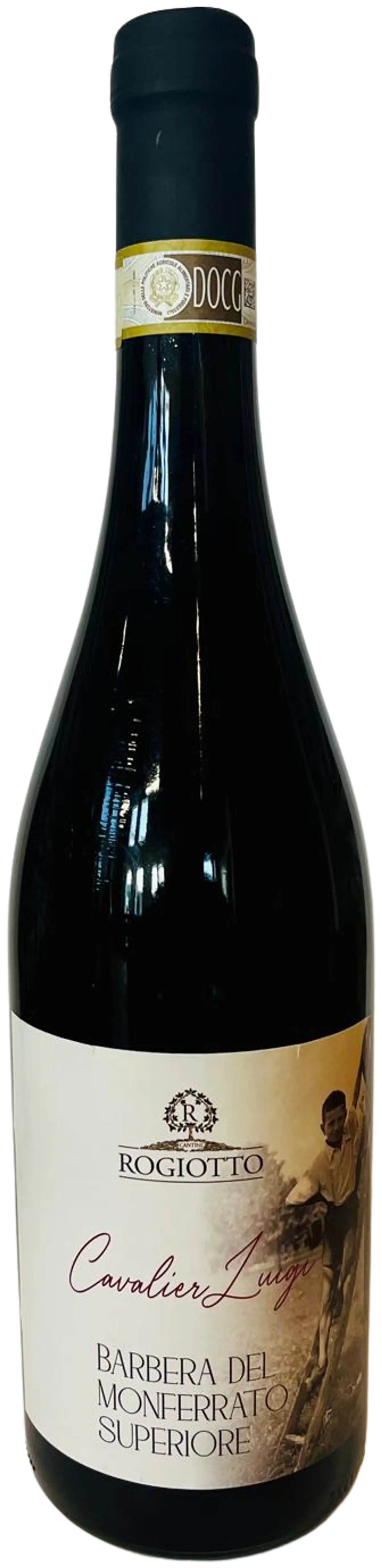
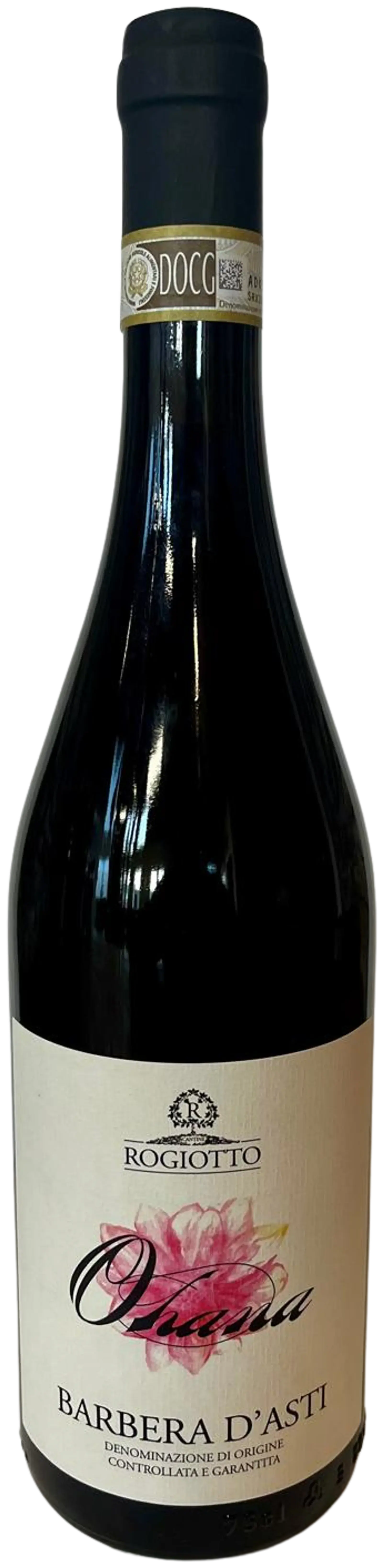
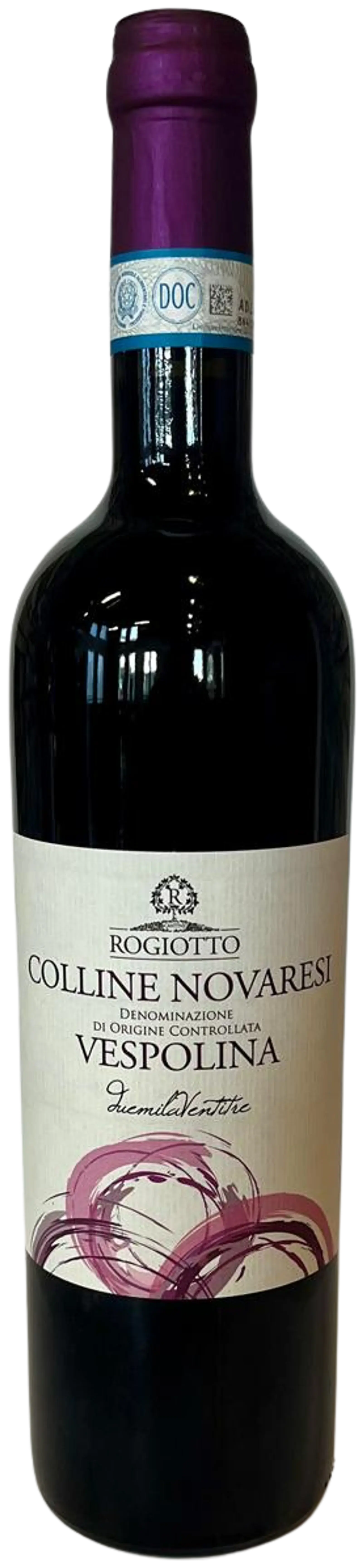
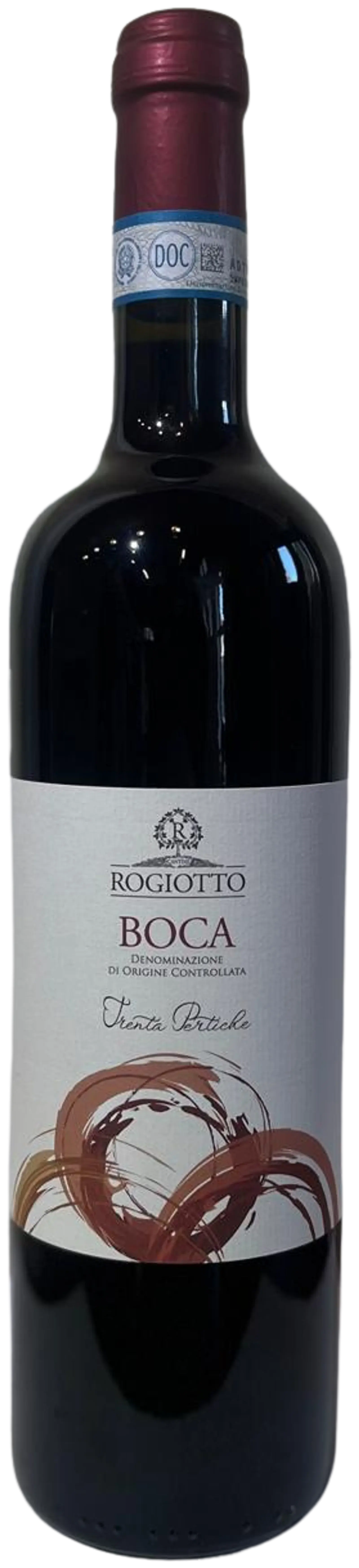
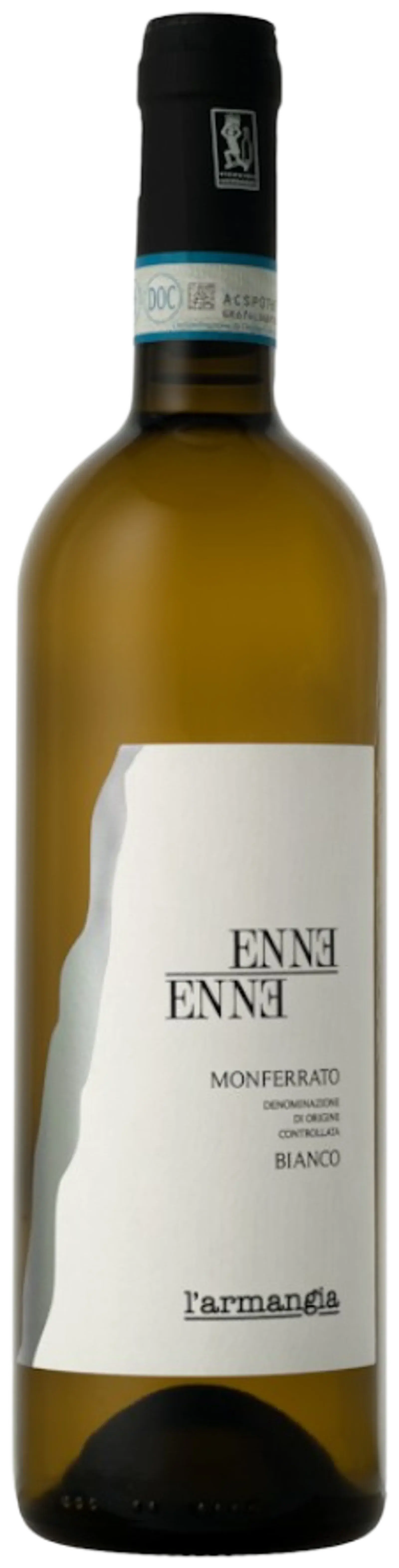
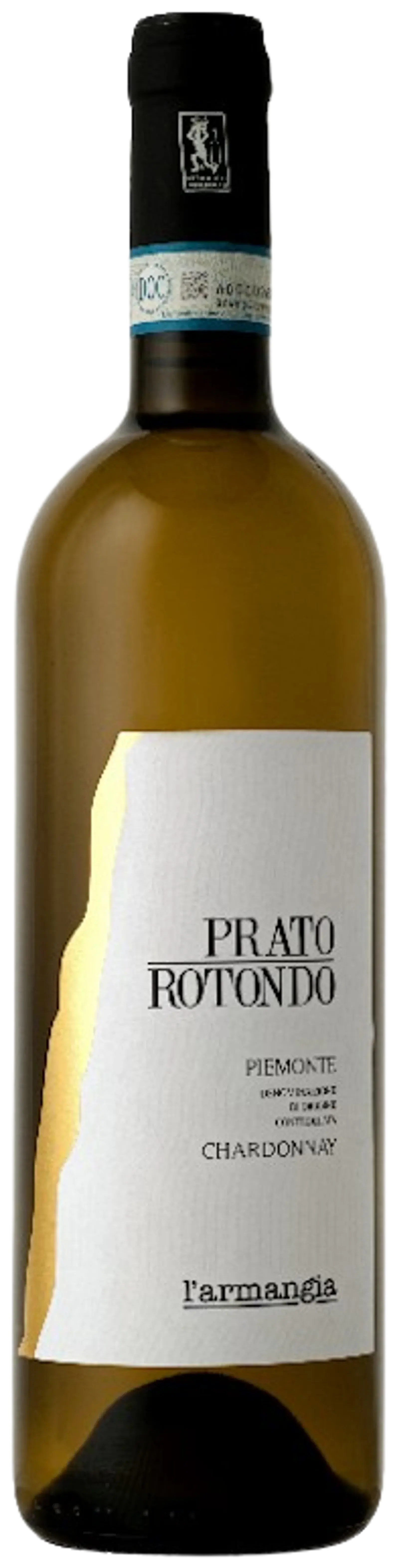
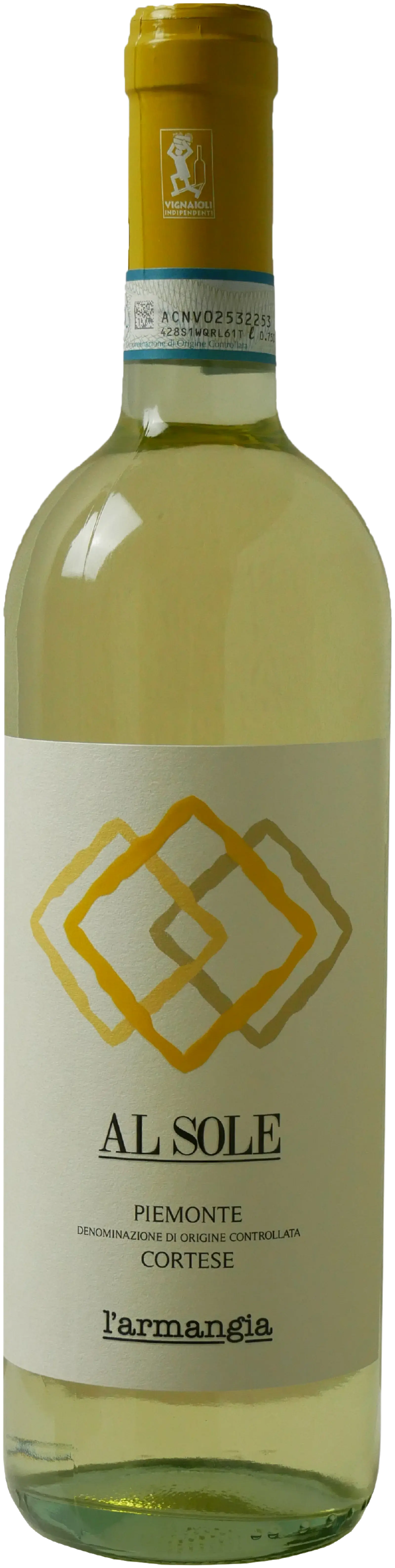
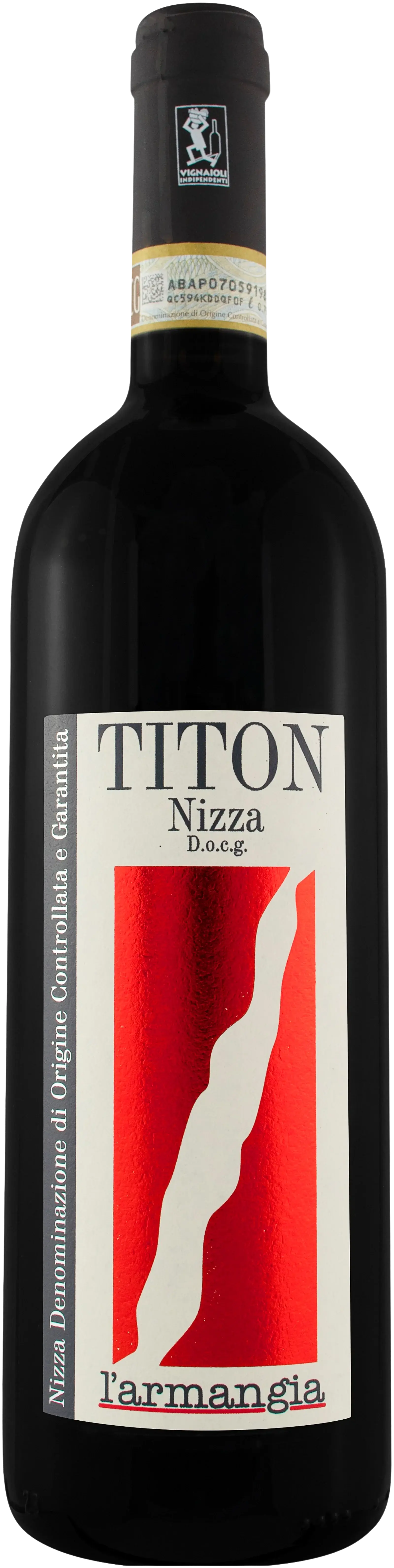
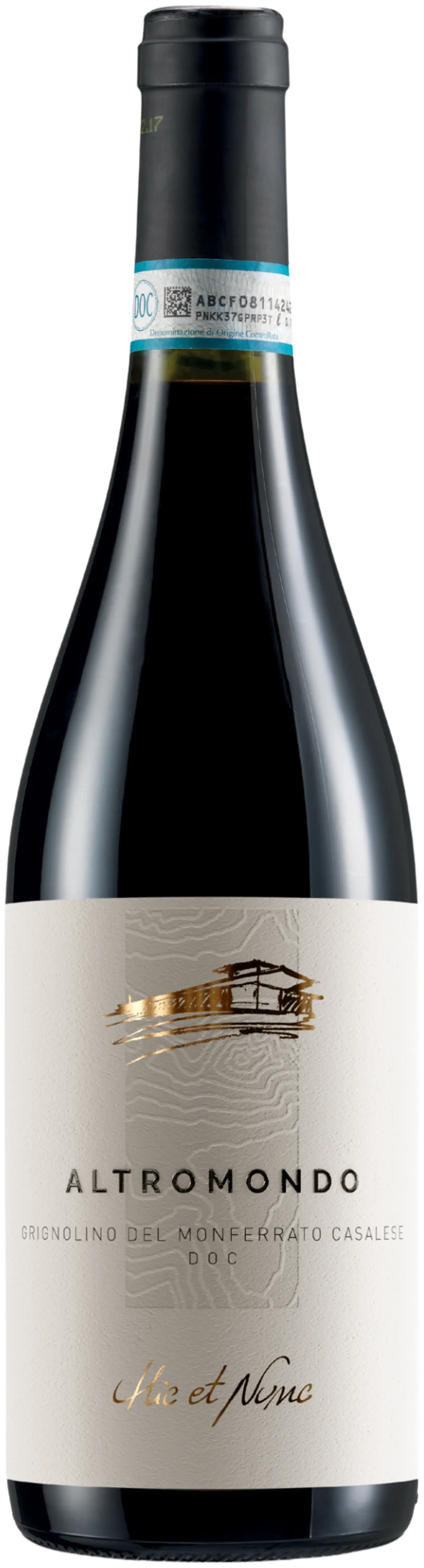
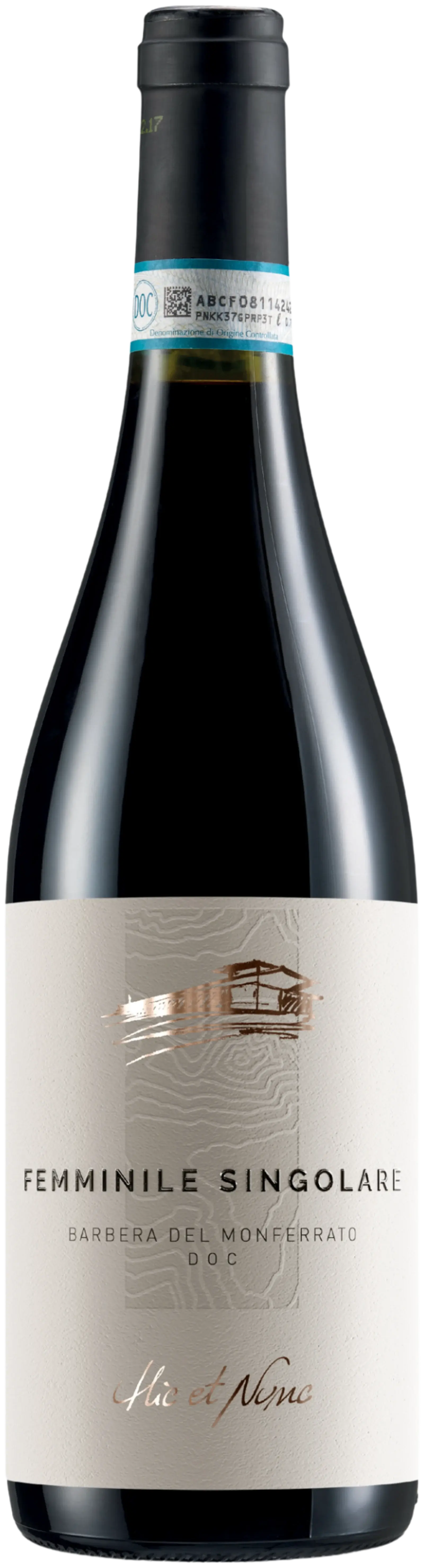
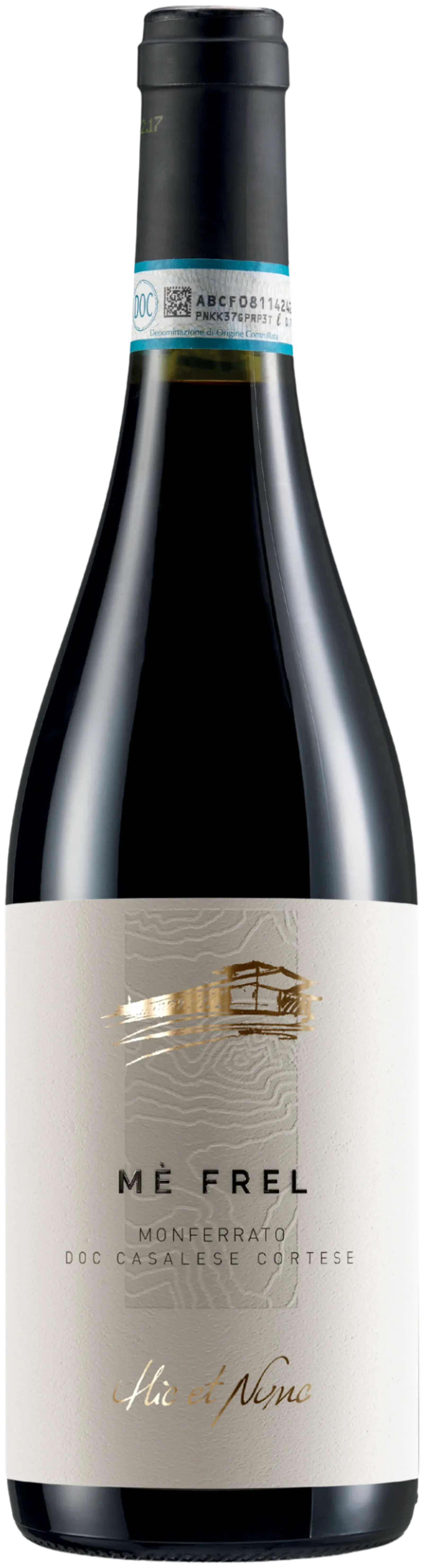
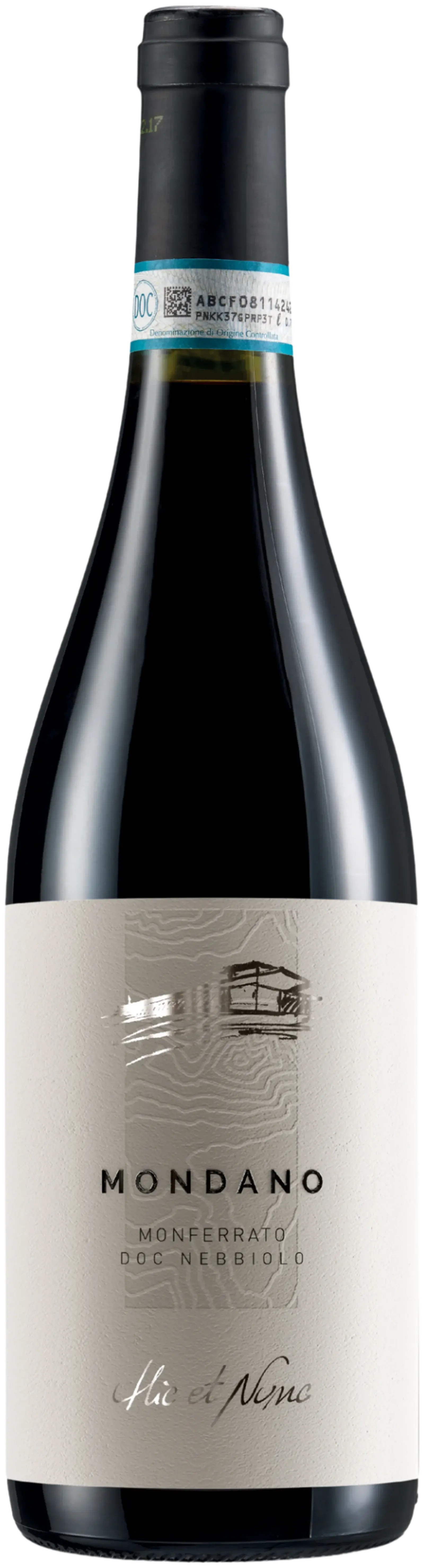
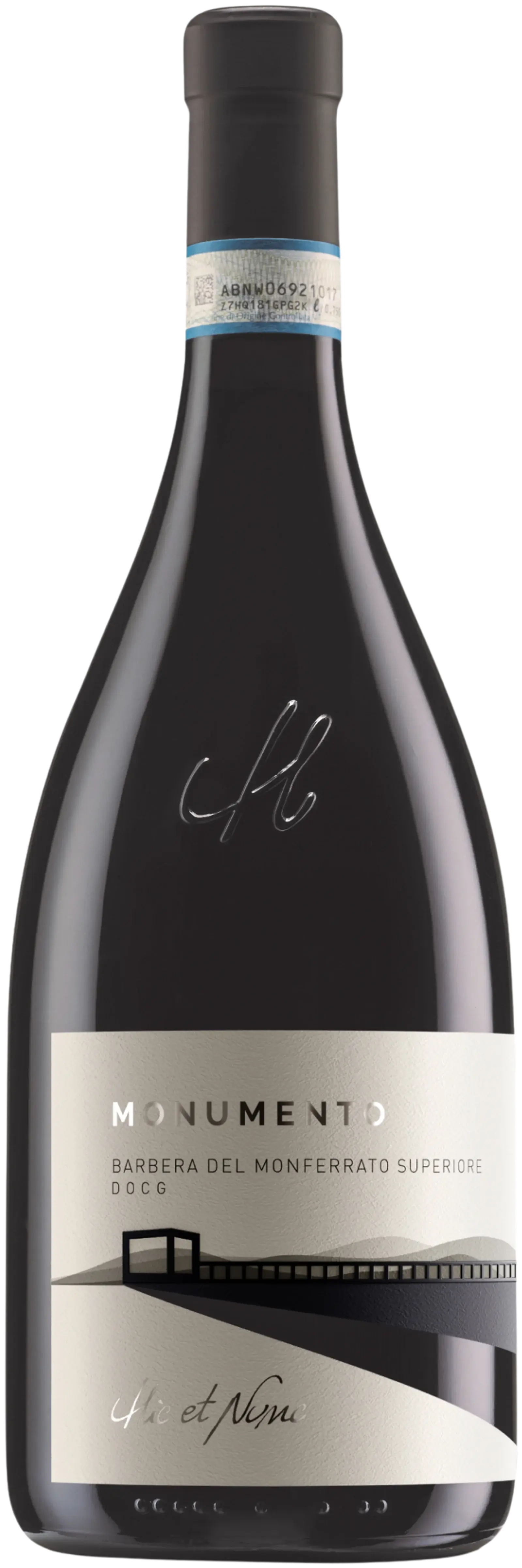
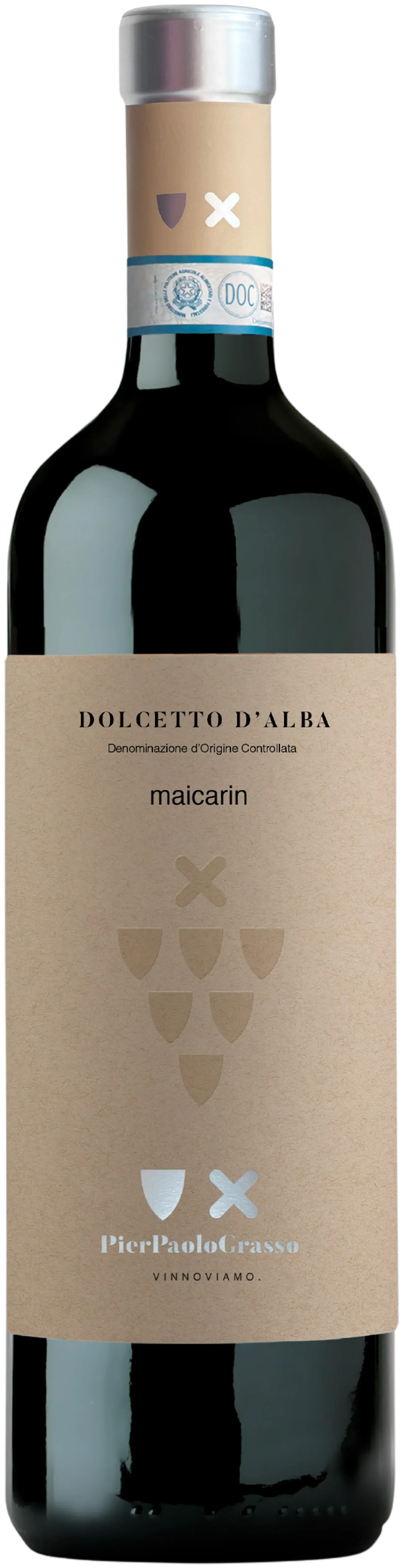
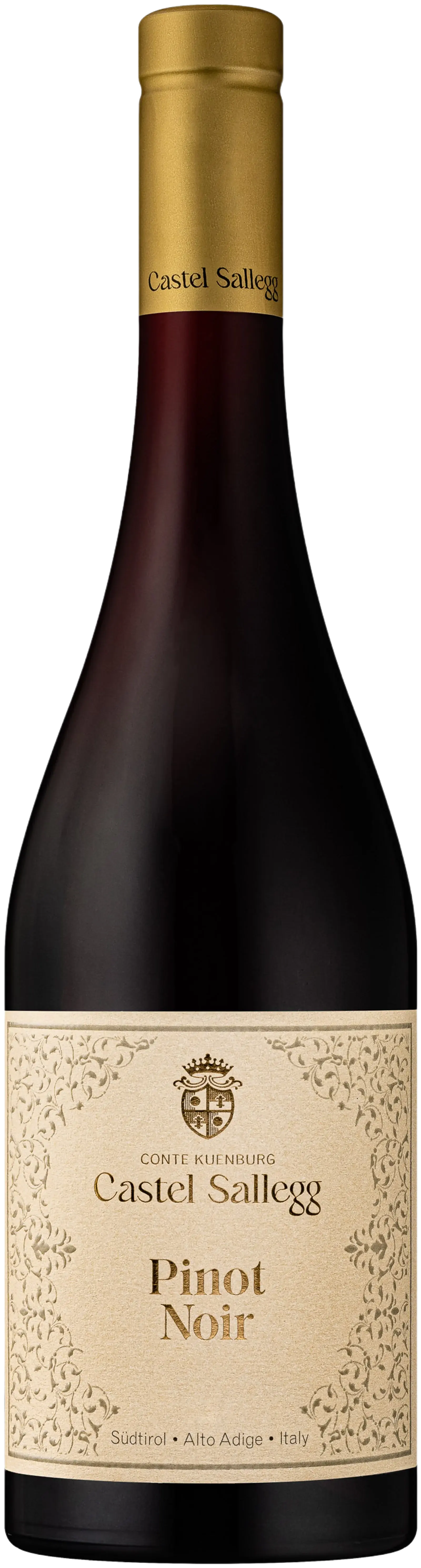
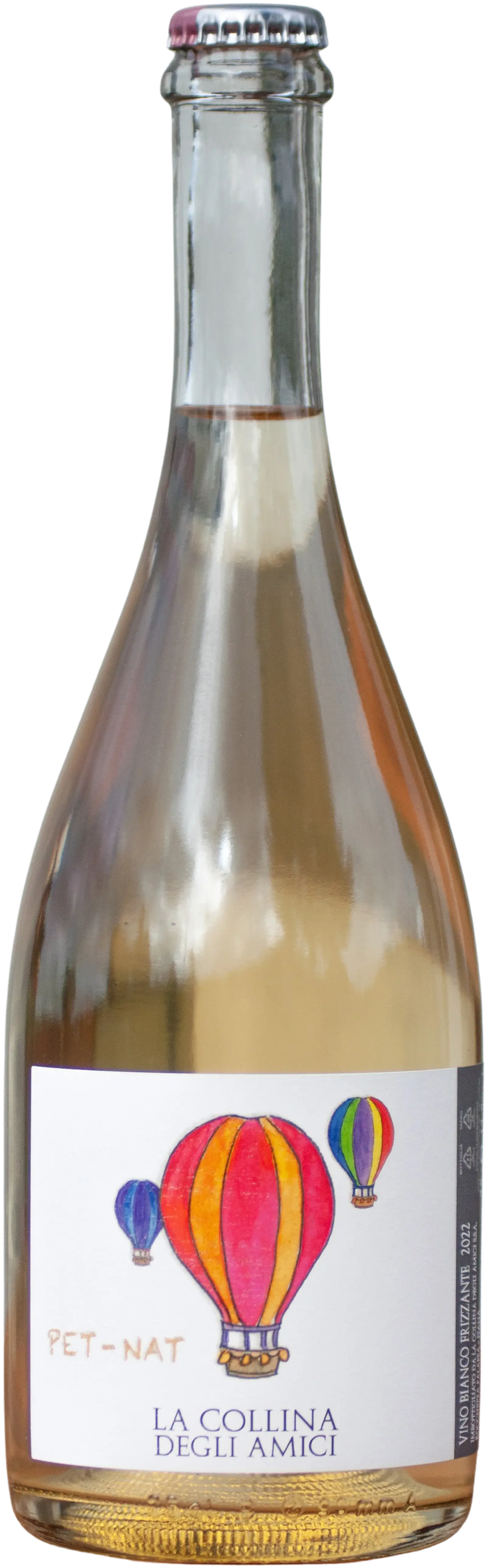
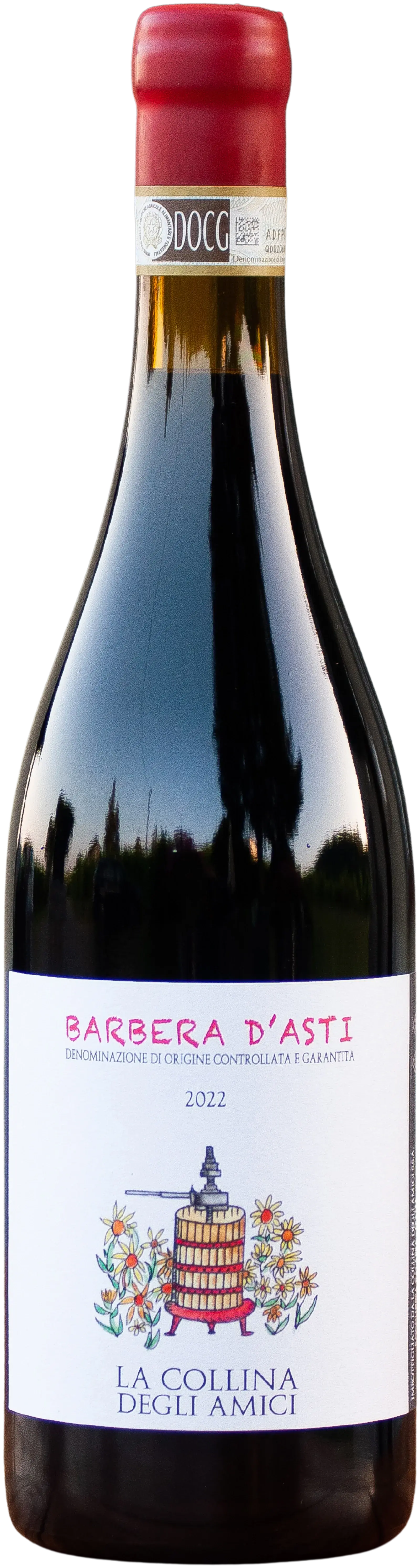
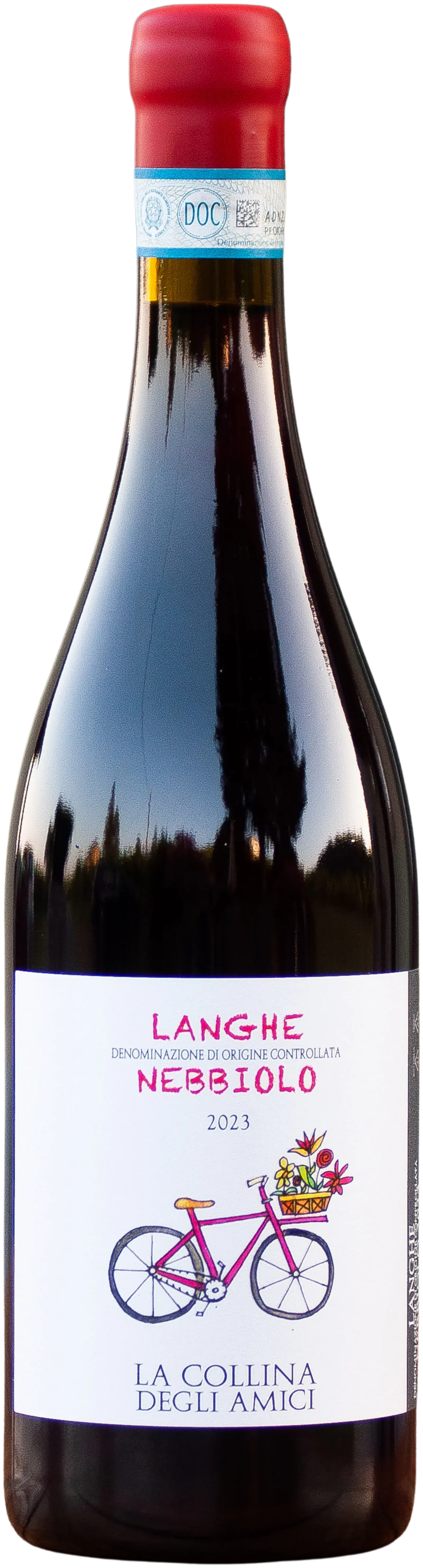
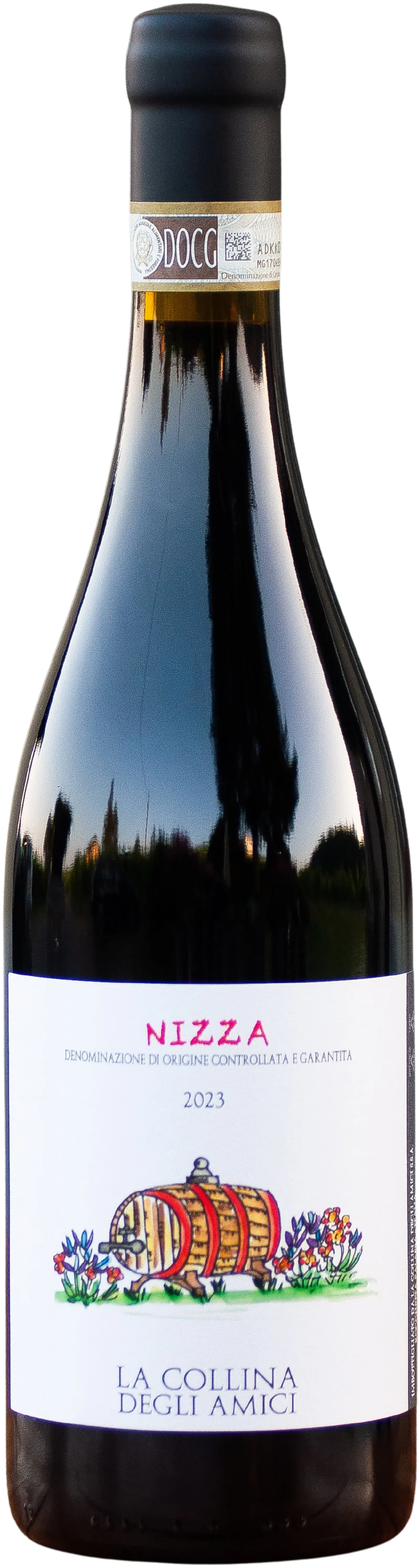
Italian classification uses four tiers: Vino da Tavola at the base, then IGT (Indicazione Geografica Tipica), then DOC (Denominazione di Origine Controllata), then DOCG (Denominazione di Origine Controllata e Garantita), of which there are 77 as of 2024. A higher tier does not automatically mean a better wine. The so-called Super Tuscans, including some of Italy's most expensive bottles, were classified as Vino da Tavola for decades because they used non-authorized varieties like Cabernet Sauvignon and Merlot. Today most fall under the Bolgheri DOC or the Toscana IGT designation. When you receive a six-bottle wine case from an Italian producer, the label tells you the classification tier, the vintage, and the grape or blend. The producer's own notes, where included, tell you more than the classification does. White wines from Italy increasingly appear in six-bottle cases from producers in Friuli Venezia Giulia and Trentino-South Tyrol, regions where altitude and continental air produce a structural precision that is categorically different from what the south delivers. Producers, experts, restaurants, and wine lovers on the same platform, on the same terms. That is what Free Grape Society is built to be.




 Wine case