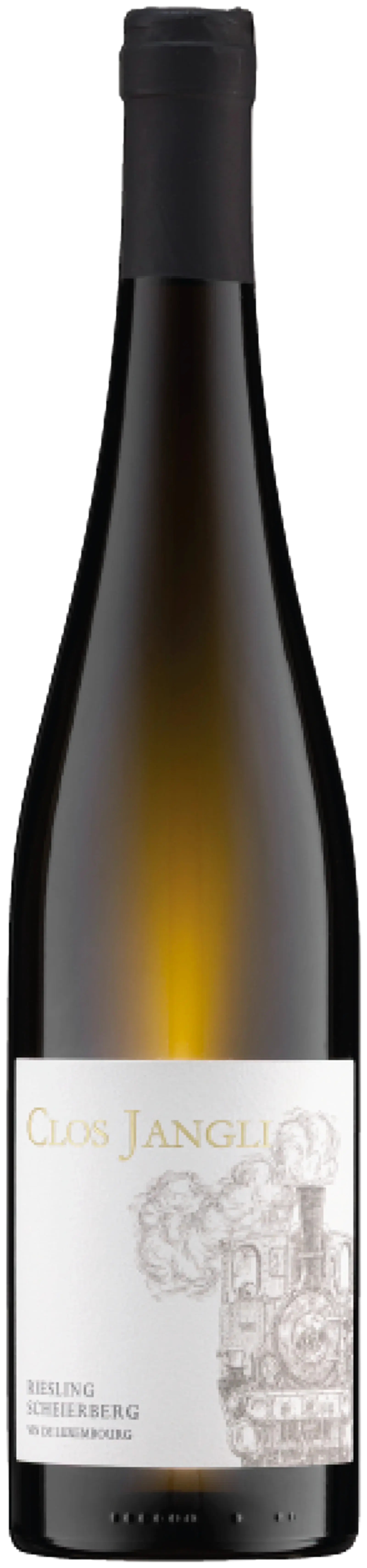
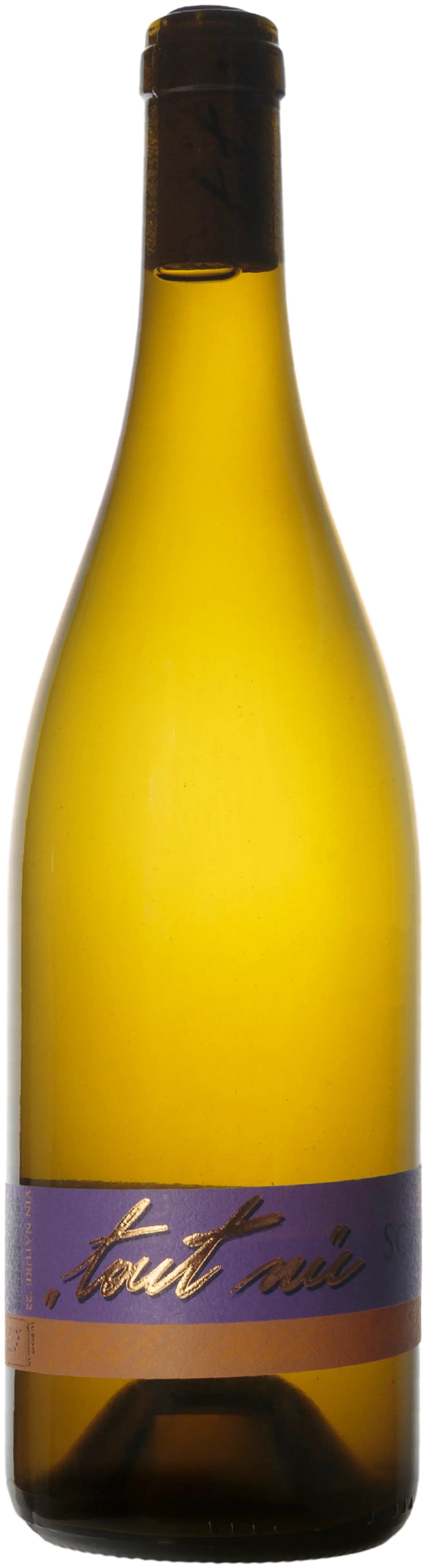
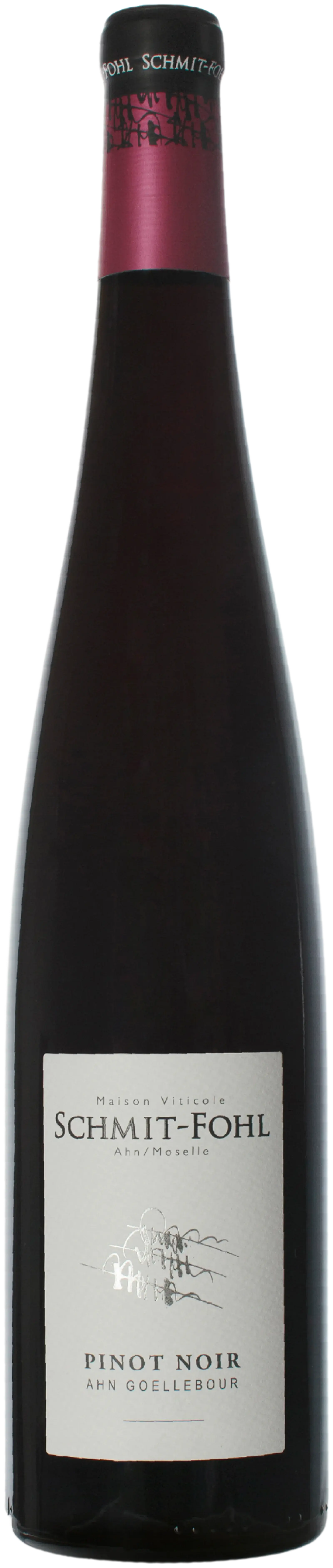
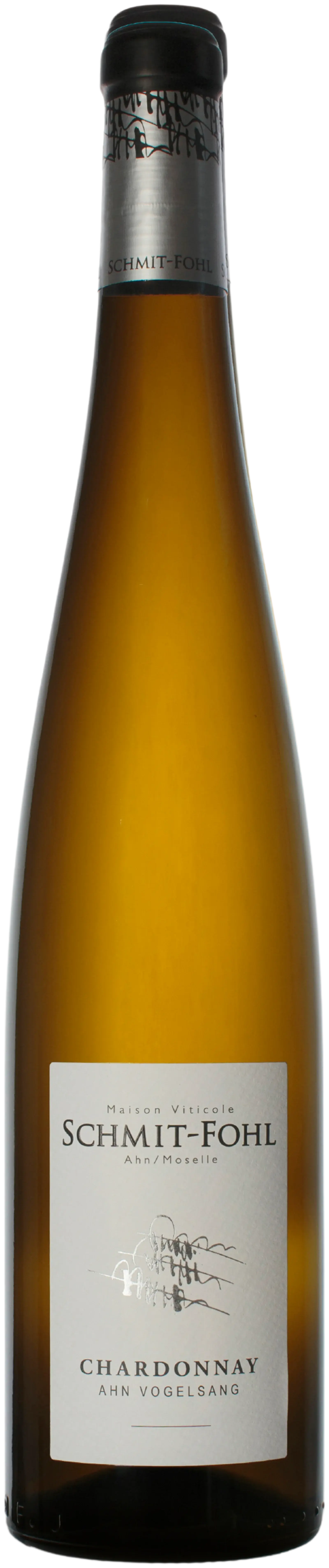
Luxembourg wines from Moselle producers who set their own terms

Luxembourg wines come almost entirely from a single river valley, the Moselle, where the climate and slate soils pull white grapes toward freshness and mineral precision. The producers below ship directly to your door.

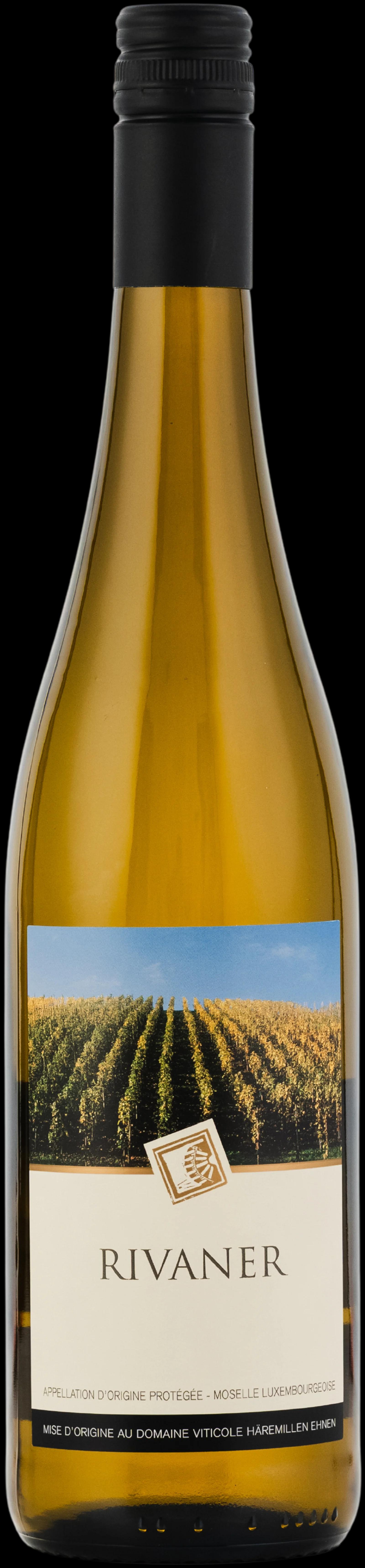
Crisp Rivaner and Auxerrois from one of Europe's smallest wine countries.

Color

Dropdown arrow

Type

Dropdown arrow

Country (1)

Dropdown arrow

Region

Dropdown arrow

Grape

Dropdown arrow

Pairing

Dropdown arrow

Sort by

Sort arrow
Luxembourg

Luxembourg wines

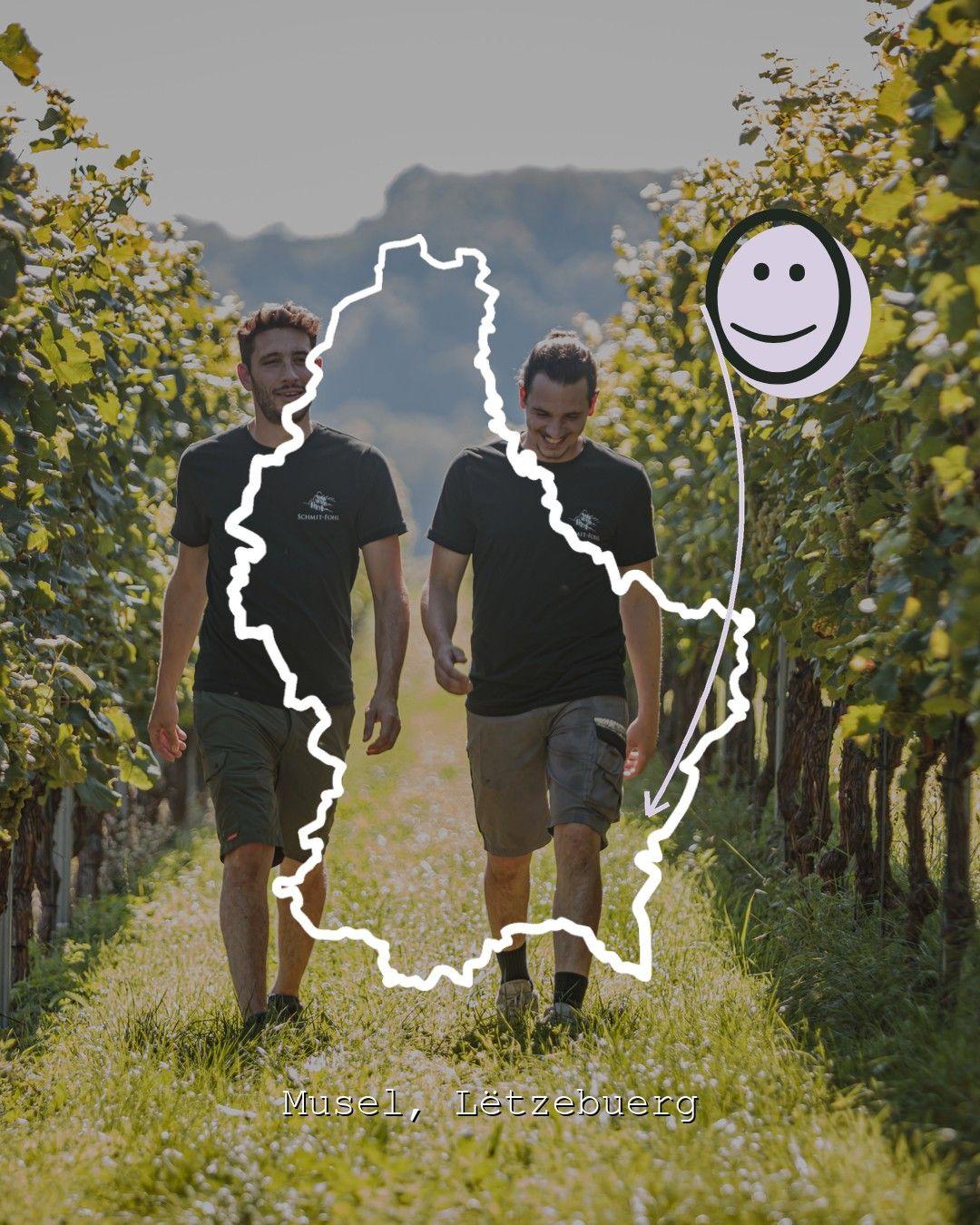
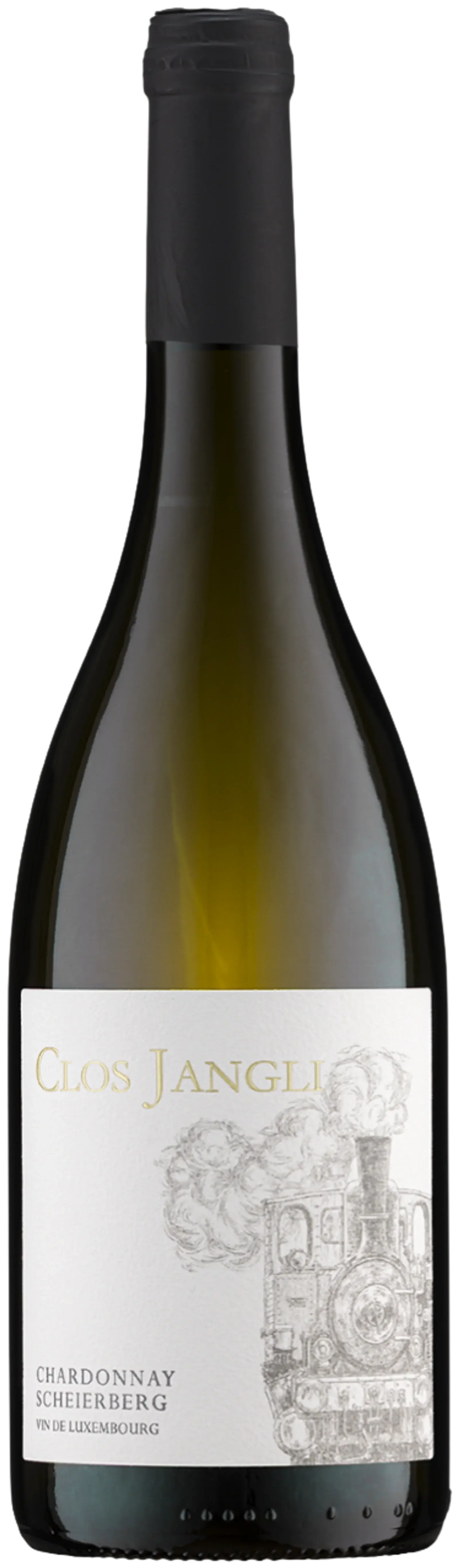
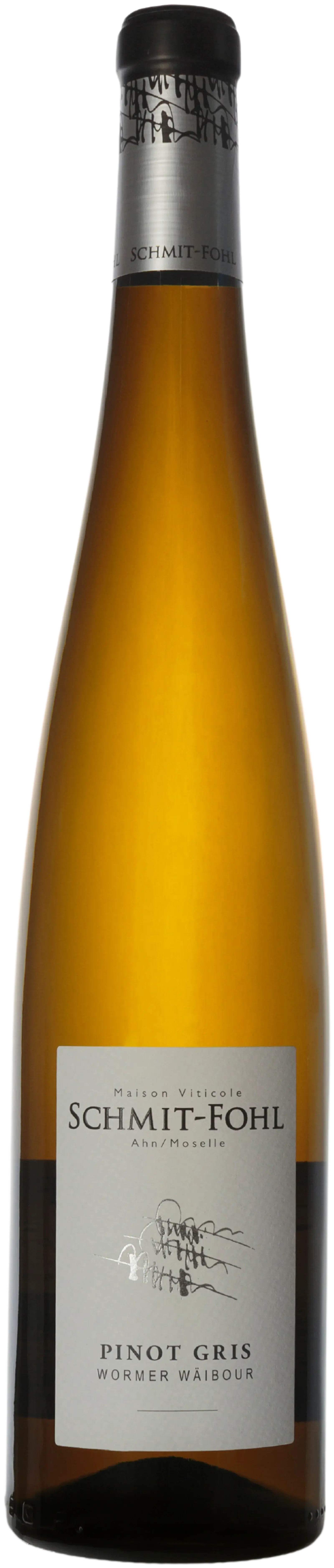
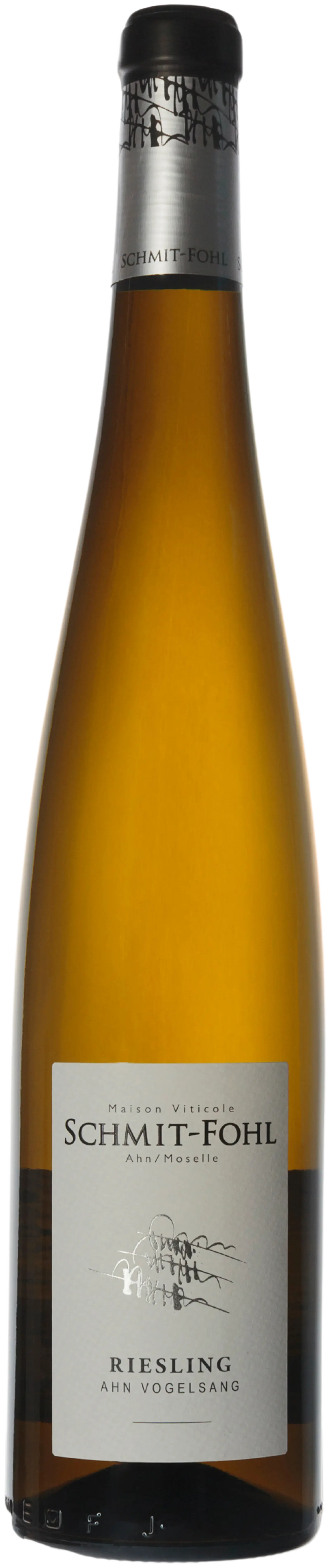
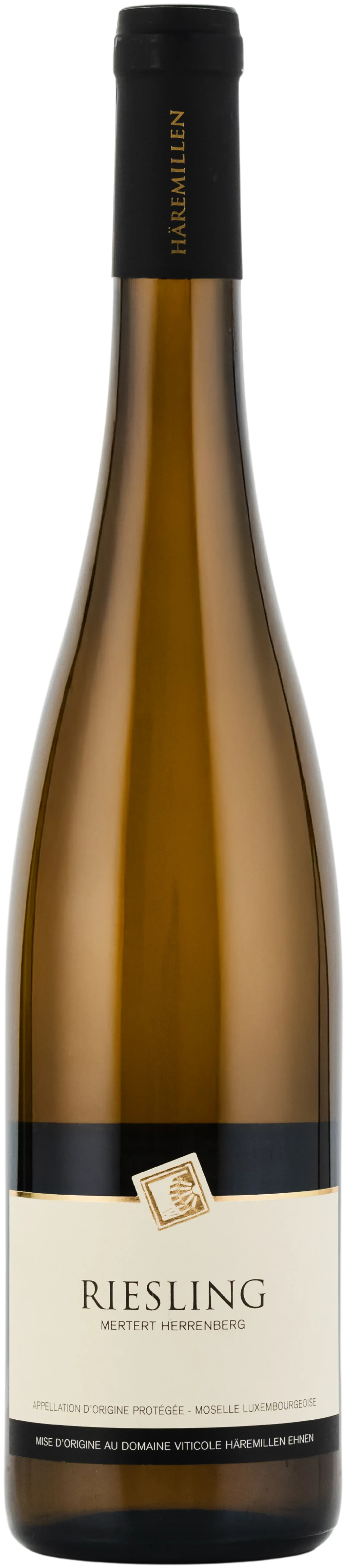
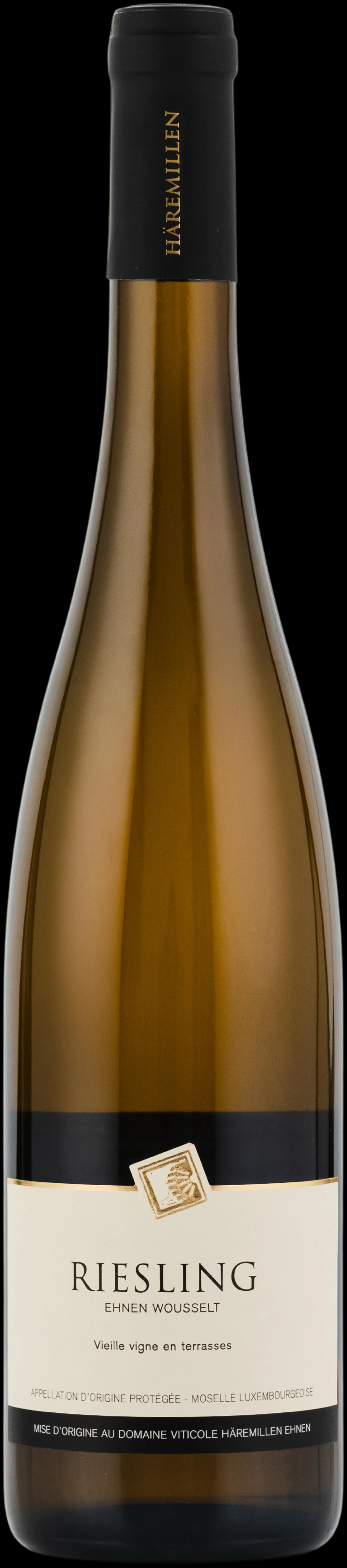
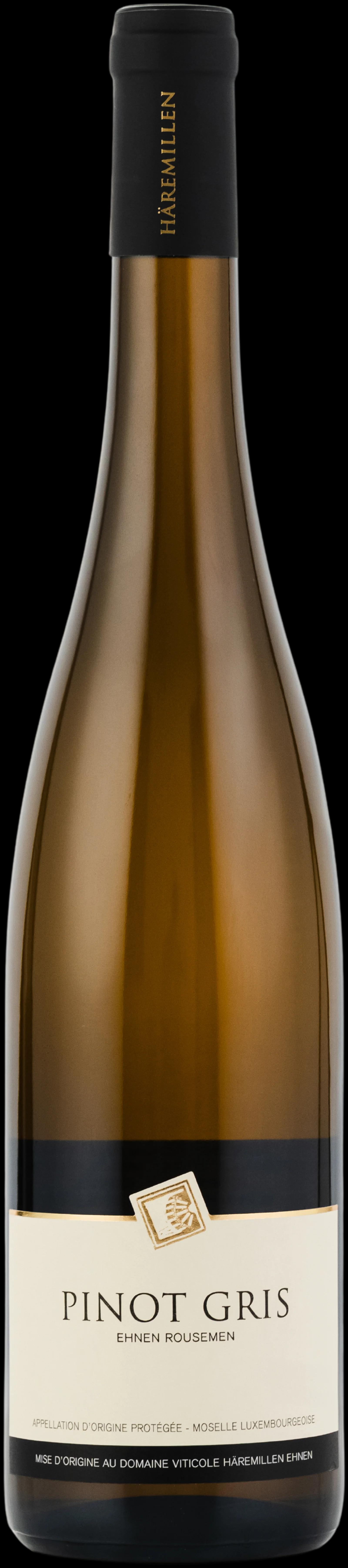
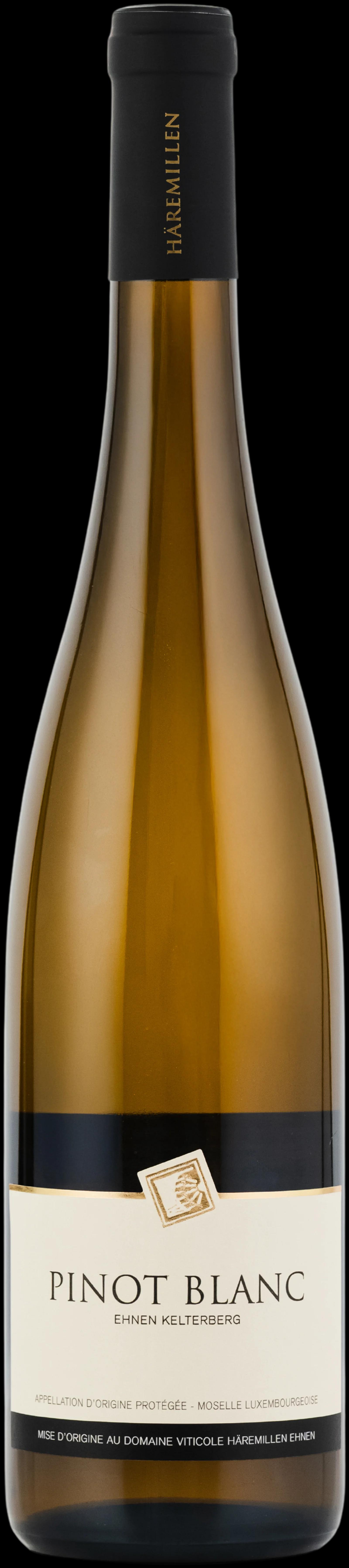
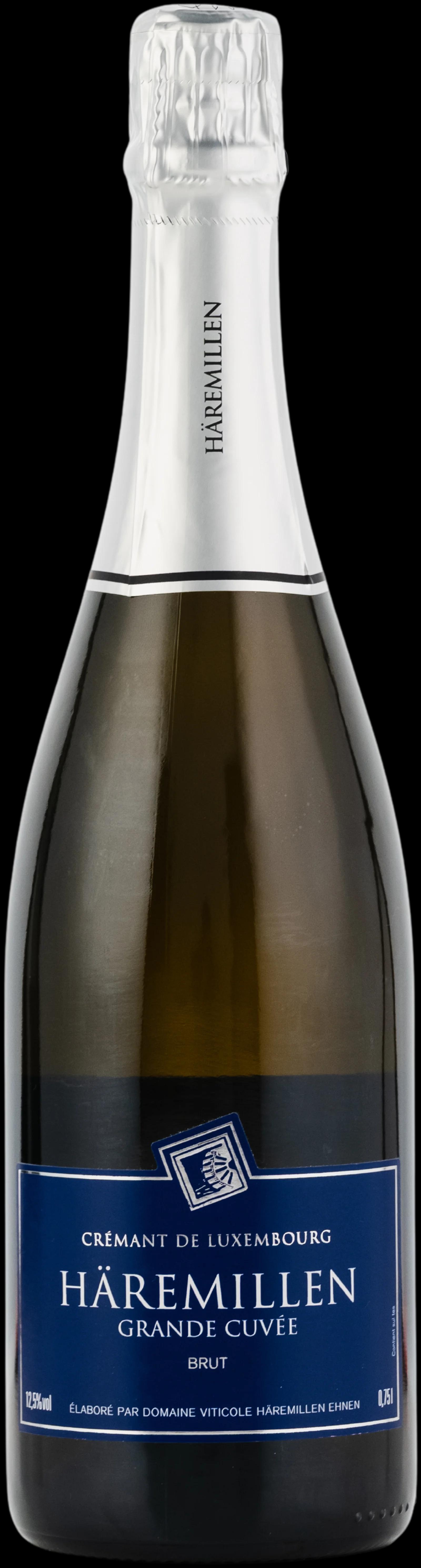
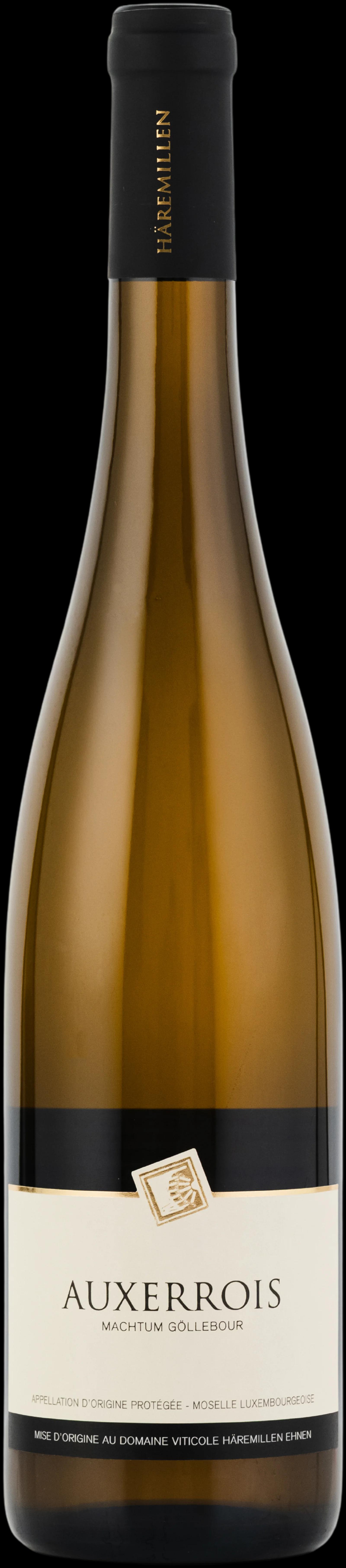
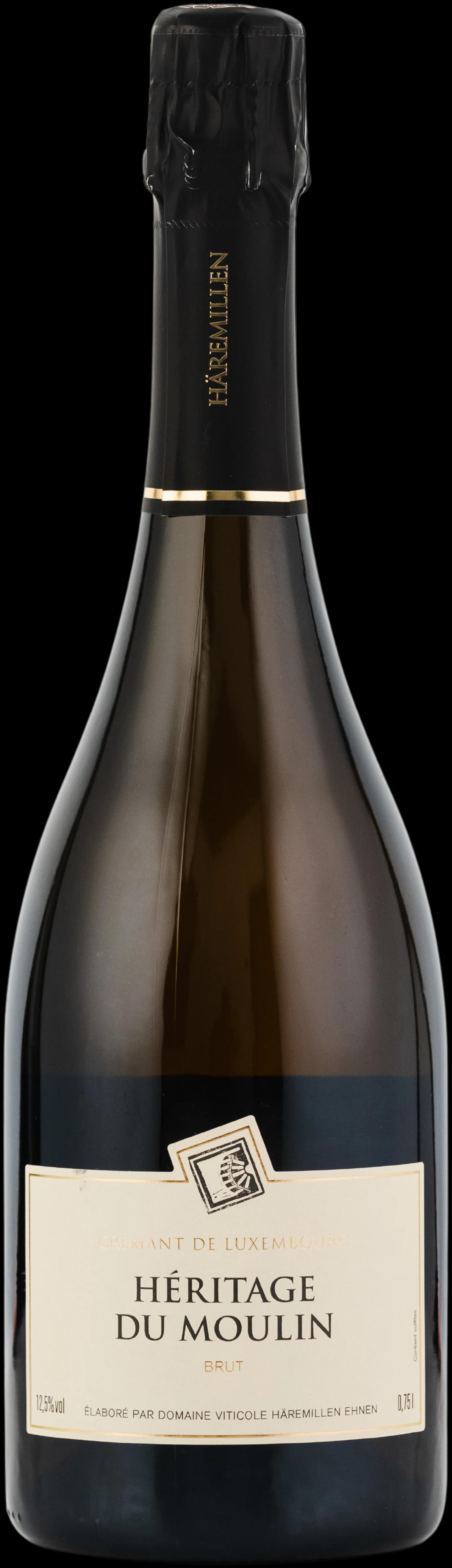
The Luxembourg Moselle runs for roughly 42 kilometres along the border with Germany, and almost every vineyard in the country sits on its slopes. The soils shift from shell limestone in the south to slate and sandstone further north, which is a large part of why the wines here tend toward freshness and a clean mineral edge rather than weight. Rivaner, Auxerrois, Pinot Gris and Riesling are the grapes that carry the region.

Previous1 of 1Next

Luxembourg mixboxes

On Free Grape Society, producers from the Luxembourg Moselle ship directly from their own cellar, with no importer, agent or warehouse in between. They set their own prices and compose their own selections. Free Grape Society is a society of producers, independent experts and wine lovers, not a shop.

View all mixboxes from Luxembourg

Luxembourg wineries

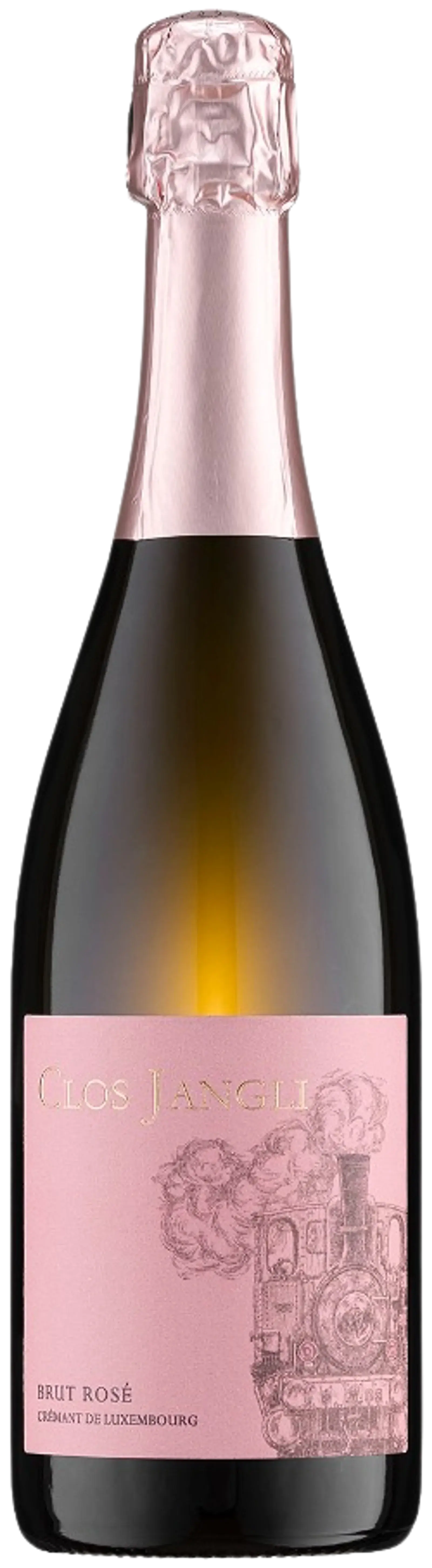
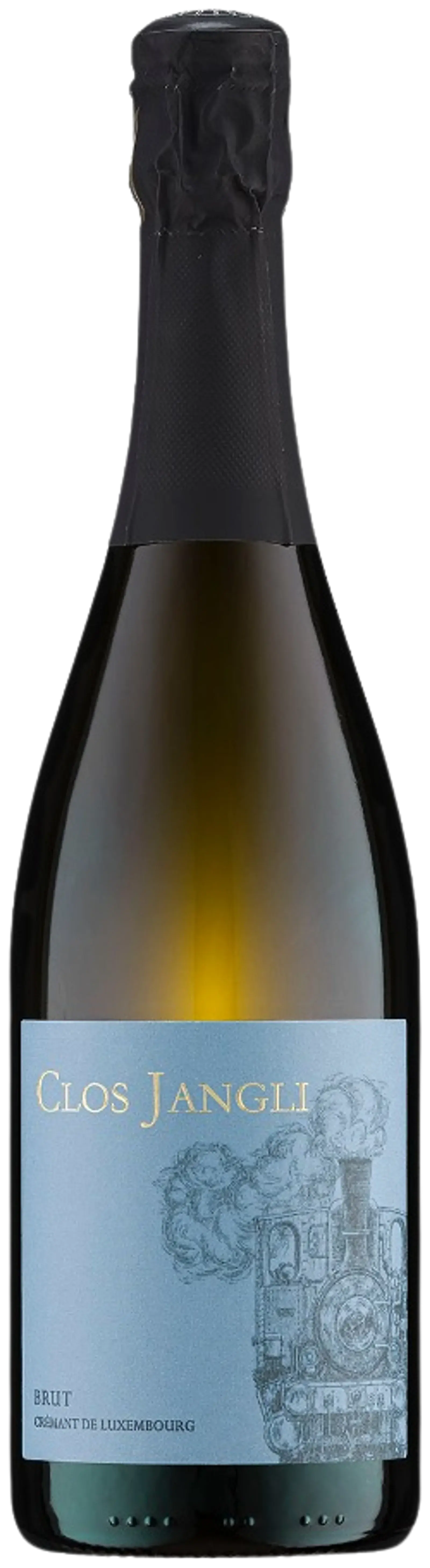
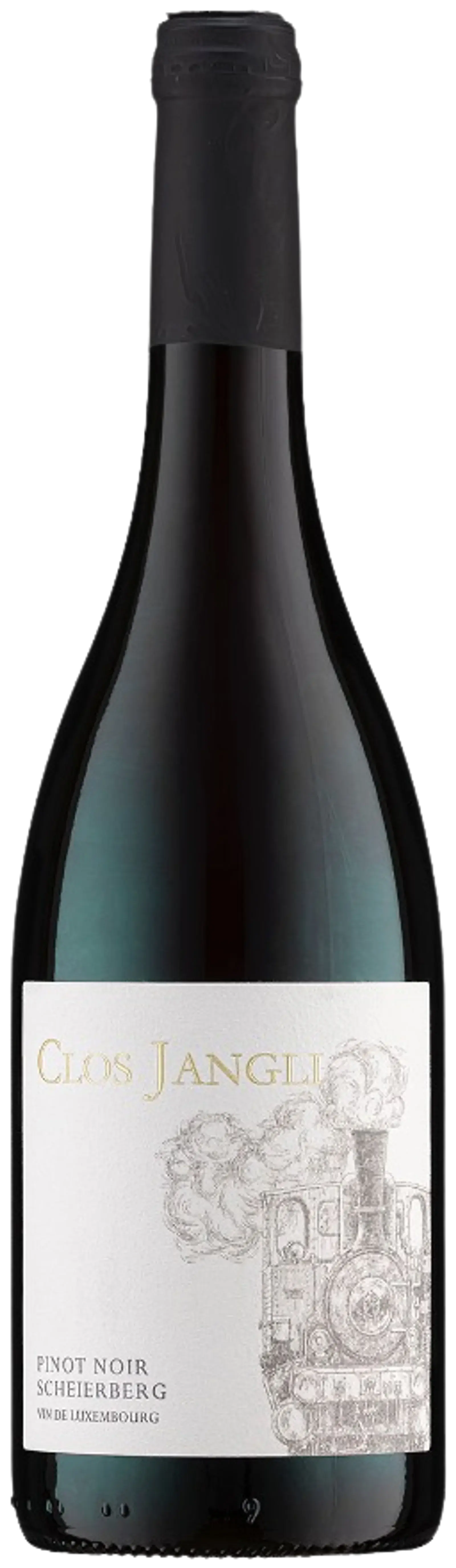
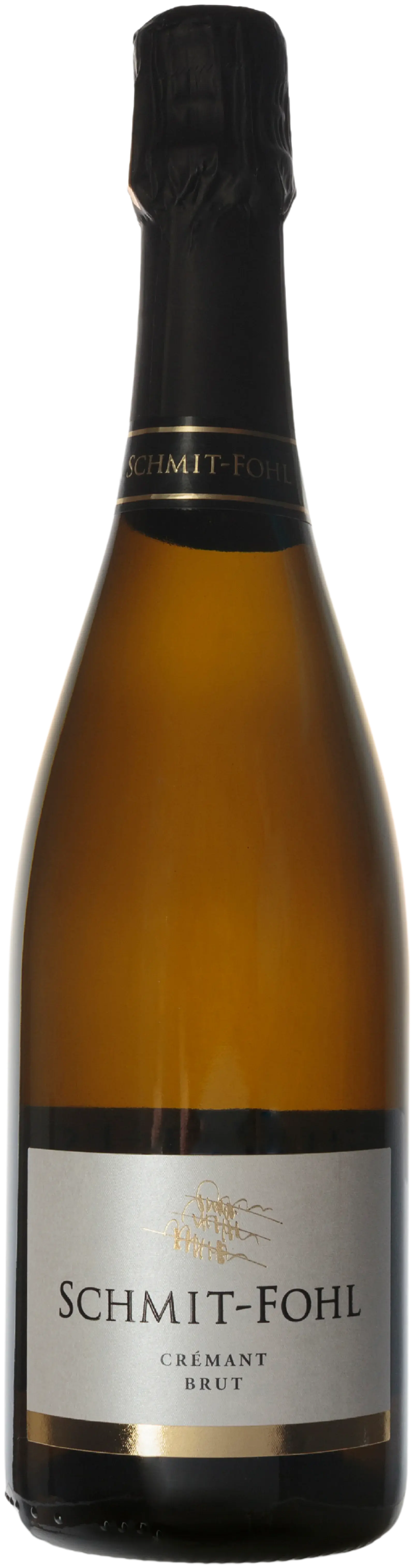
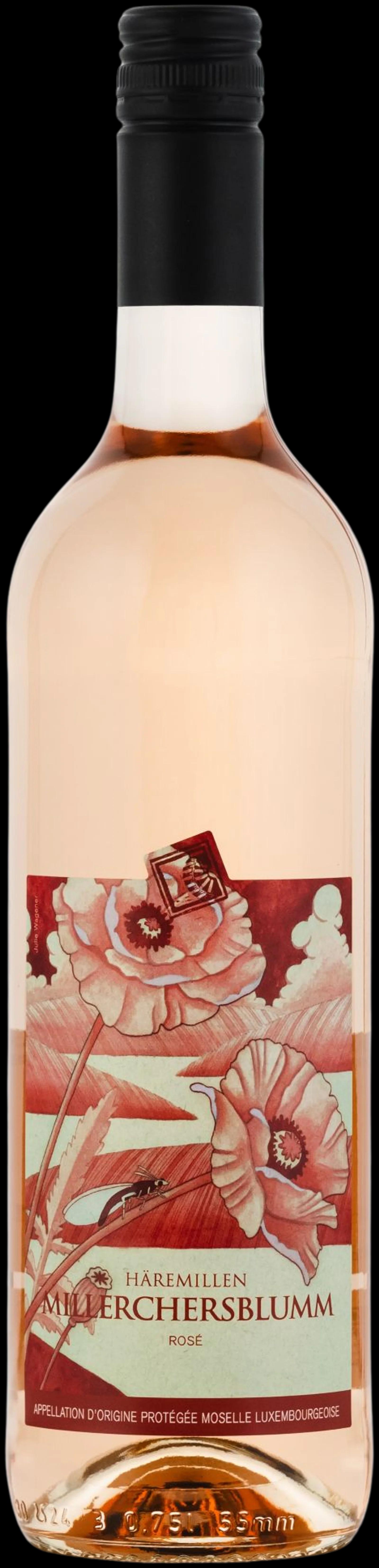
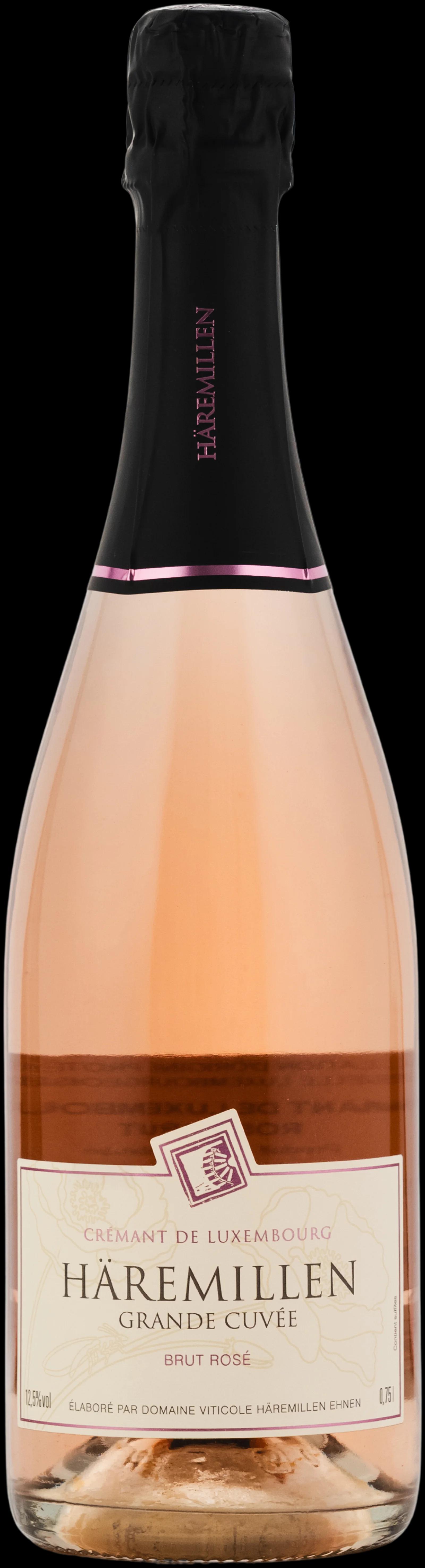
Luxembourg is not a country people think of first when they reach for a wine list, which is exactly what makes it worth paying attention to. The Moselle appellation covers still whites, sparkling Crémant de Luxembourg, and a small amount of red and rosé from Pinot Noir. Wines tasted before listing sit alongside independent expert reviews, so you can read both before you order.

View all wineries from Luxembourg

Wine experts

Independent wine experts on Free Grape Society rate and review wines they have personally tasted. Their reviews appear on the wine page and on each expert's own profile, showing the wines they have covered and their track record over time. Several of the experts here have reviewed wines from the Luxembourg Moselle.
View all wine experts

Frequently asked questions

How do I order from a Luxembourg winery on Free Grape Society?

Find a producer on this page, browse their wines or wine cases, and add bottles to your basket. Checkout is handled through Free Grape Society using Klarna or card. The producer ships directly from their cellar, and delivery typically takes 8 to 9 days, within a 4 to 14 day window depending on where you are.

What happens if a bottle arrives broken or doesn't taste right?

Send a photo to Free Grape Society customer support within 7 days of delivery. We will arrange a replacement or a refund. Because producers ship directly, quality issues are handled with the producer's direct involvement. Shared responsibility is built into how FGS works.

Do I need an account to buy from Luxembourg producers?

You can browse without an account. To place an order you register as a member of Free Grape Society, which is free. Membership also gives you access to independent wine expert recommendations and lets you follow the producers you buy from.

How long does delivery take?

Average delivery is 8 to 9 days from order to door. The full range is 4 to 14 days depending on the producer's location and your delivery address. Wines ship directly from the producer's cellar, not from a central warehouse.

How do I find the right Luxembourg wine if I don't know the producers?

The producer pages show each estate's wines with tasting notes and, where available, independent expert reviews. You can also ask a wine expert directly through Free Grape Society. They know the Luxembourg estates and can recommend a bottle or a six-bottle wine case based on what you like.

What styles of wine do Luxembourg wineries make?

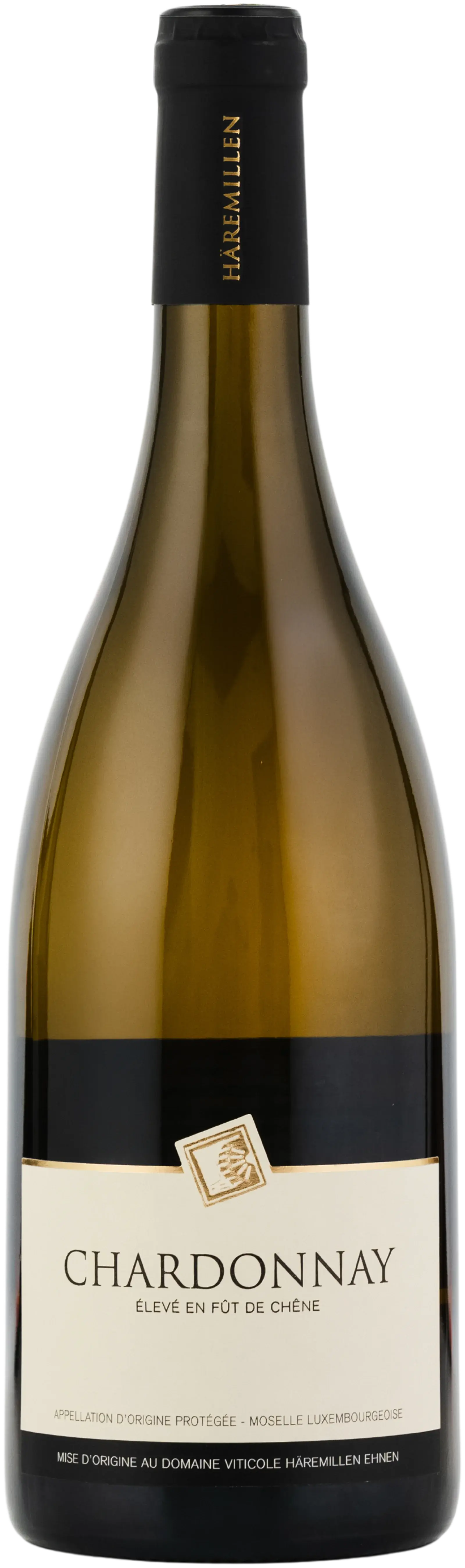
The Moselle valley produces mostly dry whites: Riesling tends toward mineral and high-acid, Pinot Gris is richer, Auxerrois sits somewhere between the two. Crémant de Luxembourg is the main sparkling style, made by méthode traditionnelle. Light reds and rosés from Pinot Noir also appear on some estates, though white and sparkling dominate.

Which Luxembourg wine expert can recommend something for me?

Go to any Luxembourg wine or producer page and use the Ask a wine expert form. The independent experts on Free Grape Society cover the Moselle valley and can suggest a specific bottle or producer based on your preferences, the occasion, or what you are eating.

Why don't you carry every wine from every Luxembourg producer you work with?

Each producer decides which wines they list and at what price. Some estates are small and produce only a few thousand bottles of a given cuvée; once it sells out it is gone until the next vintage. What you see is what the producer has chosen to make available and ship directly at this moment.

How is buying from a Luxembourg producer on Free Grape Society different from a wine retailer?

A retailer buys stock, warehouses it, and sets the margin. Here the producer ships from their own cellar at a price they set themselves, with no importer or distributor in between. For Luxembourg estates, which rarely reach mainstream retail outside their home country, it is often the only direct route to buyers abroad.

Luxembourg's wine regions: the Moselle and its grapes

Luxembourg's vineyards run along a single, narrow corridor: the Moselle valley, where the river forms the border with Germany before continuing south into France. The valley's slopes face southeast, catching enough sun to ripen grapes in what is otherwise a cool, continental climate. The soils shift from chalk and limestone in the north to heavier marl and sandstone further south, and that variation is audible in the glass — the same grape planted a few kilometres apart can taste noticeably different. The dominant white varieties here are Riesling, Auxerrois, Pinot Gris, and Pinot Blanc, with Rivaner (Müller-Thurgau) still widely grown for everyday drinking. Sparkling wine, labelled Crémant de Luxembourg, has grown steadily and now accounts for a meaningful share of what the country produces. Reds are rare but present, mostly Pinot Noir. Luxembourg labels its wines by grape variety and village rather than by classified estate, which makes the bottles relatively straightforward to read — the producer's name, the grape, and the commune tell you most of what you need to know. You can explore comparable cool-climate white wines from nearby regions, including German Riesling, Alsace, or Austrian whites.

How Luxembourg wine is made and labelled

Luxembourg operates its own appellation system, the Marque Nationale, which certifies wines by tasting panel before they can carry the country's quality designations. Within that system, producers can apply for higher classifications — Vin Classé, Premier Cru, and Grand Premier Cru — based on how the wine performs in blind tasting rather than on the vineyard's historical rank. That approach puts the wine in the bottle ahead of the land's reputation, which suits small, quality-focused estates well. Most Luxembourg producers are small by European standards: family-run domaines farming a few hectares along the Moselle, making wine from their own fruit rather than buying in grapes. The winemaking style tends toward restraint — wines with relatively high acidity, moderate alcohol, and a mineral quality that comes from the chalky and limestone soils. Riesling from the Moselle valley shares some of that nervy, precise character with German Riesling from the Pfalz and Mosel-influenced styles, though the Luxembourg versions are often slightly broader and less austere. Pinot Gris here is typically dry and textured rather than the richer, sometimes sweet style found in Alsace. For producers working in a similar vein with different grapes, the Loire Valley's whites — particularly Melon de Bourgogne and Chenin Blanc — make a natural comparison.

Buying Luxembourg wine directly from the producer

Luxembourg produces a small amount of wine relative to its neighbours, and very little of it travels far outside the country through conventional retail and import channels. That limited distribution is part of why buying directly from the producer makes particular sense here: wines that would otherwise be difficult to find outside the Moselle valley reach buyers across Europe without passing through a chain of importers and warehouses. On Free Grape Society, producers ship directly from their own cellars, so the wine arrives as the grower bottled it. If you are new to Luxembourg wine and want a starting point, the country's Rieslings and Pinot Gris are worth beginning with — both reflect the Moselle's limestone soils clearly, and both pair well with the kind of food the region is known for: freshwater fish, charcuterie, and the local speciality, Judd mat Gaardebounen (smoked pork collar with broad beans). For other small-production European wines worth exploring alongside Luxembourg, see wines from the Czech Republic, Austrian whites from Niederösterreich, or browse independent producers across Europe.