Where Pinot Blanc comes from and how region shapes it
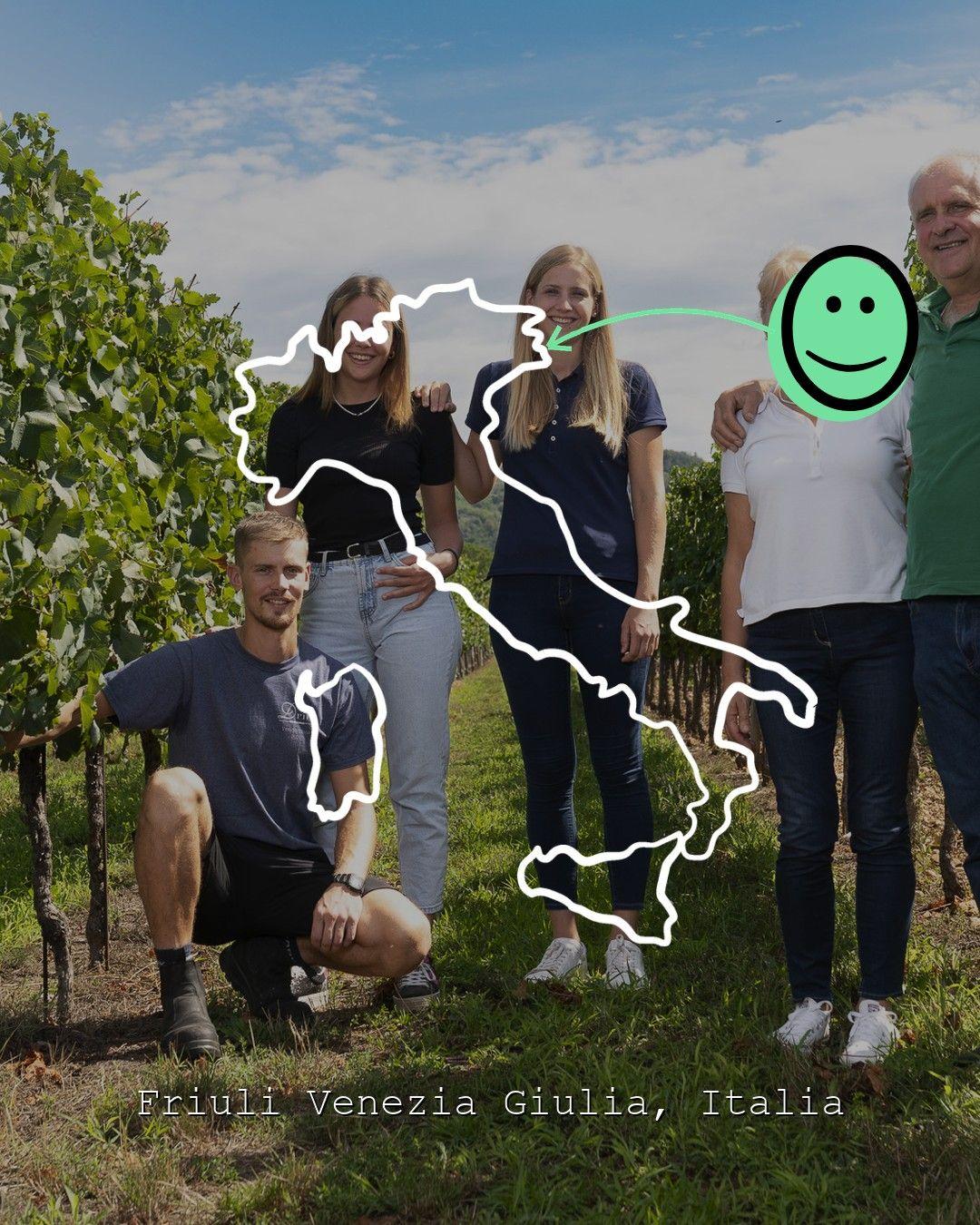
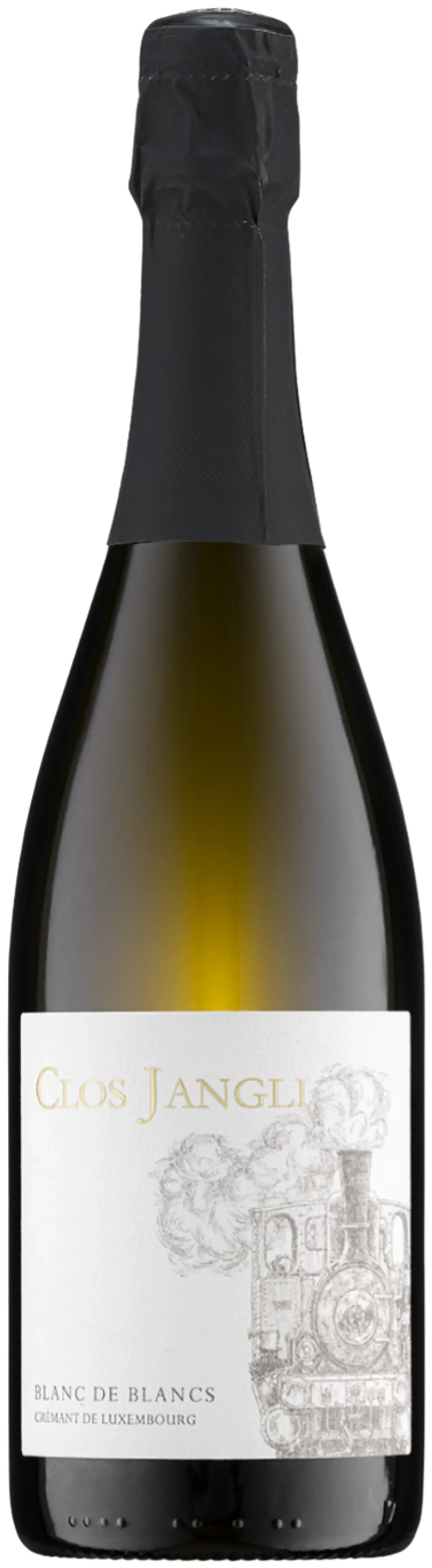
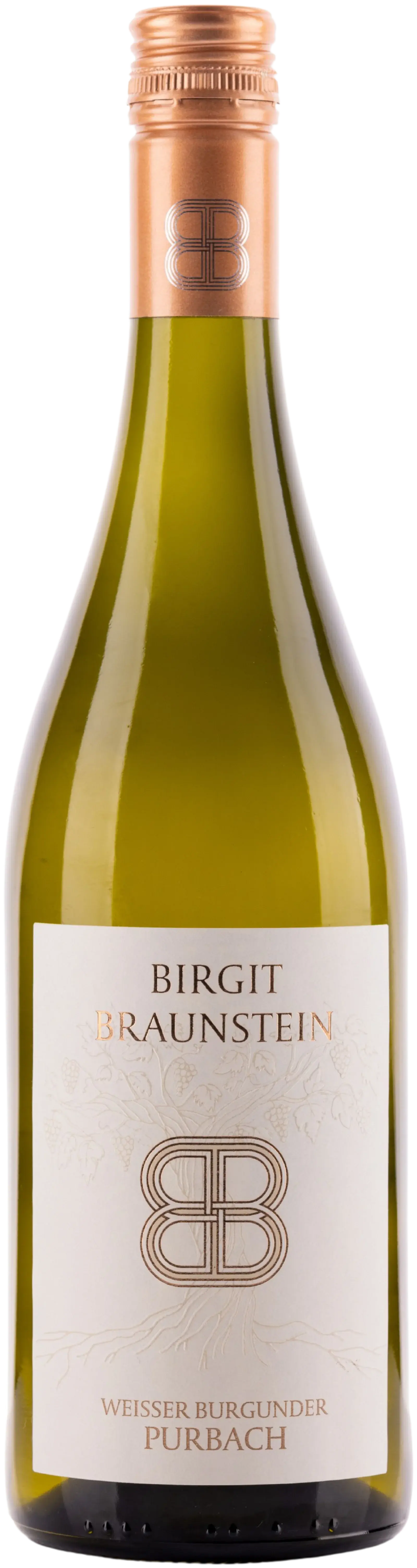
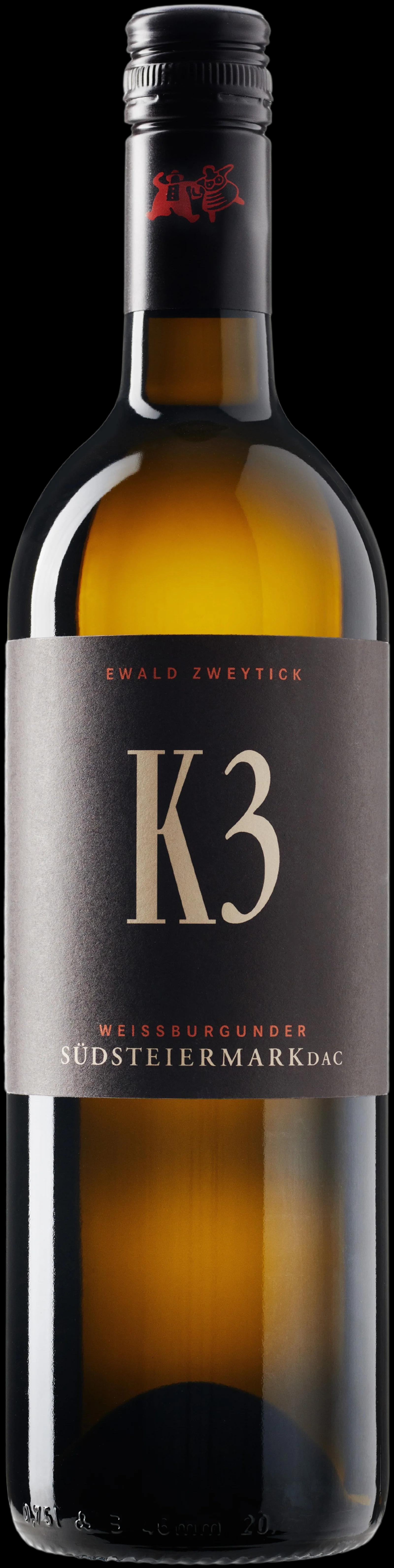
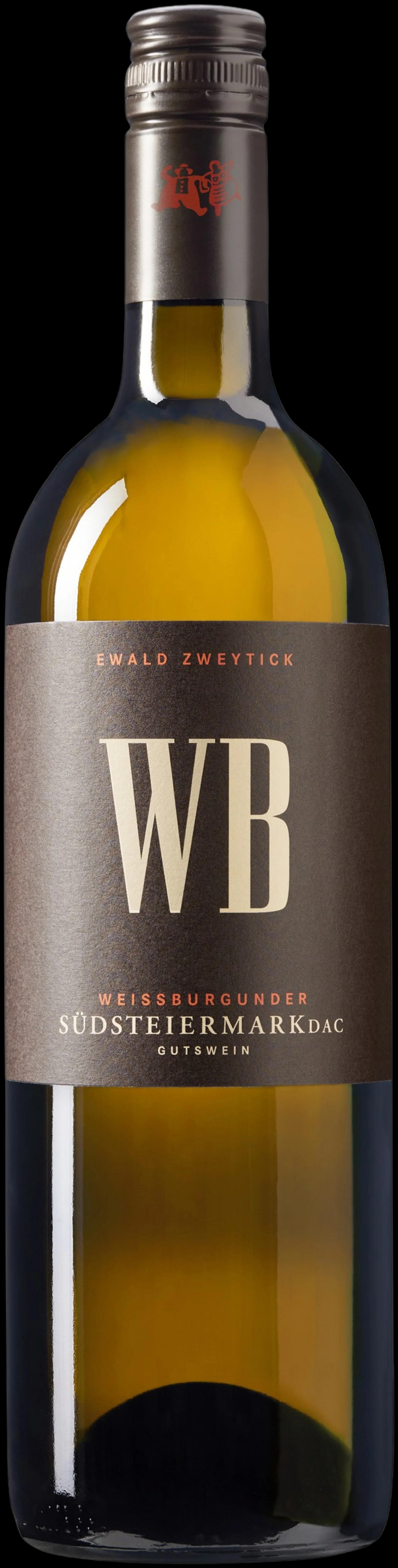
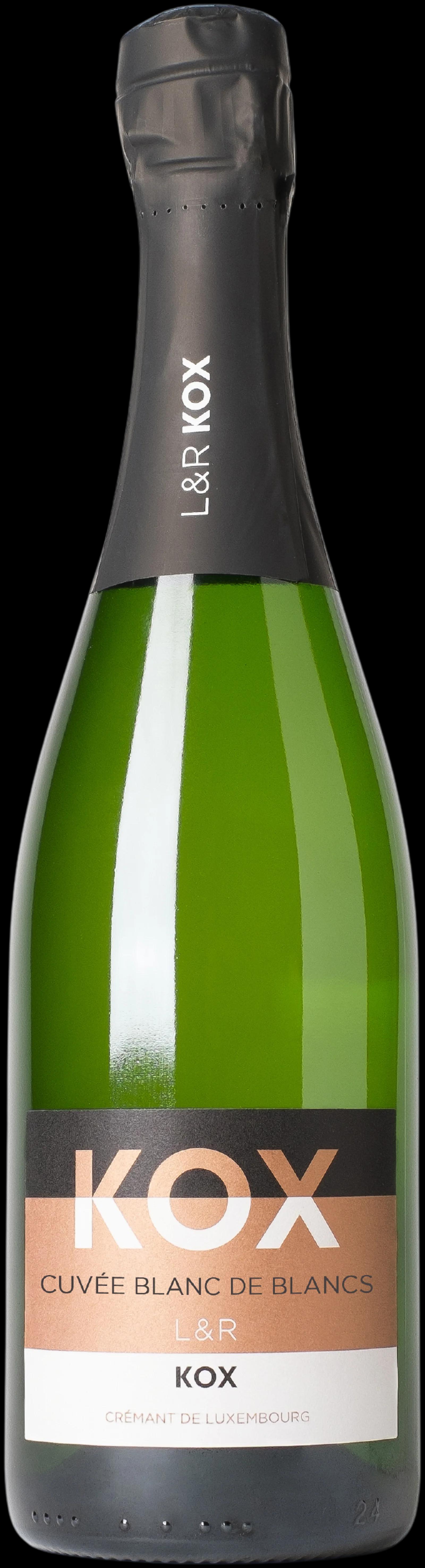
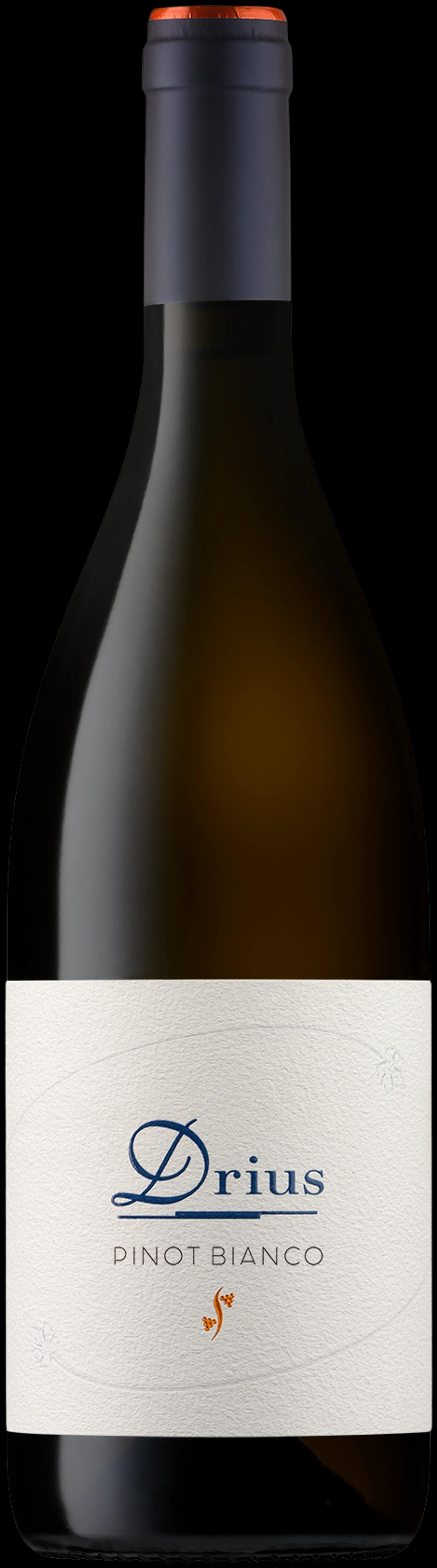
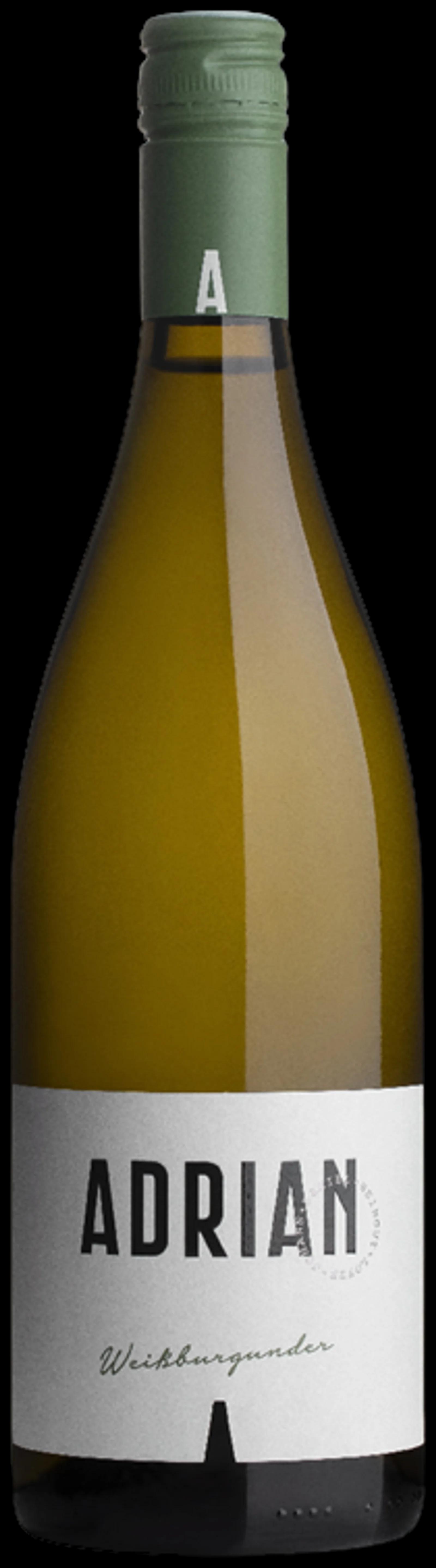
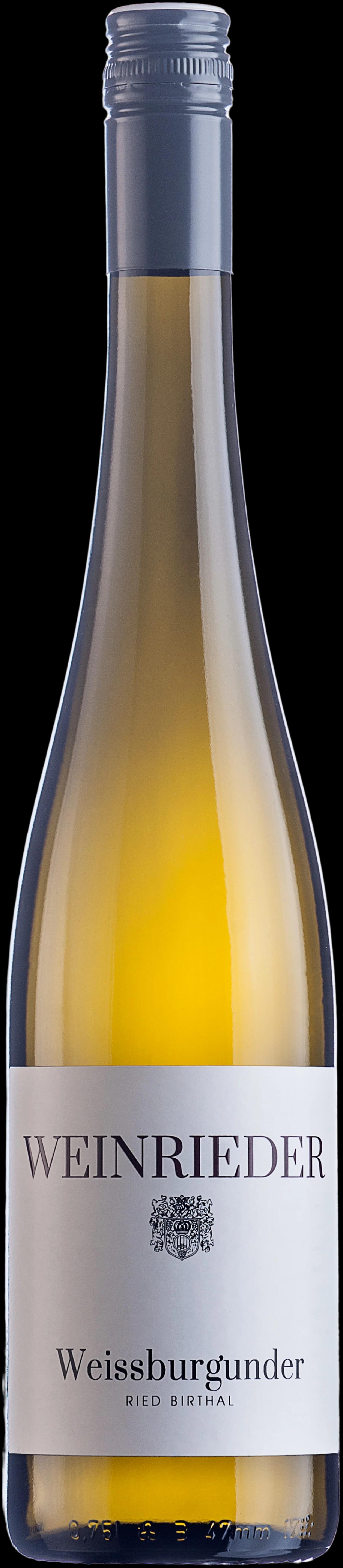
Pinot Blanc is one of the quieter members of the Pinot family, a white mutation of Pinot Noir that has been grown in Alsace and the German-speaking wine regions of central Europe for centuries. In Alsace it tends toward weight and texture, producing wines with a rounded, almost waxy quality that suits fermentation in larger oak vessels. Cross into Austria's Niederösterreich or Steiermark, where it often appears under the name Weissburgunder, and the same grape becomes leaner and more mineral-driven, shaped by cooler nights and volcanic or crystalline soils. In Friuli Venezia Giulia it is known as Pinot Bianco, and there it sits comfortably alongside Friulano and Ribolla as a workhorse of the region's white-wine tradition, made both as a still wine and as a base for sparkling production. The variety's adaptability is real, but it is not neutral — place and winemaking philosophy leave clear marks, which is why two bottles from different producers can taste strikingly different despite sharing the same grape.
How Pinot Blanc tastes, and what to drink it with
Pinot Blanc is naturally high in acidity and relatively low in aromatic intensity compared with grapes like Gewürztraminer or Riesling, which makes it a reliable companion at the table rather than a wine that demands attention on its own. The typical profile runs through apple, pear and white blossom, with a creamy or almond-like texture when the wine has had contact with its lees. Because the grape carries good natural acidity without the sharp angularity of, say, Sauvignon Blanc, it bridges well across a wide range of foods: roasted white fish, fresh pasta with butter or cream, soft cheeses, and simply prepared poultry. Alsatian producers often serve it with the region's own cuisine — tarte flambée, choucroute, Munster cheese — and the pairing logic holds beyond those borders. Wines made with extended skin contact, which a small number of producers now offer, shift the profile toward texture and dried fruit and suit richer, more savoury dishes.
Buying Pinot Blanc direct from independent producers
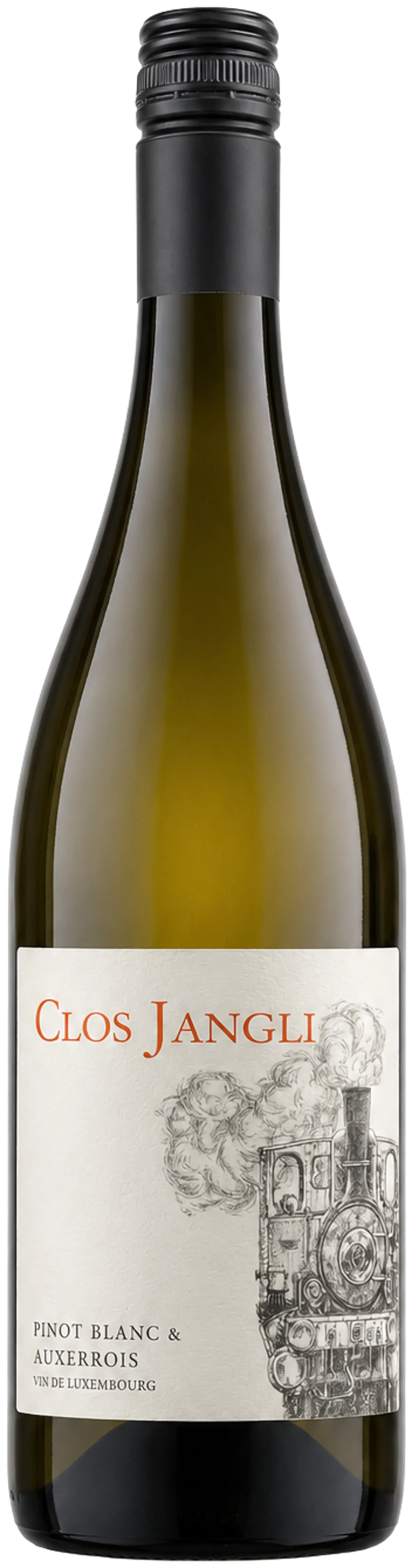
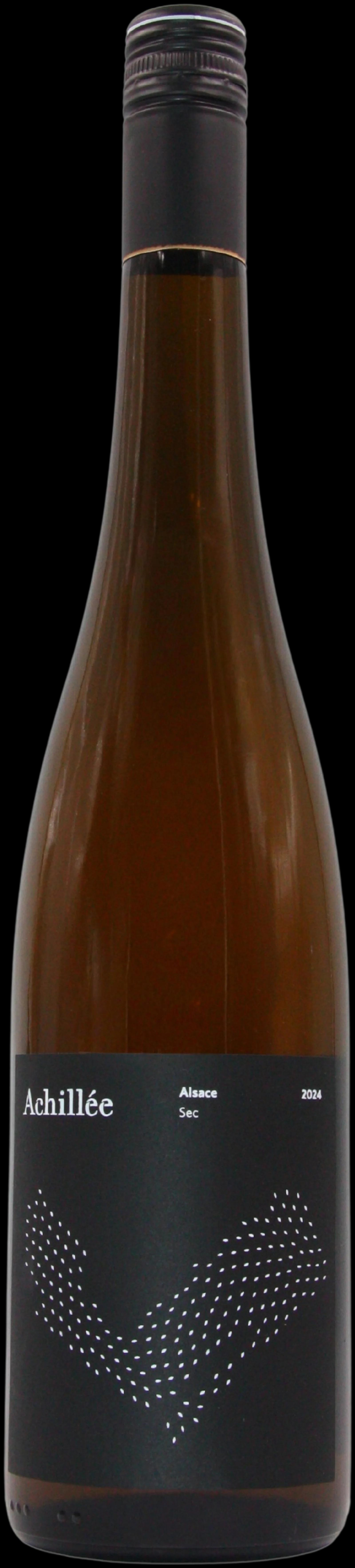
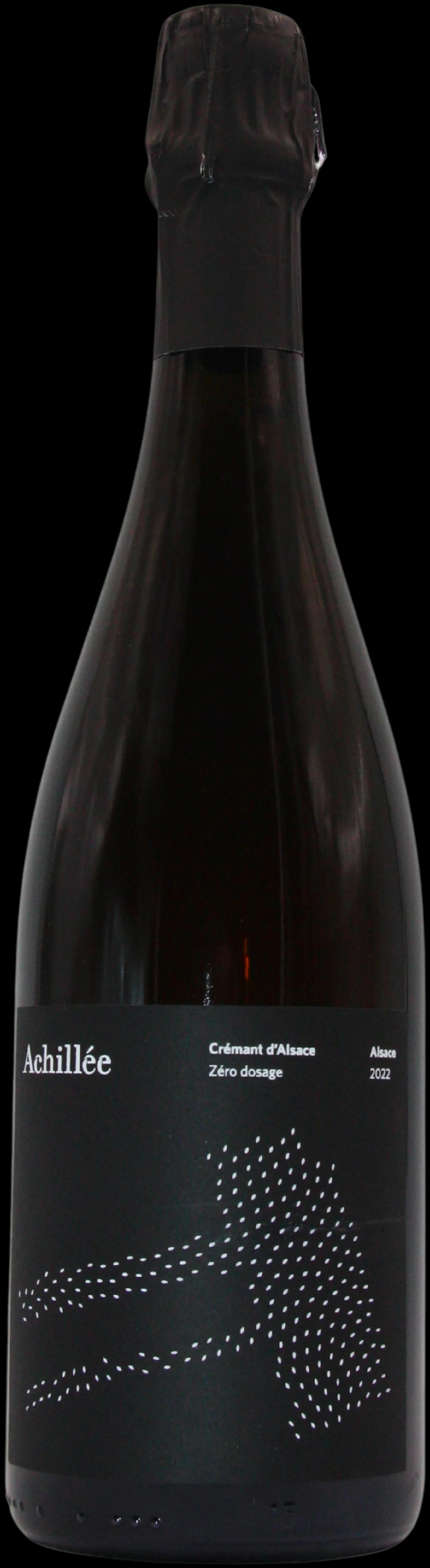
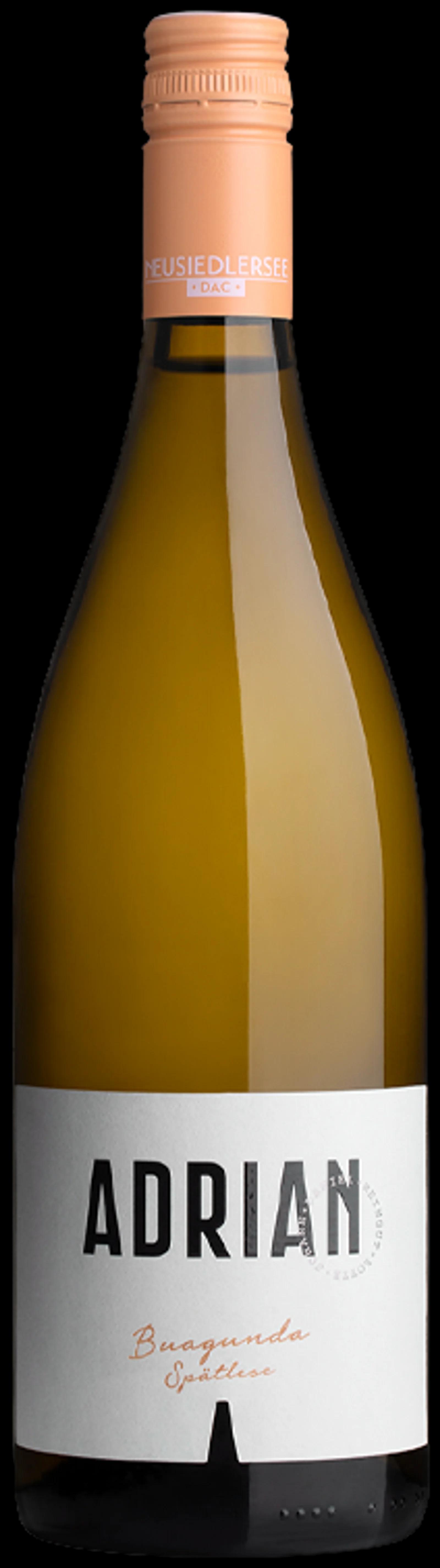
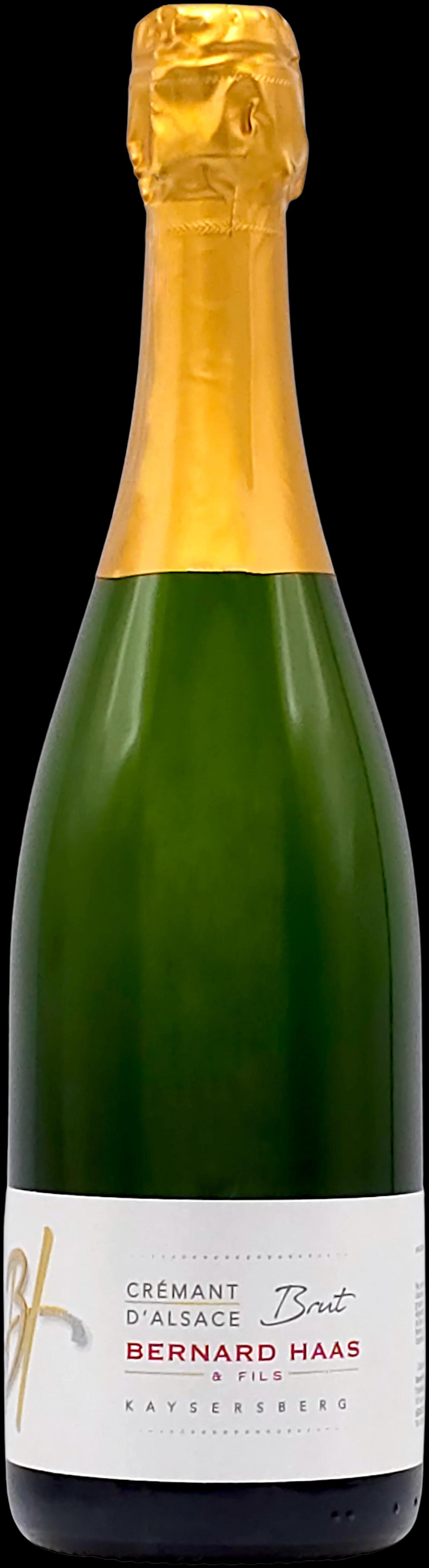
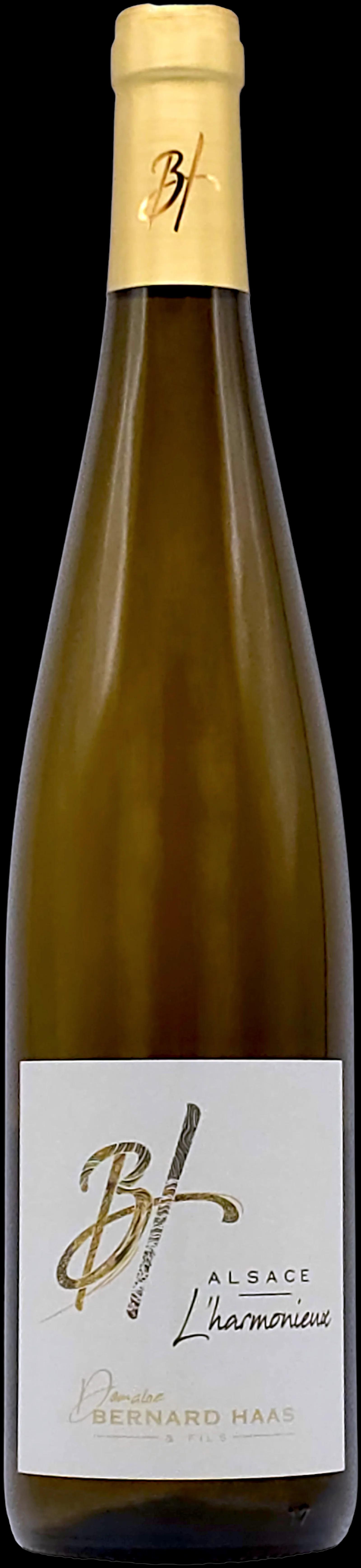
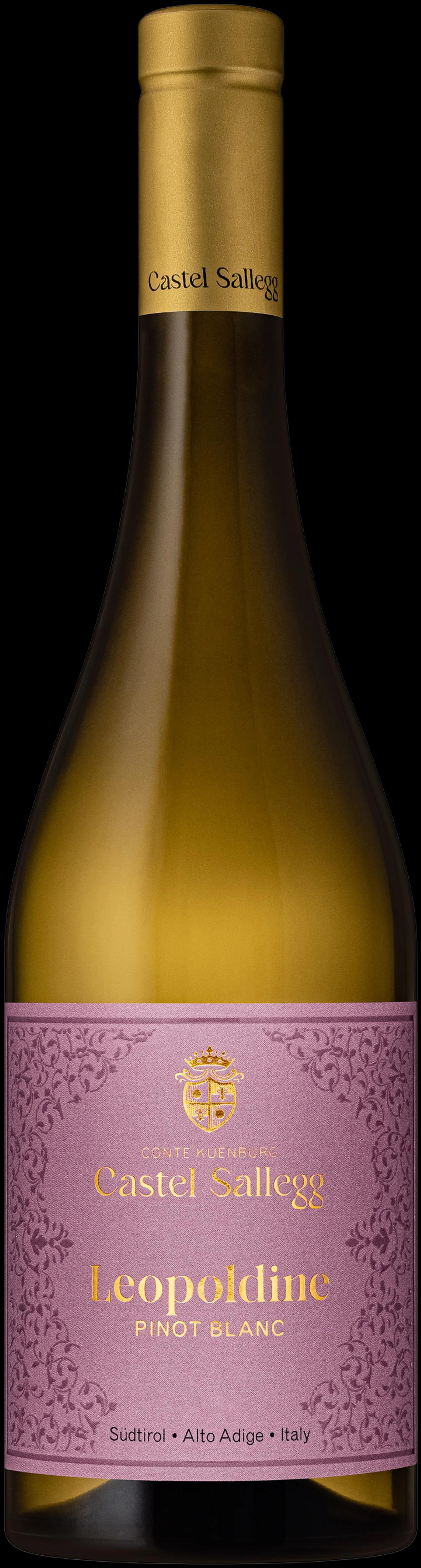
Pinot Blanc rarely appears in supermarket wine ranges at the level of quality that independent growers produce. The variety is not a marketing priority for large négociants, which means the best bottles tend to come from smaller estates that grow it because it suits their soils and their style, not because it is easy to sell. The producers listed here make Pinot Blanc as part of a considered range — from Alsace, Austria and Italy, among others — and wines are tasted before listing on Free Grape Society. Each bottle ships directly from the producer's own cellar, with no importer or warehouse adding margin or handling time between the estate and your door. If you are deciding between the Alsatian style and an Austrian Weissburgunder, or between a still wine and a sparkling version, the wine-advice service connects you with independent experts who have tasted across the range. Free Grape Society is a society of producers, independent experts and wine lovers — not a shop. You can also explore related white varieties, including Pinot Gris and Auxerrois, which are grown alongside Pinot Blanc in many of the same regions and offer a useful comparison.