

Refosco: a deep, tannic red from Friuli and beyond

Refosco wine is one of northeastern Italy's most distinctive grapes, giving dark, firm, savourily dry reds that reward patience. The producers below grow it where it has been cultivated for centuries.

A native Italian grape with a long history in the northeast, producing structured, age-worthy reds.

Color

Dropdown arrow

Type

Dropdown arrow

Country

Dropdown arrow

Region

Dropdown arrow

Grape

Dropdown arrow

Pairing

Dropdown arrow

Sort by

Sort arrow
Refosco

Refosco wines

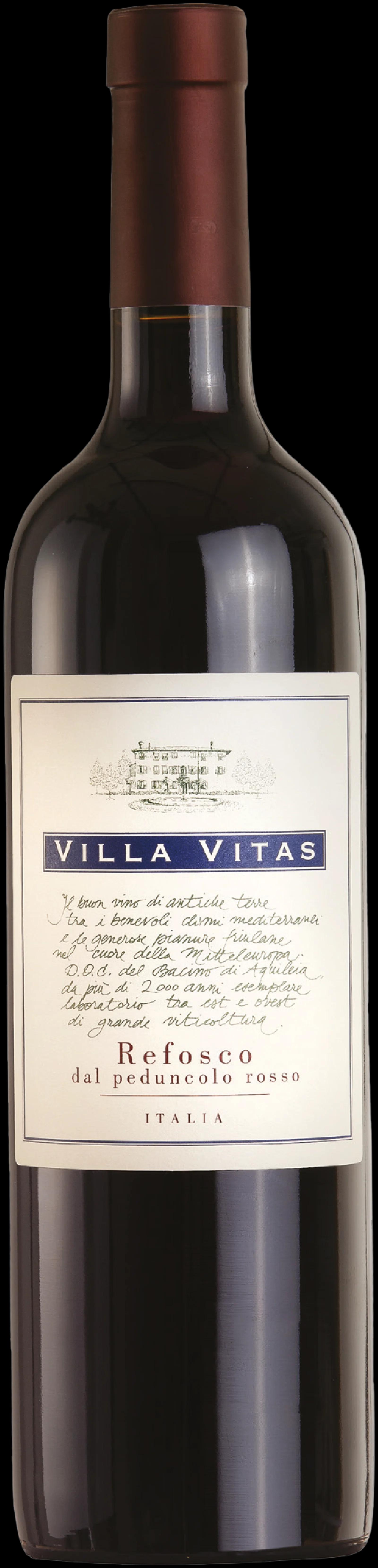
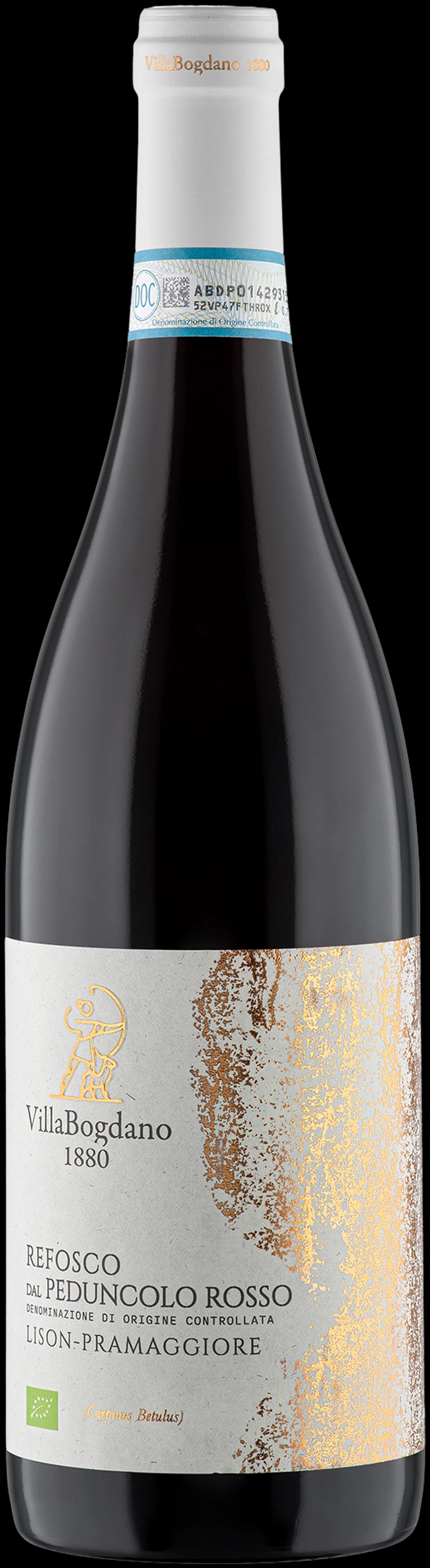
Refosco dal Peduncolo Rosso — to use its full name — has been documented in Friuli Venezia Giulia since at least the fifteenth century, which makes it one of the region's most deeply rooted native varieties. It produces wines that are deeply coloured, firm in tannin and notably dry, with a characteristic bitter finish that softens considerably with time in the bottle. Each producer below ships their wines directly from their own cellar, with no importer or warehouse in the chain.

Previous1 of 1Next

Refosco mixboxes

A mixbox is a producer's own selection of six bottles — the recommendation they would make if you were standing in their cellar asking what to try. With a grape like Refosco, that often means tasting one estate's interpretation across different vineyards or vintages, where the variety's structure and its response to site become easier to read side by side. Free Grape Society is a society of producers, independent experts and wine lovers, not a shop.

View all mixboxes

Wineries

The growers working with Refosco tend to be rooted in the northeast — Friuli Venezia Giulia above all, though the grape also appears under local names in neighbouring Slovenia and across the Veneto. Reading a producer's own notes is often the most direct way to understand how they handle the variety's naturally high tannin and acidity, and the wine-advice service is there if you would rather talk it through before ordering.

View all wineries

Wine experts

Refosco does not attract the same volume of critical attention as Pinot Noir or Nebbiolo, which makes independent reviews especially useful when navigating the range. Wine experts on Free Grape Society review wines they have personally tasted, and those reviews appear on each wine page and on the expert's own profile. Several of the experts below have tasted and reviewed Refosco wines featured on this page.

View all wine experts

Frequently asked questions

How do I order Refosco wine on Free Grape Society?

Browse the Refosco wines listed on this page, add bottles to your basket and pay securely by card or Klarna. Each bottle ships directly from the producer's own cellar to your door, with free shipping and delivery in 4 to 14 days. There are no agents or warehouses in between.

What happens if a bottle arrives broken or doesn't taste right?

Send a photo to Free Grape Society customer support within 7 days of delivery. We will arrange a replacement or a refund. Because producers ship directly, quality issues are handled with the producer's direct involvement. Shared responsibility is built into how FGS works.

Can I order Refosco from more than one producer in the same order?

Yes. You can add wines from different Refosco producers to a single basket and check out in one transaction. Each producer ships their wines separately from their own cellar, so you may receive more than one delivery. Shipping is free on every order.

How long does delivery take?

Average delivery is 8 to 9 days from order to door. The full range is 4 to 14 days depending on the producer's location and your delivery address. Wines ship directly from the producer's cellar, not from a central warehouse.

How do I choose between different Refosco wines and producers?

Refosco varies most noticeably by where it is grown and how long it has aged. Wines from hillside sites in Friuli Venezia Giulia tend to be more structured and aromatic; those from flatter ground can be broader and earlier-drinking. Reading the producer's own notes and any expert reviews on the wine page is the clearest guide to what to expect.

How does the selection of Refosco producers on Free Grape Society work?

Free Grape Society works with independent producers who bottle their own wines. Wines are tasted before listing, and the focus is on growers with a clear sense of place and variety. Because Refosco is a regionally specific grape, the selection reflects producers who have a genuine, long-standing connection to the variety.

Which Refosco wine expert can recommend something for me?

Several independent wine experts on Free Grape Society have reviewed Refosco wines and know the grape well. Visit the wine-expert section on this page, read their profiles and reviews, and fill in the advice form to ask a specific question. Guidance is free and comes from experts with no commercial interest in which wine you choose.

Why don't you sell supermarket-brand Refosco wines?

Refosco is a niche, regionally specific grape that rarely appears in supermarket ranges at all. The wines listed here come from independent producers who grow and bottle it themselves — the kind of grower whose name appears on the label and who is directly responsible for what is in the bottle.

Can I buy Refosco wine in a shop or supermarket in the UK or northern Europe?

Refosco is unusual enough that it rarely appears in general retail outside Italy. Specialist wine merchants occasionally carry one or two examples, but the range is narrow. Buying directly from producers through Free Grape Society gives access to a broader selection, including smaller estates that do not distribute through conventional channels.

Where Refosco comes from and what makes it distinctly Friulian

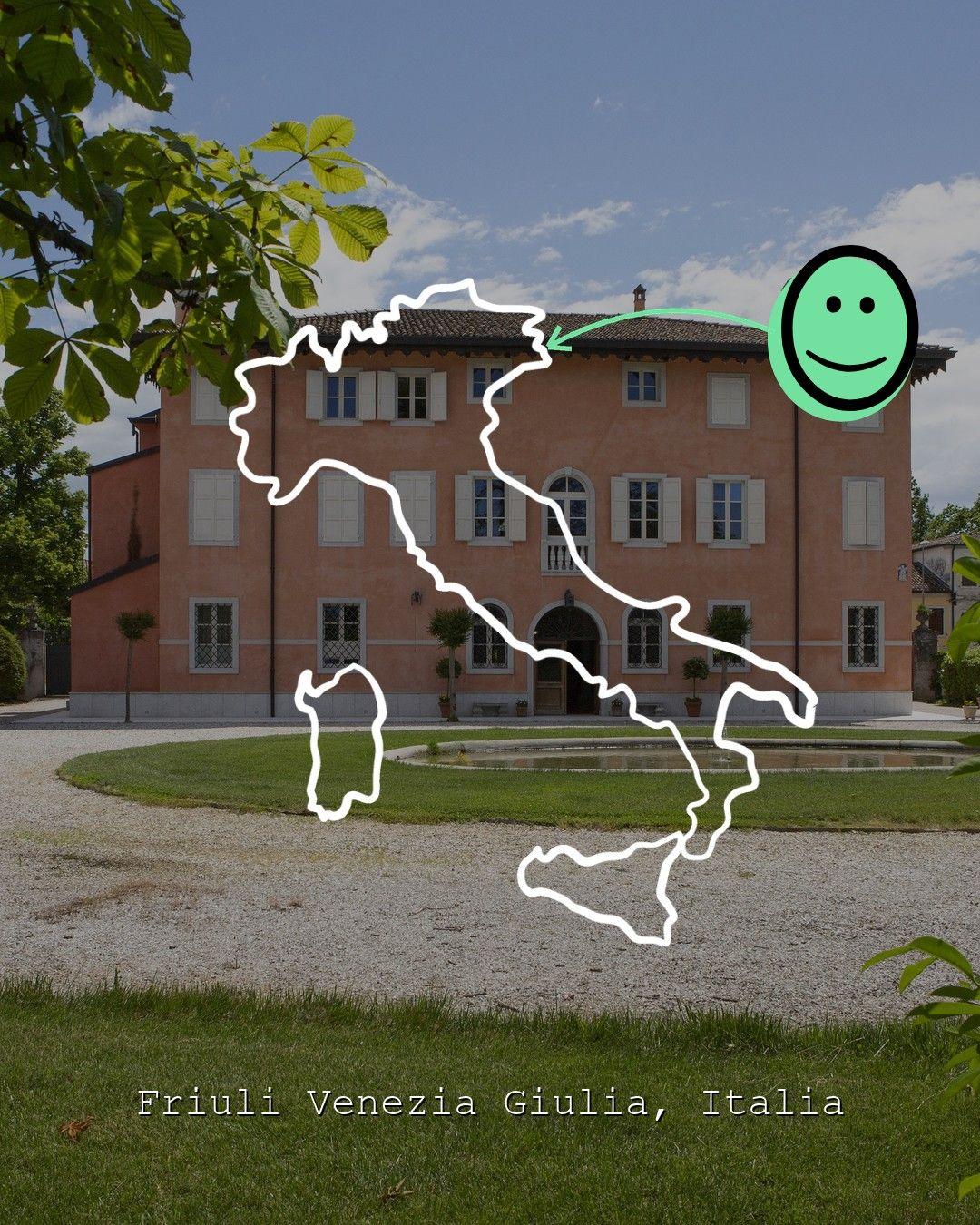
Refosco is a native red grape from the far northeast of Italy, rooted in Friuli Venezia Giulia and the neighbouring Carso and Collio zones. It has been recorded in the region for centuries and is considered one of Friuli's signature varieties alongside Friulano and Ribolla. The most widely planted variant is Refosco dal Peduncolo Rosso — named for its red stem — which is the form you will encounter most often on this page. It is a late-ripening variety that performs best on the clay and marl soils of the Friulian plains and hillsides, where cool nights in September and October help the grape develop structure without losing freshness. Outside Friuli it appears in Veneto and in Slovenian Istria just across the border, but it is firmly a northeastern Italian grape at heart. Free Grape Society is a society of producers, independent experts and wine lovers, not a shop — and the growers on this page ship directly from their own cellars, with no importer or warehouse in between.

How Refosco tastes, and what to drink it with

Refosco produces dark, firmly tannic reds with high natural acidity and a characteristic bitter finish on the back palate — a quality that makes it one of the more food-specific Italian grapes. Aromatically it tends toward dark plum, blackberry, dried herbs, and an earthy, slightly smoky undercurrent. The tannins are real but not aggressive when the wine is given time: a few years of age softens the structure and allows more fruit and secondary complexity to emerge. At the table it works well alongside cured meats, game, braised beef, and the richer pasta dishes of the Friulian tradition. It also holds its own next to aged hard cheeses. If you are exploring northeastern Italian reds, it pairs naturally with Schioppettino — another native Friulian variety with a similarly assertive profile — and makes an interesting contrast with the softer Nebbiolo from Piedmont further west.

Buying Refosco direct from independent producers

Because Refosco is a regional variety rather than an internationally traded name, it has historically been difficult to find outside specialist Italian wine merchants. The producers working with it are almost entirely small, independent estates in Friuli and Veneto — exactly the kind of grower who benefits from selling directly rather than through a multi-step import chain. On Free Grape Society, wines tasted before listing come to you directly from each producer's own cellar, which means the bottle you receive reflects what the winemaker actually made rather than what an importer selected and stored. If you want to explore the wider context of northeastern Italian wine, the Friuli Venezia Giulia wineries page gives an overview of the estates working in the region, and the Italian wines page covers the full range of varieties available from independent producers across the country. For a producer's own curated selection, the Italian mixboxes are a good starting point.