Where Weissburgunder comes from and how region shapes it
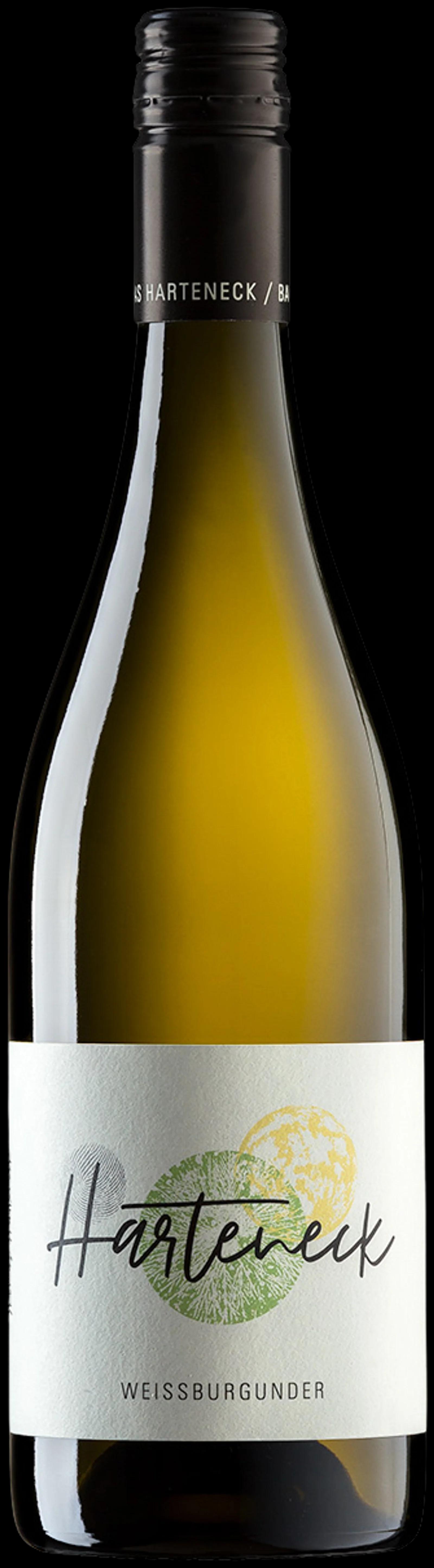
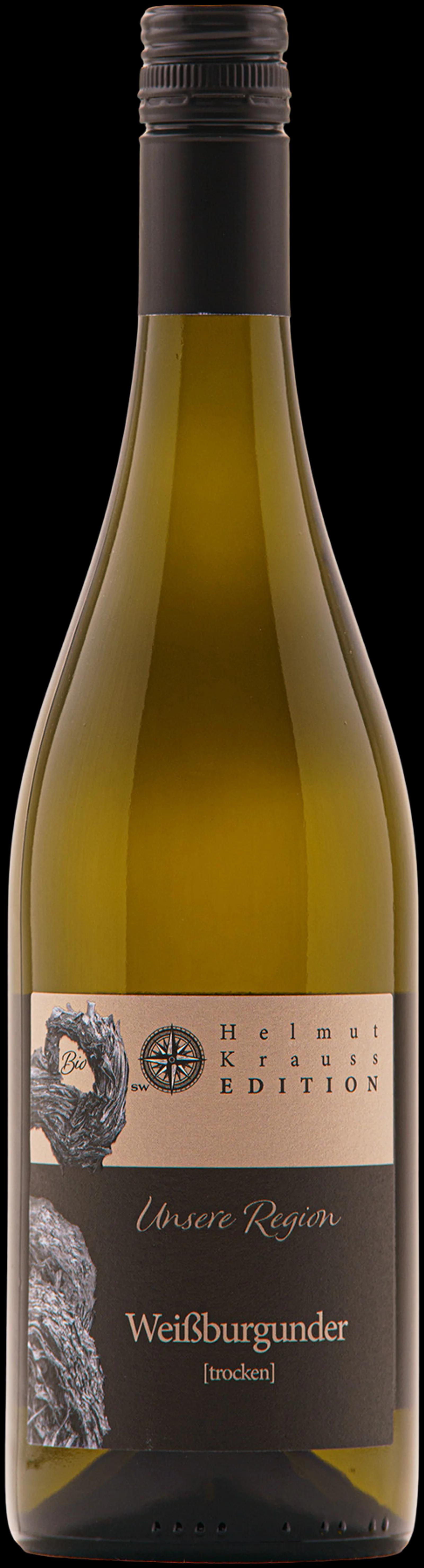
Weissburgunder is the German and Austrian name for Pinot Blanc, a white mutation of Pinot Noir that has been grown in the German-speaking world for centuries. Its heartland today spans Austria, particularly Niederösterreich and Steiermark, and the German regions of Baden and Pfalz, where the grape reliably reaches full ripeness without losing its natural acidity. In Alsace, it is called Pinot Blanc and tends toward a rounder, slightly richer style; in Friuli Venezia Giulia in northeastern Italy, it goes by Pinot Bianco and often shows more mineral edge. The same variety can read quite differently on the label depending on where the bottle is from — Weissburgunder, Pinot Blanc, and Pinot Bianco all refer to the same grape. Across these regions, the through-line is a wine that sits comfortably between the weight of Chardonnay and the sharpness of Riesling: broad enough to work at the table, precise enough to stand on its own.
How Weissburgunder tastes, and what to drink it with
Weissburgunder is naturally low in aromatic intensity, which is part of what makes it so useful at the table. Where aromatic whites like Gewürztraminer or Riesling can compete with food, Weissburgunder tends to support it. The structural profile is moderate acidity, medium body, and a clean, apple-and-almond character that can deepen toward nuttiness and beeswax when the wine has seen some barrel ageing or extended lees contact. Lighter, unoaked styles from cooler sites pair well with white fish, vegetable dishes, and soft cheeses. Fuller, barrel-aged versions hold up to richer fare, including poultry, pork, and cream-based sauces. In Steiermark and parts of Alsace, Weissburgunder is also made as a late-harvest wine, where it develops more stone-fruit concentration and can carry a touch of sweetness alongside its characteristic savouriness. Browsing by style and region is often the quickest way to find the right bottle — the white wines section and the Austrian wines and German wines pages are good places to start.
Buying Weissburgunder direct from independent producers
Most Weissburgunder on the market passes through importers and distributors before it reaches a shop shelf, which means the producer's own choices about how to grow and vinify the grape are often flattened into a house-style blend by the time it arrives. On Free Grape Society, producers in Austria, Germany, Italy, and elsewhere ship directly from their own cellars, with no importer or warehouse in between — so what you receive is what the winemaker actually made. Wines are tasted before listing, and independent wine experts review wines they have personally tasted; their reviews are visible on each wine page and on the expert's own profile. If you are looking for a Weissburgunder from a specific region, the Steiermark, Niederösterreich, and Baden producer pages show which growers in each area work with the variety. Free Grape Society is a society of producers, independent experts and wine lovers, not a shop — joining is free, and there is no minimum order.