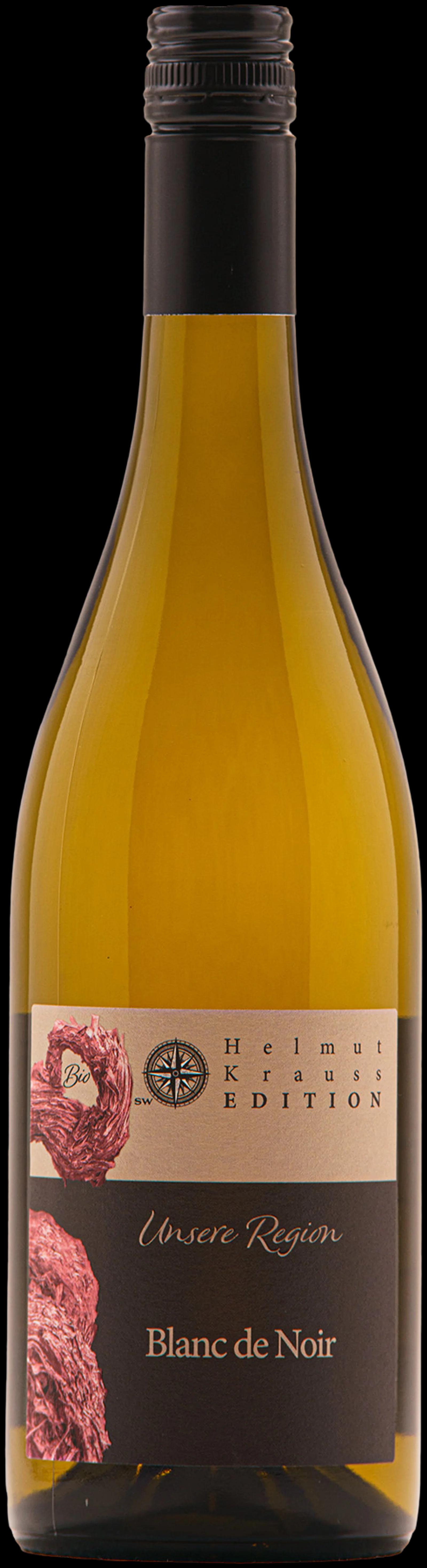
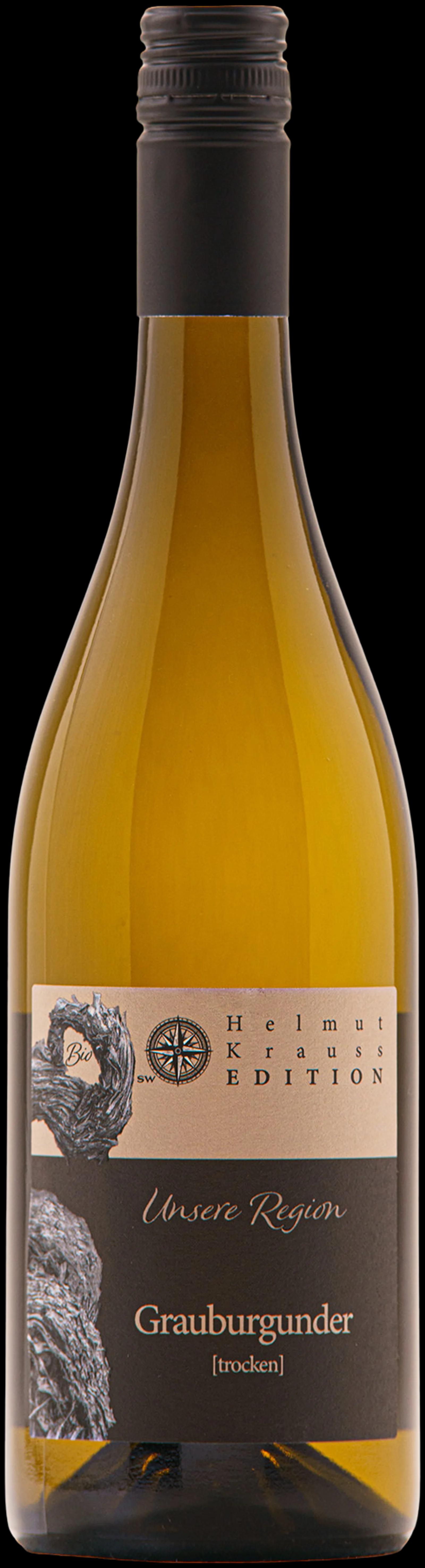
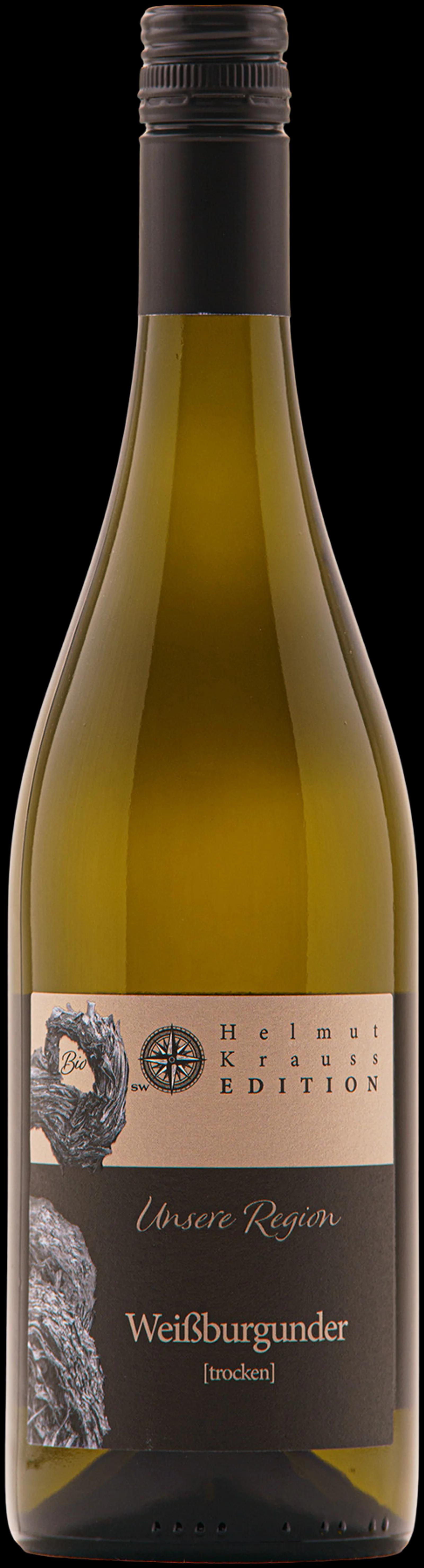
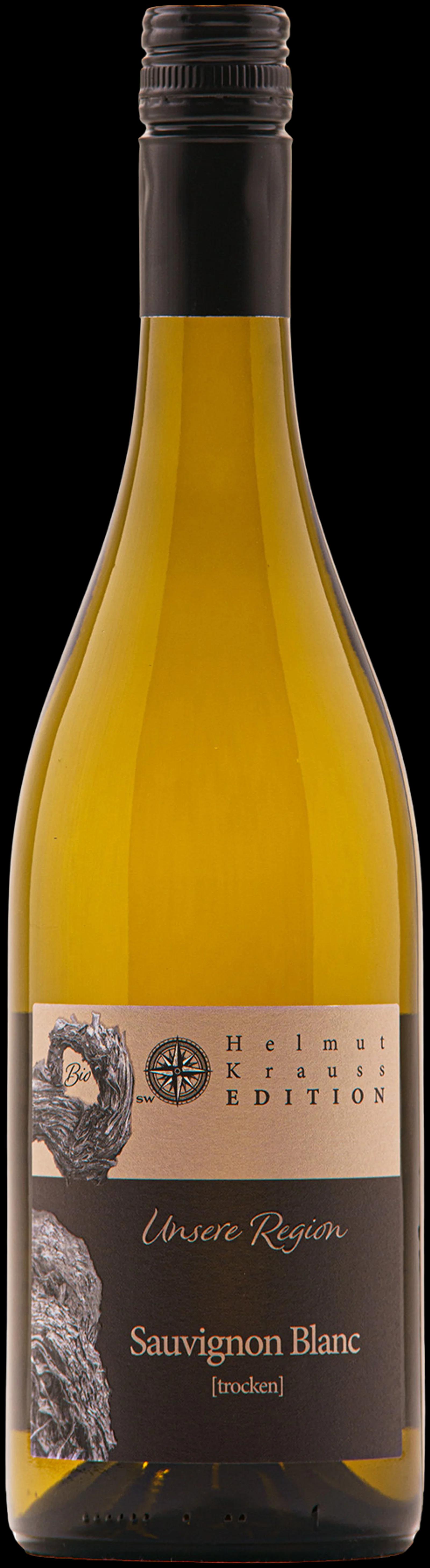
Grapes and appellations of the Pfalz
The Pfalz is Germany's second-largest wine region by area, stretching roughly 80 kilometres along the eastern edge of the Haardt mountains in Rhineland-Palatinate. The Mittelhaardt, the northern two-thirds of the region, concentrates the oldest and most established estates; the Südliche Weinstrasse in the south has seen the most significant quality leap since the 1990s, with younger producers working at higher densities and lower yields than the generation before them.
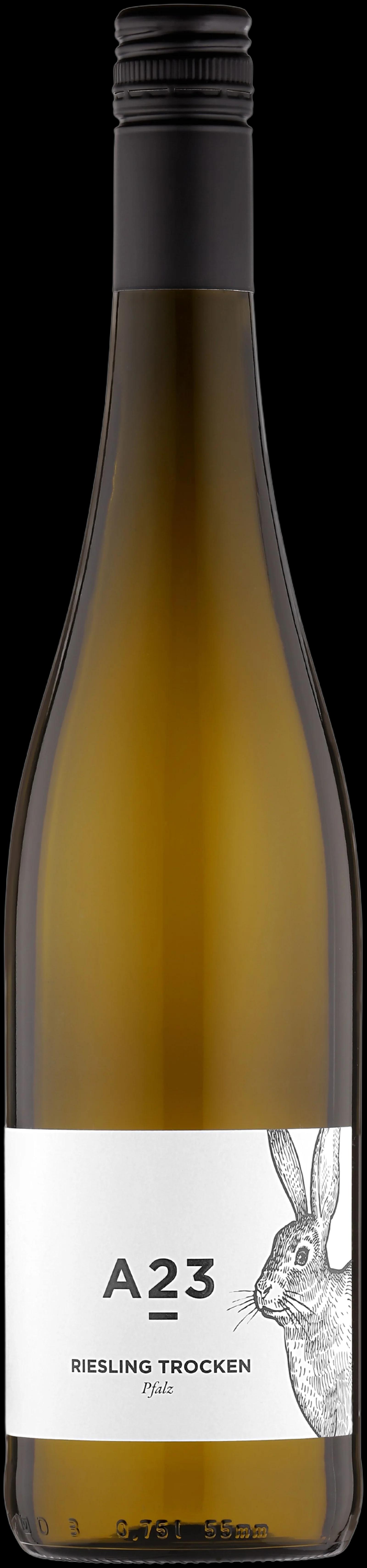
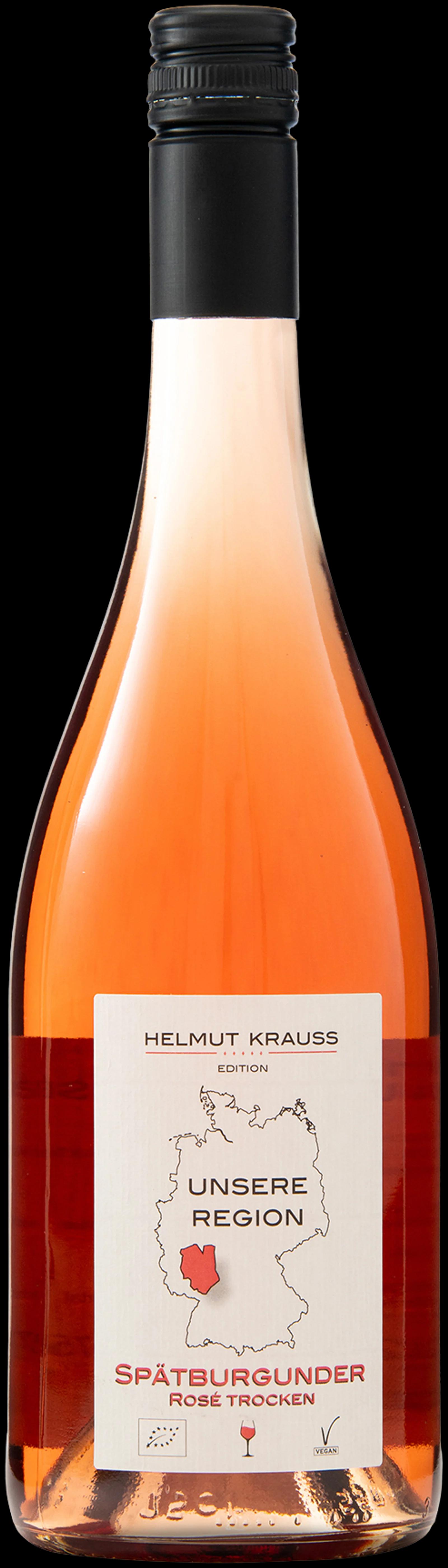
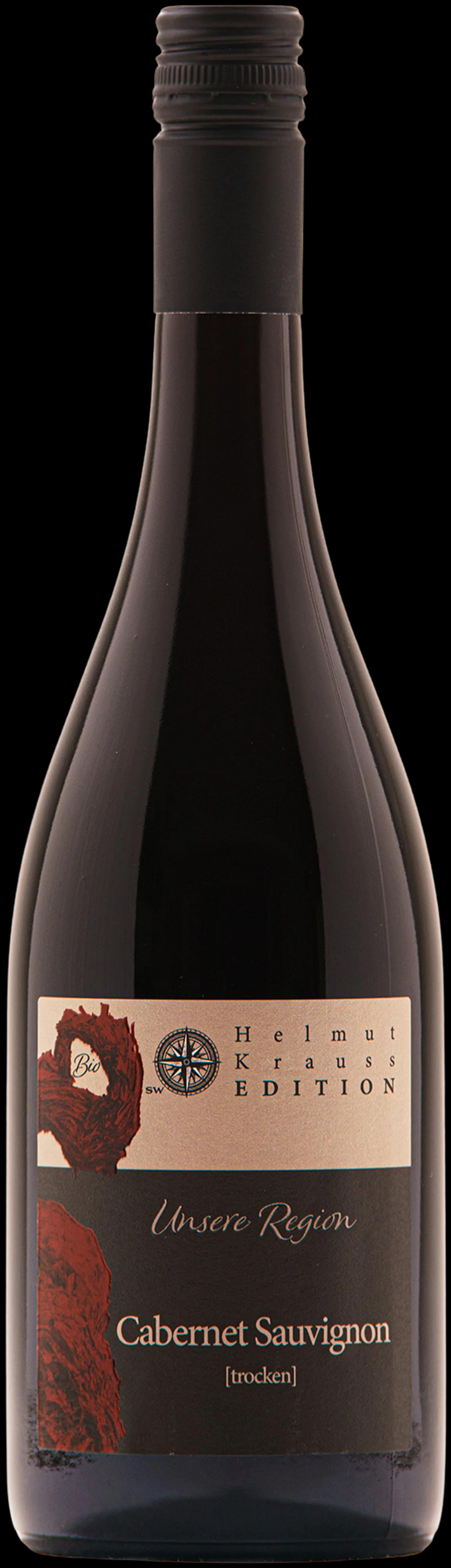
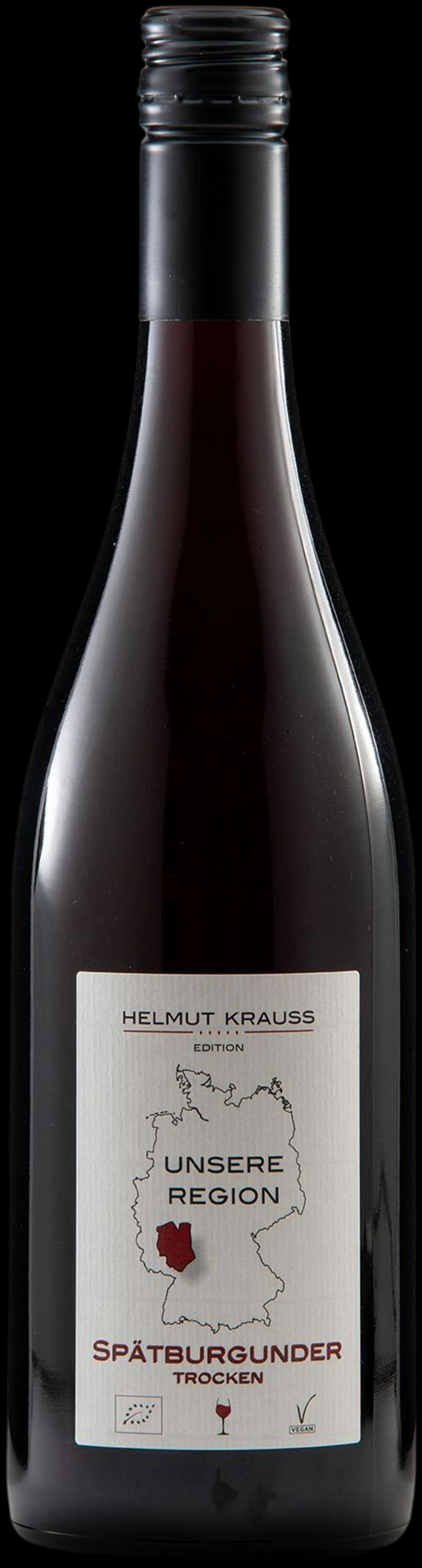
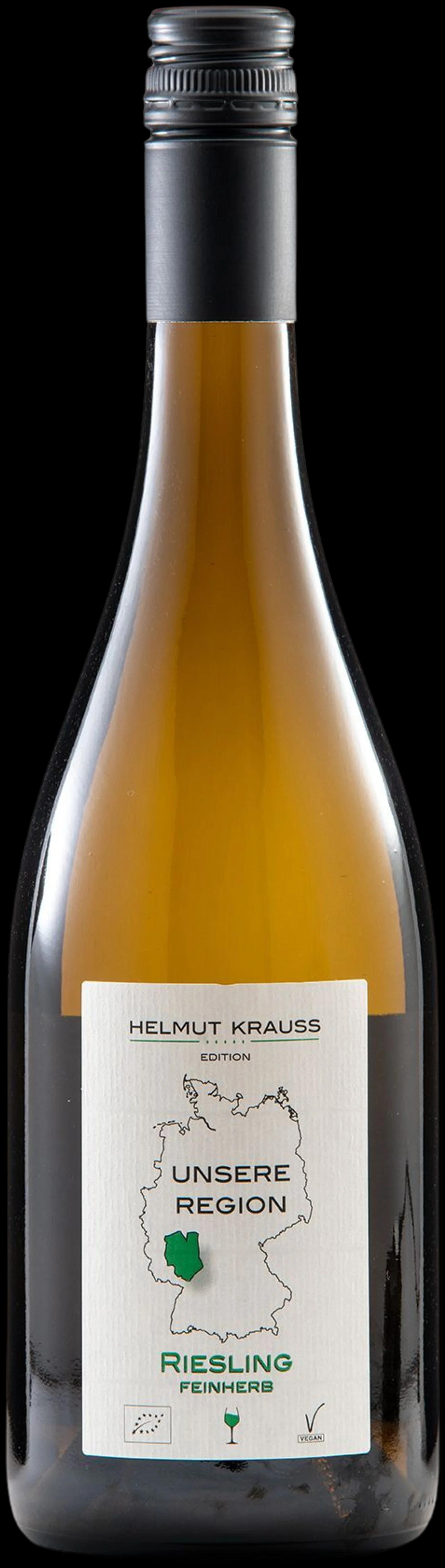
Riesling is the prestige grape, accounting for around a quarter of all plantings, but the Pfalz grows a wider range of varieties than any other major German region. Pinot Noir — called Spätburgunder locally — has expanded significantly and now produces some of Germany's most structured red wines, particularly on the basalt and limestone sites around Deidesheim and Forst. Pinot Gris, known here as Grauburgunder, Pinot Blanc, and Gewürztraminer all find expression in a climate warm enough to ripen them fully. The Pfalz averages 1,800 sunshine hours per year — more than Burgundy — which explains the rounder, richer style that distinguishes Pfalz Riesling from the leaner, steelier profiles found further north in the Mosel or Nahe.
Appellation logic in the Pfalz runs through the VDP classification system rather than a formal AOC-style hierarchy. The VDP's Erste Lage and Grosse Lage designations identify single-vineyard sites that have been mapped and qualified by the association's member estates. Forster Ungeheuer, Deidesheimer Hohenmorgen, and Ruppertsberger Reiterpfad are among the grand cru-equivalent sites that appear repeatedly in the portfolios of producers listed here.
Winemaking styles across the Pfalz
Pfalz winemakers have historically worked in a dry style — Trocken and Spätlese Trocken bottlings dominate the export market — but the region produces the full ripeness spectrum from Kabinett through Trockenbeerenauslese. The warm, dry growing season means botrytis is less common here than in the Rheingau, making Pfalz TBA and BA wines rarer and site-dependent rather than a regular harvest expectation.
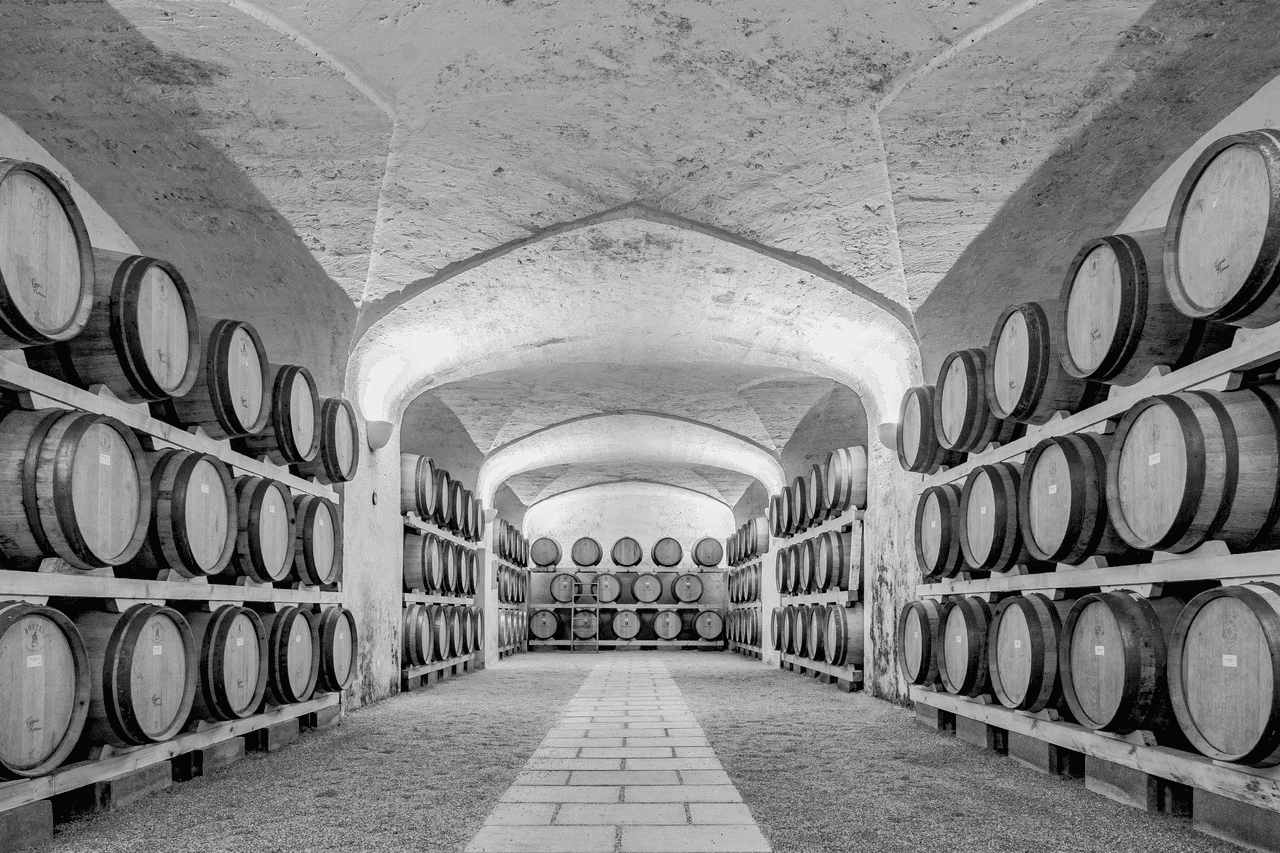
Fermentation practice divides the region. Many of the established estates in the Mittelhaardt ferment in large neutral oak casks — traditional 1,000-litre Stückfass — which add texture without oak flavour. A younger wave of producers, particularly in the south, works with amphorae or early-harvest picking strategies designed to preserve acidity in a warming climate. Skin-contact white wines appear more regularly from the Pfalz than from most other German regions, often made from Pinot Gris or Gewürztraminer where the grape's natural phenolic structure supports extended maceration.
The German white wine landscape is changing faster than the classifications suggest. Several Pfalz producers have quietly reduced chaptalisation, moved to spontaneous fermentation, and started estate-bottling parcels that were previously sold in bulk — decisions driven by individual winemakers, not by appellation rules. These are not the wines that reach supermarket shelves in volume. They are made in quantities where the producer controls every bottle's destination.
How producers from the Pfalz work on Free Grape Society
Producers who list on Free Grape Society set their own prices and control their own product pages. There is no importer adding a margin and no wholesale buyer deciding which wines are commercially viable enough to stock. A bottle of Pfalz Riesling that changes hands through a standard import chain typically moves through three to four pairs of hands before reaching the end buyer. Here it moves through one.
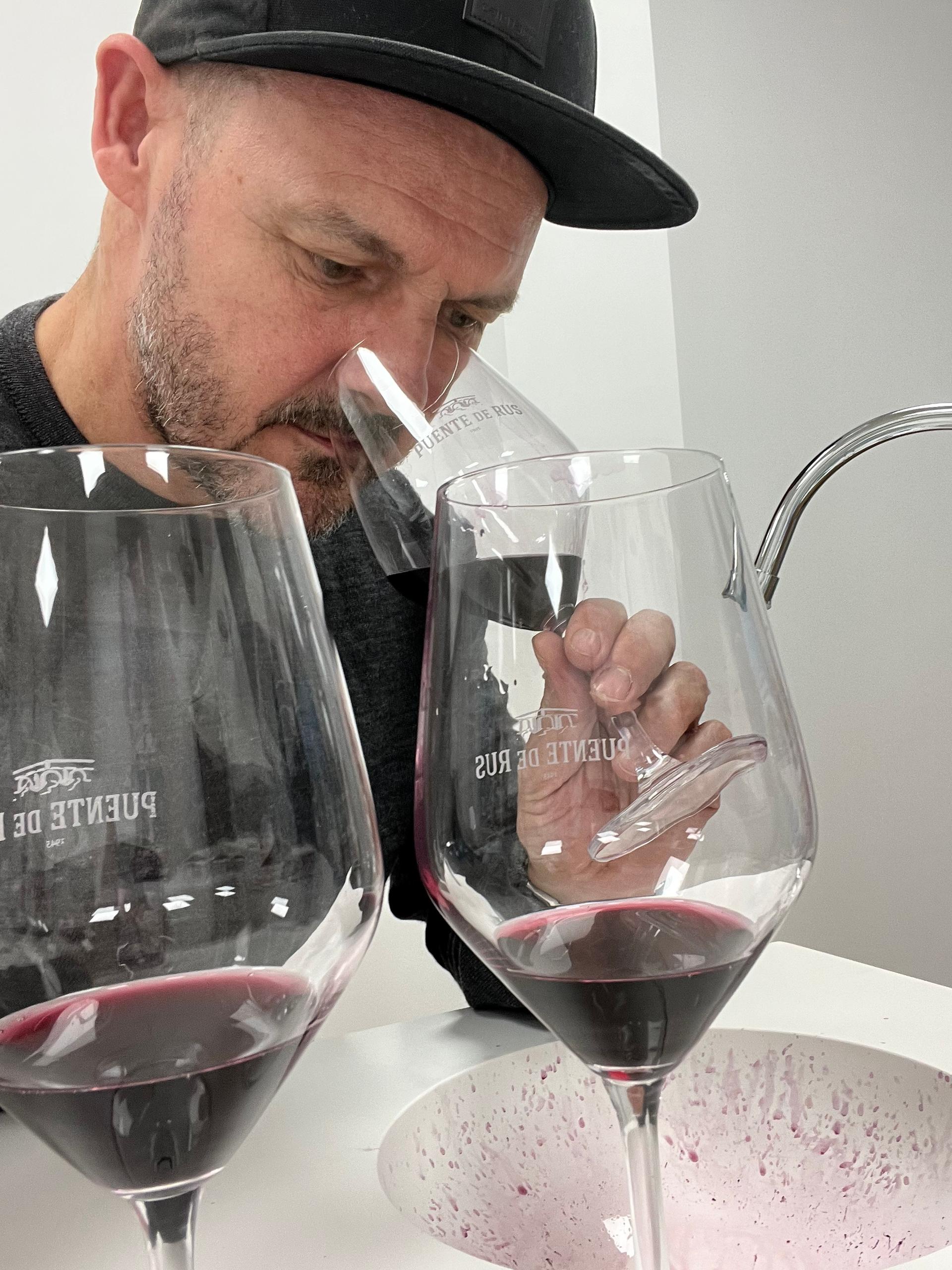
Before any wine from the Pfalz goes live on the platform, samples are sent to our Head of Product, who tastes every wine before listing. Independent wine experts Rate & Review individual wines on the platform, and those reviews are visible on the wine's own page and on the expert's profile — not behind a paywall, not aggregated into a score without context.
The Pfalz sits within Germany's wine offering on Free Grape Society alongside producers from Baden and other German regions. For producers elsewhere in Germany or for comparison with warm-climate whites from Austria, those pages are accessible from the navigation above. Producers, experts, restaurants, and wine lovers on the same platform, on the same terms — that is the structure Free Grape Society is built on.