Red wines from Germany — structure over style

German red wine from independent producers. Every wine tasted before listing. Direct from the cellar.

Spätburgunder, Dornfelder, and Lemberger from independent estates.

Color (1)

Dropdown arrow

Type

Dropdown arrow

Country (1)

Dropdown arrow

Region

Dropdown arrow

Grape

Dropdown arrow

Pairing

Dropdown arrow

Sort by

Sort arrow
Red
Germany

German red wines

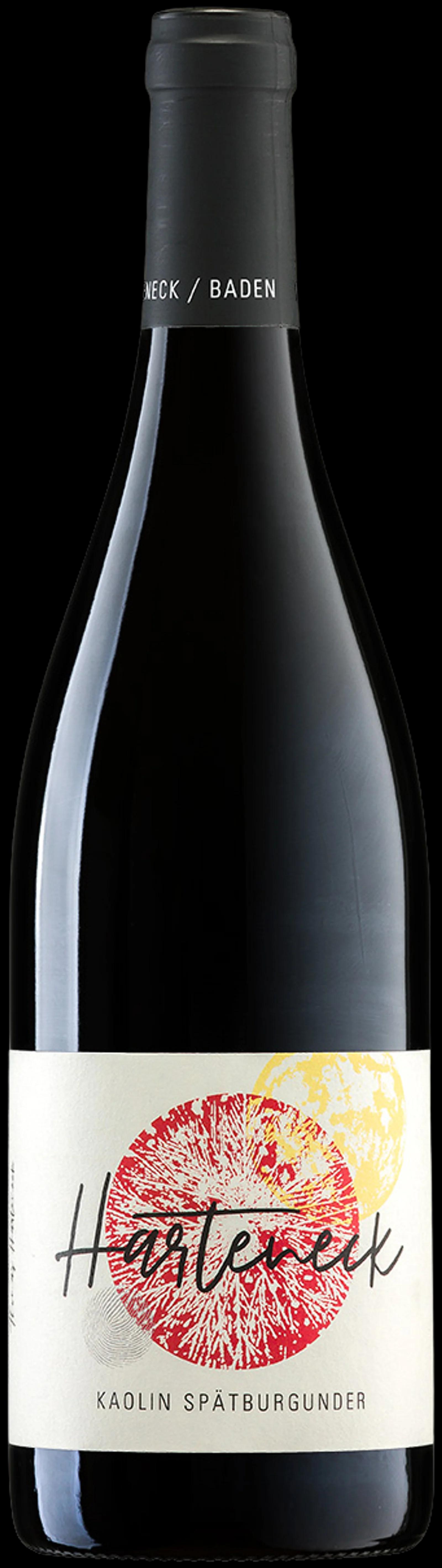
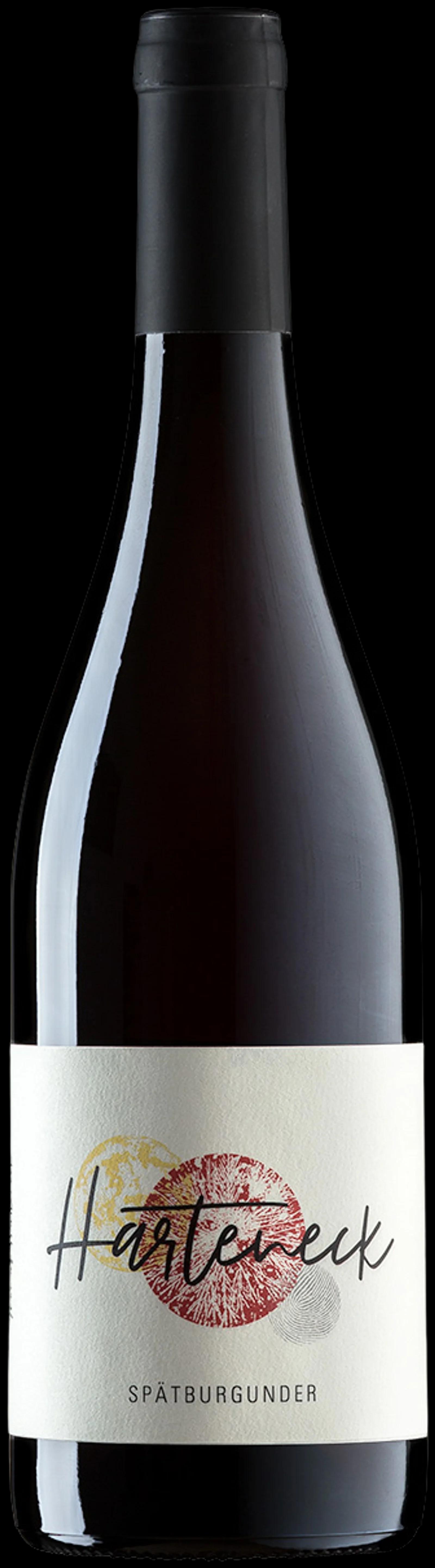
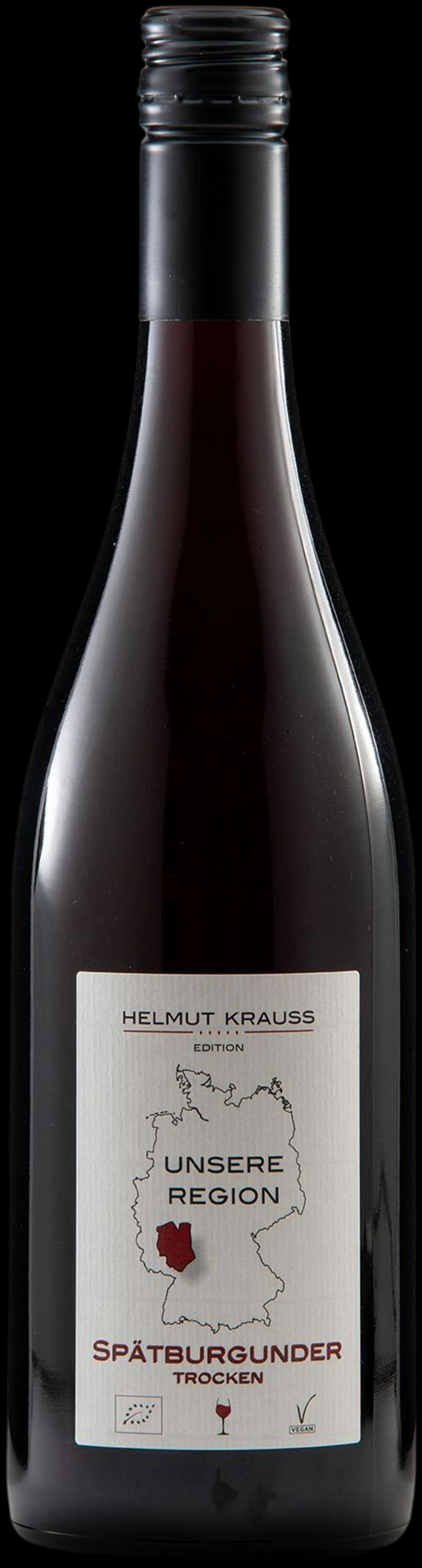
Germany is not the first country most wine drinkers think of for red wine, but around 35% of German vineyard area is planted with red varieties. Spätburgunder — identical to Pinot Noir — dominates, particularly in the Ahr valley, where steep slate slopes and a sheltered microclimate allow the variety to develop fine tannin structure and high natural acidity. The Pfalz produces a warmer, fuller-bodied expression of the same grape. Dornfelder, a 1955 crossing of two older German varieties, is planted widely in Rheinhessen and delivers deep color and soft tannin, a structural contrast to Spätburgunder's precision.

Previous1 of 1Next

Frequently asked questions

How do I order German red wines on Free Grape Society?

Browse the wines listed on this page and add bottles to your cart. Each listing shows the producer, region, grape variety, and vintage. Wines ship directly from the producer's cellar. No account is required to browse, but you will need to register at checkout.

What happens if a bottle arrives broken or doesn't taste right?

Send a photo to Free Grape Society customer support within 7 days of delivery. We will arrange a replacement or a refund. Because producers ship directly, quality issues are handled with the producer's direct involvement. Shared responsibility is built into how FGS works.

Can I order German red wines together with wines from other countries?

Yes. You can add wines from multiple producers and countries to a single cart and check out in one transaction. Each producer ships separately, so you may receive more than one delivery from the same order.

How long does delivery take?

Average delivery is 8 to 9 days from order to door. The full range is 4 to 14 days depending on the producer's location and your delivery address. Wines ship directly from the producer's cellar, not from a central warehouse.

How do I find the right German red wine for me within this selection?

Use the filters to narrow by region or grape. If you want leaner, higher-acid reds, look at Ahr Spätburgunder. For fuller-bodied styles, Pfalz or Baden producers tend to work with warmer-climate varieties like Lemberger or Dornfelder. Independent expert reviews on individual wine pages provide additional context.

How much does German red wine style vary across the country's regions?

Considerably. The Ahr sits at Germany's northern limit for red wine and produces Spätburgunder with high acid and restrained fruit. Baden, in the southwest, shares a climate closer to Alsace and produces rounder, richer reds. Württemberg grows Lemberger, known as Blaufränkisch in Austria, with a spice-driven, firm tannic profile distinct from both.

Which wine expert on Free Grape Society can recommend a German red wine for me?

Browse the expert profiles on Free Grape Society to find specialists with experience in German wine. You can view each expert's reviewed wines, including any German reds they have rated, and message them directly to ask for a recommendation.

Why don't you carry German red wines from every producer in the country?

Every wine on Free Grape Society is tasted by our Head of Product before listing. Producers choose to participate and set their own prices. The result is a smaller, quality-vetted selection rather than a comprehensive catalogue. No producer pays for placement.

Are German red wines available at Systembolaget?

A handful of German reds appear in the Systembolaget range, almost exclusively large-volume producers. Independent estates producing Spätburgunder in the Ahr or Lemberger in Württemberg at smaller volumes are rarely stocked there. Most wines listed here are not available through Swedish retail.

Key grapes in German red wine

German red wine is built on a handful of varieties that suit a cool-climate growing environment. Spätburgunder — the local name for Pinot Noir — accounts for the majority of red plantings and is the grape most associated with serious German red production. It performs best in Baden and the Ahr, where longer growing seasons allow phenolic ripeness that Pinot Noir rarely achieves this far north. Dornfelder is the other widely planted red variety, bred in 1955 as a cross between Helfensteiner and Heroldrebe specifically to produce deep color and reliable yields in German conditions — something Spätburgunder does not always deliver. Lemberger, known as Blaufränkisch in Austria, has a smaller presence but produces structured, peppery reds in Württemberg that age well. Portugal, an unrelated variety to the country, rounds out the planted area with light, early-drinking reds. These four grapes define what German red wine is structurally — not a single style, but a set of varieties adapted to a climate that was historically considered too cold for red wine at all.

Regional variation in German red wine

The style of red wine from Germany shifts considerably depending on region, and understanding that geography is more useful than any general description. The Ahr, despite being one of Germany's northernmost wine regions, produces some of its most concentrated Spätburgunder. The valley's steep slate slopes trap warmth, and growers there have worked with Pinot Noir for centuries — yields are low, and the wines carry structure that competes with Burgundy at a fraction of the recognition. Baden is the warmest of Germany's wine regions, bordering Alsace across the Rhine, and produces fuller-bodied Spätburgunder with more flesh and less of the nervy acidity typical further north. Pfalz is another region where warmer temperatures allow red grapes to ripen fully, with both Spätburgunder and Dornfelder produced by estates that have shifted significantly toward red production over the past two decades. Württemberg stands apart as a region where red wine has historically outsold white — unusual in Germany — and where Lemberger and Trollinger are regional staples rather than footnotes. What this means in practice: a German red from the Ahr and one from Württemberg are not stylistically related wines. Region matters more here than in most countries.

How German red wine is made

The production decisions behind German red wine reflect the challenges of cool-climate viticulture. Extended maceration is common among producers aiming for color extraction from Spätburgunder, which has thin skins that do not give up pigment easily. Some producers use whole-bunch fermentation to build structure without relying on new oak — a technique that suits the grape's tendency toward elegance over power. Oak use varies significantly: international-facing producers have adopted barriques, while others work with large old casks that add less flavor and allow the fruit to carry the wine. Chaptalization — adding sugar before fermentation to raise alcohol — is legally permitted and widely practiced in cool years when grapes do not reach full ripeness naturally. This is not a flaw in German winemaking; it is an honest response to climate. Producers working with Spätburgunder in the Ahr and Baden have increasingly moved away from chaptalization as climate change extends the growing season, with harvest dates shifting later and natural sugar levels rising. The wines available here come from producers who have tasted before listing and whose methods are documented. No importer margin built in. The producer sets the price — you see what they agreed to. For red wines from neighboring countries made with related grapes, Austrian red wine offers Blaufränkisch and Zweigelt from producers working in comparable cool-climate conditions. French Pinot Noir from Burgundy remains the reference point most German Spätburgunder producers are measured against, whether they intend it or not.