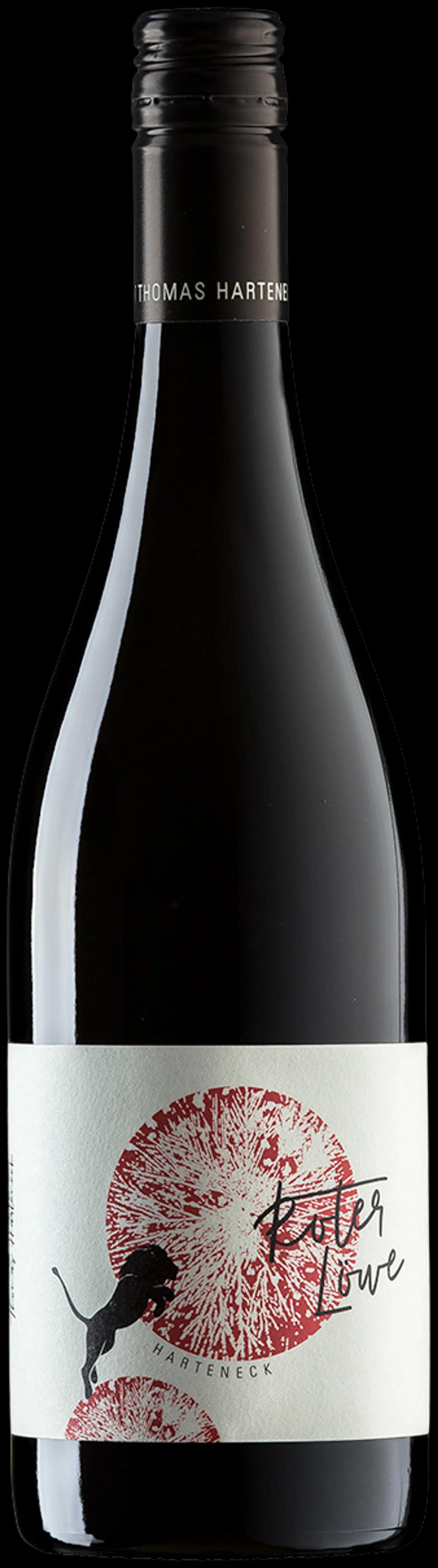
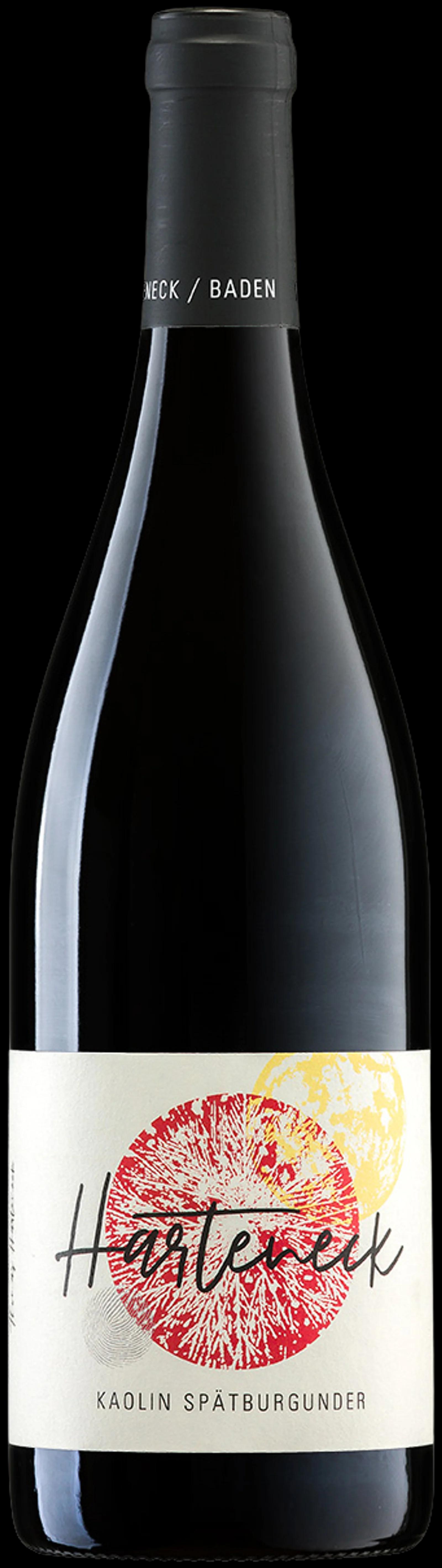
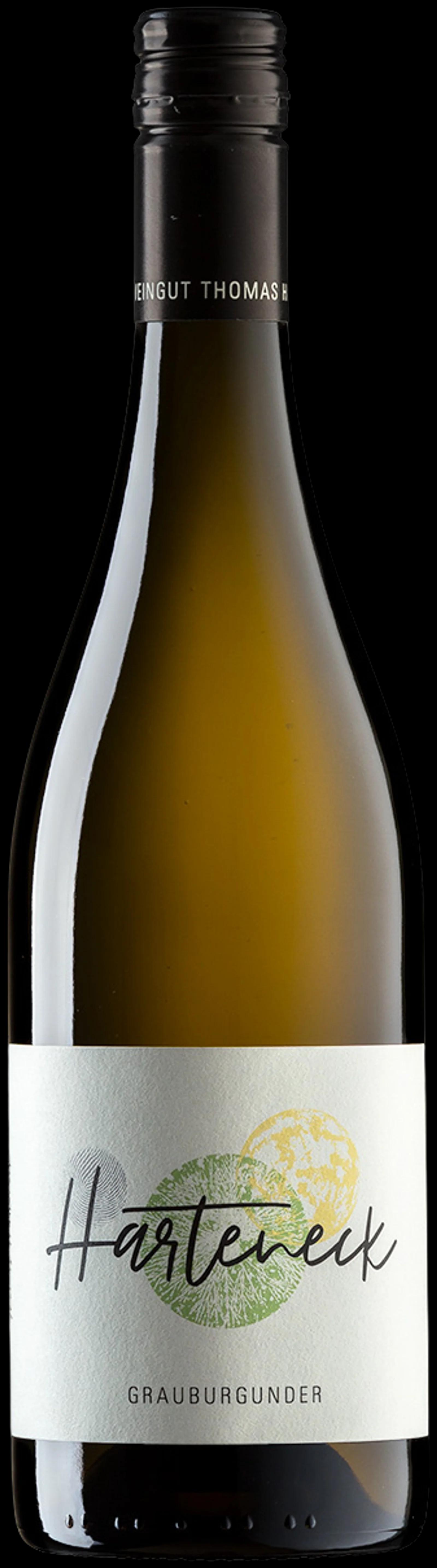
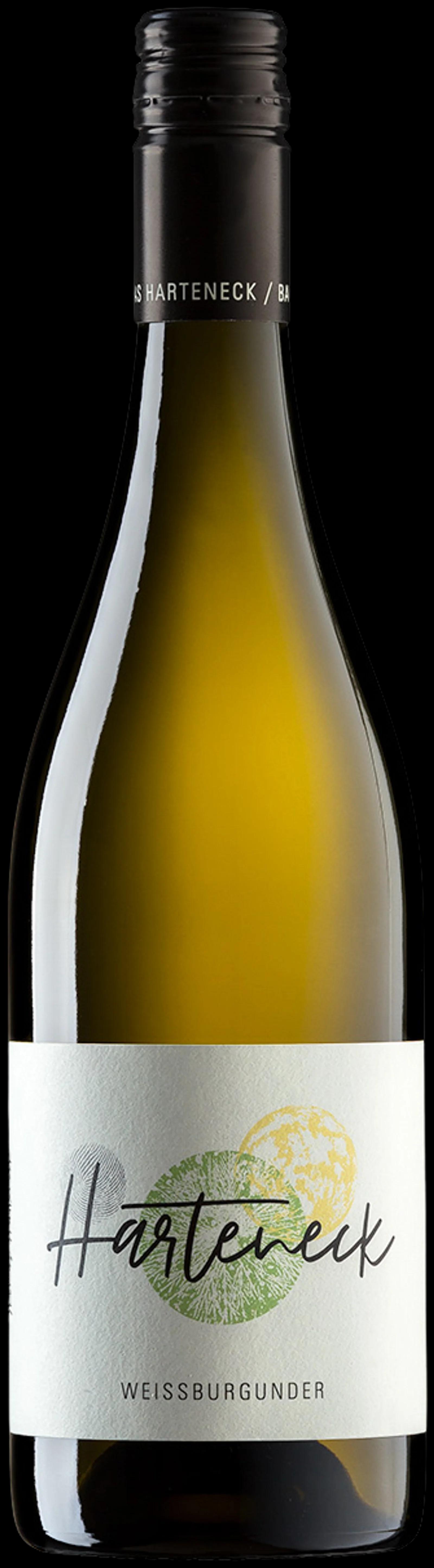
Baden wines — direct from the estate

Baden wines from family estates in Germany's southernmost wine region. Every wine tasted before listing.

Independent producers from Germany's warmest wine region.

Color

Dropdown arrow

Type

Dropdown arrow

Country

Dropdown arrow

Region (1)

Dropdown arrow

Grape

Dropdown arrow

Pairing

Dropdown arrow

Sort by

Sort arrow
Baden

Baden wines

Baden stretches over 400 kilometres from the Swiss border near Basel to the Tauber valley north of Heidelberg. It is Germany's third-largest wine region by area and its warmest, with the Kaiserstuhl volcanic plateau at its centre producing some of the most concentrated Pinot Noir in the country. The producers on Free Grape Society ship their wines directly from their cellar. No importer, no wholesaler between the estate and your door.

Previous1 of 1Next

Baden producers

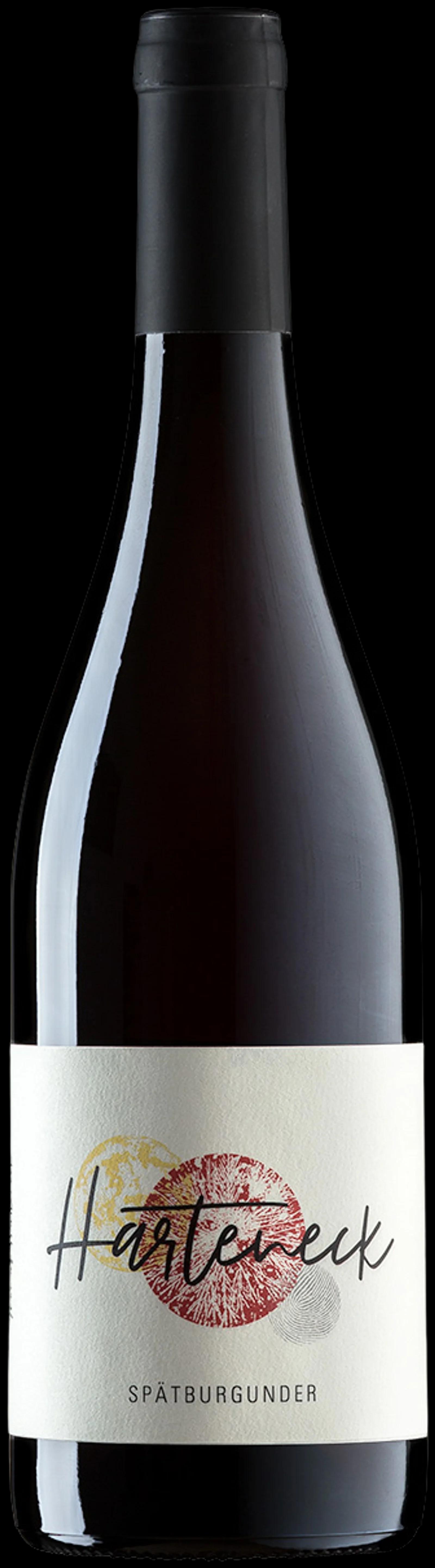
Pinot Noir — known locally as Spätburgunder — accounts for roughly 36% of all plantings in Baden, more than any other variety. The Kaiserstuhl and Breisgau sub-regions produce the highest concentration of quality-focused estates. A sample box on Free Grape Society always contains exactly 6 bottles, all from one producer, composed by the producer as their own recommendation. Not a buyer's selection assembled from multiple cellars.

View all wineries from Baden

Wine experts

Independent wine experts on Free Grape Society rate and review wines they have personally tasted. Their reviews are visible on the wine page and on the expert's own profile. Several of the experts below have reviewed Baden wines listed on this page. You can browse their profiles, read their notes, and use the Wine Advice function to ask for a specific recommendation.

View all wine experts

Frequently asked questions

How do I buy directly from a Baden wine producer on Free Grape Society?

Choose a Baden winery from the list, browse the wines they have made available, and add bottles to your order. Payment is handled securely through Klarna or card, and the producer ships the order directly from their own cellar. Delivery typically takes between four and fourteen days, and shipping is free.

What happens if a bottle arrives broken or doesn't taste right?

Send a photo to Free Grape Society customer support within 7 days of delivery. We will arrange a replacement or a refund. Because producers ship directly, quality issues are handled with the producer's direct involvement. Shared responsibility is built into how FGS works.

Can I order from more than one Baden producer in the same order?

Yes. You can add wines from different producers in the same session. Each producer ships their own wines separately from their own cellar, so you may receive more than one delivery if you order from more than one estate. Shipping is free on every order regardless.

How long does delivery take?

Average delivery is 8 to 9 days from order to door. The full range is 4 to 14 days depending on the producer's location and your delivery address. Wines ship directly from the producer's cellar, not from a central warehouse.

How do I find the right Baden producer for what I am looking for?

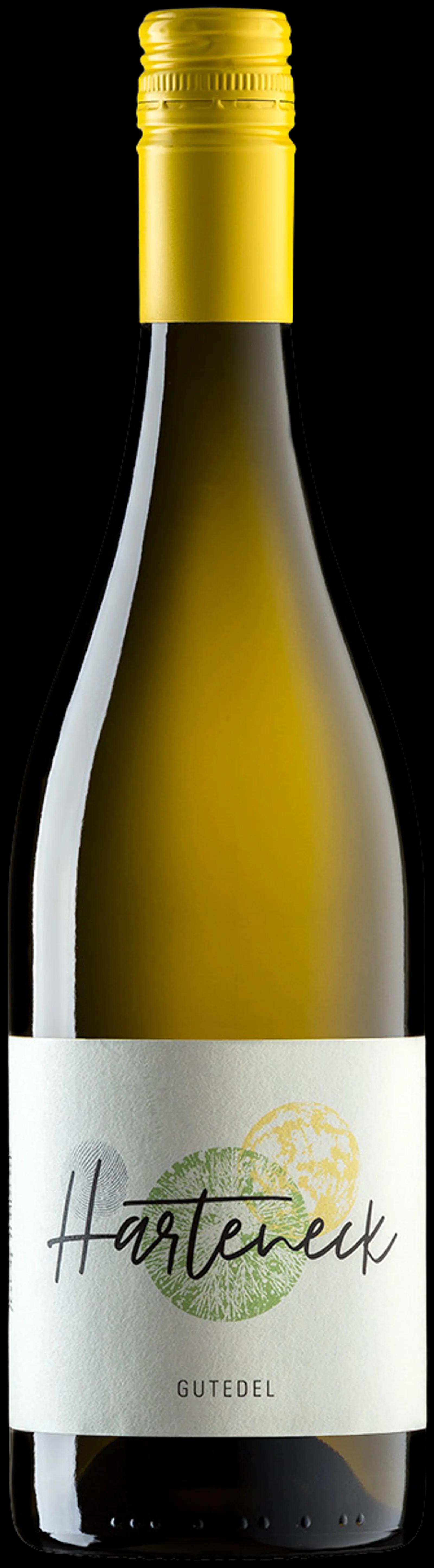
If you know which sub-region interests you — Kaiserstuhl, Markgräflerland, Ortenau, Breisgau — start there, as the soils and climate differ noticeably between them. If you are looking by grape, Spätburgunder and Grauburgunder appear across most Baden estates, while Gutedel is more specific to the Markgräflerland. You can also read the producer profile to get a sense of their farming approach and cellar style before choosing.

What makes Baden producers different from large German wine brands?

The independent producers on this page own and farm their own vineyards. They set their own prices, decide which wines to offer, and ship from their own cellar. That is a different model from large négociant houses or co-operatives, where grapes or wine pass through several hands before bottling. Buying from an independent grower means the price reflects the estate's own costs, not added margins from intermediaries.

Which Baden wine expert can recommend something for me?

The independent wine experts listed on this page have reviewed wines from Baden producers and can help you navigate the region's sub-zones, grapes and styles. You can read their existing reviews on the wine pages, or send a question directly to an expert through Free Grape Society's wine advice service.

Why don't you carry every wine from every Baden producer you work with?

We list wines tasted before listing, from producers we have a direct working relationship with. Not every wine a producer makes is submitted for tasting, and some wines sell out and are not restocked. The selection you see reflects what is currently available and has been through the listing process — it is not meant to be a complete catalogue of every Baden estate or every bottle they produce.

Baden is one of Germany's southernmost wine regions — how does that compare to buying German wine elsewhere?

Most retail and online wine shops in Europe stock German wine dominated by the Mosel and Rheingau, where Riesling leads. Baden's warmer climate produces more Spätburgunder and Grauburgunder than most shoppers encounter through standard retail channels. Buying directly through Free Grape Society gives you access to independent Baden estates whose wines rarely appear in supermarkets or general wine retail outside the region itself.

Grapes and appellations of Baden

Baden stretches roughly 400 kilometres from the Swiss border in the south to Heidelberg in the north, making it one of the longest wine regions in Germany. That length produces significant climatic variation: the southern Kaiserstuhl sits on volcanic basalt soils and records some of the highest average temperatures of any German vineyard; the northern Kraichgau and Tauberfranken are cooler and more continental. Spätburgunder — the German name for Pinot Noir — accounts for around 36% of Baden's planted area, the highest proportion of any German region. It thrives particularly on the Kaiserstuhl and the Tuniberg, where basalt and loess retain heat through the night. Grauburgunder and Weißburgunder (Pinot Gris and Pinot Blanc respectively) cover much of the remainder, alongside Riesling on the steeper northern slopes. Baden was classified as a European wine zone B in 1971 — the same zone as Alsace directly across the Rhine — a distinction that reflects its warmer growing conditions relative to most German regions, which sit in zone A.

Winemaking traditions and producer landscape in Baden

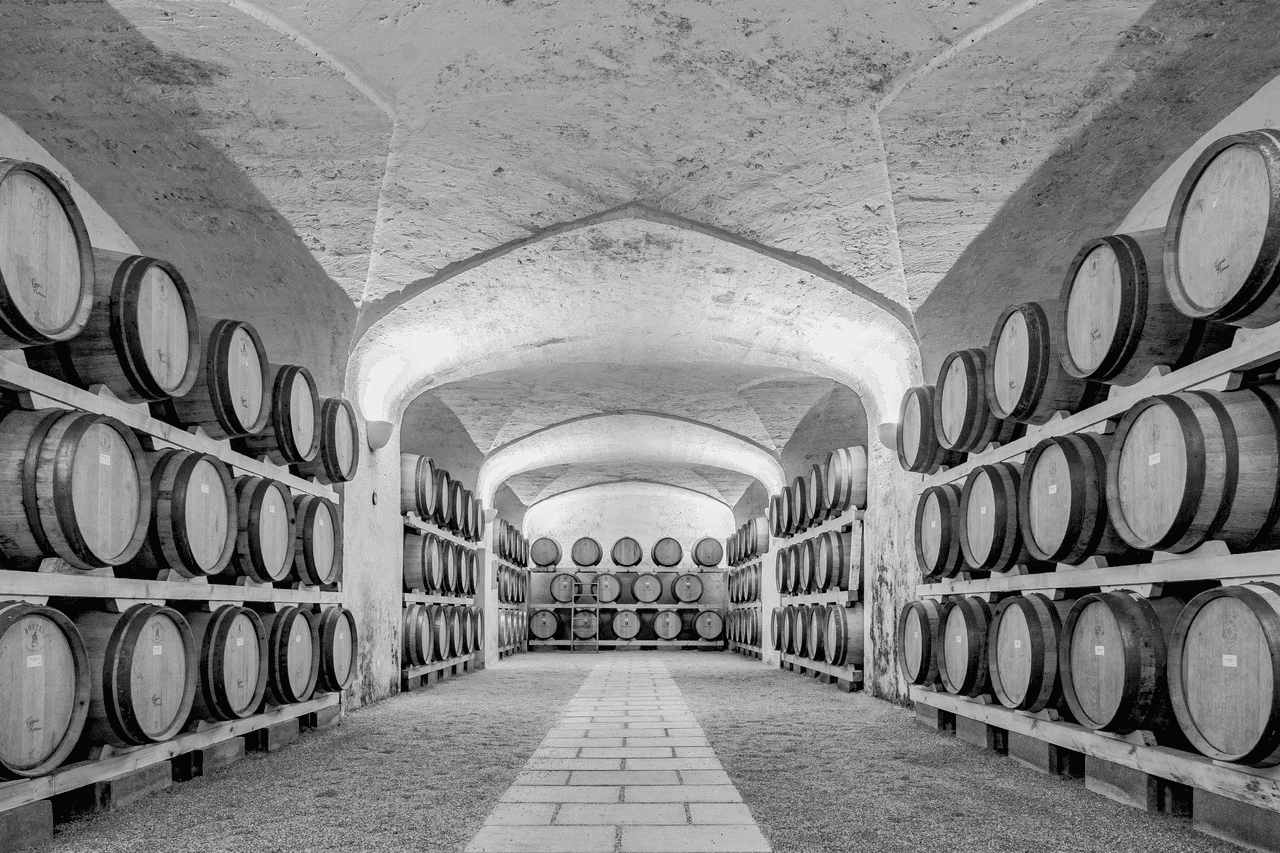
Baden has a stronger cooperative tradition than almost any other German region. The Badischer Winzerkeller in Breisach, founded in 1952, is among the largest wine cooperatives in Europe by volume. But alongside the cooperatives, a generation of independent estates has built a reputation for terroir-driven Spätburgunder and Grauburgunder that sit closer in style to Burgundy than to the Rhine. Producers in the Ortenau sub-region work with granitic soils that give Spätburgunder a mineral, tighter structure compared to the richer, more voluminous reds from basalt-dominant Kaiserstuhl. The Pfalz to the north operates under similar thermal conditions, but Baden's diversity of soil types — basalt, granite, loess, limestone, and gneiss — means that village-level differences are pronounced and consistent. Chaptalization, the addition of sugar to raise alcohol, is permitted in Baden but uncommon among quality-focused independent producers, who tend to rely on ripe harvests rather than correction. These are not the wines your supermarket carries. They are the wines your supermarket cannot carry: small-batch, estate-bottled, and shipped directly from the producer's cellar.

How we choose our Baden producers

Every wine listed on Free Grape Society is tasted before it goes live. Producers send samples to our Head of Product, who tastes each wine individually before it is listed on the platform. Independent wine experts Rate & Review wines they have personally tasted — their reviews are visible on each wine page and on the expert's own profile. Producers on the platform set their own prices. No buyer with quarterly targets decides what gets shelf space. The producer decides whether to be here and what to list. Producers, experts, restaurants, and wine lovers are on the same platform, on the same terms. That structure is relevant for Baden specifically: the region's best independent estates are small enough that a traditional import chain rarely makes economic sense for them. Direct listing means the producer retains margin and the buyer pays the price the producer actually set — not a price inflated by three changes of ownership between Freiburg and your door. For context on how German white wines and German red wines from other regions compare, both sections are available on the platform.