



Pinot Noir wine: from Bourgogne's heartland to cool-climate estates worldwide

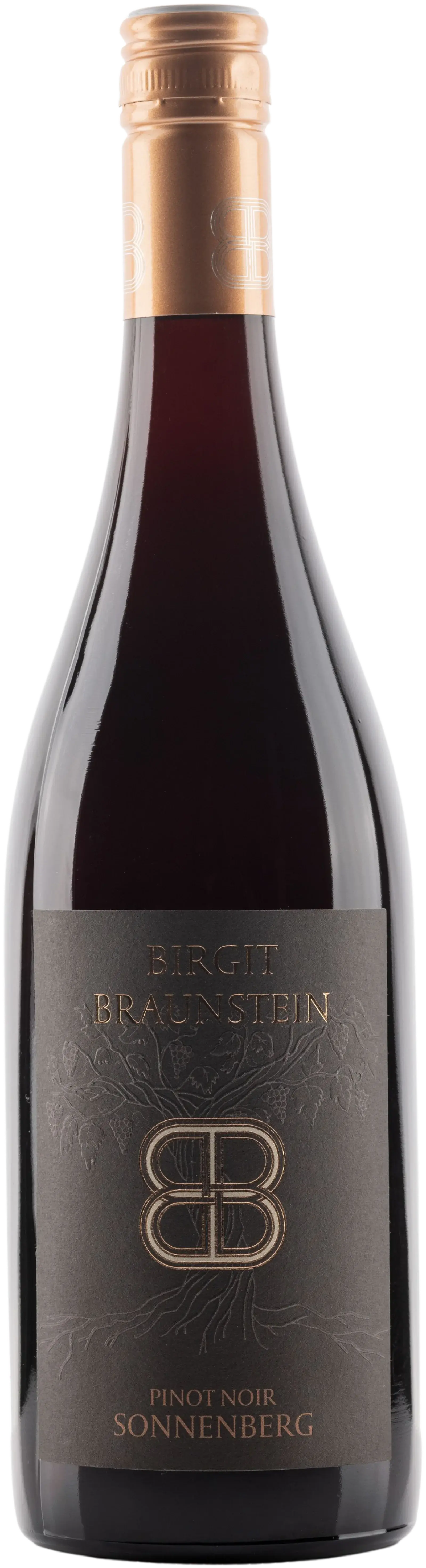
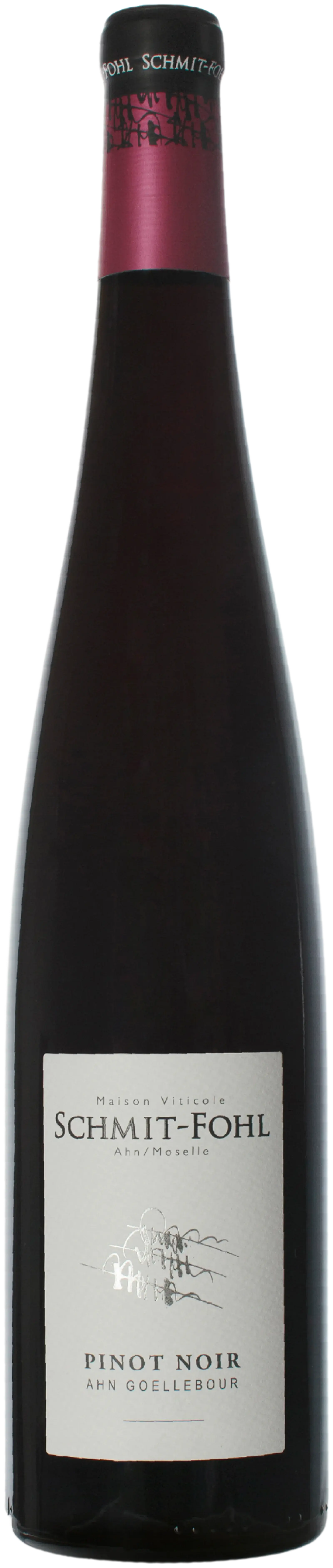
Pinot Noir wine ranges from pale and perfumed to deep and savoury depending on where and how it is grown. The producers below grow it across Bourgogne, Alsace, the Loire Valley and beyond, each bottling their own.

A thin-skinned grape that expresses terroir more nakedly than almost any other variety.

Color

Dropdown arrow

Type

Dropdown arrow

Country

Dropdown arrow

Region

Dropdown arrow

Grape

Dropdown arrow

Pairing

Dropdown arrow

Sort by

Sort arrow
Pinot Noir

Pinot Noir wines

Pinot Noir is one of the oldest cultivated grapes in Europe, recorded in Bourgogne for centuries and closely tied to the idea that a single vineyard, a single producer and a single vintage can produce something unrepeatable. It is thin-skinned and sensitive to heat: too warm and it loses its perfume, too cool and it never fully ripens. That sensitivity is why the wines in this selection differ so much from one producer to the next. On Free Grape Society, wines tasted before listing are shipped directly from each grower's own cellar, with no importer or warehouse in between.

Previous1 of 1Next

Pinot Noir wine cases

A wine case here is always six bottles composed by one producer — the selection they would put together if you visited their cellar in person. With Pinot Noir, that often means tasting one estate across different vineyards or vintages side by side, where small differences in site and season show clearly in the glass. Free Grape Society is a society of producers, independent experts and wine lovers, not a shop.

View all mixboxes

Wineries

The growers below all work with Pinot Noir, but they sit in very different places — some in Bourgogne, others in Alsace, the Loire Valley or cooler pockets further afield. Reading a producer's own notes is often the quickest way to understand why their wines taste the way they do. The wine-advice service is there if you would rather talk it through with an independent expert before choosing.

View all wineries

Wine experts

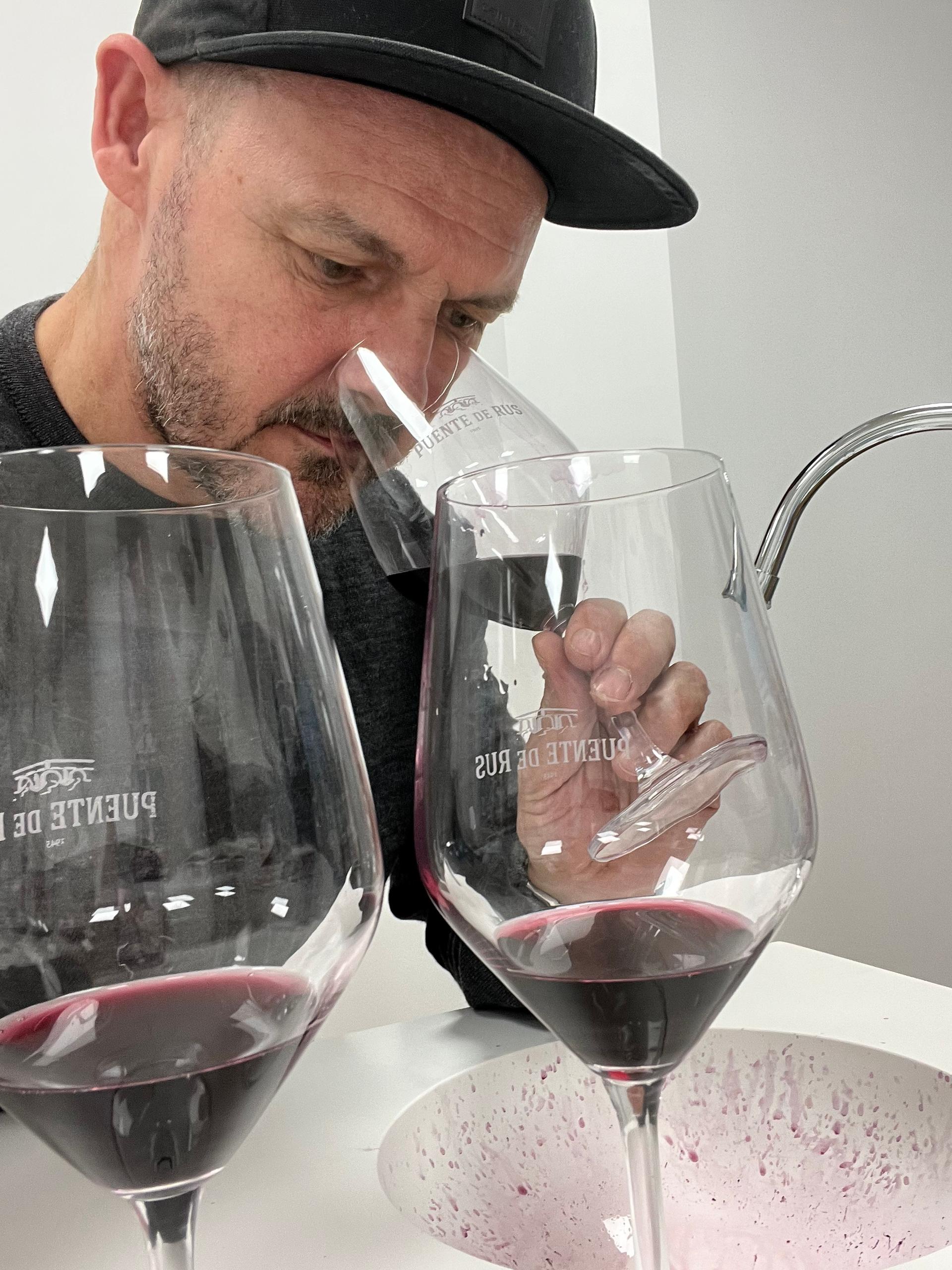
Pinot Noir divides opinion more than most grapes, which makes a second view useful. Independent wine experts on Free Grape Society rate and review wines they have personally tasted, and their reviews are visible on each wine page and on the expert's own profile. Several of the experts below have reviewed Pinot Noir wines featured on this page, so you can read what they found before deciding.

View all wine experts

Frequently asked questions

How do I order Pinot Noir wine on Free Grape Society?

Browse the Pinot Noir wines above and add bottles to your basket. Each wine ships directly from the producer's own cellar. Orders include free shipping to your door, and payment is handled securely by Klarna or card. You can order from more than one producer in a single session, though each producer ships their bottles separately from their own cellar.

What happens if a bottle arrives broken or doesn't taste right?

Send a photo to Free Grape Society customer support within 7 days of delivery. We will arrange a replacement or a refund. Because producers ship directly, quality issues are handled with the producer's direct involvement. Shared responsibility is built into how FGS works.

Can I order Pinot Noir from more than one producer at once?

Yes. You can add wines from different producers to your basket in a single order. Because each producer ships directly from their own cellar, your bottles will arrive in separate deliveries — one from each producer. Delivery typically takes between four and fourteen days per shipment, with an average of around eight to nine days.

How long does delivery take?

Average delivery is 8 to 9 days from order to door. The full range is 4 to 14 days depending on the producer's location and your delivery address. Wines ship directly from the producer's cellar, not from a central warehouse.

How do I choose between different Pinot Noir expressions?

The biggest factor is usually climate. Cooler sites — classic Bourgogne, parts of Alsace, the higher-altitude Loire — tend to produce lighter, more perfumed wines with firm acidity. Warmer sites give more body and darker fruit. Reading each producer's own description is a reliable starting point. If you want a personal view, ask an independent wine expert through the advice service on this page.

How does Free Grape Society choose which Pinot Noir producers to work with?

Free Grape Society works with independent producers who bottle their own wine and who are willing to ship directly to buyers. Wines are tasted before listing. The selection spans Bourgogne, Alsace, the Loire Valley and other regions where Pinot Noir is grown by independent estates — the aim is range across styles and origins rather than a single regional focus.

Which Pinot Noir wine expert can recommend something for me?

Several independent wine experts on Free Grape Society have reviewed Pinot Noir wines and can offer personal recommendations. Browse the experts listed on this page, read their review histories, and use the advice form to ask a specific question — about a style, a region, a food pairing, or a producer. Advice is free and comes from experts who have tasted the wines themselves.

Why don't you sell supermarket-brand Pinot Noir wines?

Free Grape Society works exclusively with independent producers who grow, make and bottle their own wine. Large-volume, supermarket-brand Pinot Noir is typically produced by négociants or co-operatives who buy in grapes or bulk wine from multiple sources. Those wines are widely available elsewhere. The producers here are the people who own the land and make the decisions in the vineyard and the cellar.

How is buying Pinot Noir on Free Grape Society different from buying it in a wine merchant or specialist shop?

A traditional wine merchant buys wine through importers and distributors, adding margins at each step and stocking what their buyers have selected. On Free Grape Society, you buy directly from the producer at the price they set, and the wine ships from their cellar. You also have access to independent expert reviews and a free advice service — neither of which a shelf label provides.

Where Pinot Noir comes from and how region shapes it

Pinot Noir's heartland is Bourgogne, where it has been cultivated for centuries and where the modern idea of terroir — the notion that a specific plot of land leaves a fingerprint on the wine — took much of its practical shape. The grape is thin-skinned and early-ripening, which makes it sensitive to heat: in a warm summer it rushes past its peak and loses the perfume that defines it; in a cool one it can struggle to ripen fully. That sensitivity is precisely why the same variety tastes so different depending on where it is grown. In Germany, where it is known as Spätburgunder, it tends toward a firmer, spicier style. In the cooler corners of northern Italy's Trentino-South Tyrol and Lombardy, it sits somewhere between the two. Bourgogne itself is divided: the Côte de Nuits, centred on Gevrey-Chambertin and Vosne-Romanée, is where the most structured expressions come from; the Côte de Beaune, a few kilometres south, tends to produce wines that are a little lighter and earlier-drinking. Understanding that geography is the quickest shortcut to choosing the right bottle.

How Pinot Noir tastes, and what to drink it with

Pinot Noir is one of the lightest-coloured red grapes — a young bottle is often closer to translucent ruby than to the deep garnet you find in Syrah or Cabernet Sauvignon. The tannins are fine rather than grippy, and acidity tends to be high, which is part of what makes it age well and part of what makes it versatile with food. The flavour profile shifts considerably with climate and age: younger wines from cooler sites often show fresh red fruit and floral notes; older wines from warmer years move toward earthier, more savoury territory. Because the tannins are relatively gentle, Pinot Noir works well with dishes that would overwhelm a lighter wine but where a heavily tannic red would clash — roasted poultry, duck, salmon, mushroom-based pasta and dishes built around umami rather than heavy fat. It is one of the few red grapes that genuinely suits fish, particularly oily fish where the acidity cuts through rather than fighting the richness. For comparisons across styles and regions, the Burgundy wines, Beaujolais wines and German wines pages are good starting points, since they each show the grape — or its close neighbours — in very different conditions.

Buying Pinot Noir direct from independent producers

Pinot Noir is widely grown, but most of what reaches supermarkets and large retailers comes from producers working at a scale where consistency matters more than character. The growers on Free Grape Society are independent — small to medium estates where the winemaker is usually the same person who owns the vineyard and makes the decisions about when to pick and how to vinify. Wines tasted before listing means that what you see on these pages has been assessed before it goes live. On Free Grape Society, producers ship directly from their own cellar, with no importer or large warehouse in between — which is how a wine made in small quantities in Burgundy, Piedmont or the Rhône Valley can reach you without first spending months in a distribution centre. Free Grape Society is a society of producers, independent experts and wine lovers, not a shop — and if you are unsure which Pinot Noir to start with, the wine-advice service is there to help you choose.