Riesling wines — from steep slate slopes to your cellar

Riesling from growers who control their own production. Every wine tasted before listing. No négociant blends.
Dry, off-dry, and late-harvest styles from estate-bottled producers.

Color

Dropdown arrow

Type

Dropdown arrow

Country

Dropdown arrow

Region

Dropdown arrow

Grape

Dropdown arrow

Pairing

Dropdown arrow

Sort by

Sort arrow
Riesling

Riesling wines

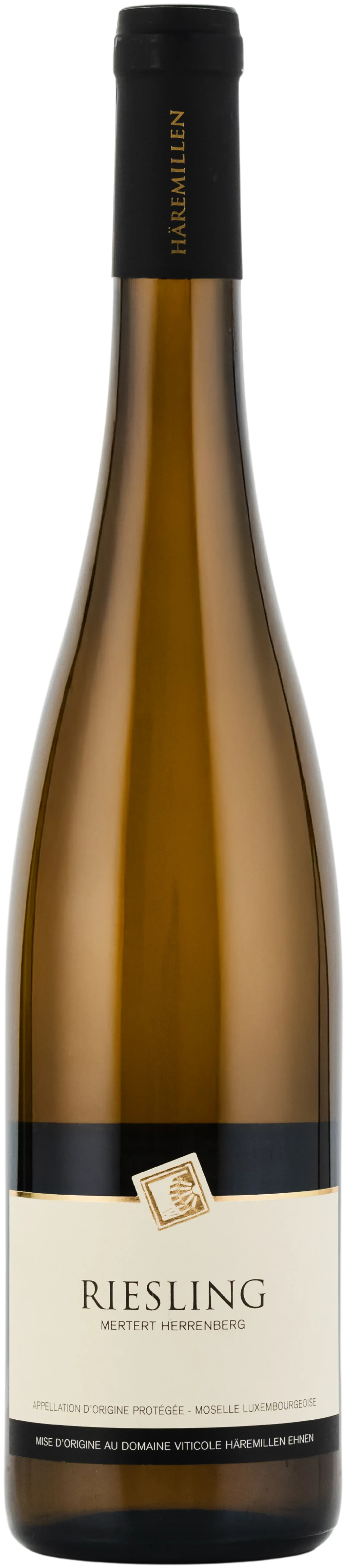
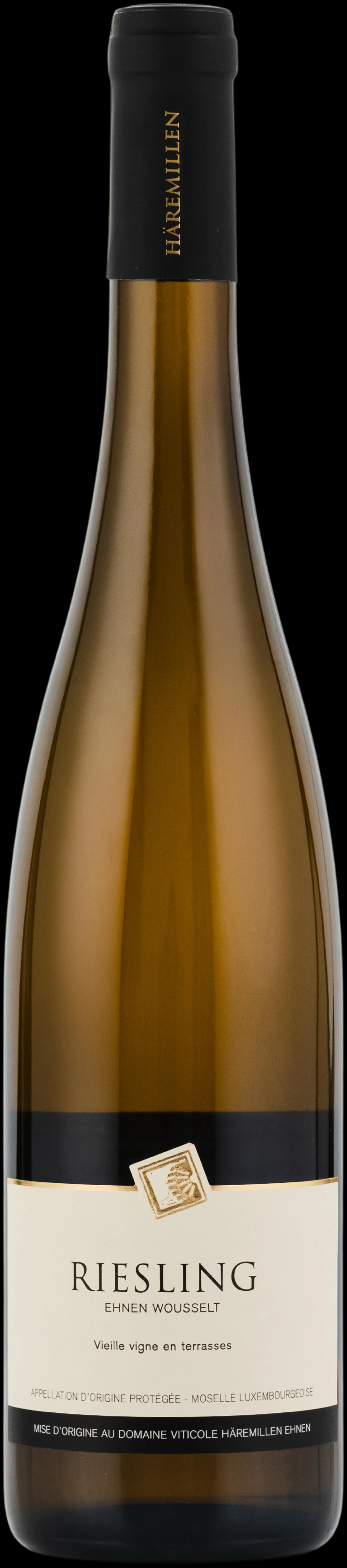
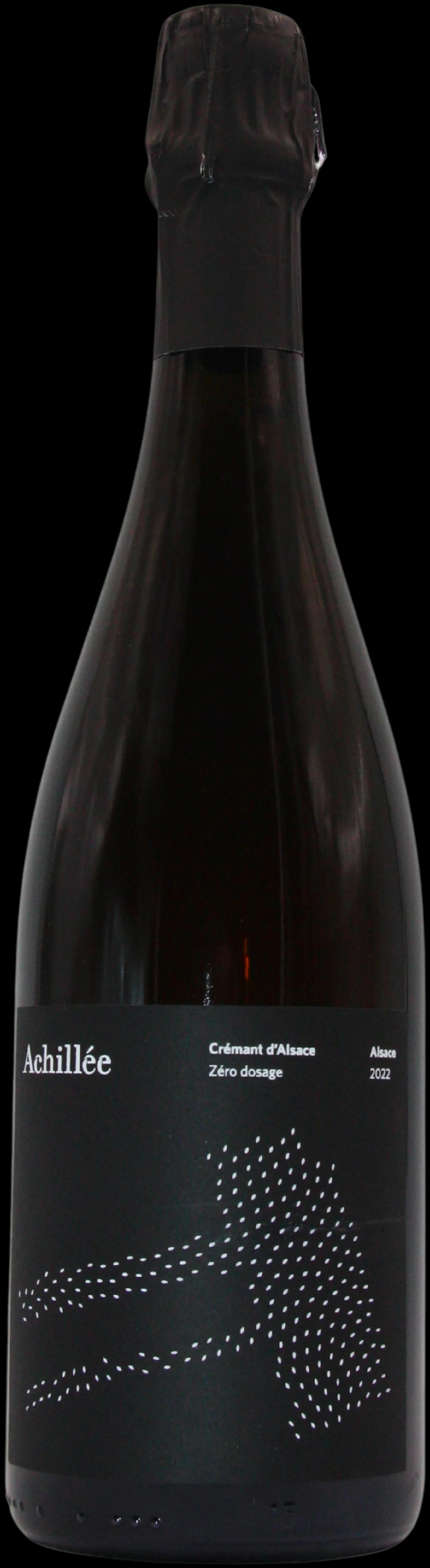
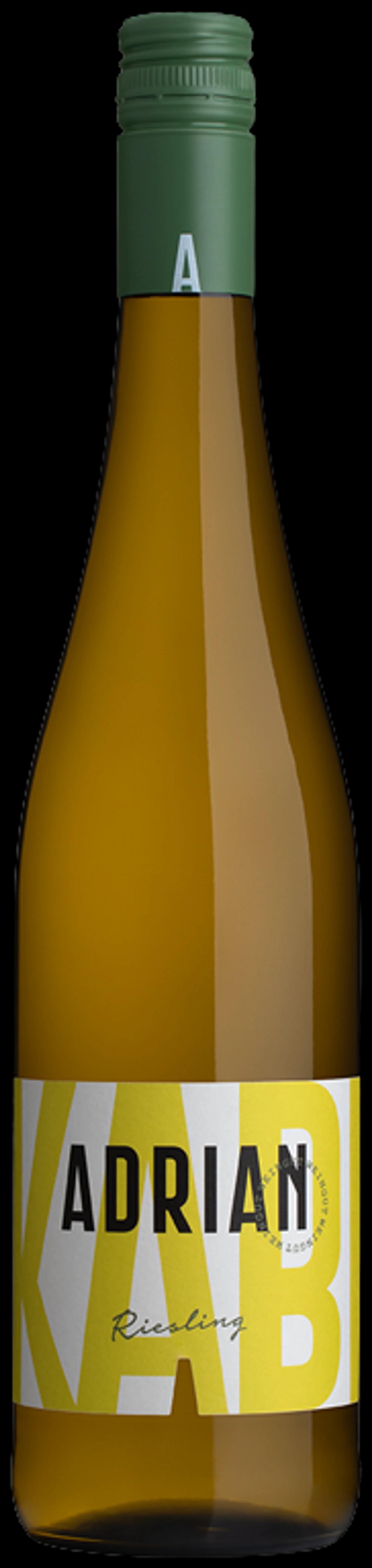
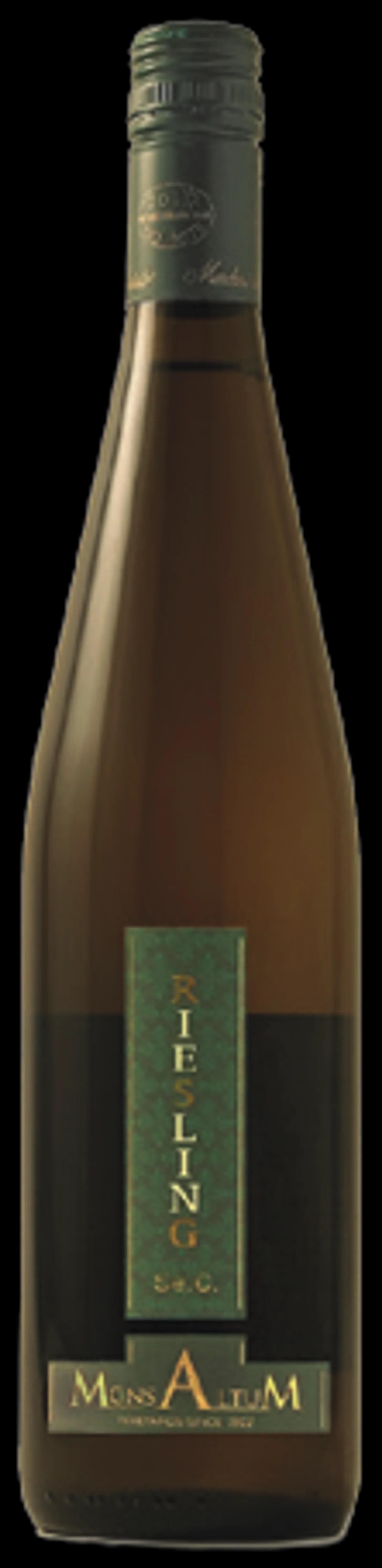
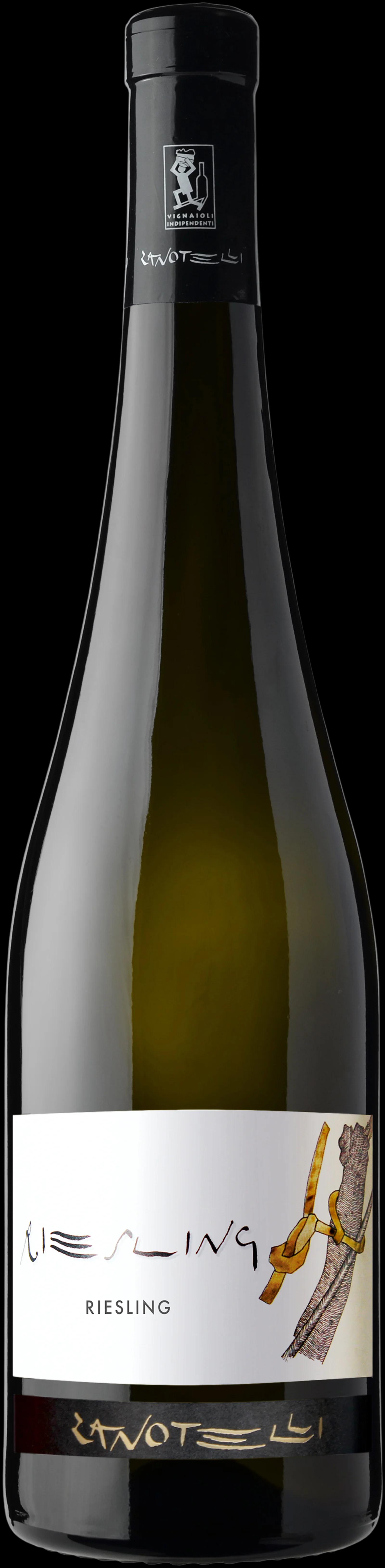
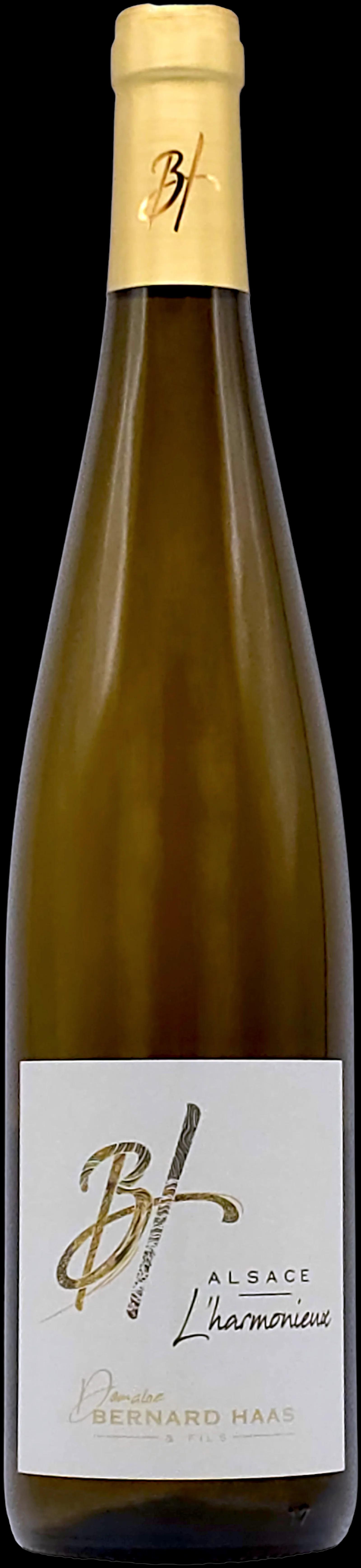
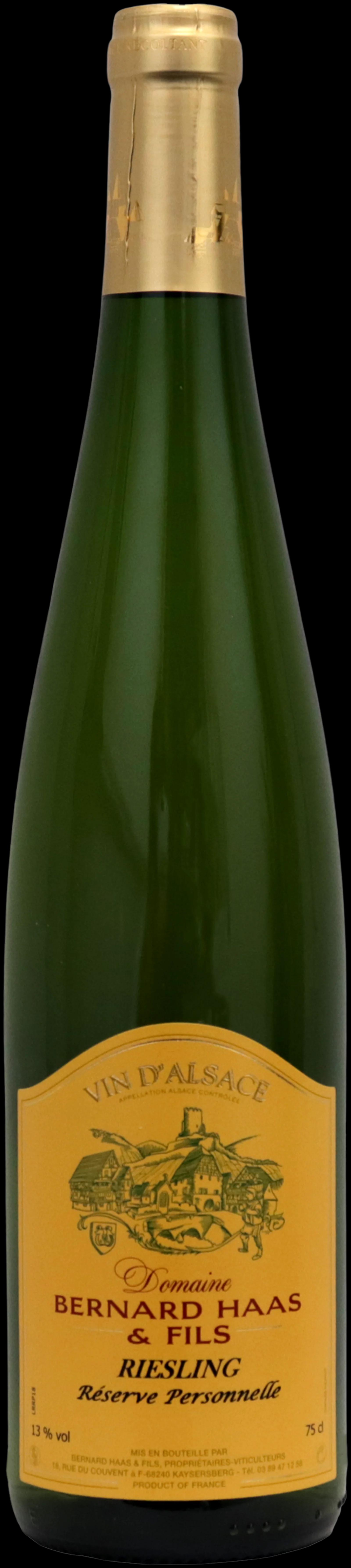
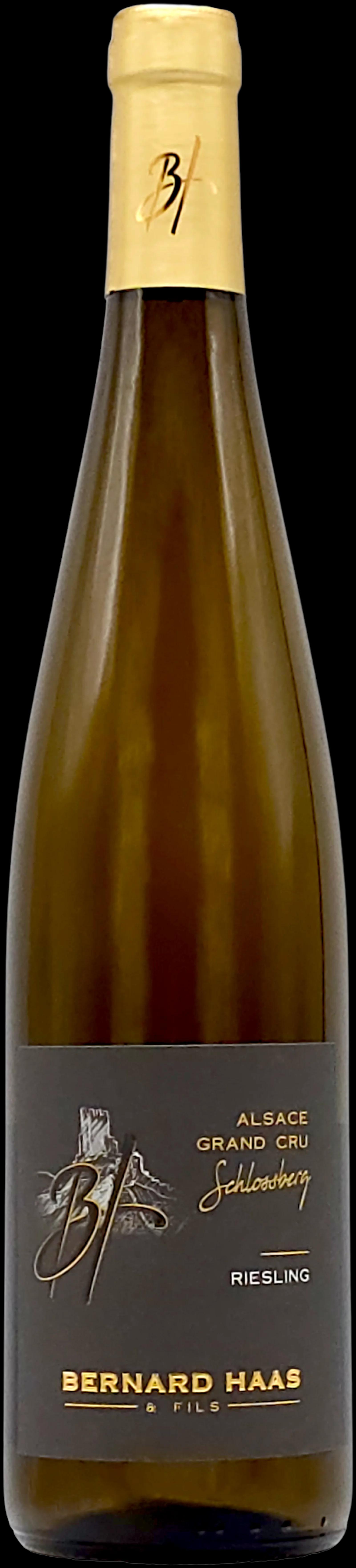
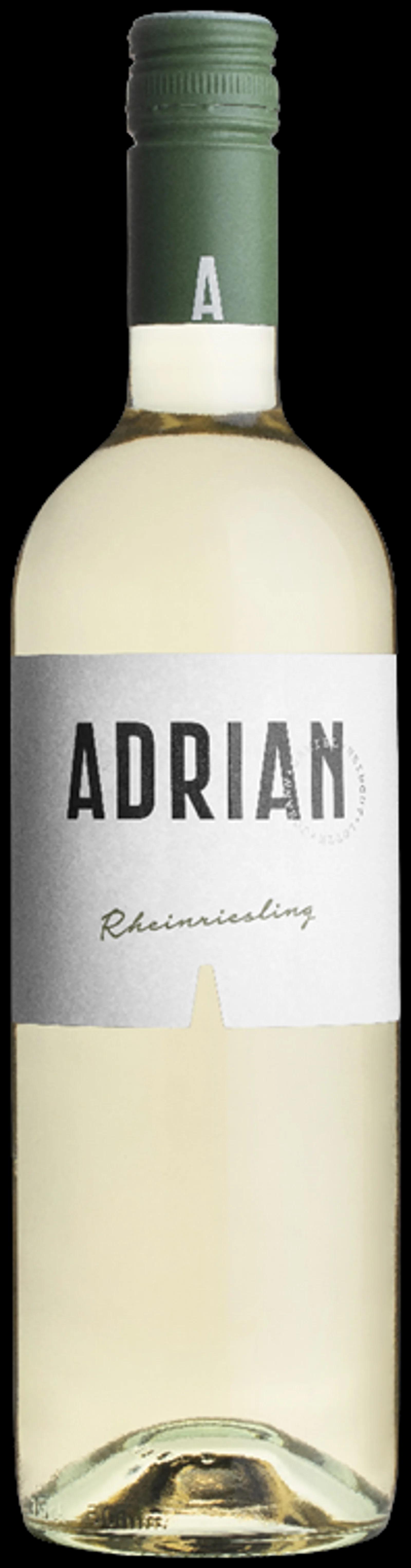
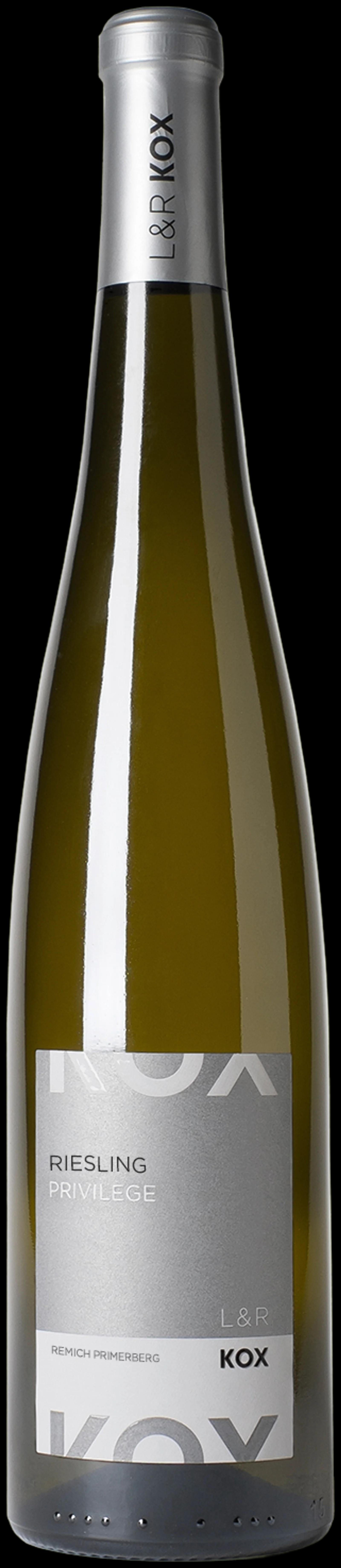
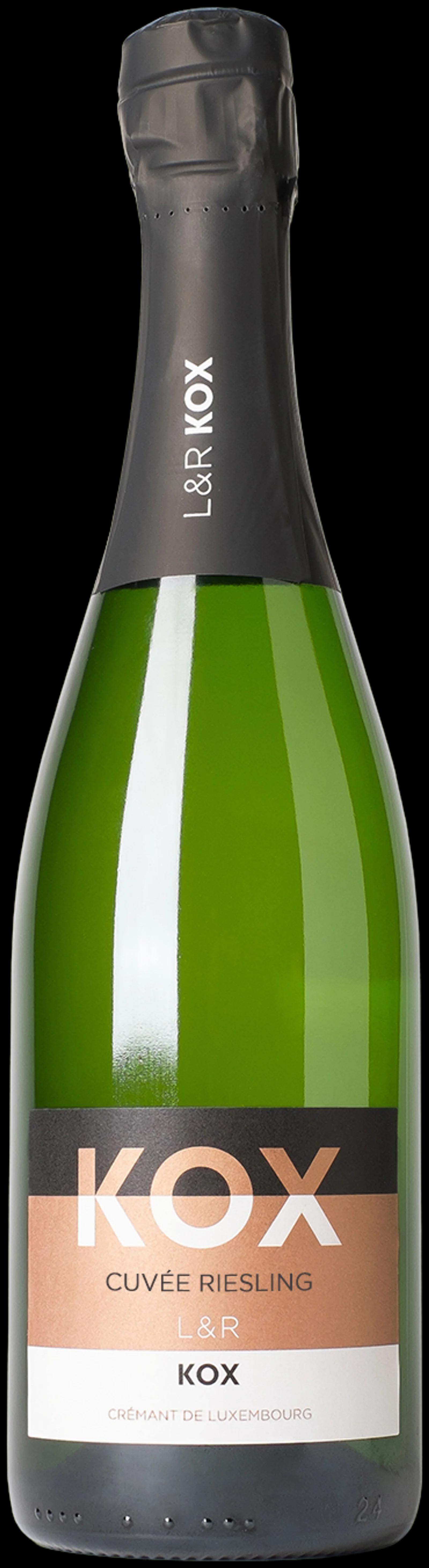
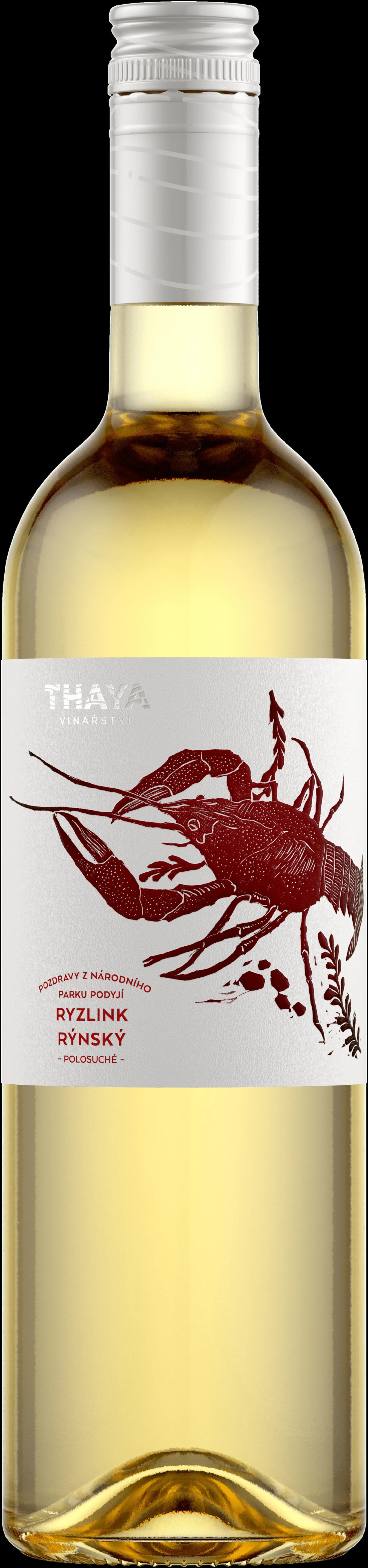
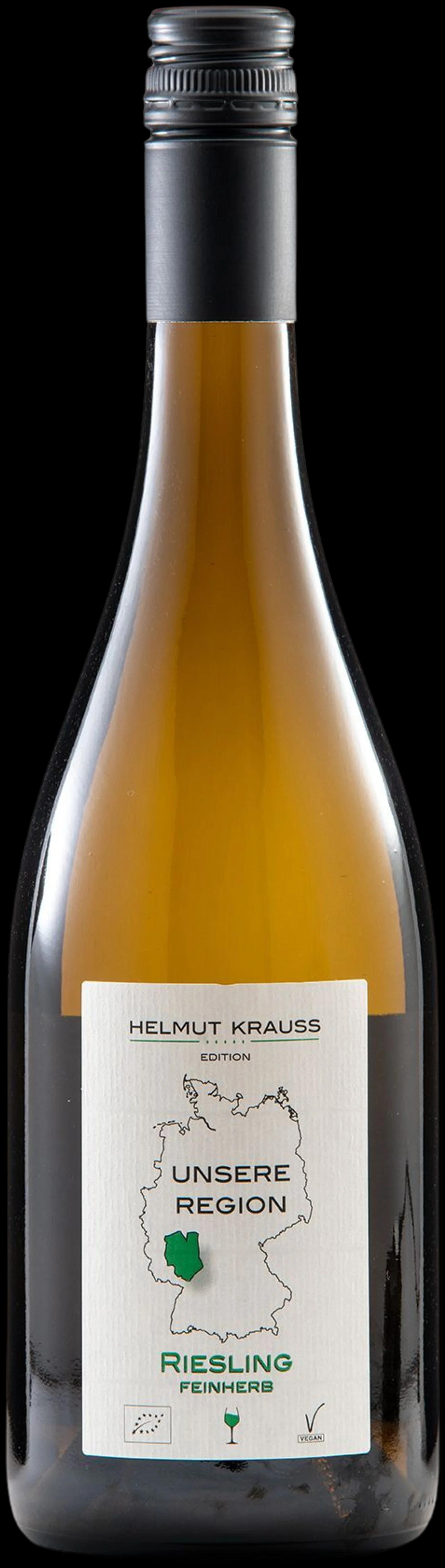
Riesling is one of the few white grapes that ages as reliably as the great red varieties. A dry Riesling from the Mosel can develop for two decades in the bottle; a Trockenbeerenauslese from the Rheingau has been known to last longer than most red Bordeaux. The grape is highly site-sensitive, which is why the same producer can make a bone-dry Kabinett and a luscious Spätlese from vineyards less than a kilometre apart. The Riesling bottles below come from producers who bottle under their own name.

Previous1 of 1Next

Riesling mixboxes

A mixbox on Free Grape Society is always six bottles from a single producer, composed by that producer as their own introduction to their range. On a grape page like this one, between three and six of those six bottles are Riesling. The remaining bottles, if any, are chosen by the producer to give context to the grape within their own cellar. When a producer works exclusively with Riesling, the entire box can be Riesling. No cross-producer blending, no buyer curation.

Wine experts

Riesling producers on this page range from multi-generational family estates in the Mosel and Rheingau to smaller growers in Austria's Wachau and Kamptal. Style differs sharply between producers: one cellar will favour reductive winemaking and steel tanks, another will use large old oak for a rounder texture. Producers who bottle under their own name and ship from their own cellar are the standard for listing on Free Grape Society.

Riesling producers

Independent wine experts on Free Grape Society rate and review wines they have personally tasted. Their reviews appear on the individual wine page and on the expert's own profile, where you can see their full track record of reviews. Several of the experts below have reviewed Riesling wines featured on this page. You can message any expert directly through the platform to ask for a recommendation.

Frequently asked questions

How do I order Riesling on Free Grape Society?

Browse the wines listed below, add bottles to your cart, and check out in a single transaction. Each listing shows the producer, region, vintage, and style — dry, off-dry, or late-harvest. Wines ship from the producer's cellar to your door. No account is required to browse.

What happens if a bottle arrives broken or doesn't taste right?

Send a photo to Free Grape Society customer support within 7 days of delivery. We will arrange a replacement or a refund. Because producers ship directly, quality issues are handled with the producer's direct involvement. Shared responsibility is built into how FGS works.

Can I order Riesling from more than one producer at the same time?

Yes. You can add wines from different producers to the same cart and pay once. Each producer ships their wines separately, so a single order may arrive as multiple deliveries. Estimated delivery time is shown at checkout for each producer.

How long does delivery take?

Average delivery is 8 to 9 days from order to door. The full range is 4 to 14 days depending on the producer's location and your delivery address. Wines ship directly from the producer's cellar, not from a central warehouse.

How do I find the right Riesling style for me?

Start with the label. German Rieslings use a ripeness-based classification: Kabinett is the lightest and driest at the entry level, Spätlese is richer, and Auslese is noticeably sweet. Austrian Wachau uses Federspiel, Steinfeder, and Smaragd. Alsace Riesling is typically dry regardless of sugar level on the label. Filter by region on this page to narrow the style.

Why does Riesling vary so much in sweetness?

Sweetness in Riesling depends on how much residual sugar the producer leaves after fermentation, not on the grape itself. In Germany, the Prädikat system grades wines by must weight at harvest — higher sugar at harvest gives the winemaker the option to leave more residual sugar in the finished wine. Dry Riesling is made at every Prädikat level when fermentation runs to completion.

Which wine expert can recommend a Riesling for me?

Several experts on Free Grape Society have reviewed Riesling wines from Germany, Austria, and Alsace. Browse the expert profiles in the section below. Each profile shows the wines they have reviewed and their regional focus. You can message any expert directly with a question about a specific wine or style.

Why don't you sell Riesling from supermarket brands?

Mass-market Riesling is produced to a price point and distributed through three or four layers before it reaches a shelf. The producers listed here ship from their own cellar, which means the bottle changes hands once, not multiple times. Different supply chain, different wine, different price logic.

How does Riesling on Free Grape Society differ from what's available at Systembolaget?

Systembolaget stocks Riesling, but the range skews toward large-volume producers and importers with distribution capacity. Most producers on Free Grape Society work in smaller volumes than retail distribution requires. That is part of why they list directly on platforms like this one instead.

Where Riesling grows and why location changes everything

Riesling is one of the few white grapes that translates soil directly into flavour. On the steep slate slopes of the Mosel, the grape produces wines of piercing acidity, low alcohol, and a mineral precision that is difficult to replicate anywhere else. In the Pfalz, warmer conditions yield fuller, riper expressions that can age as confidently as the leaner Mosel styles. Across the border in Alsace, Riesling is typically fermented to full dryness, with more body and aromatic intensity than its German counterparts. In Austria, the Wachau and Kamptal produce dry Rieslings that rival Alsace in structure, bottled under their own classification system: Steinfeder, Federspiel, and Smaragd, with Smaragd indicating the ripest and most cellar-worthy wines. Outside Europe, plantings exist in Australia's Clare and Eden Valleys, where the grape produces lime-driven, tightly wound dry styles that develop petrol notes earlier than European equivalents. What links these regions is the grape's sensitivity to site: Riesling planted in the wrong place rarely compensates with winemaking. The best bottles come from growers who know their slopes and have worked the same parcels across generations.

The taste profile of Riesling across its main styles

Riesling's range is wider than almost any other single grape. Dry expressions from Germany and Austria lead with citrus peel, green apple, white peach, and a steely, saline finish. With age — and Riesling ages unusually well, with serious examples reaching 20 to 30 years without difficulty — the wines develop what producers and buyers call 'petrol', a complex hydrocarbon character (technically TDN, 1,1,6-trimethyl-1,2-dihydronaphthalene) that is specific to Riesling and widely considered a mark of distinction rather than a fault. Off-dry and late-harvest styles, including Spätlese and Auslese, carry the same structural acidity but add stone fruit, apricot, and honey. The key is that residual sugar in Riesling is always held in check by acidity: wines that read as sweet on the label often feel surprisingly fresh in the glass. Producers working with Riesling in Germany tend to indicate sweetness levels through the Prädikat system, though a growing number now prefer to mark dry wines simply as 'trocken'. For a different white perspective, the aromatic intensity of Riesling contrasts usefully with the more restrained Grüner Veltliner or the broader Chardonnay.

How Riesling wines are listed on Free Grape Society

The Riesling bottles on this page come from producers who bottle under their own name and ship from their own cellar. No importer, no wholesaler. The price you see is the price the producer agreed to. Every wine is tasted by our Head of Product before listing. Independent wine experts rate and review individual wines on the platform, and those reviews are visible on the wine page and on each expert's profile. Producers apply to join Free Grape Society. They set their own prices, manage their own listings, and are not required to carry a full range — some list a single Riesling, others a broader selection. The result is that the wines here reflect what each producer actually wants to show, not what a buying team with quarterly volume targets selected on their behalf. These are not the wines your supermarket carries. They are the wines your supermarket can't carry. If you want to go deeper into a specific region, white wines from Germany, white wines from France, and white wines from Austria are good starting points alongside this page.