 Trentino-Alto Adige, Italy
- Body
- Acidity
- Fruitiness
- Aroma
- Flavour intensity
- Style
- Fresh & crisp
- Citrus
- Stone fruit
- Pairs with
- Aperitif
- Asian cuisine
- Goat cheese
- Mild and soft cheese
- Lean fish
- Party drink
- Flavored shellfish
- Natural shellfish
- Vegetables
Your package will arrive at your doorstep within 4 - 16 days
- Zanotelli Wines will receive and pack your order (1 - 4 days)
- The courier will pick up your order and deliver it straight to your door
About this wine
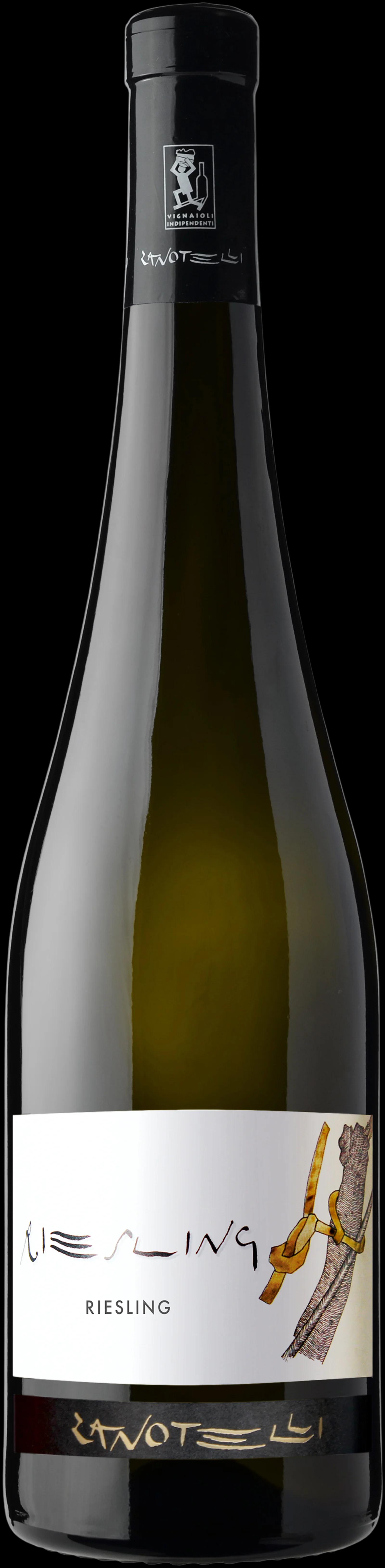
Rhine Riesling is a noble white grape originating from Germany’s Rhine valleys, cultivated since Roman times. It produces wines of exceptional quality and character. After at least...
Food pairings by the winemaker
- Aperitif
- Asian cuisine
- Goat cheese
- Mild and soft cheese
- Lean fish
- Party drink
- Flavored shellfish
- Natural shellfish
- Vegetables
Vinification, winemaker's own words
- Soils:
- Volcanic
- Terroir:
- Porphyric volcanic terroir
- Harvest:
- Picked by hand
- Fermentation:
- Steel (100%)
- Storage:
- -
- Winemaker:
- -
Steel at a controlled temperature, then in bottle for a long time, around 24 months.
About the wine and its character
- Country:
- Italy
- Region/Subregion:
- Trentino-Alto Adige
- Classification:
- DOC
- Certification:
- -
- Grape:
- Riesling 100%
- Vintage year:
- 2022
- Color:
- Pale yellow.
- Aroma:
- Typically rich primary aromas and pleasantly fruity and delicate.
- Taste:
- Fruity, pleasantly sour, delicate and elegant.
- Alcohol content:
- 13%
- Sugar content:
- 4 g/l
- Acidity:
- 7.4 g/l
- pH-value:
- 3.1
- Sweetness:
- Dry
- Contains sulphite:
- Yes
- Volume:
- 750 ml
- Closure:
- Natural cork
- Bottle:
- Glass
- Best Served:
- 8 - 10 °C
- Ageing potential:
- 0 - 25 years
Loading...
Meet the winemakers behind Trentino Riesling
Information provided directly by the winery.

Information
- Winery
- Zanotelli Wines
- Founding year
- 1886
- Farming area
- 18 ha
- Production
- 150 000 b/y
Zanotelli is a family-run winery working since 1860 on the steep, terraced slopes of Valle di Cembra. Here, over 700 km of dry-stone walls support mountain vineyards between 400–900 m. The family farms sustainably and has shifted from historic Schiava production to mainly white wines such as Müller Thurgau, Chardonnay, Pinot Gris, Kerner, Riesling and Manzoni Bianco, plus Pinot Noir, Lagrein, Trentodoc sparkling wines and a Passito. Valle di Cembra, a historic cradle of Trentino viticulture, is a recognized rural heritage landscape once crossed by Albrecht Dürer in 1494.
Meet Zanotelli Wines