The Pfalz and its producers
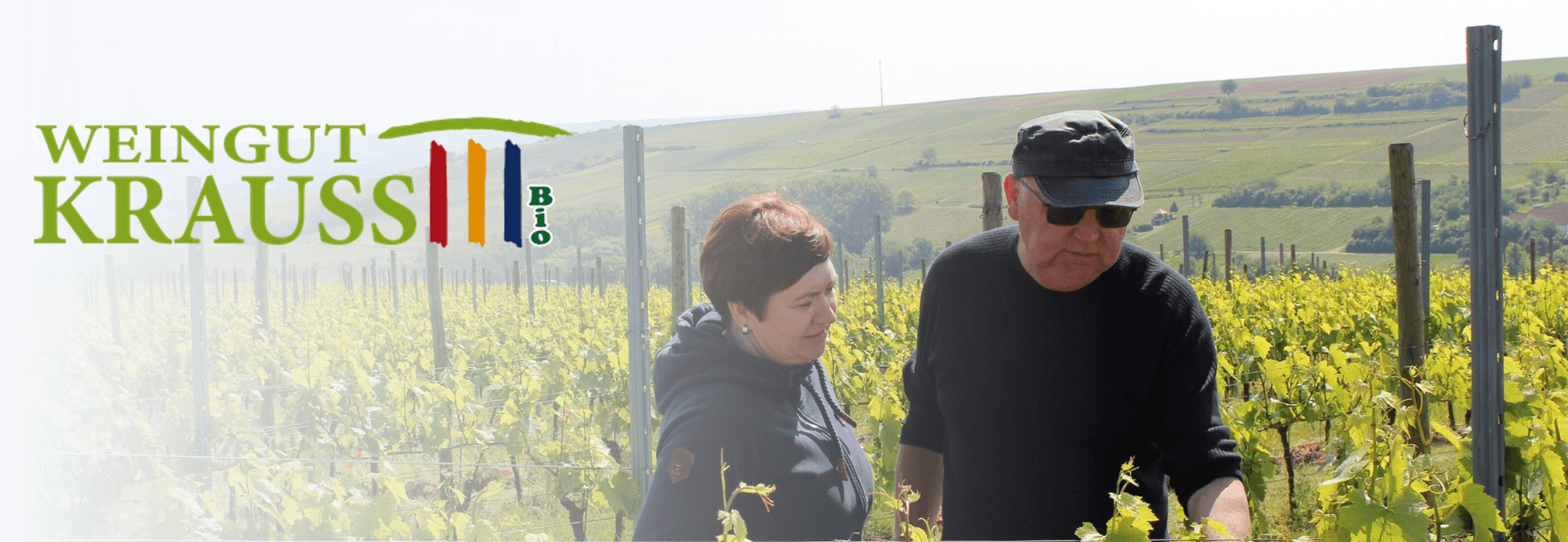
The Pfalz sits in the southwest of Germany, sheltered from Atlantic rain by the Haardt mountains, a spur of the Vosges range that runs along the region's western edge. That protection means more sunshine and warmth than most German wine regions see, and it shapes everything about the grapes grown here. Riesling remains the flagship, but the warmth allows Pinot Noir, known locally as Spätburgunder, to ripen reliably, and the region has built a serious reputation for red wines alongside its whites. The producers working the Pfalz tend to be family estates rather than large négociants, farming their own vineyards and making decisions from the ground up. Many have been doing so for generations. The Mittelhaardt, running through the heart of the region past villages like Deidesheim, Forst and Wachenheim, holds some of the most celebrated sites, where deep basalt and sandstone soils give Riesling an unusual density. To the south, the Südliche Weinstrasse is looser in style and broader in variety, with more experimentation and a younger generation of growers pushing into orange wines, natural winemaking and less familiar grapes. Browse the Pfalz wineries on Free Grape Society to see who is currently listed and shipping directly from their cellar.
How we choose our producers
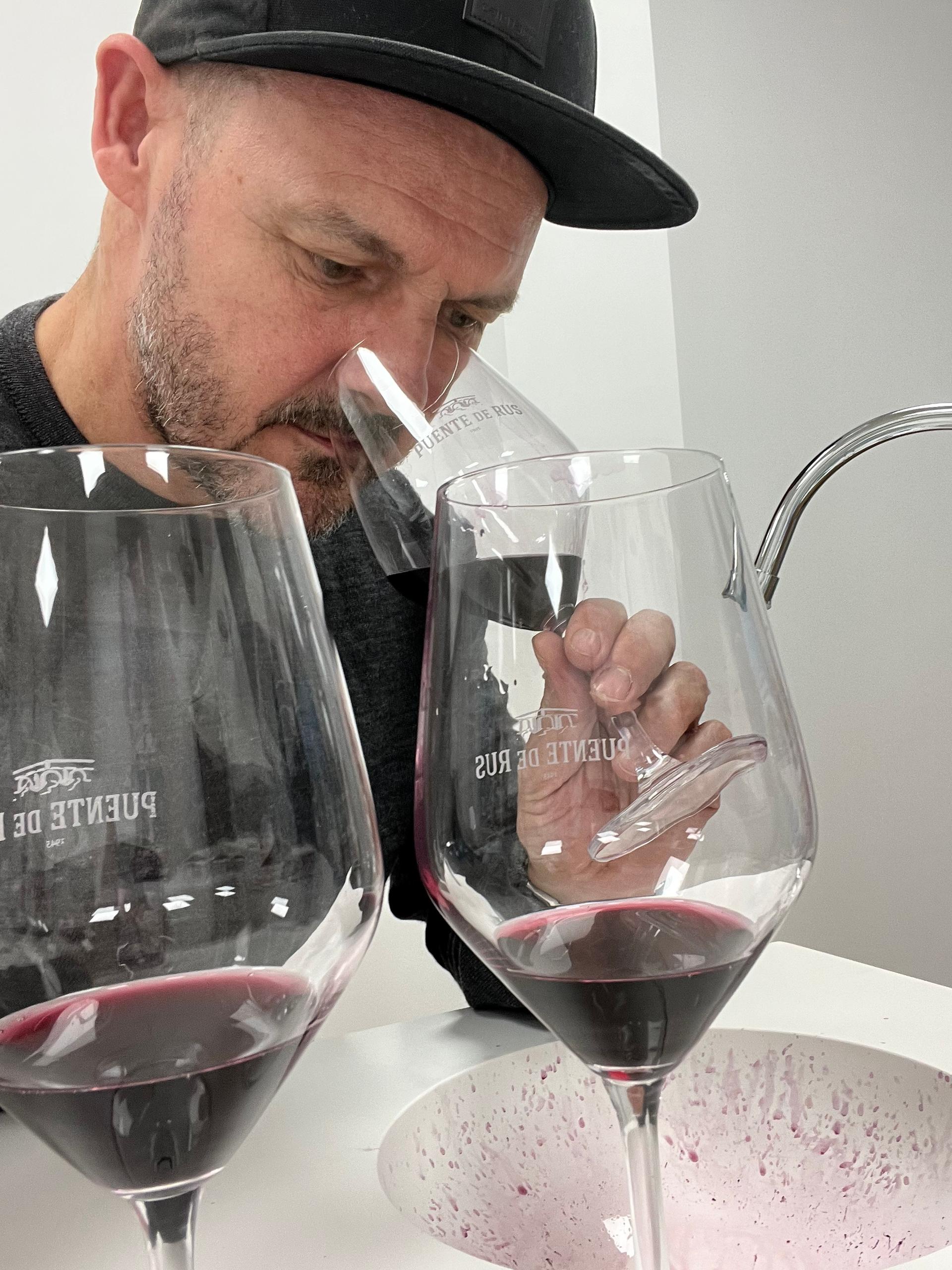
We work directly with the growers behind the wines, which means getting to know how they farm and what they charge before a single bottle is listed. Producers send samples, and those samples are tasted before a wine is listed, so the decision rests on what is in the glass rather than on a label or a reputation. We look for pricing that reflects the work in the vineyard without the mark-ups that importers and warehouses add, and we keep the relationship direct so the grower sets their own terms. For a region like the Pfalz, where the range of styles is unusually wide, that directness matters: a Riesling Spätlese from the Mittelhaardt and a Spätburgunder from the Südliche Weinstrasse are very different propositions, and the grower behind each is the most reliable guide to what makes their wine worth buying. Once a wine is listed, independent wine experts rate and review individual bottles, building a public track record that buyers can read on the wine page. We do not try to carry the full output of the region: we list wines tasted before listing, from producers we have a direct relationship with. Free Grape Society is a society of producers, independent experts and wine lovers, not a shop.
Winemaking traditions in the Pfalz
The Pfalz has been producing wine since Roman times, and the continuity shows in how many estates are still family-owned and how closely growers identify with specific villages and vineyard sites. The Grosse Lage system, Germany's classification for the most significant individual sites, is taken seriously here, with producers in the Mittelhaardt working named parcels that have carried reputations for centuries. Riesling in the Pfalz tends toward more body and fruit than the steely, high-acid style of the Mosel, and the best examples age well. Scheurebe, a cross between Riesling and a wild vine, is a Pfalz speciality rarely found at this quality elsewhere, producing whites with an unusual mix of grapefruit and deep herbal character. On the red side, Spätburgunder has been taken increasingly seriously since the 1990s, with a generation of growers moving toward lower yields and longer ageing. The Pfalz also sits next to Alsace across the French border, and that proximity is visible in the grape mix: Pinot Gris, Gewurztraminer and Muscat appear alongside the more expected German varieties. For context on what grows nearby, the Rheingau and Baden producers listed on Free Grape Society show how the style shifts as you move north or south along the Rhine. You can also explore German wines more broadly, or look at Riesling as a starting point for the Pfalz's most planted grape.