How we choose our producers
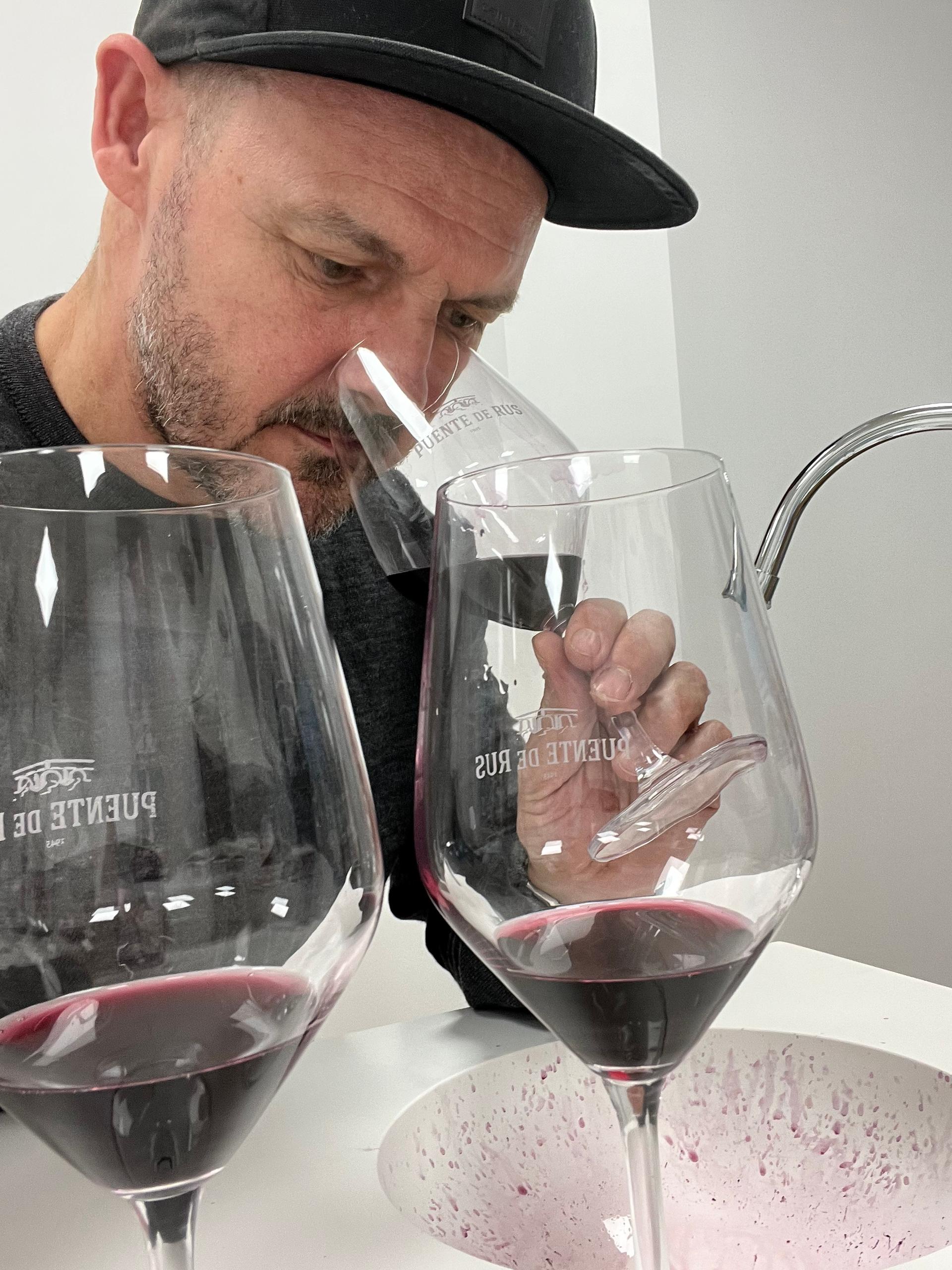
Producers come to Free Grape Society and apply to join; we do not buy a catalog and resell it. A German producer sends samples, and the wines are tasted before they are listed, so what you see has been through our own glass first. We weigh three things: that the wine is honest and well made, that the price is fair to both the grower and you, and that the producer is happy to sell and ship directly from their own cellar. Once a producer is on the platform, independent wine experts can rate and review individual wines, and those reviews sit on the wine pages and on each expert's profile. The experts review what they have personally tasted; they do not pick the catalog or decide what gets listed. Producers set their own prices and handle their own dispatch. You can find the growers currently working in Baden and Pfalz, and browse all German wines to see what each estate is currently offering.
Wine regions and the producers of Germany
Germany's wine map is shaped by rivers. The Rhine and its tributaries, the Mosel, the Nahe, the Rheingau and others, provide the slopes, the drainage, and the temperature moderation that allow grapes to ripen this far north. The country is divided into thirteen recognised growing regions, each governed by its own combination of soil, aspect, and mesoclimate. Riesling is the grape most closely associated with Germany, and for good reason: its thin skin and late ripening suit the long, cool growing season, and the variety expresses the differences between a slate-covered Mosel slope and a sandstone Pfalz vineyard with unusual precision. Styles range from bone-dry Grosses Gewächs bottlings to the naturally sweet Auslese and Beerenauslese levels that depend on botrytis and selective hand-picking. Spätburgunder, the local name for Pinot Noir, has gained ground in warmer sites in Baden and the Pfalz, where fuller-bodied reds are increasingly possible. White wines from Germany still account for the majority of production, and the range across styles and sweetness levels is wider than most wine-producing countries can offer.
What buying directly from a German producer means
When you order through Free Grape Society, the bottle travels from the producer's own cellar to your door, with no importer, agent, or warehouse adding a margin in between. For German wines, which have historically reached export markets through a layered distribution system of cooperatives and regional merchants, this is a meaningful difference. The producer sets the price, packs the order, and ships it directly. Delivery typically takes between 4 and 14 days, with an average of around 8 to 9 days. You can also browse German wineries directly if you want to start with the grower rather than the bottle, or explore producers from other countries such as France, Italy, and Spain to compare approaches across regions.