



Spanish wineries — estates that still decide what goes in the bottle

Spanish wine estates on Free Grape Society. Every wine tasted before listing. No industrial labels.

Independent producers from Rioja to the Canary Islands.

Country (1)

Dropdown arrow

Region

Dropdown arrow

Production Volume

Dropdown arrow

Sort by

Sort arrow
Spain

Spanish producers

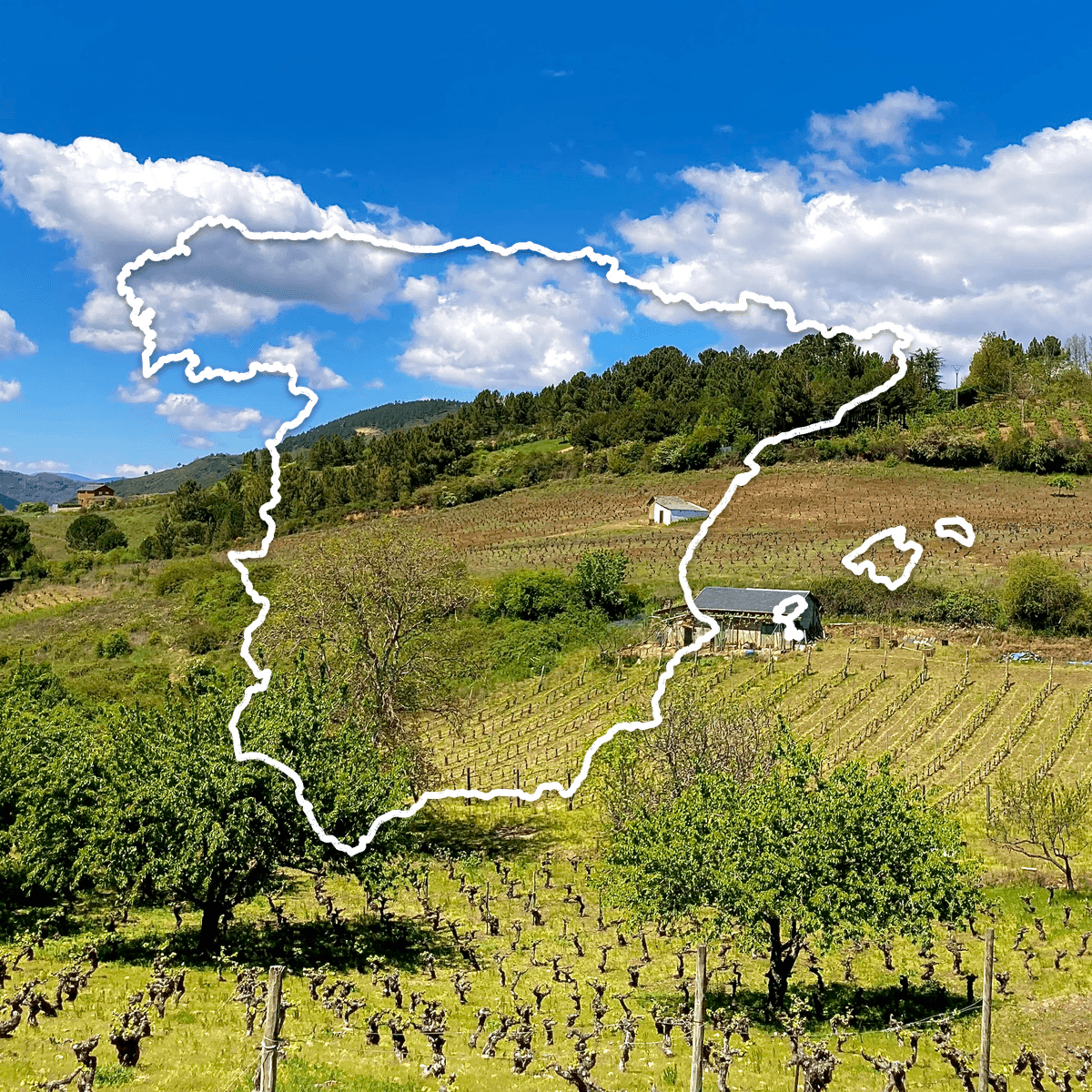
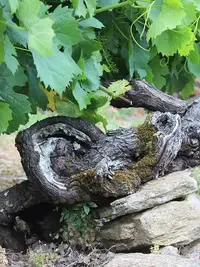
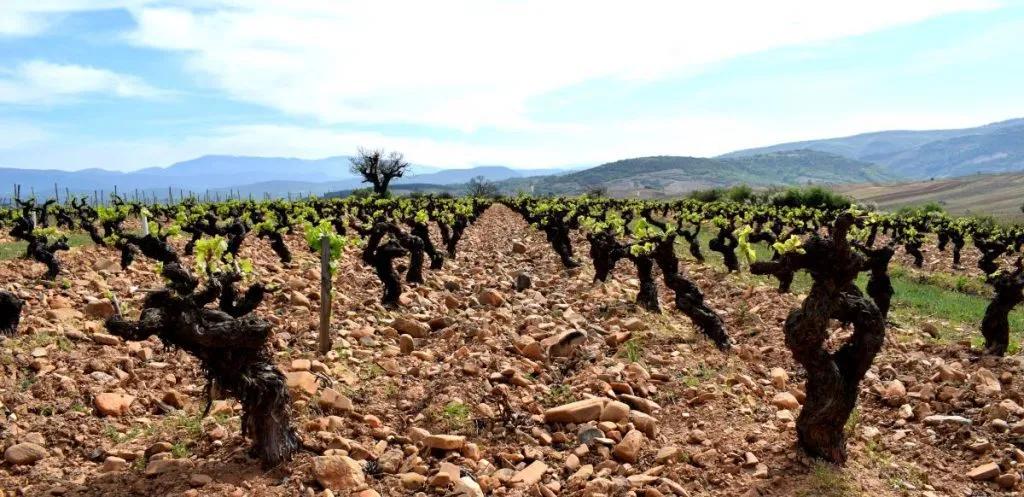
Spain has more land under vine than any other country in the world, yet produces less wine by volume than France or Italy. That gap reflects the dominance of old, low-yielding bush vines across the interior plateau. Many of the producers on this page work with vines that are 40, 60, or over 100 years old. Those bottles ship directly from the estate to your door. No importer, no wholesaler between the cellar and your delivery address.

flag-icon
Castile and Léon, Spain
OLGA VERDE VIÑADORA
Established 2020
OLGA VERDE VIÑADORA
Munskänkarnas-2026
Previous1 of 1Next

Spanish wines

A mixbox on Free Grape Society contains exactly 6 bottles, all from one producer, composed by the producer as their own recommendation. Not a buyer's selection assembled from multiple estates. The producer decides what reflects their range and puts it in the box. The Spanish producers below are among those who have composed their own selection.

Spanish mixboxes

Producers, experts, and wine lovers participate on Free Grape Society on equal terms. The producer sets their own price. The expert reviews wines they have personally tasted. No third party sits between them. The estates listed below were quality-vetted before going live: producers send samples, and our Head of Product tastes every sample before a wine is listed.

Wine experts

Independent wine experts on Free Grape Society rate and review Spanish wines they have personally tasted. Their reviews appear on the wine page and on the expert's own profile. Several of the experts below have reviewed wines from the Spanish producers featured on this page. Their specialities vary, so it is worth checking individual profiles to find someone whose focus matches the style you are looking for.

Frequently asked questions

How do I order Spanish wines through Free Grape Society?

Browse the Spanish wines listed on this page and add bottles to your cart. At checkout you pay securely by card or through Klarna. The producer ships directly from their own cellar, so delivery takes between 4 and 14 days depending on where the wine is coming from. Shipping is free.

What happens if a bottle arrives broken or doesn't taste right?

Send a photo to Free Grape Society customer support within 7 days of delivery. We will arrange a replacement or a refund. Because producers ship directly, quality issues are handled with the producer's direct involvement. Shared responsibility is built into how FGS works.

Can I order mixed bottles from different Spanish producers in one go?

Yes. You can add wines from different Spanish producers to the same order and check out together. Each producer ships their own wines separately, so you may receive more than one delivery. There is no minimum order requirement, and shipping is free regardless.

How long does delivery take?

Average delivery is 8 to 9 days from order to door. The full range is 4 to 14 days depending on the producer's location and your delivery address. Wines ship directly from the producer's cellar, not from a central warehouse.

How do I find the right Spanish wine if I am not sure where to start?

You can filter by region — Rioja, Aragón, Galicia, Catalonia — or by grape variety, such as Tempranillo, Garnacha, or Godello. You can also ask a wine expert directly. Fill in the form on the expert's profile and they will come back with a recommendation based on what you are looking for.

What is the difference between Rioja and the other Spanish wine regions on the platform?

Rioja is Spain's most recognised appellation, built largely on Tempranillo and governed by ageing classifications — Joven, Crianza, Reserva, Gran Reserva. Other regions on the platform, such as Aragón, Galicia, and Castilla La Mancha, work with different grapes and soils entirely. Garnacha dominates in Aragón, Godello and Mencía in Galicia. The regions share a country, not a style.

Which Spanish wine expert can recommend something for me?

Several independent wine experts on Free Grape Society have tasted and reviewed Spanish wines, particularly from Rioja, Aragón, and Galicia. Visit an expert's profile to read their reviews, then fill in the contact form to ask a question. They respond personally, based on what they have actually tasted.

Why do you not sell supermarket-brand Spanish wines?

Free Grape Society connects buyers directly with independent producers. Supermarket-label wines are made at scale for retail distribution and do not fit that model. The Spanish wines here come from growers who own their vineyards, make their own decisions in the cellar, and ship the bottles themselves — which is a fundamentally different thing.

How is buying Spanish wine through Free Grape Society different from a wine merchant or retailer?

A conventional retailer buys wine from an importer who bought it from an agent who bought it from the producer. Each step adds a margin and removes the producer from the picture. On Free Grape Society, the producer lists their own wines, sets their own prices, and ships the order directly from their cellar. There is no importer, no agent, no warehouse in between.

Spanish winemaking traditions

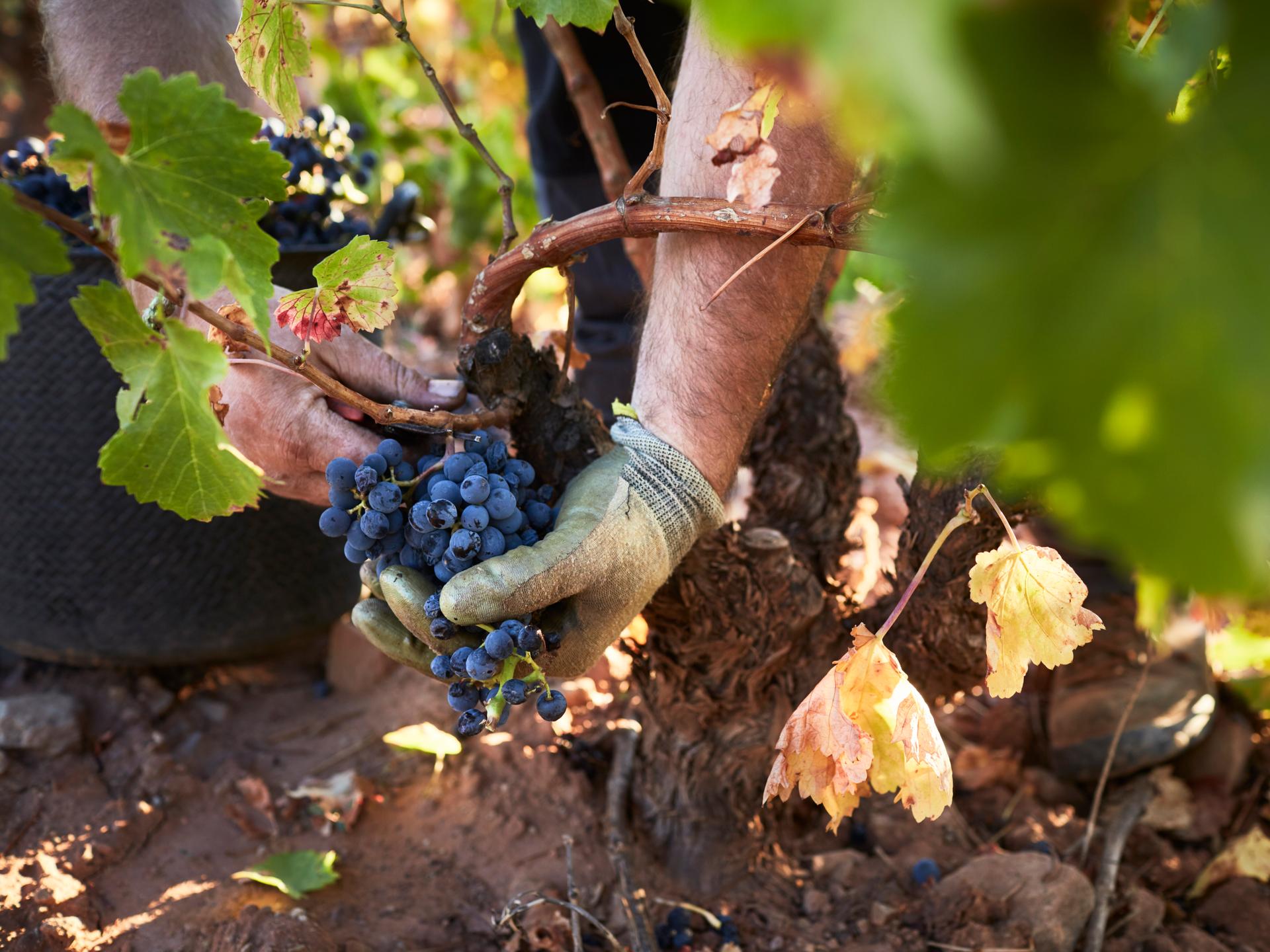
Spain has more land under vine than any other country in the world, yet it ranks third in volume produced. That gap is not a paradox — it reflects how much of the country is planted with low-yielding old vines on dry, unirrigated soils. Many producers in Rioja, Castile and León, and Castilla-La Mancha farm vines that are 60 to 100 years old. Old vines produce fewer grapes per plant, but the concentration in each berry tends to be higher. The tradition of extended oak ageing is also distinctly Spanish. In Rioja, the Crianza, Reserva, and Gran Reserva classifications are not marketing categories — they are legally defined minimum ageing requirements in both barrel and bottle. A Gran Reserva red must spend at least 18 months in oak and 36 months in bottle before release. That is a commitment to time that most wine-producing countries have no equivalent for. In the northwest, Mencía in the Bierzo and Ribeira Sacra sub-regions is planted on steep slate terraces above river valleys, harvested by hand because machinery cannot operate on the gradient. In the south, Monastrell in Murcia and Andalusia survives temperatures that would stress most other varieties. These are not comfort grapes — they are varieties shaped by centuries of selection in difficult conditions.

Family producers versus large estates in Spain

Spanish wine has two parallel histories. One is industrial: the large co-operatives that absorbed smallholder fruit through the twentieth century, producing anonymous bulk wine for export. The other is artisan: families who retained their own labels, their own cellars, and their own identity through the same period. Both exist today, and the gap between them is visible in how wine is priced, packaged, and described. The producers on Free Grape Society belong to the second category. Many are small enough that the person who planted the vines is the same person who signs off on the blend. In regions like Aragon and Catalonia, there is a generation of winemakers in their thirties and forties who returned to family land after studying enology elsewhere in Europe. They brought back techniques — lower intervention, earlier picking for freshness, less new oak — and applied them to varieties their grandparents had grown. Garnacha is the clearest example: for decades it was considered a blending grape for bulk wine, and it is now being bottled as a single variety by producers who treat it as seriously as Pinot Noir. Godello in Galicia tells a similar story — nearly extinct in the 1970s, now recognized as one of the finest white grapes in Europe.

How we choose our Spanish producers

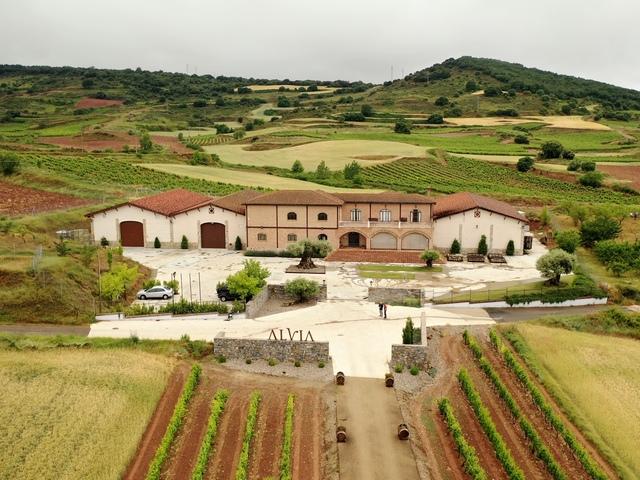
The producers listed on /all-wineries/spain are not selected by an algorithm or ranked by volume. Every producer who wants to list on Free Grape Society sends samples. The Head of Product tastes every sample before a wine goes live on the platform. If the wine does not meet the standard, it does not get listed — regardless of how well-known the producer's name is. Once wines are live, independent wine experts on the platform rate and review individual bottles based on their own tastings. Those reviews are public, attached to the wine page and to the expert's profile. No one at Free Grape Society controls what an expert says about a wine. That is the point. The producer sets their own price. No buyer with quarterly targets. No chain defending shelf space. The producer decides if they want to be here, and what is here. Spanish producers on the platform range from established Rioja houses that have been farming the same parcels for four generations to smaller operations in Murcia and the northwest working with native varieties that rarely appear outside the country. What they share is that they sell directly — not through an importer, not through a wholesaler. The price reflects that. You can also find their wines as producer-composed 6-bottle selections in the Spanish mixboxes section, where the producer assembles the box as their own recommendation.