The producers of Rioja
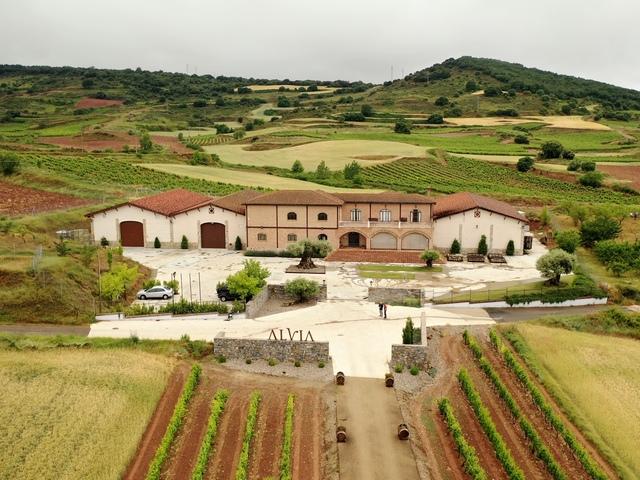
Rioja's producers range from small family bodegas working a handful of hectares in a single village to multi-generational estates with vineyards spread across the three sub-zones: Rioja Alta, Rioja Alavesa and Rioja Oriental. The differences between those zones matter. Alta sits at higher altitude on clay and limestone soils and tends toward more structured, age-worthy wines. Alavesa, tucked against the Basque hills, is cooler still, with thin clay soils over limestone that push Tempranillo toward elegance and aromatic precision. Oriental, the warmest and driest of the three, reaches further east where Garnacha finds its footing alongside Tempranillo. Many of the independent producers listed here farm their own vineyards rather than buying in fruit, which means the wine in the bottle reflects a specific plot and a specific set of choices made by the person who grew the grapes. Explore Rioja wineries or browse wines from Spain to see the full range.
How we choose our producers
We work directly with the growers and winemakers behind the wines, so we get to know how they farm and what they charge before anything is listed. Producers send samples, and those samples are tasted before a wine is listed, which means the decision rests on what is in the glass rather than on a label or a reputation. We look for pricing that reflects the work in the vineyard and cellar without the mark-ups that importers and warehouses typically add, and we keep the relationship direct so the producer sets their own terms. Once a wine is listed, independent wine experts rate and review individual bottles, building a public track record that buyers can read on the wine page. We do not try to carry the full output of a region: we list wines tasted before listing, from producers we have a direct relationship with. That means Rioja is represented here by the growers whose work we know at first hand, not by a sweep of the regional appellation.
Winemaking traditions in Rioja
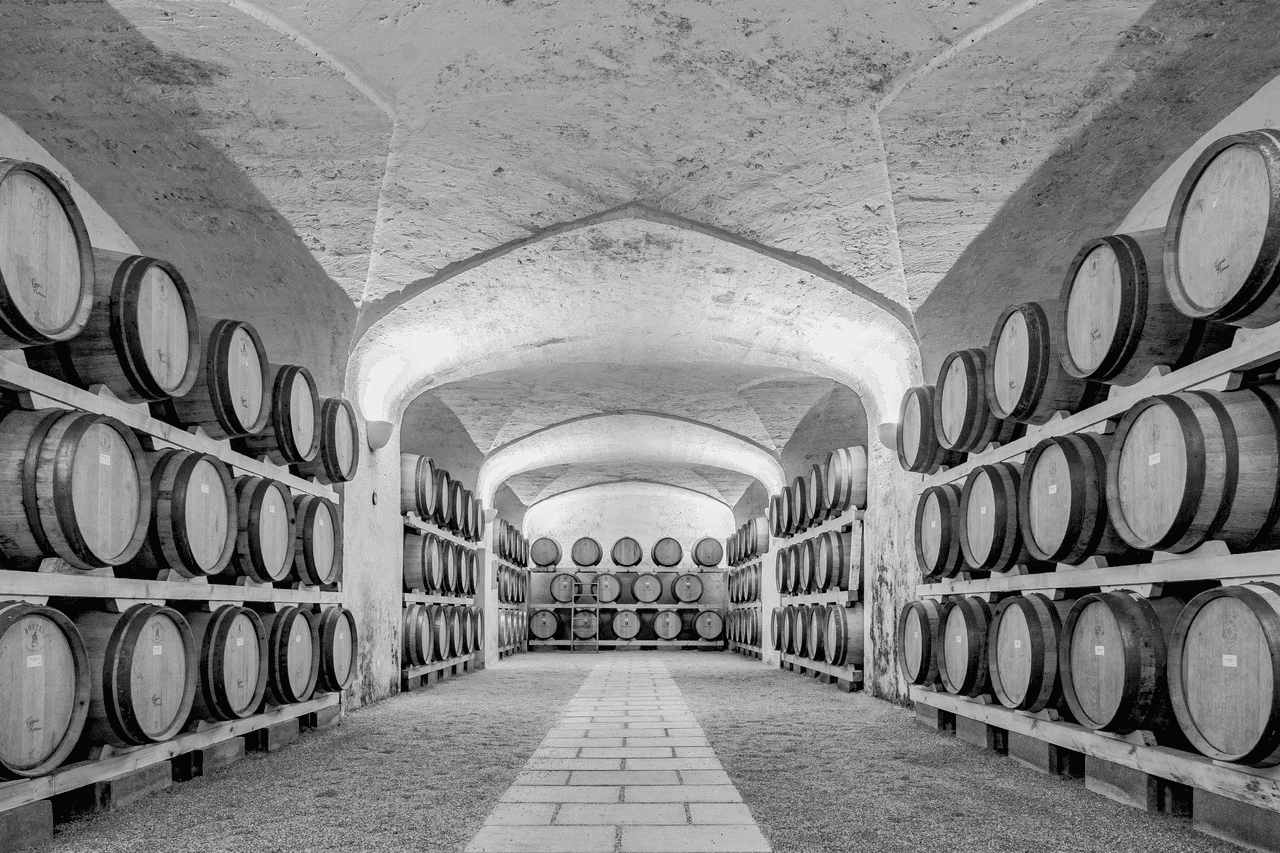
Rioja has one of Spain's most codified ageing systems, and understanding it makes the label easier to read. A Joven carries no mandatory oak ageing and is bottled young, closer to the fruit of the vintage. Crianza spends at least a year in oak and a year in bottle before release. Reserva requires longer ageing still, and Gran Reserva — reserved for the best vintages — demands a minimum of two years in oak and three in bottle. American oak was the traditional choice in Rioja and leaves a distinctive imprint: vanilla, coconut and a smooth, rounded texture. French oak, increasingly common among smaller producers, tends toward finer tannins and more restrained aromatic influence. Tempranillo carries most of the weight in red Rioja blends, often alongside Garnacha, Graciano and Mazuelo. White Rioja, made largely from Viura, has its own ageing tradition: extended barrel fermentation and time on lees producing an oxidative, nutty style that sits apart from most white wine made anywhere else in Spain. For more from the wider region, see wines from Rioja or wine cases from Spanish producers.