Where Graciano comes from and what makes it rare
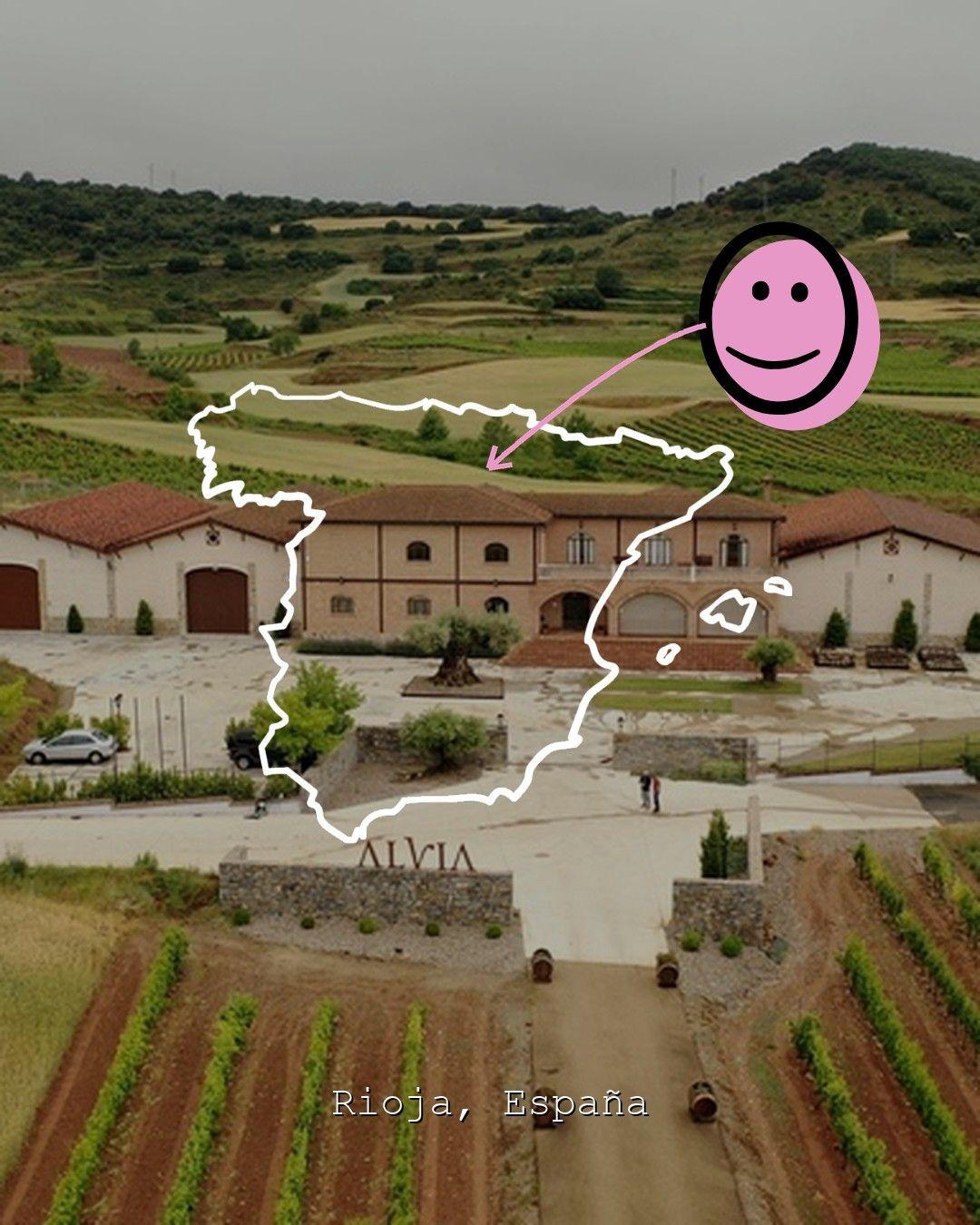
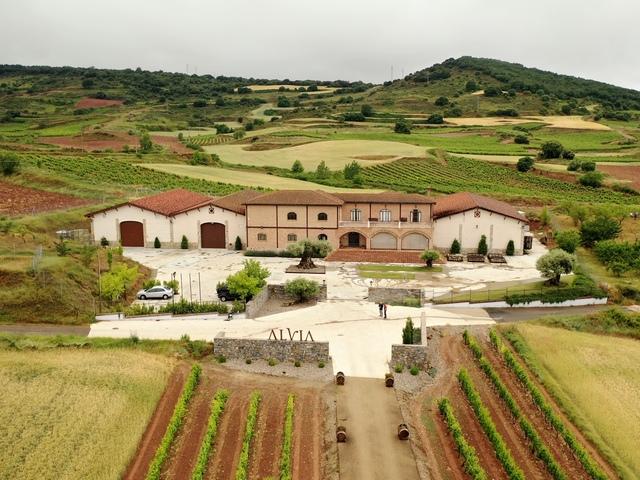
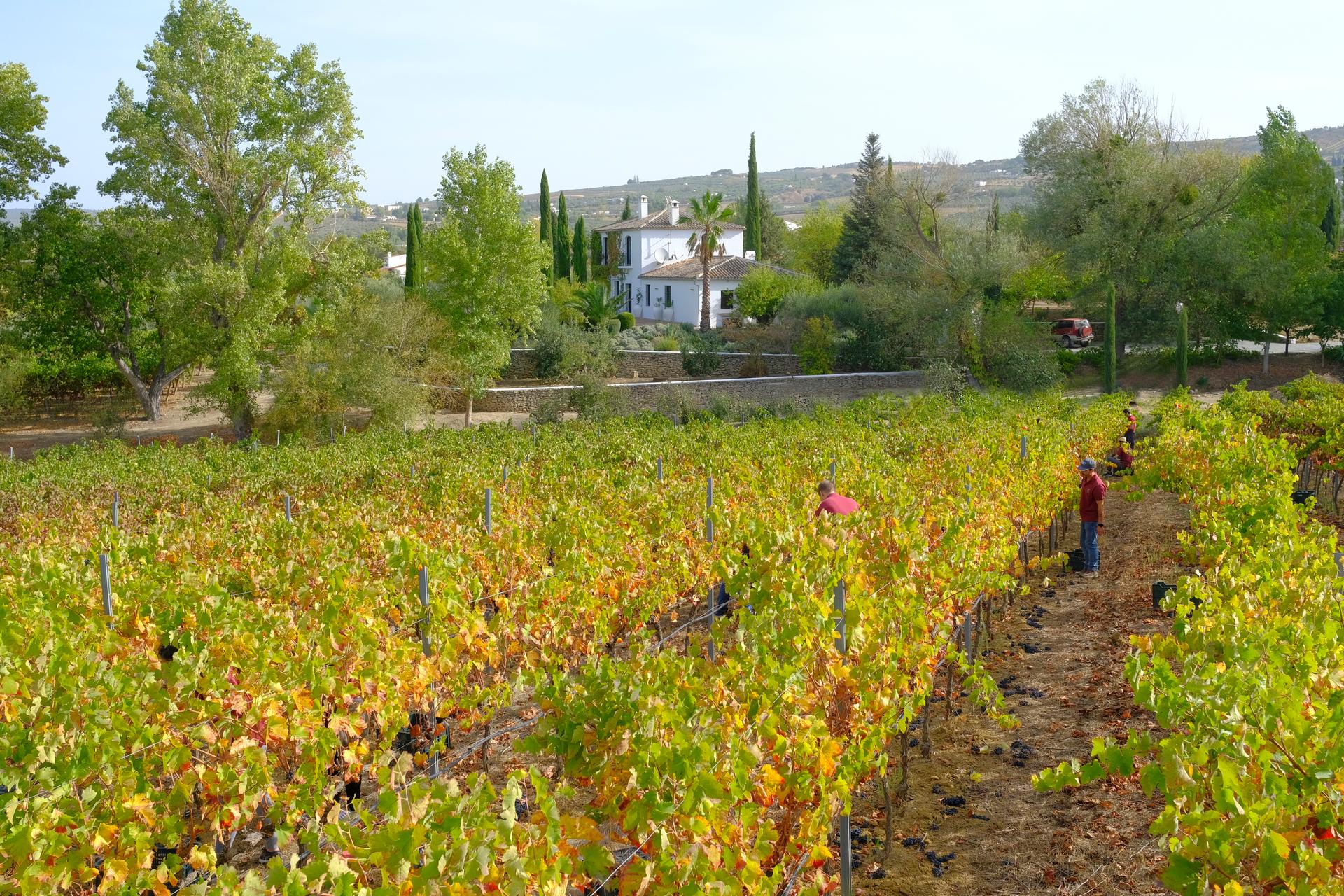
Graciano is one of Spain's oldest red grape varieties, with its heartland in Rioja and Navarra, where it has been grown alongside Tempranillo for centuries. It ripens late, yields little, and is prone to disease — which is exactly why it largely disappeared from commercial vineyards during the twentieth century, when high volumes mattered more than character. What stayed behind, mostly in the hands of smaller family estates, turned out to be some of the most interesting raw material in Spanish wine. A few growers in Aragon and Castilla-La Mancha also work with it, though Rioja remains its spiritual home. Its French alter ego, Morrastel, survives in isolated pockets of Languedoc-Roussillon, where it plays a supporting role in southern blends. The independent producers on Free Grape Society who grow Graciano tend to be the ones who chose character over convenience — estates that kept the variety because they believed in what it could do, not because it was easy.
How Graciano wine tastes, and what to drink it with
Graciano produces wines with naturally high acidity, firm tannin and deep colour — a structural combination that is rare in warm-climate Spanish reds and that gives it genuine ageing potential. The aromas lean toward dark fruit, dried herbs, leather and a distinct floral lift, sometimes compared to violets, that sets it apart from the richer, more generous profile of Tempranillo or Garnacha. When blended into Rioja, it adds freshness and longevity; when bottled as a single-variety wine, it can be austere in youth but opens into something complex and layered with time. At the table it suits roasted lamb, game, aged hard cheeses, and dishes with a savoury, herb-driven quality — the acidity cuts through fat, and the tannin structure holds up to strong flavours. It also pairs well with the kind of slow-cooked meat dishes common to the regions where it grows. If you are choosing between a young Graciano and a few years of bottle age, the patience is usually rewarded.
Buying Graciano wine direct from independent producers
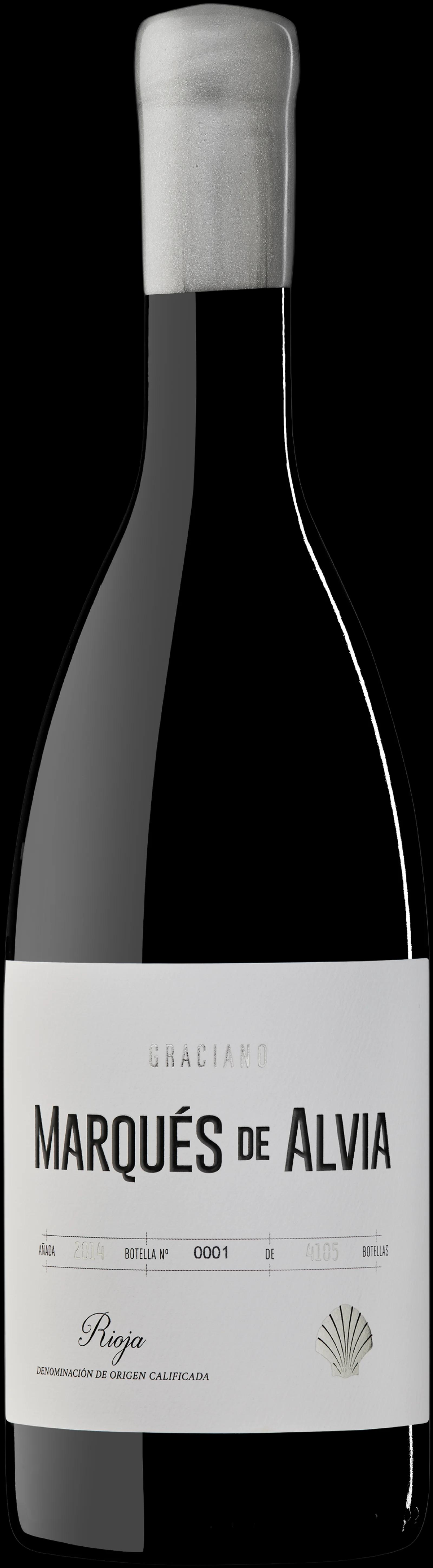
Most commercially available Graciano is blended into Rioja and never labelled by variety, which is part of why single-variety bottles from growers who believe in it are worth seeking out. On Free Grape Society, each wine is shipped directly from the producer's own cellar — there is no importer or warehouse handling it between the estate and your door. That direct relationship also means the story behind the wine travels with it: why the grower kept Graciano when others pulled it out, how they handle its low yields, what they think it becomes with time in bottle. You can explore the full range of Spanish red wines or go deeper into the regions where Graciano is grown, including Rioja and Aragon. For producers working across Spain's wider red-wine landscape, the Spanish wineries page gives a picture of who is growing what. Free Grape Society is a society of producers, independent experts and wine lovers — not a shop — and Graciano, with its long history and difficult temperament, tends to attract the kind of grower that fits that description.