Portuguese wines from Douro, Alentejo and beyond

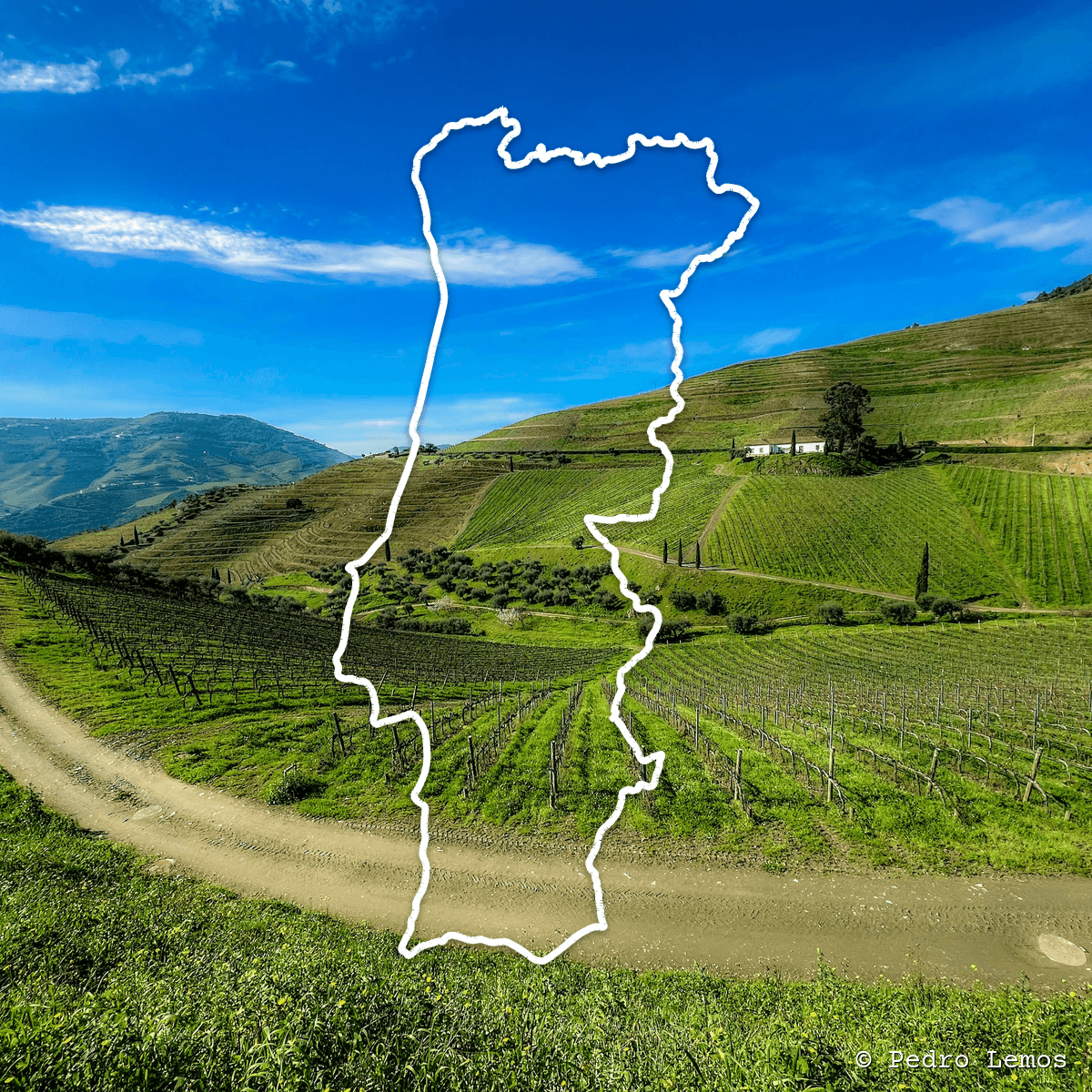
Portuguese wines stretch from the granite slopes of the Douro to the vast plains of the Alentejo, with the Atlantic shaping everything in between. The producers and the bottles are below.

Touriga Nacional in the north, sun-dried Alentejo reds in the south.

Color

Dropdown arrow

Type

Dropdown arrow

Country (1)

Dropdown arrow

Region

Dropdown arrow

Grape

Dropdown arrow

Pairing

Dropdown arrow

Sort by

Sort arrow
Portugal

Portuguese wines

Portugal's wine map is shaped by altitude and the Atlantic. The Douro carves through granite and schist in the north, where Touriga Nacional builds structured reds and the same grapes go into Port. Further south, the Alentejo spreads across a sun-baked plateau where co-operatives gave way to estate wines over the past few decades. The Vinho Verde region follows the northwest coast, where high-acid, low-alcohol whites catch the ocean influence. On Free Grape Society, producers ship directly from their own cellar, with no importer or warehouse in between.

Previous1 of 1Next

Mixboxes

Each mixbox here is six bottles from a single Portuguese producer, composed by that grower as their own recommendation. A Douro producer might take you through the same Touriga Nacional at different elevations; an Alentejo estate might move across its red and white range. The six bottles are always from one cellar, never mixed across producers. Free Grape Society is a society of producers, independent experts and wine lovers, not a shop.

Portuguese wineries

Portugal's producers range from century-old Douro quintas to younger estates in the Alentejo and Bairrada. Many are family-run, with the same families farming the same slopes across generations. Wines are tasted before listing, and if you are unsure where to start among the regions and growers, an independent wine expert can point you toward the right producer.

Frequently asked questions

How do I order directly from a Portuguese winery on Free Grape Society?

Browse the producers below, open a winery page, and add wines to your cart. Payment is handled securely through Klarna or card. The producer ships directly from their own cellar, and delivery typically takes between 4 and 14 days, with an average of around 8 to 9 days depending on where the winery is located in Portugal.

What happens if a bottle arrives broken or doesn't taste right?

Send a photo to Free Grape Society customer support within 7 days of delivery. We will arrange a replacement or a refund. Because producers ship directly, quality issues are handled with the producer's direct involvement. Shared responsibility is built into how FGS works.

Is shipping from Portugal included in the price?

Free Grape Society offers free shipping on orders. The producer ships Ex Works from their cellar, and Free Grape Society handles the logistics to your door. You will see the final price clearly before you complete your order. No hidden import fees or agent markups are added.

How long does delivery take?

Average delivery is 8 to 9 days from order to door. The full range is 4 to 14 days depending on the producer's location and your delivery address. Wines ship directly from the producer's cellar, not from a central warehouse.

How do I find the right Portuguese producer for my taste?

Use the region filter to narrow by area, such as the Douro, Alentejo, or Vinho Verde. If you know a grape variety you enjoy, Touriga Nacional, Alvarinho, or Baga for example, that is another useful starting point. You can also ask a wine expert through the form on any wine or winery page for a personal recommendation.

What makes the Portuguese producers on Free Grape Society different from wines in a wine shop?

The producers here are independent growers and family estates who sell directly through the platform. They set their own prices and ship from their own cellar. You are not buying from a warehouse or an importer's stock. Many of these wines are not distributed through conventional retail at all, which is part of why direct trade matters for small Portuguese estates.

Which Portuguese wine expert can recommend something for me?

You can ask any of the independent wine experts on this page directly. Fill in the form on their profile or on a wine page and describe what you are looking for: a region, a style, a food pairing, or a budget. Experts provide personal, unbiased recommendations based on wines they have tasted themselves. The service is free.

Why don't you carry every wine from every Portuguese producer you work with?

Producers choose which wines they list on Free Grape Society and can update their range at any time. Not every wine in a producer's portfolio is available for direct international shipping, and some are produced in quantities too small to list consistently. What you see reflects what each winery has chosen to offer and can currently fulfil.

How does buying directly from a Portuguese winery compare to buying from a wine merchant?

A conventional wine merchant imports wine through an agent or distributor, adding margin at each step. On Free Grape Society, the producer sets the price and ships directly, so there is no importer markup or warehouse handling fee between the cellar and your door. For small family estates in Portugal, it also means reaching international buyers they could not access through traditional distribution.

Portugal's wine regions and what grows there

Portugal is one of Europe's most geographically varied wine countries, and its regions reflect that range entirely. The Douro Valley is the oldest demarcated wine region in the world, first mapped in 1756, and produces both the fortified wines of Port and an increasingly celebrated range of dry reds and whites from terraced schist vineyards above the river. Further north, the Minho gives the country Vinho Verde — a term that covers not just the light, slightly effervescent whites most associated with the name, but also fresh reds and single-varietal expressions of Alvarinho that bear no resemblance to the supermarket version. The Alentejo, stretching across the warm, undulating plains south of Lisbon, produces generous reds from Aragonez and Trincadeira, grapes that thrive in long, dry summers. Each region has its own climate logic: the Douro's extreme continental heat tempered by altitude, the Atlantic influence cooling the Minho, the Alentejo's heat held and released by clay soils. Understanding that geography is the quickest way into Portuguese wine.

The grapes behind Portuguese wine

Portugal has one of the largest collections of indigenous grape varieties of any European country — over 250 are officially documented, and several dozen are in regular commercial use. This matters because so much of Portuguese wine is made from varieties that exist nowhere else in significant quantity: Touriga Nacional, the most celebrated of the country's reds, is prized for its deep colour, firm tannin, and floral aromatics, and is the backbone of both the finest dry Douro reds and traditional Port. Baga, grown mainly in Bairrada in the cool northwest, produces some of the country's most age-worthy reds — austere and mineral when young, complex over time. On the white side, Alvarinho (the same grape as Spain's Albariño) makes the most structured and aromatic expressions of Vinho Verde, while Antão Vaz holds up well in the Alentejo's heat, producing full-bodied whites with surprising freshness. Exploring Portuguese wines means encountering varieties that do not travel — and that specificity is part of what makes them worth the attention.

How Portuguese wine is labelled

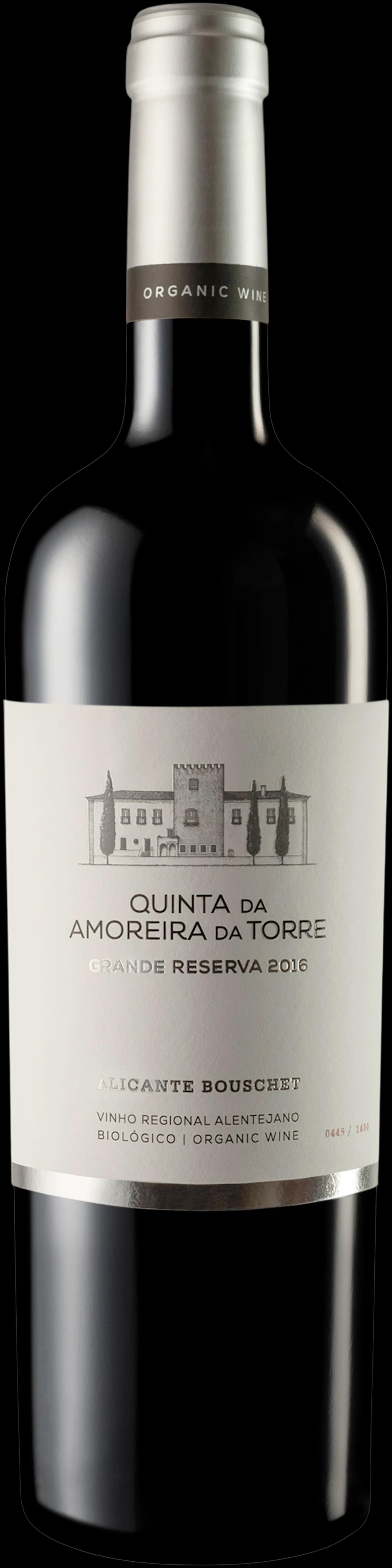
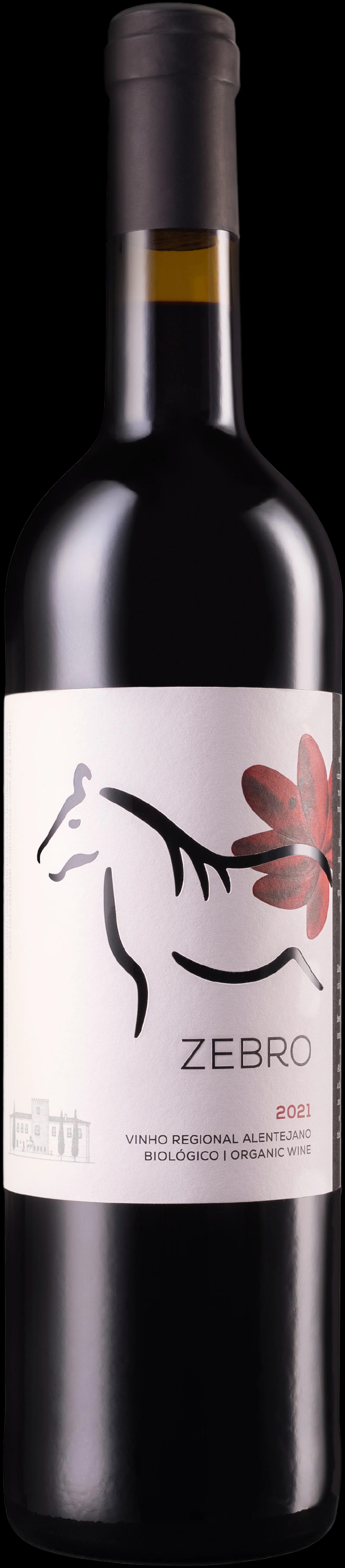
Portuguese wine labelling follows a regional logic similar to France's: the place of origin is usually more prominent than the grape variety, particularly for wines from classified appellations. The key term to know is DOC (Denominação de Origem Controlada), which functions like France's AOC — it defines the geographic boundary, the permitted grape varieties, and the production rules for each region. Wines labelled simply with a region name (Douro, Dão, Alentejo) are DOC wines and must meet those regional standards. A step below, the Vinho Regional category covers larger zones and allows producers more flexibility with varieties and blending — the Alentejano regional designation, for example, covers more ground and more grape combinations than the Alentejo DOC. Most bottles from independent producers will carry the DOC designation and name the producer prominently; the grape variety may or may not appear depending on the producer's preference and the regional convention. If you are browsing red wines or white wines and want to understand what you are looking at, the region name on the label is the first place to start. You can also explore wines from neighbouring countries like Spain or Italy to compare how labelling conventions differ across the Iberian Peninsula and southern Europe.