Portuguese wineries: independent producers from the Douro to the Alentejo

Portuguese wineries span the granite slopes of the Douro, the cool Atlantic coast of the Vinho Verde region, and the sun-baked plains of the Alentejo. Below, the independent producers selling directly through Free Grape Society.

From centuries-old port estates to small growers bottling Alvarinho and Baga on their own terms.

Country (1)

Dropdown arrow

Region

Dropdown arrow

Production Volume

Dropdown arrow

Sort by

Sort arrow
Portugal

Portuguese wineries

Portugal's wine map runs along dramatic contrasts. The Douro carved terraced vineyards into schist hillsides centuries before port became famous; today many of the same estates also bottle dry table wines from Touriga Nacional and Tinta Roriz. Further north, the Vinho Verde region produces light, high-acid whites from Alvarinho and Loureiro close to the Atlantic. On Free Grape Society, each producer sells and ships directly from their own cellar, with no importer, agent, or warehouse in between.

Portuguese wines

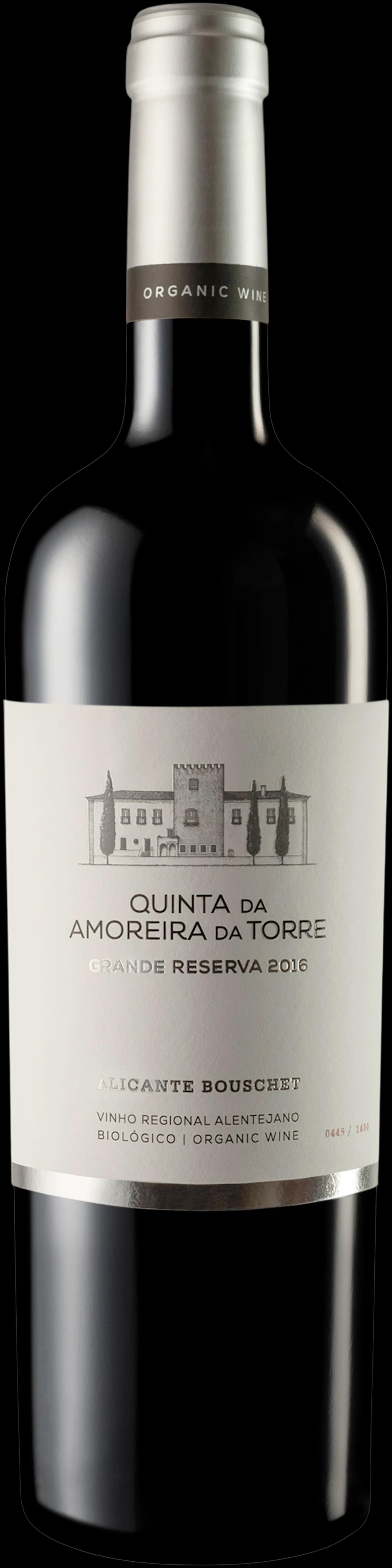
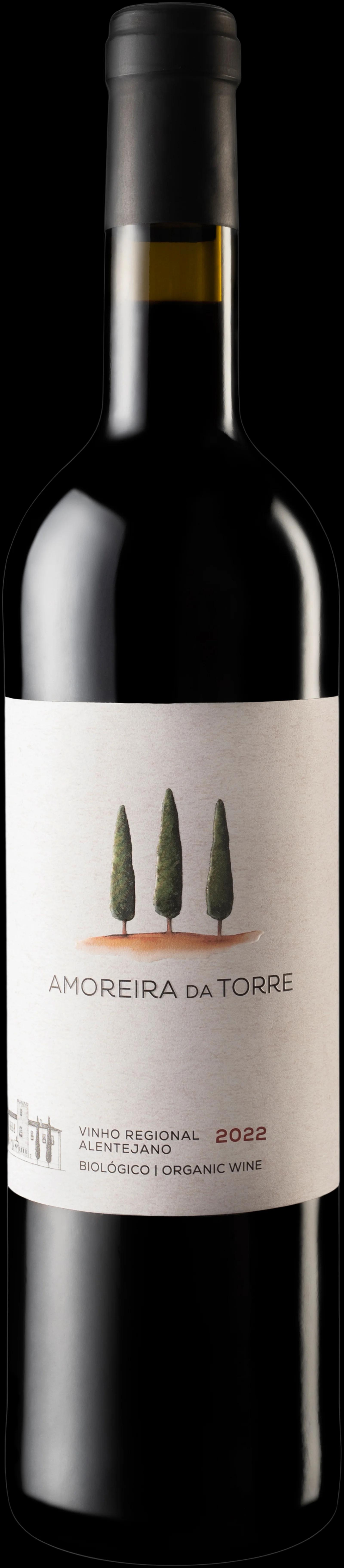
Each wine case here, what we call a mixbox, is six bottles from a single producer, composed by that grower as their own recommendation. A Douro estate might walk you through different expressions of Touriga Nacional, while an Alentejo producer could pair their Aragonez-based red with an Antão Vaz white. The case is the winemaker's own pick. Free Grape Society is a society of producers, independent experts, and wine lovers, not a shop, so every box reflects a single cellar's view of its own range.

View all wines from Portugal

Portuguese mixboxes

Portugal has more than 250 registered indigenous grape varieties, more than almost any other country its size. Many remain confined to a single region: Baga in Bairrada, Encruzado in the Dão, Alvarinho concentrated around Monção in the far north. When you are unsure which producer or region to start with, an independent wine expert can point you in the right direction.

View all mixboxes from Portugal

Wine experts

Independent wine experts on Free Grape Society rate and review wines they have personally tasted. Their reviews appear on the individual wine pages and on each expert's own profile, where you can follow their track record over time. Several of the experts listed on this page have reviewed Portuguese wines featured here. Experts reflect their own palate and experience; they do not select which wines are listed or control what appears in the catalog.

View all wine experts

Frequently asked questions

How do I order directly from a Portuguese winery on Free Grape Society?

Browse the producers below, open a winery page, and add wines to your cart. Payment is handled securely through Klarna or card. The producer ships directly from their own cellar, and delivery typically takes between 4 and 14 days, with an average of around 8 to 9 days depending on where the winery is located in Portugal.

What happens if a bottle arrives broken or doesn't taste right?

Send a photo to Free Grape Society customer support within 7 days of delivery. We will arrange a replacement or a refund. Because producers ship directly, quality issues are handled with the producer's direct involvement. Shared responsibility is built into how FGS works.

Is shipping from Portugal included in the price?

Free Grape Society offers free shipping on orders. The producer ships Ex Works from their cellar, and Free Grape Society handles the logistics to your door. You will see the final price clearly before you complete your order. No hidden import fees or agent markups are added.

How long does delivery take?

Average delivery is 8 to 9 days from order to door. The full range is 4 to 14 days depending on the producer's location and your delivery address. Wines ship directly from the producer's cellar, not from a central warehouse.

How do I find the right Portuguese producer for my taste?

Use the region filter to narrow by area, such as the Douro, Alentejo, or Vinho Verde. If you know a grape variety you enjoy, Touriga Nacional, Alvarinho, or Baga for example, that is another useful starting point. You can also ask a wine expert through the form on any wine or winery page for a personal recommendation.

What makes the Portuguese producers on Free Grape Society different from wines in a wine shop?

The producers here are independent growers and family estates who sell directly through the platform. They set their own prices and ship from their own cellar. You are not buying from a warehouse or an importer's stock. Many of these wines are not distributed through conventional retail at all, which is part of why direct trade matters for small Portuguese estates.

Which Portuguese wine expert can recommend something for me?

You can ask any of the independent wine experts on this page directly. Fill in the form on their profile or on a wine page and describe what you are looking for: a region, a style, a food pairing, or a budget. Experts provide personal, unbiased recommendations based on wines they have tasted themselves. The service is free.

Why don't you carry every wine from every Portuguese producer you work with?

Producers choose which wines they list on Free Grape Society and can update their range at any time. Not every wine in a producer's portfolio is available for direct international shipping, and some are produced in quantities too small to list consistently. What you see reflects what each winery has chosen to offer and can currently fulfil.

How does buying directly from a Portuguese winery compare to buying from a wine merchant?

A conventional wine merchant imports wine through an agent or distributor, adding margin at each step. On Free Grape Society, the producer sets the price and ships directly, so there is no importer markup or warehouse handling fee between the cellar and your door. For small family estates in Portugal, it also means reaching international buyers they could not access through traditional distribution.

How we choose our Portuguese producers

Producers come to Free Grape Society in two ways: growers we approach and growers who approach us. Either way, the process is the same. A producer sends samples, and those wines are tasted before any of them is listed, so nothing reaches the catalogue on reputation alone. We look at how a producer works as much as what they make: whether they farm their own fruit, how they treat their land, and whether their prices are fair to both the grower and the buyer. Portugal's wine culture runs deep in family hands — estates passed between generations across the Douro, the Alentejo and the Atlantic coast — and that continuity of ownership tends to show in how a wine is made. Wines that are listed are then open to review by independent wine experts, who rate and comment on bottles they have personally tasted, and those reviews sit on the wine pages for anyone to read. We do not list a producer's full range as a matter of course, and we do not chase the biggest names. The aim is a working relationship with growers whose wine and whose practices we can stand behind. You can browse the wines they make on the Portuguese wines page, or explore cases composed by individual producers at Portugal mixboxes.

The people behind Portuguese wine

Portugal's wine estates are unusually diverse in scale — from single-family quintas farming a few hectares on steep Douro terraces to larger properties spread across the flat, sun-baked plains of the Alentejo. What most share is direct ownership: the people who grow the grapes tend to be the people who make the wine and put their name on the label. That connection between land and producer is one reason Portuguese wine varies so sharply by region. In the Douro Valley, the combination of schist soils and extreme temperature swings between night and day concentrates flavour in indigenous varieties that exist almost nowhere else — Touriga Nacional, Tinta Roriz, Touriga Franca. Further south, in the Alentejo, the heat calls for different grapes and different techniques, and the wines are broader and rounder. Along the Atlantic coast, Vinho Verde's cool, wet conditions produce something else entirely: high-acid whites built on Alvarinho and Loureiro, often with a slight spritz. These regional contrasts are why buying from a grower rather than a branded blend tells you far more about where the wine came from. You can also explore producers working across other countries on the all wineries page, or compare with Italian producers and Spanish producers.

Buying direct from a Portuguese grower

When you order through Free Grape Society, the wine ships directly from the producer's own cellar — no importer, no warehouse, no intermediate step where the wine sits in conditions the grower cannot control. For Portugal, that directness matters: many of the estates here are small enough that they do not have wide international distribution, which means the wines available through Free Grape Society are often ones you would not find in a supermarket or a large online retailer. The order goes to the producer, and the producer packs and ships it. Delivery typically takes between four and fourteen days depending on where the estate is and where you are. Free Grape Society handles the shipping logistics on an Ex Works basis, so the producer does not need to manage international freight themselves — they hand the parcel over, and it travels to you from there. If you want a ready-made introduction to a grower's range rather than choosing bottle by bottle, a producer-composed wine case is a straightforward way in: each one is six bottles from a single estate, chosen by the grower. Browse Portugal wine cases or look at what is available across all wines from Portugal.