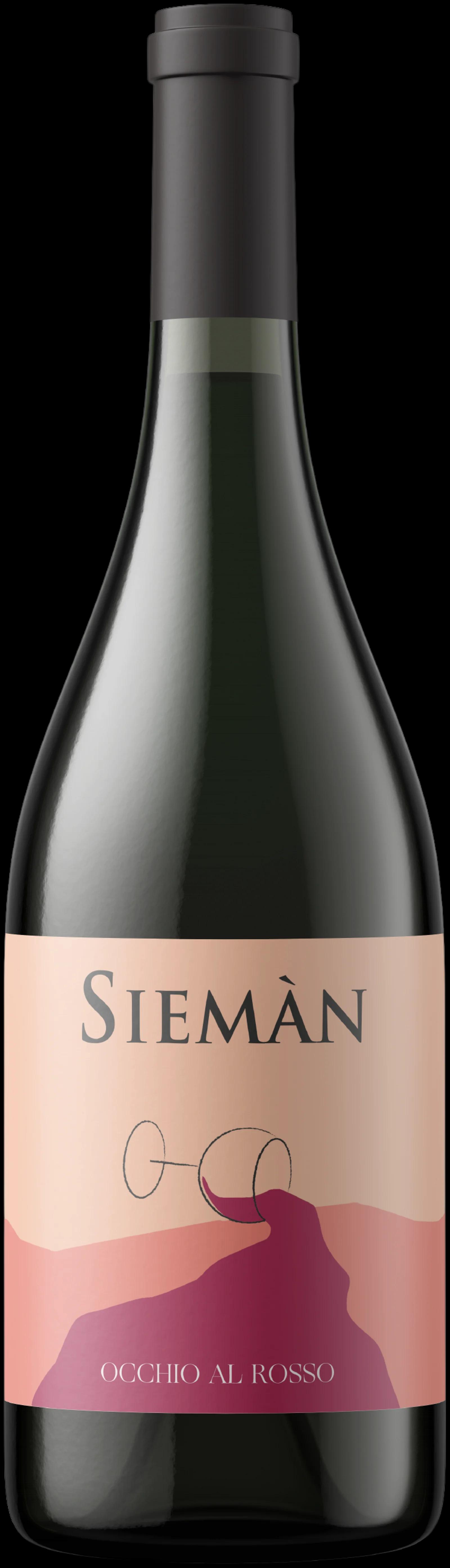
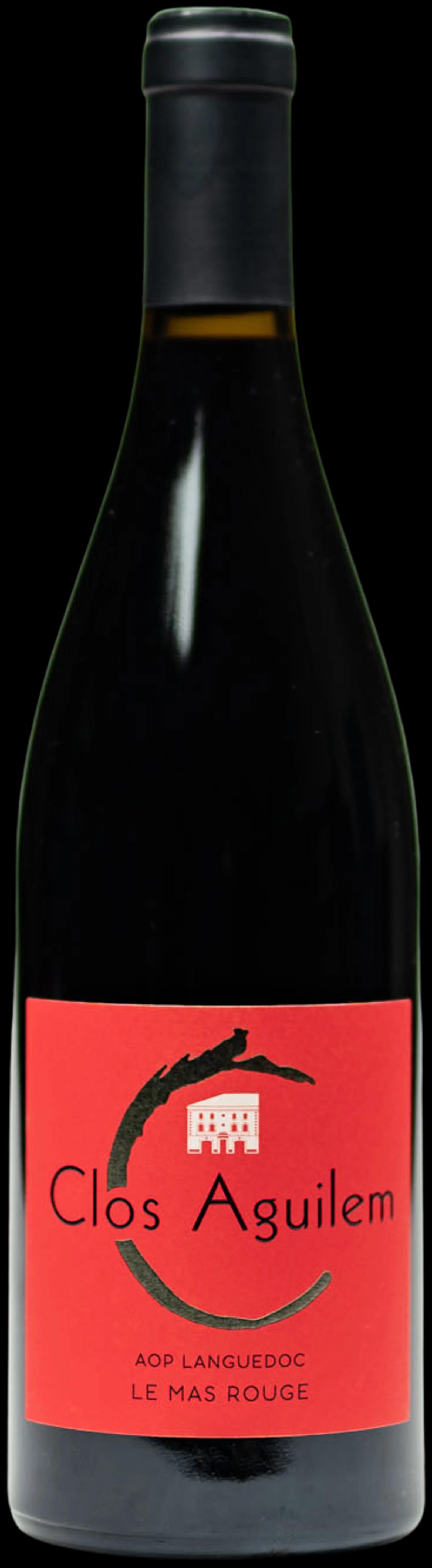
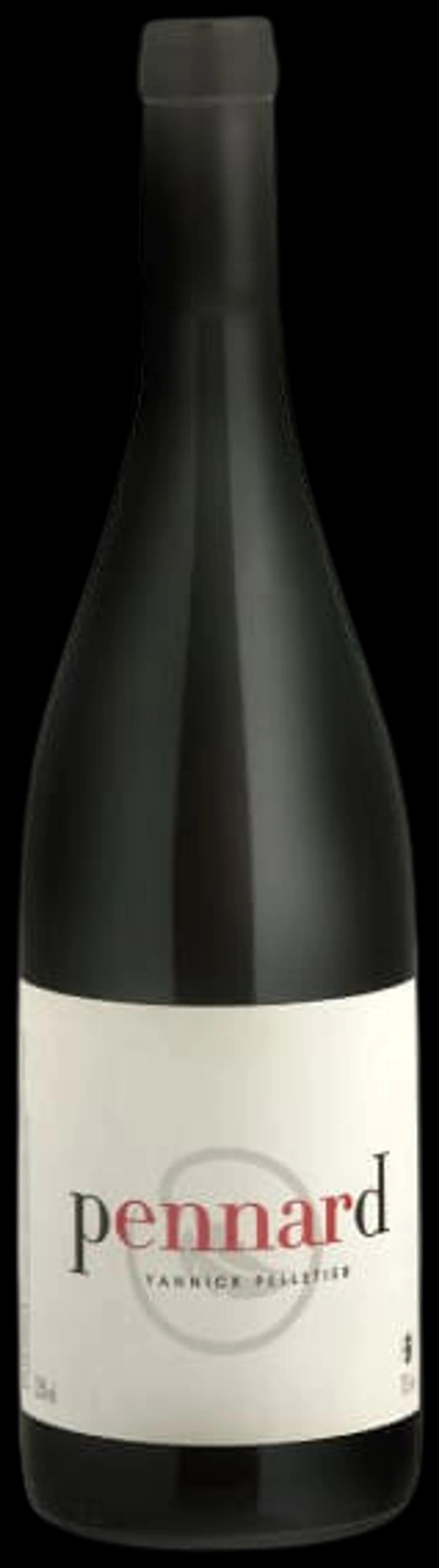
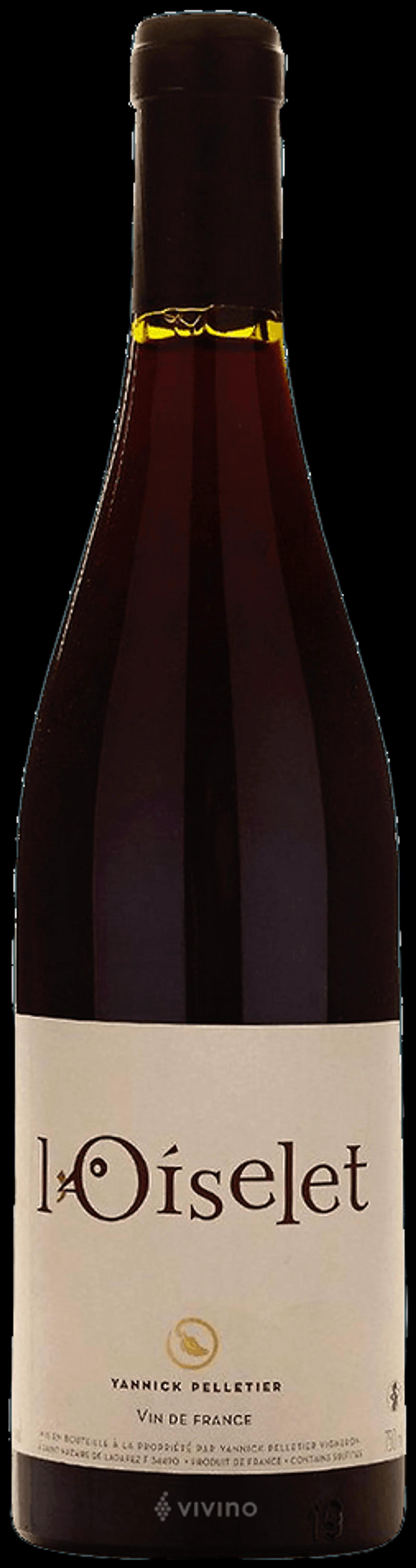
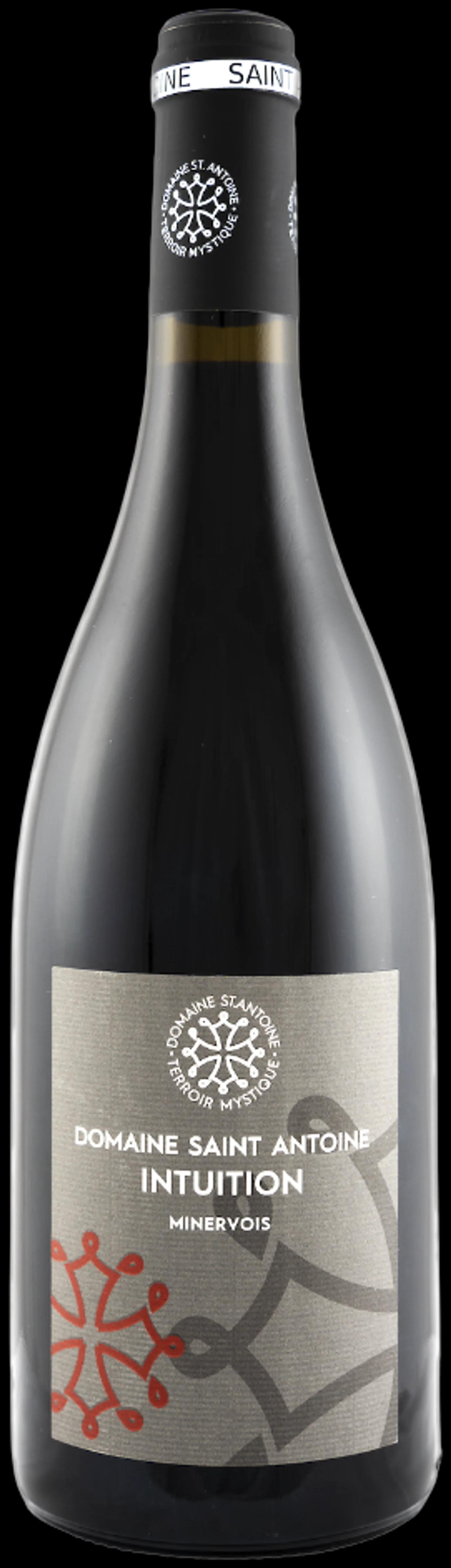
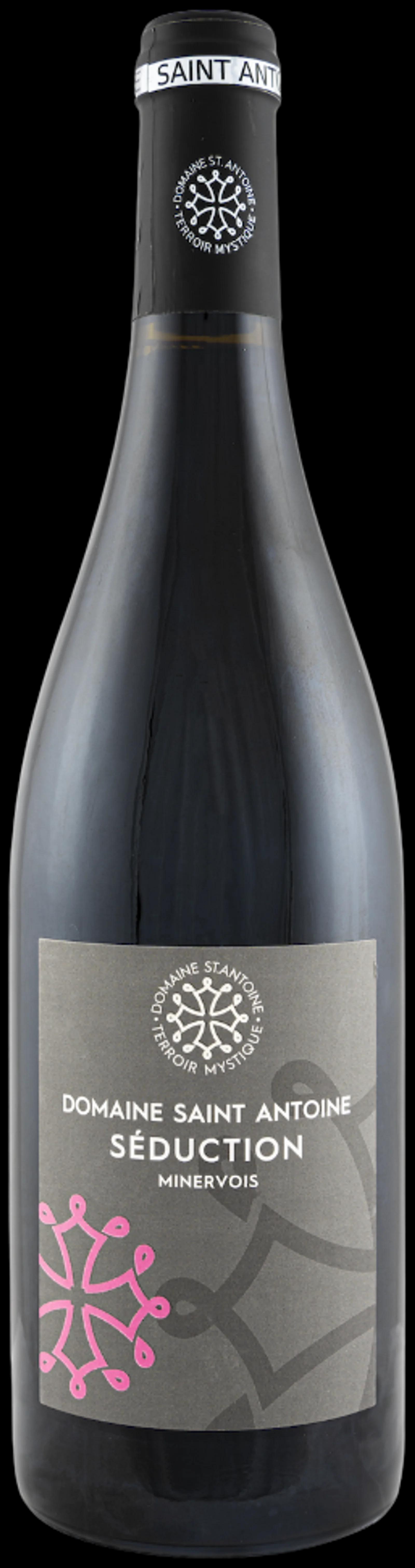
Grenache wines from growers who own their fruit

Grenache from estate-bottling producers across France and Spain. Every wine tasted before listing.
From the Rhône Valley to Priorat, direct from the cellar.

Color

Dropdown arrow

Type

Dropdown arrow

Country

Dropdown arrow

Region

Dropdown arrow

Grape

Dropdown arrow

Pairing

Dropdown arrow

Sort by

Sort arrow
Grenache

Grenache wines

Grenache is one of the most widely planted red varieties in the world, yet it rarely travels under its own name. In Spain it is Garnacha. In Sardinia it is Cannonau. The grape ripens late and thrives in hot, dry conditions, which is why the garrigue-covered hillsides of the southern Rhône and the slate soils of Priorat produce its most concentrated expressions. The Grenache on Free Grape Society comes from producers who bottle under their own name and ship from their own cellar.

Previous1 of 1Next

Grenache mixboxes

A mixbox on Free Grape Society is six bottles from one producer. On a Grenache page, between three and six of those bottles are Grenache. When a producer works only with this grape, the whole box can be Grenache. The remaining bottles, if any, are chosen by the producer to show what sits alongside Grenache within their own range. The producer composes the box. No buyer selects across multiple estates.

Wine experts

Grenache producers on Free Grape Society range from single-vineyard estates in the Rhône Valley to family-run cellars in Aragon and Catalonia. Producers who control their own production set their own price. No importer, no wholesaler. The price you see is the price the producer agreed to. If you want to ask a producer a direct question before ordering, the Wine Advice service connects you with someone who knows their wines.

Grenache producers

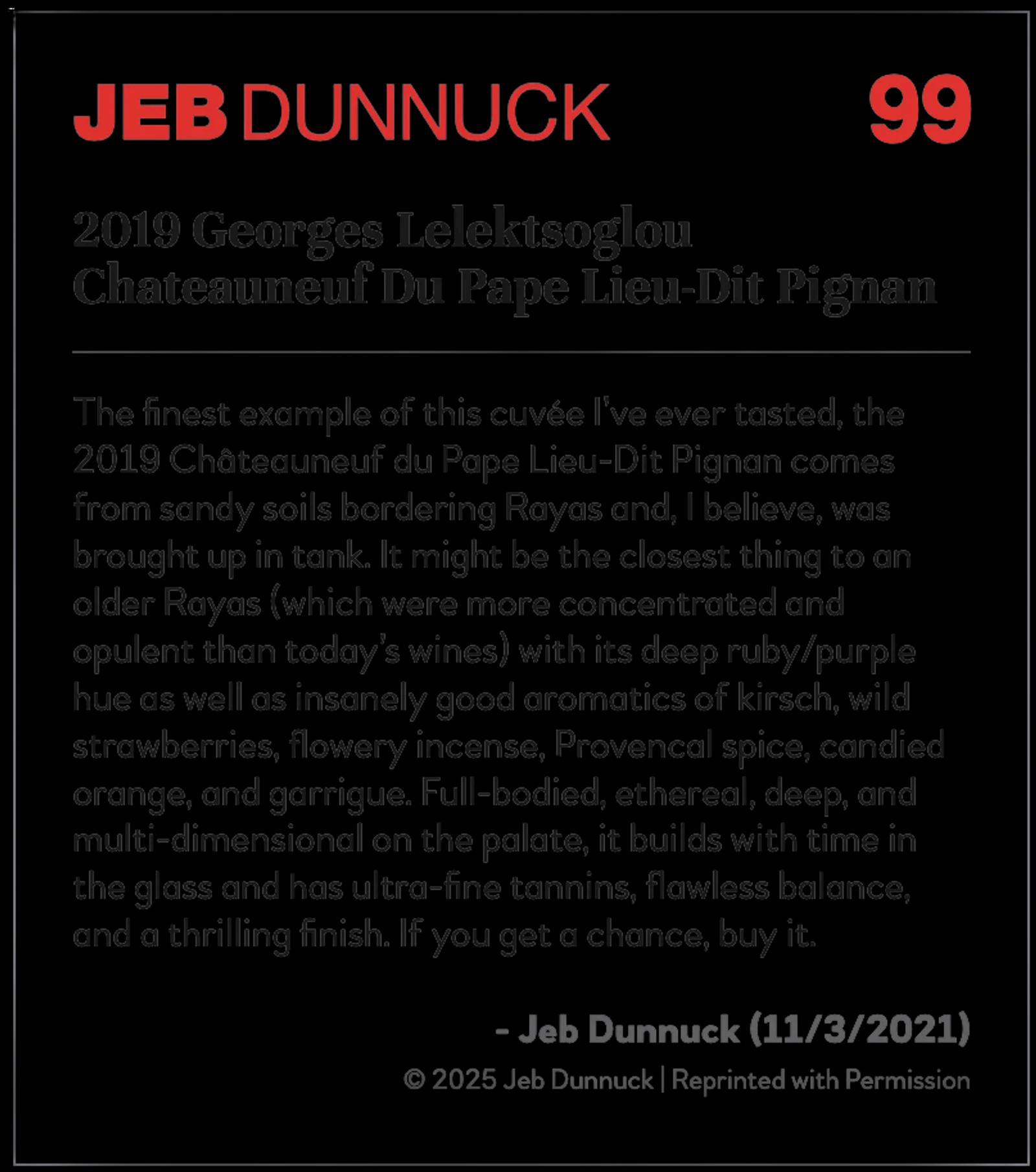
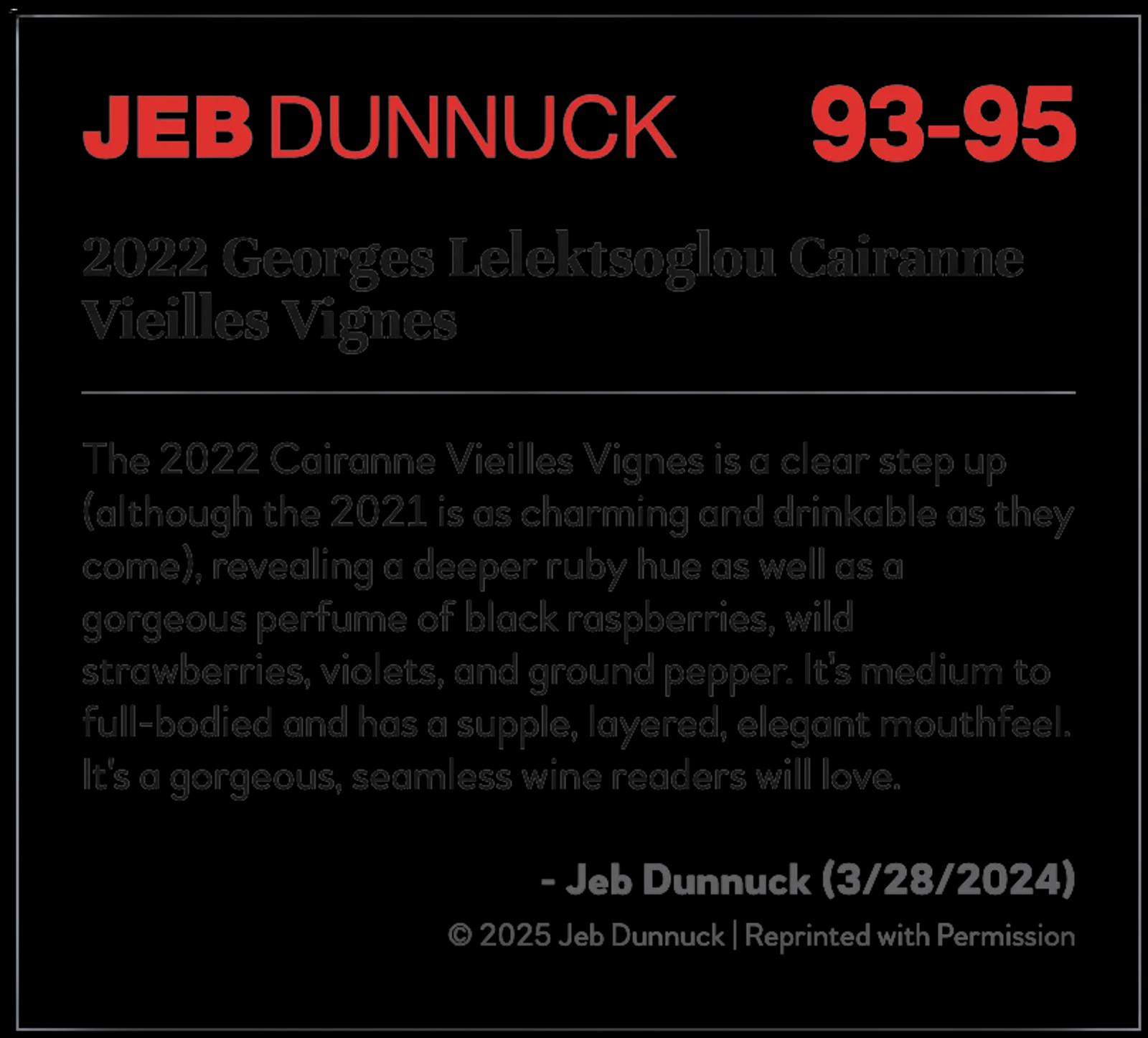
Independent wine experts on Free Grape Society rate and review wines they have personally tasted. Their reviews appear on the wine page and on the expert's own profile. Several of the experts listed below have reviewed Grenache wines featured on this page. Reviewing activity and track records are visible, so you can see exactly which wines an expert has rated and what they said.

Frequently asked questions

How do I order Grenache wines on Free Grape Society?

Browse the wines below and add bottles to your cart. Each listing shows the producer, region, vintage, and price set by the producer. You pay once at checkout. Wines ship directly from the producer's cellar. No account is required to browse.

What happens if a bottle arrives broken or doesn't taste right?

Send a photo to Free Grape Society customer support within 7 days of delivery. We will arrange a replacement or a refund. Because producers ship directly, quality issues are handled with the producer's direct involvement. Shared responsibility is built into how FGS works.

Can I order Grenache from more than one producer in a single order?

Yes. You can add wines from multiple producers to your cart and check out in one transaction. Because each producer ships from their own cellar, you may receive separate deliveries. Each shipment is tracked individually.

How long does delivery take?

Average delivery is 8 to 9 days from order to door. The full range is 4 to 14 days depending on the producer's location and your delivery address. Wines ship directly from the producer's cellar, not from a central warehouse.

How do I find the right Grenache for what I am looking for?

Use the region filters to narrow by origin. Grenache from the Rhône Valley tends toward red fruit and garrigue. Garnacha from Priorat or Aragon is often denser and more mineral-driven. Wine experts on the platform have reviewed individual bottles and their notes are visible on each wine page.

Is Grenache a grape that ages well, or is it best drunk young?

Both styles exist. Entry-level Grenache from warm southern French or Spanish appellations is often approachable within two to four years of harvest. Single-vineyard Grenache from Priorat or Châteauneuf-du-Pape can age considerably longer. The producer's own notes on each listing indicate intended drinking windows.

Which wine expert can recommend a Grenache for me?

Several experts on Free Grape Society have reviewed Grenache and Garnacha wines from France and Spain. Browse the expert profiles below and look for those with reviews from the Rhône Valley, Priorat, or Aragon. You can message any expert directly to ask for a recommendation based on your preferences.

Why don't you sell Grenache from supermarket brands?

Supermarket Grenache is produced to a volume and price point that requires wholesale distribution. The producers on Free Grape Society ship directly from their cellar. The bottle changes hands once, not three times. That difference in the supply chain is also a difference in what ends up in the bottle.

How does Grenache on Free Grape Society differ from what is broadly available in most wine shops?

Most retail channels carry Grenache as a blending component in branded Côtes du Rhône or generic Garnacha. Producers on Free Grape Society who work with Grenache tend to treat it as a single-variety or lead-variety wine. These are not the bottles your local wine shop carries. They are the bottles your local wine shop cannot carry.

Where Grenache grows and what it becomes

Grenache is one of the most widely planted red grapes in the world, yet it rarely carries a single, stable identity. In the Southern Rhône, it forms the backbone of Châteauneuf-du-Pape blends, typically contributing alcohol, red fruit, and body while Syrah and Mourvèdre provide structure and length. Across the border in Spain, the same grape goes by Garnacha and takes a markedly different form: in Aragón and Rioja, growers working with old bush vines on poor soils produce wines with more grip and mineral definition than their French counterparts. In Languedoc-Roussillon, Grenache appears in Roussillon's Grenache Noir-dominant reds, some aged oxidatively in large glass demijohns called bonbonnes — a technique that produces the Rancio style, which has no real equivalent anywhere else in wine. Grenache is also the primary grape in many rosé wines from Provence and Tavel, where it is pressed early and fermented cold. Its thin skin makes it vulnerable to oxidation, which is why producers working with it as a varietal wine tend to favour whole-cluster fermentation and minimal intervention to preserve freshness. In Sardinia, Grenache arrived centuries ago and became Cannonau — a grape so embedded in the island's culture that it bears a protected designation of its own. The common thread across all these expressions is sensitivity to site: Grenache amplifies where it grows more than almost any other widely planted red.

Grenache in the glass: structure, style, and ageing

Grenache is naturally low in tannin and high in alcohol, with a tendency toward red fruit — strawberry, raspberry, dried cherry — alongside garrigue, white pepper, and, in warmer vintages, dried herbs and kirsch. What it lacks in colour density and tannin it compensates for in texture: a well-made Grenache has a silky, generous palate weight that makes it approachable young without being simple. Varietal Grenache from old vines can age for fifteen years or more, developing earthy and tertiary notes without losing its core fruit. The grape's susceptibility to oxidation, however, means that poor handling in the cellar or substandard closures can lead to premature browning and loss of freshness. Producers who bottle early and use inert gas protection tend to produce more vivid, fruit-forward styles. Those who embrace some oxidative exposure — particularly in Roussillon — use it intentionally to build complexity. Related grapes worth exploring alongside Grenache: Carignan, which often blends with it in southern France, and Cinsault, which appears in many of the same appellations. For Spanish expressions, Garnacha pages give a more regionally specific entry point into Aragonese and Riojan producers.

How we choose our Grenache producers

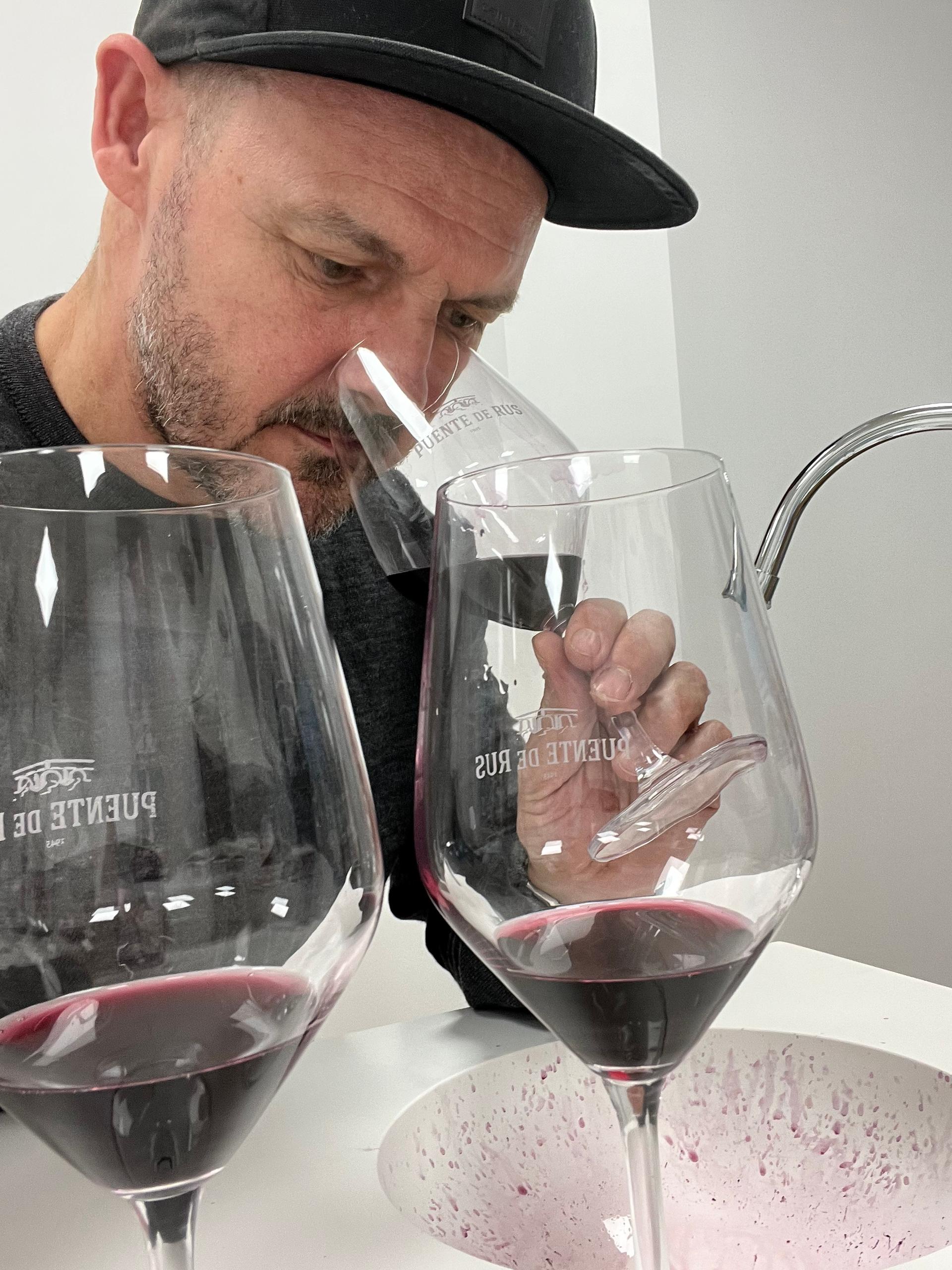
Every producer listed on Free Grape Society has gone through a tasting process before their wines go live. Producers send samples to our Head of Product, who tastes each wine individually. Wines that do not meet a quality threshold are not listed — regardless of the producer's reputation or the appellation on the label. Once listed, independent wine experts on the platform Rate and Review individual wines based on their own firsthand tasting. Those reviews are visible on the wine page and on the expert's public profile, so you can see exactly who tasted what and when. No buyer with quarterly volume targets decides what appears here. No importer margin shapes which producers are economically viable to carry. Producers who list on Free Grape Society set their own prices and ship from their own cellars. That matters most with a grape like Grenache, where the gap between a serious estate wine from old bush vines and a bulk-produced version carrying the same grape name can be enormous. The wines on this page come from producers who own their fruit, bottle under their own name, and have chosen to sell directly. Bottles ship directly from the producer's cellar — not from a warehouse in the Netherlands.