Grenache from France — structure shaped by wind and stone

French Grenache from independent producers. Tasted before listing. From Rhône to the Pyrenean foothills.

From Rhône blends to Roussillon's old vines.

Color

Dropdown arrow

Type

Dropdown arrow

Country (1)

Dropdown arrow

Region

Dropdown arrow

Grape (1)

Dropdown arrow

Pairing

Dropdown arrow

Sort by

Sort arrow
France
Grenache

French Grenache

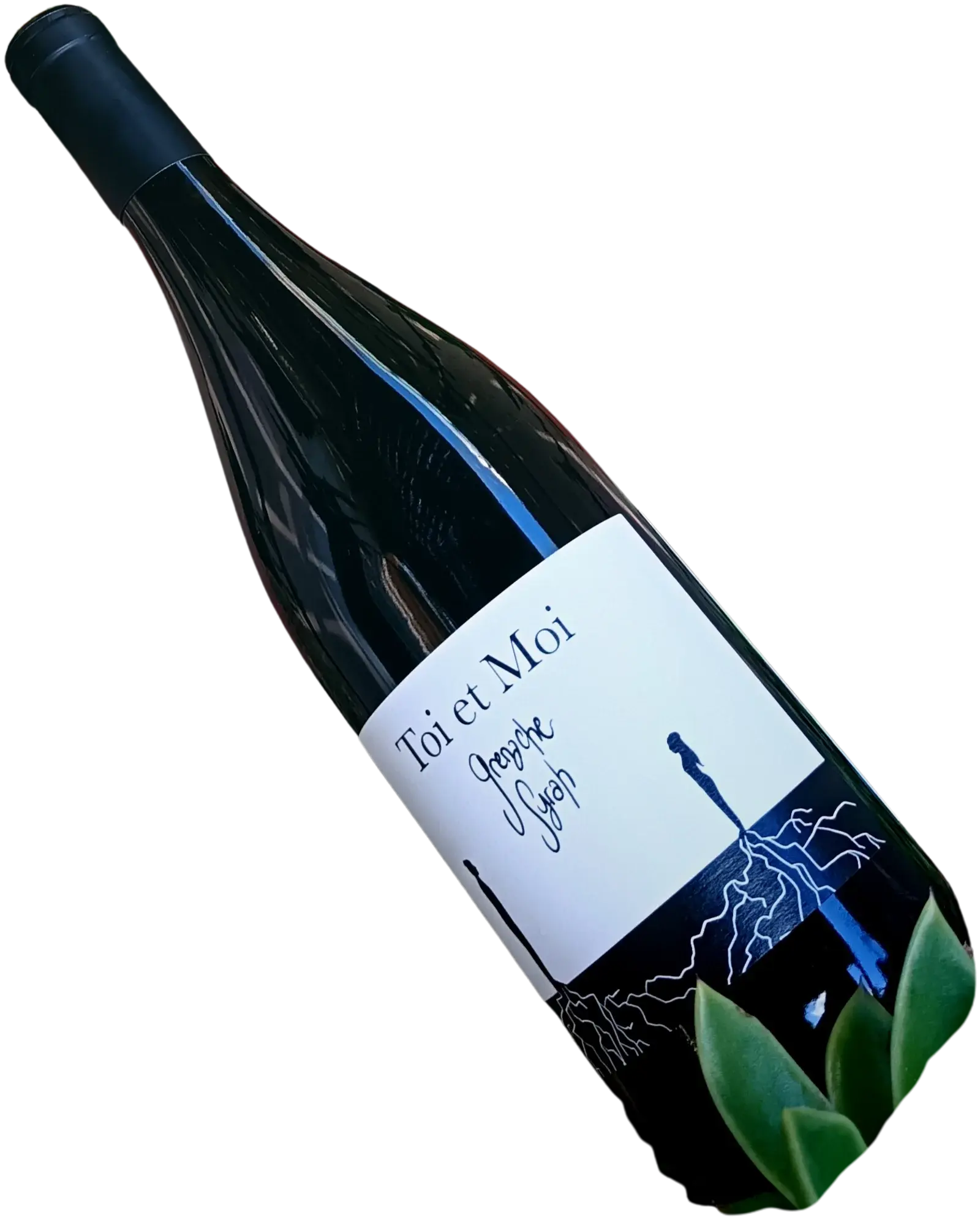
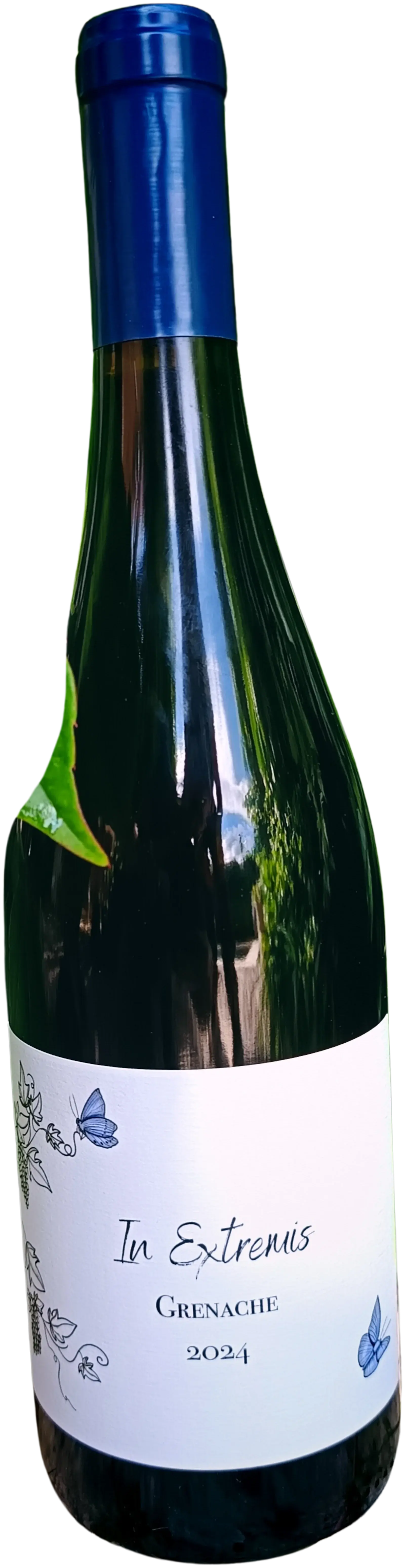
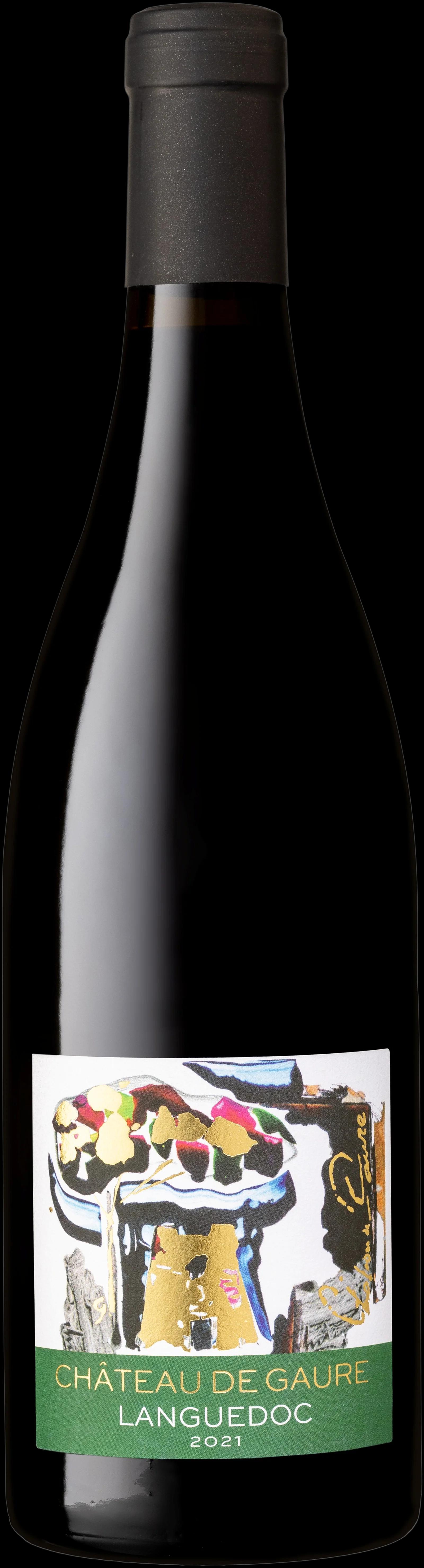
Grenache in France is not one wine. In Châteauneuf-du-Pape, it grows on galets roulés, large rounded stones that retain heat and push ripeness late into the season. In Roussillon, old-vine Grenache planted on schist terraces above 400 metres produces wines structurally different from anything grown at lower altitude. The grape responds sharply to elevation and soil type. Producers working with French Grenache on Free Grape Society tend to be single-estate operations — no blending across appellations, no sourcing from contracted growers.

Previous1 of 1Next

Frequently asked questions

How do I order French Grenache wines on Free Grape Society?

Browse the wines above and add bottles to your cart. Each listing shows the producer, appellation, and vintage. You pay once at checkout. Wines ship directly from the producer's cellar. No account is required to browse the selection.

What happens if a bottle arrives broken or doesn't taste right?

Send a photo to Free Grape Society customer support within 7 days of delivery. We will arrange a replacement or a refund. Because producers ship directly, quality issues are handled with the producer's direct involvement. Shared responsibility is built into how FGS works.

Can I order multiple French Grenache wines from different producers in one order?

Yes. You can add wines from different producers to the same cart and check out in one transaction. Each producer ships their bottles separately, so you may receive more than one delivery from a single order.

How long does delivery take?

Average delivery is 8 to 9 days from order to door. The full range is 4 to 14 days depending on the producer's location and your delivery address. Wines ship directly from the producer's cellar, not from a central warehouse.

How do I find the right French Grenache for my taste?

The style varies significantly by region. Rhône Valley Grenache tends toward riper red fruit and fuller body. Roussillon Grenache from old vines on schist runs leaner, with more mineral tension. Use the region filter to narrow down, and check the independent expert reviews on each wine page for tasting notes.

What is the difference between French Grenache and Spanish Garnacha?

Genetically the same grape. In Spain it is called Garnacha and planted widely in Aragon and Rioja. In France, Grenache grows primarily in the southern Rhône and Roussillon. The French versions tend to show more restraint and appellation-driven structure. The Spanish versions often emphasise fruit concentration and oak more prominently.

Which wine expert on Free Grape Society can recommend a French Grenache for me?

Several independent wine experts on Free Grape Society have reviewed French and southern Rhône wines. Browse the expert profiles on the platform to find one specialising in France or Rhône varieties. You can message any expert directly with a question or a request for a specific recommendation.

Why don't you carry French Grenache from every producer in the appellation?

Every wine on Free Grape Society is tasted before listing. Producers that do not meet the quality threshold do not go live, regardless of appellation or reputation. Some well-known names are absent for exactly that reason. Coverage is not the goal. Quality of what is listed is.

Are French Grenache wines available through regular retail or Systembolaget?

A small number of high-volume appellation wines overlap with retail. Most producers on Free Grape Society work in smaller volumes than retail distribution requires. Wines from old-vine parcels in Roussillon or single-domaine Châteauneuf-du-Pape rarely reach Systembolaget shelves in meaningful quantity.

Grenache in France — region by region

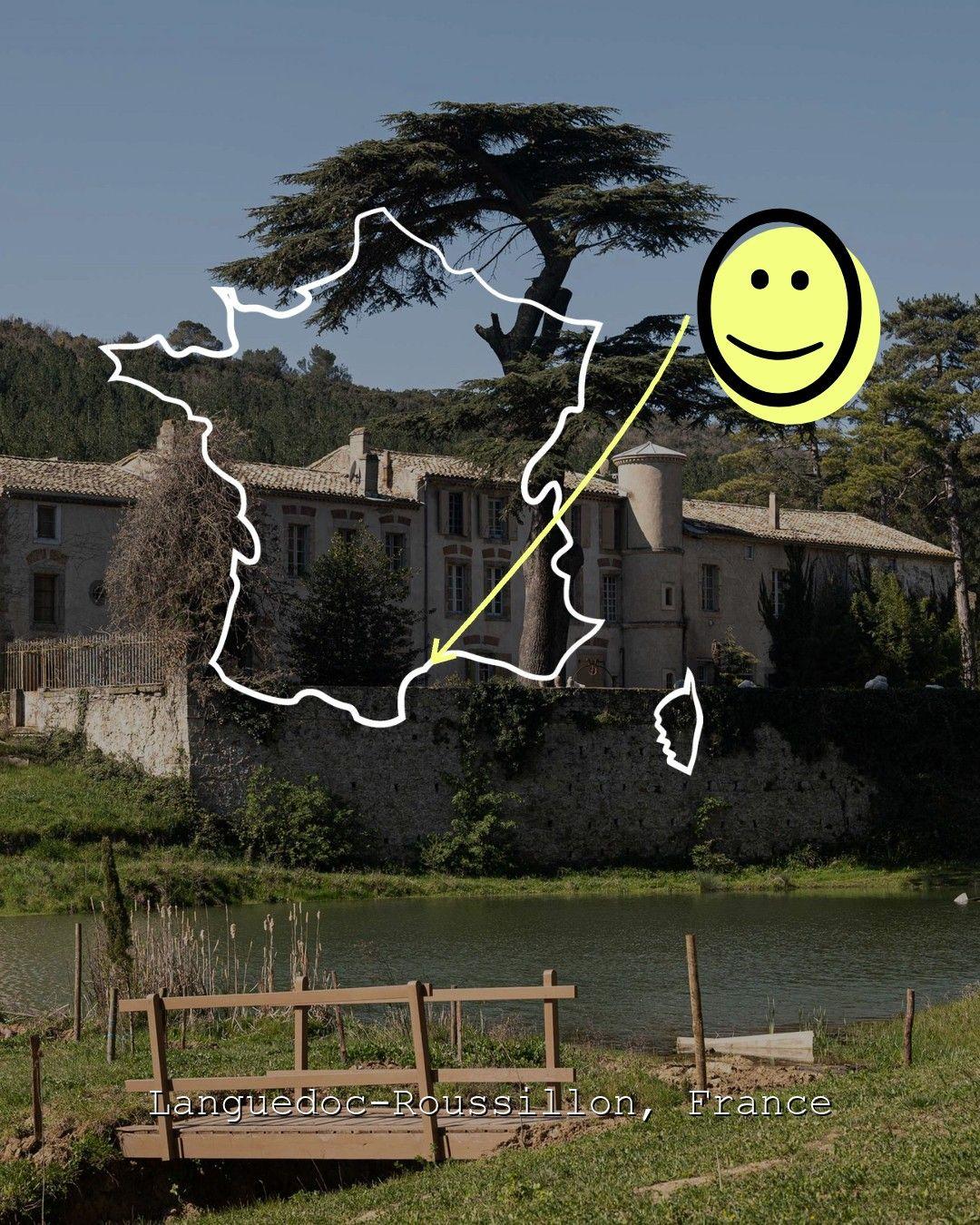
Grenache did not originate in France, but France is where it built its most documented identity. The grape arrived from Spain centuries ago and found its most demanding expression in the southern Rhône and the vineyards stretching from the Languedoc to Roussillon. In the Rhône Valley, Grenache is the dominant variety in Châteauneuf-du-Pape, where it typically accounts for 60–80% of a blend. The soils there range from the famous galets roulés — large smooth stones that retain heat through the night — to sandy clay and limestone. Each soil type produces a structurally different wine from the same grape. In Languedoc-Roussillon, Grenache operates with less appellation constraint. Producers here work it as a single variety, as a blend component with Syrah or Carignan, and increasingly as the base for structured rosé. Roussillon, closer to the Pyrenees, has its own designation for fortified Grenache-based wines — Banyuls and Maury — where the grape is harvested at high sugar levels and the fermentation is stopped early by adding neutral spirit. These are not table wines. They are a distinct category within the same grape.

How French Grenache differs from Spanish Garnacha

Grenache and Garnacha are the same variety. The name changes at the border. But the wines are not the same, and understanding why requires looking at what each country does differently with the same raw material. In Spain, old-vine Garnacha — particularly in Aragon and Priorat — tends toward concentrated, high-alcohol wines with dark fruit and grippy tannin, shaped partly by extreme diurnal temperature variation at altitude. In France, the same grape planted in the southern Rhône or the Languedoc typically produces wines with more herbal character, red fruit, and a looser tannic structure. This is partly climate, partly soil, partly producer intent. French Grenache regions have also developed a culture of blending — rarely does Grenache in France stand alone the way Garnacha sometimes does in Spain. The blend partners matter: Syrah adds structure and pigment; Cinsault adds freshness and lowers alcohol. Producers on French estates working with Grenache are typically calibrating a blend, not just vinifying a single grape.

Styles of Grenache from France

French Grenache covers more stylistic ground than the grape's reputation suggests. The most recognizable form is the full-bodied southern Rhône red — deep garnet, herbal, warm, with tannin that softens with a few years in bottle. But Grenache in France also produces some of the country's most serious rosé: Tavel, in the southern Rhône, is one of the only French appellations dedicated exclusively to rosé, and Grenache is its backbone. The wines from Tavel are darker and more structured than most Provence rosé — closer to a light red than to a pale pink. In Roussillon, the fortified expressions — Banyuls in particular — show what Grenache does when fermentation is arrested and the wine is aged in small barrels through cycles of heat and cold. The oxidative character that develops is intentional and distinct. No other French grape produces this range from dry table wine to structured rosé to fortified dessert wine within its native context. Producers listing on Free Grape Society set their own prices directly. No buyer with quarterly targets, no chain defending shelf space — the producer decides what to bring and what to charge. That is not how most French wine reaches the market. For Grenache specifically, it means access to smaller domaines in Languedoc-Roussillon that do not export through standard distribution. If you want to compare the grape across borders, Grenache Noir and Grenache Blanc pages show the variety in its other forms.