Key grapes in French rosé wine
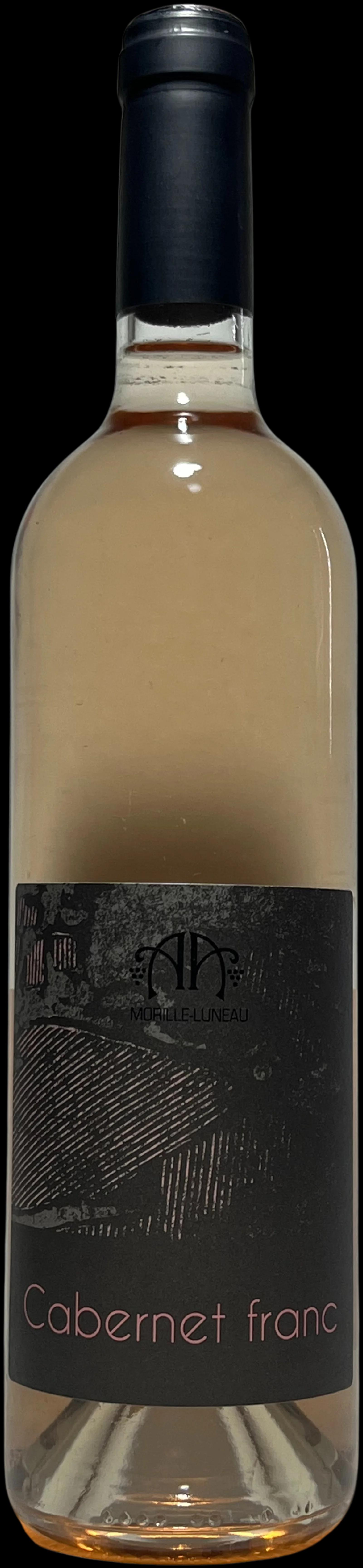
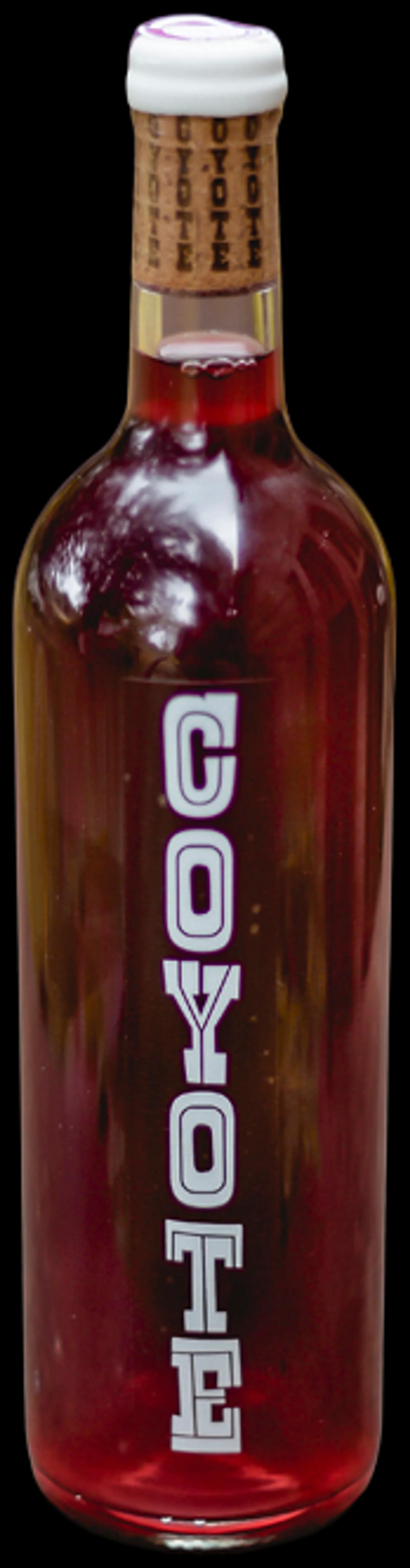
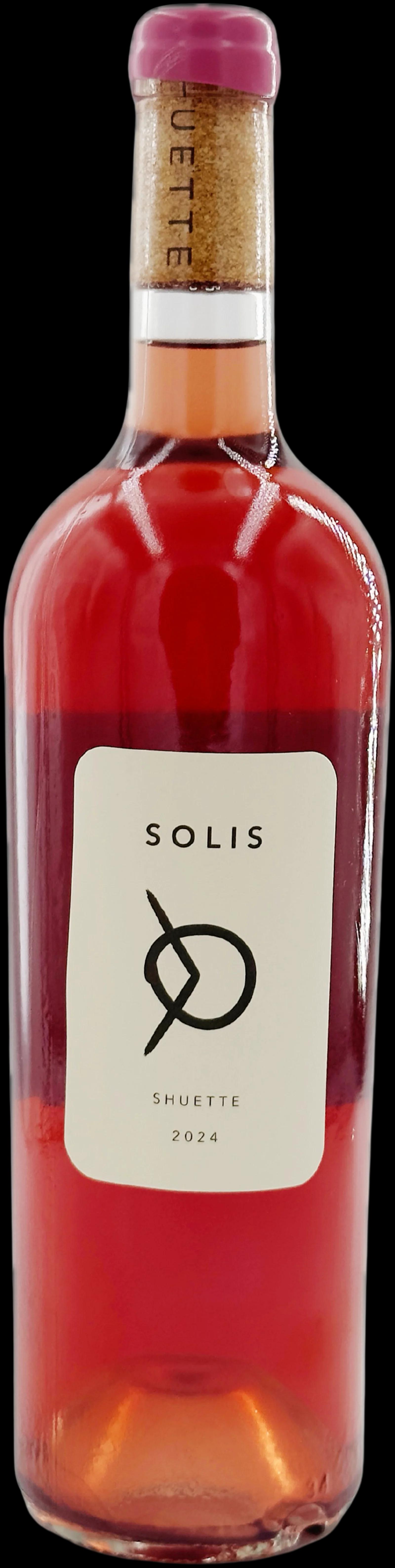
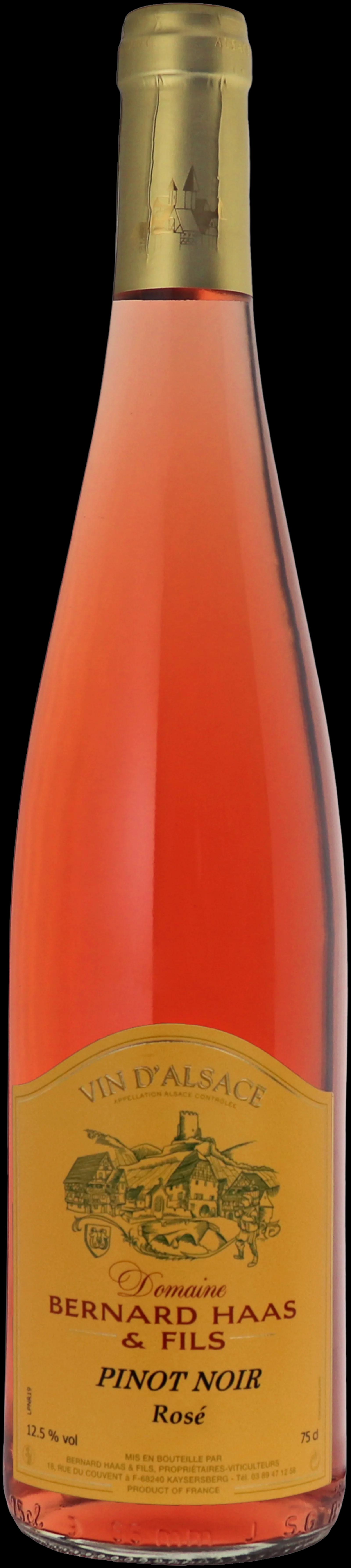
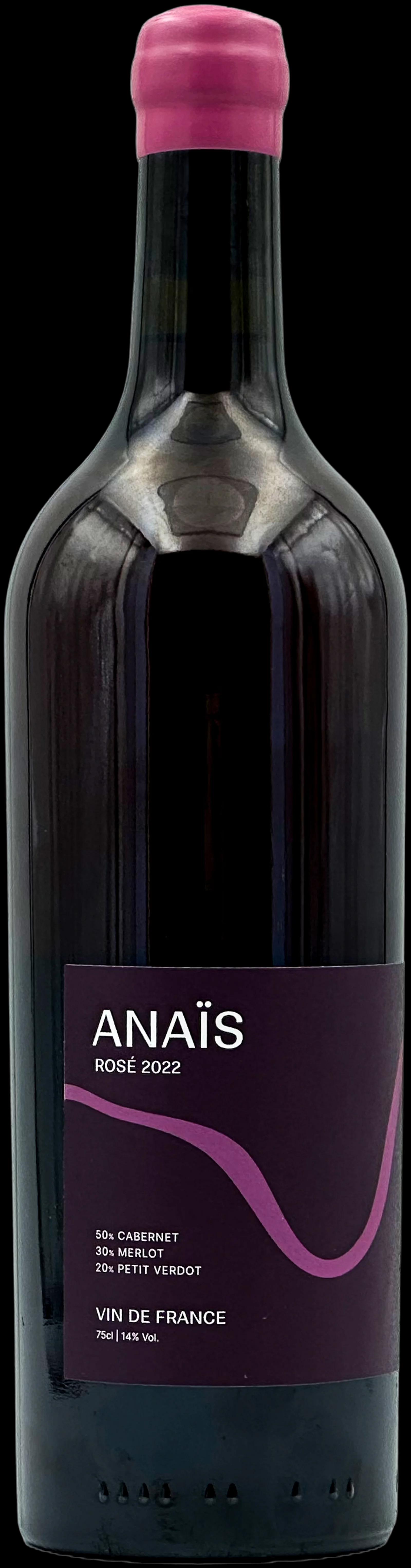
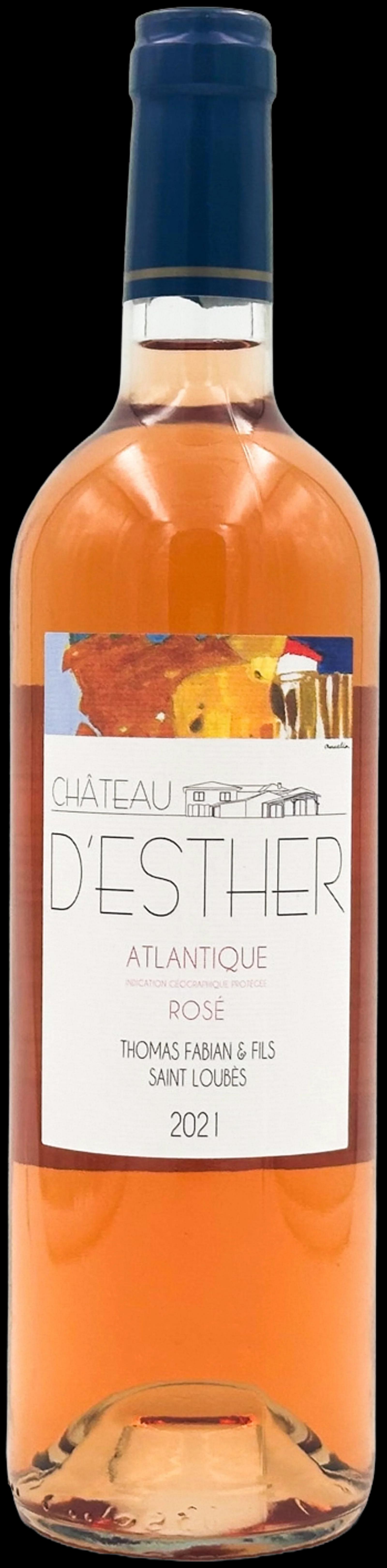
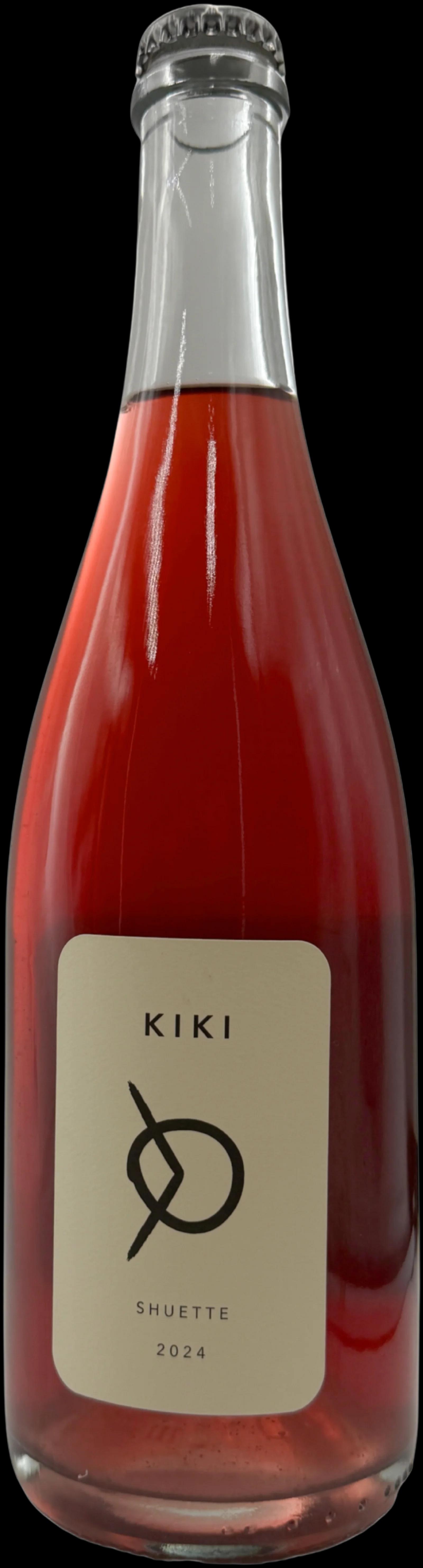
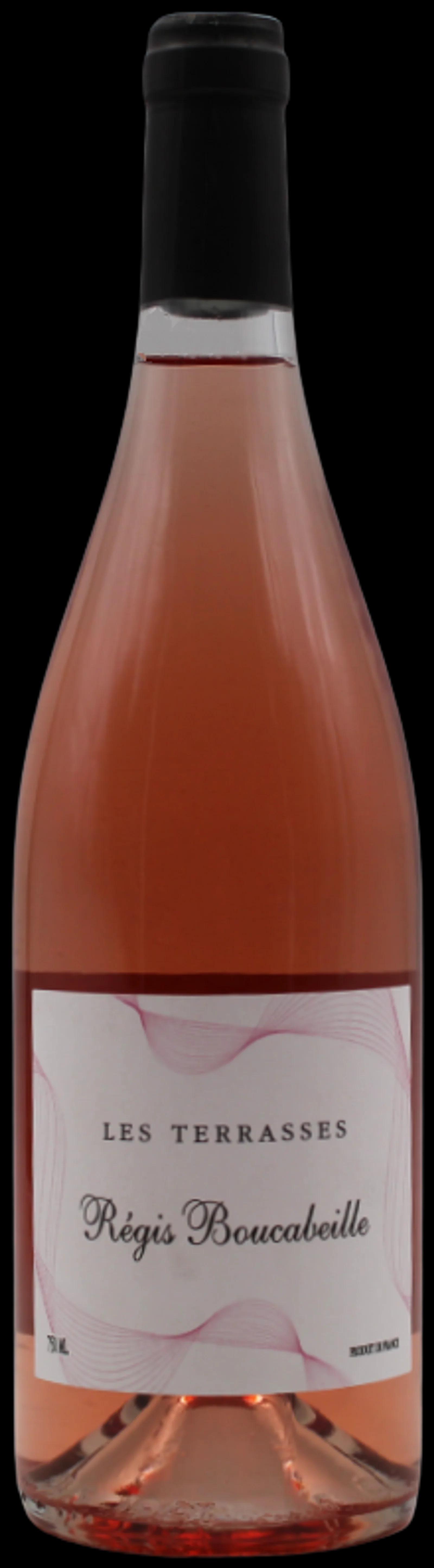
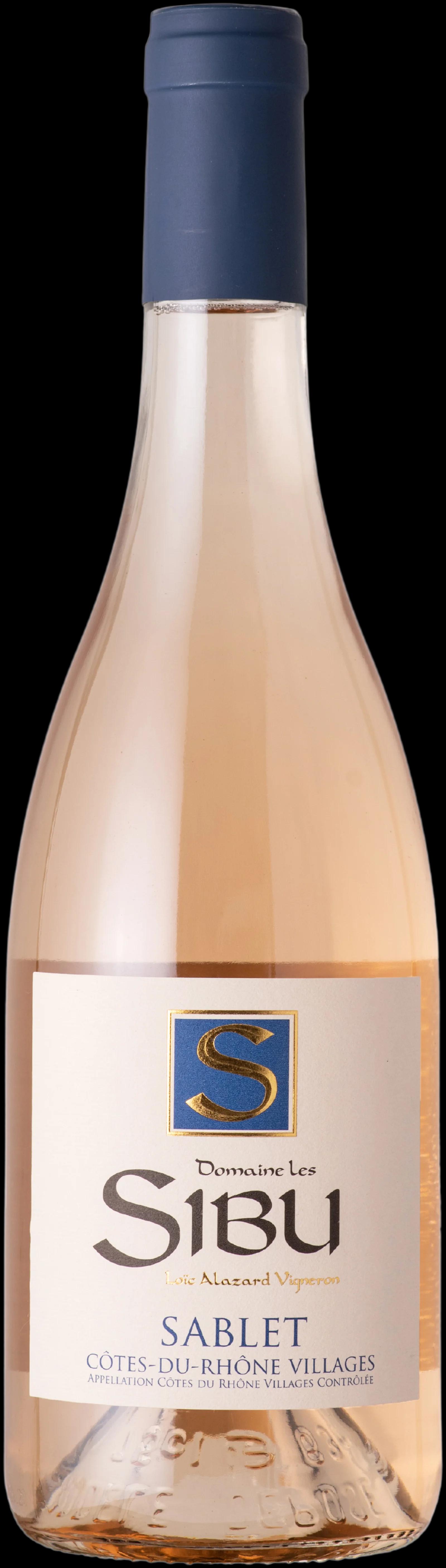
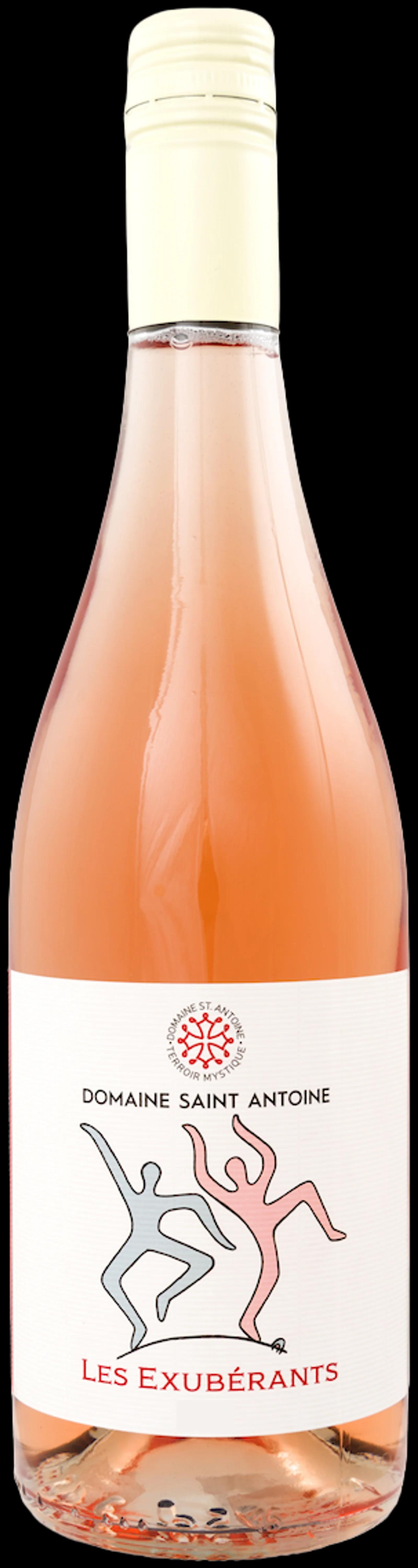
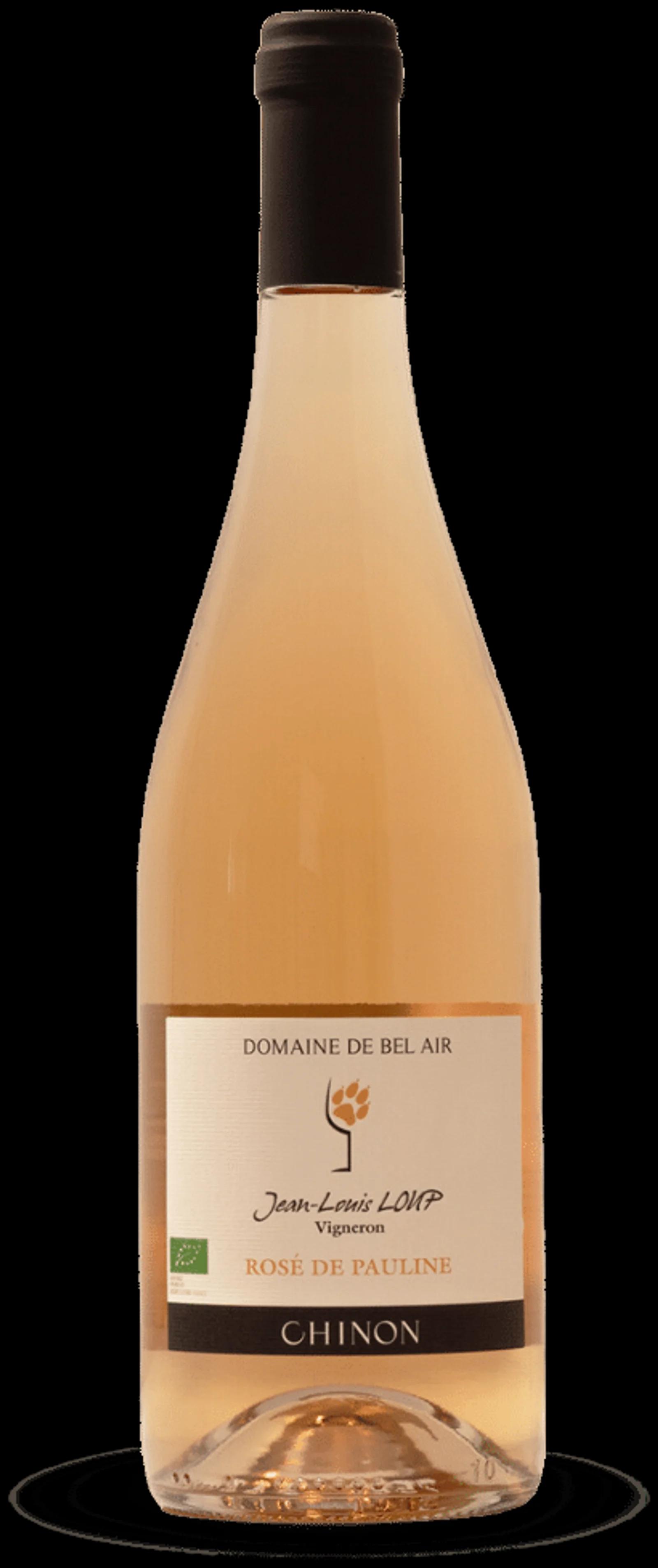
French rosé is not one wine built from one grape. The variety driving the style shifts substantially depending on where in France the wine is made. In Provence, Grenache is the structural backbone of most blends, contributing the pale colour and dry finish that define the appellation's dominant style. Cinsault is typically blended in to soften the texture and lower the alcohol. Syrah adds pigment and spice when included, though it is used in smaller proportions to avoid deepening the colour beyond what Provence producers typically target. In the Loire Valley, Cabernet Franc dominates rosé production, particularly in Saumur and Chinon. The result is structurally different from Provence: higher acid, more grip, more herbaceous character. In Languedoc-Roussillon, Carignan, Grenache, and Syrah appear across a wider range of producer styles, from pale and delicate to deeply coloured and full-bodied. The grape combination on the label is often the clearest indicator of what a French rosé will taste like structurally.
Regional variation in French rosé
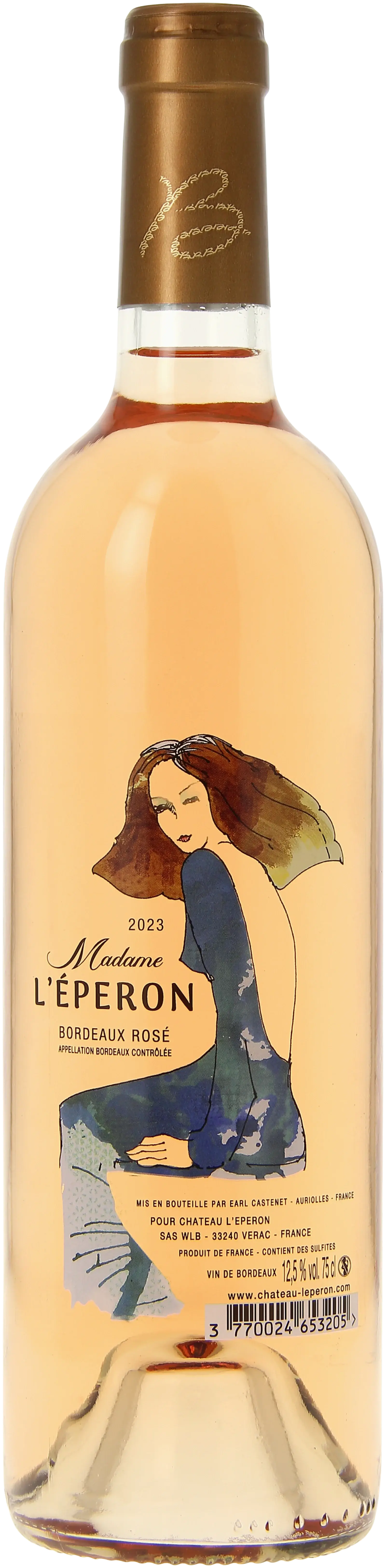
Provence produces around 40% of all French rosé by volume, and its AOC rules require a minimum proportion of Grenache, Cinsault, or Syrah. The pale 'Provençal pink' colour became commercially dominant internationally from the early 2000s onward, driven partly by Côtes de Provence and Bandol appellations. Bandol rosé is a distinct case: Mourvèdre must make up at least 50% of the blend, which produces a wine with more tannin, more extract, and greater aging potential than most Provence rosé. In Languedoc-Roussillon, producers work with more blending freedom. The region has a warmer, drier climate than coastal Provence, which pushes alcohol levels higher and gives rosés a fuller body. The Loire Valley sits at the cooler northern end of French rosé production. Cabernet Franc rosés from Anjou and Touraine carry noticeably higher acidity and a structural weight that distinguishes them from southern French styles. In Bordeaux, rosé production is smaller in volume but draws on Merlot, Cabernet Sauvignon, and Cabernet Franc, producing a style that sits between Loire structure and southern roundness. Each of these regions operates under different appellation constraints, different permitted varieties, and different climatic pressures. A French rosé from the south and a French rosé from the Loire are not the same category of wine dressed in the same colour.
How French rosé is made — and why method matters
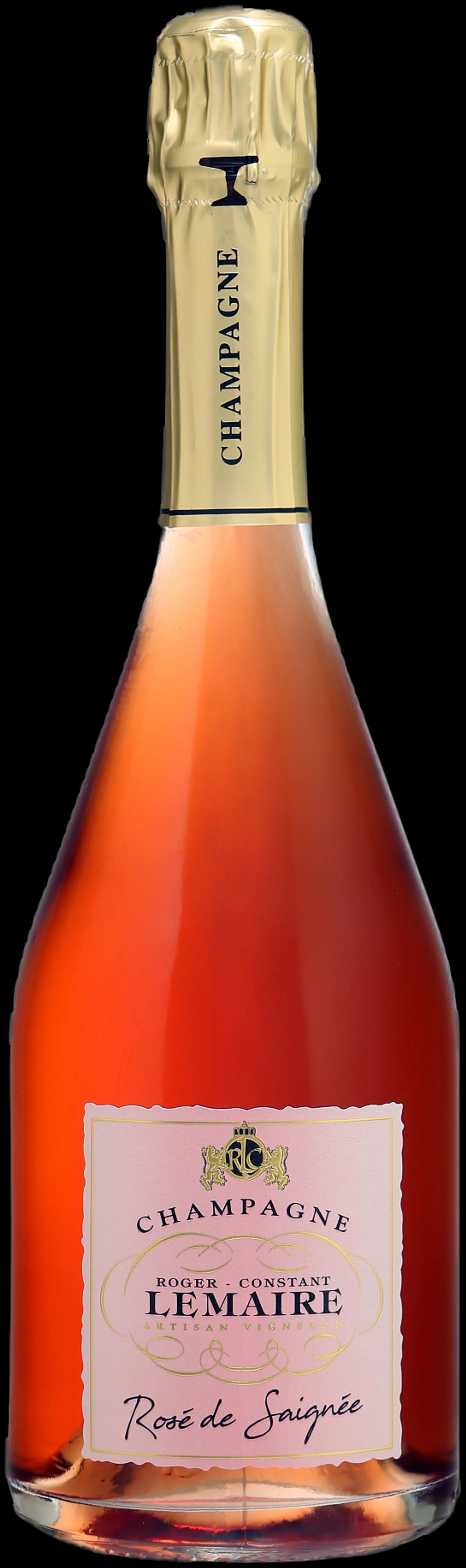
Most French rosé is produced by the direct-press method: red grapes are pressed immediately after harvest with minimal skin contact, typically under two to twelve hours. The short contact time extracts colour without extracting significant tannin. This is the standard method in Provence and accounts for the pale, dry style associated with the appellation. Saignée, or 'bleeding', is a second method where juice is bled off a red wine fermentation early, concentrating the remaining red wine while the extracted pink juice is fermented separately. Saignée rosés tend to have more colour, more extract, and more body than direct-press wines. The method is more common in regions like Languedoc and among producers making both red and rosé from the same harvest. A third, less common approach is short maceration, where skins remain in contact with juice for one to three days before pressing. This sits between direct-press and saignée in terms of colour and structure. Blending white and red wine to produce rosé is permitted in Champagne for the production of rosé Champagne but is explicitly prohibited under AOC rules for still French rosé. The production method is rarely printed on the label, but the colour depth and structural weight of the wine are reliable indicators of which approach the producer used. Producers on Free Grape Society working with French rosé include single-estate operations from Provence, the Loire, and Languedoc-Roussillon. No buyer with quarterly targets. No chain defending shelf space. The producer decides if they want to be here, and what is here.