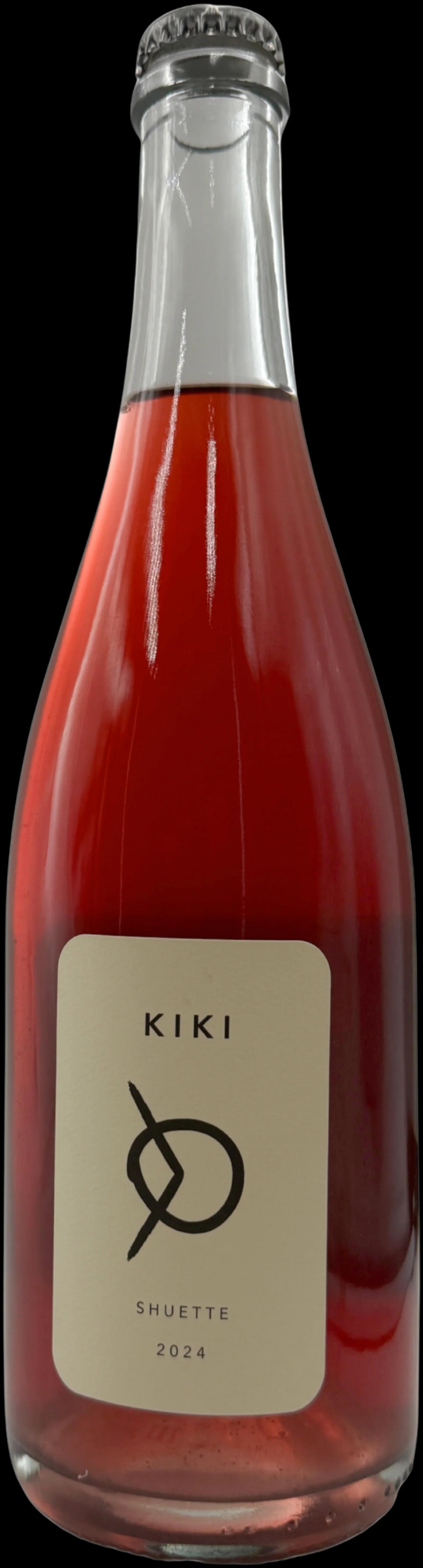
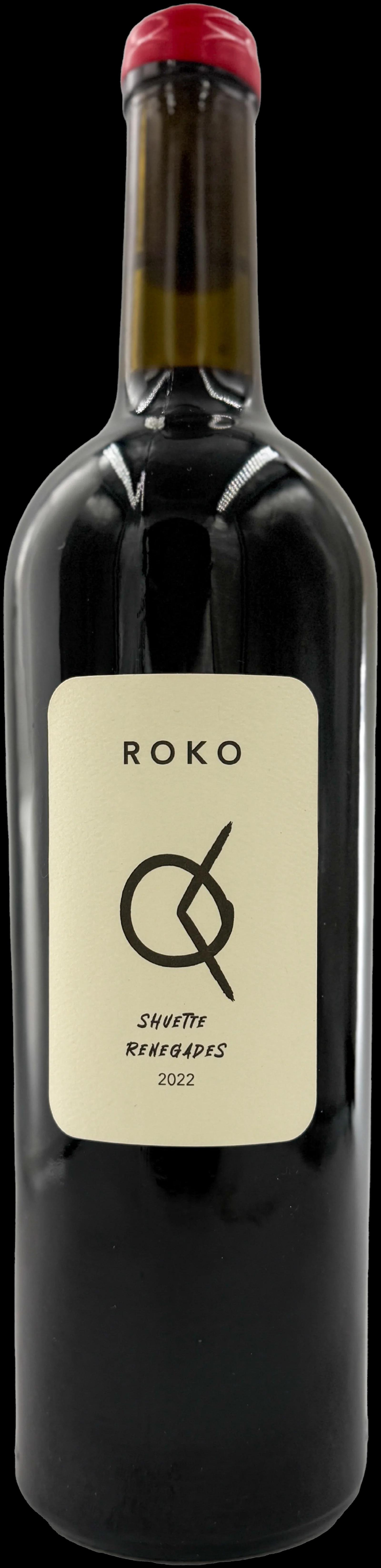
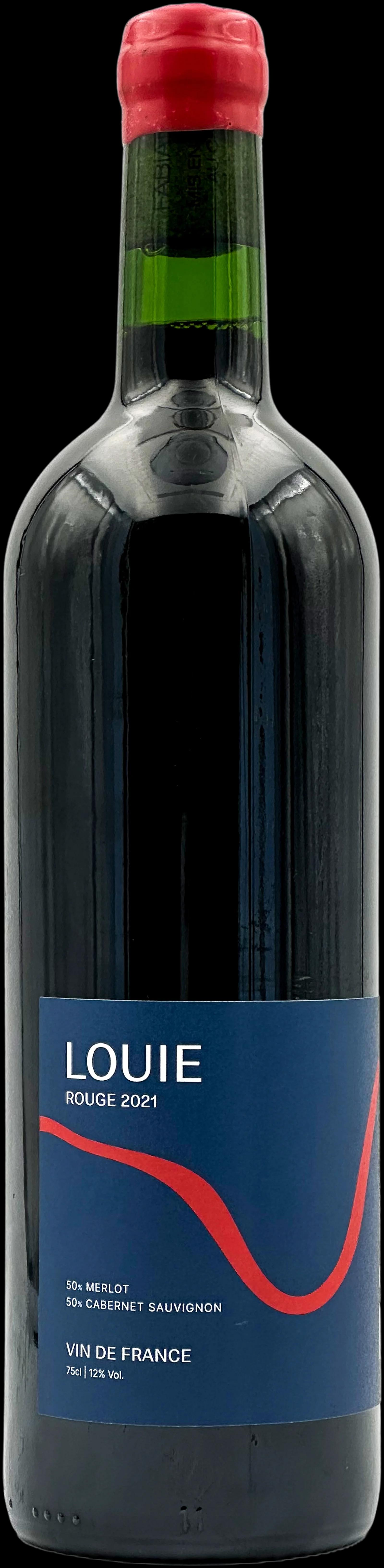
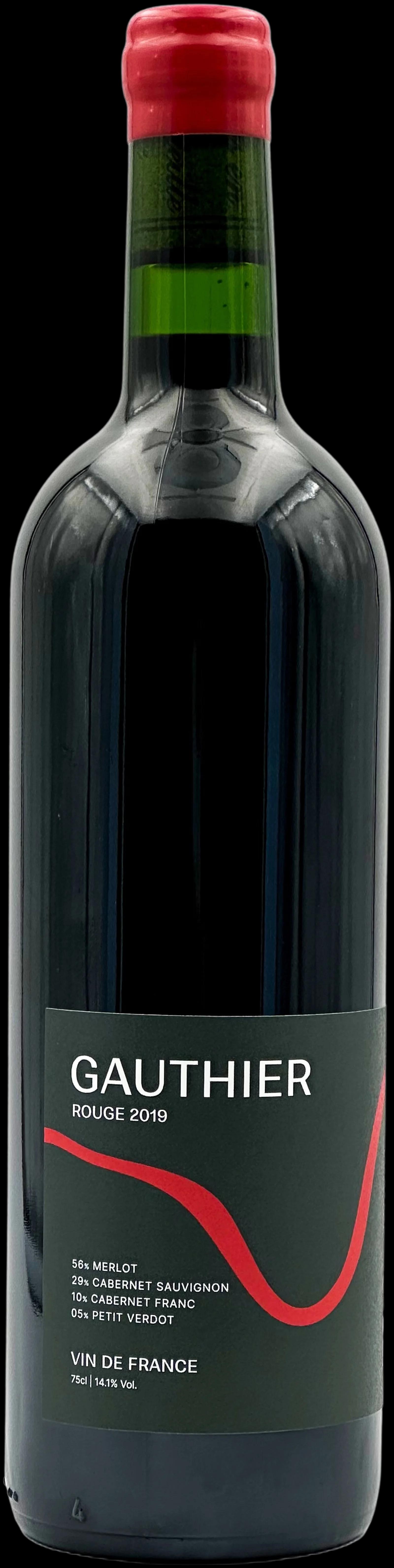
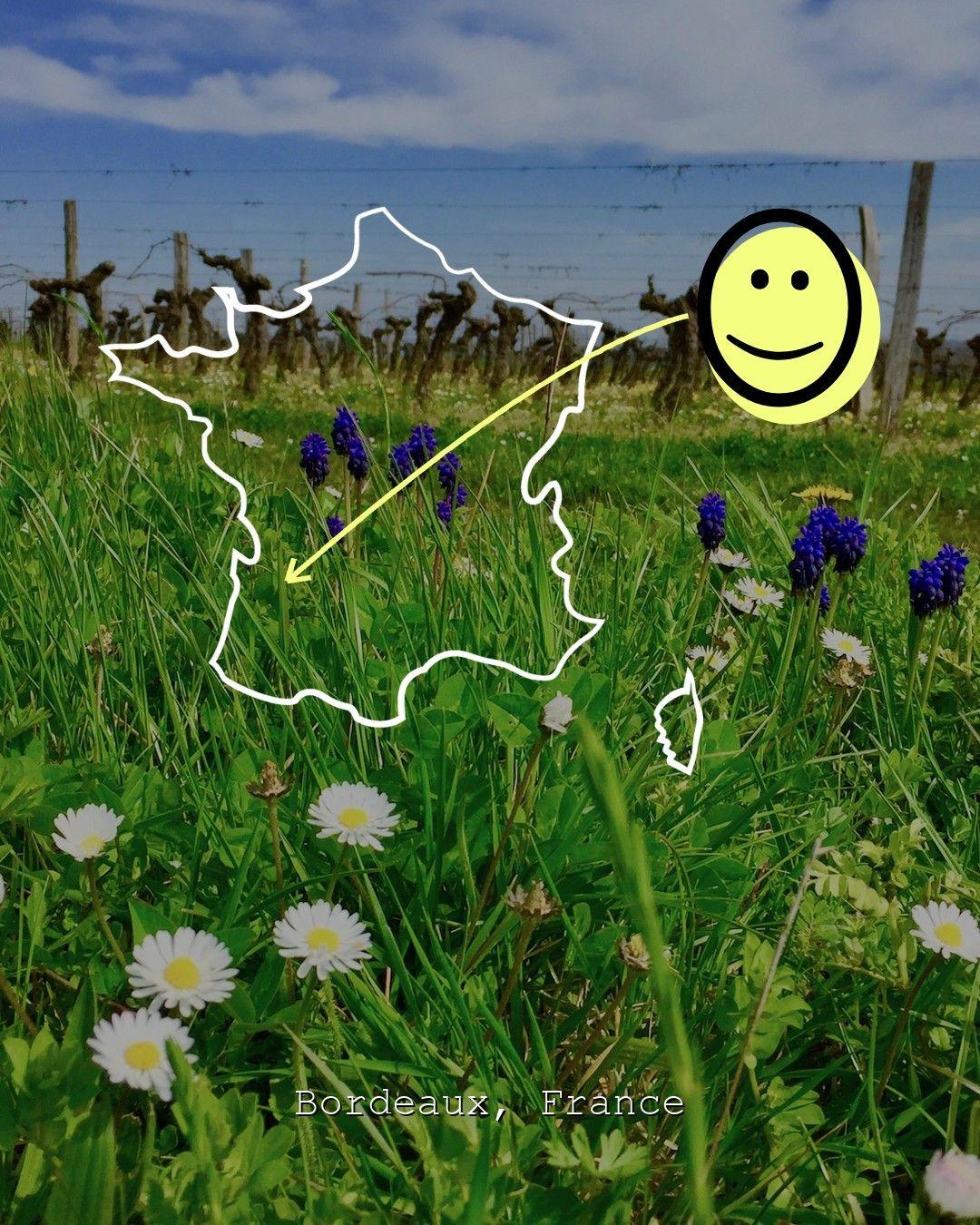
Appellations and grape varieties of Bordeaux
Bordeaux is divided into two broad banks of the Gironde estuary. The Left Bank — covering appellations such as Médoc, Pauillac, and Pessac-Léognan — is dominated by Cabernet Sauvignon, which thrives on the region's well-drained gravel soils. The Right Bank — centred on Saint-Émilion and Pomerol — shifts toward Merlot and Cabernet Franc, varieties better suited to the clay-heavy plateau soils east of the river. Petit Verdot appears in small proportions in many Left Bank blends, adding colour and tannin structure rather than volume. Bordeaux also produces significant dry white wines under the Bordeaux Blanc and Pessac-Léognan appellations, built on Sauvignon Blanc and Sémillon. Sweet wines from Sauternes and Barsac rely on Botrytis cinerea — noble rot — a fungus that concentrates sugars by dehydrating the grape skin. The appellation system here predates the French AOC framework: the 1855 Médoc classification, commissioned for the Paris World's Fair, still organises how most buyers approach the region, even though the vineyards themselves have changed hands and practices many times since.
What independent Bordeaux producers do differently
The dominant narrative around Bordeaux is built on the châteaux classification system and the négociant trade. A négociant buys wine from producers, ages or blends it, then sells it under their own label. That model is efficient for volume — and it removes the producer from the conversation entirely. Independent estates that sell direct keep the entire story in their own hands: the viticulture decisions, the winemaking choices, the pricing. Many of the smaller appellations — Entre-Deux-Mers, Fronsac, Blaye Côtes de Bordeaux — have historically received less international attention than Pauillac or Saint-Émilion, which has kept land prices lower and made small-scale independent work more viable. Producers here often work the same vineyards their grandparents planted. Climate change has measurably altered the region's growing season: average harvest dates in Bordeaux have moved forward by roughly two to three weeks compared to the 1980s, affecting the balance between alcohol, acidity, and phenolic ripeness. Some producers have responded by returning to earlier-ripening clonal selections or adjusting canopy management. You will find those producers listed on Free Grape Society's Bordeaux winery page. Bottles ship directly from the producer's cellar. Not from a warehouse in the Netherlands.
How producers list wines on Free Grape Society
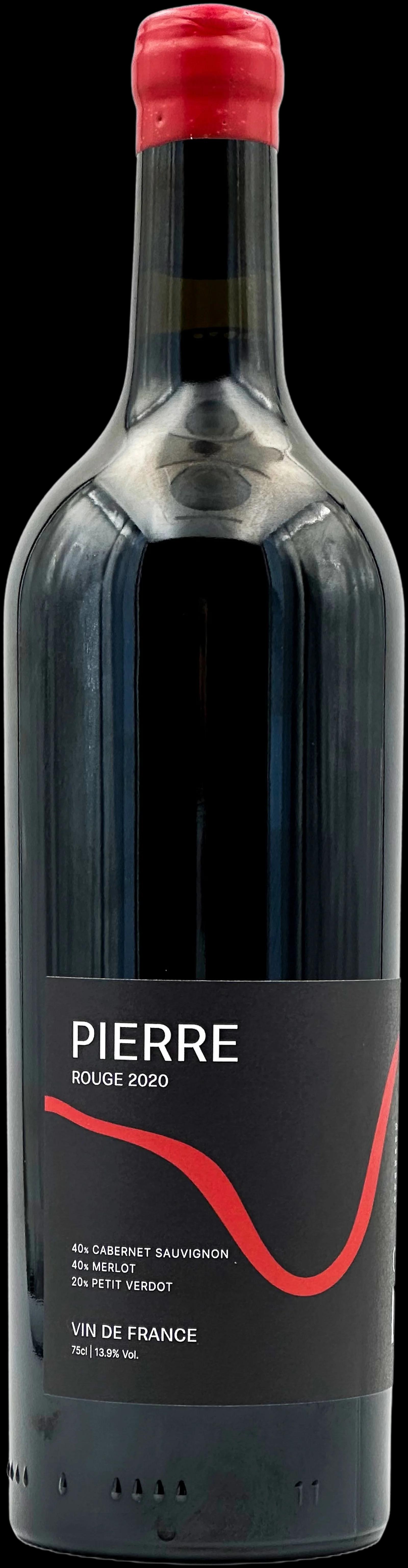
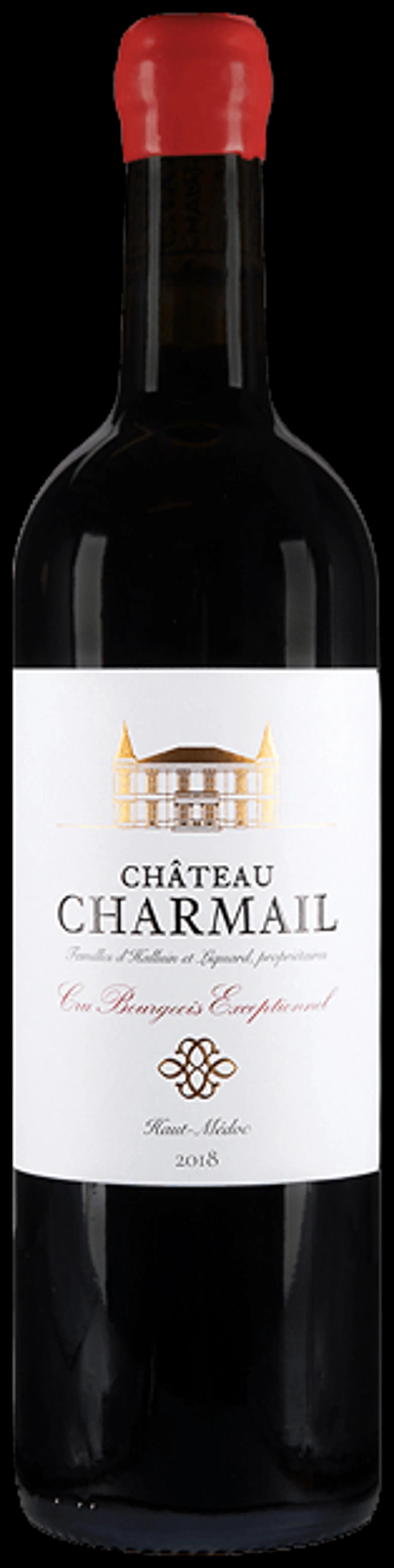
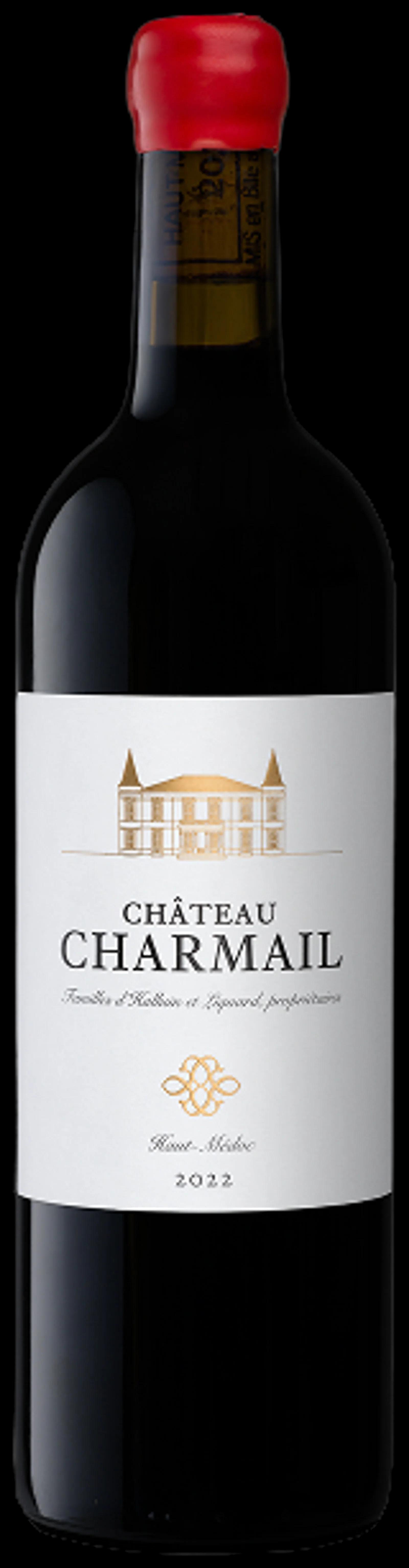
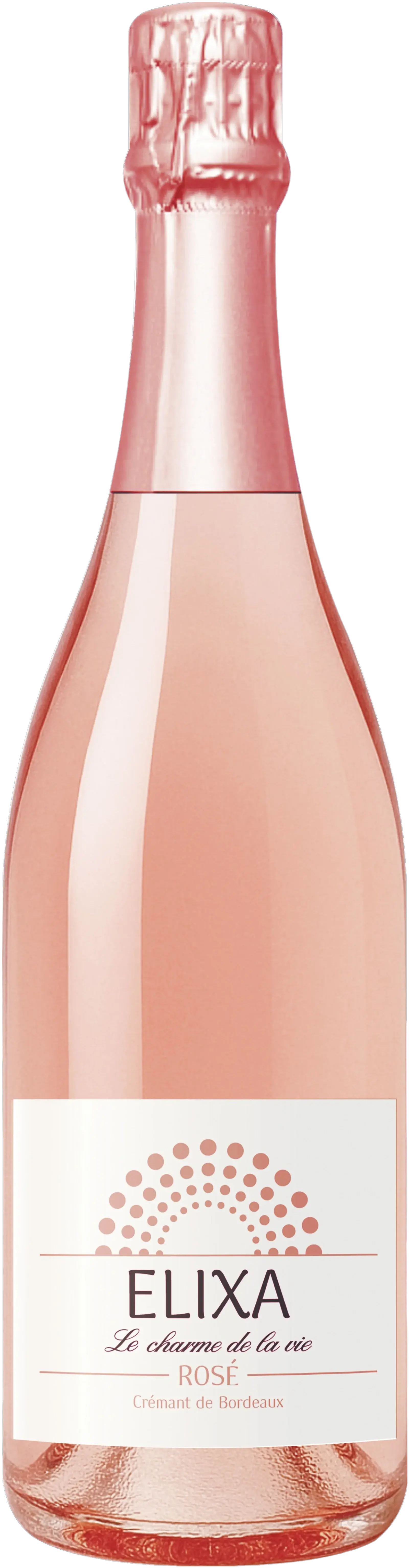
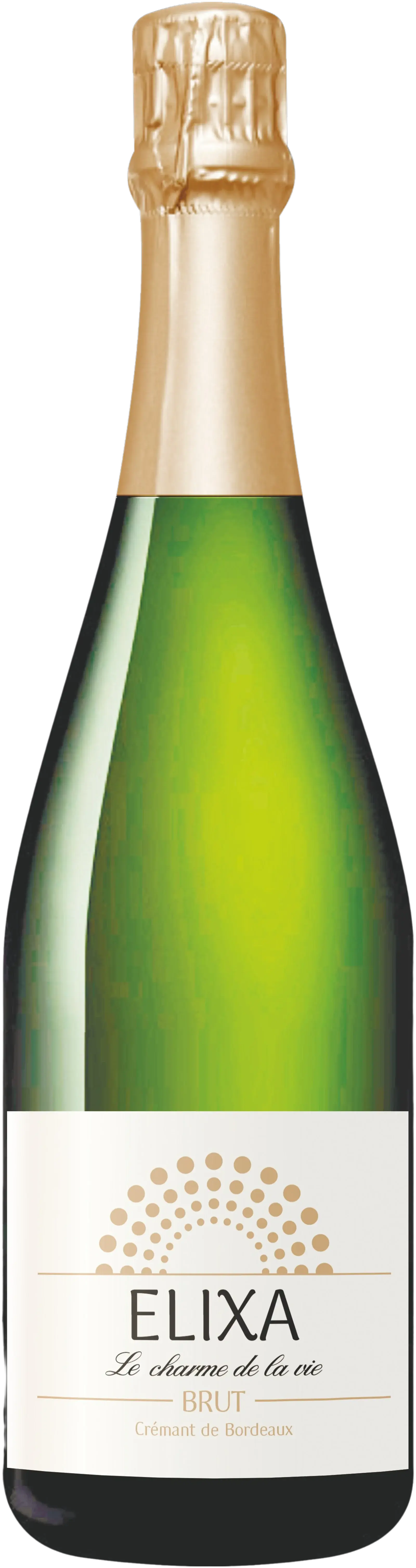
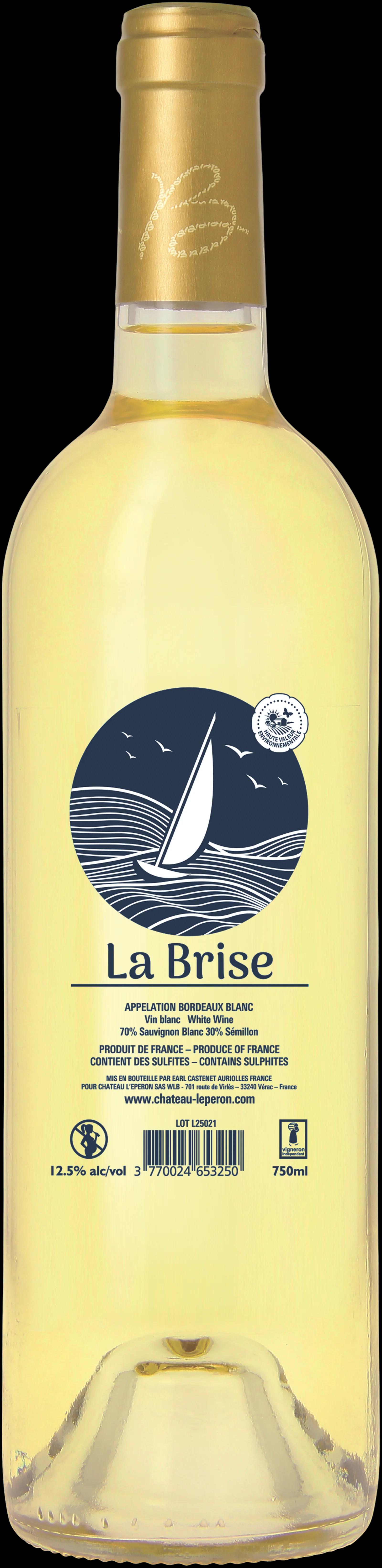
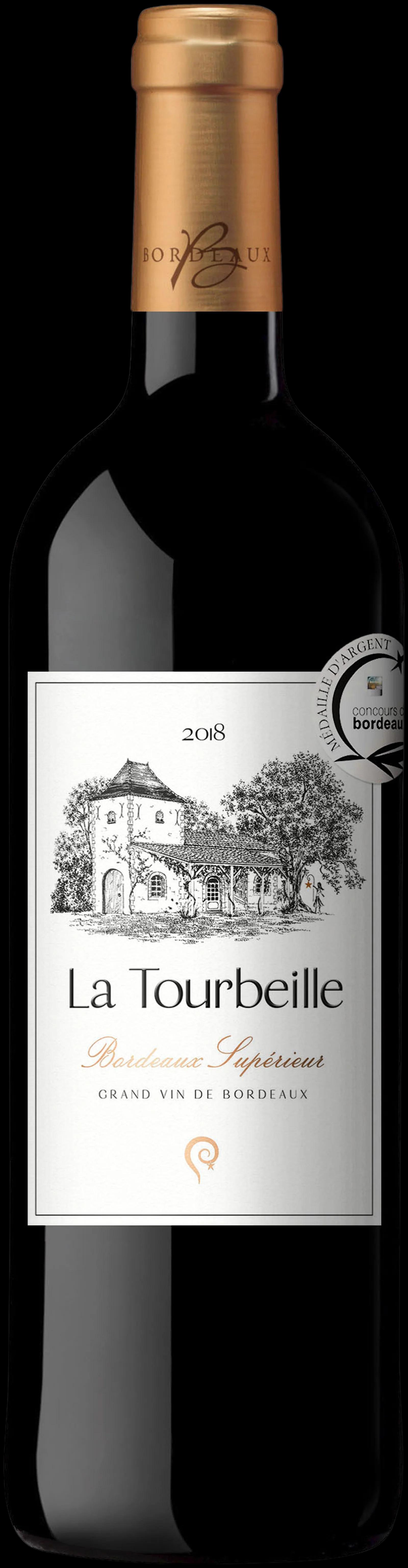
Every wine from Bordeaux — and from France more broadly — goes through the same listing process before appearing on the platform. Producers send samples to our Head of Product, who tastes every wine before it goes live. Independent wine experts then Rate and Review individual wines on the platform; those reviews are visible on the wine page and on each expert's own profile. Experts review wines they have personally tasted. They do not select which wines are listed. That distinction matters: the catalogue is not filtered through a single editorial point of view. It reflects what independent producers chose to put forward, priced at terms they set themselves. If you want to try several Bordeaux producers before committing to a full case, the Bordeaux mixbox section lets you order directly from a single producer's own composed selection — six bottles, chosen by the producer as their own recommendation.




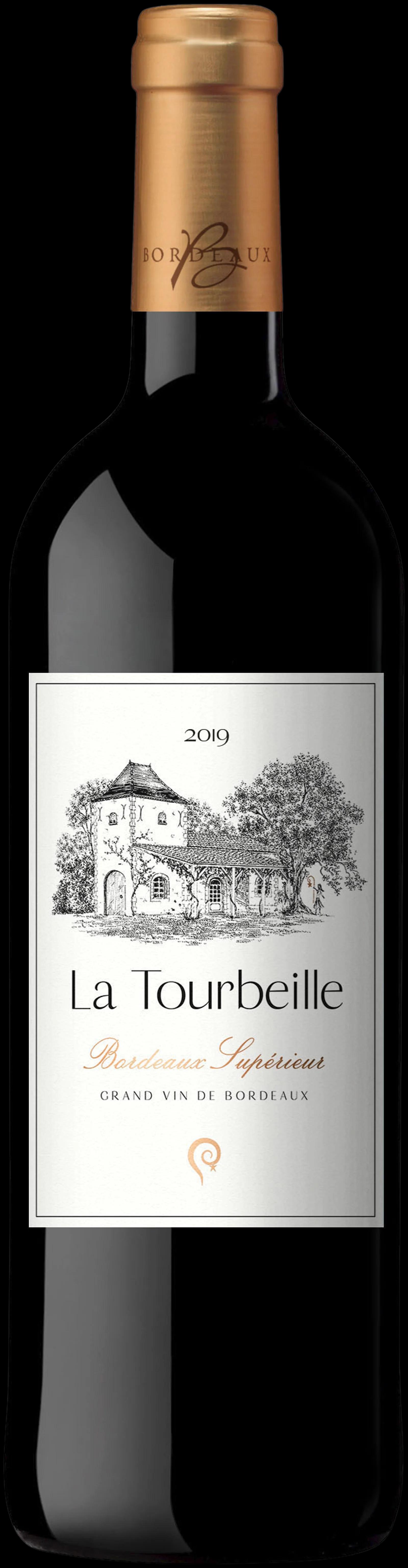
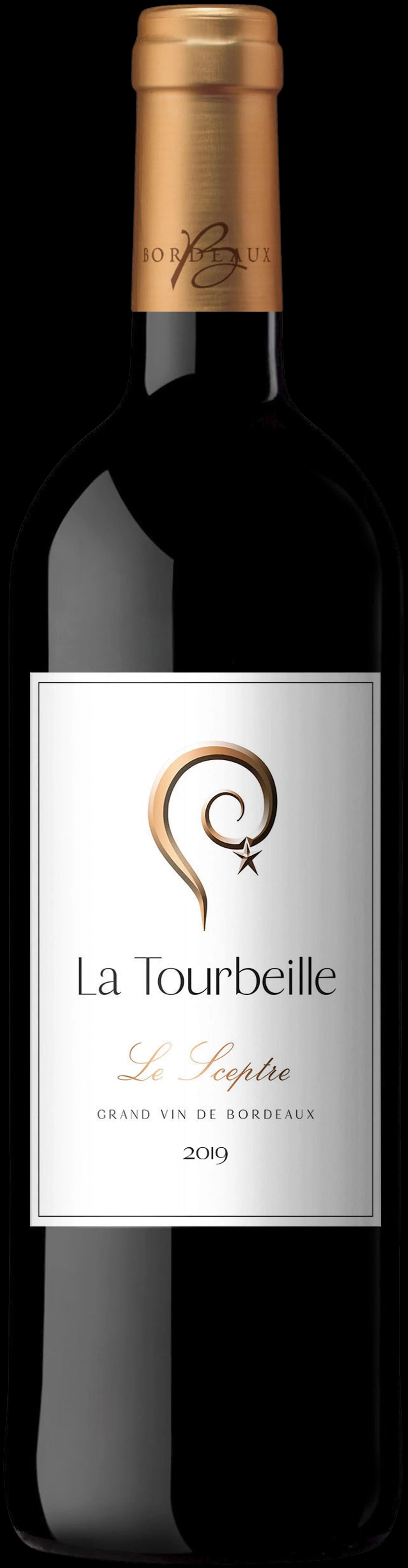
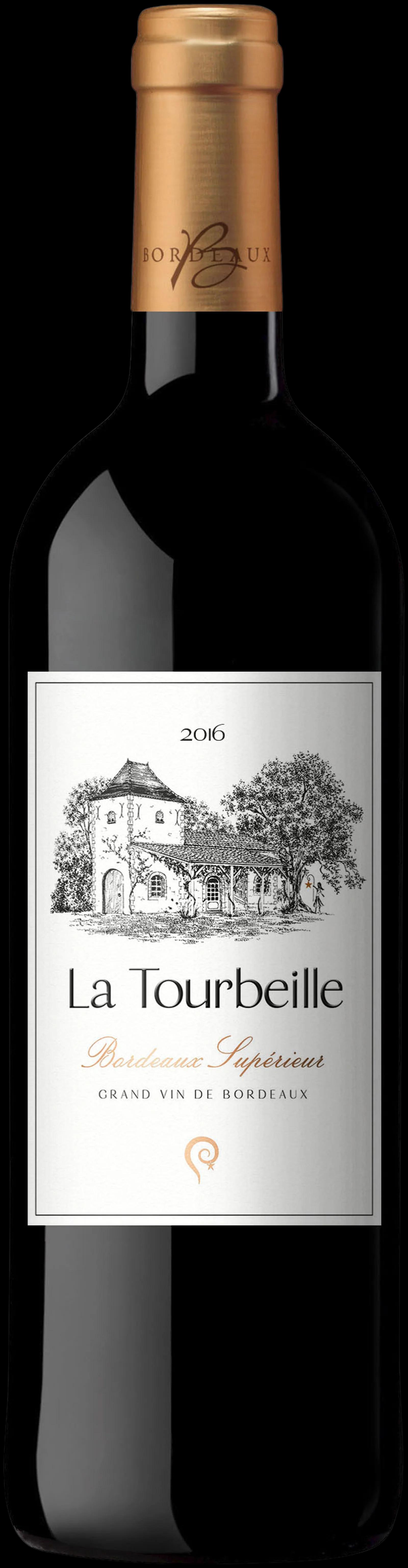

 Wine case