


Champagne and sparkling wine for New Year: six-bottle wine cases from the producer

Champagne, crémant and franciacorta go through a second fermentation in the bottle, which gives fine bubbles, and ageing on the lees adds notes of bread and nuts. Prosecco ferments in a tank and is fruitier and lighter. Serve sparkling wine at 6–8 °C. You always order six bottles from the same winery, either six of one wine or a mixed case.

Want the wine for New Year? Order by 15 December. The wine ships directly from the winery, so delivery times can vary a little depending on the winery and transport.

Wine colour

Country

Region

Price

Sort by

New Year

Six-bottle wine cases for New Year

Each case holds six bottles from one winery, and every case has a description of the winery and the wines. The case is always delivered to you, also when it is a gift, so you can bring it with you when you visit.

Wine cases for New Year from our wine experts

Wine expert

Anna Henningsson, Sommelierskan

New Year à la Sommelierskan

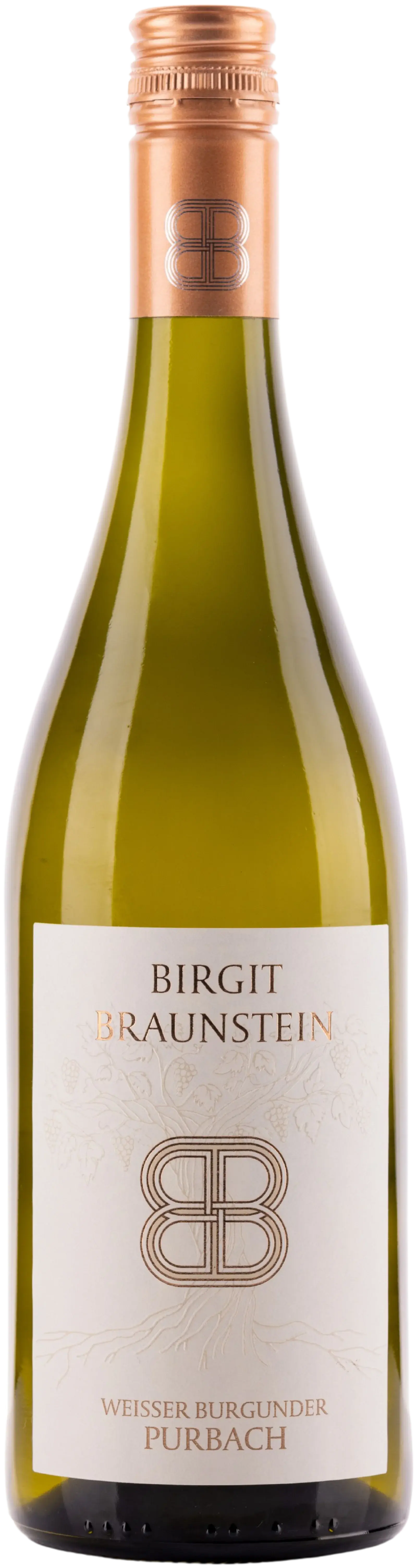
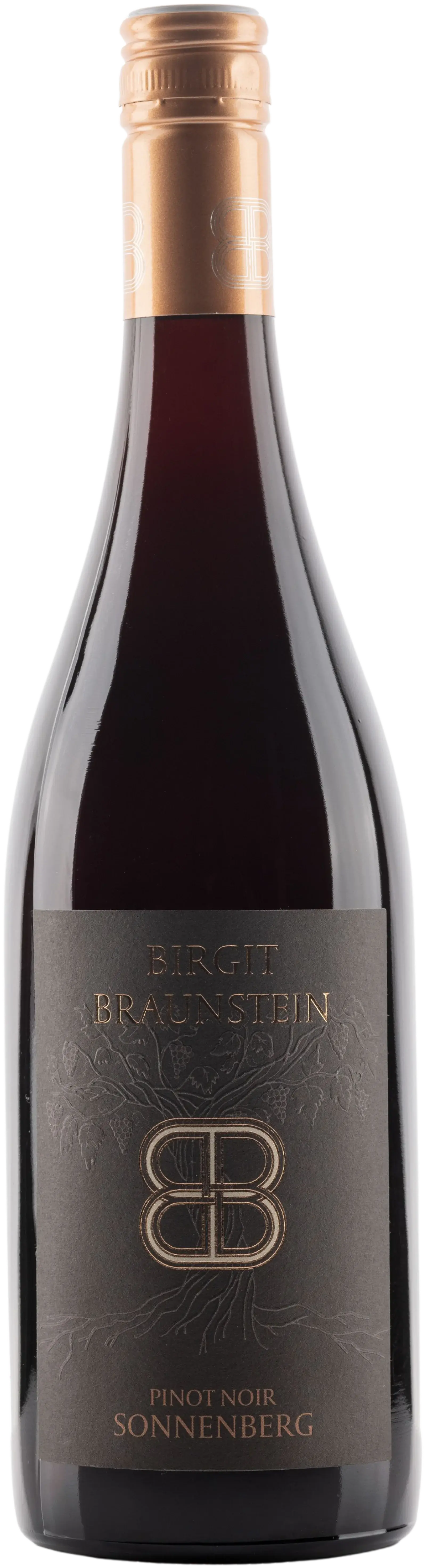
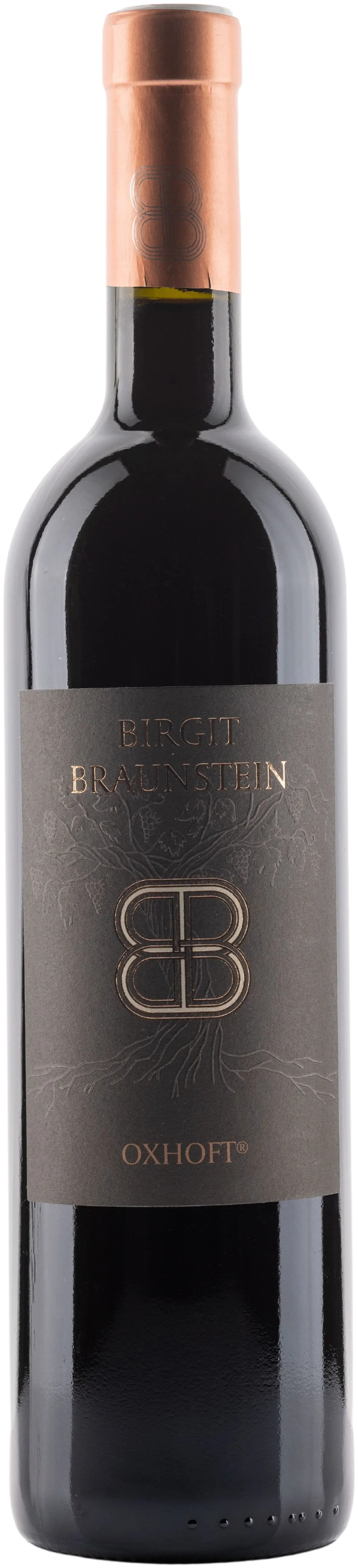
New Year à la Sommelierskan, put together by wine expert Anna Henningsson, Sommelierskan. Birgit Braunstein works biodynamically at Leithaberg in Burgenland, Austria, and her wines are the ones I choose for my New Year's menu. Weissburgunder Purbach is fresh and mineral and goes with shellfish, if the evening starts with them. Pinot Noir Sonnenberg is an elegant, lighter red, for example with duck breast. Oxhoft is one of my favourite reds, a blend of merlot, zweigelt, cabernet sauvignon and blaufränkisch. A wine to enjoy with heartier meat dishes. The box holds two bottles of each wine.

More about Anna

Wine expert

Charlotta Ankarcrona

New Year in the Rhône Valley

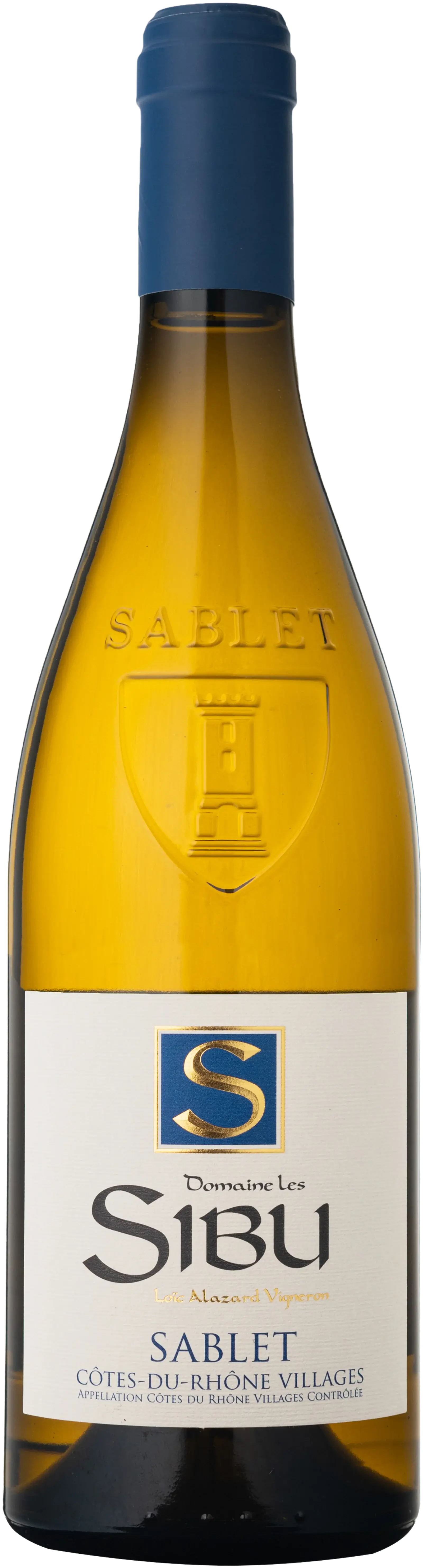
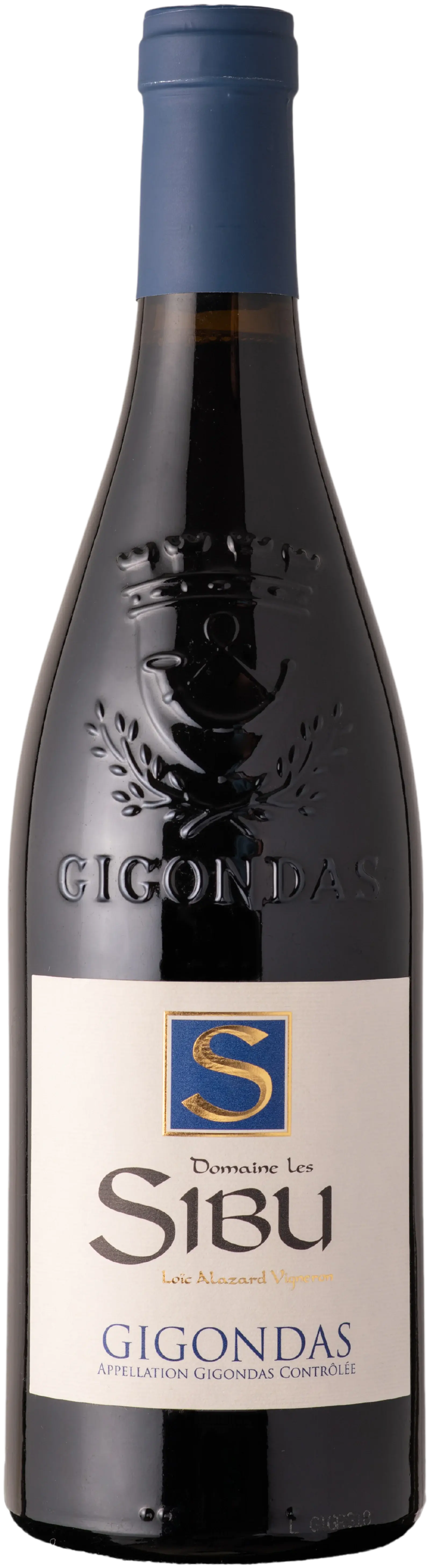
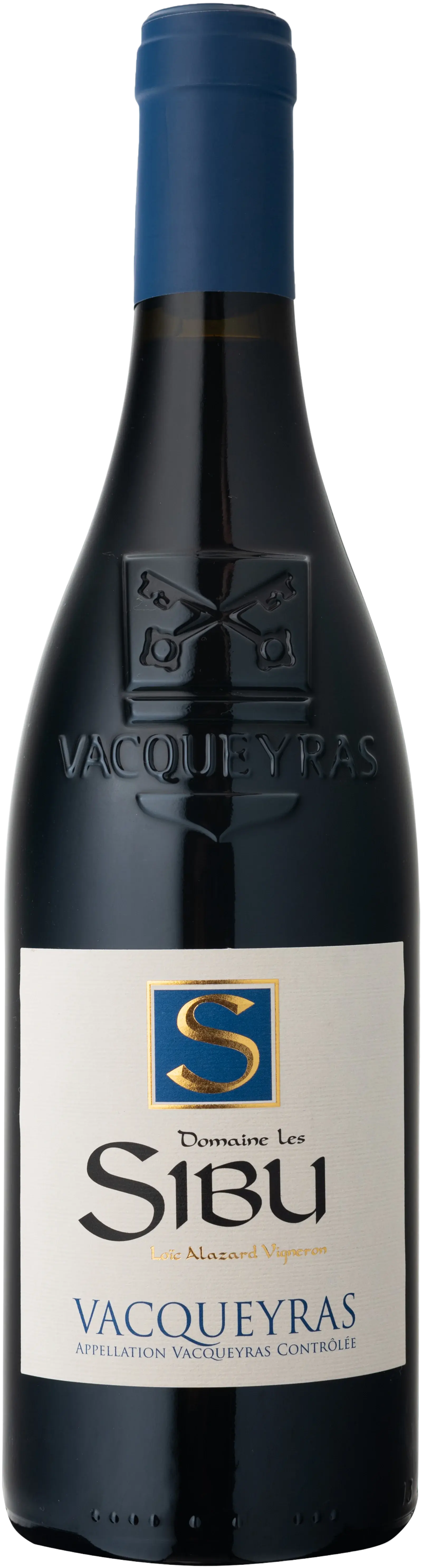
New Year in the Rhône Valley, put together by wine expert Charlotta Ankarcrona. Three powerful wines from Domaine les Sibu in the Rhône Valley that stand up to a rich New Year's menu. Sablet white is a full-bodied, aromatic white with high acidity, made from clairette and grenache blanc. It balances richer dishes of fish, shellfish or poultry with butter sauces or creamy gratins, for example lobster gratin or sole in butter. Take the bottle out of the fridge a while before serving so the aromas come through. Gigondas is a full-bodied, flavourful red made from grenache and mourvèdre, for heartier meat and game dishes. Vacqueyras is a full-bodied, aromatic red made from grenache and syrah. Ideally, decant it for an hour before serving. Both reds suit a whole roasted beef fillet with potato gratin. Vacqueyras also ages well, so a bottle can be kept in the cellar until next New Year's Eve. The box holds two bottles of each wine.

More about Charlotta

Wine expert

Martin Åkesson

An Italian New Year's menu

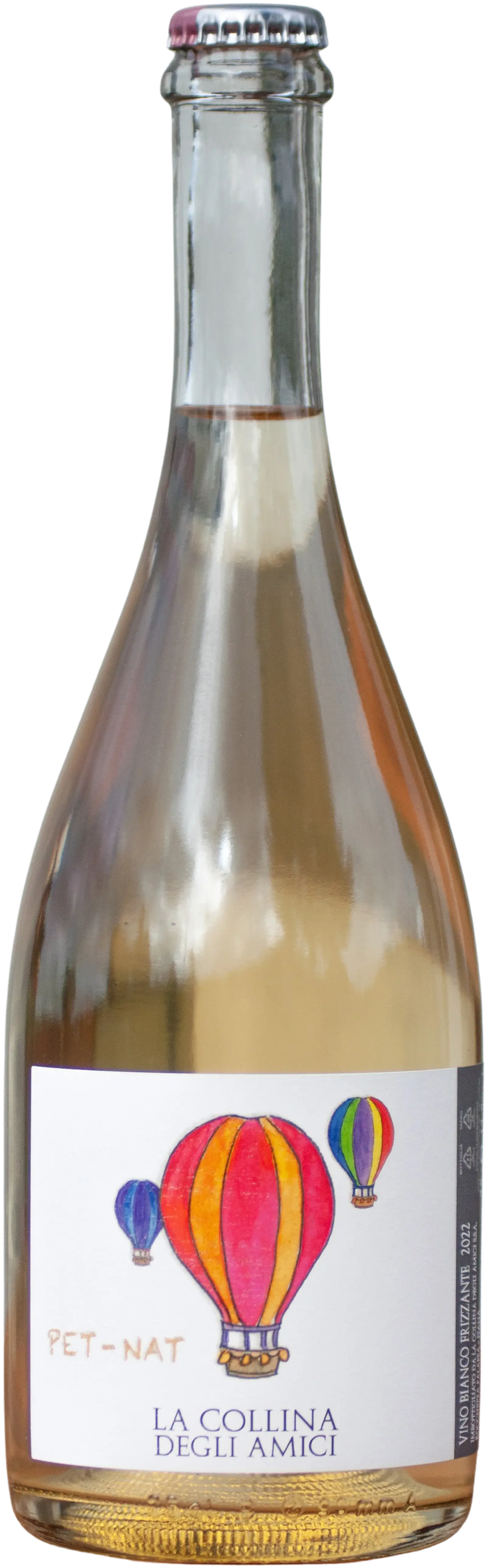
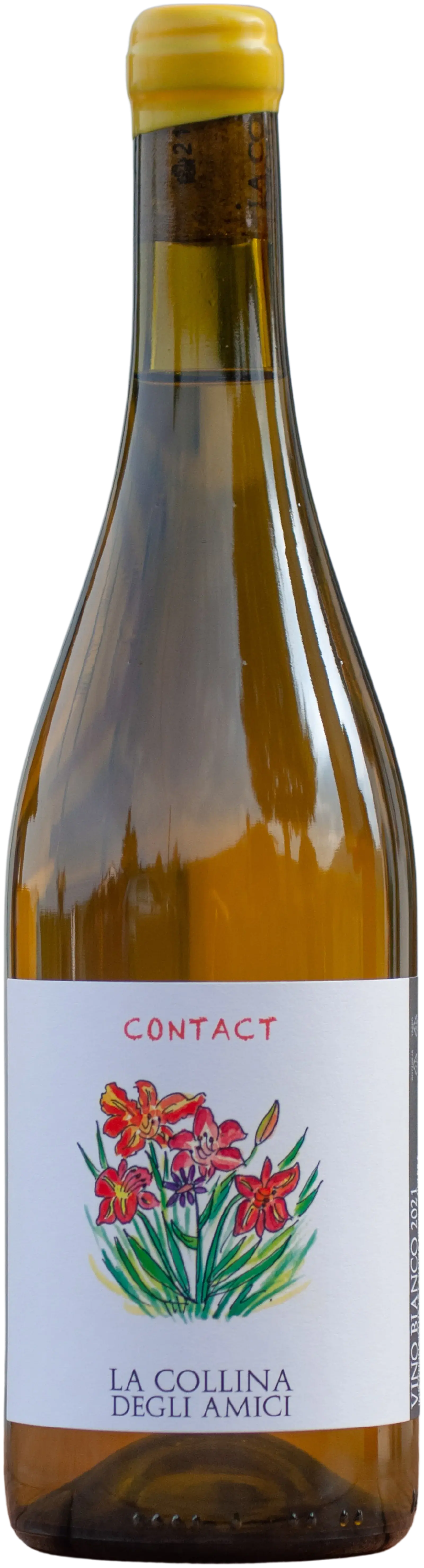
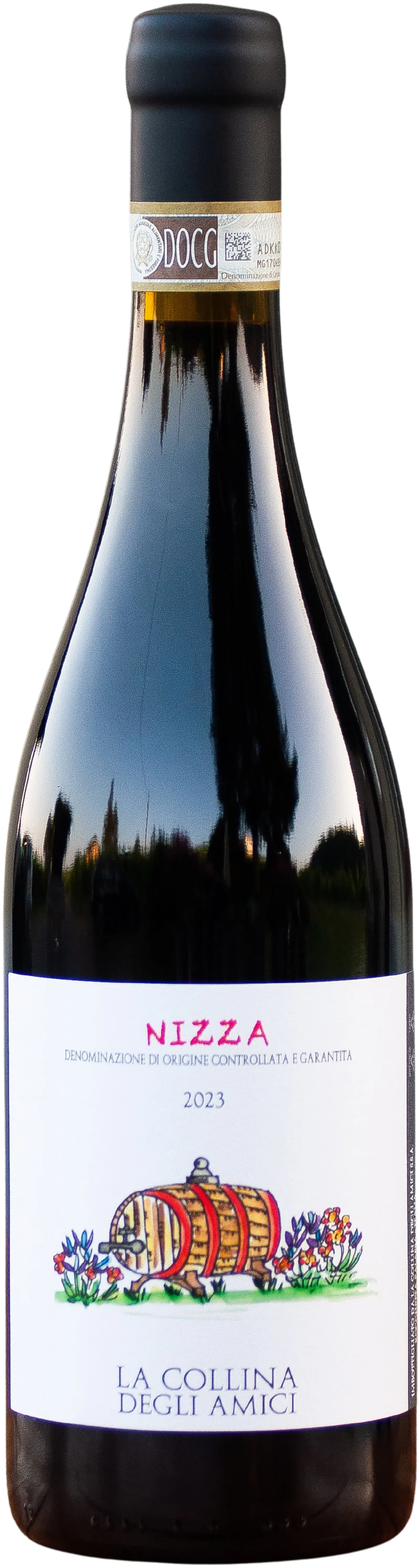
An Italian New Year's menu, put together by wine expert Martin Åkesson. Three wines from the same estate in Piemonte, La Collina degli Amici, that follow the menu from starter to main course. Pet-Nat Bianco as an aperitif or with oysters, a festive complement to champagne with a fruitier and more floral character. Contact with the lobster, a flavourful orange wine made from moscato that suits shellfish with a natural sweetness to the meat. Nizza DOCG with the beef fillet, a full-bodied barbera with fresh acidity and soft tannins. Serve the pet-nat at 8–10 °C, Contact at 10–12 and the Nizza at about 16 °C, ideally after some time in a decanter. The box holds two bottles of each wine.

More about Martin

Help choosing

Our wine experts give personal wine advice based on the food, the occasion or the person you are buying a gift for.

View all wine experts

Frequently asked questions

Champagne, crémant, cava or prosecco: what is the difference?

Champagne comes from Champagne in France, crémant from other French regions and Luxembourg, and cava from Spain, mainly Catalonia. All three go through a second fermentation in the bottle, which gives fine bubbles and bready notes. Prosecco from Veneto and Friuli ferments in a tank and is fruitier and lighter. Which one suits you depends on the food and on your taste.

What happens if a bottle arrives broken or doesn't taste right?

Send a photo to Free Grape Society customer support within 7 days of delivery. We will arrange a replacement or a refund. Because producers ship directly, quality issues are handled with the producer's direct involvement. Shared responsibility is built into how FGS works.

How much sparkling wine do you need per person?

A 75 cl bottle gives about six 12 cl glasses. If one glass is served per person, one bottle is enough for six people. Count how many glasses will actually be served, and have something alcohol-free to offer as well.

How long does delivery take?

Average delivery is 8 to 9 days from order to door. The full range is 4 to 14 days depending on the producer's location and your delivery address. Wines ship directly from the producer's cellar, not from a central warehouse.

What temperature should champagne be served at?

Most sparkling wines are served at 6–8 °C. Vintage champagne and older wines can be served at 8–10 °C, so that the aromas come through. Put the bottle in the fridge a few hours ahead, or in a bucket of ice and water for 20–30 minutes. Avoid the freezer.

What do brut, extra brut and zero dosage mean?

They state how much sugar the finished wine contains. Brut has under 12 grams per litre, extra brut at most 6 grams and zero dosage (brut nature) under 3 grams, with no added sugar. The lower the sugar, the drier and crisper the wine tastes.

What is franciacorta?

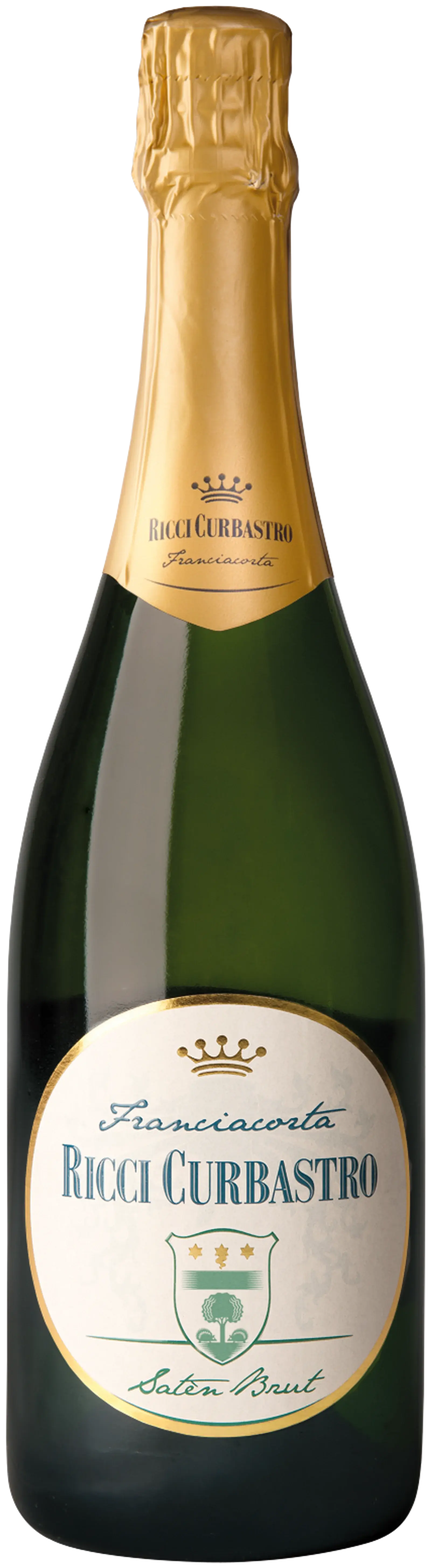
Sparkling wine from Lombardy in northern Italy, made the same way as champagne, with a second fermentation in the bottle. It is made mainly from chardonnay and pinot noir. Satèn is a softer style with lower pressure, made from white grapes.

Which food goes with sparkling wine?

Dry sparkling wine with high acidity goes with shellfish, fish, fried food and salty snacks. With red meat, a rosé champagne or a red wine works better. Sweet desserts need a wine that is at least as sweet as the dessert.

When do I need to order to get the wine for New Year?

By 15 December. Most deliveries then arrive in time for New Year. Because the wine ships directly from the winery, the time can vary a little between wineries and carriers.

Champagne, crémant, cava or prosecco?

Champagne comes from Champagne in France. Crémant is made the same way in other French regions, such as Alsace, and in Luxembourg. Cava is made the same way in Spain, and franciacorta in Lombardy. All four go through a second fermentation in the bottle. Prosecco ferments in a tank and is fruitier. See all sparkling wines.

Our champagne producers

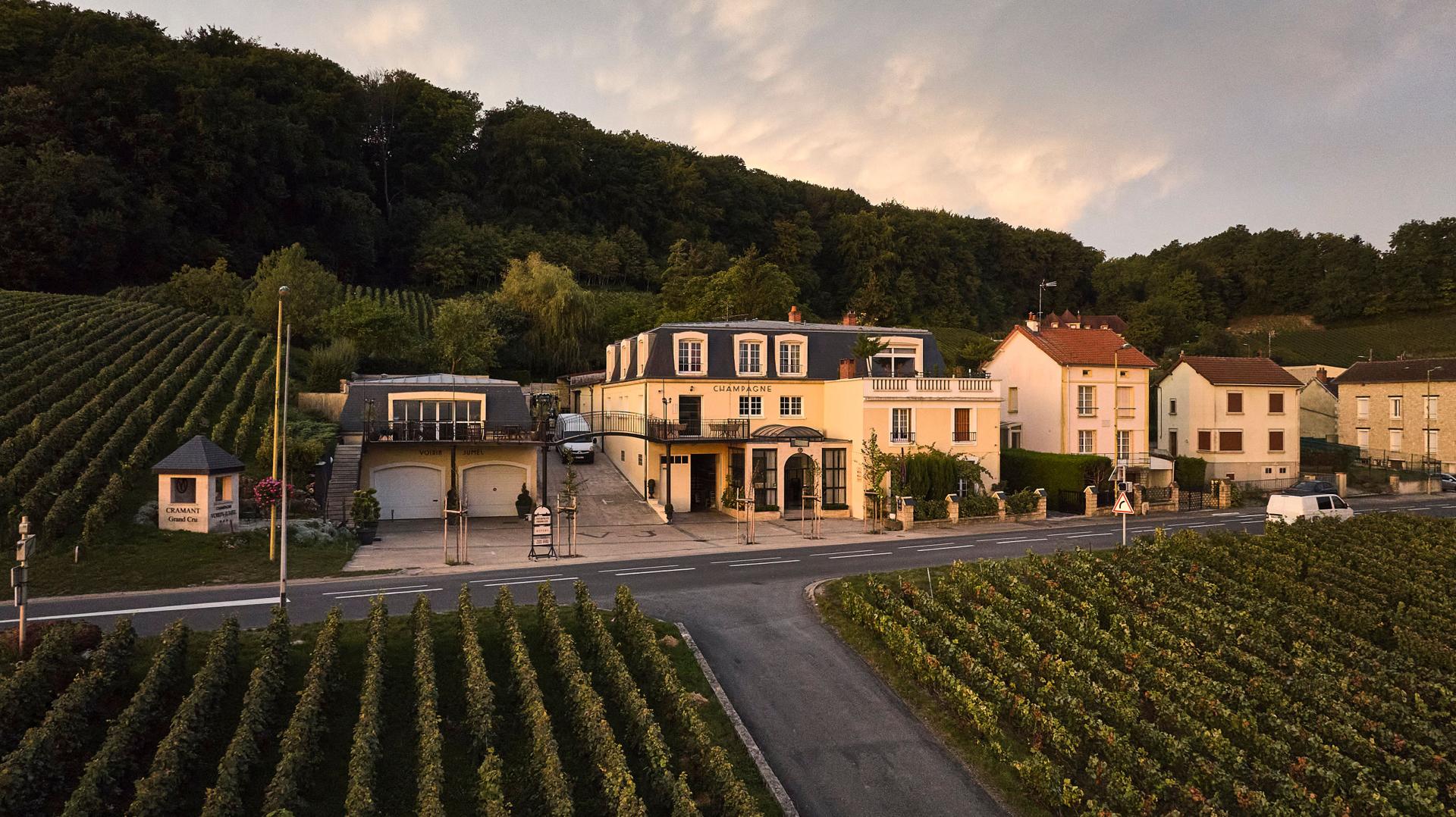
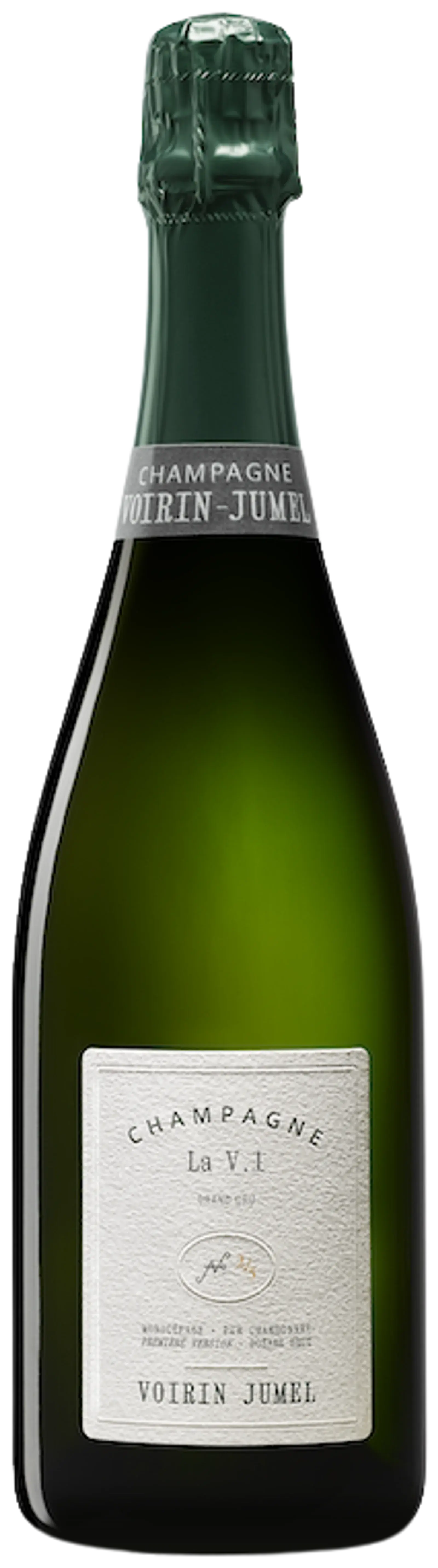
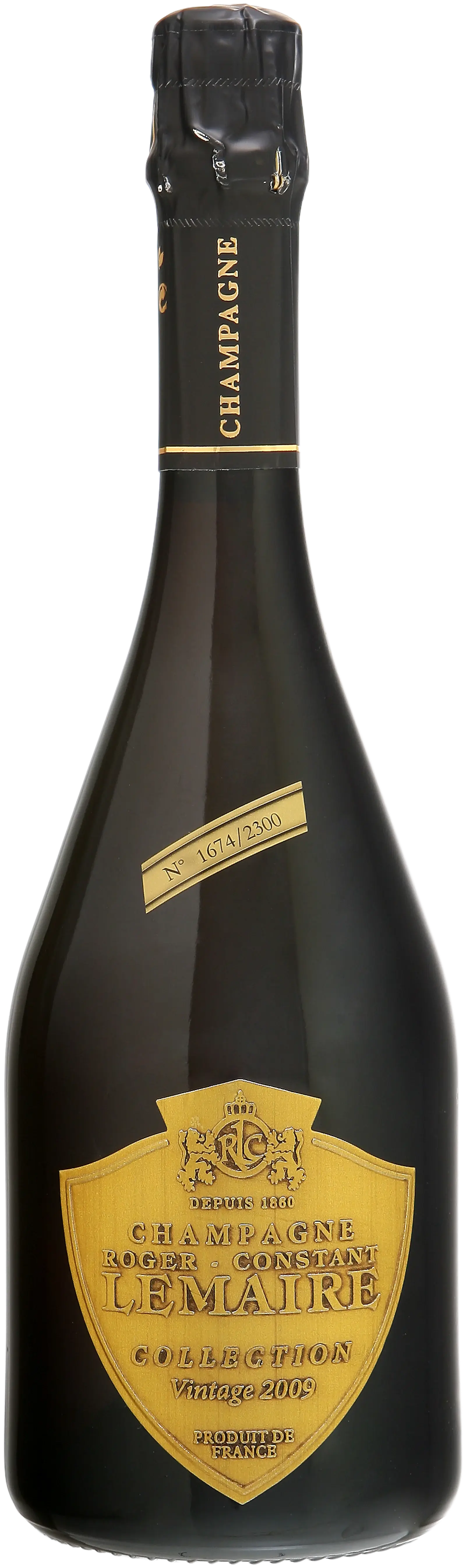
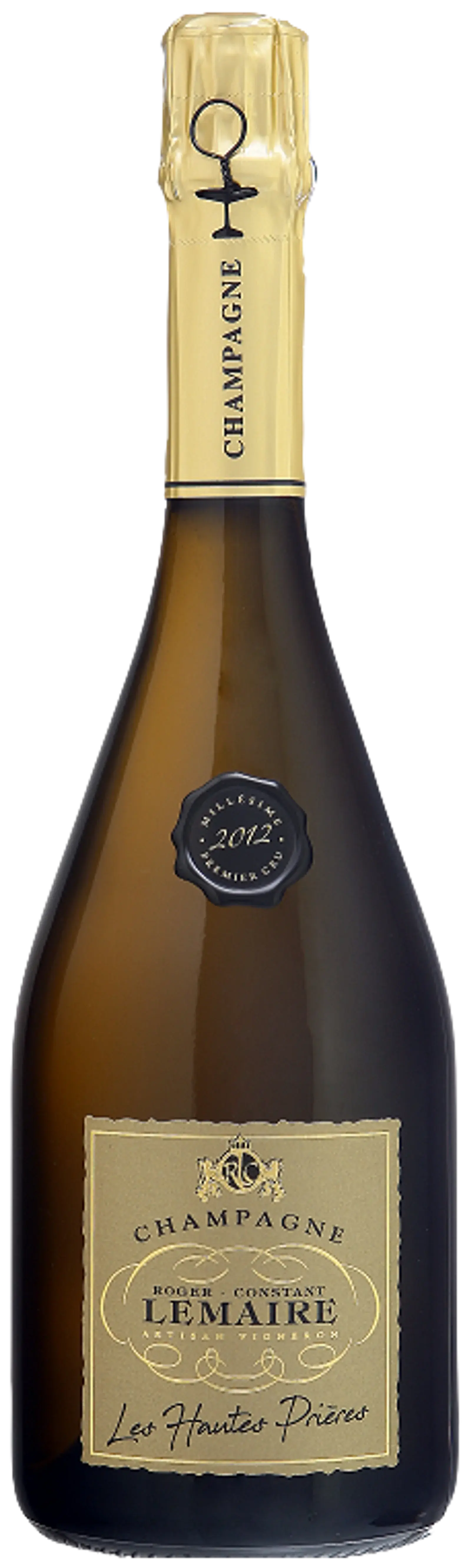
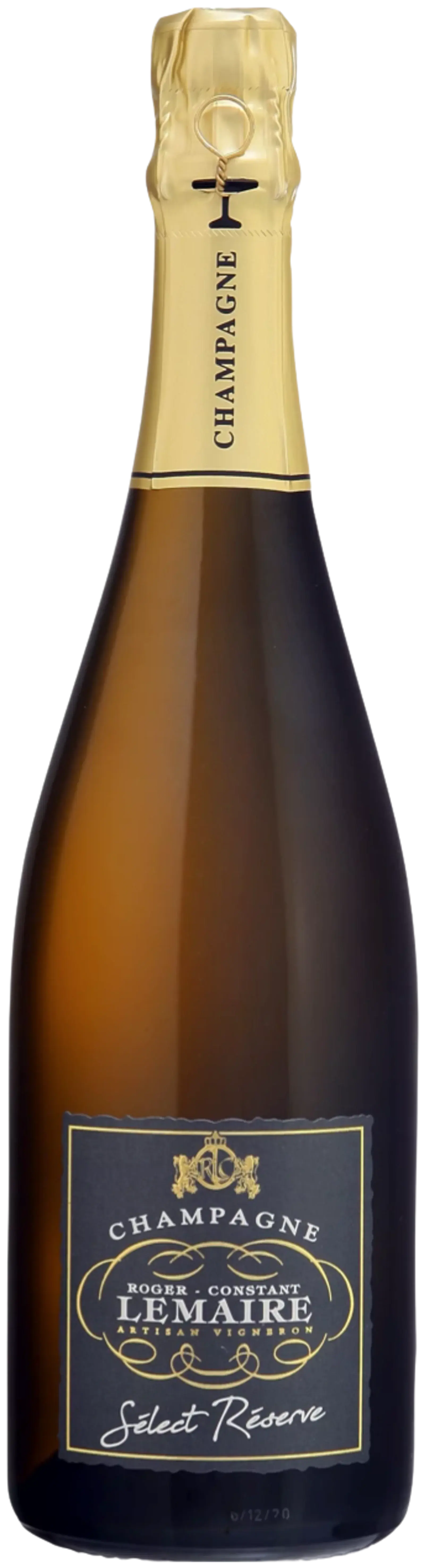
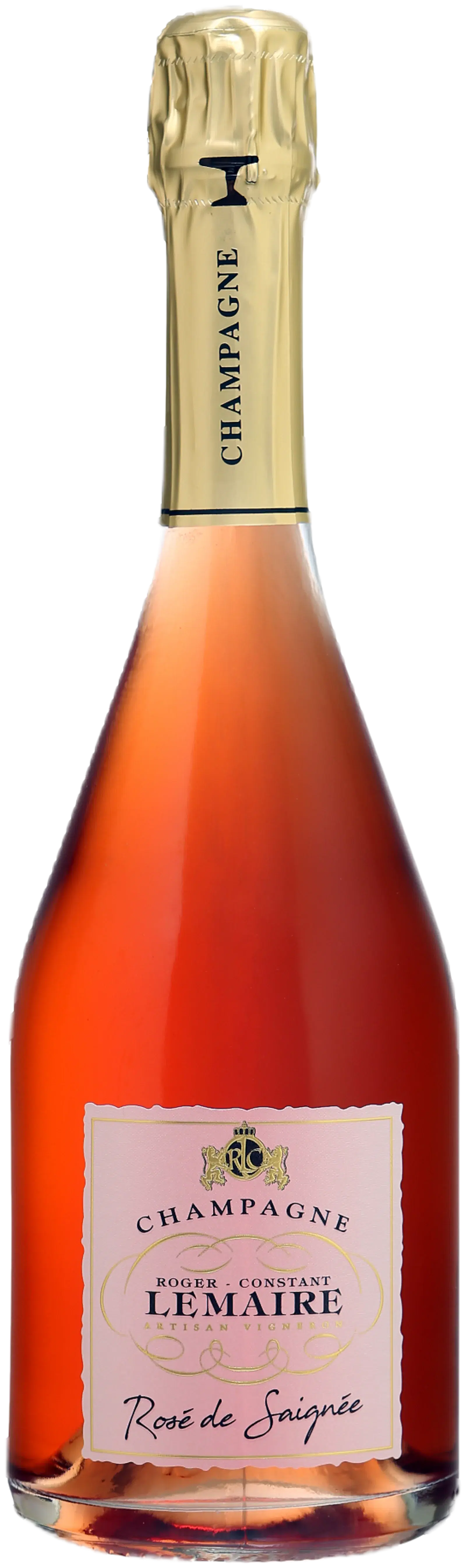
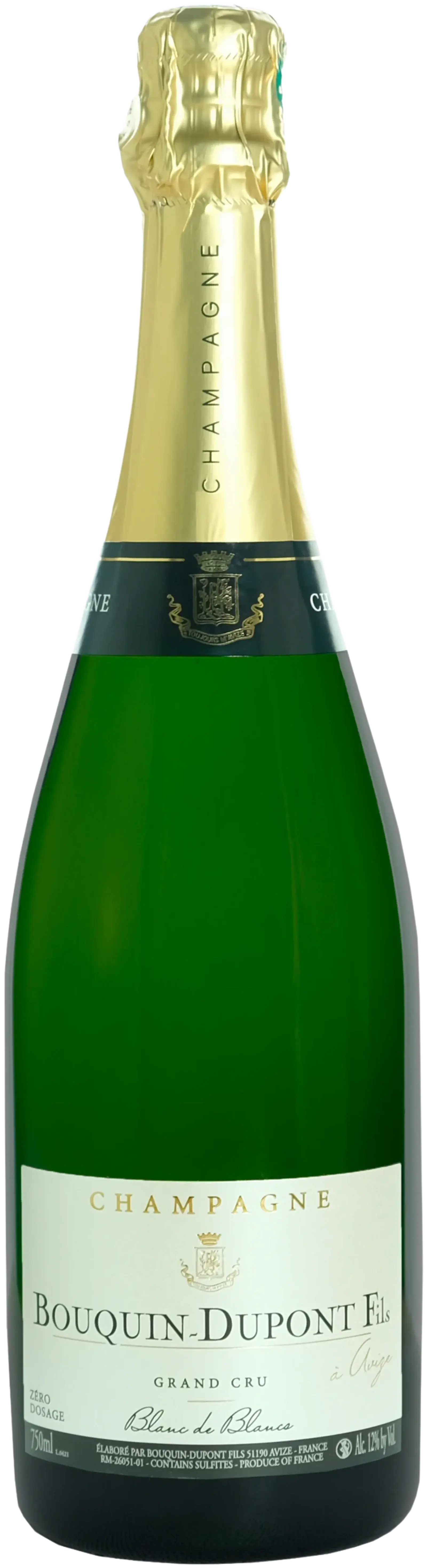
The champagne at Free Grape Society comes from producers such as Champagne Bouquin Dupont, Roger-Constant Lemaire and Voirin Jumel, who ship straight from their cellars. See all champagne producers or the wine cases from Champagne.

For wine for the Christmas table, see the Christmas page.