Sauvignon Gris: a rare pink-skinned mutation of Sauvignon Blanc

Sauvignon Gris wine is grown in small quantities, mostly in Bordeaux and the Loire Valley, where its naturally lower acidity and fuller body make it a distinctive alternative to the better-known white. The independent producers below grow it from traditional French regions and a handful of other European estates.

Richer and rounder than its green-skinned sibling, with stone fruit and spice where Sauvignon Blanc brings cut grass and citrus.

Color

Dropdown arrow

Type

Dropdown arrow

Country

Dropdown arrow

Region

Dropdown arrow

Grape

Dropdown arrow

Pairing

Dropdown arrow

Sort by

Sort arrow
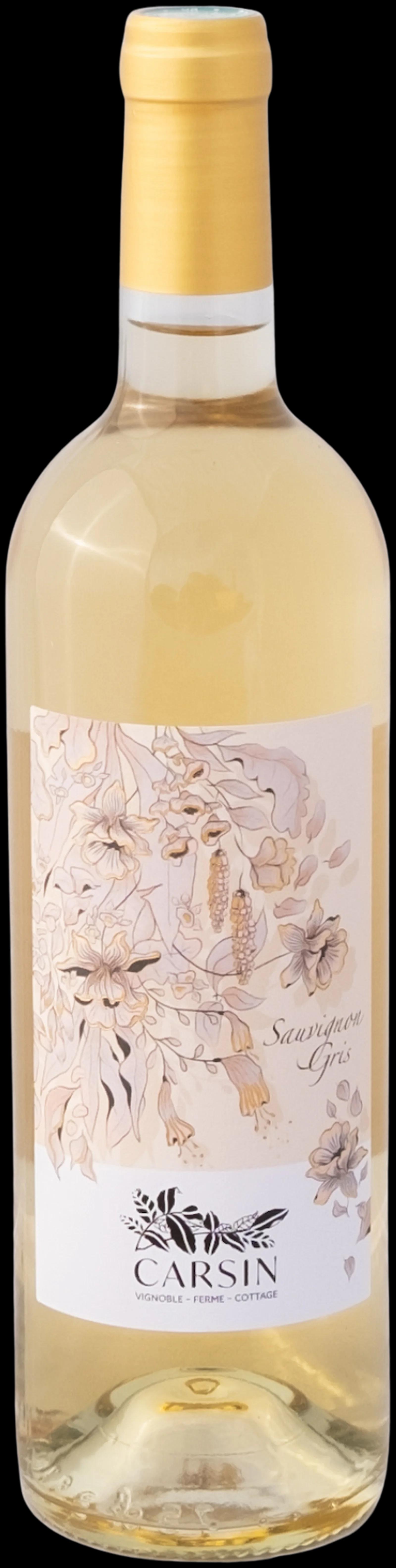
Sauvignon Gris

Sauvignon Gris wines

Sauvignon Gris is a pink-skinned mutation of Sauvignon Blanc — the same grape family, but with a noticeably different character in the glass. Where Sauvignon Blanc is high-acid and herbaceous, Sauvignon Gris tends toward stone fruit, more body, and softer edges. It was once widely planted in Bordeaux, fell out of favour as Sauvignon Blanc came to dominate, and is now grown in relatively small quantities. On Free Grape Society, each bottle ships directly from the grower's own cellar, with no importer or warehouse in between.

1 of 1 wine

Previous1 of 1Next

Sauvignon Gris mixboxes

A producer's mixbox is six bottles put together as the recommendation they would make from their own cellar. For a grape as rare as Sauvignon Gris, that often means tasting it alongside the other whites a grower makes — which is one of the better ways to understand how it sits within a region's wider range. Free Grape Society is a society of producers, independent experts and wine lovers, not a shop.

View all mixboxes

Wineries

The growers below work with Sauvignon Gris in regions where it has historical roots, mostly in France, alongside a small number of producers elsewhere in Europe who have chosen to plant it. Because the grape is rare, producer notes tend to be detailed — most growers who bother with it have strong reasons for doing so, and reading those notes is usually time well spent. The wine-advice service is there if you want a recommendation before choosing.

View all wineries

Wine experts

Independent wine experts review wines they have personally tasted, and those reviews are visible on each wine page and on the expert's own profile. Several of the experts below have tasted and reviewed Sauvignon Gris wines featured on this page, so you can read what they found before deciding.

View all wine experts

Frequently asked questions

How do I order Sauvignon Gris wine on Free Grape Society?

Browse the wines above, add bottles to your basket, and check out. Each bottle is fulfilled directly by the producer who made it — shipped from their cellar to your door. Delivery typically takes 8–9 days on average, with a range of 4–14 days depending on where the producer is based.

What happens if a bottle arrives broken or doesn't taste right?

Send a photo to Free Grape Society customer support within 7 days of delivery. We will arrange a replacement or a refund. Because producers ship directly, quality issues are handled with the producer's direct involvement. Shared responsibility is built into how FGS works.

Can I order Sauvignon Gris from more than one producer in a single order?

Yes. You can add wines from different producers to the same basket and check out in one transaction. Each producer ships their own wines separately, so you may receive more than one delivery. Payment is handled securely through Klarna or card, and joining Free Grape Society is free.

How long does delivery take?

Average delivery is 8 to 9 days from order to door. The full range is 4 to 14 days depending on the producer's location and your delivery address. Wines ship directly from the producer's cellar, not from a central warehouse.

How do I choose between the different Sauvignon Gris wines on this page?

Start with the region. Bordeaux and the Loire Valley are the grape's traditional homes, and wines from the two areas differ — Bordeaux versions tend toward weight and texture, Loire versions can carry more freshness. Producer notes and any expert reviews on the individual wine pages will help you narrow it down further.

How does Free Grape Society decide which Sauvignon Gris producers to work with?

Wines are tasted before listing by the Head of Product. The focus is on independent growers who make their own wine and ship it directly from their own cellar. Because Sauvignon Gris is a rare variety, the producers who grow it tend to be those with a deliberate reason to do so, whether for tradition, terroir, or stylistic choice.

Which Sauvignon Gris wine expert can recommend something for me?

The wine experts on this page have tasted and reviewed Sauvignon Gris wines independently. You can read their notes on the individual wine pages, or use the wine-advice service to ask a question directly — fill in the form and an independent expert will respond with a personal recommendation.

Why don't you sell supermarket-brand Sauvignon Gris wines?

Free Grape Society works only with independent producers who make their own wine and ship it directly. Supermarket-brand wines are produced at industrial scale by large négociants, often sourced from multiple growers and blended for consistency and margin rather than character. The two models are structurally different, and the producers on this page are not that.

Is Sauvignon Gris available in supermarkets or specialist wine shops?

Very rarely. Because the grape is grown in small quantities — even in Bordeaux, where it once had a larger presence — most Sauvignon Gris production stays within the region or is sold direct. It does not move in the volumes that justify wide retail distribution, which is part of why ordering directly from producers is often the most reliable way to find it.

Where Sauvignon Gris comes from and how it differs from its better-known sibling

Sauvignon Gris is a natural colour mutation of Sauvignon Blanc, with a pinkish-grey skin rather than the yellow-green of the more widely planted variety. The two share a parent but produce distinctly different wines: Sauvignon Gris tends toward rounder texture, lower aromatic intensity, and a fuller body, with less of the sharp herbaceous edge that defines Sauvignon Blanc in cooler regions. It has been grown for centuries in Bordeaux, where it was historically blended with Sémillon and Muscadelle in dry whites, though it fell out of fashion as Sauvignon Blanc's market dominance grew. Today it is most consistently present in France, particularly in Bordeaux and parts of the Loire Valley, though Alsace producers occasionally work with it too. Outside France, small plantings exist in Italy and Spain, but the variety remains rare enough that most bottles come from growers who have chosen to keep or revive it deliberately, often because it suits their soils or because they find it makes a more complex dry white than the alternatives.

How Sauvignon Gris tastes, and what to drink it with

Sauvignon Gris wines are typically dry and white, with a softer aromatic profile than Sauvignon Blanc. Expect stone fruit and white peach rather than grapefruit or cut grass, with a slightly waxy or lanolin-like texture in the mouth and firm but not aggressive acidity. The grape has enough body to carry some oak ageing well, and older-vine examples from Bordeaux or the Loire can develop a smoky, mineral character over time. At the table it works particularly well with seafood, shellfish, and lighter fish dishes, where its texture adds weight without overriding the food. It also sits comfortably alongside creamy cheeses and vegetable-forward dishes. If you enjoy dry whites from Alsace or fuller-bodied examples from Friuli Venezia Giulia, Sauvignon Gris is a natural next step, made from independent growers who tend to work with it because they believe in it rather than because it sells itself.

Buying Sauvignon Gris direct from independent producers

Because Sauvignon Gris is rare, it rarely appears in supermarkets or large wine retail chains, and when it does it is usually in blended form rather than as a varietal bottle. The producers who list it on Free Grape Society grow it because it suits their land, and most bottle it as a single-variety wine to let it speak clearly. On Free Grape Society, producers ship directly from their own cellar, with no importer or warehouse in between, which matters for a fragile, low-production variety where handling and storage time affect the wine noticeably. Free Grape Society is a society of producers, independent experts and wine lovers, not a shop. You can browse wines made from this grape alongside the broader white wine selection from France and white wines from Italy, or look at the wineries behind the bottles at all wineries in France. Wines are tasted before listing, and where independent wine experts have reviewed a specific bottle their notes appear on the wine page.