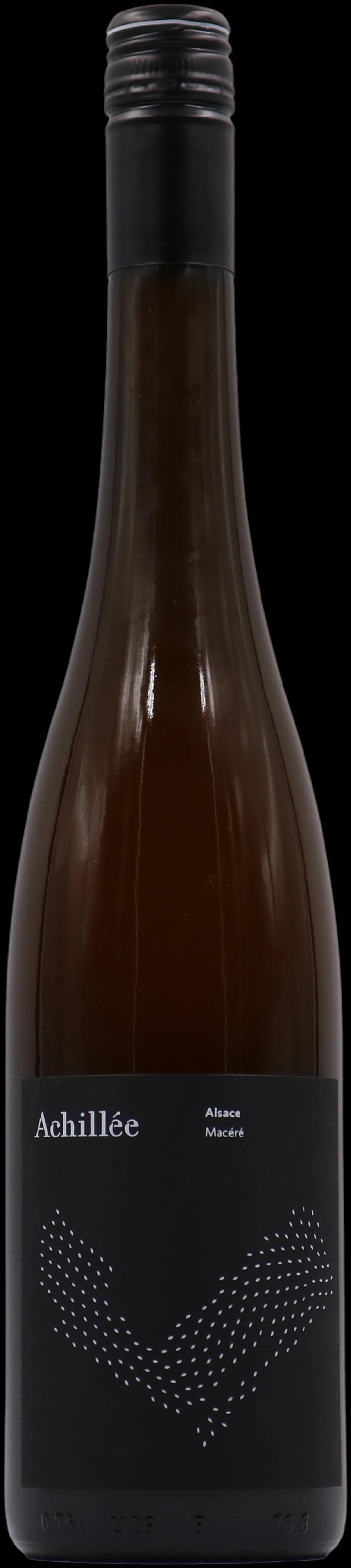
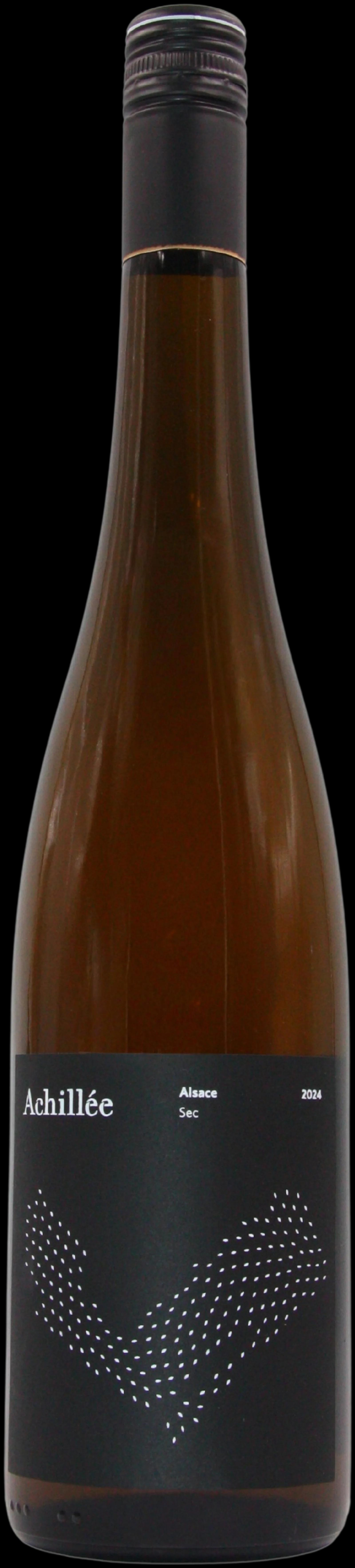
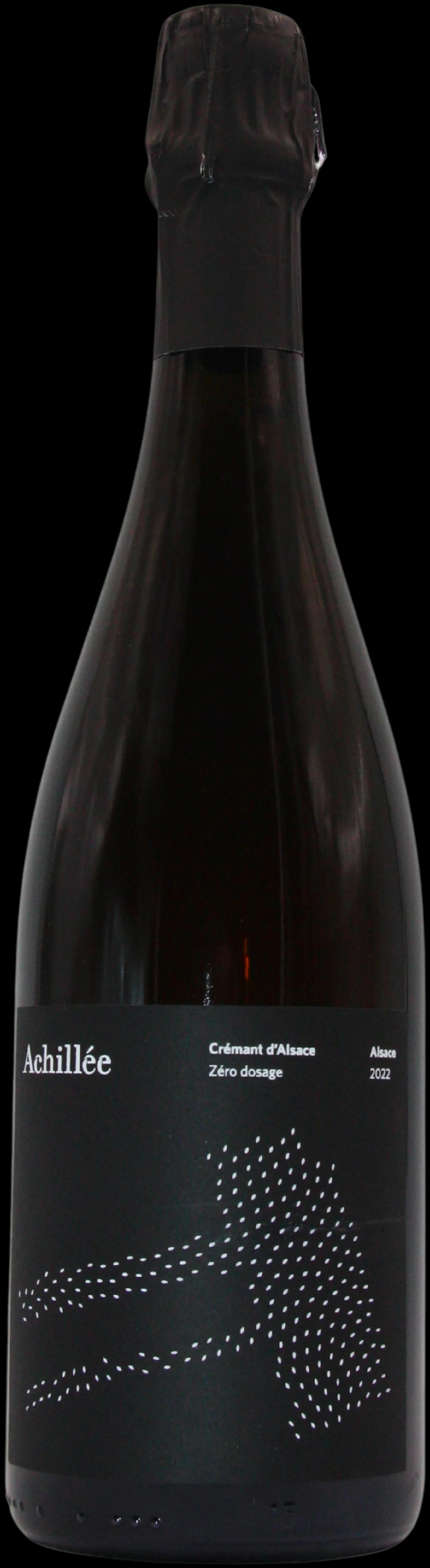
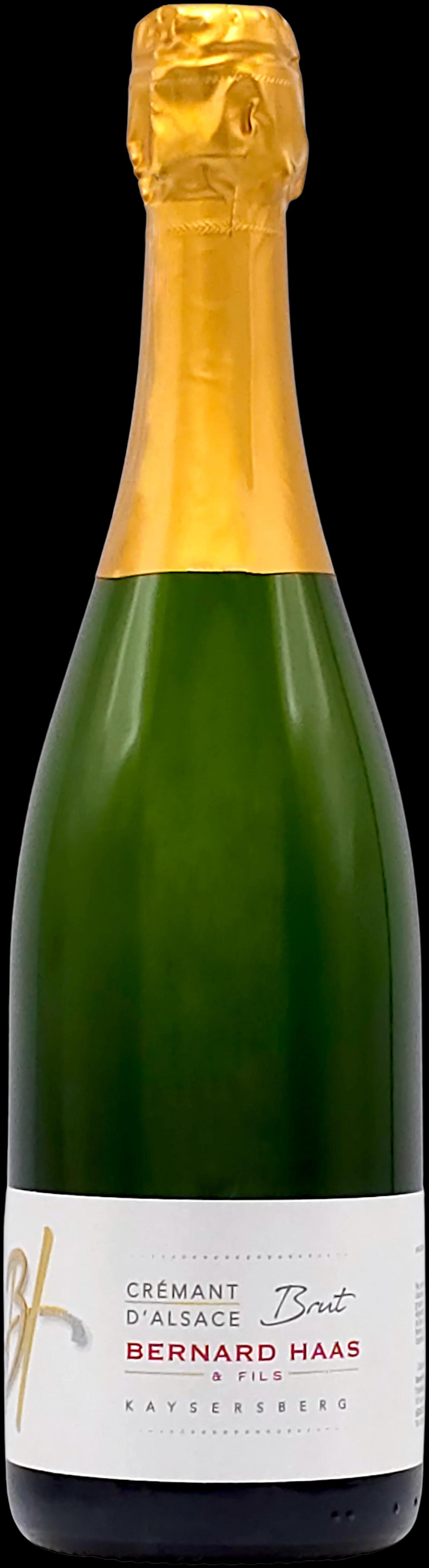
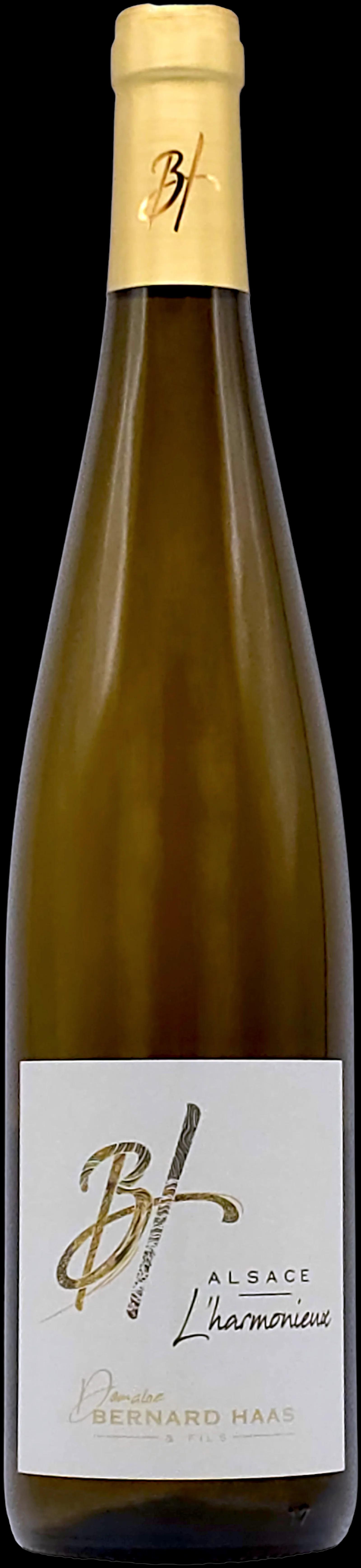
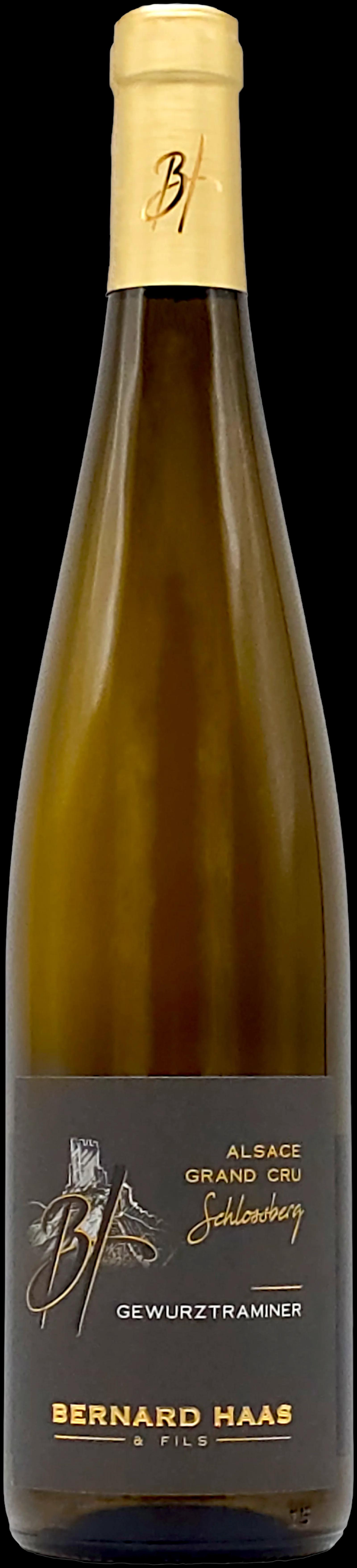
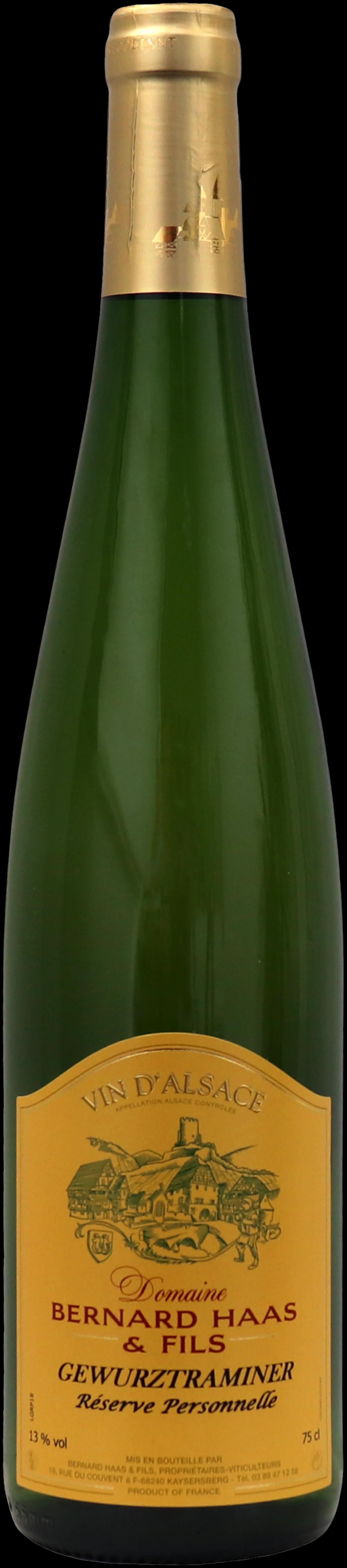
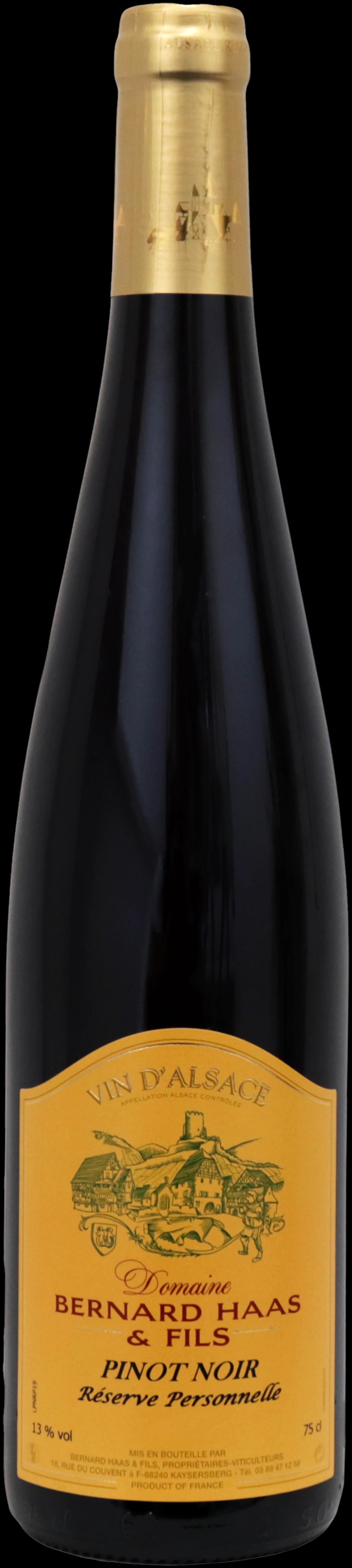
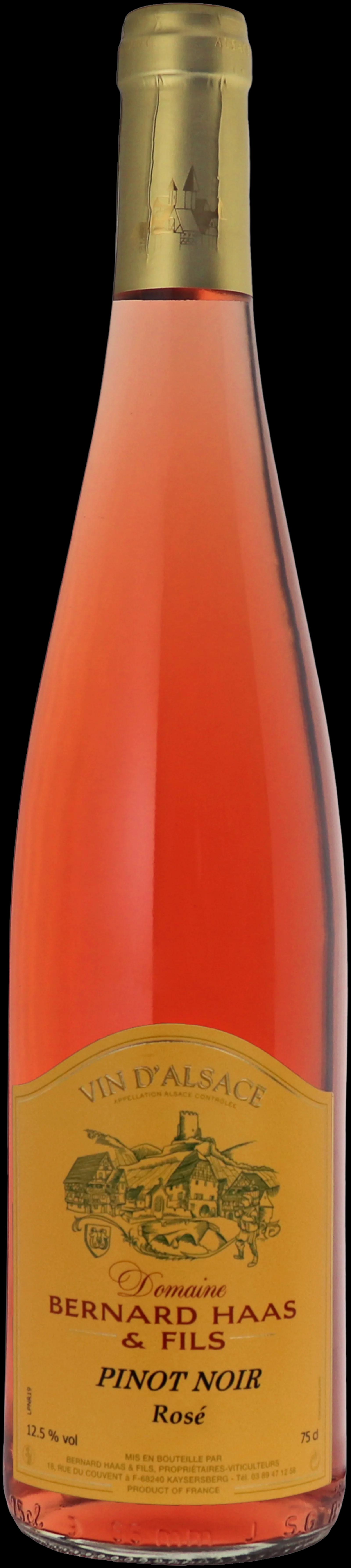
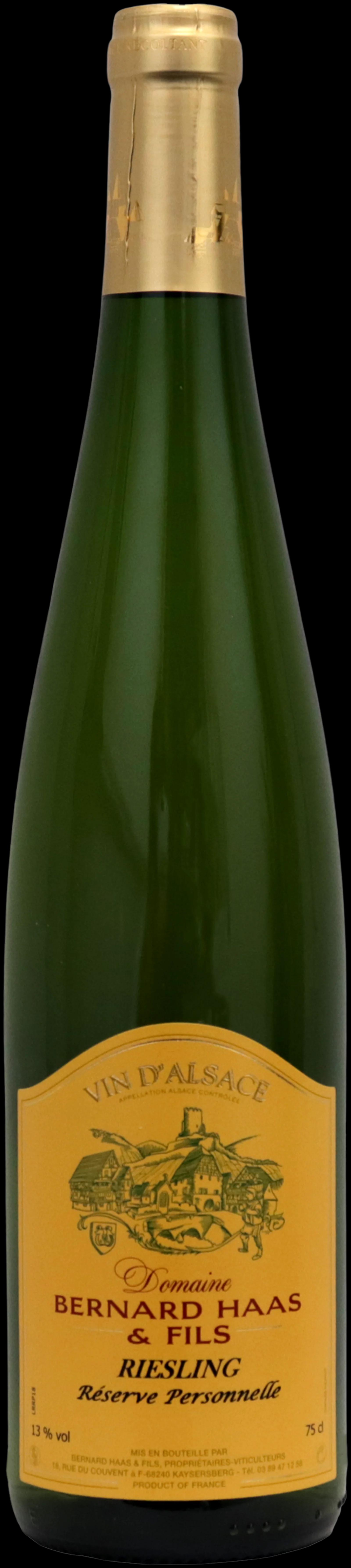
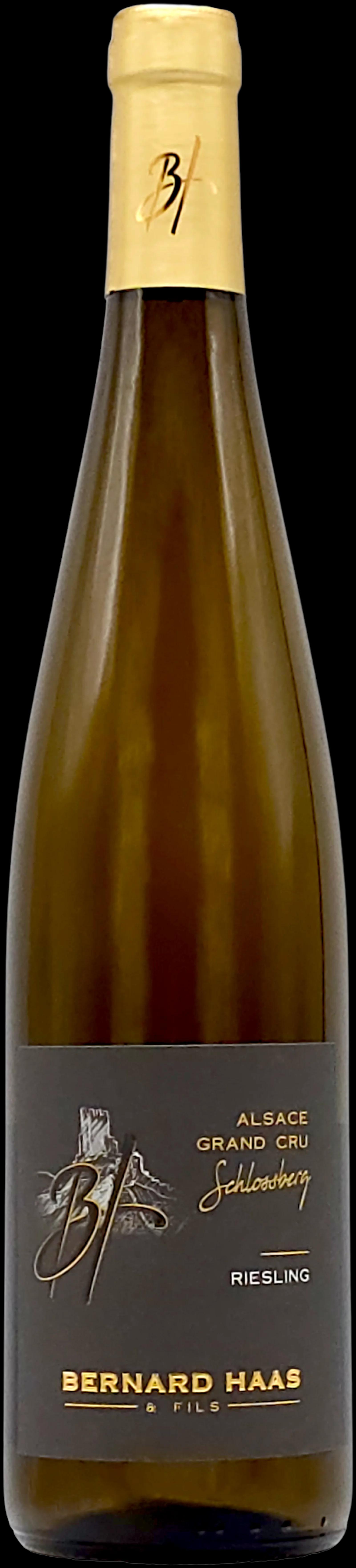
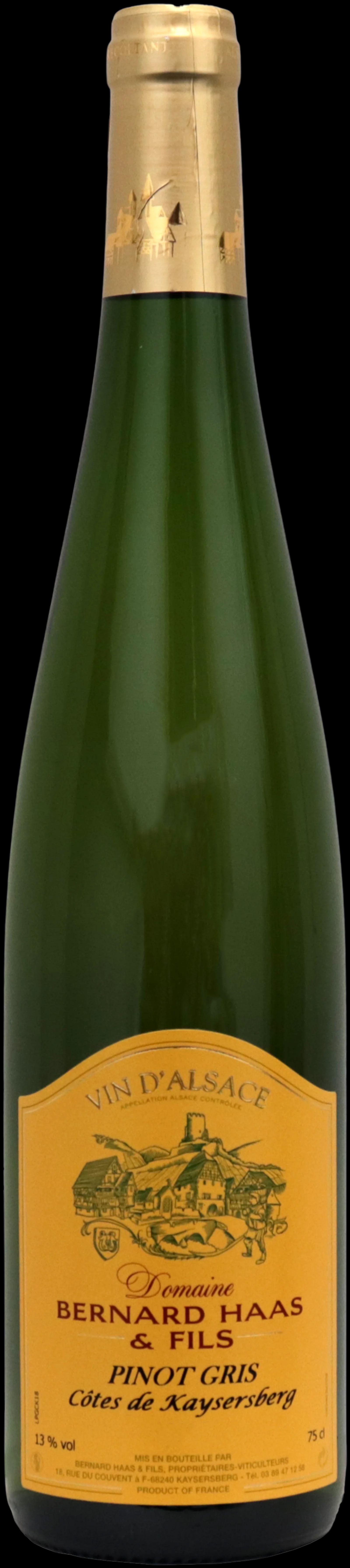
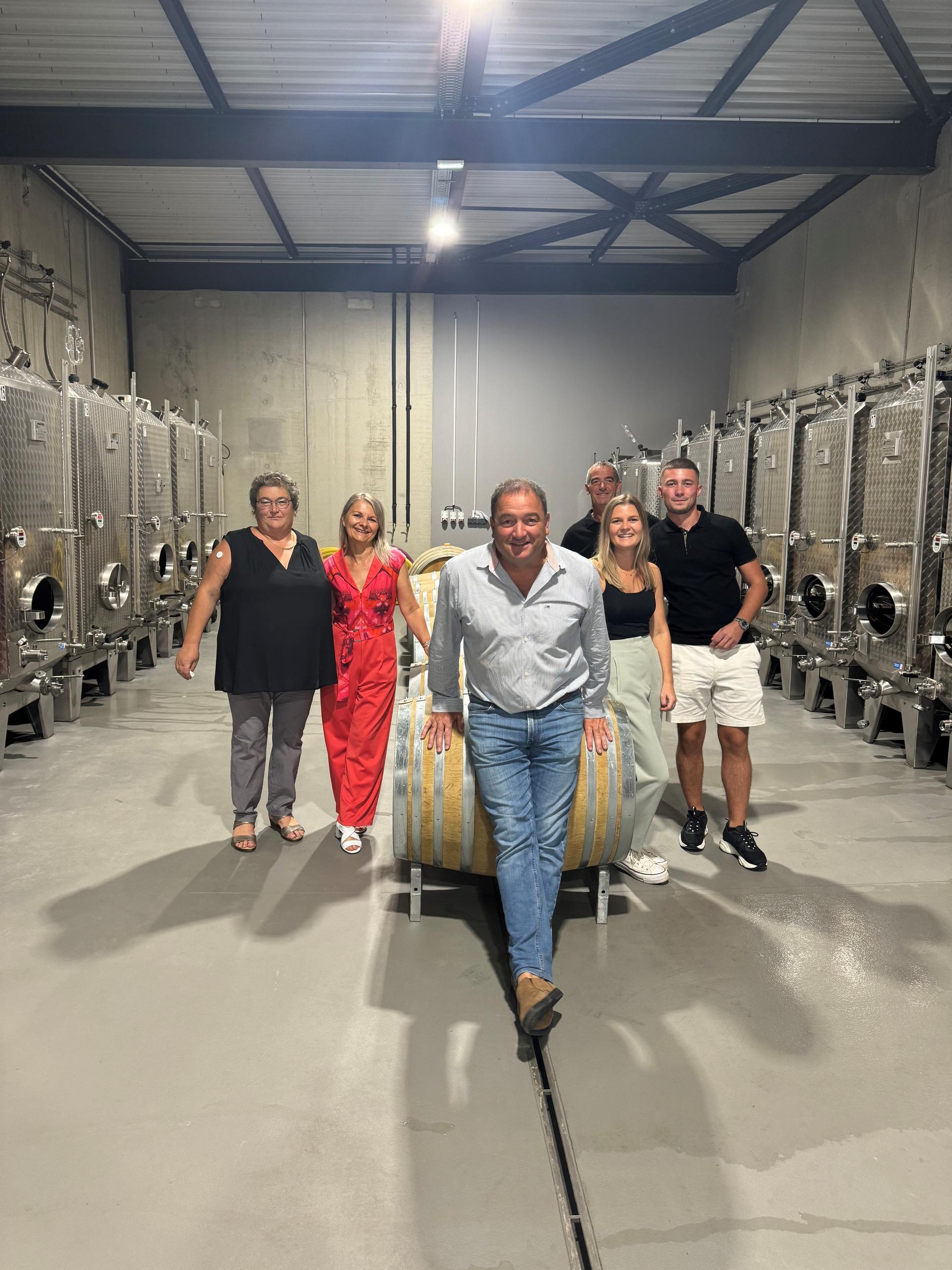
Riesling, Pinot Gris and Gewurztraminer: Alsace wines from independent growers

Alsace wine is built on a handful of noble varieties grown on some of France's most geologically varied soils. Browse bottles from independent producers working the region's grands crus and village vineyards.

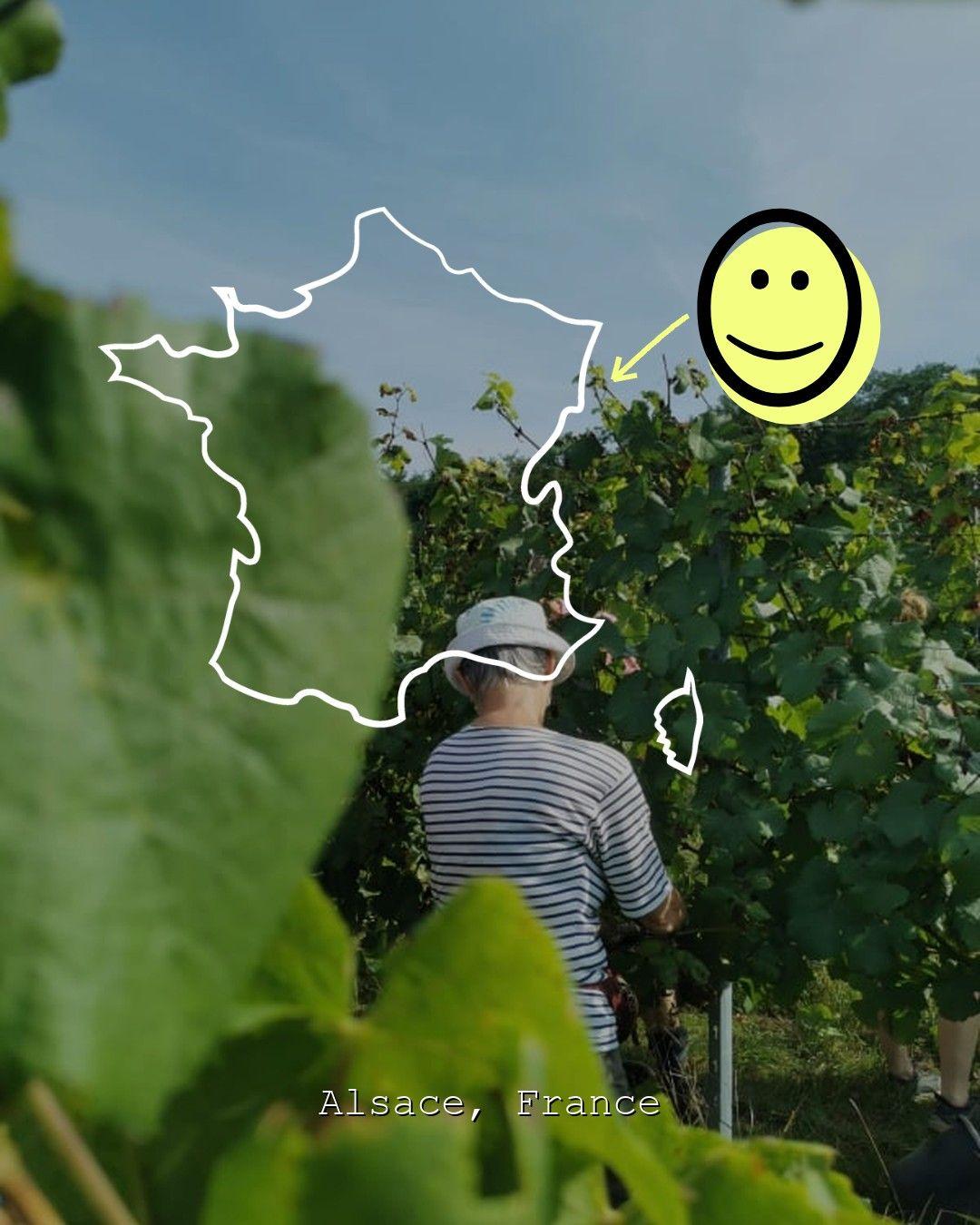
Wedged between the Vosges mountains and the Rhine, Alsace grows aromatic whites on a mosaic of granite, limestone and clay soils that shift from village to village.

Color

Dropdown arrow

Type

Dropdown arrow

Country

Dropdown arrow

Region (1)

Dropdown arrow

Grape

Dropdown arrow

Pairing

Dropdown arrow

Sort by

Sort arrow
Alsace

Alsace wines

Alsace is one of France's few regions where the grape variety leads the label rather than the appellation. A bottle named Riesling from Alsace tells you the grape first; the village or grand cru comes second, if it appears at all. That naming convention reflects how the region thinks about wine: variety and site together, not one without the other. Fifty-one designated grand cru vineyards sit at the top of the hierarchy, each tied to a specific slope and soil type.

Previous1 of 1Next

Alsace producers

The six bottles in each Alsace wine case come from one producer, composed by that grower as their own recommendation across the varieties and parcels they work. Because Alsace estates often farm several grape varieties on different soil types, a single case can trace how granite in one parcel reads differently from sandstone in the next. Producers ship directly from their own cellar, so the case that arrives is the one the grower put together.

View all wineries from Alsace

Alsace wine cases

Alsace producers tend to farm small, fragmented holdings spread across several villages, which is why family estates have been the dominant model here for generations. The Vosges mountains to the west shield the plain from Atlantic rain, giving Alsace one of France's driest and sunniest climates — conditions that let growers push ripeness further than their latitude would suggest. Several of the producers listed here have been reviewed by independent wine experts whose notes appear on the individual wine pages.

View all mixboxes from Alsace

Wine experts

Independent wine experts on Free Grape Society rate and review wines they have personally tasted. Their reviews appear on the wine page and on the expert's own profile, building a transparent track record any buyer can read. Experts do not select which wines are listed — they review bottles that are already on the platform, and several of the wines from Alsace producers below carry those notes.

View all wine experts

Frequently asked questions

How do I order an Alsace wine case from Free Grape Society?

Choose a case from the listings below, add it to your order and complete checkout using Klarna or card. The six bottles are packed and shipped directly from the Alsace producer's own cellar, so you are buying exactly what the grower made. Delivery typically takes between four and fourteen days, with an average of around eight to nine days.

What happens if a bottle arrives broken or doesn't taste right?

Send a photo to Free Grape Society customer support within 7 days of delivery. We will arrange a replacement or a refund. Because producers ship directly, quality issues are handled with the producer's direct involvement. Shared responsibility is built into how FGS works.

What is included in an Alsace wine case?

Every wine case on Free Grape Society contains six bottles selected by a single producer as their own recommendation. For an Alsace case, that usually means a range of the estate's varieties — often a mix of Riesling, Pinot Gris, Gewurztraminer or other grapes the grower farms — drawn from their own parcels and vinified in their own cellar. The specific wines are listed on each case page.

How long does delivery take?

Average delivery is 8 to 9 days from order to door. The full range is 4 to 14 days depending on the producer's location and your delivery address. Wines ship directly from the producer's cellar, not from a central warehouse.

How do I find the right Alsace wine case for me?

Each case page shows the six bottles included, the producer's location within Alsace, and the grape varieties covered. If you already know which variety you prefer — Riesling, Gewurztraminer, Pinot Gris — that is a practical starting point. If you are less certain, the independent expert reviews on each wine page give you a grounded read on what to expect before you order.

Can I find out more about the Alsace producer before ordering?

Yes. Each case links to the producer's full profile page, where you can read about the estate, the vineyards they farm, and the wines they make. Independent wine experts on Free Grape Society rate and review wines they have personally tasted, and those reviews are visible on both the wine page and the expert's own profile, so you can read the track record before you buy.

Which Alsace wine expert can recommend something for me?

Independent wine experts on Free Grape Society review wines they have personally tasted, including wines from Alsace. Their reviews appear on individual wine pages and on each expert's profile. Browse the expert profiles to find someone whose focus and tasting notes match what you are looking for, and you can reach out to them directly through the platform.

Why are Alsace wine cases always six bottles from one producer?

Because a case composed by one grower says something coherent about how that producer thinks. Six bottles from a single Alsace estate might trace the same grape across different parcels, or show how Riesling and Gewurztraminer read in the same hands. Mixing wines from several producers would lose that — you would end up with a sampler rather than a point of view. The six-bottle format is the producer's own recommendation, not a curated mix.

Can I buy Alsace wine cases in a normal wine shop?

Producer-composed wine cases shipped directly from an Alsace estate are not something most retail or online wine shops offer. Conventional distribution routes move wine through importers and warehouses, which adds cost and removes the direct relationship with the grower. On Free Grape Society, the producer packs and ships the case themselves, so the price reflects what the estate actually charges and the bottles travel without an intermediary in between.

Appellations and grape varieties of Alsace

Alsace is one of the few French wine regions where the label leads with the grape variety rather than the appellation — a practice more common in Germany and Austria than in France. The region runs roughly 170 kilometres along the eastern foothills of the Vosges mountains, between 200 and 400 metres above sea level. That elevation, combined with the rain shadow cast by the Vosges, makes Alsace one of the driest wine regions in France: Colmar averages around 500 mm of rainfall per year, less than many parts of Provence.

The main white varieties are Riesling, Pinot Gris, Gewurztraminer, and Muscat — these four are the only grapes permitted under the Alsace Grand Cru designation, which covers 51 named vineyard sites. Pinot Blanc is widely planted and typically produces the region's most approachable dry whites. Pinot Noir is the sole red variety permitted in Alsace AOC, and plantings have grown by roughly 40% since 2000 as producers adapt to warmer vintages.

Alsace Grand Cru was established in 1983 and now accounts for around 4% of total production. Individual Grand Cru sites vary significantly: Rangen de Thann in the south sits on volcanic schist and basalt; Schoenenbourg near Riquewihr is built on gypsum and marl. Soil type is one of the primary variables driving stylistic differences between producers working the same variety.

Winemaking styles and the dry versus off-dry question

Alsace has a documented labelling problem: until 2021, there was no legal requirement to indicate residual sugar on the label. A bottle of Alsace Riesling could be bone dry or noticeably sweet with no outward indication. The introduction of the Alsace Grand Cru dry wine specification in 2021 addressed part of this, requiring Grand Cru wines to meet defined dryness thresholds, but the wider AOC category still allows producers to decide their own style without mandatory disclosure.

Vendanges Tardives (late harvest) and Sélection de Grains Nobles (botrytised, similar in concept to Sauternes or German Trockenbeerenauslese) represent the sweeter end of the spectrum. These are produced in limited quantities in years where conditions permit and are not made by every producer every year.

Crémant d'Alsace is the region's sparkling wine, produced by the traditional method (secondary fermentation in bottle). It accounts for around 25% of all Alsace production by volume — a share that has grown steadily since the 1990s. The base wines are predominantly Pinot Blanc, though Riesling, Pinot Gris, and Auxerrois are also used.

The producers listed on Free Grape Society ship directly from their cellar in Alsace. No importer, no wholesaler. The price you see is the price the producer agreed to. That is structurally different from how most Alsace wine reaches retail shelves in export markets, where a bottle typically passes through three to four commercial hands before it reaches a customer.

How Alsace producers work with Free Grape Society

Producers on the platform were quality-vetted before listing. Samples are sent to our Head of Product, who tastes every wine before it goes live. Independent wine experts Rate & Review individual wines on the platform — their reviews are visible on each wine page and on their own profile.

Alsace sits within the broader French wine catalogue on the platform, alongside regions including Burgundy, the Rhône Valley, the Loire Valley, and Bordeaux. Within France, Alsace is distinctive for its Germanic variety focus and its producer-labelling conventions — characteristics that make direct producer relationships particularly valuable, since understanding what is actually in the bottle often depends on context that retail labels do not supply.

Producers, experts, restaurants, and wine lovers on the same platform, on the same terms. That is what Free Grape Society is. The producer sets the price, the independent expert reviews the wine, and the bottle ships directly from the cellar in Alsace. No buyer with quarterly targets. No chain defending shelf space.