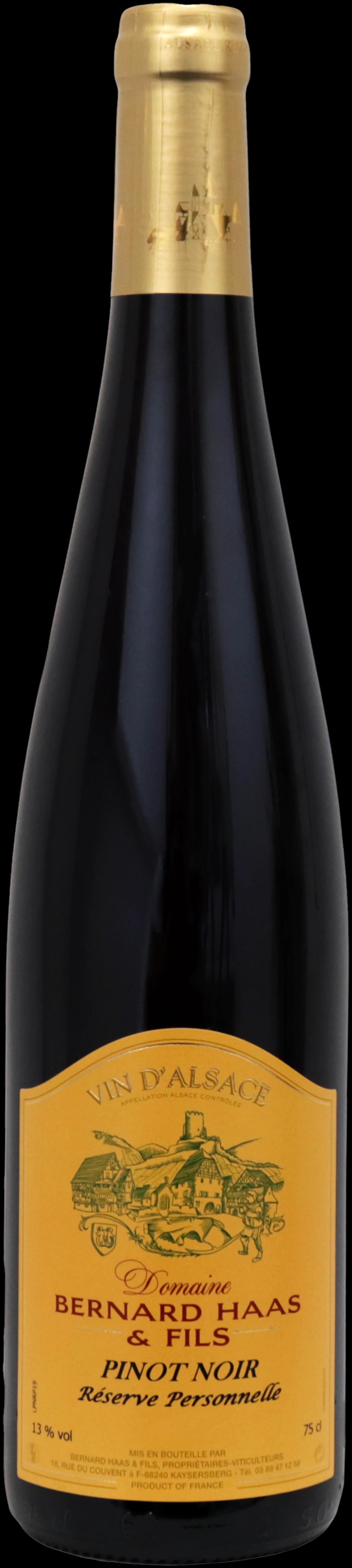
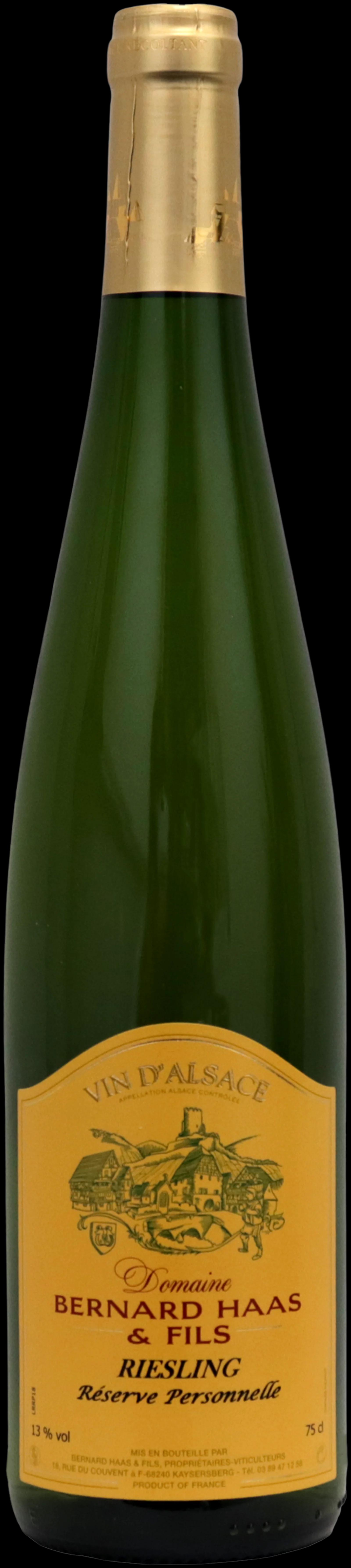
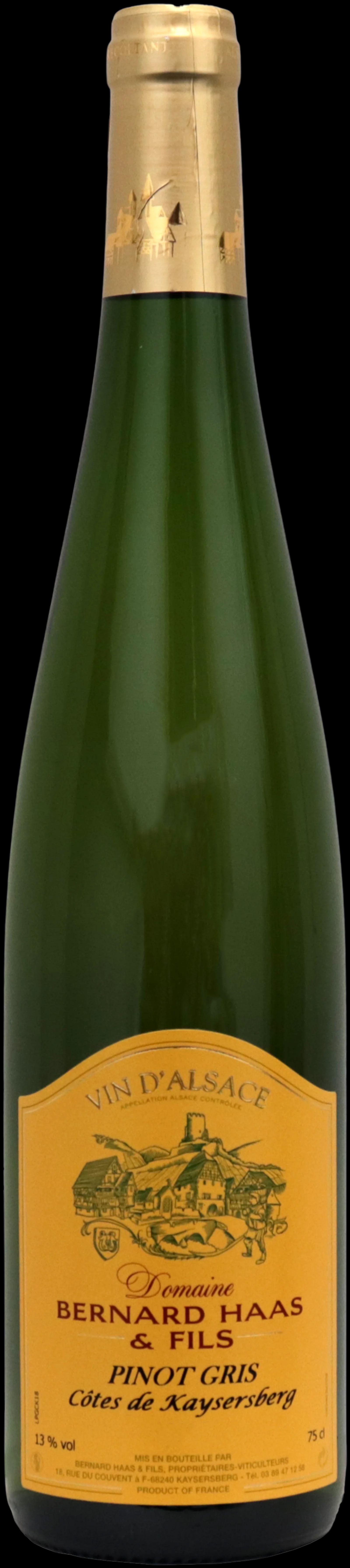
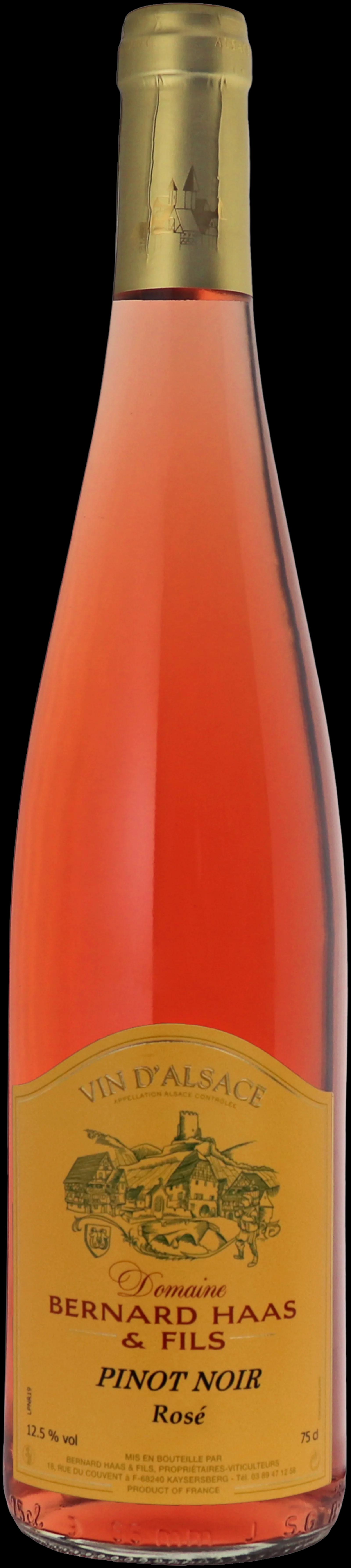
The independent producers of Alsace, from the Vosges foothills to the Rhine plain

Alsace wineries range from multi-generational domaines to smaller growers who have recently taken on family vines, each working the long, narrow strip of vineyards tucked between the Vosges mountains and the Rhine. Browse the independent producers listed on Free Grape Society and buy directly from the estates behind the wines.

Many are family estates that have farmed the same steep slopes for generations, working varieties few other French regions grow.

Country

Dropdown arrow

Region (1)

Dropdown arrow

Production Volume

Dropdown arrow

Sort by

Sort arrow
Alsace

Alsace wineries

Alsace is unusual in France for labelling its wines primarily by grape variety rather than by appellation — a bottle will name the grape front and centre, with the village or grand cru site as the qualifier. That makes the producer's name and the specific vineyard two of the most reliable guides to what is in the glass. The estates listed here sell and ship directly from their own cellars, with no importer or warehouse in between, so the grower remains the point of contact for what they make.

Alsace wines

The Alsace grand cru system recognises 51 named sites, each with its own soil type and microclimate. Riesling tends to dominate the steeper, well-drained granite and gneiss slopes, while Gewurztraminer and Pinot Gris are often planted on richer, more sheltered ground lower down. A producer farming parcels in several grand crus will sometimes make wines that taste markedly different from one site to the next, even from the same variety in the same vintage. Free Grape Society is a society of producers, independent experts and wine lovers — not a shop — and the producers listed here set their own prices and compose their own range.

View all wines from Alsace

Alsace wine cases

Several of the producers working in Alsace have moved toward lower-intervention farming in recent decades, partly because the long dry autumns that the Vosges rain shadow provides make it easier to farm without heavy inputs. Organic and biodynamic certification is more common in Alsace than in most French regions. Independent wine experts on Free Grape Society rate and review wines they have personally tasted — their reviews appear on the wine page and on the expert's own profile, building a public track record buyers can read before ordering.

View all mixboxes from Alsace

Wine experts

Alsace produces a range of styles that runs from bone-dry Riesling through off-dry Pinot Gris to the late-harvest Vendanges Tardives and Sélection de Grains Nobles made in years when conditions allow. A producer's house style and the ripeness they aim for in any given variety are usually the most useful guides when choosing between estates. Browse the wineries below to read each producer's story and see which wines they currently have listed.

View all wine experts

Frequently asked questions

How do I order an Alsace wine case from Free Grape Society?

Choose a case from the listings below, add it to your order and complete checkout using Klarna or card. The six bottles are packed and shipped directly from the Alsace producer's own cellar, so you are buying exactly what the grower made. Delivery typically takes between four and fourteen days, with an average of around eight to nine days.

What happens if a bottle arrives broken or doesn't taste right?

Send a photo to Free Grape Society customer support within 7 days of delivery. We will arrange a replacement or a refund. Because producers ship directly, quality issues are handled with the producer's direct involvement. Shared responsibility is built into how FGS works.

What is included in an Alsace wine case?

Every wine case on Free Grape Society contains six bottles selected by a single producer as their own recommendation. For an Alsace case, that usually means a range of the estate's varieties — often a mix of Riesling, Pinot Gris, Gewurztraminer or other grapes the grower farms — drawn from their own parcels and vinified in their own cellar. The specific wines are listed on each case page.

How long does delivery take?

Average delivery is 8 to 9 days from order to door. The full range is 4 to 14 days depending on the producer's location and your delivery address. Wines ship directly from the producer's cellar, not from a central warehouse.

How do I find the right Alsace wine case for me?

Each case page shows the six bottles included, the producer's location within Alsace, and the grape varieties covered. If you already know which variety you prefer — Riesling, Gewurztraminer, Pinot Gris — that is a practical starting point. If you are less certain, the independent expert reviews on each wine page give you a grounded read on what to expect before you order.

Can I find out more about the Alsace producer before ordering?

Yes. Each case links to the producer's full profile page, where you can read about the estate, the vineyards they farm, and the wines they make. Independent wine experts on Free Grape Society rate and review wines they have personally tasted, and those reviews are visible on both the wine page and the expert's own profile, so you can read the track record before you buy.

Which Alsace wine expert can recommend something for me?

Independent wine experts on Free Grape Society review wines they have personally tasted, including wines from Alsace. Their reviews appear on individual wine pages and on each expert's profile. Browse the expert profiles to find someone whose focus and tasting notes match what you are looking for, and you can reach out to them directly through the platform.

Why are Alsace wine cases always six bottles from one producer?

Because a case composed by one grower says something coherent about how that producer thinks. Six bottles from a single Alsace estate might trace the same grape across different parcels, or show how Riesling and Gewurztraminer read in the same hands. Mixing wines from several producers would lose that — you would end up with a sampler rather than a point of view. The six-bottle format is the producer's own recommendation, not a curated mix.

Can I buy Alsace wine cases in a normal wine shop?

Producer-composed wine cases shipped directly from an Alsace estate are not something most retail or online wine shops offer. Conventional distribution routes move wine through importers and warehouses, which adds cost and removes the direct relationship with the grower. On Free Grape Society, the producer packs and ships the case themselves, so the price reflects what the estate actually charges and the bottles travel without an intermediary in between.

The producers of Alsace

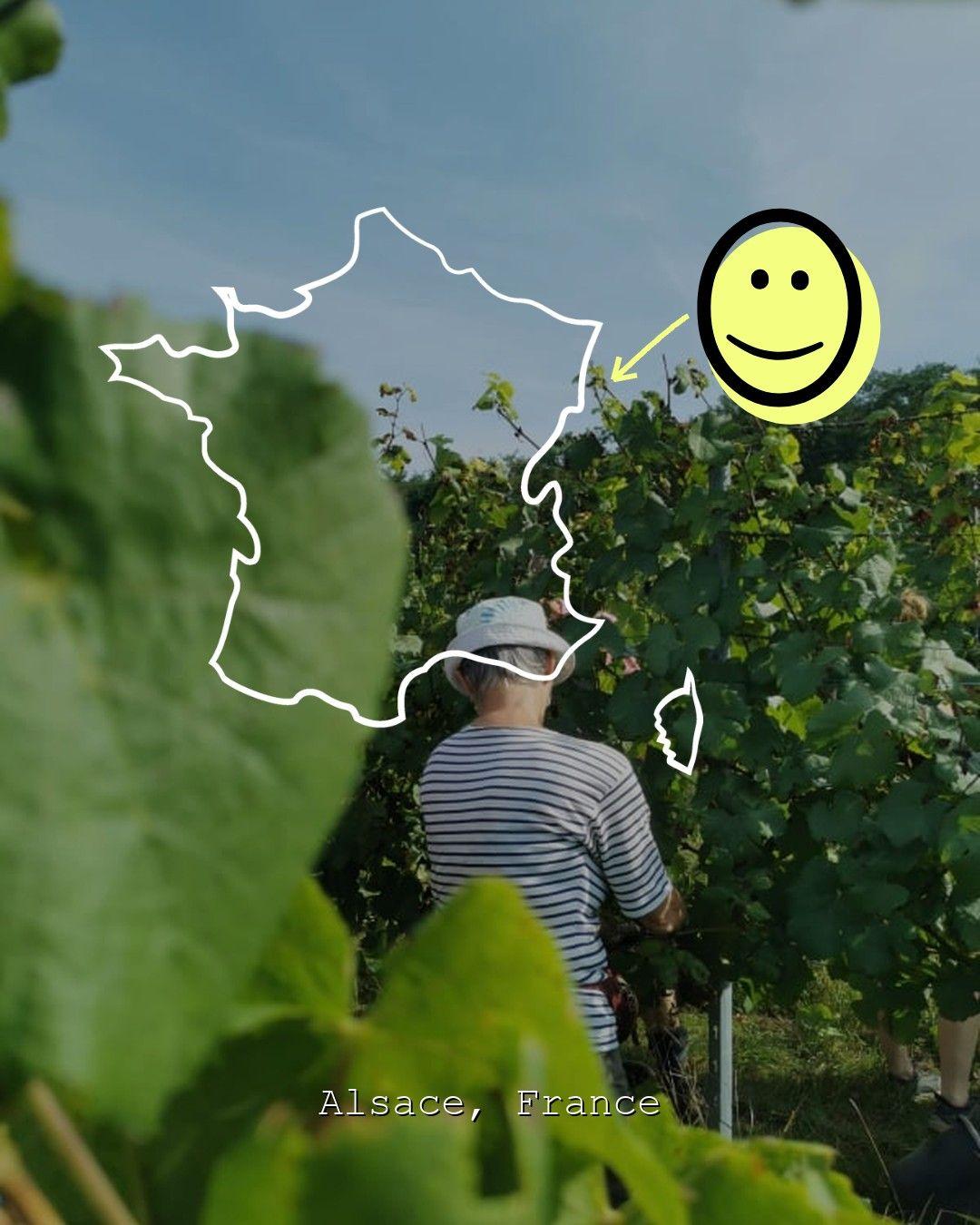
Alsace sits on a narrow strip of land between the Vosges mountains and the Rhine, and the mountains do most of the work: they block Atlantic rain, leaving the region one of the driest in France and giving growers reliably long, warm growing seasons. That combination of continental heat and good light allows grapes to ripen fully while holding on to the acidity that makes Alsace wines age. Most estates here are small and family-run, farming a mix of village plots and, in some cases, parcels within one of the 51 classified grands crus. Riesling, Gewurztraminer, Pinot Gris and Muscat are the four noble varieties the appellation system singles out, though Pinot Blanc and Pinot Noir are widely grown too. What marks Alsace producers is a habit of labelling by grape rather than by blend, which makes the grower's interpretation of a single variety the central question — two estates farming the same grape on adjacent slopes can read it very differently.

How we choose our producers

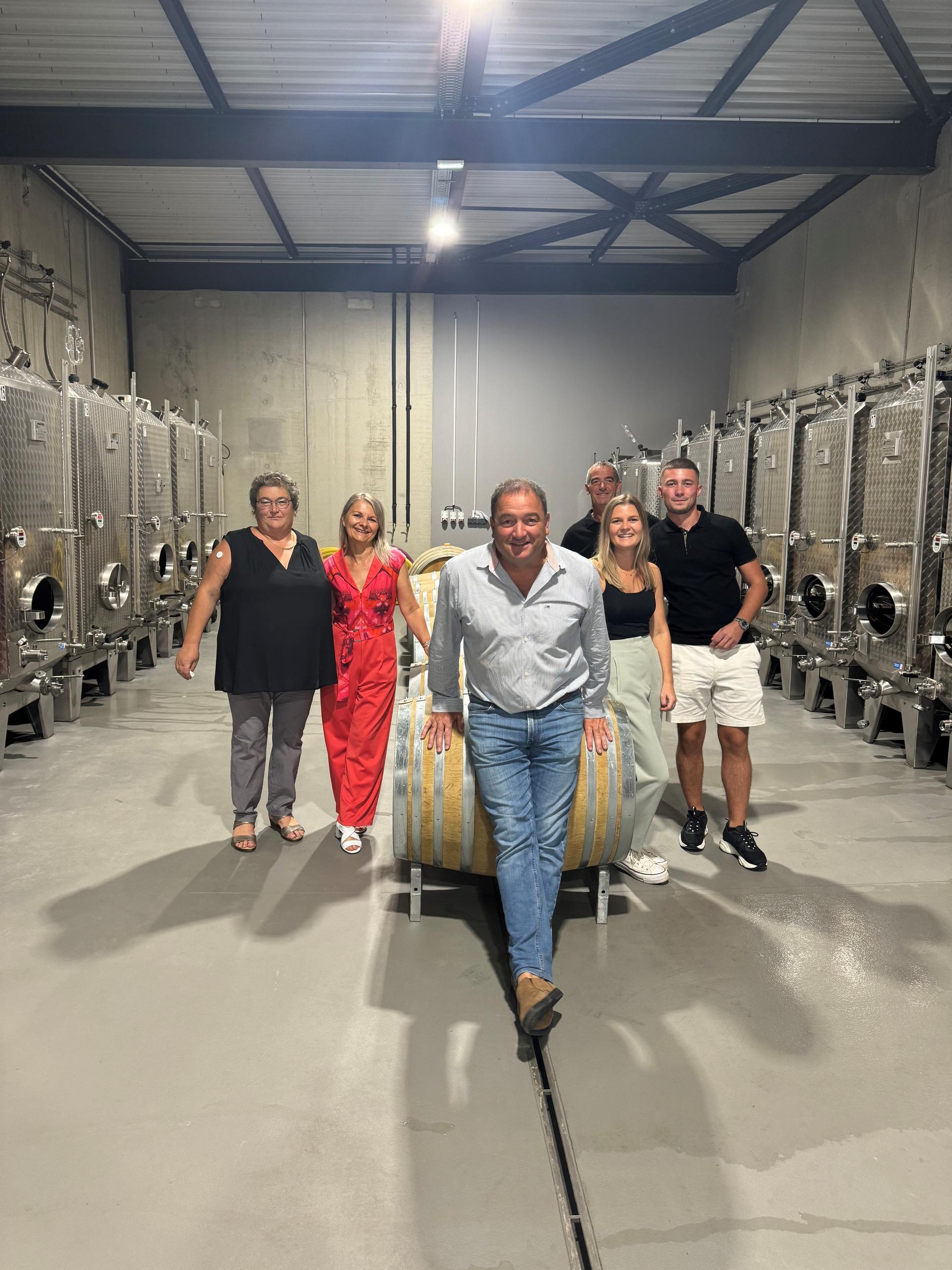
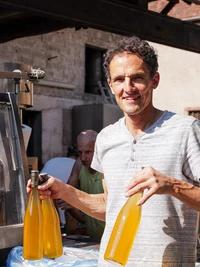
We work directly with the growers behind the wines, which means getting to know how they farm and what they charge before anything is listed. Producers send samples, and those samples are tasted before a wine is listed — the decision rests on what is in the glass, not on a reputation or a label. We look for pricing that reflects the work in the vineyard without the mark-ups that importers and warehouses add, and we keep the relationship direct so each producer sets their own terms. Once wines are live, independent wine experts rate and review individual bottles, building a public track record visible on each wine page. We do not try to cover every producer in the region: we list wines tasted before listing, from growers we have a direct relationship with. Producers on Free Grape Society ship directly from their own cellar, with no importer or warehouse in between, so the bottle that arrives is the one the grower made and priced. You can browse all Alsace producers at /all-wineries/france/alsace, or explore the wider French producer list if you want to look across regions.

Winemaking traditions in Alsace

Alsace has a long habit of ageing wines in large old oak foudres rather than small new barrels, which preserves fruit and keeps the wood from adding flavour of its own. The approach keeps the grape and the site in focus. For Riesling in particular — grown here on granite, gneiss, sandstone and limestone depending on the plot — that site expression is the point, and the best grands crus are chosen precisely because their geology produces something distinct. Gewurztraminer is handled differently by different producers: some pick early for freshness, others wait for full phenolic ripeness and the aromatic intensity that comes with it, occasionally tipping into vendange tardive (late harvest) territory. Pinot Gris sits between the two in style, capable of being vinified dry or with residual sugar, which is why reading a producer's notes matters here more than in most regions. If you want to explore white wines from France beyond Alsace, or compare with producers in Languedoc-Roussillon or the Loire Valley, those pages are a good next step. For a case from a single Alsace estate, the Alsace mixboxes page shows producers who have composed a six-bottle selection from their own cellar.