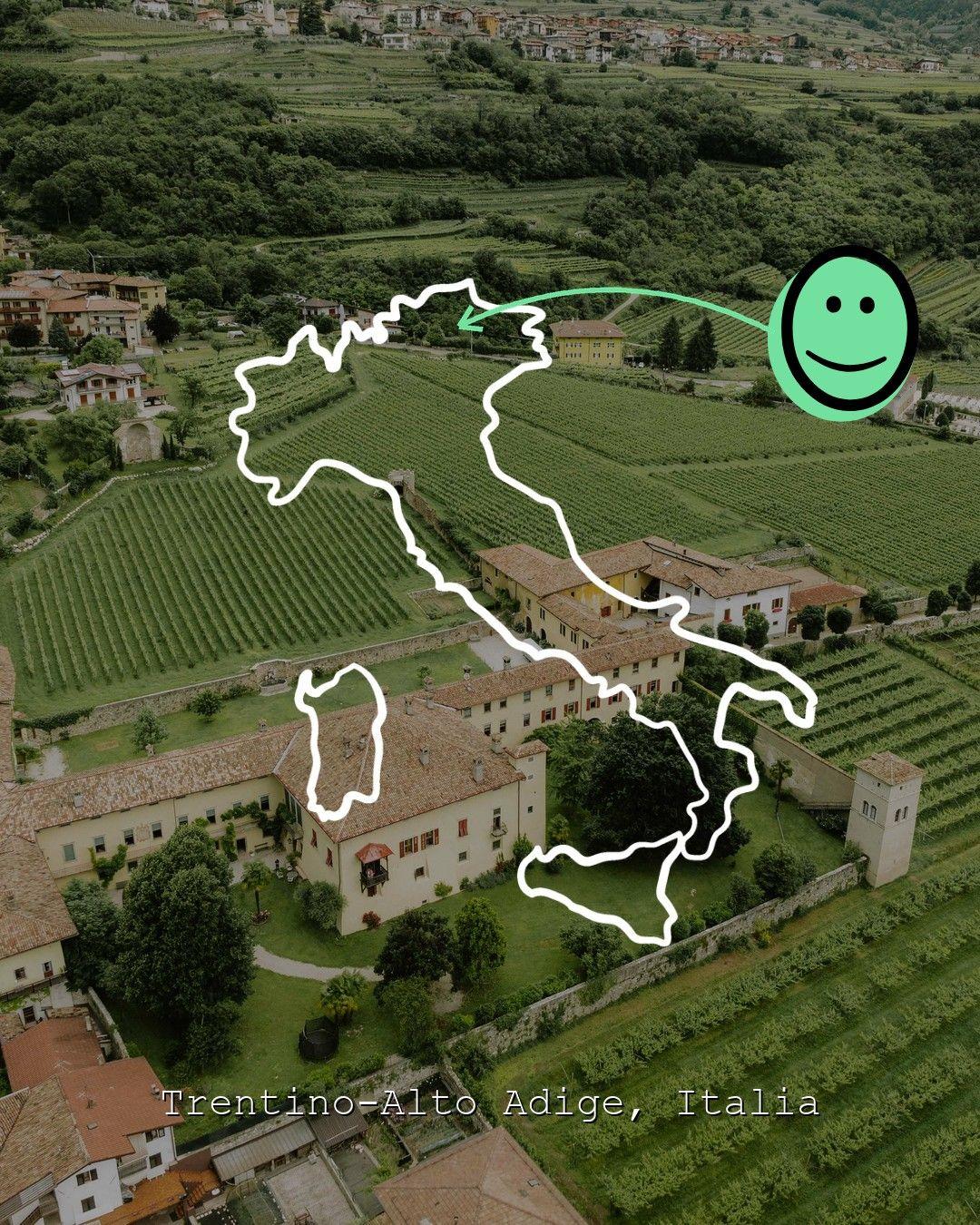
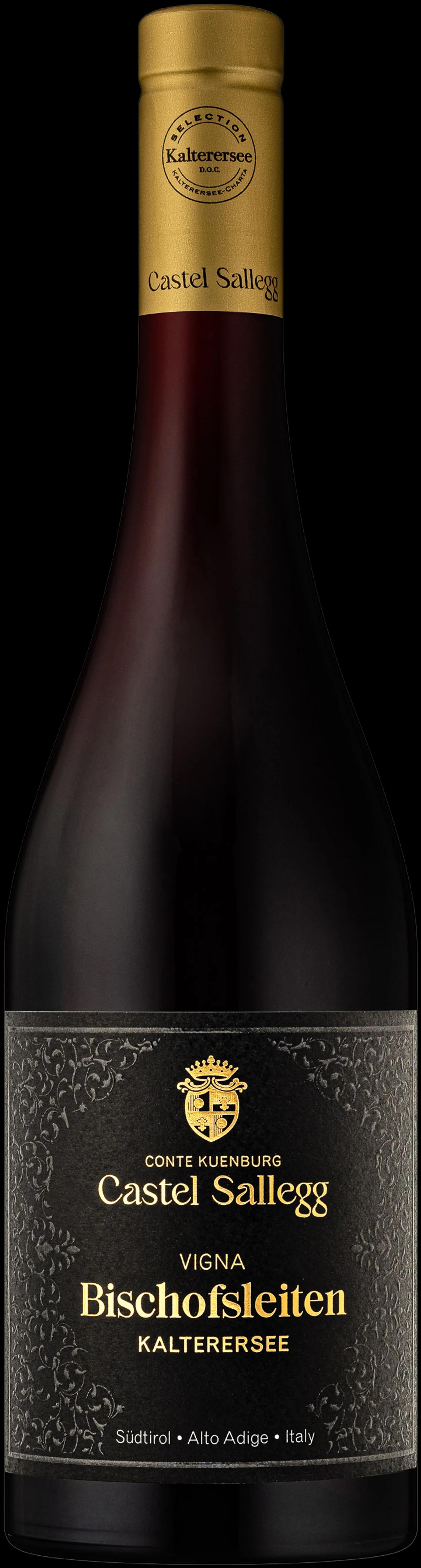
Schiava: a light, fragrant red from the Alpine valleys of Trentino-Alto Adige

Schiava wine is the everyday red of the South Tyrol, grown on the slopes of the Alps and known for its pale colour, soft texture and notes of cherry and almonds. The producers below grow and bottle it themselves.

Low tannin, high drinkability — and almost impossible to find outside northern Italy.

Color

Dropdown arrow

Type

Dropdown arrow

Country

Dropdown arrow

Region

Dropdown arrow

Grape

Dropdown arrow

Pairing

Dropdown arrow

Sort by

Sort arrow
Schiava

Schiava wines

Schiava — also called Vernatsch in German-speaking South Tyrol — is one of the oldest cultivated grapes in the Alpine foothills. It ripens reliably at altitude, which is why it became the workhorse red of the region for centuries. The wines are pale, almost translucent, with soft tannins and a freshness that makes them easy to drink young. On Free Grape Society, each bottle ships directly from the grower's own cellar, with no importer or warehouse in between.

3 of 3 wines

Previous1 of 1Next

Schiava wine cases

A wine case from a Schiava producer is typically a close-up of one estate's range — how the same grape expresses itself across different vineyard parcels, altitudes or vinification choices. Because Schiava is so tied to a specific corner of northern Italy, a six-bottle selection from one producer tells you a great deal about how that particular slope and cellar work. Free Grape Society is a society of producers, independent experts and wine lovers, not a shop.

View all mixboxes

Wineries

The growers who work with Schiava are concentrated in Trentino-Alto Adige, particularly around the Lago di Caldaro DOC and the Südtirol DOC — two appellations that have protected the variety for decades. A few producers in the broader Trentino area also grow it, sometimes blending it with other local varieties. Reading through a producer's own background is the quickest way to understand their approach, and the wine-advice service is there if you would like a recommendation before you choose.

View all wineries

Wine experts

Schiava is not a grape that generates a lot of critical noise, which means the reviews that do exist tend to come from people who genuinely seek it out. Independent wine experts on Free Grape Society review wines they have personally tasted, and their notes appear on each wine page and on the expert's own profile. Several of the experts below have reviewed Schiava wines featured on this page, so you can read what they found before deciding.

View all wine experts

Frequently asked questions

How do I order Schiava wine on Free Grape Society?

Browse the wines above, add bottles to your cart and pay securely by card or Klarna. Each bottle ships directly from the producer's own cellar — no warehouse or intermediary. You receive an order confirmation immediately, and the producer ships within a few days of your order being placed.

What happens if a bottle arrives broken or doesn't taste right?

Send a photo to Free Grape Society customer support within 7 days of delivery. We will arrange a replacement or a refund. Because producers ship directly, quality issues are handled with the producer's direct involvement. Shared responsibility is built into how FGS works.

Can I order Schiava from more than one producer in a single order?

Yes. You can add wines from different producers to the same cart and pay once. Each producer ships their own bottles separately, so you may receive more than one delivery. Shipping is free regardless of how many producers are involved in your order.

How long does delivery take?

Average delivery is 8 to 9 days from order to door. The full range is 4 to 14 days depending on the producer's location and your delivery address. Wines ship directly from the producer's cellar, not from a central warehouse.

How do I choose between different Schiava wines on the page?

Schiava varies mainly by altitude and vineyard site — wines from higher slopes tend to be more aromatic and structured, while lower-altitude bottles are typically softer and rounder. Reading the producer's own notes is a good starting point, and the wine experts on this page have reviewed several of the wines listed, so their tasting notes are worth checking before you decide.

Is Schiava only grown in one region, or do different producers make quite different styles?

Schiava is almost entirely concentrated in Trentino-Alto Adige in northern Italy, particularly around Lago di Caldaro and the broader Südtirol appellation. Style differences come mainly from altitude, vineyard exposure and how long the wine spends on the skins — some producers make a very pale, delicate version; others go slightly deeper in colour and structure. The grape's character stays consistent: light, fragrant and low in tannin.

Which Schiava wine expert can recommend something for me?

The wine experts listed on this page have tasted and reviewed Schiava wines available on Free Grape Society. Browse their profiles to see their notes and track records. If you would like a personal recommendation, you can submit a question directly to an expert — they respond with specific suggestions based on what you tell them about your preferences.

Why don't you sell supermarket-brand Schiava wines?

Free Grape Society lists wines from independent producers who grow and bottle their own grapes. Supermarket-label wines are typically made to a price point by large négociants who blend from multiple sources — the producer behind the label is rarely the person who grew the fruit. With Schiava in particular, the variety's character is so tied to specific Alpine sites that the vineyard origin matters more than usual.

Can I find Schiava in Italian wine shops, or is Free Grape Society the main route to it?

Schiava is widely available in Alto Adige itself and in specialist Italian wine shops, but export volumes are low — it is not a variety that travels well through conventional import and distribution channels. Buying directly from a producer through Free Grape Society is one of the more reliable ways to get bottles grown and bottled at the source, at the price the producer sets.

Where Schiava comes from and what makes it grow here

Schiava is an old red grape from the Alto Adige and Trentino in the far north of Italy, a region that sits in the Alps and shares a long history with Austria and the German-speaking world. It is known locally as Vernatsch in German, and the name still appears on labels from South Tyrol today. The grape has been grown here for centuries, partly because it thrives in the region's cool mountain air and on the pergola-trained systems that local growers have used for generations. It is a high-yielding variety by nature, which means producers who want wines with depth and definition tend to keep yields low and work carefully in the vineyard. The wines it produces are light in colour, often closer to a deep rosé than what most drinkers expect from a red, and they carry a freshness that makes them easy to pour alongside food. Schiava rarely appears outside its home region in any significant volume, which is one reason it stays unfamiliar to most wine drinkers outside Italy. The producers on Free Grape Society who work with it are based in Trentino-South Tyrol and nearby parts of northern Italy, and their wines reflect the alpine character of the region directly.

How Schiava tastes and what to drink it with

Schiava produces wines that are pale ruby to light red in colour, low in tannin, and high in freshness. The typical profile runs toward soft red fruit — cherry, raspberry, a little strawberry — with a slightly bitter finish that is characteristic of the variety and not a flaw. Because the tannins are gentle and the acidity is lively, the wine sits comfortably at the table without demanding heavy food. It works well with cured meats, mild cheeses, and the kinds of dishes that turn up in Alpine cooking: speck, Tyrolean dumplings, lightly roasted pork. It is also one of the few red wines that can be served slightly chilled without losing its character, which makes it useful in warm months when most reds feel too heavy. The grape's light structure means it does not age in the same way as Nebbiolo or Sangiovese from further south — it is generally better in the first few years after harvest, when the fruit is at its brightest. If you enjoy lighter reds like Pinot Noir or Gamay, Schiava is worth exploring as a regional alternative with its own distinct alpine personality.

Buying Schiava wine directly from independent producers

Most Schiava available outside Italy comes through importers who handle the logistics and set the margin, which means what reaches the shelf is often a small and filtered selection. On Free Grape Society, wines tasted before listing ship directly from each producer's cellar to your door, with no importer or warehouse handling in between. That keeps the chain short and means the producer decides how the wine is presented and at what price. Because Schiava is a regional speciality rather than a globally traded grape, the producers who grow it tend to be small estates with a close relationship to the variety and its traditional growing area. Reading the producer's own notes alongside a wine is often the most useful way to understand what a particular bottle is trying to do, and the independent wine experts on the platform review wines they have personally tasted, with those reviews visible on each wine page. If you want to explore the broader range of Italian wines or compare Schiava with other grapes from the same northern region, the Trentino-South Tyrol and Lombardy pages are a good place to start. Free Grape Society is a society of producers, independent experts and wine lovers, not a shop — and that distinction matters most for a grape like this, where the story behind the bottle is half the point.