Where Gamay comes from and why Beaujolais defines it
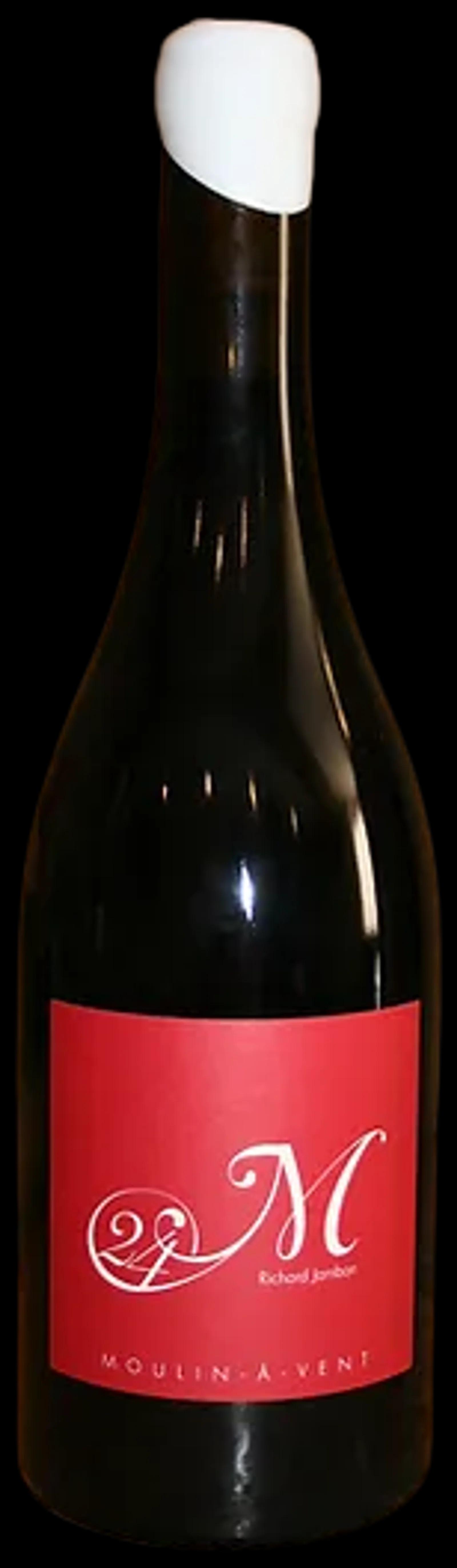
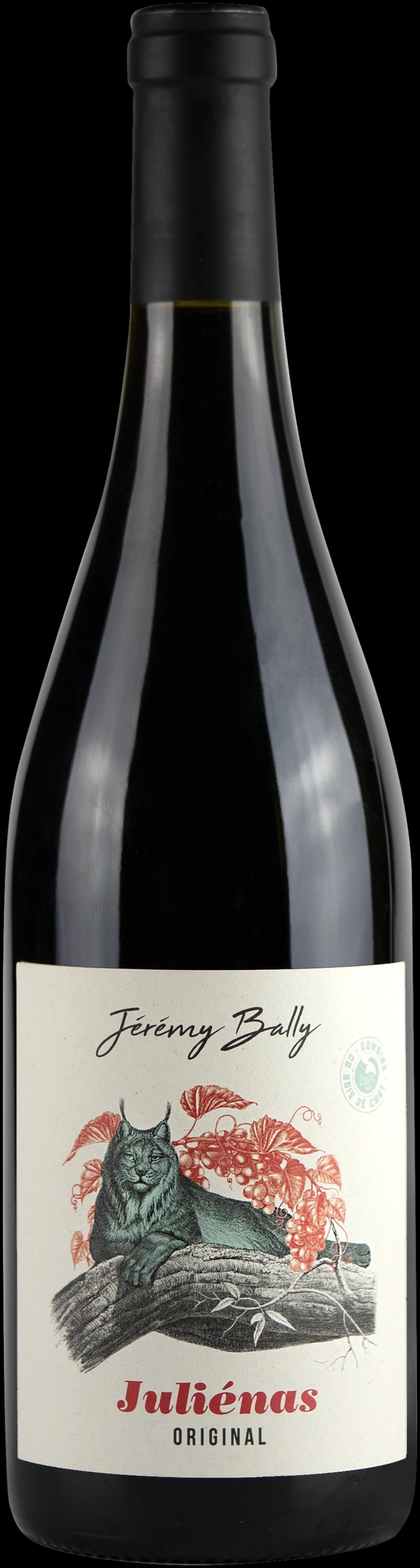
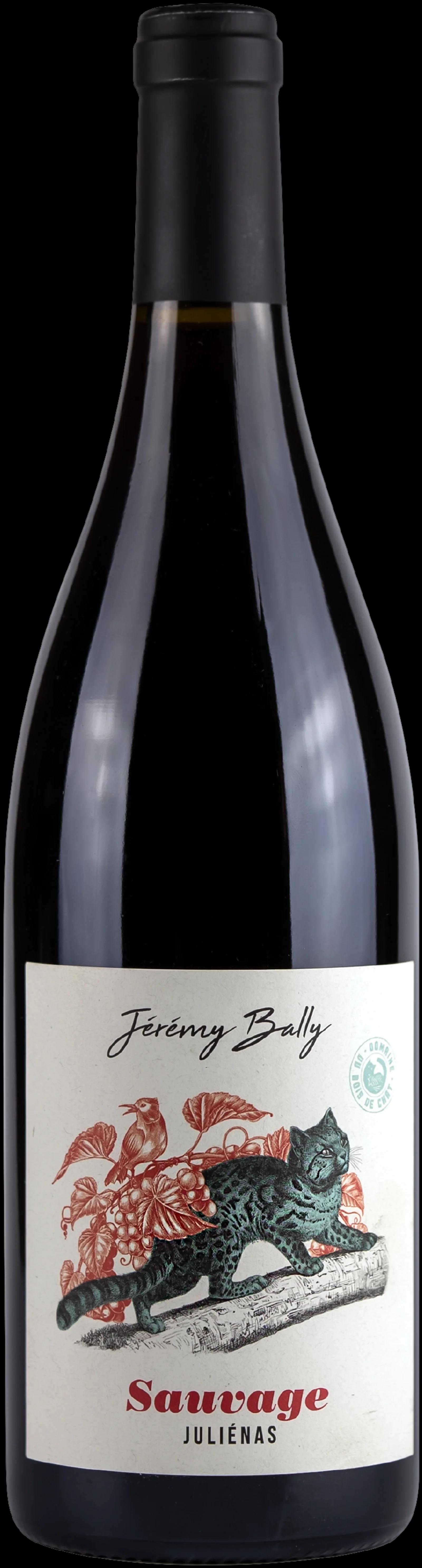
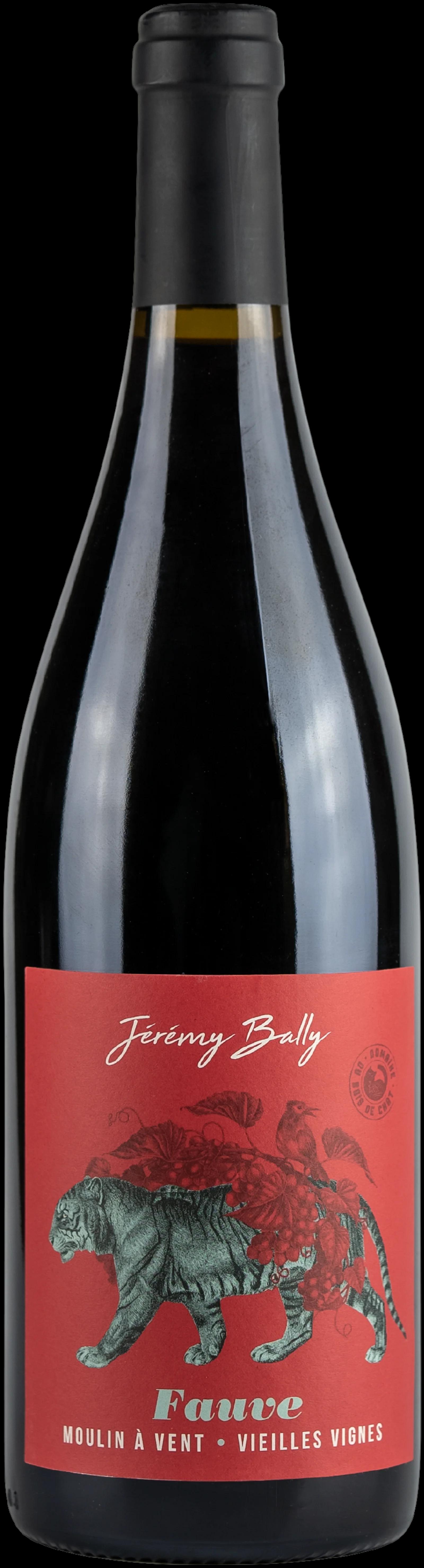
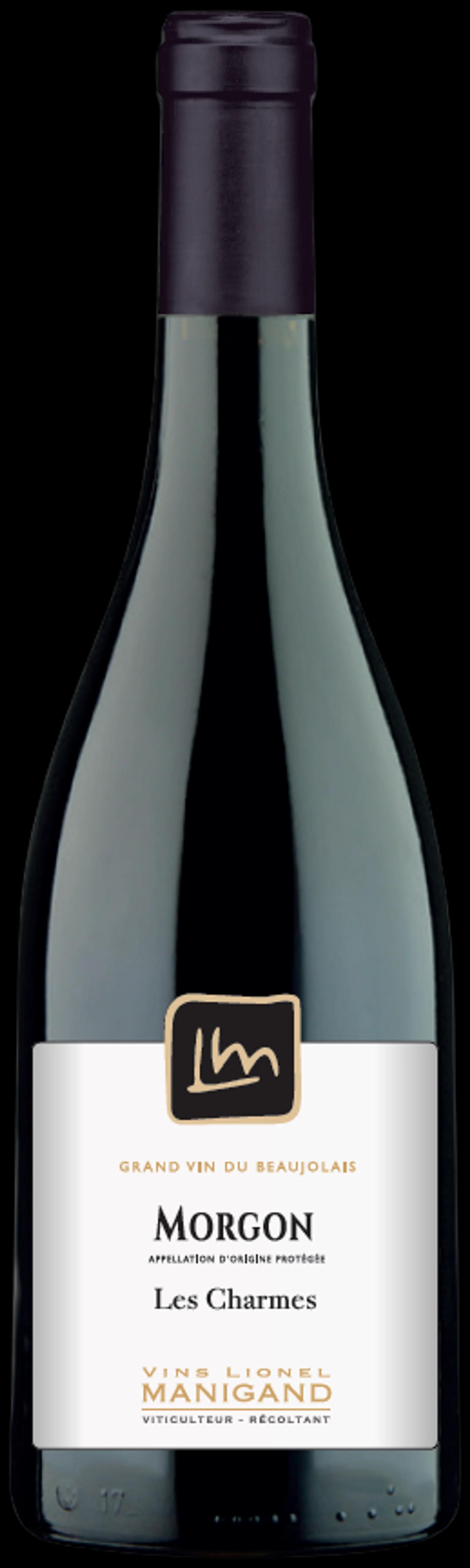
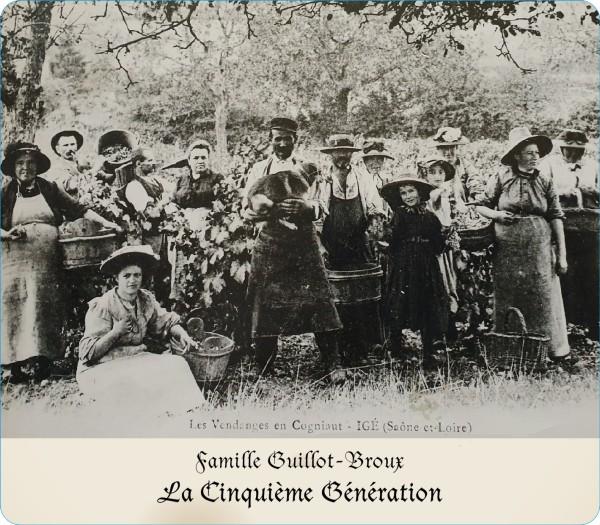
Gamay is one of those grapes that became inseparable from a single place. It has been grown in Beaujolais since at least the fourteenth century, and the region still accounts for the vast majority of the world's Gamay wine. The grape was actually banned from Burgundy in 1395 — the Duke of Burgundy considered it an inferior variety taking space from Pinot Noir — which pushed it south into the granite and schist soils of the Beaujolais hills, where it turned out to thrive. That geological accident shaped a wine culture: Gamay in Beaujolais produces wines that are pale, fruit-driven, and lower in tannin than most reds, with a juiciness that made them easy to sell young. The ten Beaujolais crus — Moulin-à-Vent, Fleurie, Morgon, Brouilly and the others — each sit on distinct soil types, and growers there argue that Gamay expresses those differences more transparently than almost any other red grape. Outside Beaujolais, Gamay also appears in the Loire Valley, where it is sometimes blended with Grolleau, and in Savoie, where it takes a crisper, more alpine character. Smaller plantings exist elsewhere in France, but Beaujolais remains its heartland by a large margin.
How Gamay tastes, and what to drink it with
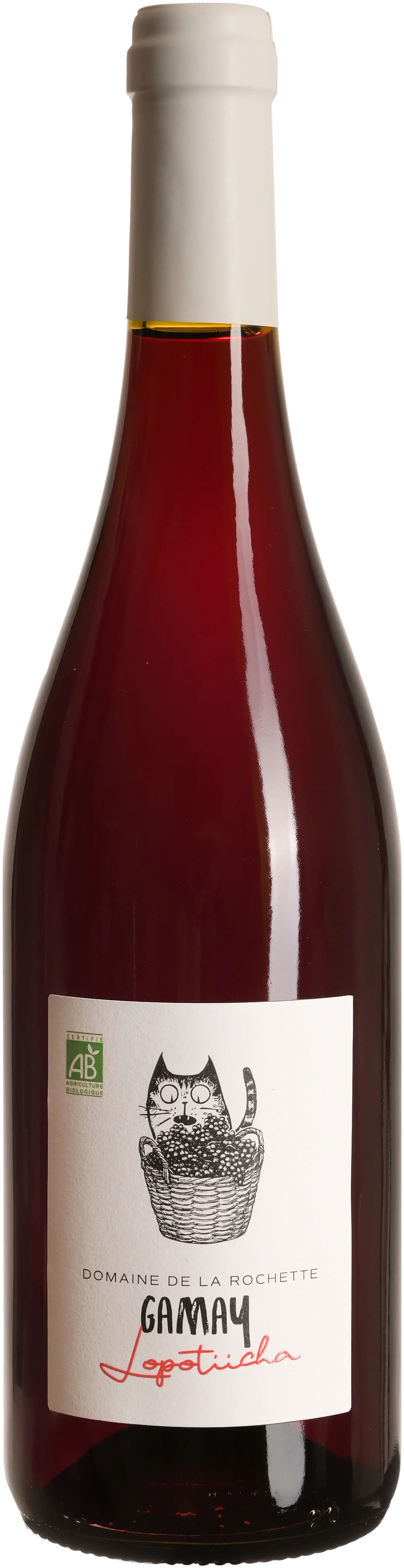
Gamay is a thin-skinned grape that ripens relatively early, and those two facts go a long way toward explaining its character. The skins contribute little tannin, so the wines finish soft and approachable. Early ripening in a cool climate means Gamay retains plenty of acidity, which gives it a lively, almost crunchy quality even in riper years. The flavour profile leans toward fresh red fruit — cherry, raspberry, sometimes cranberry — with floral notes that can remind you of violets or peonies, and an earthy, slightly mineral undertone that varies considerably with soil. In lighter styles, the wine is transparent and immediately refreshing. In the more structured cru wines from Morgon or Moulin-à-Vent, it can take on a denser, almost Pinot-like depth after a few years in bottle. That range makes Gamay versatile at the table. It is one of the few red wines that works well slightly chilled, which makes it a practical match for fish dishes, charcuterie, and lighter poultry. Earthier expressions hold up to mushroom dishes, duck, and simple braised meats. For a broader view of what red wines from independent producers look like across different grapes, or to explore how Gamay sits alongside other French grape varieties, both pages are worth browsing.
Buying Gamay wine directly from independent growers
Most Gamay that reaches supermarket shelves comes from large négociant operations that buy grapes or finished wine from across the appellation and blend for consistency and volume. That model produces wines at a price, but it tends to flatten the differences between terroirs and growing choices that make individual Gamay producers interesting. The growers listed on this page work differently: they grow their own fruit, bottle their own wine, and ship it directly from their own cellar. On Free Grape Society, producers handle their own shipments, with no importer or warehouse in between — which means the wine travels fewer steps and the grower controls the conditions. Free Grape Society is a society of producers, independent experts and wine lovers, not a shop, and the producers here have joined on the same terms as every other grower on the platform. If you want to see what other French wines are available from independent estates, or explore Loire Valley producers where Gamay also appears, those pages will give you a wider picture. For an overview of all wineries on the platform, including those in Beaujolais, the winery pages show each producer's full range.