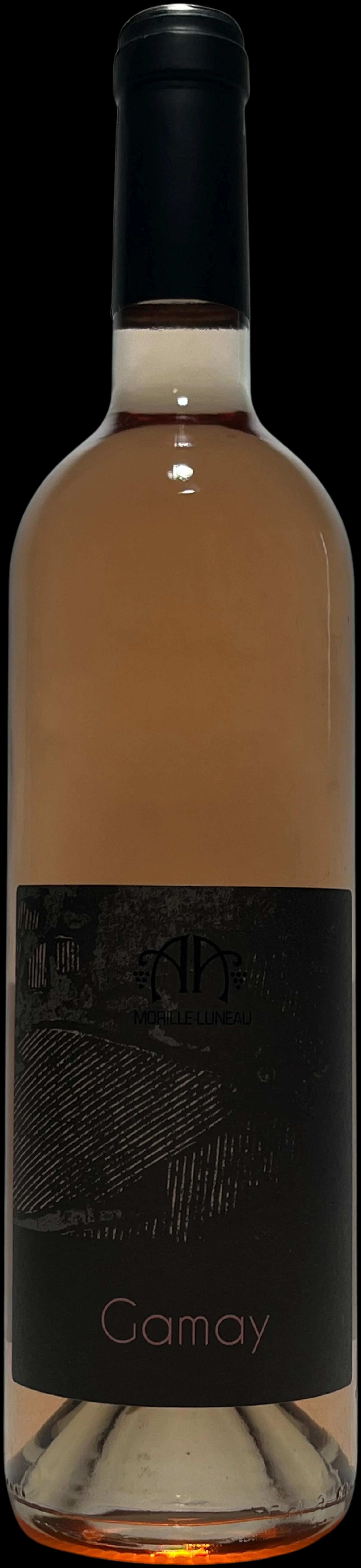
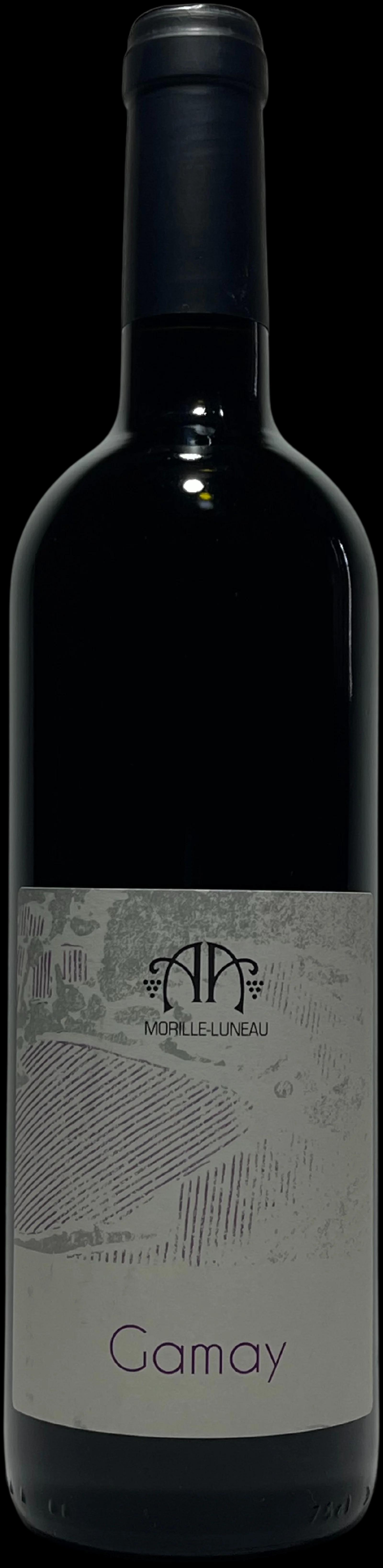
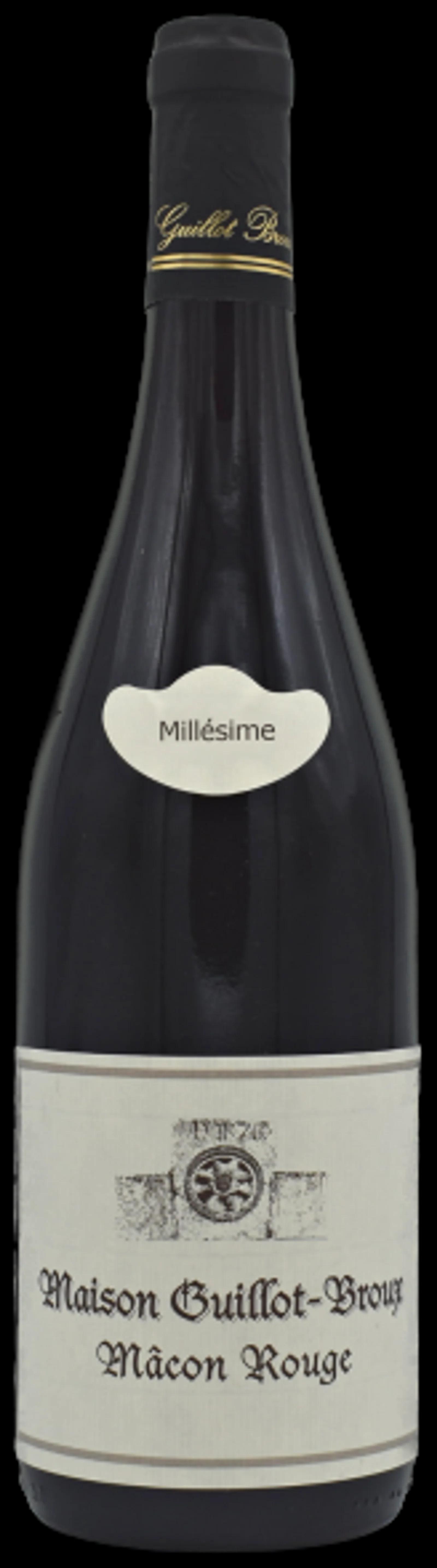
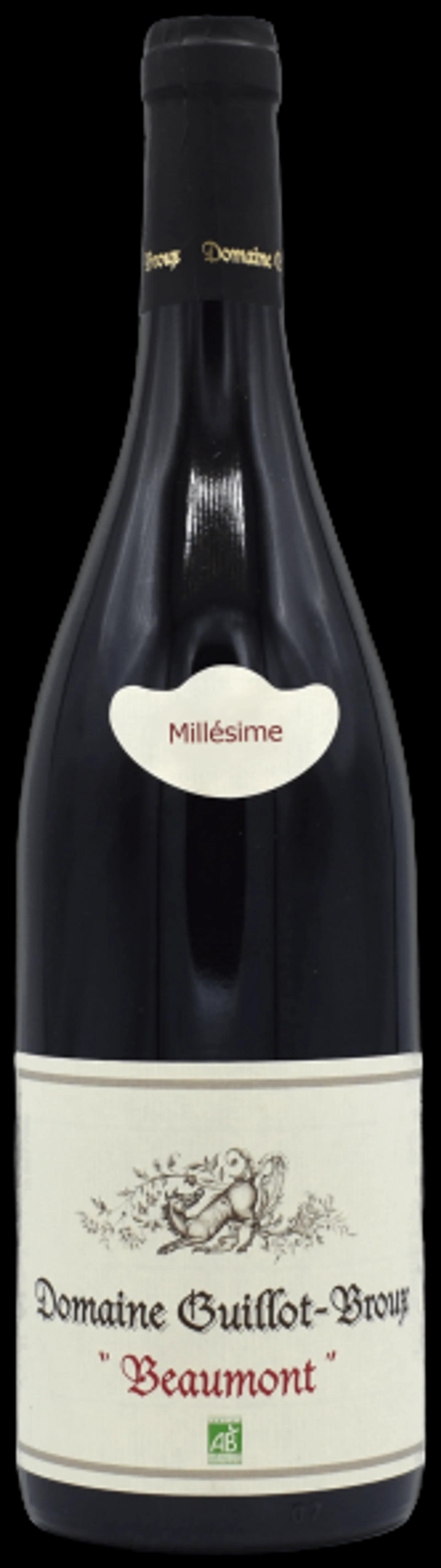
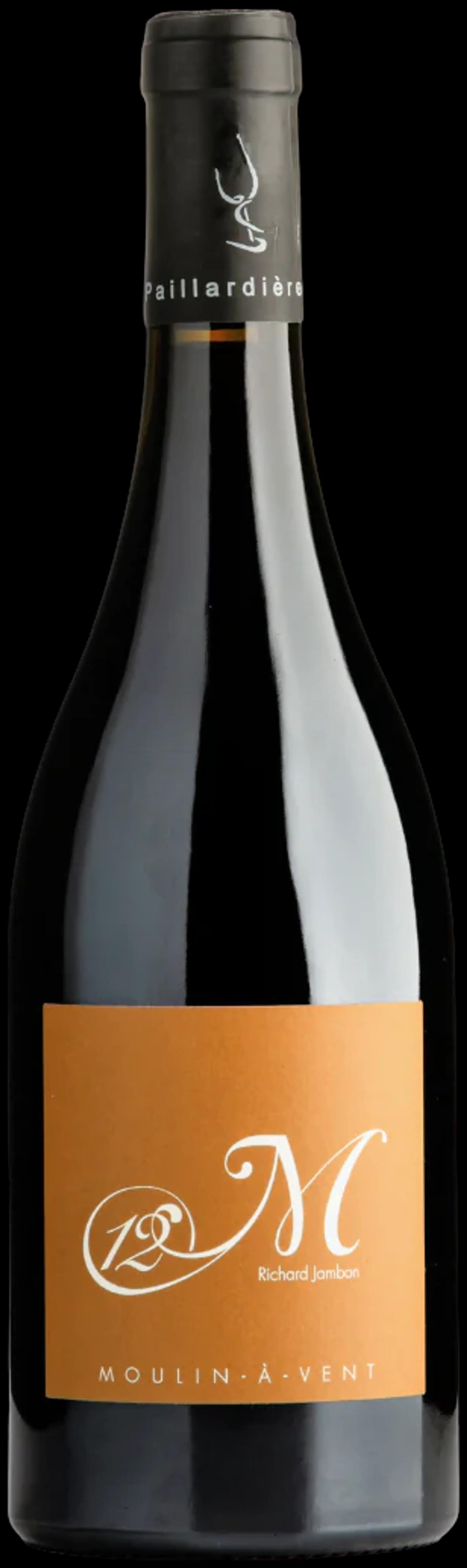
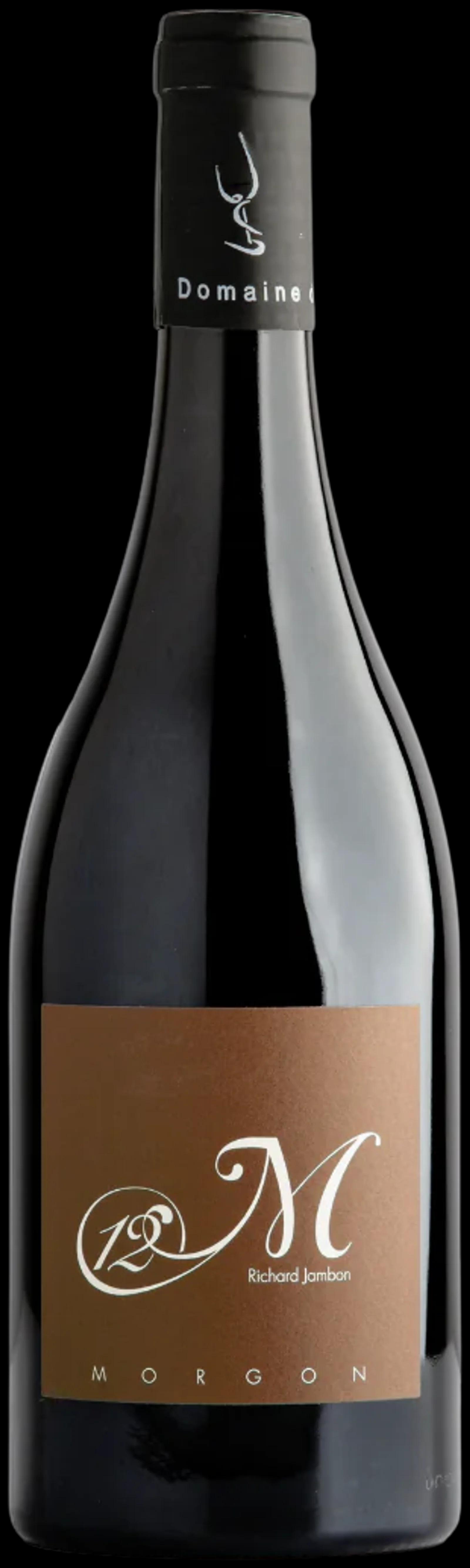
Gamay in France — where it grows and why it matters
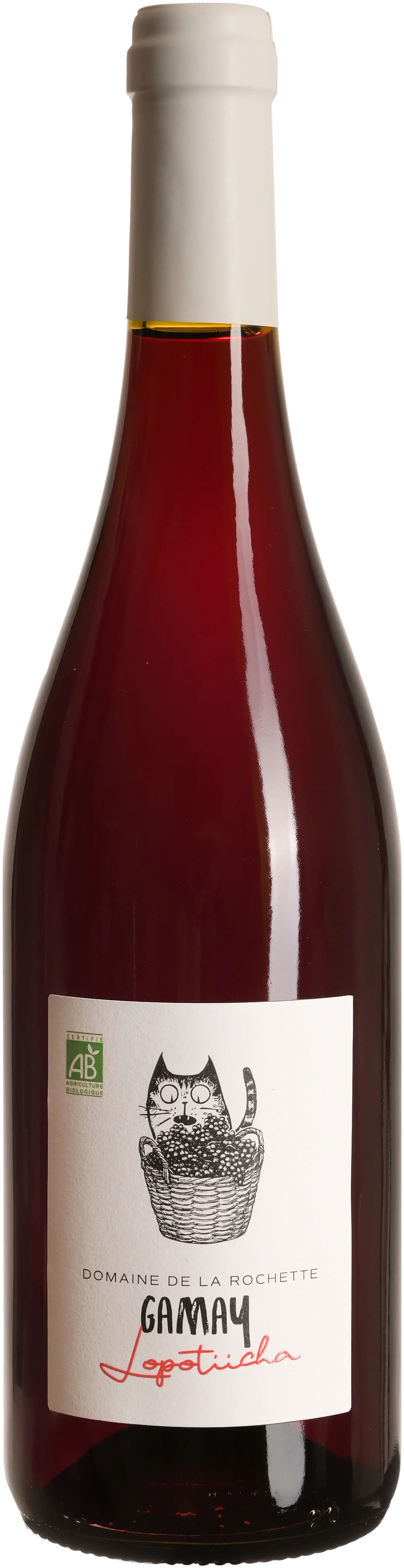
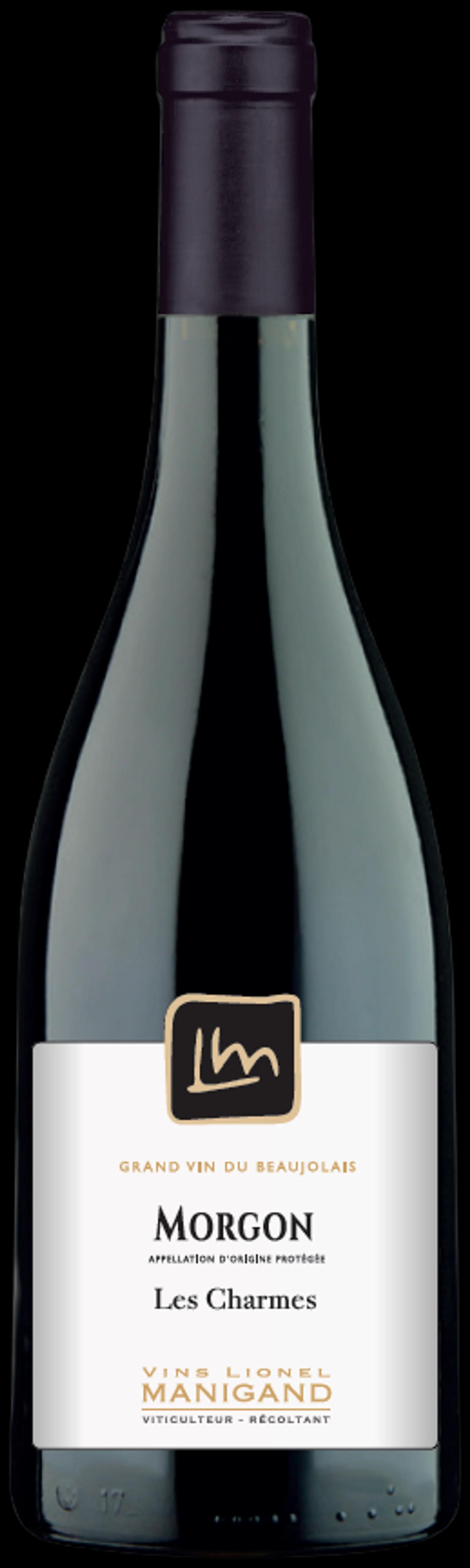
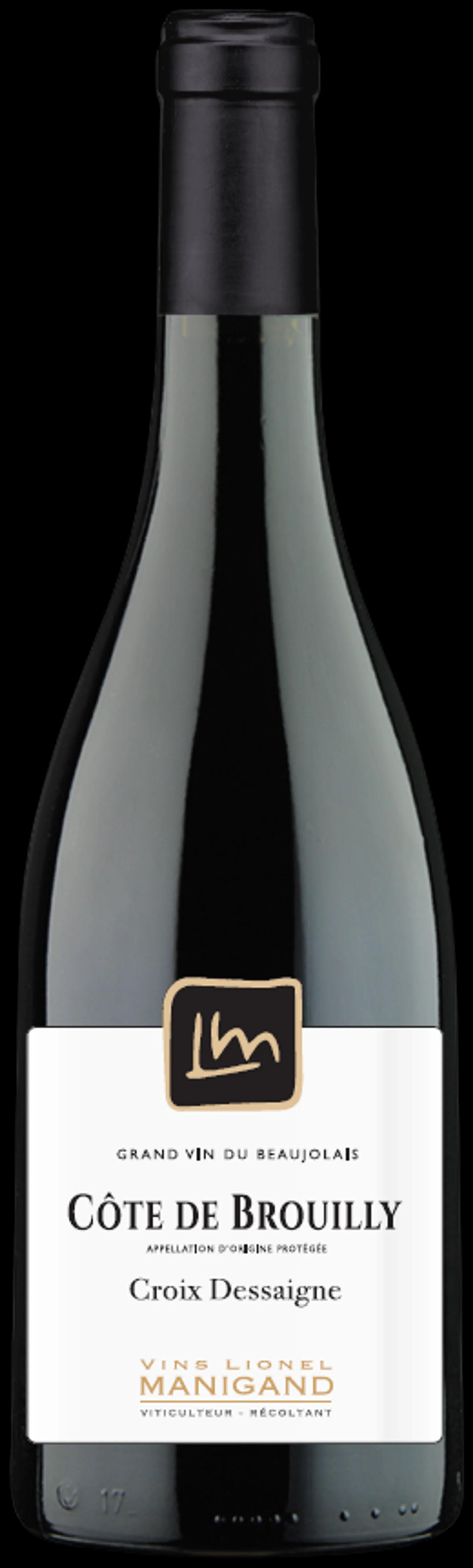
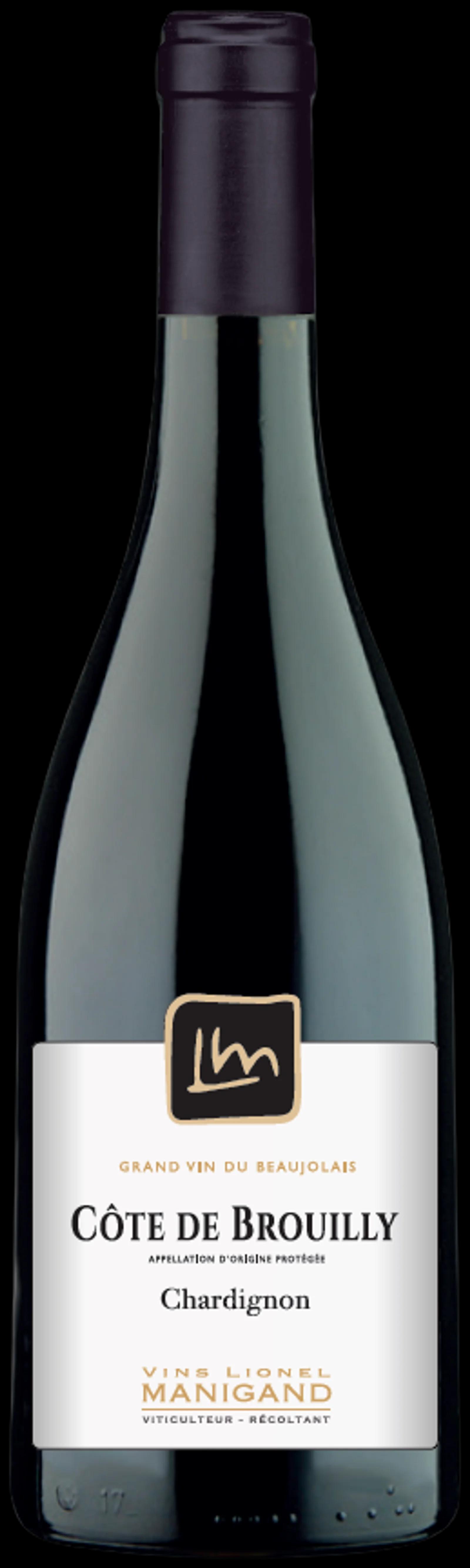
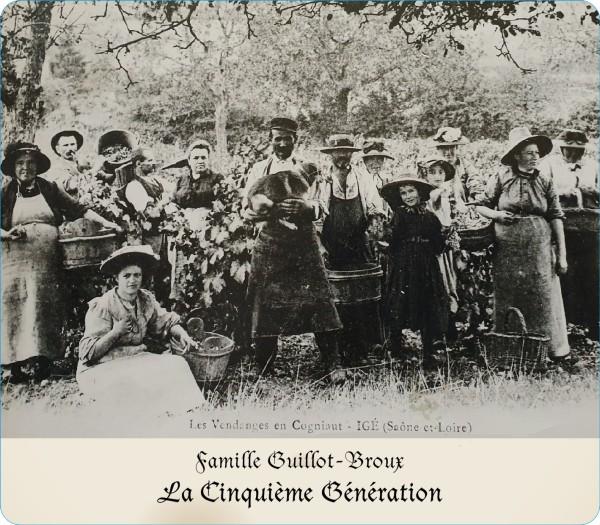
Gamay is, above almost everything else, a French grape. It accounts for the overwhelming majority of plantings in Beaujolais, where it covers around 22,000 hectares of granite and schist hillside. But reducing Gamay to Beaujolais misses the structural picture. In the Loire Valley, particularly in Touraine, Gamay produces lighter, more angular reds with higher visible acidity — a direct consequence of the cooler continental climate compared to southern Beaujolais. In the Auvergne, grown on volcanic basalt soils, Gamay takes on a darker, more structured character that has little stylistic overlap with a Brouilly or a Fleurie. The grape's thin skin produces low tannin across all these contexts, but the extract, weight, and acid profile shift substantially depending on elevation and geology. Producers working with Gamay in France are frequently single-estate operations — the grape has historically resisted the industrial cooperative model better than Merlot or Grenache.
How French Gamay compares to the same grape grown elsewhere
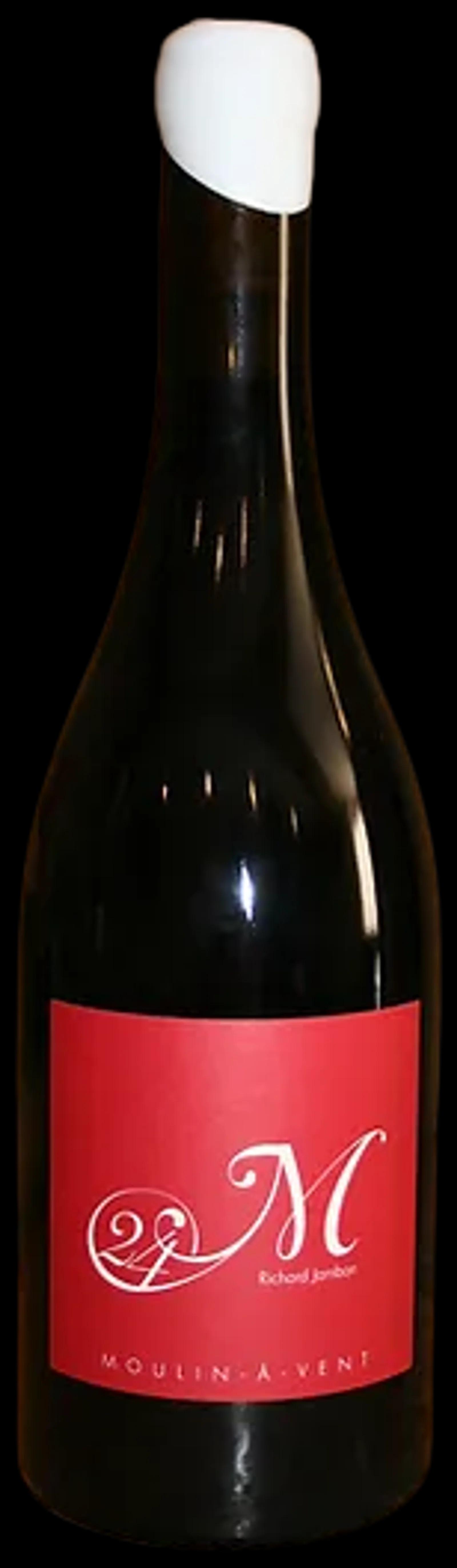
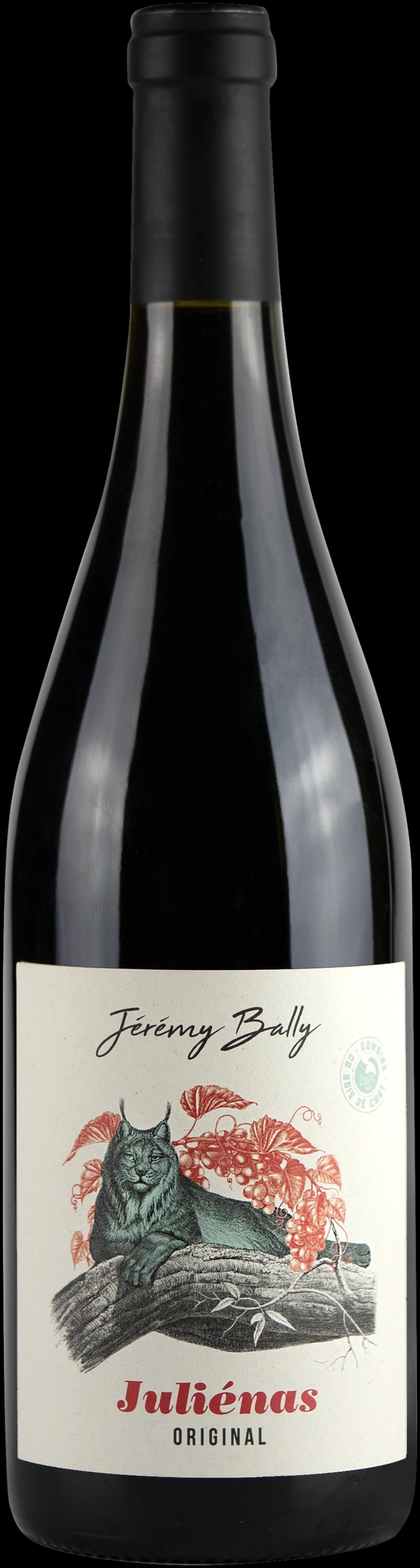
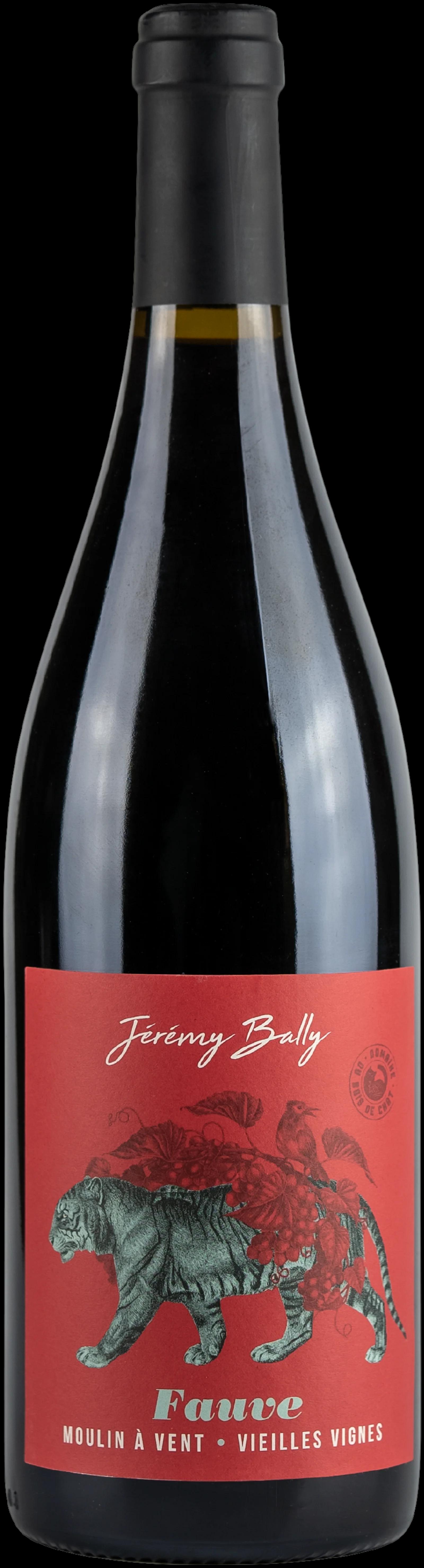
Gamay is planted in Switzerland, Canada, and parts of the United States, but in those countries it functions as a minor variety. In France it is a structural pillar of an entire appellation system. The cru Beaujolais system — ten named crus from Moulin-à-Vent to Chiroubles — represents something unusual: a single grape variety differentiated almost entirely by soil type rather than by winemaking technique. Moulin-à-Vent sits on manganese-rich granite and produces wines that can age for a decade. Saint-Amour, by contrast, sits on sandstone and schist and produces wines that are typically drunk within two or three years. No other country produces Gamay with this level of geologically-defined internal variation. That variation is also what distinguishes French Gamay from Pinot Noir grown in the same region: where Pinot Noir in Burgundy is shaped primarily by limestone and chalk, Gamay in Beaujolais is shaped by igneous and metamorphic rock. The resulting tannin structure is different in kind, not just in degree.
Styles of Gamay from France — and how producers work with the grape
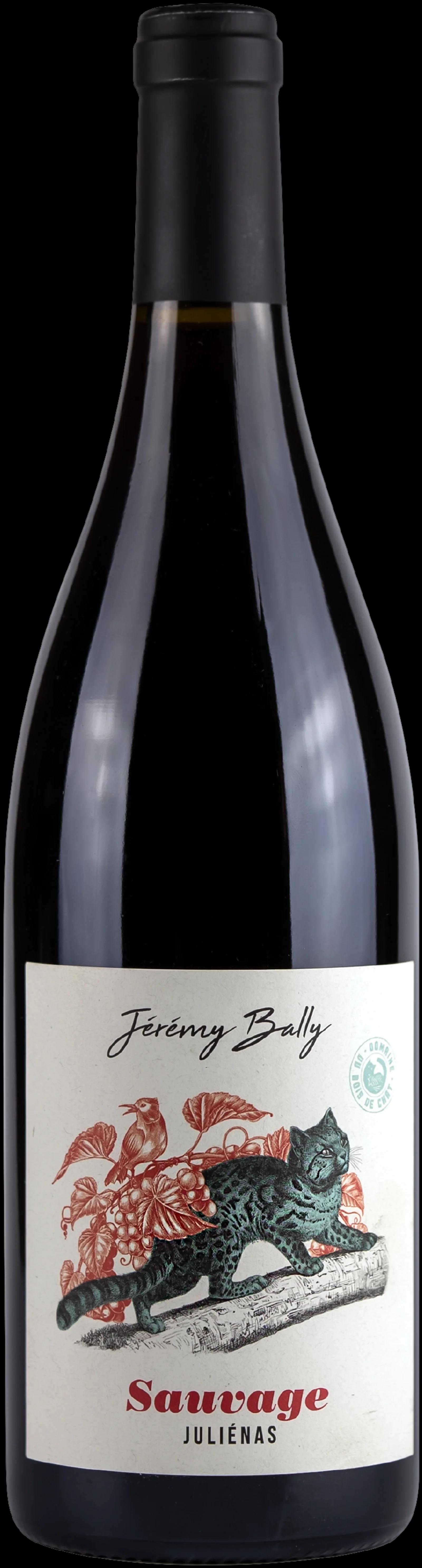
Three stylistic lines run through French Gamay. The first is carbonic maceration, the technique most associated with Beaujolais Nouveau and lower-tier Beaujolais: whole bunches fermented in a carbon-dioxide-rich environment, producing fruity, low-tannin wines intended for early drinking. The second is semi-carbonic or traditional fermentation in the cru appellations, producing wines with more structure, more phenolic development, and genuine aging potential. The third, increasingly visible among independent producers in the Loire Valley and Auvergne, is minimal-intervention whole-cluster fermentation that produces Gamay with an earthy, sometimes saline, character that reads nothing like a standard Beaujolais. Producers on Free Grape Society working with French Gamay tend to sit in the second and third categories. These are not the wines that built Beaujolais Nouveau's export volumes in the 1980s. No importer, no wholesaler. The price you see is the price the producer agreed to. Bottles ship from the producer's cellar, not from a warehouse. If you want to understand the full range of what French red wine built on a single grape looks like, Gamay in France is the most instructive example on the market.