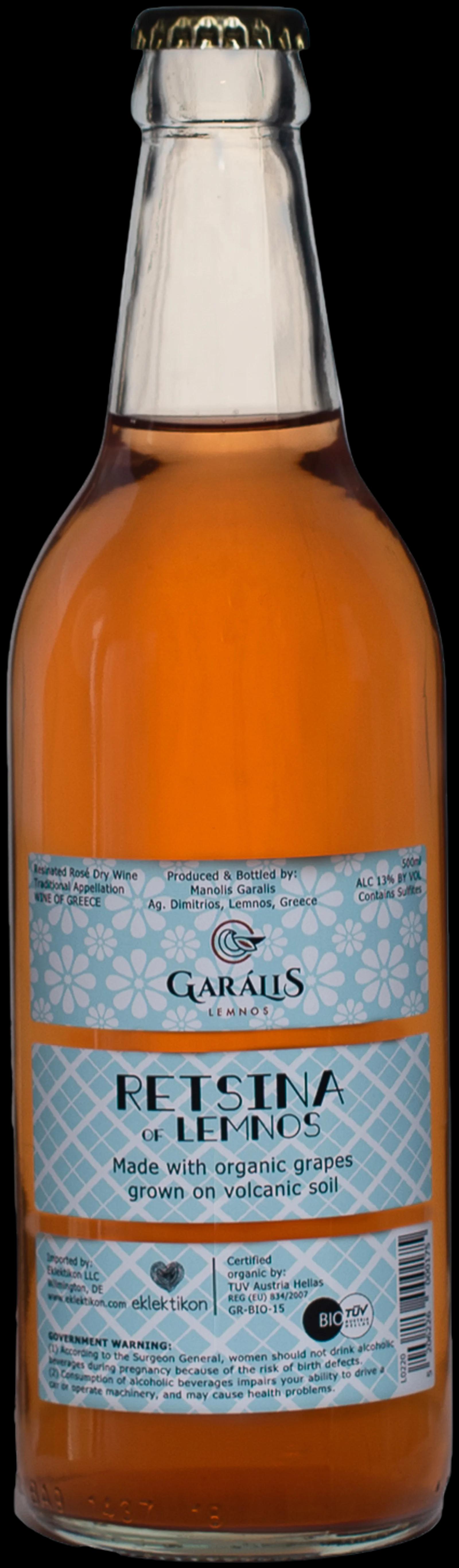
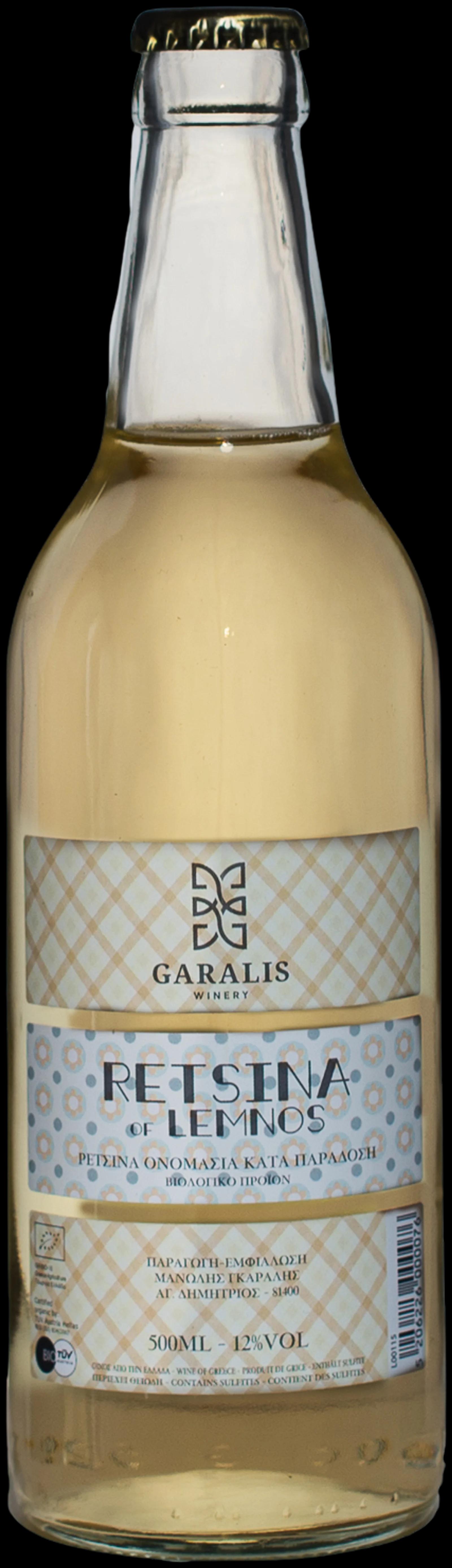
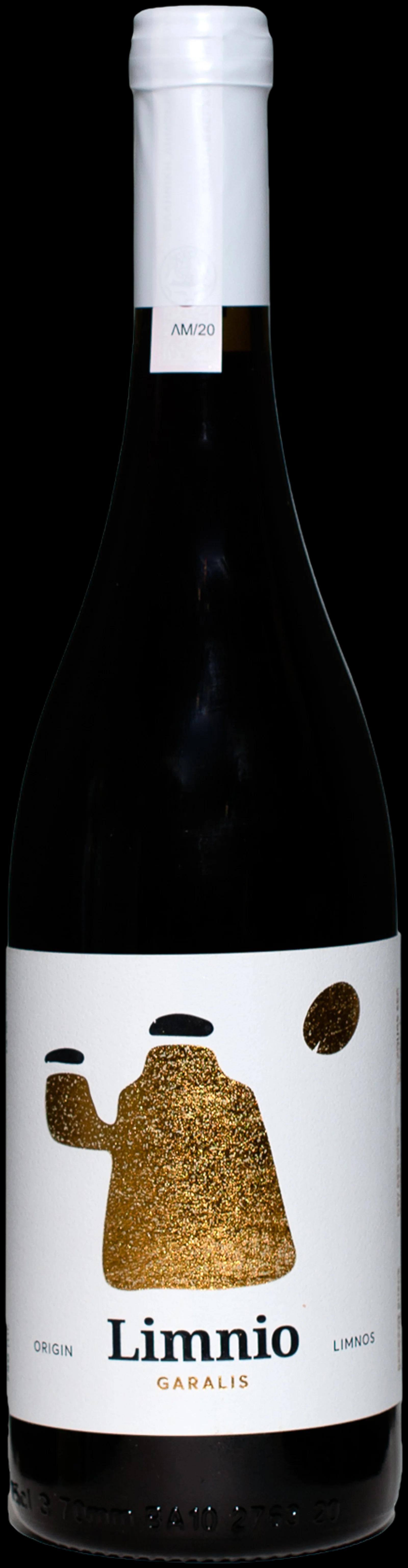
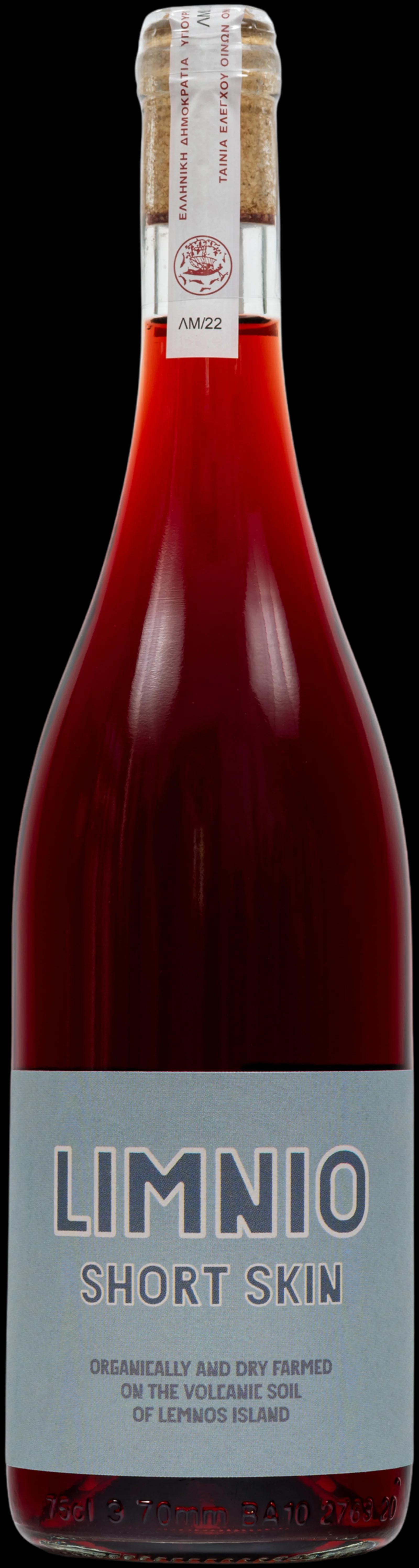
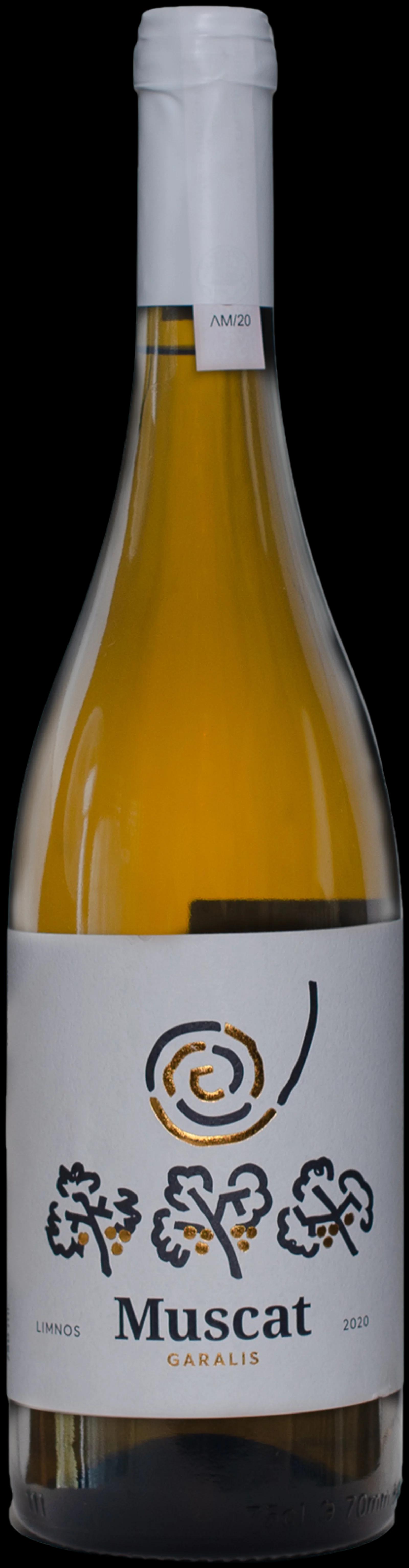
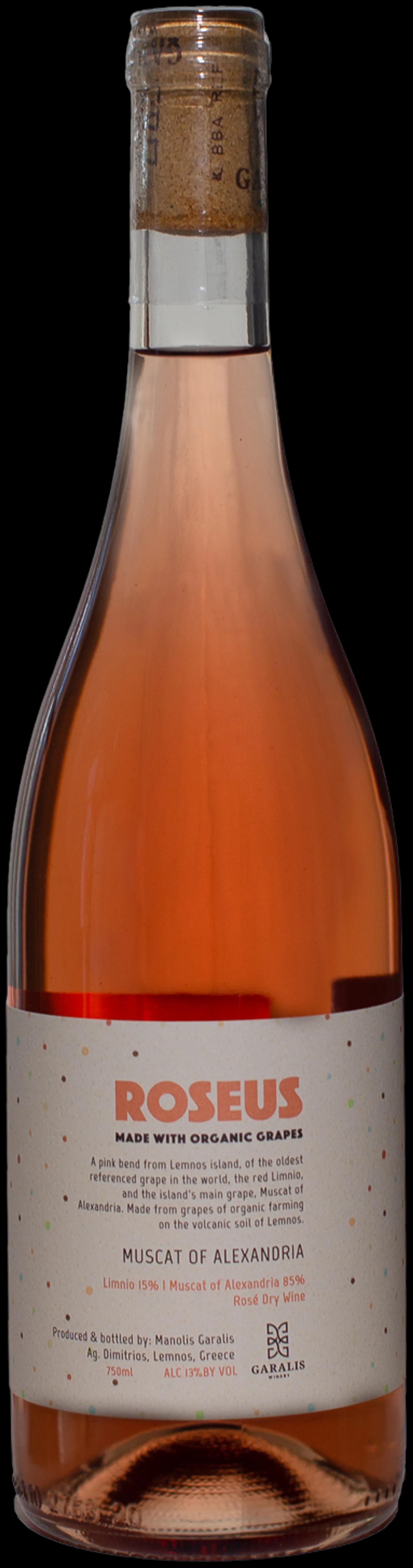
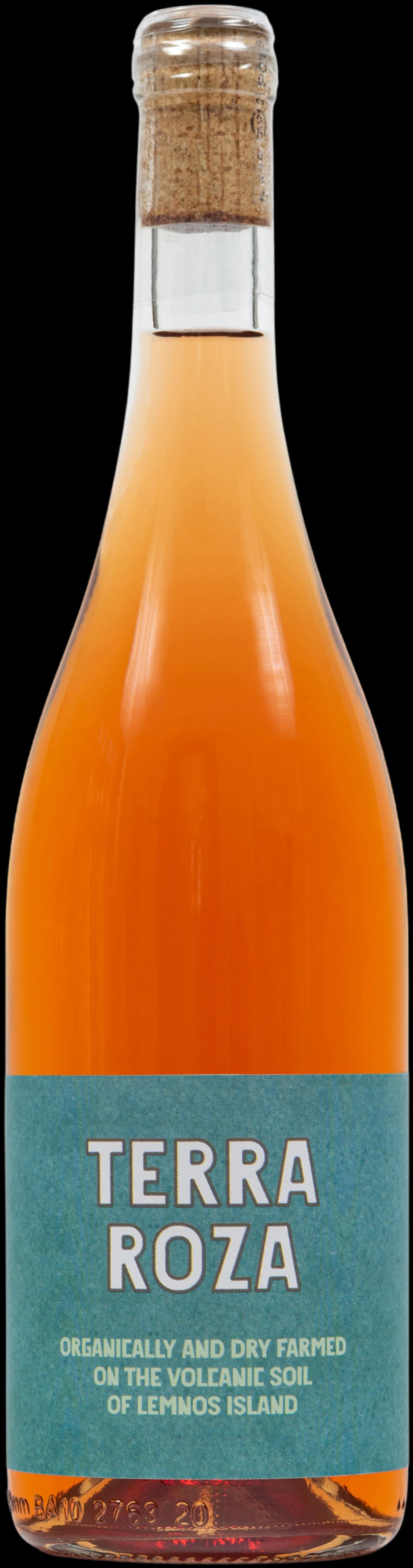
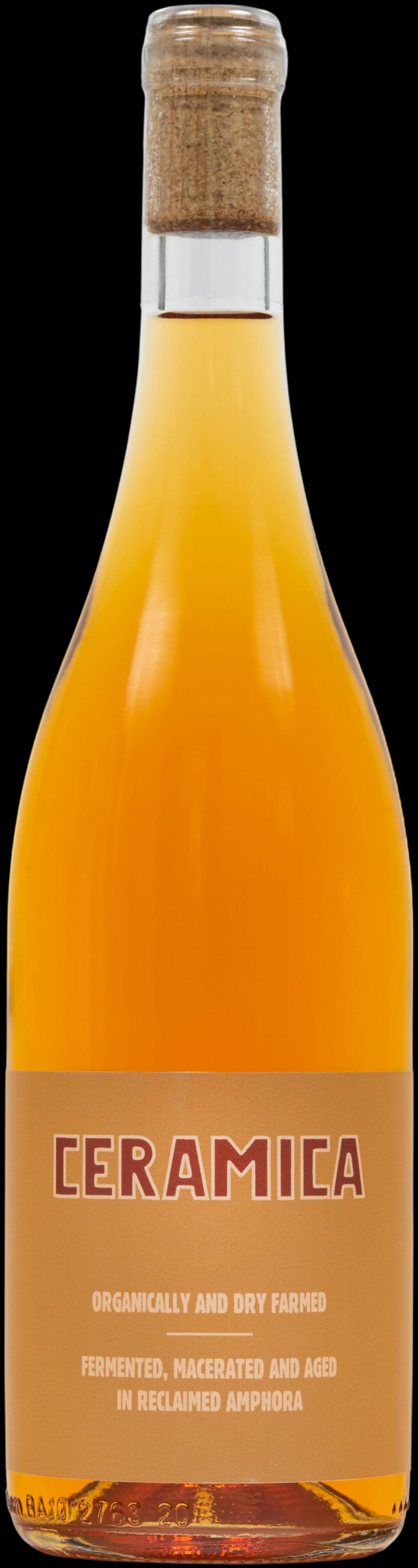
What's in a Greek wine case
A Greek wine case from Free Grape Society is six bottles composed by a single producer — their own selection, not a retailer's mix. That distinction matters: when a grower in Nemea or the Aegean Islands puts together six bottles, they are showing you how their wines relate to each other, whether that means moving from a fresh white to a structured red, or tracing one grape across different vintages or plots. The six-bottle format is small enough to be intentional. A producer knows what each bottle is, where it came from, and why it sits alongside the others. That is something a warehouse-assembled case cannot replicate. You can browse all available cases on the Greece mixboxes page, or explore cases by region — Aegean Islands producers have their own cases listed there. If you want to compare cases from other Mediterranean countries, Italian wine cases and Spanish wine cases are also available.
Why one producer per case
The rule is simple: one case, one producer. No blending across cellars, no editorial curation by a buyer. Each case is the grower's own recommendation, which means it tells you something true about that estate rather than something convenient for a retailer. Greek producers work with a remarkable range of indigenous grapes — Assyrtiko on volcanic soils in Santorini, Xinomavro in the cooler north around Naoussa, Agiorgitiko in the Peloponnese — and a producer's case often traces that specificity. A case from a northern Greek estate will look different from one composed on a Cycladic island, not because of curation, but because the grapes, the soils, and the winemaker's choices are different. That is the value of keeping each case within one cellar. Free Grape Society is a society of producers, independent experts and wine lovers, not a shop, and producer-composed cases are one of the clearest expressions of that. The producers ship each case directly from their own cellar, with no importer or warehouse in between.
Getting to know a Greek producer through their case
A wine case is one of the most efficient ways to understand a producer's range, because six bottles chosen by the same hand reveal decisions a single bottle cannot. Does the producer work across multiple grapes, or go deep on one variety across different plots? Do they bottle a wine young and fresh alongside something that has spent longer in oak? In Greece, where many estates farm indigenous varieties found almost nowhere else, these questions are genuinely interesting. Assyrtiko — the white grape that thrives on Santorini's ashy, volcanic soil — can be bottled lean and mineral or aged into something richer, and a producer who makes both might include both. Xinomavro from Naoussa is often compared to Nebbiolo for its firm tannins and aromatic complexity; a case from a Naoussa producer shows how they handle that structure across their lineup. Exploring a producer through their case gives you a working map of the estate before you start buying individual bottles. Meet the Greek growers directly on the Greece wineries page, or browse Greek wines and Aegean Islands wines to go deeper into the regions.