How we choose our Greek producers
Producers come to Free Grape Society in two ways: growers we approach and growers who approach us. Either way, the process is the same. A producer sends samples, and those wines are tasted before any of them is listed, so nothing reaches the catalogue on reputation alone. We look at how a producer works as much as what they make: whether they farm their own fruit, how they treat their land, and whether their prices are fair to both the grower and the buyer. Wines that are listed are then open to review by independent wine experts, who rate and comment on bottles they have personally tasted, and those reviews sit on the wine pages for anyone to read. We do not list a producer's full range as a matter of course, and we do not chase the biggest names. The aim is a working relationship with growers whose wine and whose practices we can stand behind. You can read more about the producers we work with on the Greek wines page.
The producers behind Greek wine
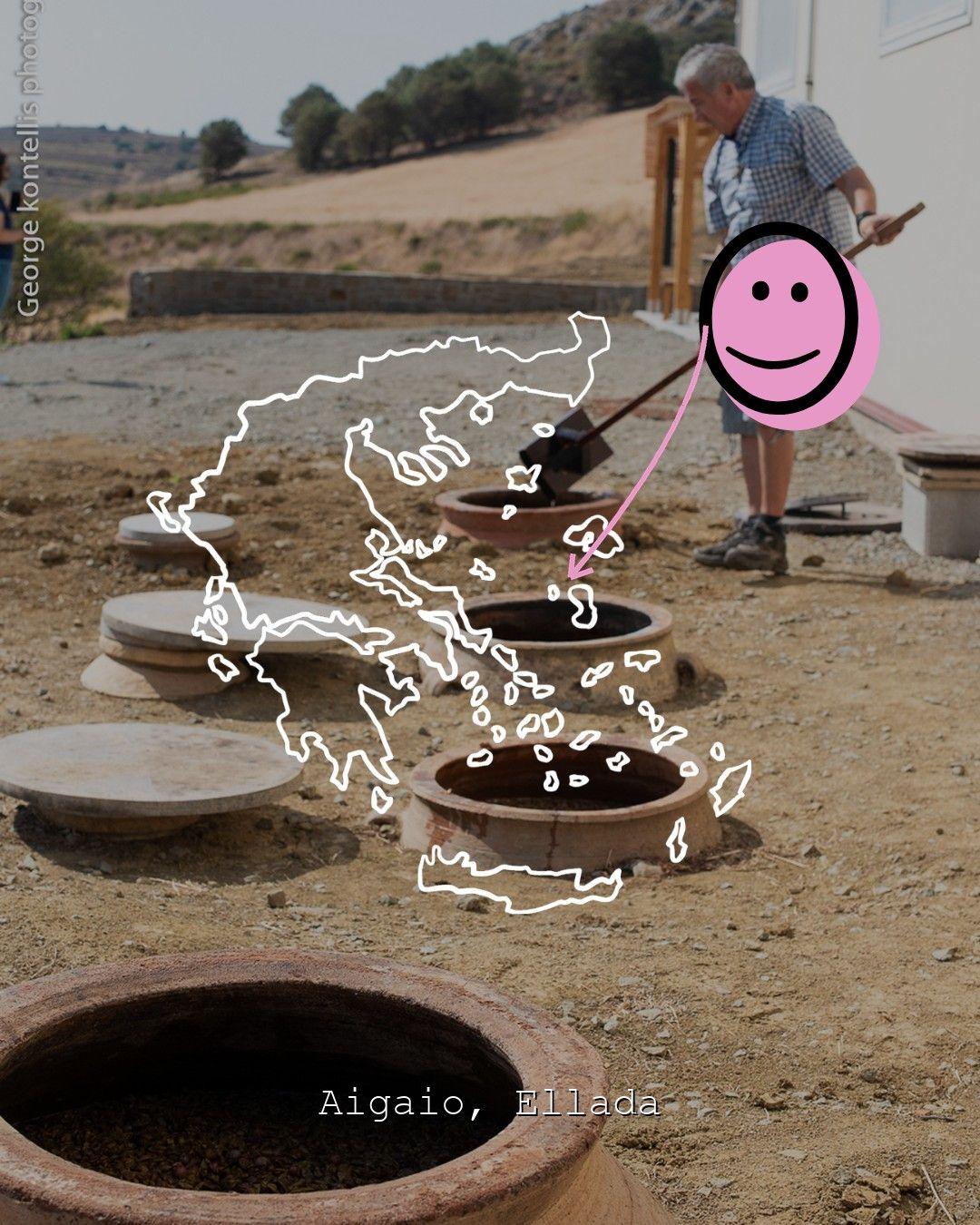
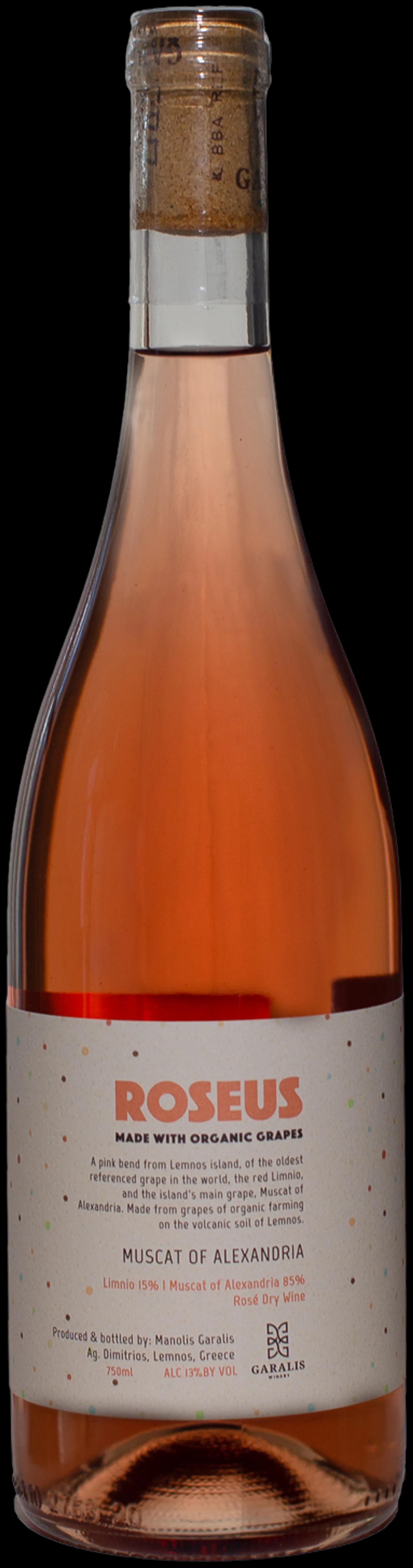
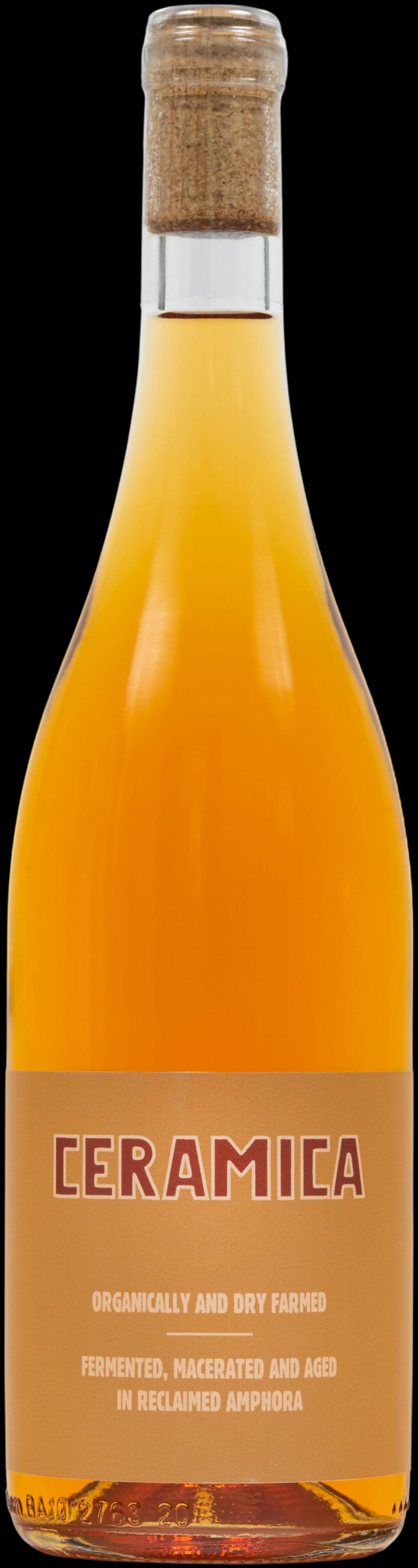
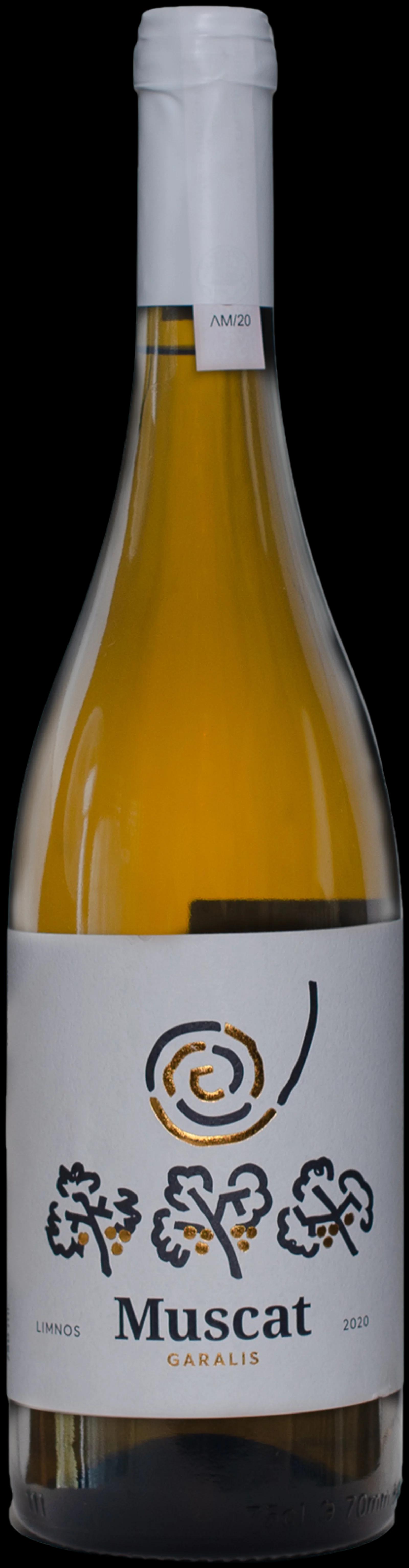
Greece's wine producers are concentrated in a handful of distinct regions, each shaped by different soils, elevations, and sea influence. The Aegean Islands — Santorini, Lemnos, Samos — produce wines from ancient, ungrafted vines on volcanic and wind-swept soils, Assyrtiko being the most internationally recognised variety. On the mainland, Macedonia in the north is home to Xinomavro, a grape that ages with the grip and acidity of Nebbiolo. Crete, the largest island, has its own indigenous varieties and a wine tradition stretching back thousands of years. Most of the producers on Free Grape Society are family estates farming their own land, making decisions from vine to bottle rather than buying in grapes. You can explore producers by region, starting with the Aegean Islands, or browse the full range of Greek wines alongside the growers behind them.
Buying direct from a Greek grower
When you order from a Greek producer on Free Grape Society, the wine ships directly from that producer's own cellar. There is no importer, no national distributor, and no warehouse consolidating bottles from multiple sources. That directness matters for wines like Greek ones, which have historically been underrepresented in export markets and, where available, marked up significantly through long distribution chains. Buying direct means the price reflects the grower's own valuation, not a series of margins stacked on top. It also means the wine arrives as the producer bottled it, without sitting in an intermediary's storage. If you want to explore more than a single bottle, several Greek producers also compose wine cases available through the mixboxes page — six bottles from one producer, chosen by the producer themselves as their own introduction to their range.