Where Brachetto comes from and what makes it distinctive
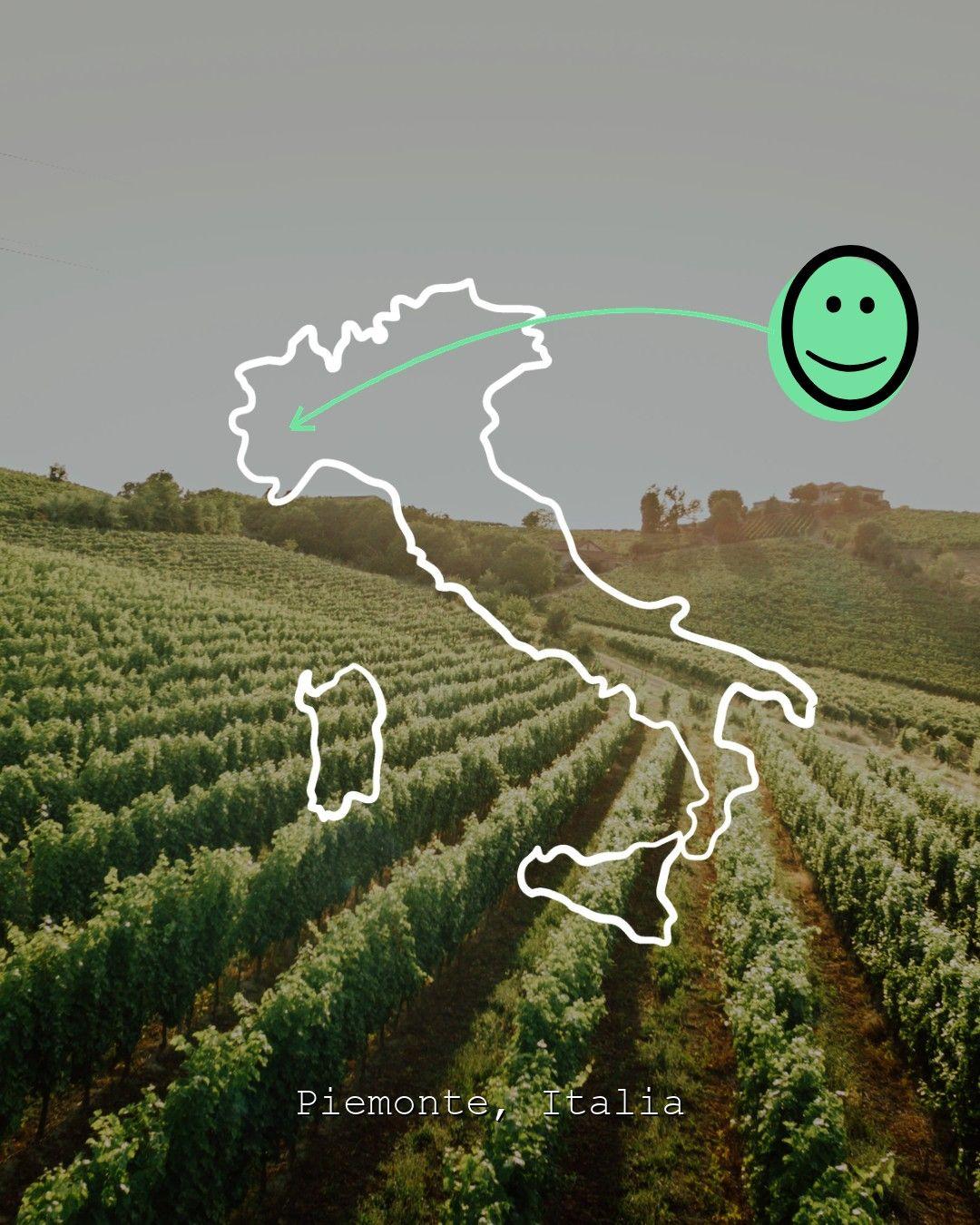
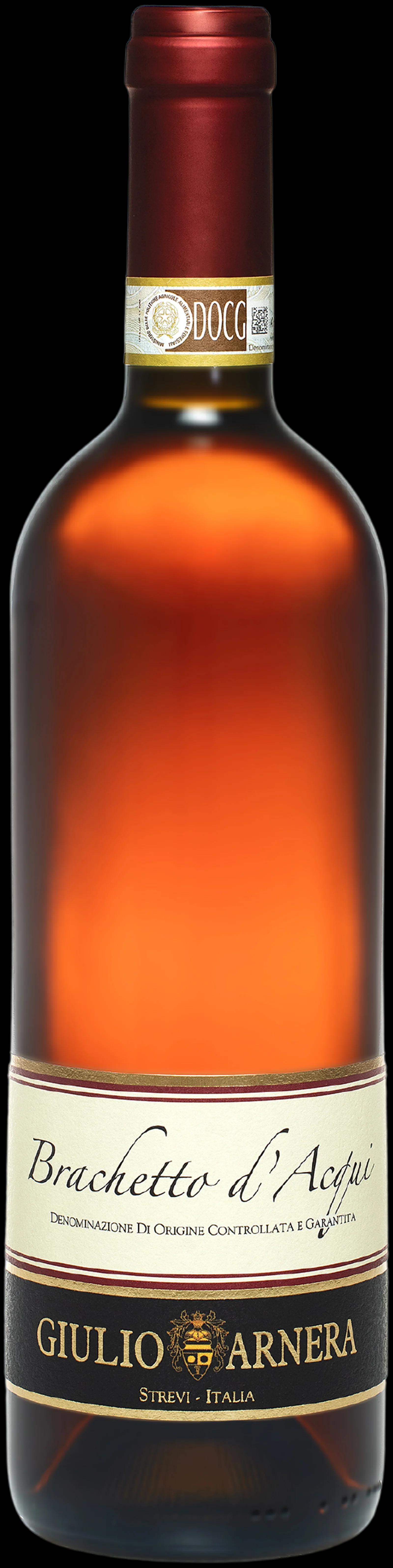
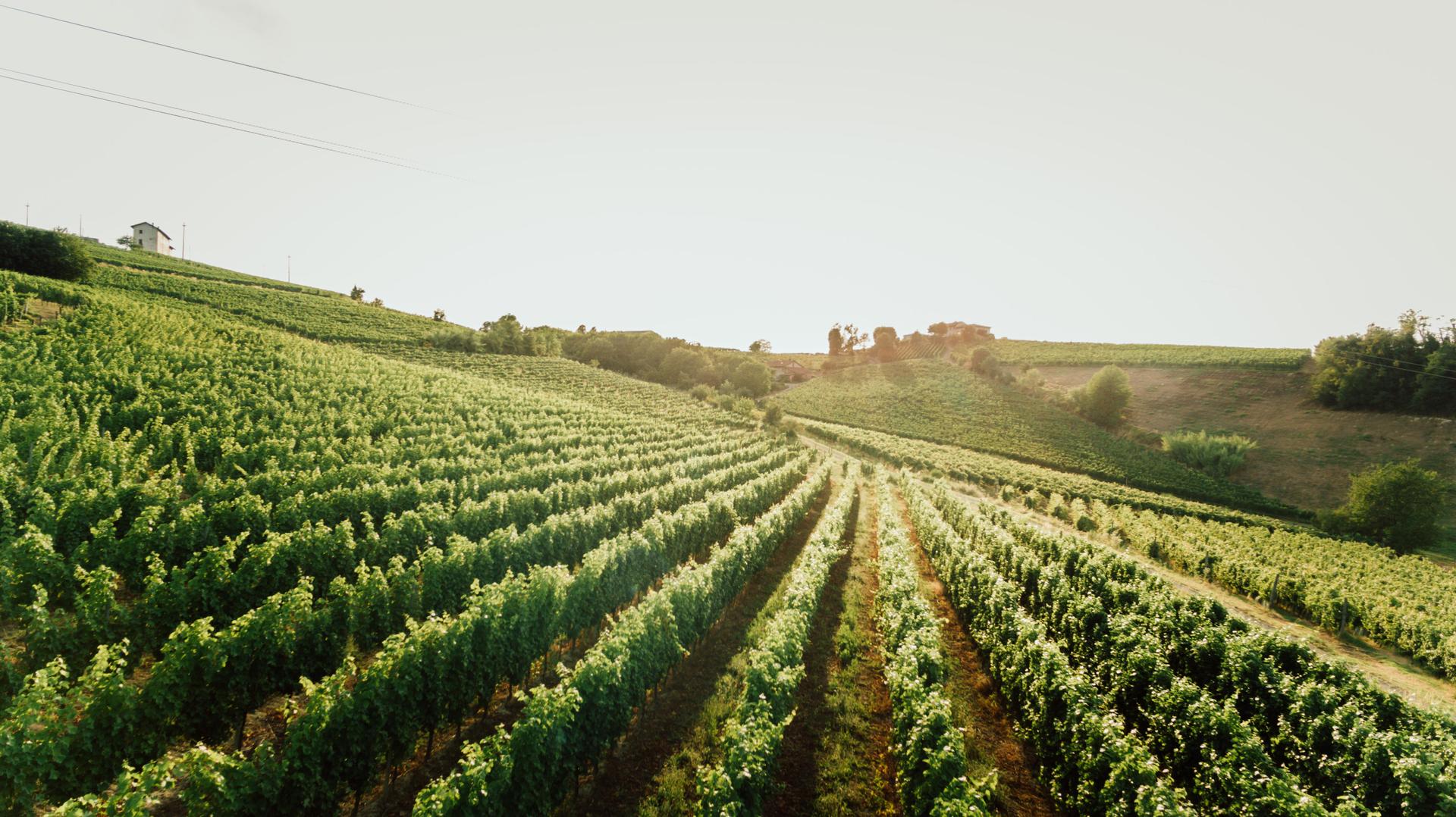
Brachetto is an ancient red grape from Piedmont in north-western Italy, grown mainly in the Asti and Alessandria provinces. It is best known in its sweet, lightly sparkling form — Brachetto d'Acqui, a DOCG since 1996 — though still and dry versions exist and are made by a small number of producers. The grape is thin-skinned and low in tannin, which gives the wine its characteristic pale ruby colour and soft texture. Its signature is aromatic rather than structural: fresh strawberry, rose petal and a faint hint of musk, closer in spirit to a Moscato than to most other red grapes from Piedmont. Because of this aromatic profile and natural sweetness, Brachetto sits apart from the region's other celebrated reds — Nebbiolo, Barbera, Dolcetto — and is rarely blended with them. It is a grape that has stayed close to home: you will not find it grown widely outside Piedmont, which makes the producers who work with it a tight and distinctive group.
How Brachetto tastes and what to drink it with
A Brachetto d'Acqui is light in body, low in alcohol and gently fizzy — frizzante rather than fully sparkling. The flavour is dominated by fresh red fruit: strawberry, raspberry and wild rose, with a clean, perfumed finish. The sweetness is restrained rather than cloying, which keeps it refreshing. Because it is aromatic, fruity and low in tannin, Brachetto pairs naturally with desserts, particularly those built around fruit and cream — strawberries, panna cotta, fresh berry tarts. It also works well with mild, young cheeses and with dark chocolate, where the grape's acidity cuts through richness cleanly. Dry Brachetto, where it exists, behaves differently: the strawberry character remains but the wine gains more structure and is better suited to charcuterie or lighter meat dishes. If you are pairing Brachetto for the first time, a classic starting point is a bowl of fresh strawberries alongside a chilled glass — the match is almost absurdly direct, and it shows exactly what the grape is doing. For wider context on Italian red wines or to explore other Piedmont wines, those pages are a good place to continue.
Buying Brachetto direct from independent producers
Brachetto is a niche grape even within Italy, which means it rarely makes it into large retail channels — most production stays local or travels through specialist importers. On Free Grape Society, Brachetto wines are sold directly by the producers who make them, shipping from their own cellars with no importer or warehouse in between. That changes what is available: producers who make Brachetto alongside better-known Piedmont varieties often include it in their own selections, and those wines reach you at the price the grower sets, not at a price shaped by several layers of distribution. Independent wine experts on the platform review wines they have personally tasted, and their notes are visible on each wine page — useful for a grape where the stylistic range (sweet frizzante to dry still) is wide and not always clear from the label alone. Free Grape Society is a society of producers, independent experts and wine lovers, not a shop. If you want to explore further, Italian wines and Lombard wines from neighbouring regions offer useful context for understanding where Brachetto fits within the broader northern Italian wine landscape.