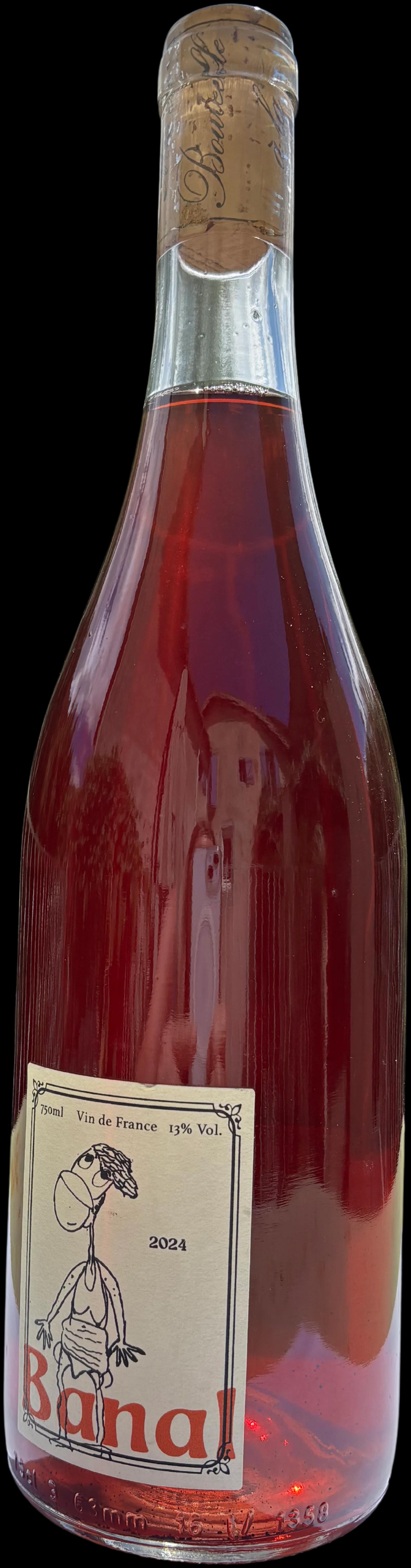
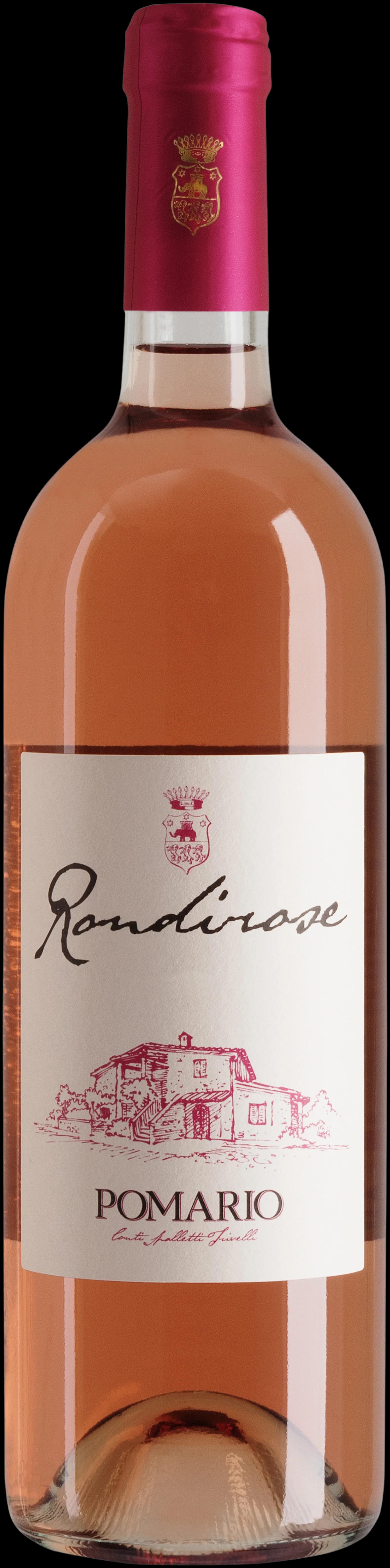
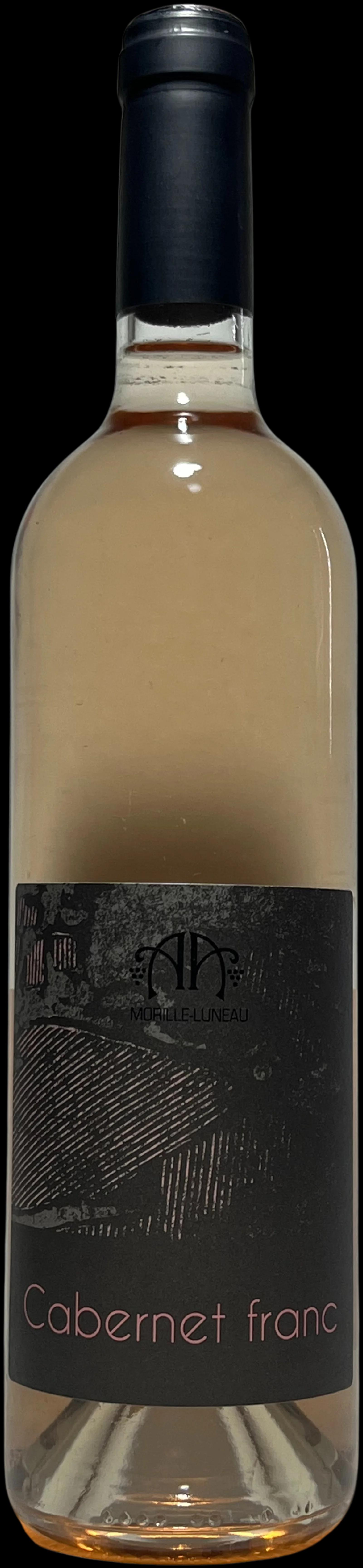
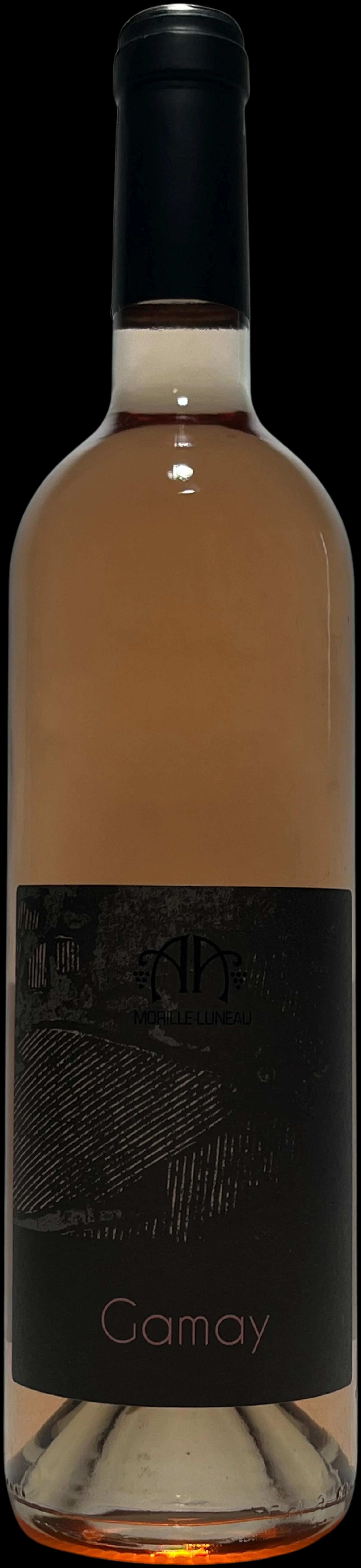
Grenache, Cinsault and Syrah: rosé wines from independent producers

Rosé wine covers everything from pale, bone-dry Provence styles to fuller, fruit-forward expressions — shaped by which grapes are used and how briefly the juice sits on the skins. Each bottle ships directly from the producer's own cellar.

From Provence's limestone hillsides to the coastal vineyards of Galicia and the Rhône

Color (1)

Dropdown arrow

Type

Dropdown arrow

Country

Dropdown arrow

Region

Dropdown arrow

Grape

Dropdown arrow

Pairing

Dropdown arrow

Sort by

Sort arrow
Rosé

Rosé wines

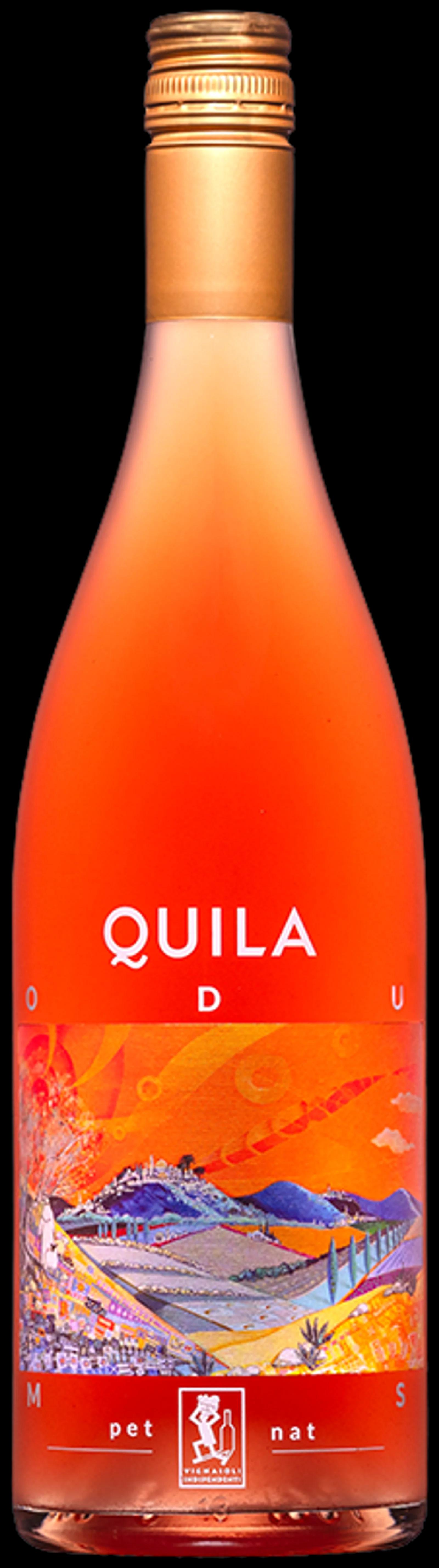
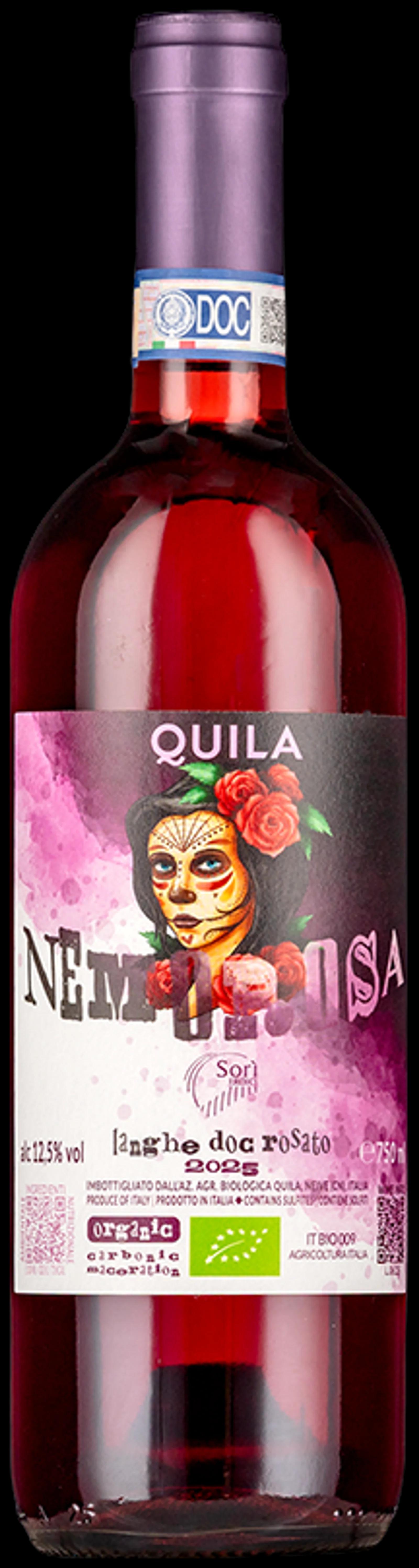
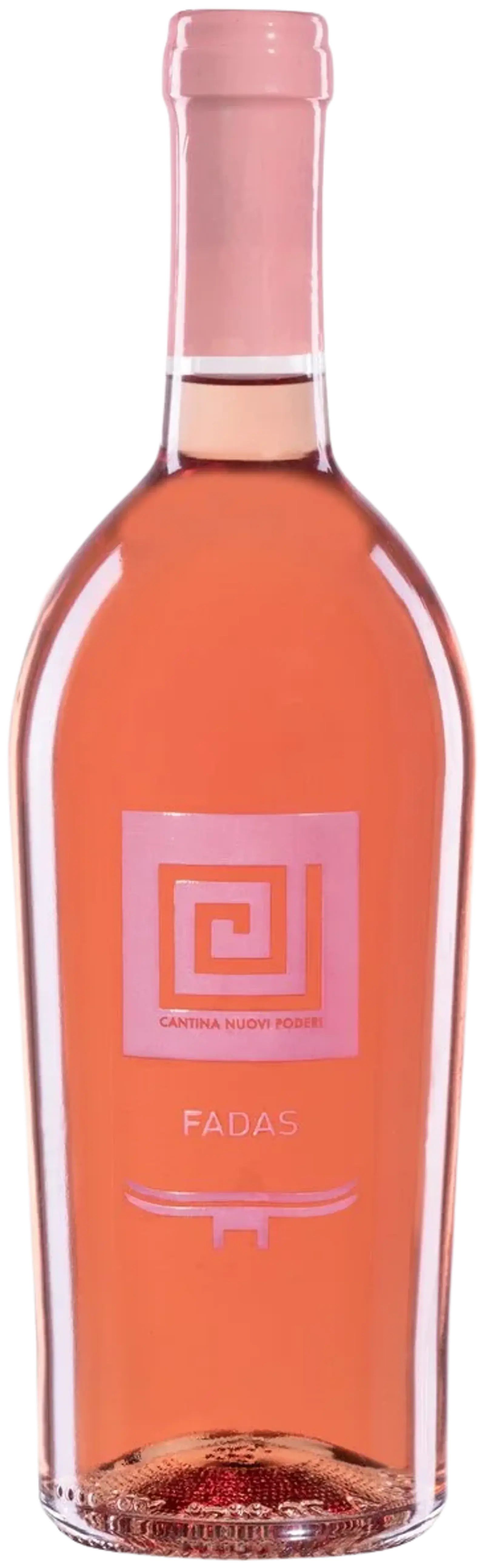
Rosé gets its colour from skin contact, not from blending red and white wine — the juice of dark-skinned grapes rests against the skins for anywhere from a few hours to two days before pressing. A shorter contact gives a pale copper-pink; a longer maceration pushes toward salmon and deeper berry tones. Grenache, Cinsault, and Syrah are the grapes most associated with the style, though Garnacha in Spain and Sangiovese in Tuscany produce rosé with their own distinct character. Wines tasted before listing.

Showing 1–33 of 73 wines

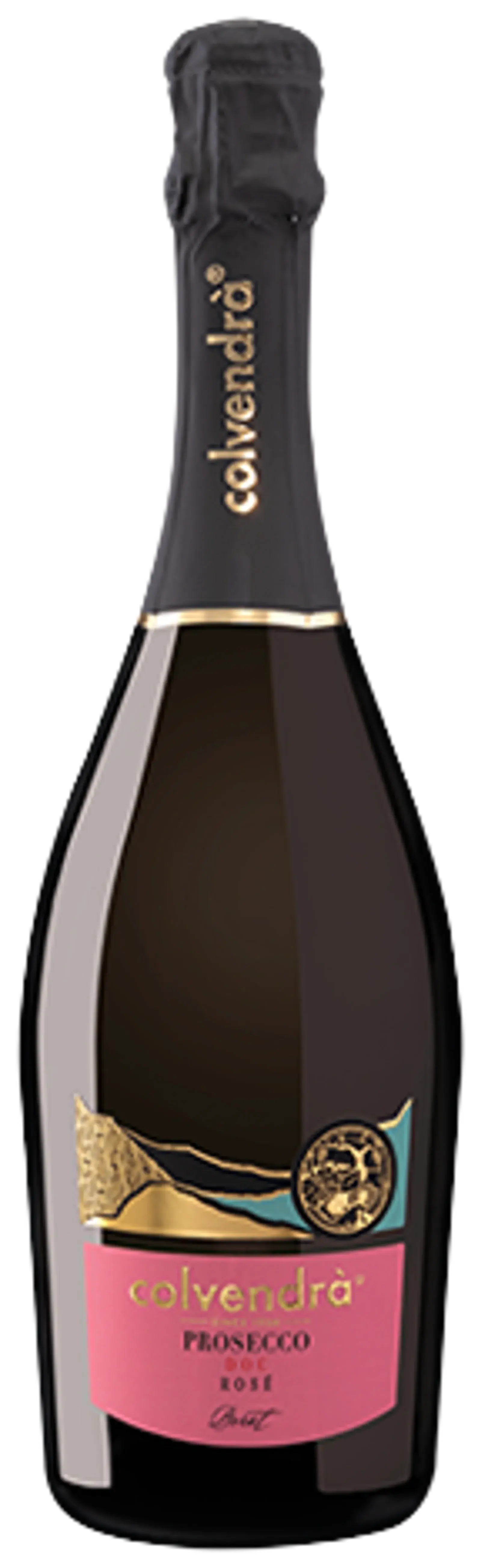
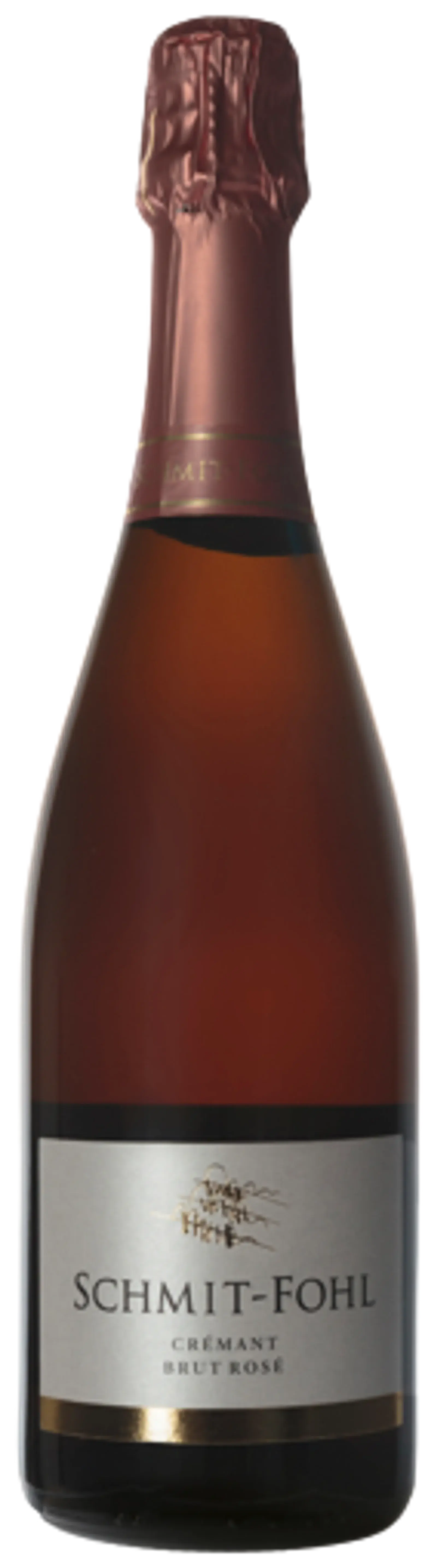
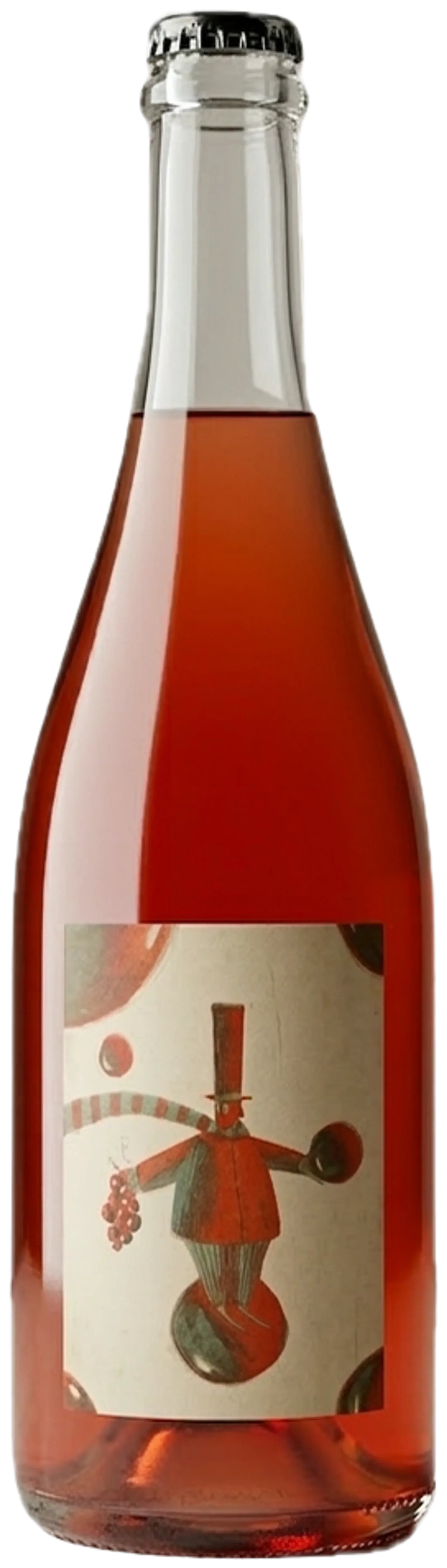
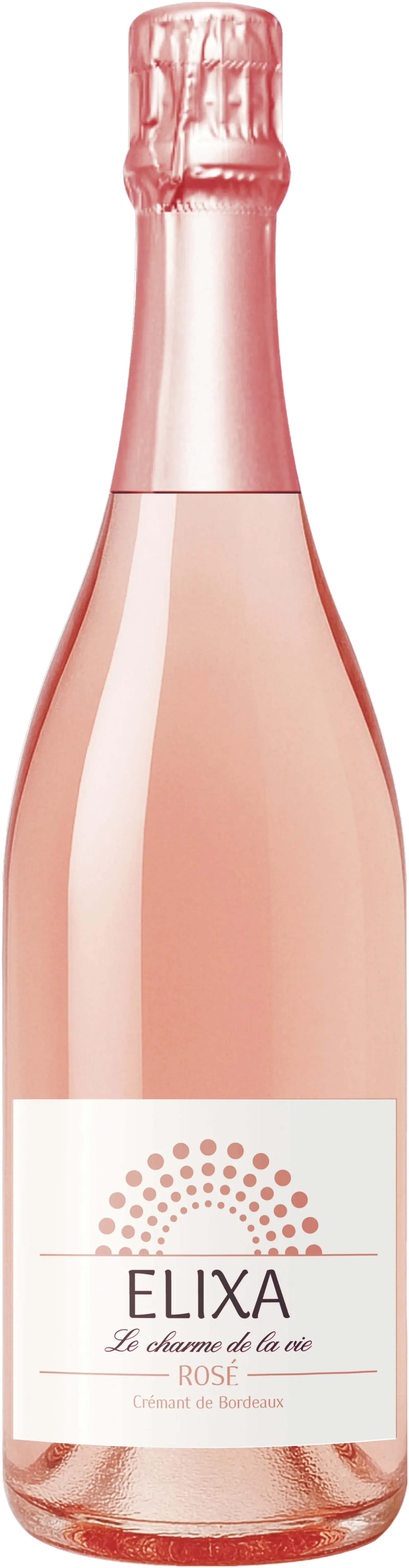
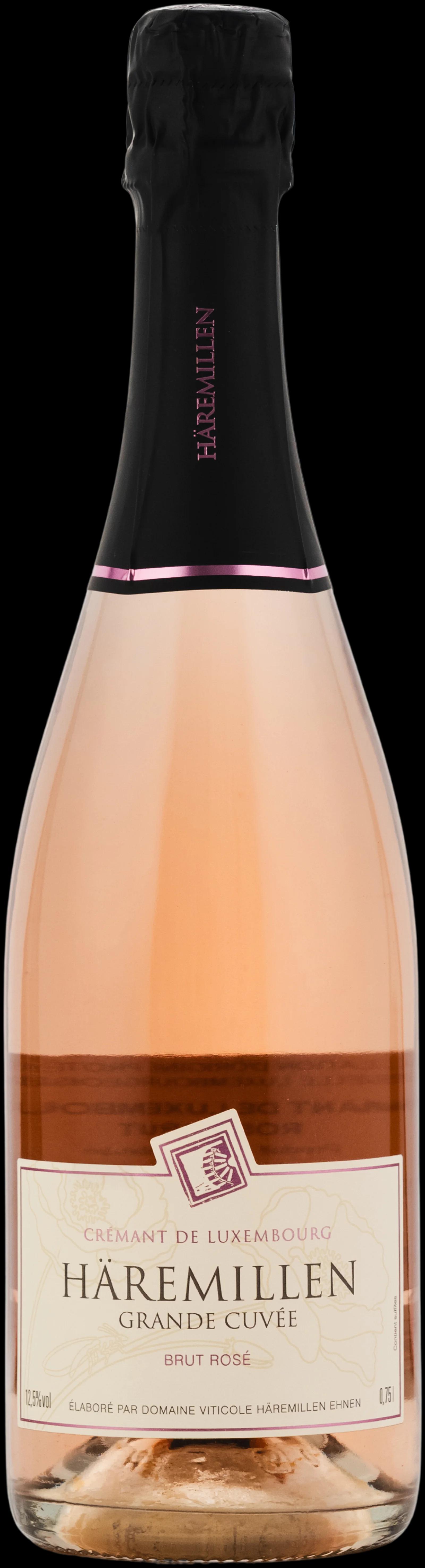
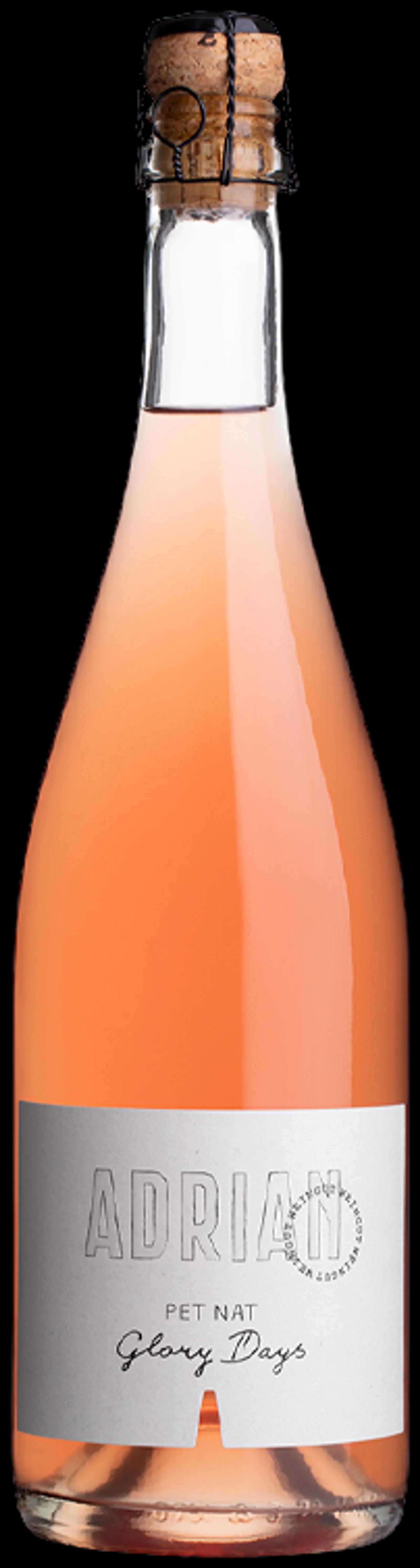
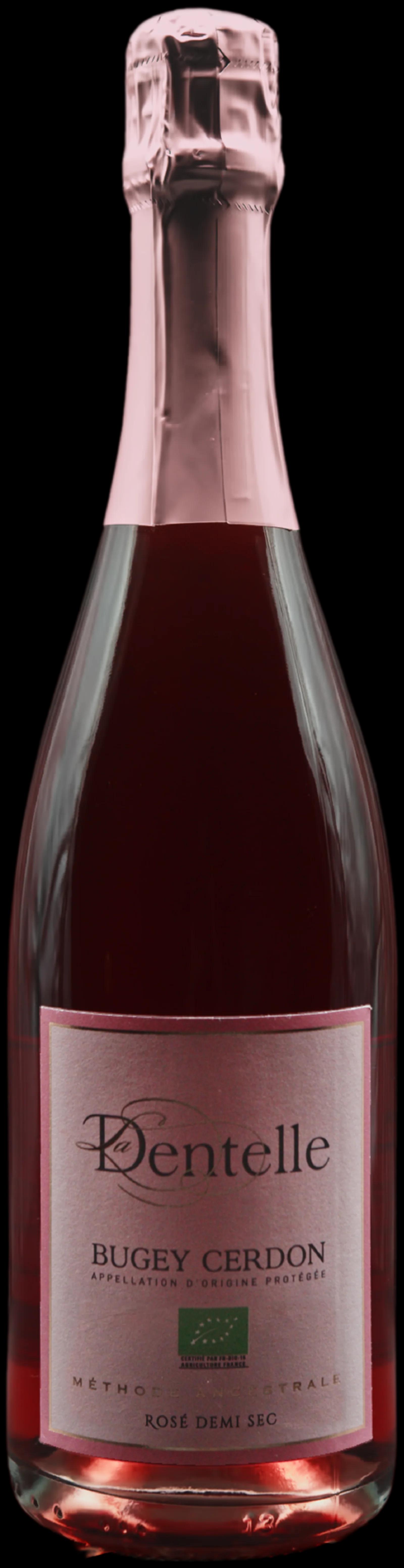
A fine balance and noticeable complexity. An excellent sparkling wine that adds a touch of elegance to both social gatherings and all your summer picnics!
Linda Löttiger, independent wine expertLinda LöttigerWine Expert · 4 ratings
Previous1 of 3Next

Rosé wine cases

The weight and flavour of a rosé follow its grape and its climate before anything else. Cinsault grown in the Languedoc-Roussillon gives a light-bodied, high-acid wine with red fruit and a dry finish; Monastrell from Murcia produces a rosé with more body and darker berry fruit, because the grape itself is thicker-skinned and the summers are hotter. On Free Grape Society, producers from France, Italy, and Spain ship rosé directly from their own cellars, with no importer or warehouse in between.

View all rosé mixboxes

Wine experts

Free Grape Society is a society of producers, independent experts, and wine lovers — not a shop. Producers set their own ex-works price; the wine ships directly from the cellar to your door. Browsing by colour is a starting point: once you find a style that fits — pale and mineral, or fuller and fruit-forward — the producer and region pages give you the detail behind each wine.

View all wine experts

Frequently asked questions

How do I order a rosé wine case from Free Grape Society?

Browse the rosé wine cases on this page, choose the case that matches the style you want, and place your order directly through the site. The producer ships the case from their own cellar to your door. Delivery takes 4–14 days depending on the producer's location. Each case includes the wines listed on the product page; no subscription is required.

What happens if a bottle arrives broken or doesn't taste right?

Send a photo to Free Grape Society customer support within 7 days of delivery. We will arrange a replacement or a refund. Because producers ship directly, quality issues are handled with the producer's direct involvement. Shared responsibility is built into how FGS works.

What is included in a rosé wine case?

Each case is a curated mixed selection of rosé wines from one producer or a defined range. The wines, volumes, and vintages are listed on the individual case page. Cases ship as a single shipment directly from the producer's cellar. You are buying the producer's own bottlings, not a retailer's repackaged selection.

How long does delivery take?

Average delivery is 8 to 9 days from order to door. The full range is 4 to 14 days depending on the producer's location and your delivery address. Wines ship directly from the producer's cellar, not from a central warehouse.

How do I find the right rosé wine case for me?

Filter by country or region to narrow by style — Provence for pale and dry, Spain for fuller Garnacha-based rosados, Italy for structured Cerasuolo or lighter Sangiovese rosé. If you know the grape you prefer, the wine pages allow filtering by variety. The case pages carry producer notes and, where available, expert reviews to help you choose.

How does the rosé wine case selection work on Free Grape Society?

Cases are built by the producers themselves from their own range. Free Grape Society lists producers after tasting their wines; the producers then define the case contents and set their own ex-works price. This means you are getting a selection shaped by the people who grew and made the wine, shipped directly from their cellar.

Which wine expert can recommend a rosé wine case for me?

Fill in the form on the wine expert pages to ask a question — the form routes your question to an independent expert who can suggest a rosé style or specific case based on your preferences. This is a personal recommendation from someone who has tasted the wines, not an automated match.

Why don't you sell supermarket-brand rosé wines in your cases?

All cases on Free Grape Society come from independent producers who grow their own grapes and make their own wine. Supermarket-brand rosé is typically blended and bottled at scale by large négociants to a price point, with no single grower behind it. The producers here set their own ex-works price and ship the case from their own cellar.

Can I buy rosé wine cases in Sweden if I am used to buying from a monopoly retailer?

Yes. Free Grape Society ships directly from the producer's cellar to your address in Sweden. This is a different model from a retail monopoly: you are buying from the grower, not from a shop, and the case arrives at your door. The producer sets their own ex-works price; Free Grape Society adds its margin, shipping, and applicable tax to reach the final price you pay.

Grapes behind rosé wine

Rosé is not a grape variety — it is a method applied to red-skinned grapes. The grape determines structure, acidity, and color depth more than any other variable. Grenache is the most widely planted rosé grape in southern France, producing pale, dry wines with low tannin and high aromatic lift. Cinsault is often blended with Grenache in Languedoc-Roussillon to add freshness and lengthen the finish. In Provence, the dominant style is saignée or short maceration: skins contact juice for 2–24 hours before pressing, which extracts color without significant tannin. Syrah in the northern Rhône Valley produces deeper-colored rosés with firmer structure than Grenache-based expressions. In Italy, Sangiovese from Tuscany and Nero d'Avola from Sicily are both used for rosé, and both carry noticeably higher acidity than most French equivalents. In Spain, Garnacha and Tempranillo are the dominant rosado grapes, and the Navarra region historically produced darker, richer rosados than the pale Provençal style.
How rosé is made — and why method matters

Three methods produce rosé commercially. Direct pressing: red grapes are pressed immediately, juice has minimal skin contact, color is palest. Short maceration: crushed grapes rest with skins for a controlled period before pressing, extracting more pigment and phenolic structure. Saignée (bleeding): a portion of juice is bled off a red wine fermentation early, concentrating the remaining red wine and yielding a by-product rosé — typically fuller-bodied and darker than press rosés. The fourth method, blending red and white wines, is permitted in most appellations only for sparkling rosé, including Champagne. Color in still rosé is not regulated, so two wines labeled rosé can differ dramatically in depth, tannin, and residual sugar. Most dry rosés finish below 3 g/L residual sugar; off-dry styles, more common in Germany and parts of Alsace, can reach 8–12 g/L without tasting overtly sweet. The producers listed here include both styles — grape origin and winemaking method are noted on each wine page.

Rosé wine regions on Free Grape Society

The producers represented here work across several of Europe's most distinct rosé regions. Provence and the Languedoc account for the majority of French rosé exports; Languedoc producers often use higher Syrah and Carignan percentages than Provence, yielding wines with more grip. Italian rosé from Piedmont — sometimes labeled Chiaretto — is built on Barbera and Nebbiolo and carries more savory character than southern French styles. Spanish rosado from Rioja is frequently produced from Garnacha with 24–36 hours of skin contact, giving it a salmon-to-copper hue deeper than most Provençal bottlings. No importer, no wholesaler. The price you see is the price the producer agreed to. Each winery on Free Grape Society ships directly from its own cellar — the wine's origin on the label matches the address on the shipping label. Producers, experts, restaurants, and wine lovers are on the same platform, on the same terms. That means no intermediary is adding margin between the person who made the wine and the person drinking it.