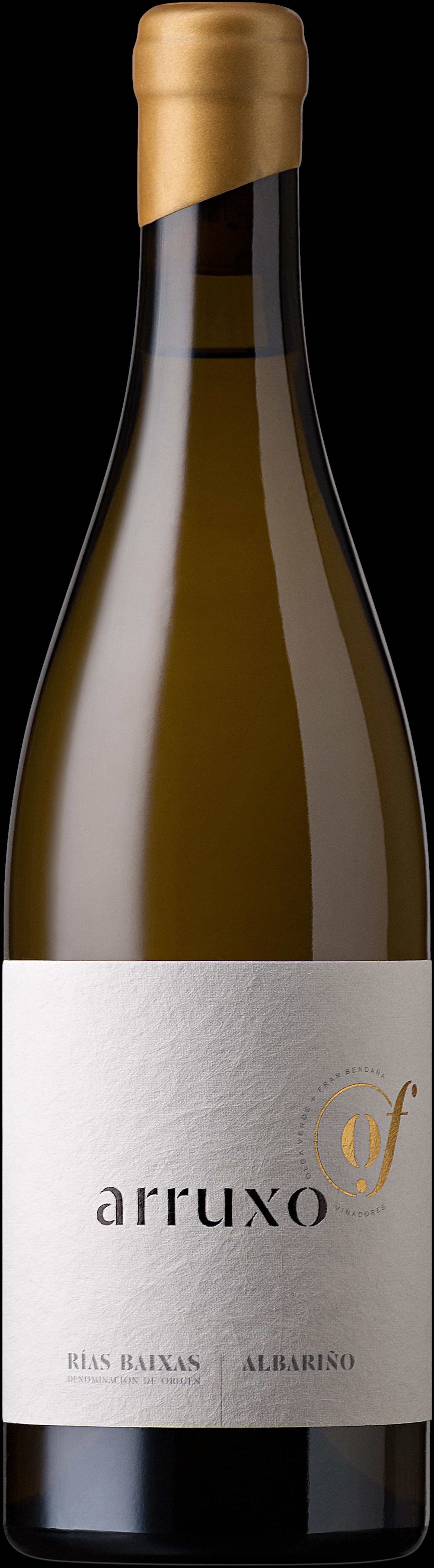
Where Albariño comes from and how its coastal home shapes the wine
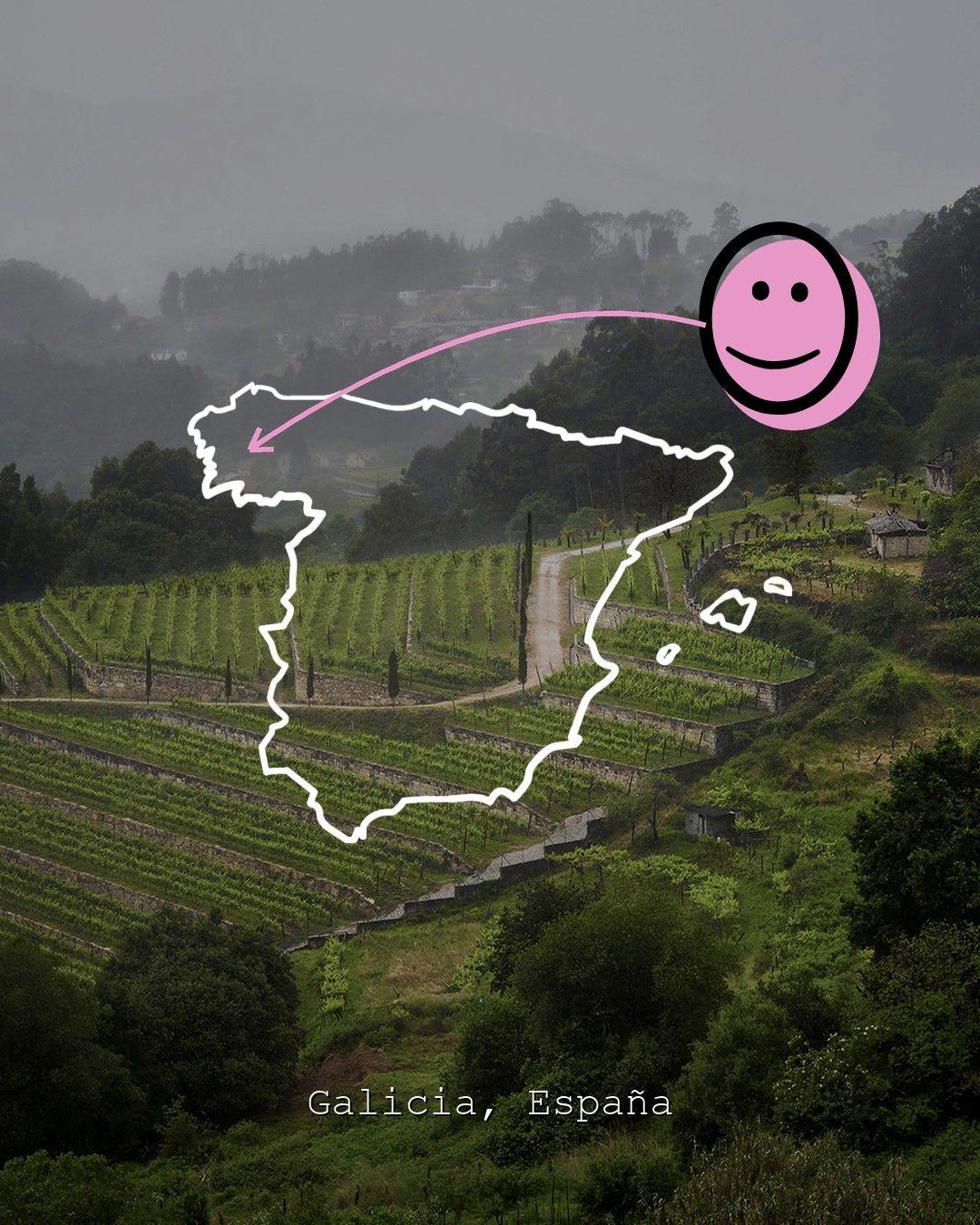
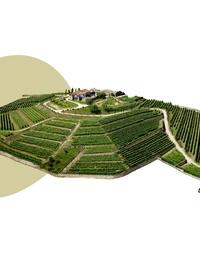
Albariño is native to Galicia, the Atlantic-facing corner of north-western Spain, where it has been grown for centuries along the Rías Baixas coastline. The climate there is wet, cool and sea-influenced, and the grape reflects all of it: high natural acidity, restrained alcohol, and a saline, citrus-driven freshness that is difficult to replicate anywhere warmer or drier. The vines are typically trained high on granite pergolas to keep air moving through the canopy and reduce the risk of rot in a region that receives more rainfall than almost anywhere else in Spain. Across the border in Portugal, the same variety is called Alvarinho and anchors the Vinho Verde appellation, where it is often bottled with a gentle spritz and kept very lean. The two expressions are close cousins but read differently in the glass: Galician Albariño wines from Spain tend to be rounder and more textured, while Portuguese Alvarinho wines often carry more mineral tension. Producers working with this grape in other parts of Spain, such as Aragon or Valencia, are rarer, which makes the Galician heartland the natural place to start.
How Albariño tastes, and what to eat alongside it
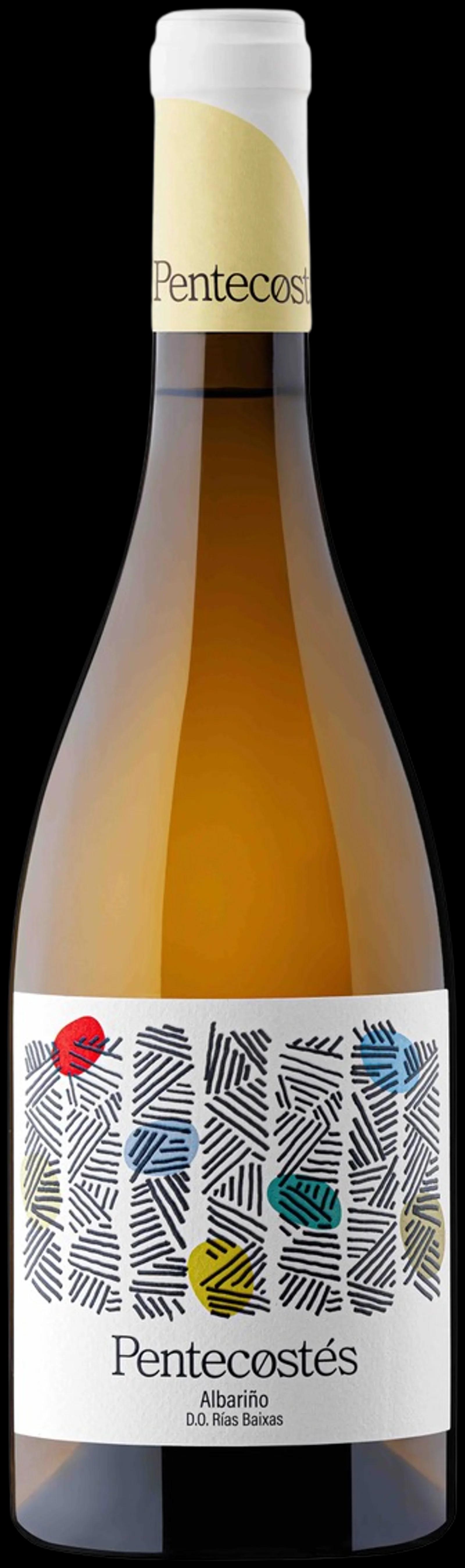
Albariño is a white grape, and its wines are almost always dry. The profile is built around brightness rather than weight: expect lemon zest, white peach, and green apple at the lighter end, with grapefruit pith and a faint almond note as wines gain body and age. The acidity is one of Albariño's most consistent features across producers and is what makes it particularly useful at the table. It cuts through the fat in grilled fish, lifts shellfish, and holds its own alongside the seafood-heavy cuisine of the Galician coast, where the grape and the kitchen have evolved together over generations. Richer, barrel-fermented versions exist and suit roasted white fish or lightly creamed dishes. Unlike many aromatic whites, a well-made Albariño can develop interestingly over two to four years in bottle, gaining a waxy, lanolin-like texture while keeping its citrus core. If you are exploring the grape's range, it is worth comparing a young Rías Baixas bottling with a white wine from Portugal's Alentejo or a textured Galician wine made from a single estate to see how site and winemaker choices shift the same variety.
Buying Albariño direct from independent producers
Most Albariño found in retail sits at the commercial, high-volume end of production. The Rías Baixas appellation produces a great deal of wine, and much of it passes through large co-operatives and negociant bottlers before reaching a shelf. The smaller, estate-bottled producers who grow their own fruit and make decisions vineyard by vineyard are harder to find through conventional channels. On Free Grape Society, producers ship directly from their own cellar, with no importer or warehouse in between, which means the wine arrives as the grower intended it and at a price that reflects what the producer has actually chosen to charge. You can browse the full range of wines from Spain or go directly to the Galicia page to see which Galician estates are currently listed. For producers working with Atlantic varieties more broadly, the Portuguese wines section includes Alvarinho-producing estates from Vinho Verde. Wines tasted before listing means what you find here has already been opened and assessed before going on sale. Free Grape Society is a society of producers, independent experts and wine lovers, not a shop, and every producer who lists here does so on the same terms.