Appellations and grape varieties in Languedoc-Roussillon
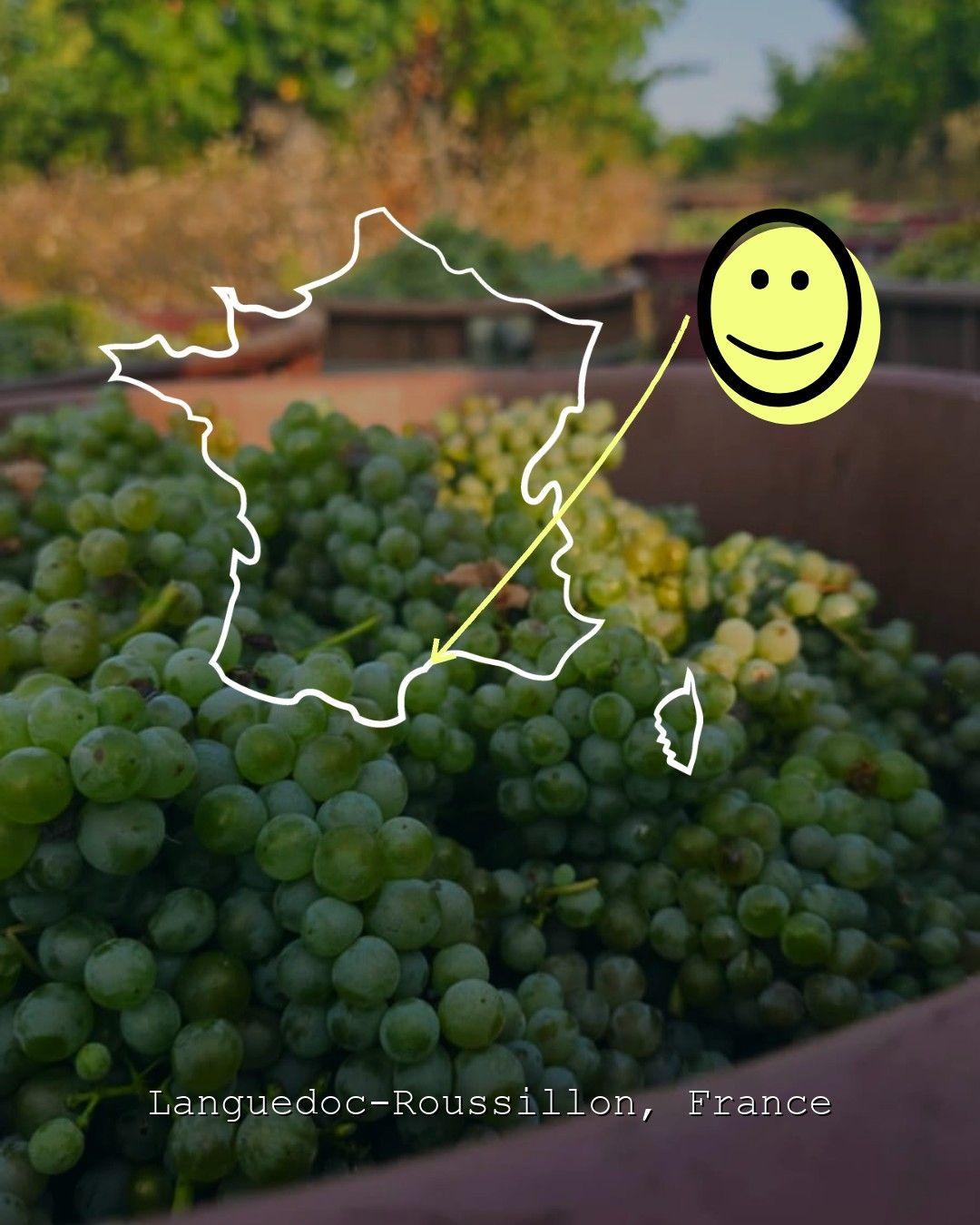
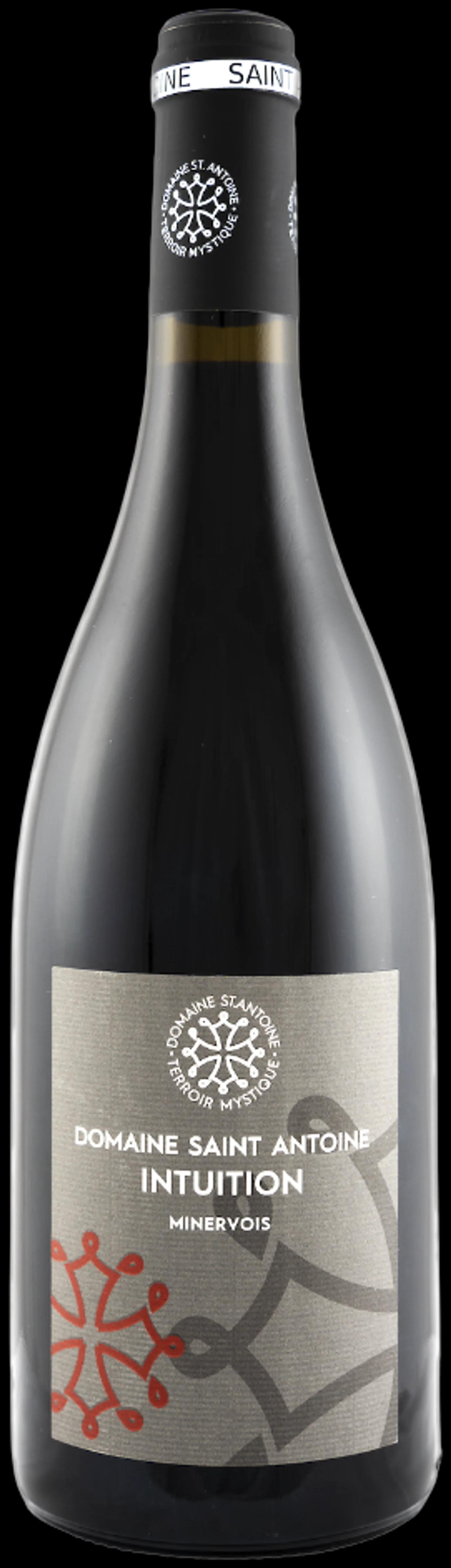
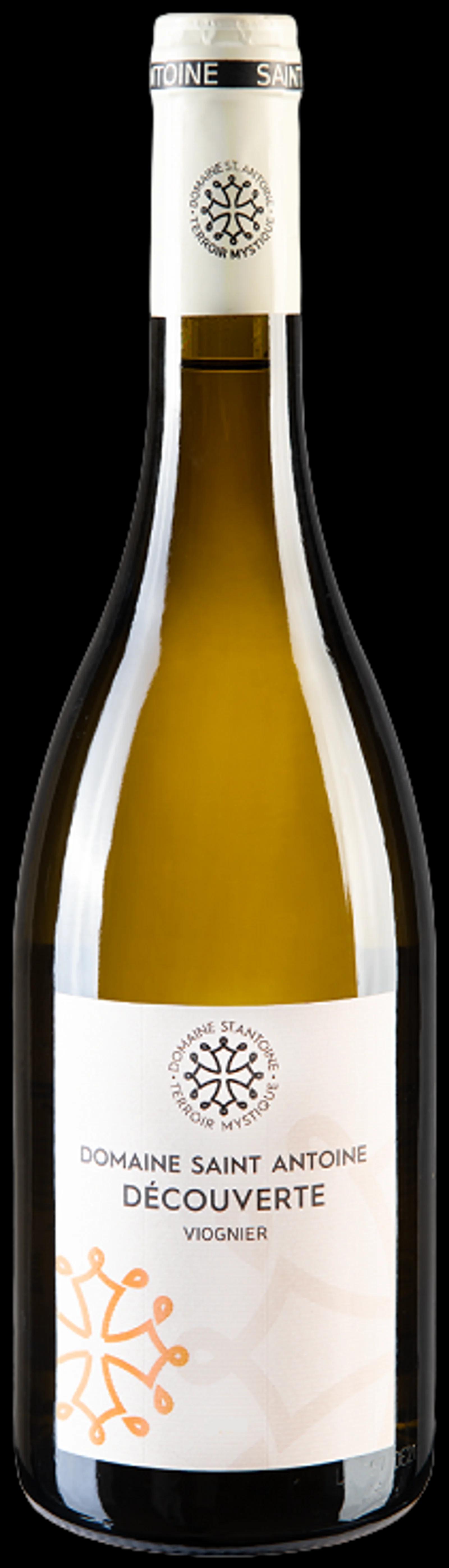
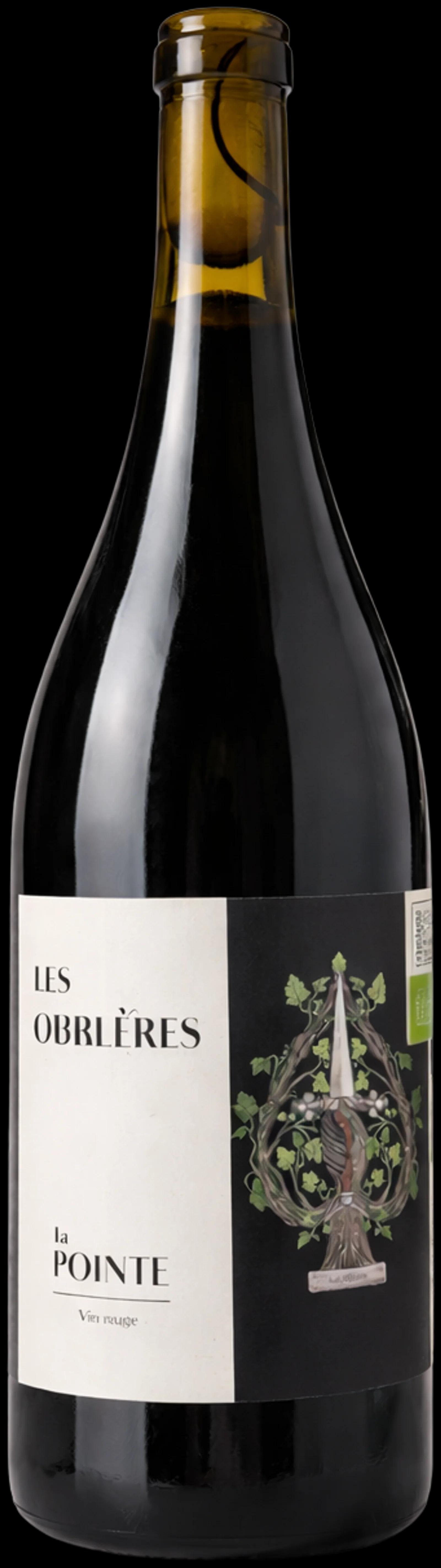
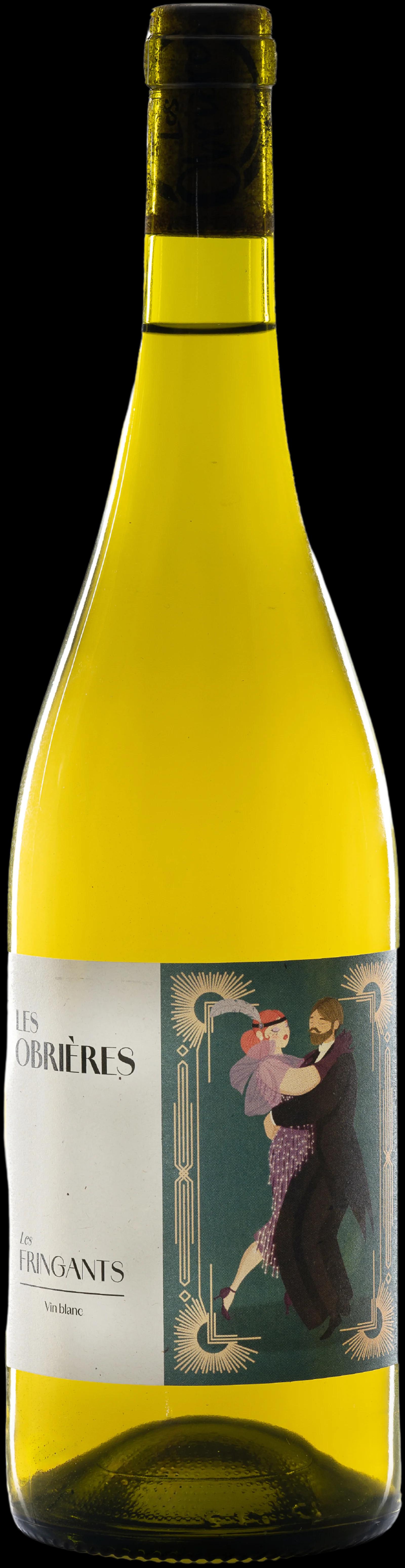
Languedoc-Roussillon is the largest wine-producing region in France by volume, covering roughly 230,000 hectares across the departments of Hérault, Gard, Aude, and Pyrénées-Orientales. The appellation structure is layered: the broad Languedoc AOC sits above a network of named crus — Pic Saint-Loup, La Clape, Terrasses du Larzac, Faugères, Saint-Chinian, and others — each with its own permitted varieties and yield limits. Roussillon, politically distinct from Languedoc, adds Maury, Banyuls, and Collioure to the map, where grenache noir dominates both dry reds and fortified Vins Doux Naturels. Across the region, carignan is the grape that divides opinion most sharply: planted in enormous quantities during the 20th century for bulk production, it is now being rehabilitated by producers working old-vine parcels on schist and limestone, where it produces structured, mineral reds with strong aging potential. Syrah and grenache fill most of the remaining red plantings, while white varieties — vermentino, roussanne, marsanne, and picpoul de pinet — account for a smaller but growing share. The region's diversity of soils, from garrigue-covered limestone plateaus to coastal sand and schist terraces near the Spanish border, means there is no single Languedoc style. What the best producers share is not a house style but a willingness to work with old material — old vines, old varieties, old cellar methods — rather than against them.
How winemaking practice varies across the region
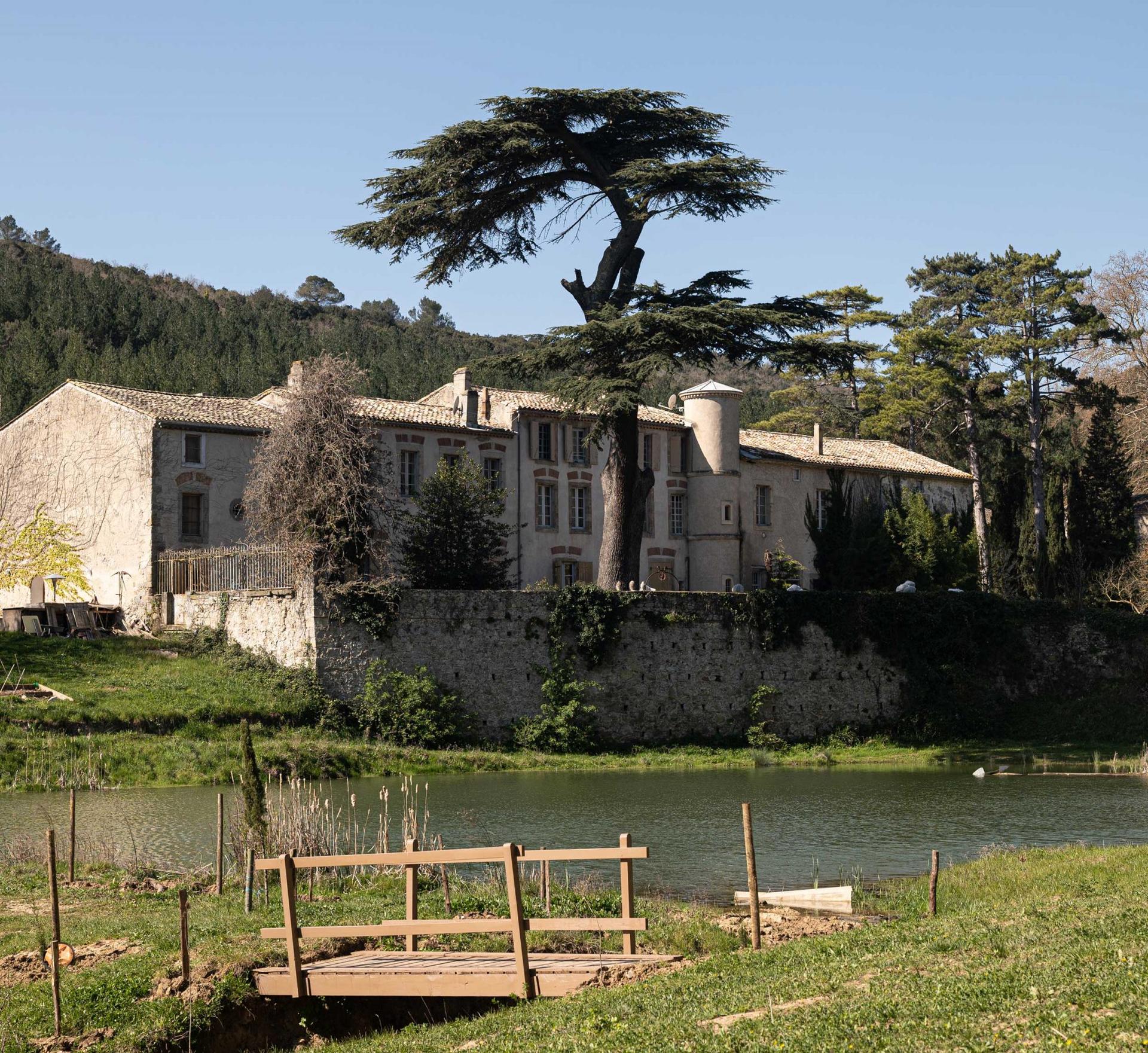
The gap between industrial and independent production in Languedoc-Roussillon is wider than in most French regions. Co-operatives still handle a substantial share of the harvest, but the independent estates that list on Free Grape Society represent a different working mode: lower yields, longer macerations, and a tendency toward minimal intervention in the cellar. In Terrasses du Larzac, producers work at altitude — some vineyards sit above 400 metres — where cooler nights slow ripening and preserve acidity in varieties like carignan and cinsault. Near Banyuls-sur-Mer, the terraced schist vineyards require all harvest work to be done by hand; no machine can navigate the gradient. In Saint-Chinian, the appellation splits across two distinct soil types — schist to the north, limestone and clay to the south — and producers on either side make wines with measurably different structures. Fortified production in Roussillon operates under a separate logic: Banyuls Grand Cru requires a minimum of 30 months in barrel, and some producers age their Rancio-style wines outdoors in glass demijohns exposed to temperature fluctuation across seasons. These are not stylistic choices made for marketing. They are technical responses to specific sites and climates, and they are what separate the estates worth knowing from the volume labels that dominate the region's output statistics.
How producers from Languedoc-Roussillon work with Free Grape Society
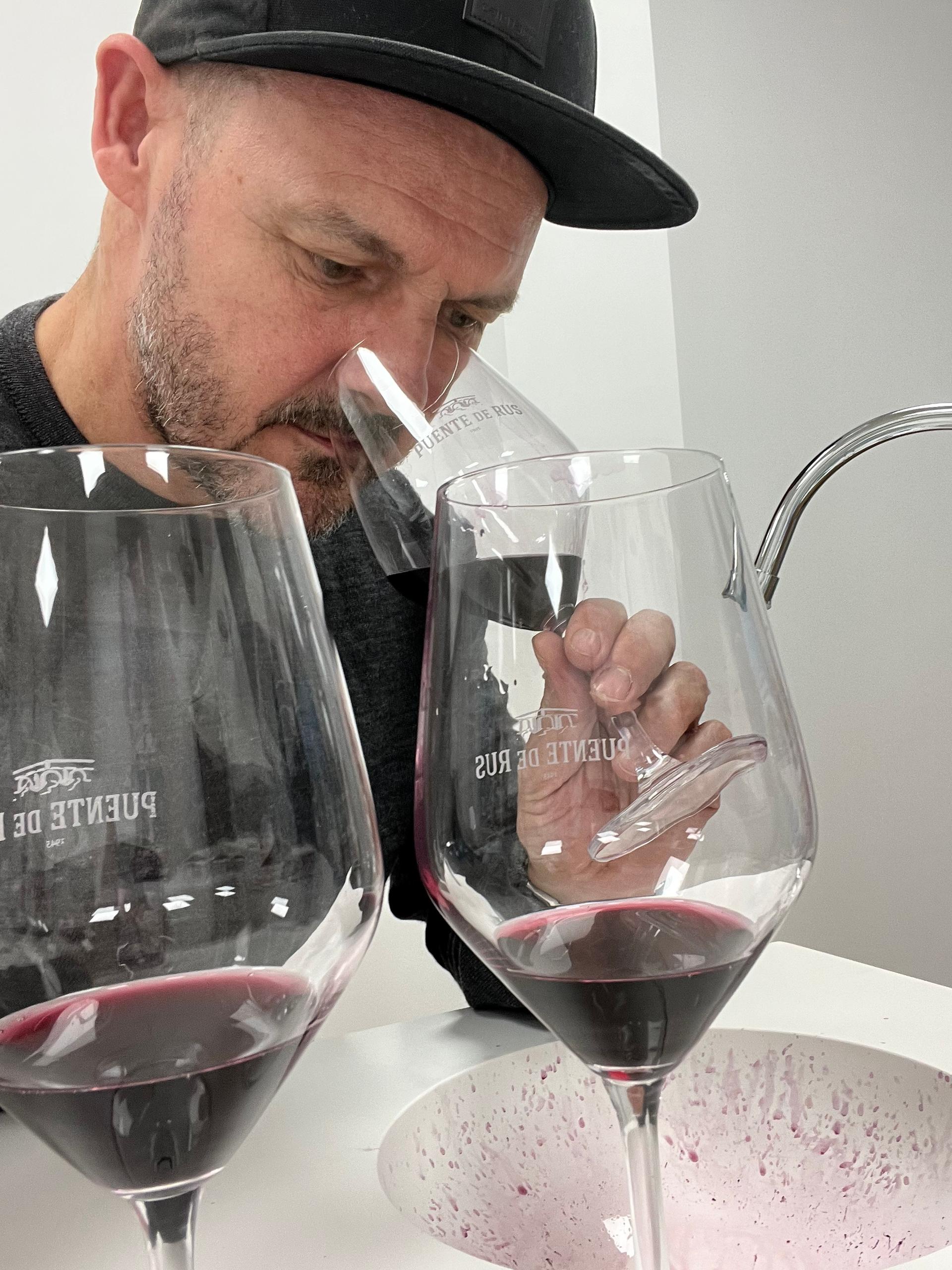
Languedoc-Roussillon has historically been underrepresented in the export channels that dominate fine wine trade — importers and distributors have tended to prioritize Bordeaux, Burgundy, and the Rhône, leaving many serious independent estates in the south without a direct route to international buyers. Free Grape Society is not a shop that buys wine from producers and resells it. It is producers who use a platform to sell wine directly. The producer sets the price. The independent wine experts who Rate & Review on the platform choose what they recommend based on what they have personally tasted. Before any wine from this region goes live, samples are sent to our Head of Product, who tastes every wine before listing. Independent expert reviews are then visible on the individual wine page and on each expert's profile, giving buyers a transparent record of who tasted what and when. Bottles ship from the producer's cellar — not from a warehouse in the Netherlands or a regional depot — which matters for temperature-sensitive wines like the fragile old-vine carignan that doesn't travel well under poor conditions. Producers who list on the platform retain control of their pricing and their presence. No buyer with quarterly targets is deciding which Languedoc estate gets shelf space this season. Browse the wineries in Languedoc-Roussillon, or look at the sample boxes from the region if you want to try across several producers before committing to a full case.