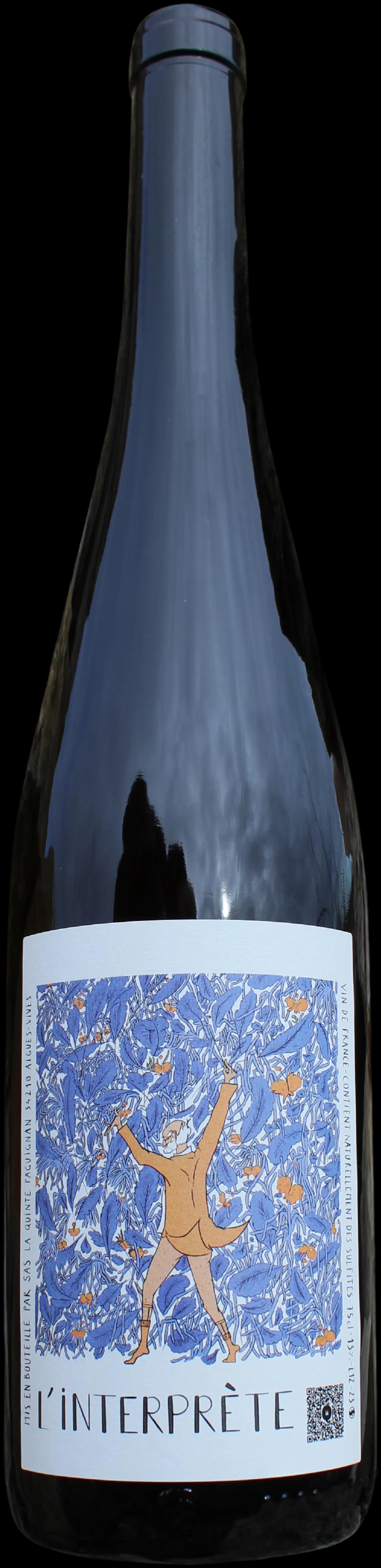
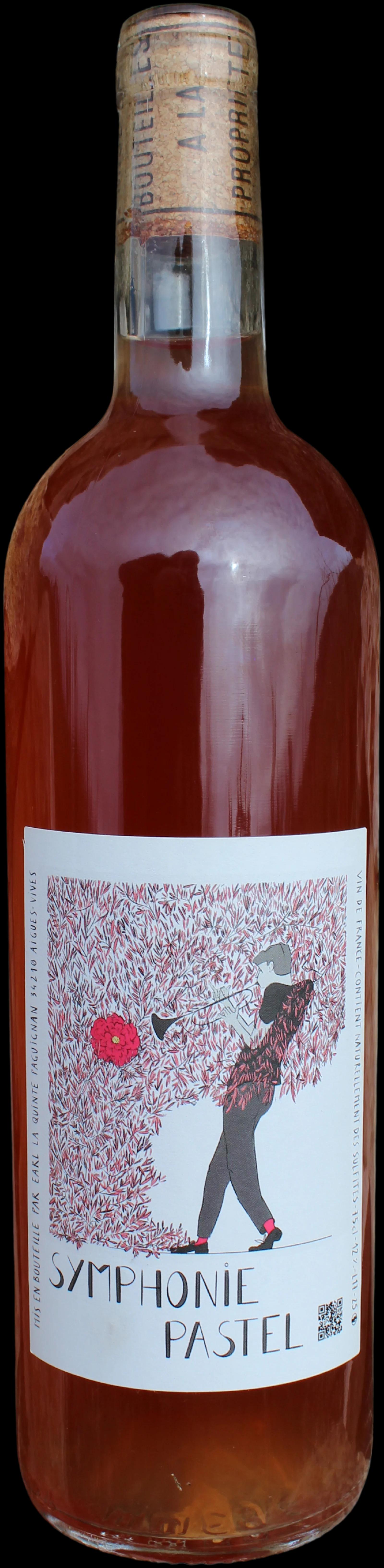
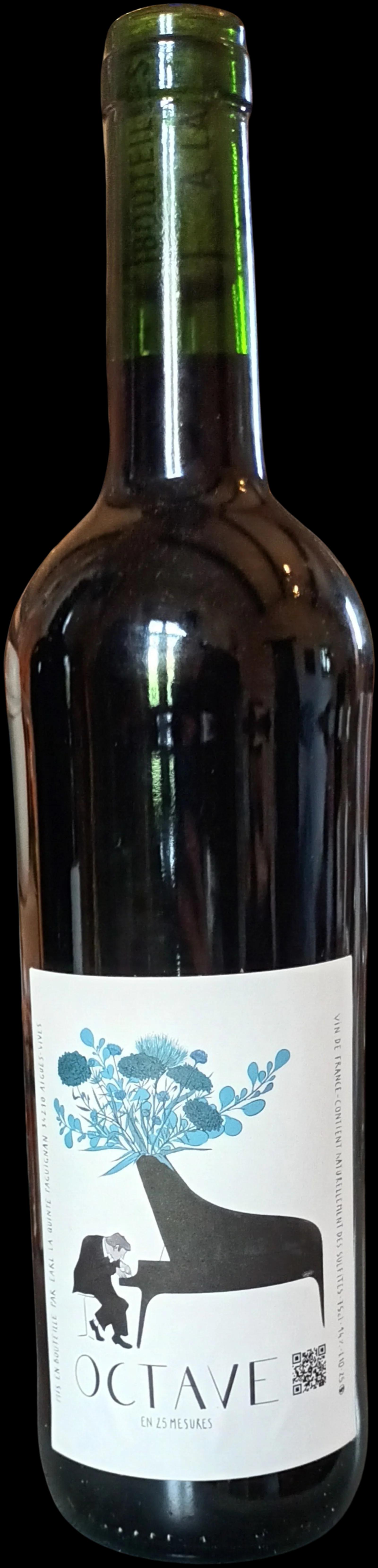
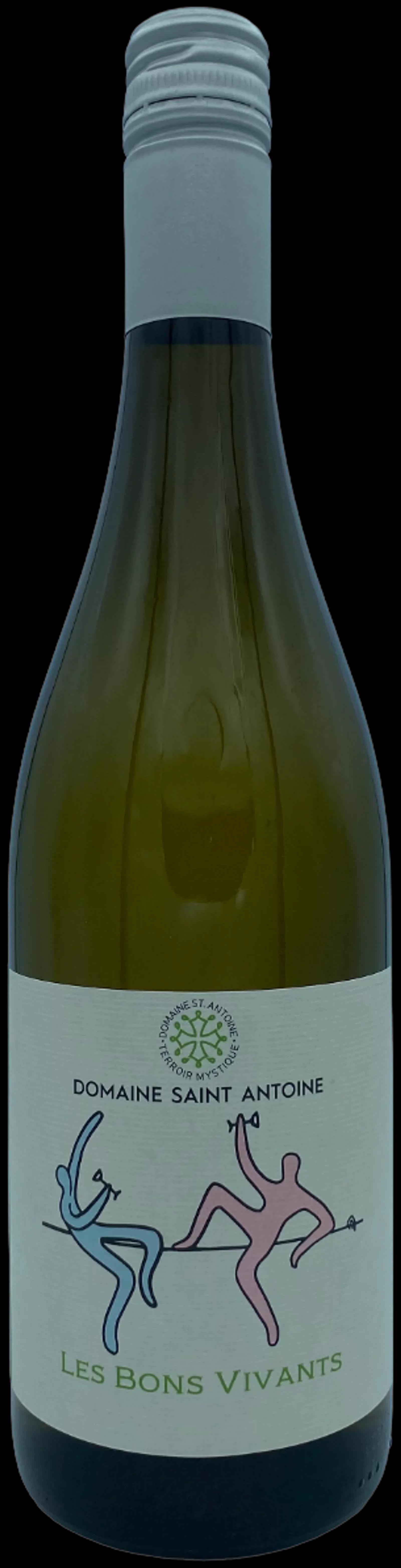
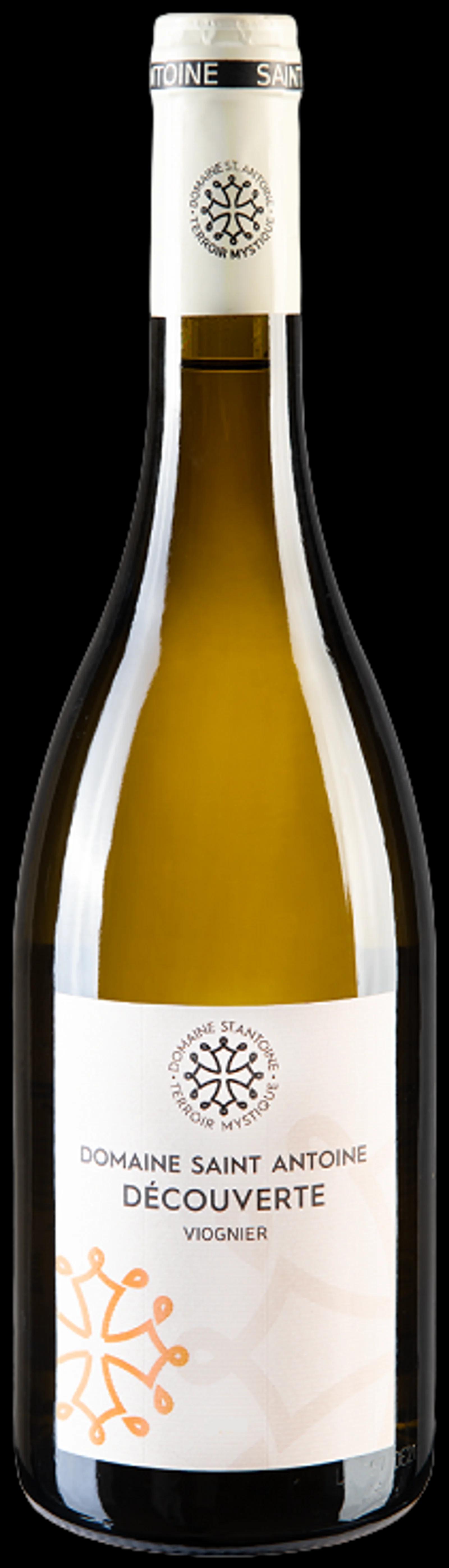
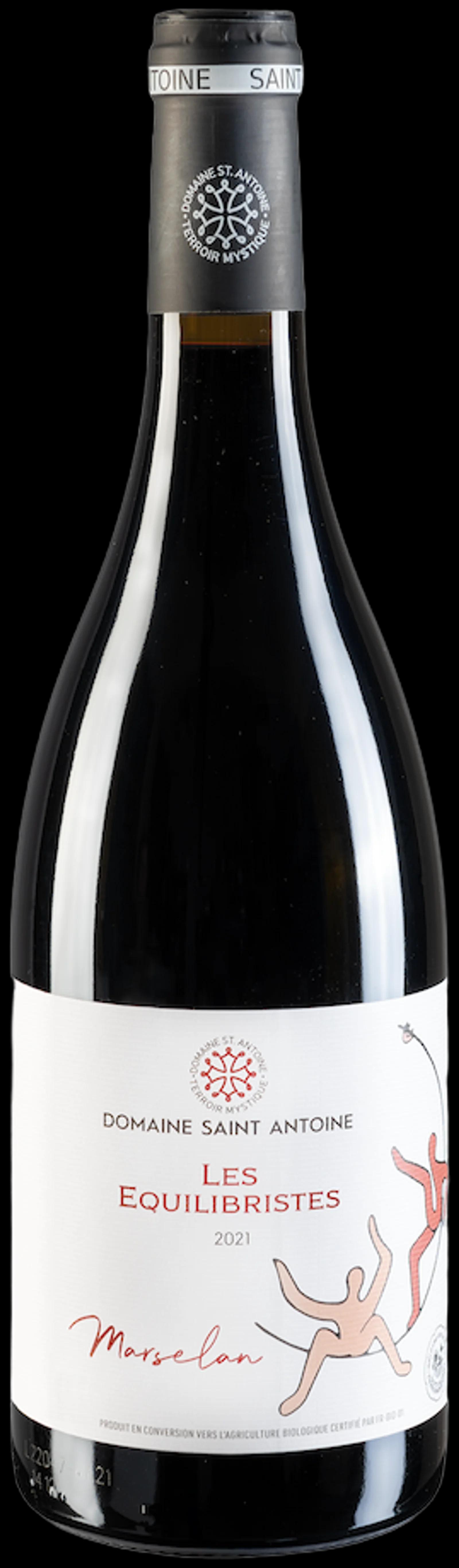
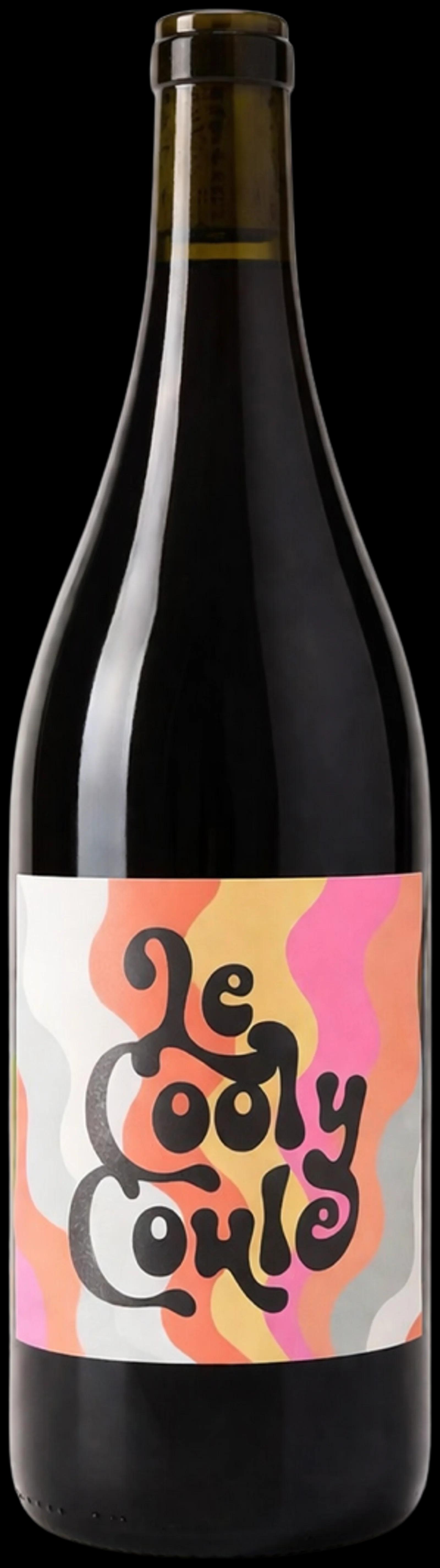
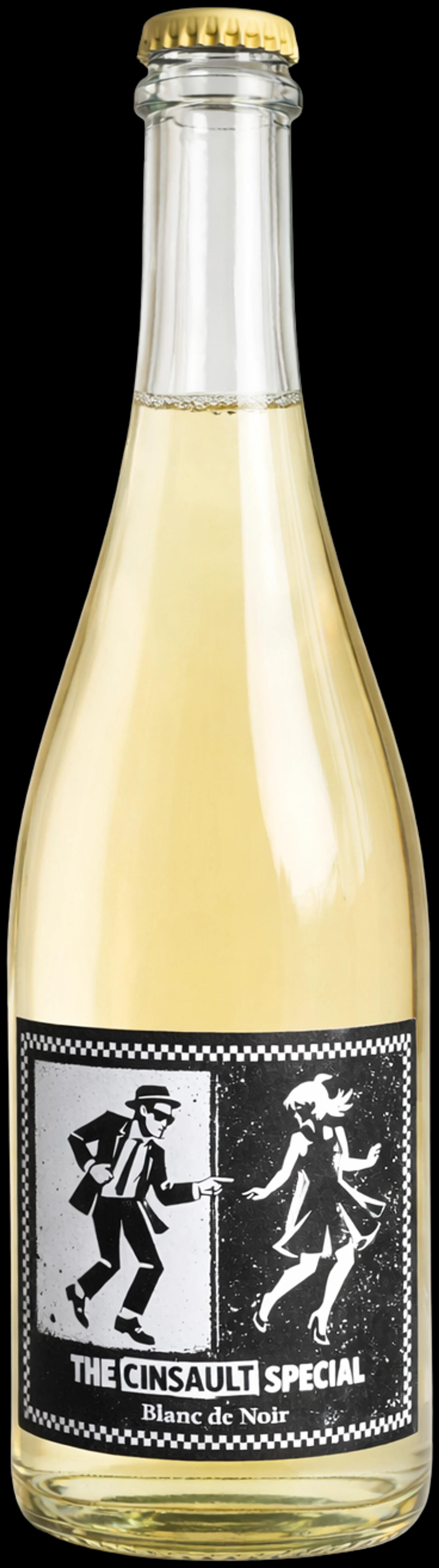
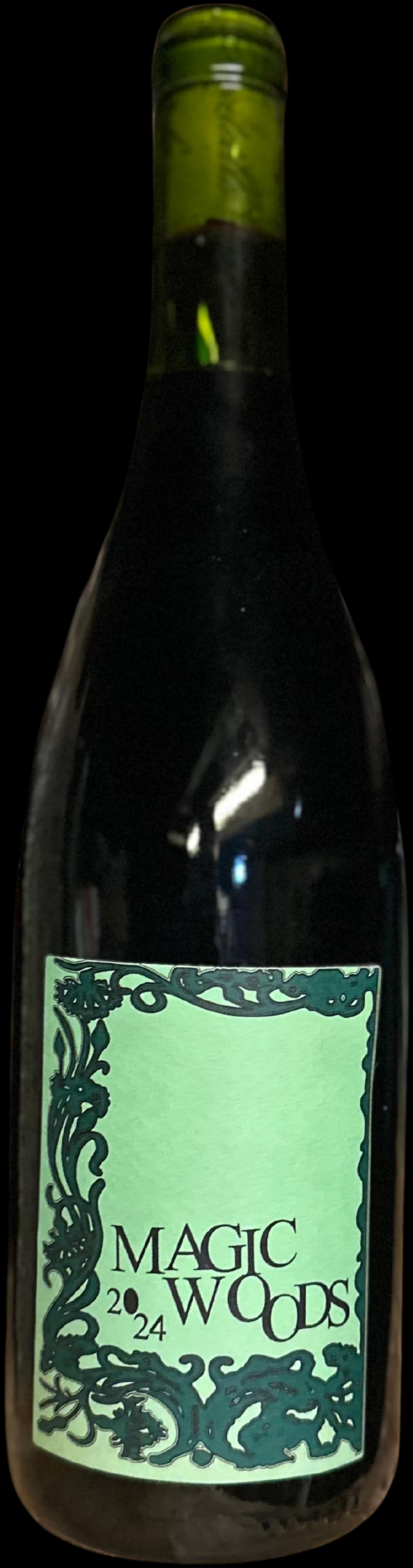
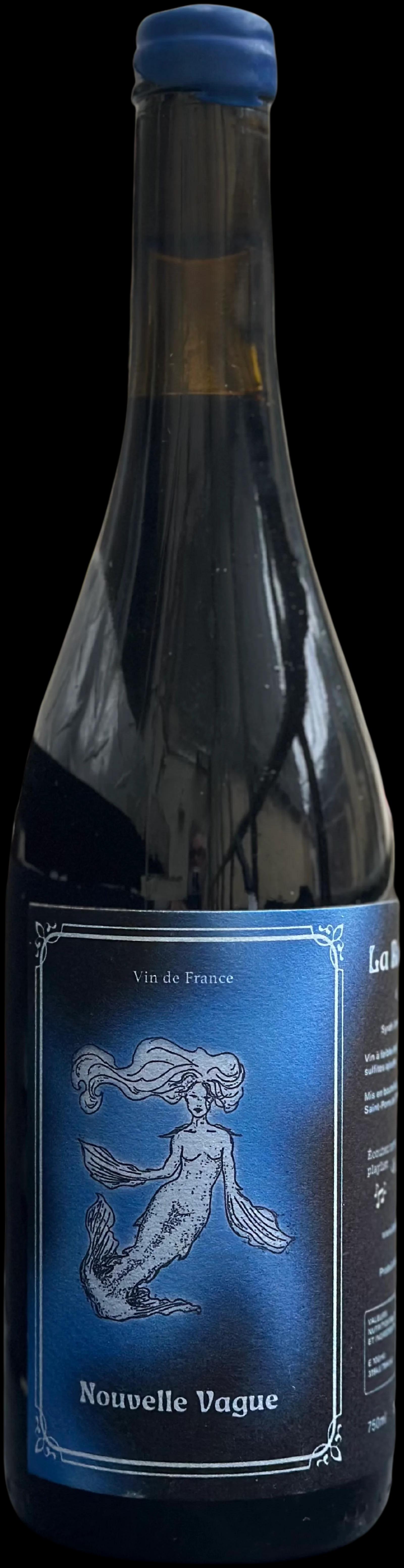
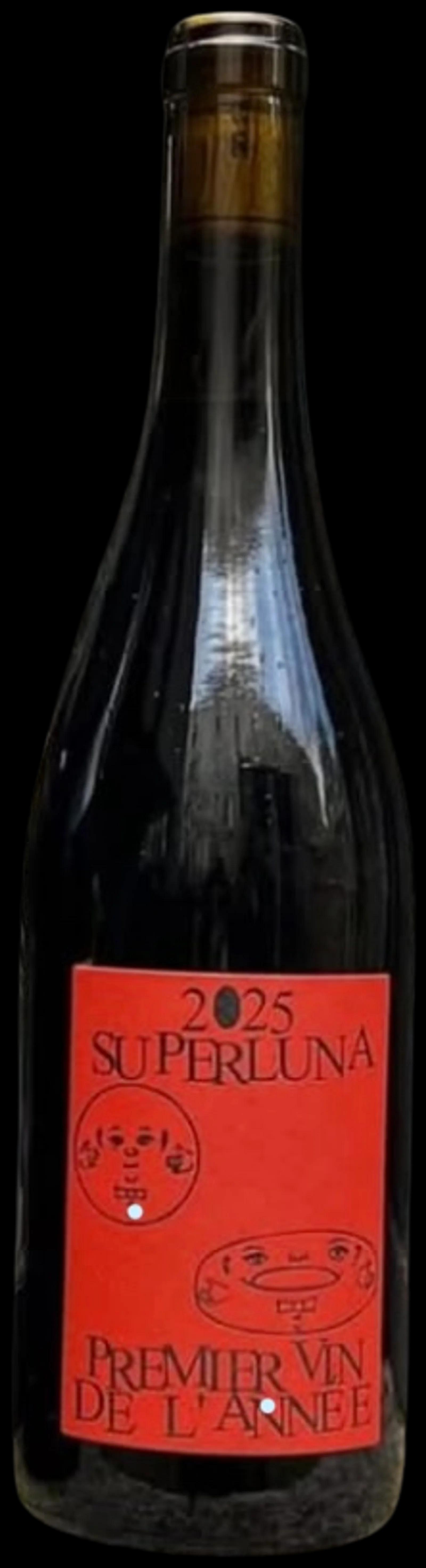
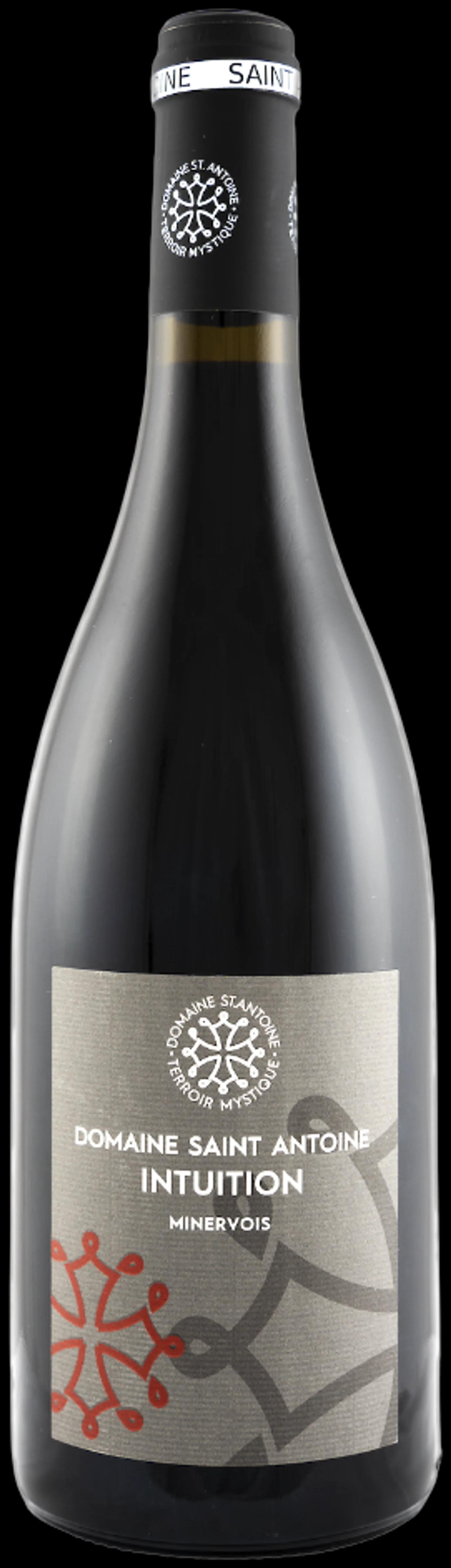
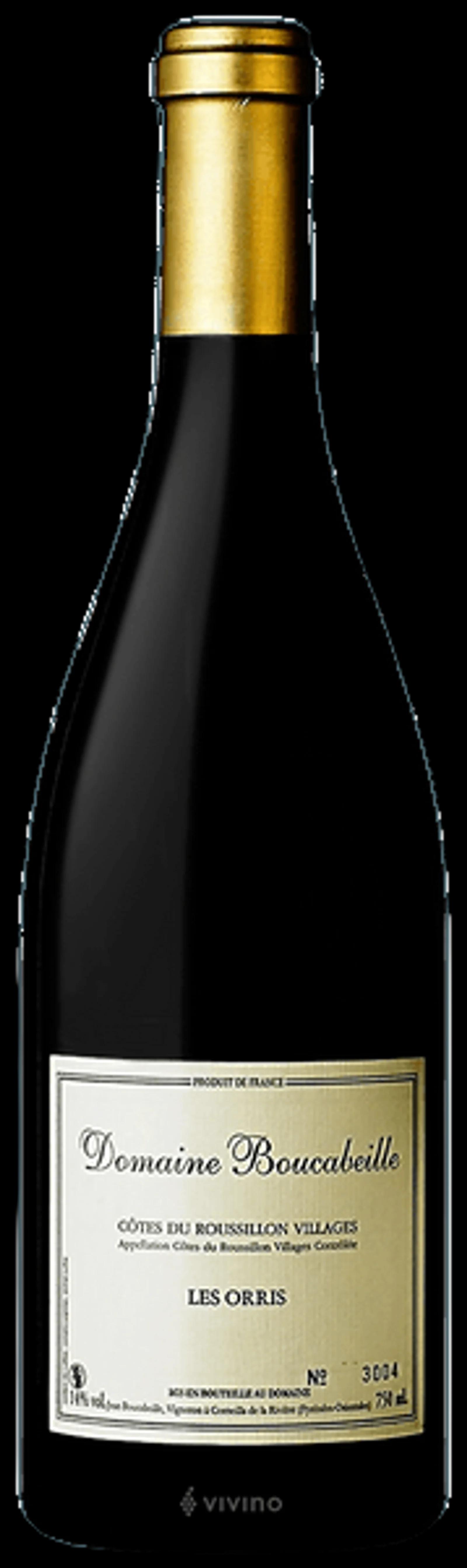
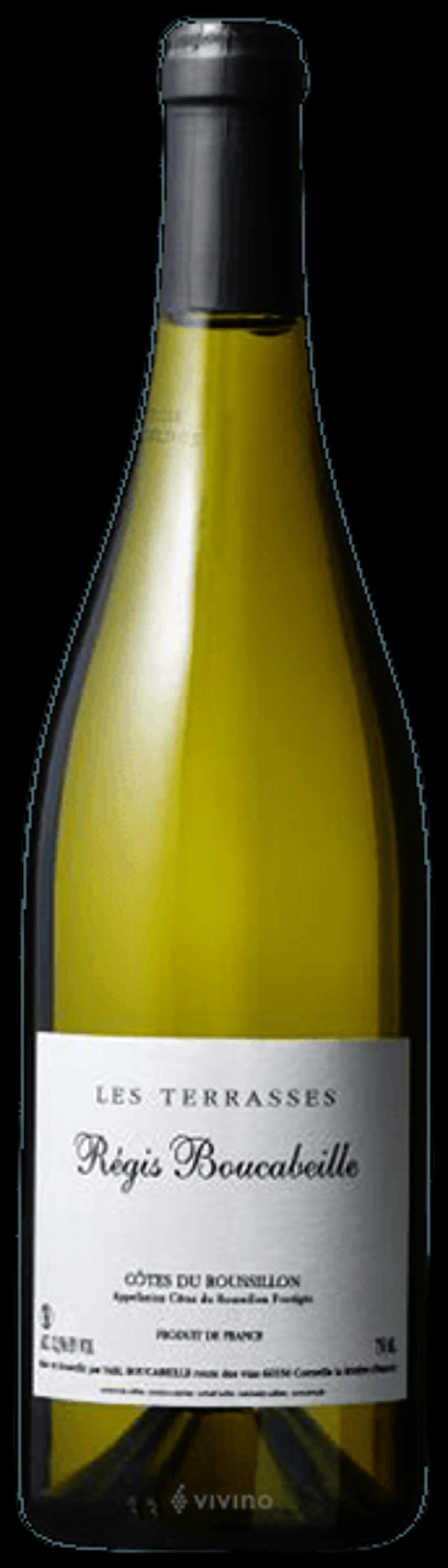
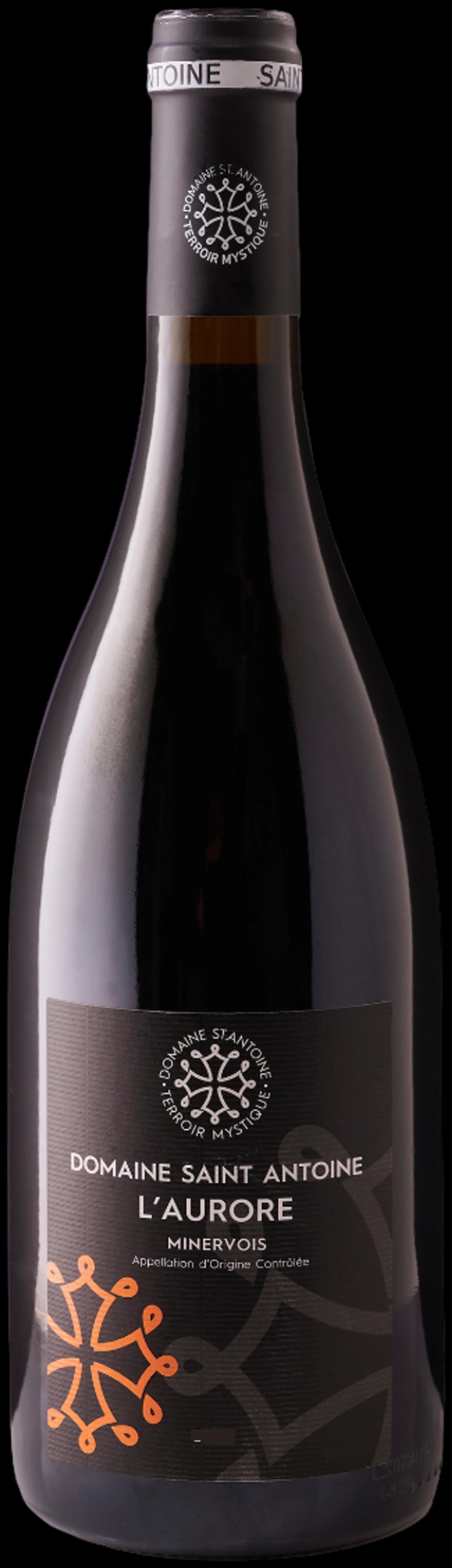
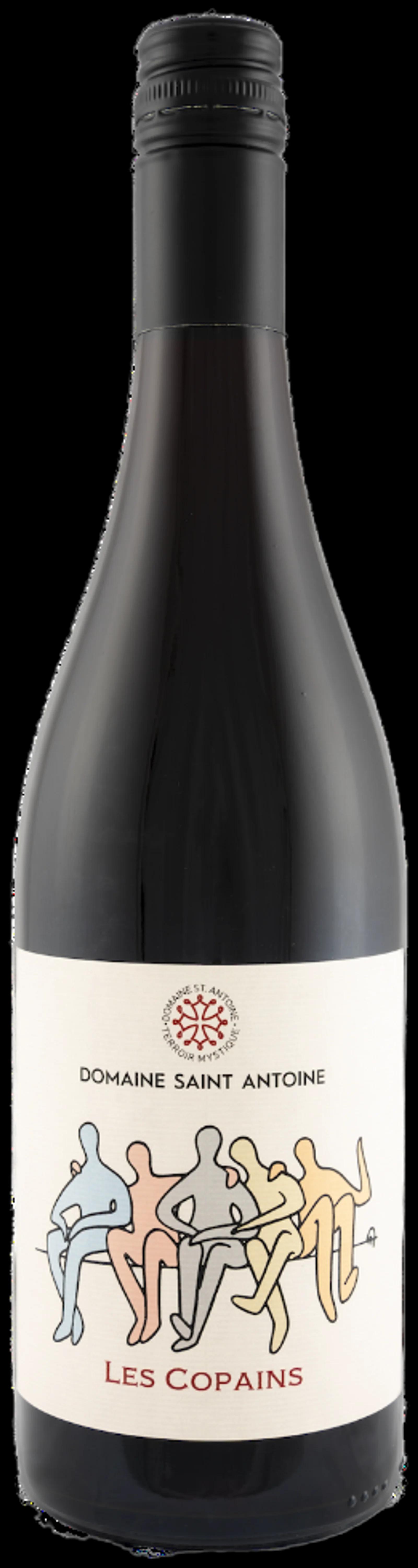
Grapes and appellations of Languedoc-Roussillon
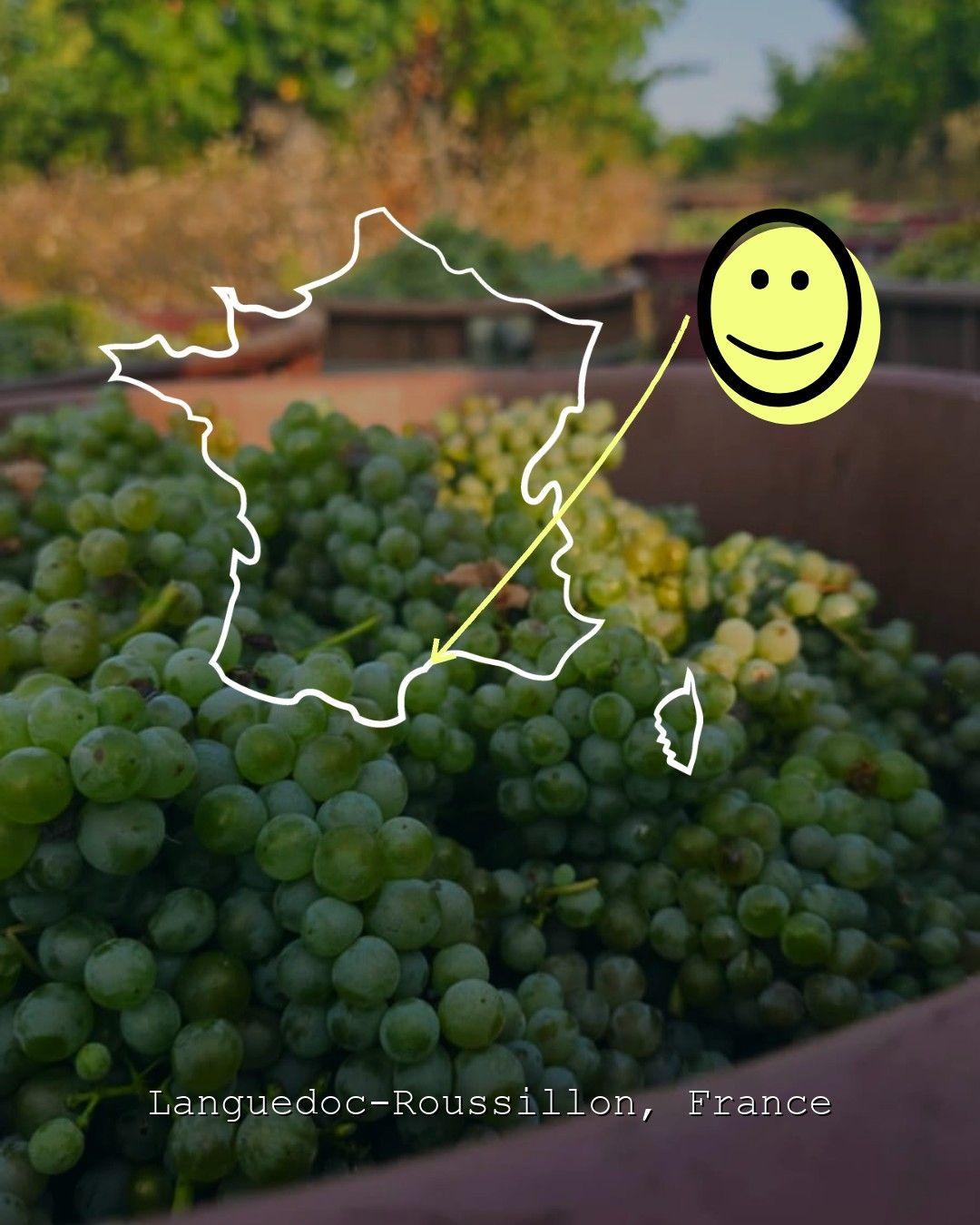
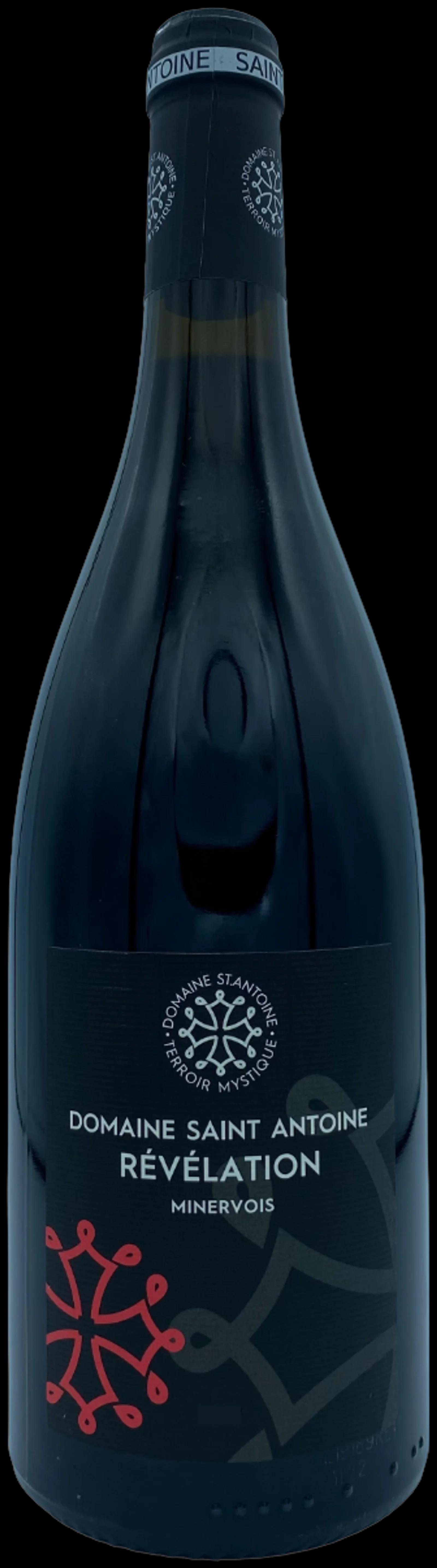
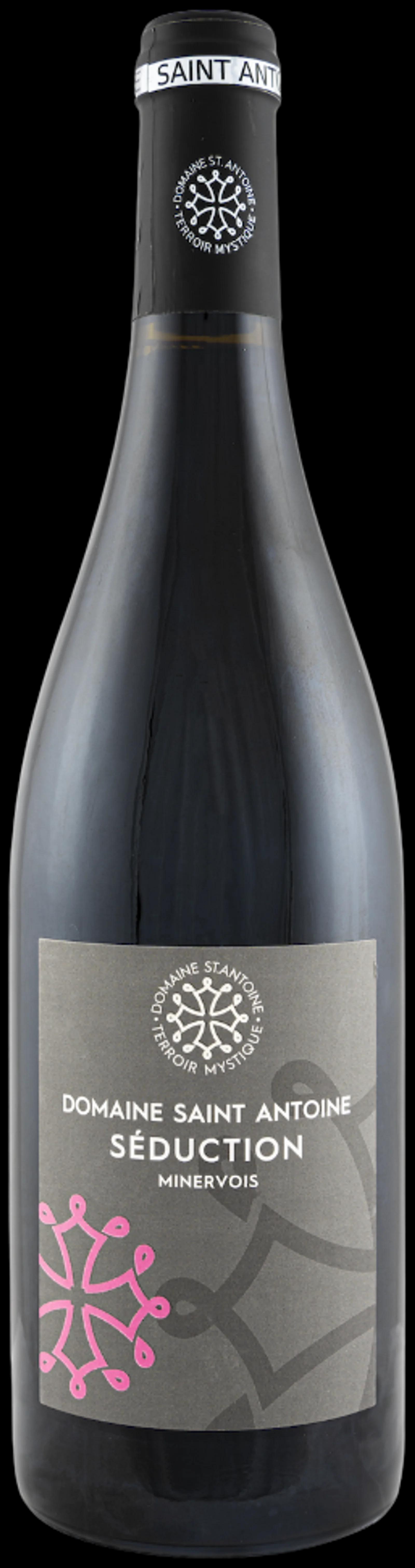
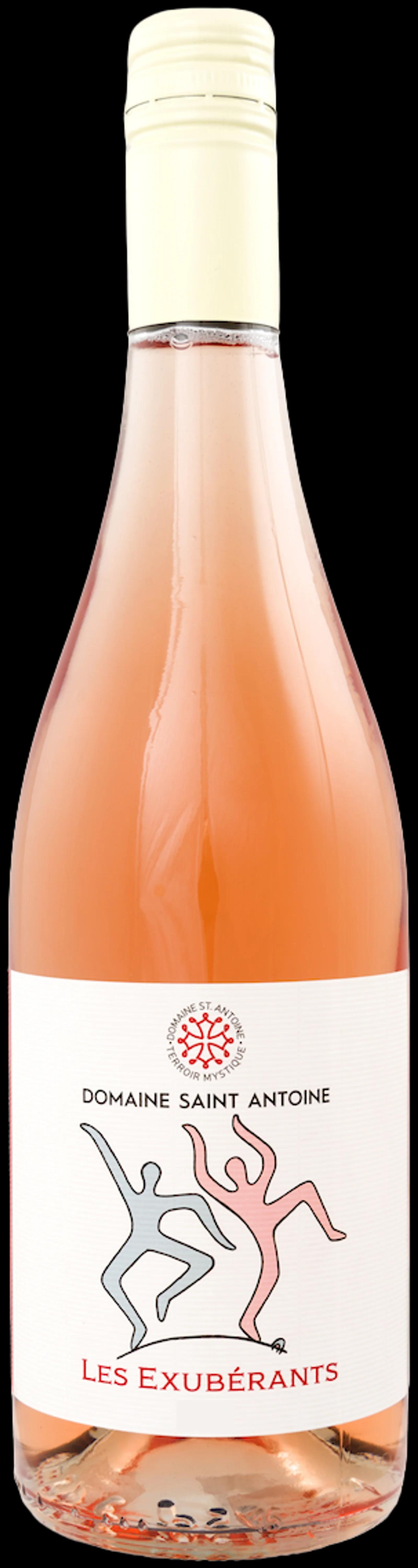
Languedoc-Roussillon is the largest wine-producing region in France by volume, stretching from the Rhône delta to the Spanish border. It covers roughly 230,000 hectares under vine — more than the entirety of Germany's wine surface. The appellation structure here is layered: a broad regional IGP Pays d'Oc sits underneath a patchwork of more specific AOP designations including Pic Saint-Loup, Faugères, Saint-Chinian, Corbières, Minervois, and Fitou, each with its own soil profile and permitted grape varieties.
Carignan is the region's most historically important red variety, planted widely during the 20th century for high-yield production. In the hands of low-yield producers working old vines — some over 100 years old — it produces structured, mineral reds that look nothing like its industrial reputation. Grenache and Syrah are the other red pillars, often blended together and with Carignan in Corbières and Minervois. Cinsault is increasingly valued for rosé and lighter-style reds. Roussillon, the southern sub-region bordering Catalonia, adds Grenache Noir, Grenache Blanc, and Grenache Gris at the core of its distinctive Vins Doux Naturels — fortified wines including Banyuls and Maury — as well as dry table wines that reflect the arid, schist-heavy soils of the Pyrenean foothills.
White wines account for a smaller share of production but are rising in profile: Grenache Blanc, Picpoul, Vermentino, Marsanne, and Roussanne each appear under various appellations. Picpoul de Pinet, from vineyards bordering the Thau lagoon, is one of the few single-variety AOP whites in the region.
What a Languedoc-Roussillon sample box contains
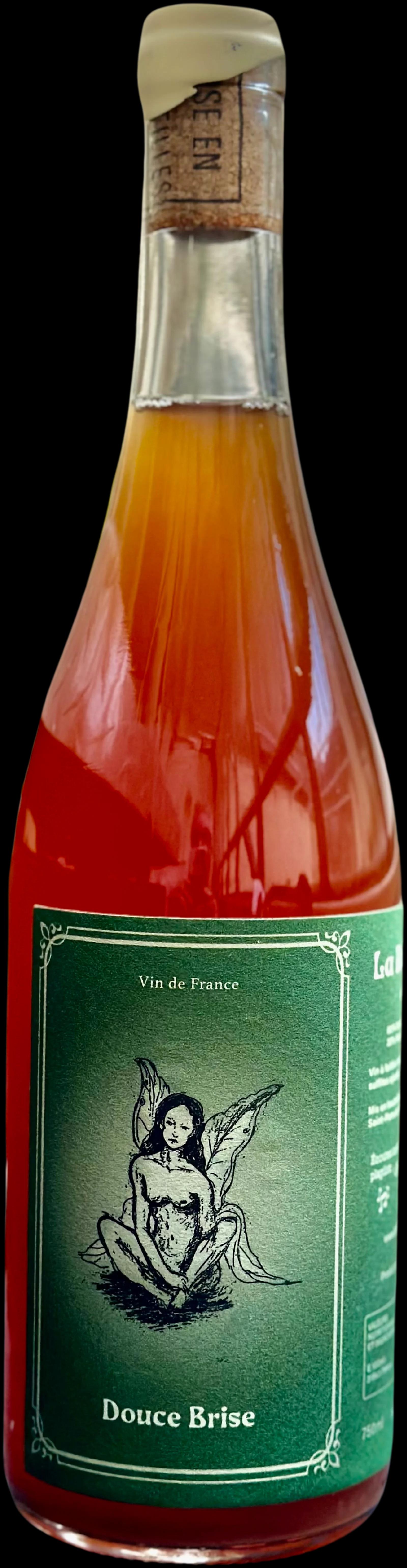
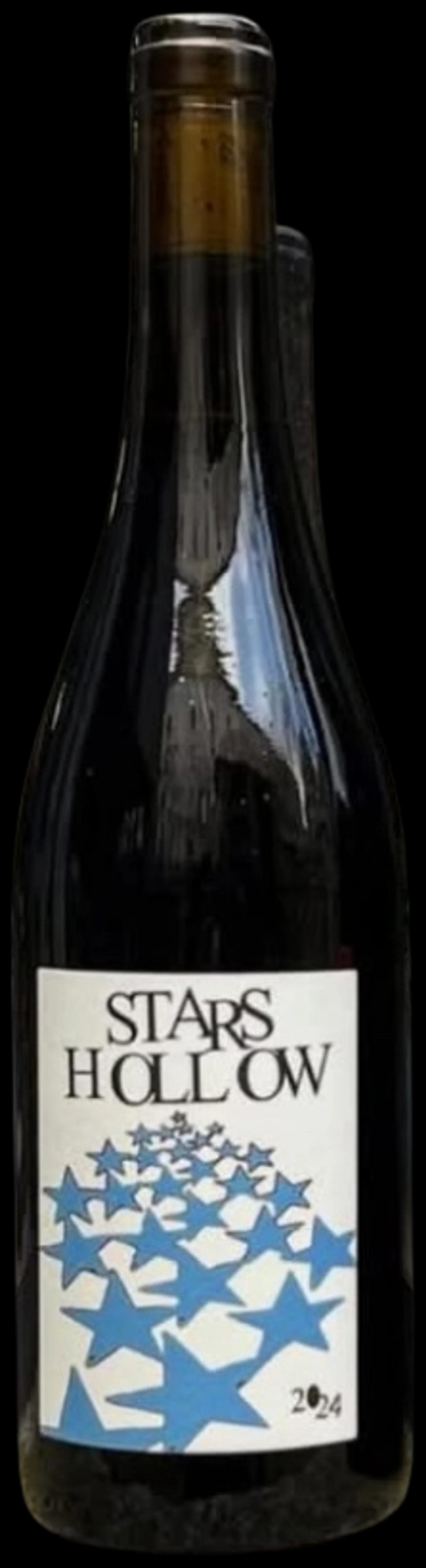
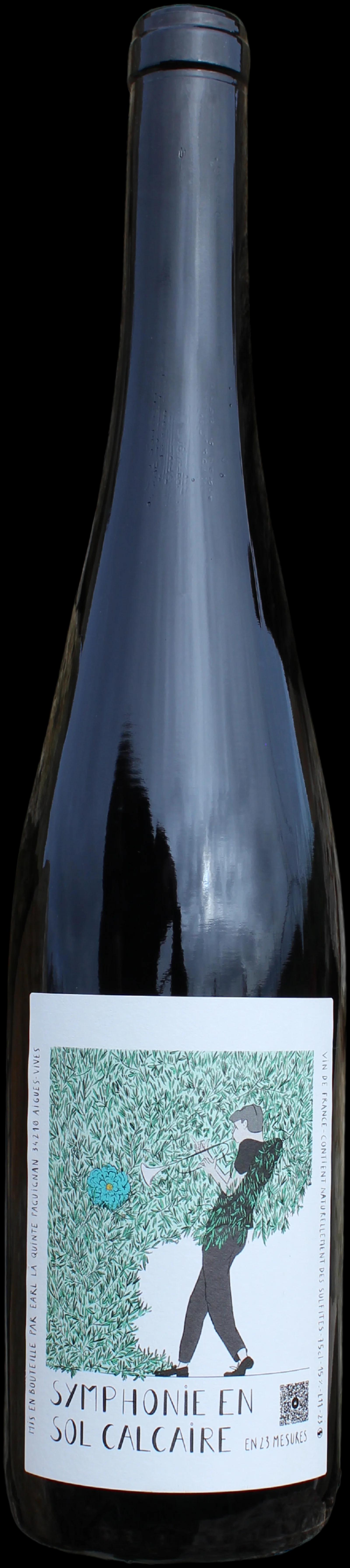
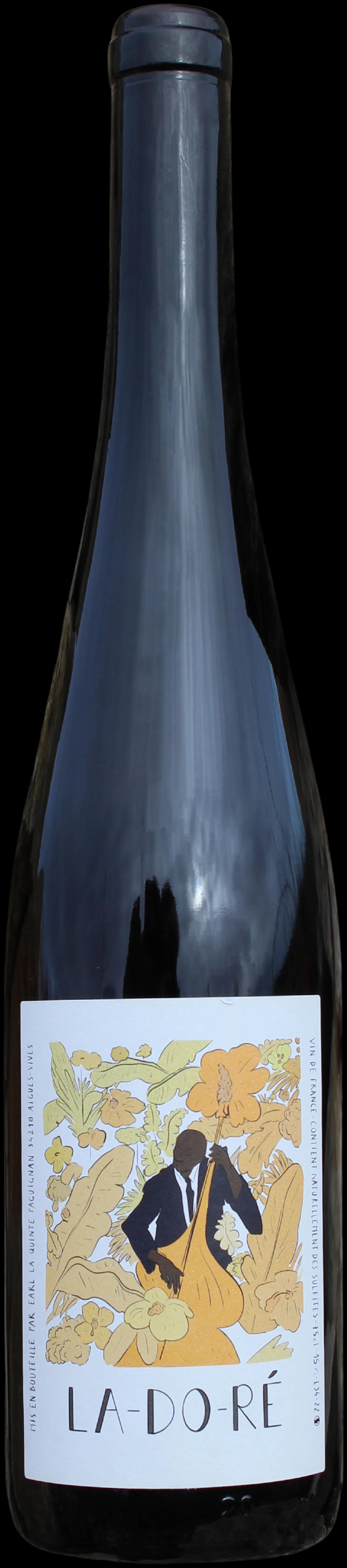
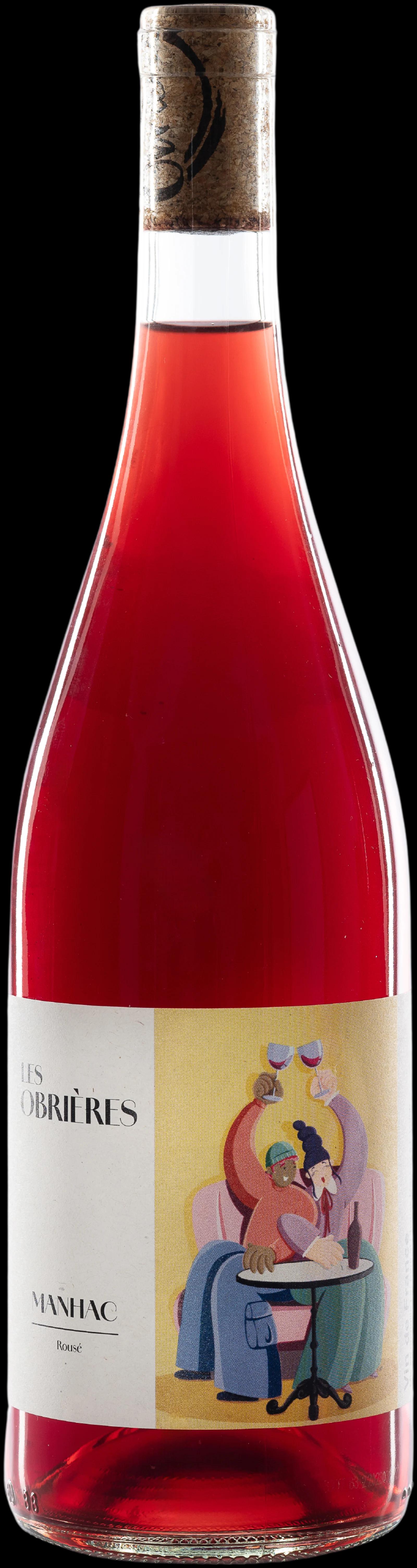
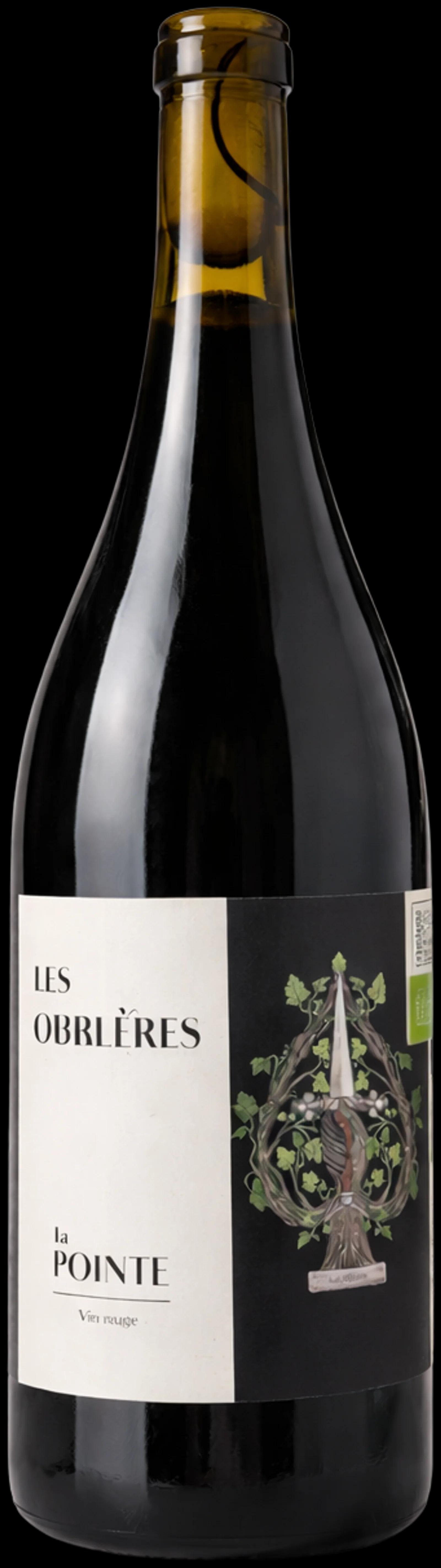
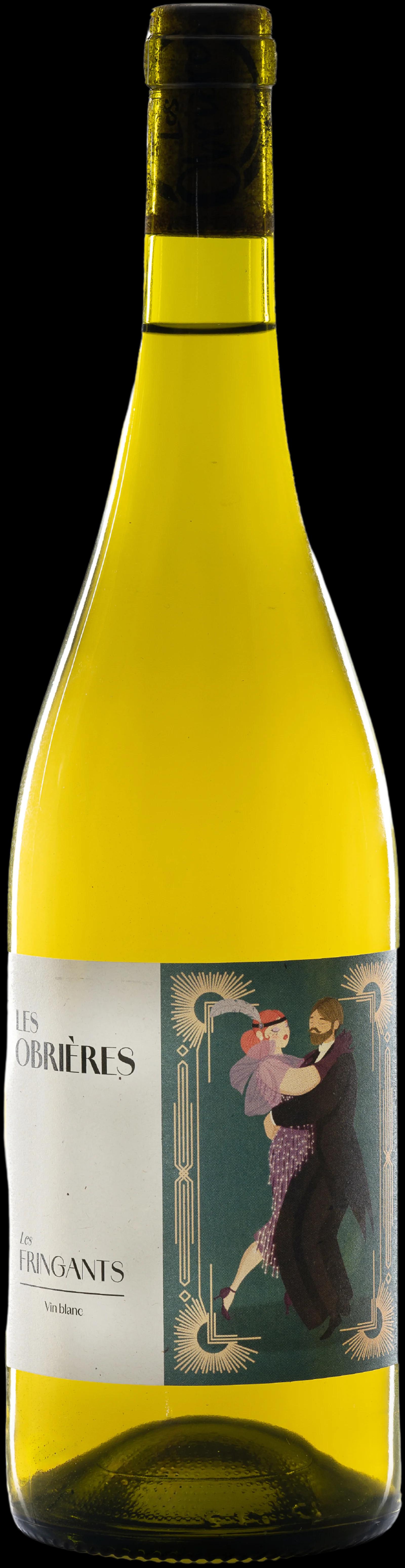
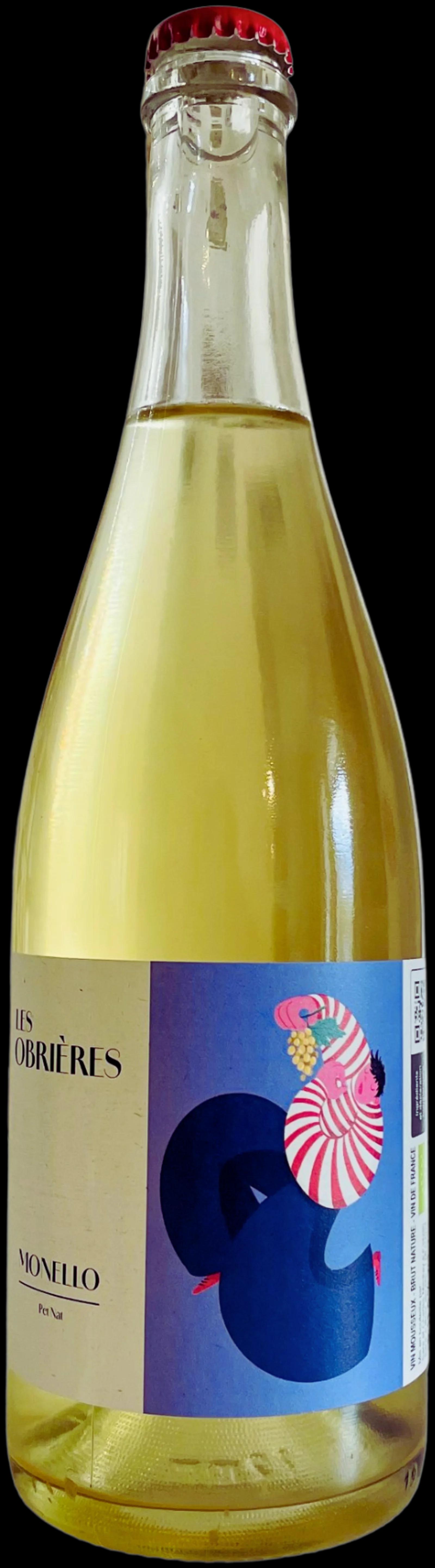
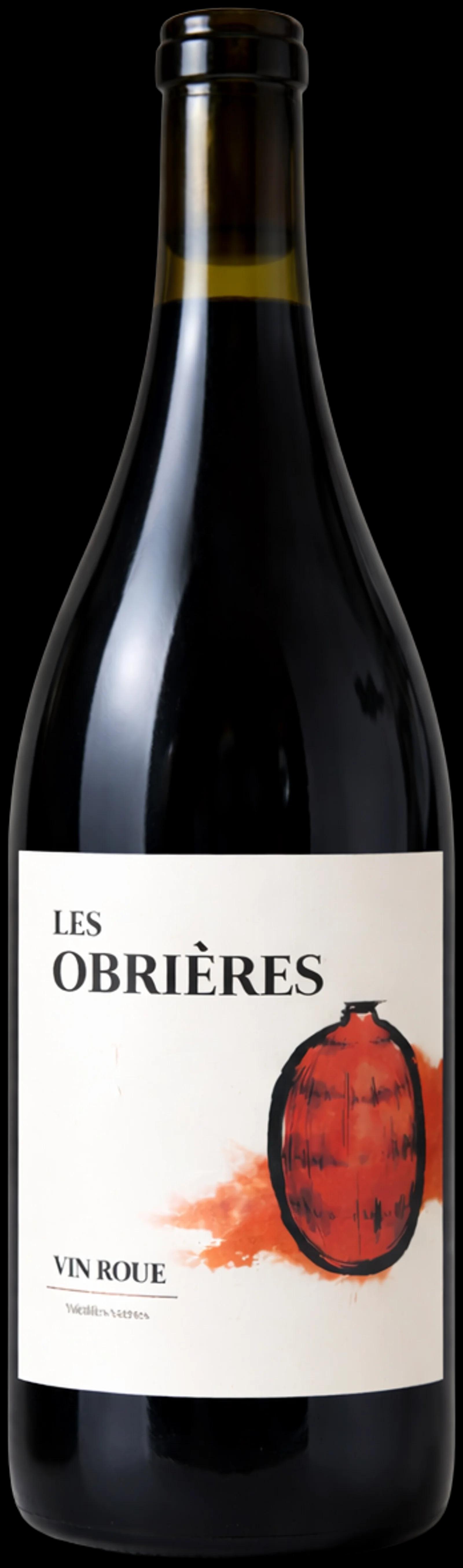
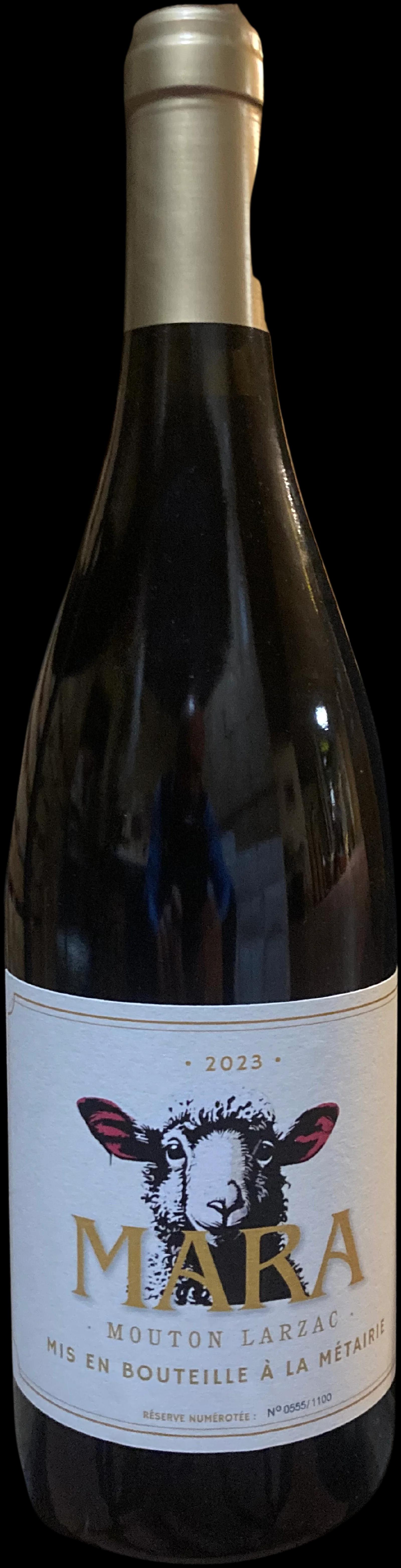
Each sample box on Free Grape Society comes from a single producer. The producer composes the selection themselves — six bottles that represent their own recommendation across their range. That means a box from a Corbières estate might include two vintages of the same Carignan-dominant red alongside a white and a rosé from the same harvest. A producer in Pic Saint-Loup might focus the box entirely on their Grenache-Syrah blends at different price points.
This is structurally different from a curated multi-producer box. You are not sampling a buyer's editorial opinion about the region. You are sampling one producer's opinion about their own wines — which is a different kind of information. It is also why the boxes from Languedoc-Roussillon vary considerably: the region spans five to six distinct climate zones, from the cool limestone plateau of Pic Saint-Loup to the hot, windswept schist of Roussillon's Agly valley, and producers working in those zones make fundamentally different wines.
The pricing on each box is set by the producer. No importer, no wholesaler. The price you see is the price the producer agreed to. Bottles ship from the producer's cellar, not from a warehouse in the Netherlands or a regional distribution hub. For a region where small estates often produce fewer than 20,000 bottles per year, that direct route is frequently the only way the wine reaches you at all. Browse more French sample boxes or compare with Bordeaux sample boxes and Champagne sample boxes to see how the format differs across French regions.
How producers from Languedoc-Roussillon join Free Grape Society
Producers who list on Free Grape Society apply to join the platform. Samples are sent to our Head of Product, who tastes every wine before it goes live. Independent wine experts Rate & Review individual wines on the platform, and those reviews are visible on the wine page and on the expert's profile.
Languedoc-Roussillon has seen significant generational change since the 1990s. Many of today's most interesting estates were started by outsiders — former engineers, chefs, and winemakers from other regions — who bought old-vine parcels when land prices were low compared to Burgundy or Bordeaux. That history is part of why the region now produces a disproportionate share of France's most experimental wines, including skin-contact whites, amphora-aged reds, and low-intervention Carignan from ungrafted vines. The estates that find their way onto Free Grape Society tend to sit in that part of the landscape: independent, parcel-focused, with defined working practices rather than generic volume production.
A bottle of wine normally changes hands three times before it reaches you. Here it changes hands once. That structure matters most in a region like Languedoc-Roussillon, where small producers have historically depended on négociants and cooperatives to move their wine — and where direct access has been the exception rather than the rule. See all Languedoc-Roussillon wineries or explore the full French winery listing.