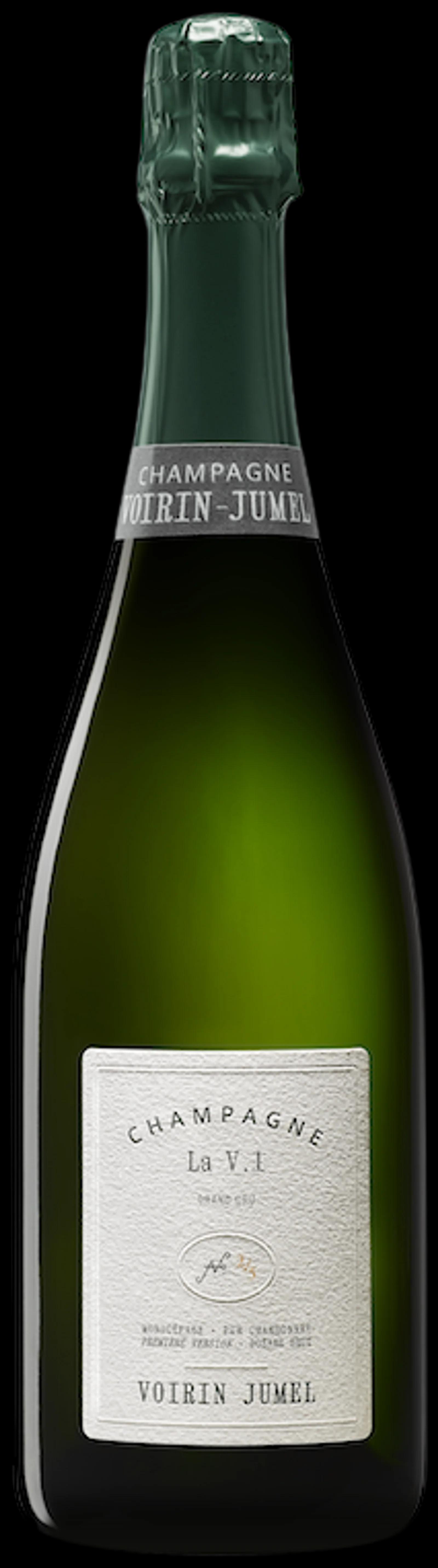
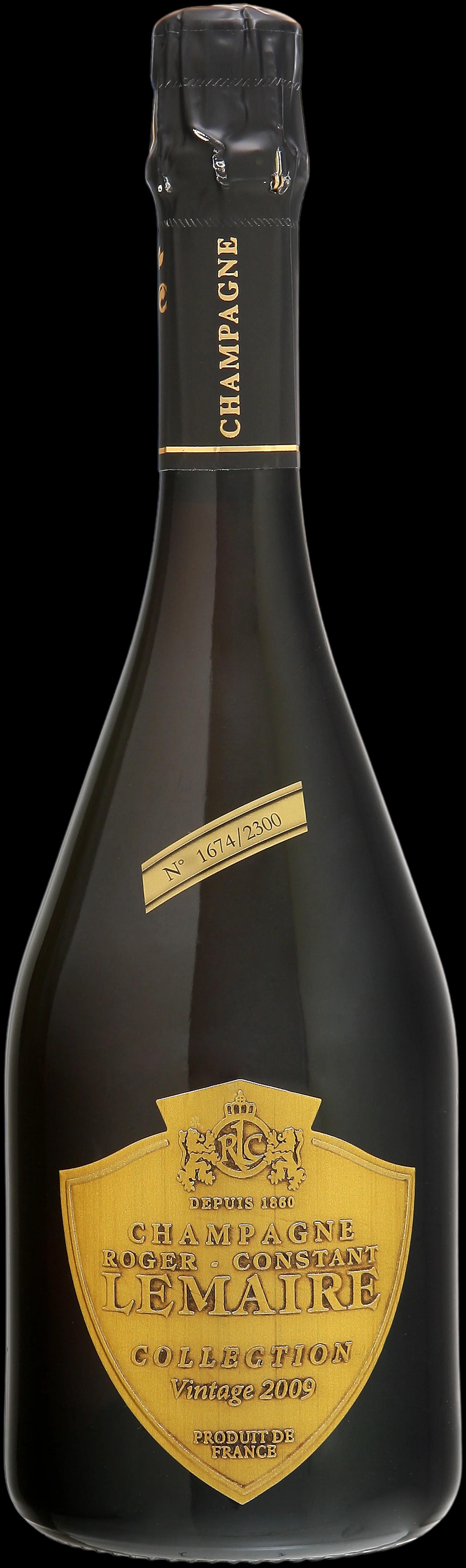
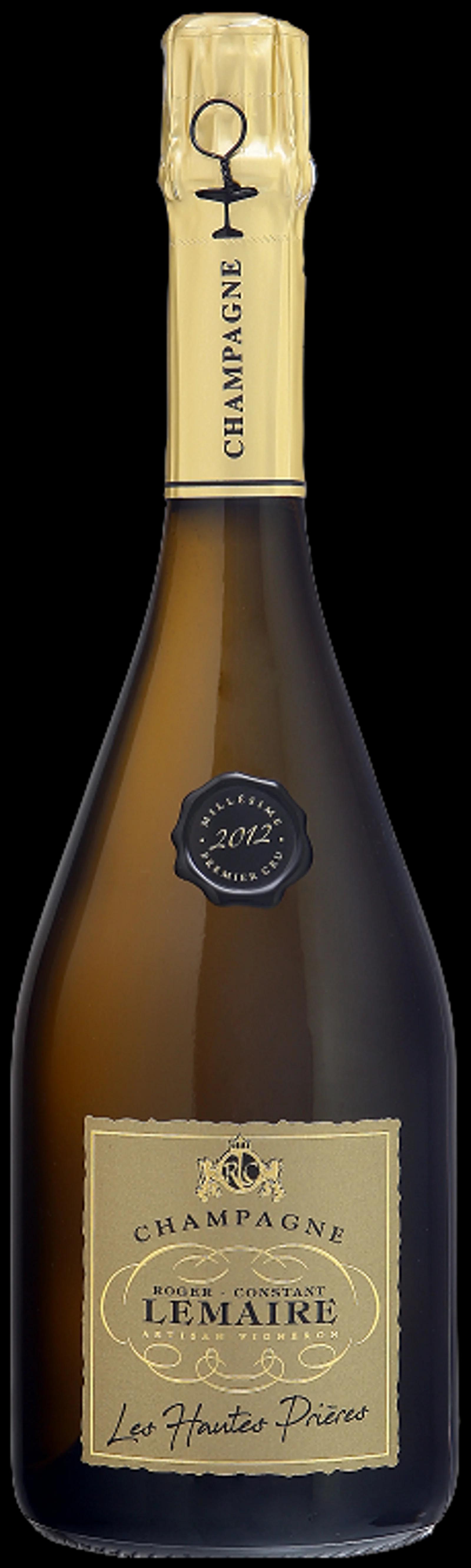
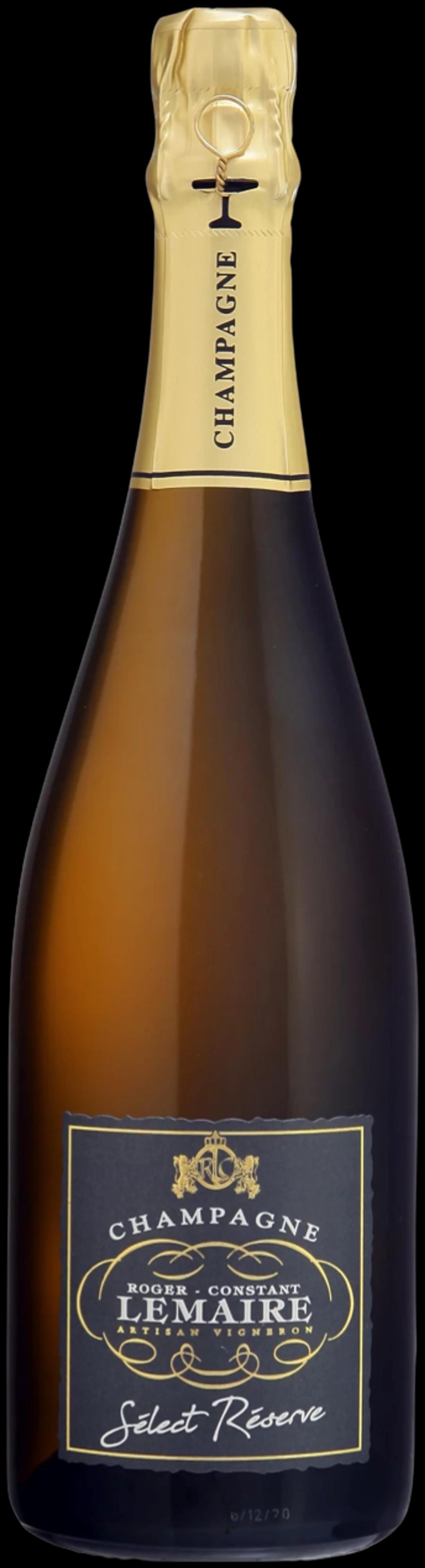
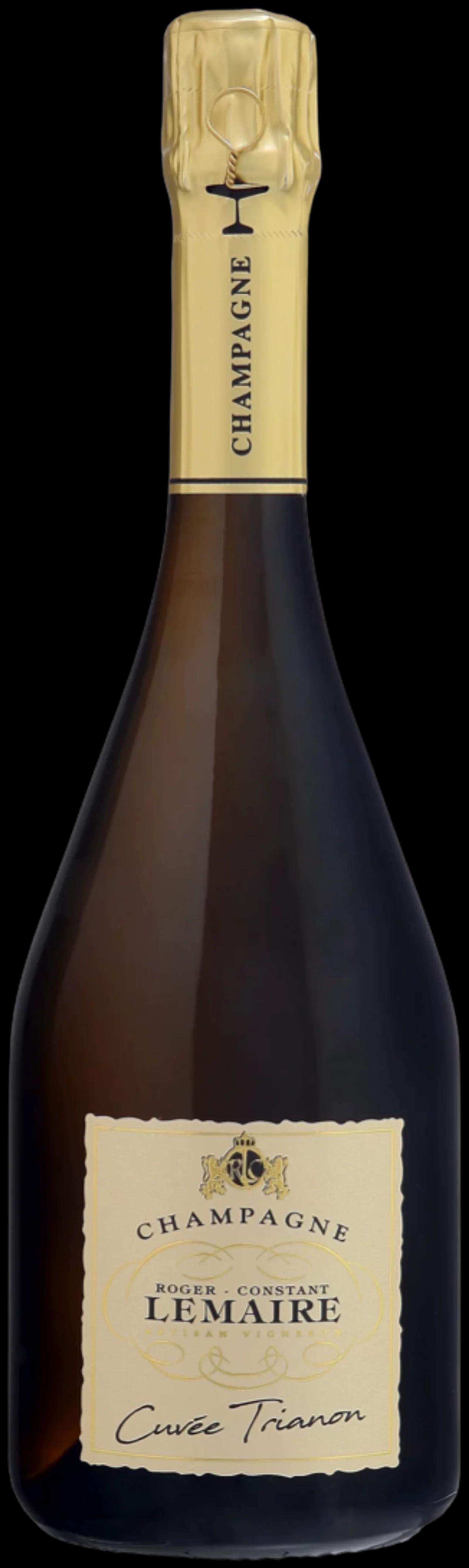
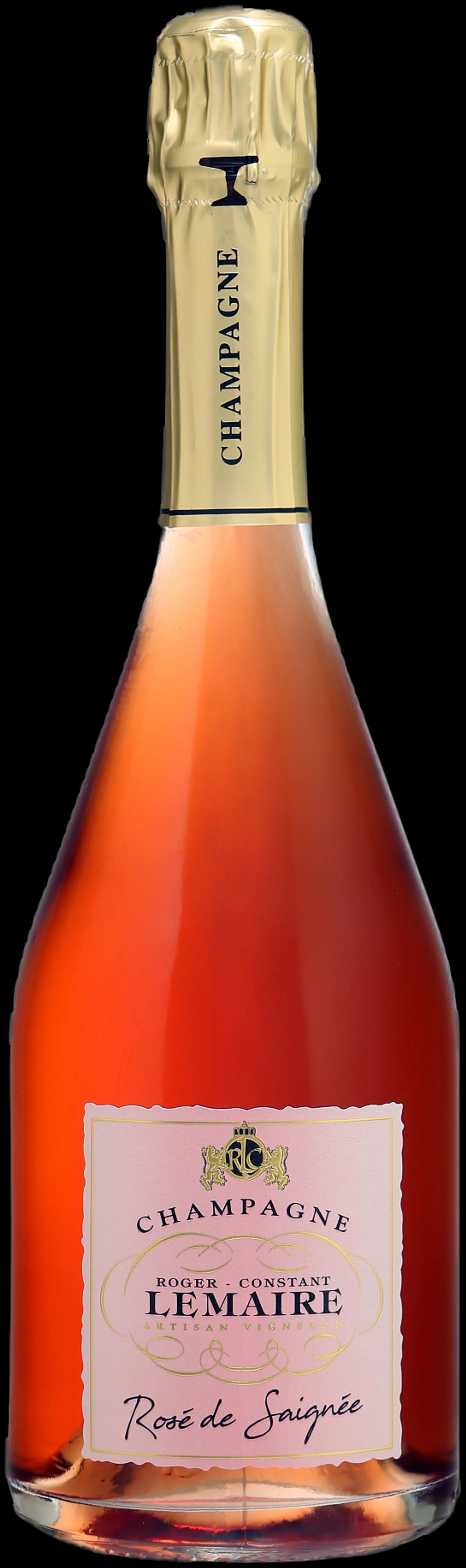
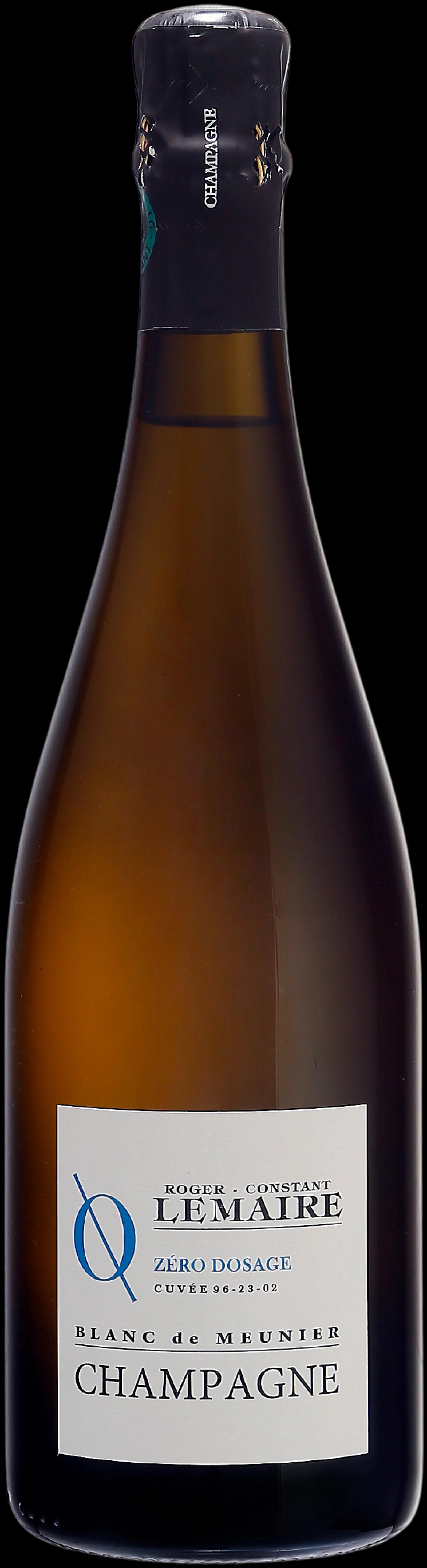
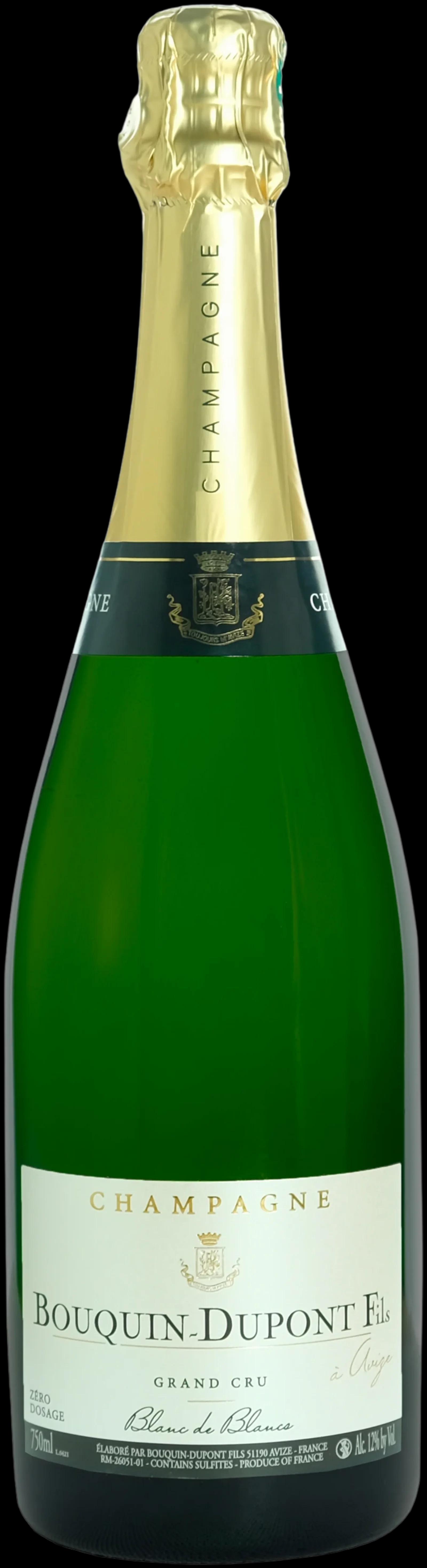
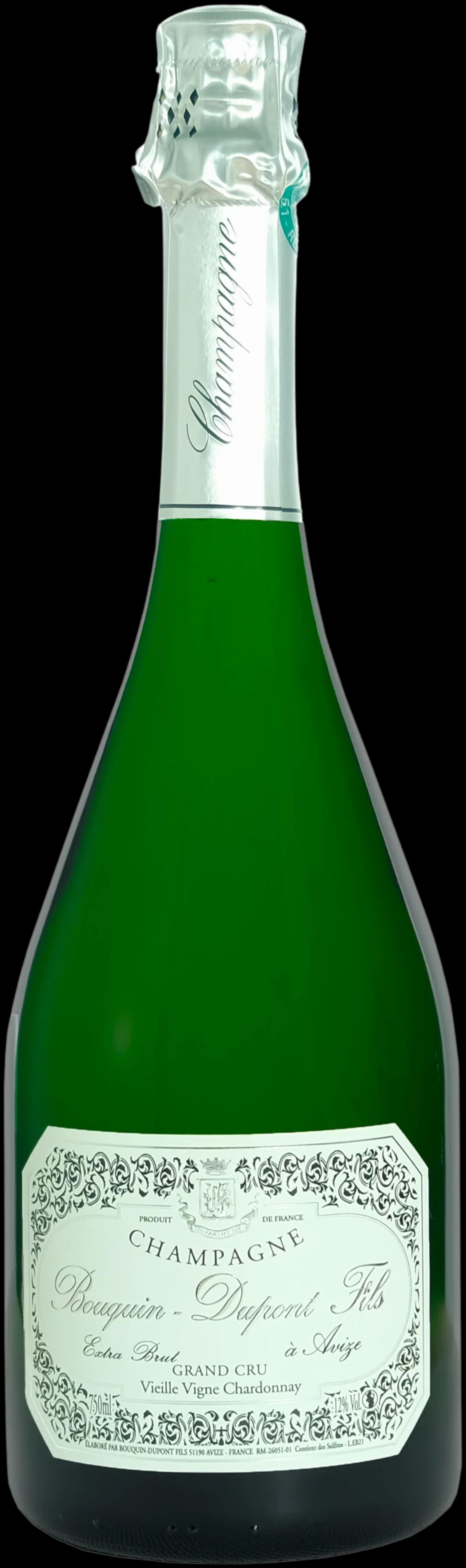
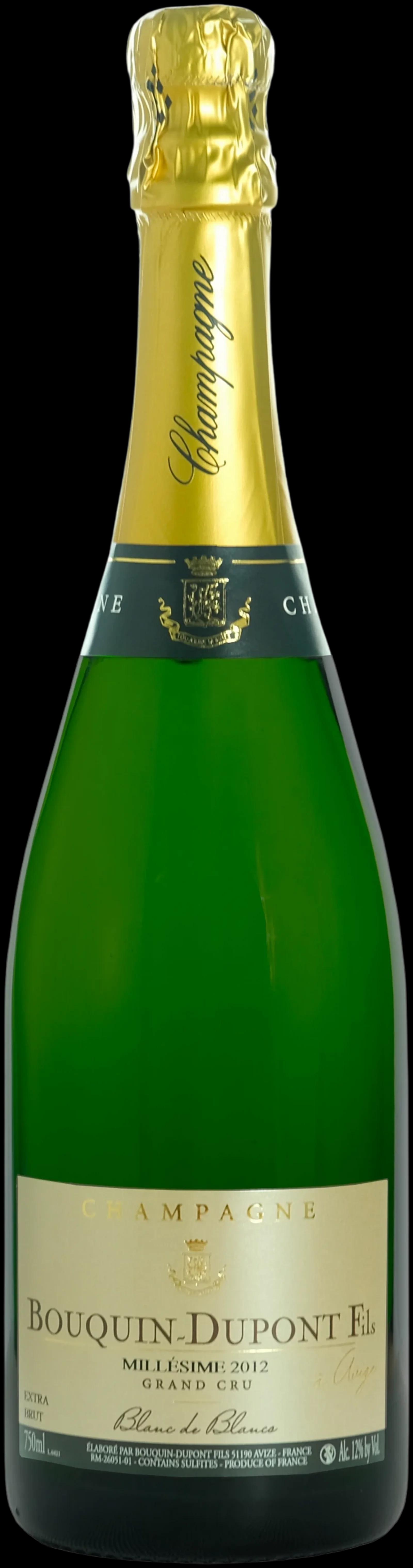
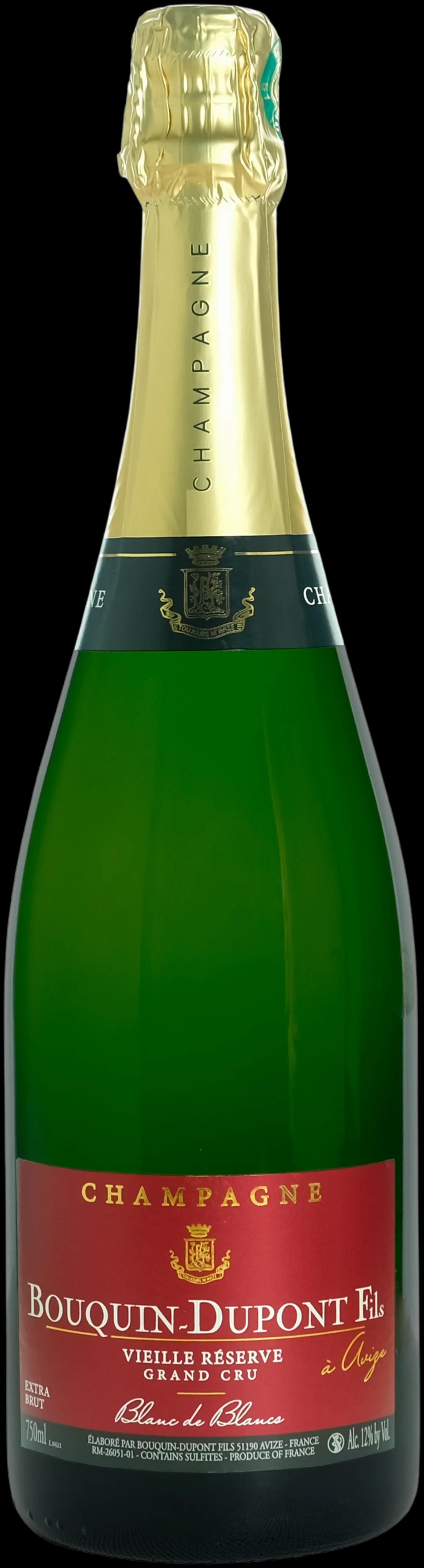

Champagne mixboxes — direct from the grower

Champagne sample boxes from independent grower-producers. Six bottles, one producer, shipped from the cellar.

Six bottles from one house or grower-producer, composed by the cellar.

Wine Colour

Dropdown arrow

Country

Dropdown arrow

Region (1)

Dropdown arrow

Price

Dropdown arrow

Sort by

Sort arrow
Champagne

Champagne sample boxes

Champagne is divided into five main sub-zones: Montagne de Reims, Vallée de la Marne, Côte des Blancs, Côte de Sézanne, and Aube. Each produces base wines with a distinct character. Montagne de Reims is Pinot Noir country. Côte des Blancs is almost exclusively Chardonnay. The grower-producers behind the boxes below farm their own vines and vinify under their own label, rather than selling grapes to a large house.

Previous1 of 1Next

Champagne wines

The grandes maisons — Moët, Veuve Clicquot, Bollinger — source grapes from thousands of contracted growers across the region. A grower-producer keeps those grapes and makes the wine themselves. There are roughly 19,000 registered grape growers in Champagne. Fewer than 5,000 bottle under their own label. The producers on Free Grape Society come from that smaller group. No importer, no wholesaler. The price you see is the price the producer agreed to.

View all wines from Champagne

Champagne producers

Every mixbox on Free Grape Society contains exactly six bottles, all from one producer, composed by that producer as their own selection. Not assembled by a buyer. Not a cross-producer sampler. The producer decides what goes in the box — which cuvées, which disgorgement dates, which dosage levels. Several of the boxes below include both non-vintage and vintage expressions from the same cellar, which gives a clear sense of how a producer works across different base years.

View all wineries from Champagne

Wine experts

Independent wine experts on Free Grape Society rate and review wines they have personally tasted. Their reviews are visible on the individual wine page and on the expert's own profile. Champagne is a category where disgorgement date, dosage, and grape sourcing vary significantly between producers, and expert reviews reflect those differences in concrete terms. Browsing expert profiles below will show you which cuvées have been reviewed and what the reviewer found in the glass.

View all wine experts

Frequently asked questions

What is included in a Champagne mixbox on Free Grape Society?

Each mixbox contains exactly six bottles, all from one producer. The producer composes the box themselves — it is their own recommendation, not a buyer's selection. The box ships directly from the producer's cellar. Contents and cuvées are listed on each box page before you order.

What happens if a bottle arrives broken or doesn't taste right?

Send a photo to Free Grape Society customer support within 7 days of delivery. We will arrange a replacement or a refund. Because producers ship directly, quality issues are handled with the producer's direct involvement. Shared responsibility is built into how FGS works.

Can I order a Champagne mixbox as a gift?

Yes. At checkout you can add a delivery address different from your billing address. The box ships in its original producer packaging. Because each box is composed by the producer and ships from their cellar, the presentation reflects the estate directly, not a third-party retailer.

How long does delivery take?

Average delivery is 8 to 9 days from order to door. The full range is 4 to 14 days depending on the producer's location and your delivery address. Wines ship directly from the producer's cellar, not from a central warehouse.

How do the Champagne grower-producers on Free Grape Society differ from the big houses?

The grandes maisons source grapes from hundreds of contracted growers and blend across many villages to maintain a consistent house style. Grower-producers farm their own vineyards and vinify their own grapes. The result is a wine tied to a specific place and a specific family's decisions, not a brand formula.

What Champagne styles can I find in the mixboxes?

The boxes cover a range of styles: blanc de blancs from Chardonnay-dominant plots, blanc de noirs from Pinot Noir or Meunier, rosé, vintage, and extra-brut with low or zero dosage. Each producer page specifies which styles are included in their box.

Which Champagne wine expert can recommend something for me?

Several wine experts on Free Grape Society have reviewed Champagne wines and grower-producer cuvées. Browse the expert profiles in the section above to find one whose speciality matches what you are looking for. You can contact any expert directly through their profile page.

Why are Champagne mixboxes always six bottles from one producer?

Six bottles from one producer is the format Free Grape Society uses for all mixboxes. The producer composes the box as their own recommendation. Cross-producer samplers would require a buyer to make editorial decisions on the producer's behalf. That is not how Free Grape Society is built.

Are these Champagnes available through normal retail or wine merchants?

Most grower-producer Champagnes on Free Grape Society are not carried by standard retail or wine merchant chains. Grower-producers typically make smaller volumes than what retail distribution requires, and many prefer to sell directly rather than through import and wholesale networks.

What goes into a Champagne mixbox

A Champagne mixbox on Free Grape Society is always six bottles from a single producer. The producer composes it themselves — it is their own recommendation, not a selection assembled by an algorithm or a buying team. That means the box reflects how the producer thinks about their own range: a grower's cuvée alongside a blanc de blancs, or a rosé alongside the non-vintage they are best known for.

Champagne is made almost entirely from three grapes: Chardonnay, Pinot Noir, and Pinot Meunier. The proportion of each, the length of aging on the lees, and the dosage — the sugar added at disgorgement — determine nearly everything about how a bottle tastes. Knowing which grapes dominate a cuvée tells you more than any tasting note adjective. A blanc de blancs is 100% Chardonnay. A blanc de noirs is made from red grapes only, typically Pinot Noir. Most non-vintage Champagnes are blends of all three.

Grower Champagne versus négociant Champagne

The Champagne region produces around 300 million bottles per year. Roughly two-thirds of that volume comes from négociant houses, which buy grapes from growers across the appellation and blend them at scale. The other third comes from récoltant-manipulants — growers who make wine from their own vineyards. This distinction matters when choosing a mixbox. A grower's box reflects a specific terroir: the Côte des Blancs, the Vallée de la Marne, the Montagne de Reims. A négociant box reflects house style across a blend of many sources.

Producers on Free Grape Society set their own prices. There is no importer adding a margin, no wholesaler taking a cut. What you pay is what the producer agreed to when they joined the platform. For grower Champagne, which rarely appears in supermarket channels, that structure makes a concrete difference to what ends up in the box and what you pay for it.

If you want to compare Champagne boxes with other French sparkling options, Languedoc-Roussillon mixboxes include Crémant and pét-nat producers working in a very different price range and style.

How Champagne producers work with Free Grape Society

Every wine in a Champagne mixbox was tasted before the producer was listed. Samples go to our Head of Product, who tastes every wine before it goes live. Independent wine experts on the platform Rate & Review individual wines, and those reviews are visible on the wine page and on the expert's own profile.

Champagne has 319 individual crus across 17 major communes. Altitude ranges from 80 to 300 metres, and soil composition shifts from chalk in the Côte des Blancs to clay-limestone on the Montagne de Reims. These differences produce measurably different wines — not just stylistically, but in terms of natural acidity, structure, and aging potential. A mixbox from a single producer in one of these sub-zones gives you six bottles that reflect one specific place, not the appellation average.

The producer decides if they want to be here and what goes into their box. No buying team with quarterly targets. No chain defending shelf space. That is how Free Grape Society is built: producers, experts, restaurants, and wine lovers on the same platform, on the same terms.

For context on the broader French offering, see Bordeaux mixboxes or the full France mixboxes page.