Bordeaux appellations and what they mean for a six-bottle wine case
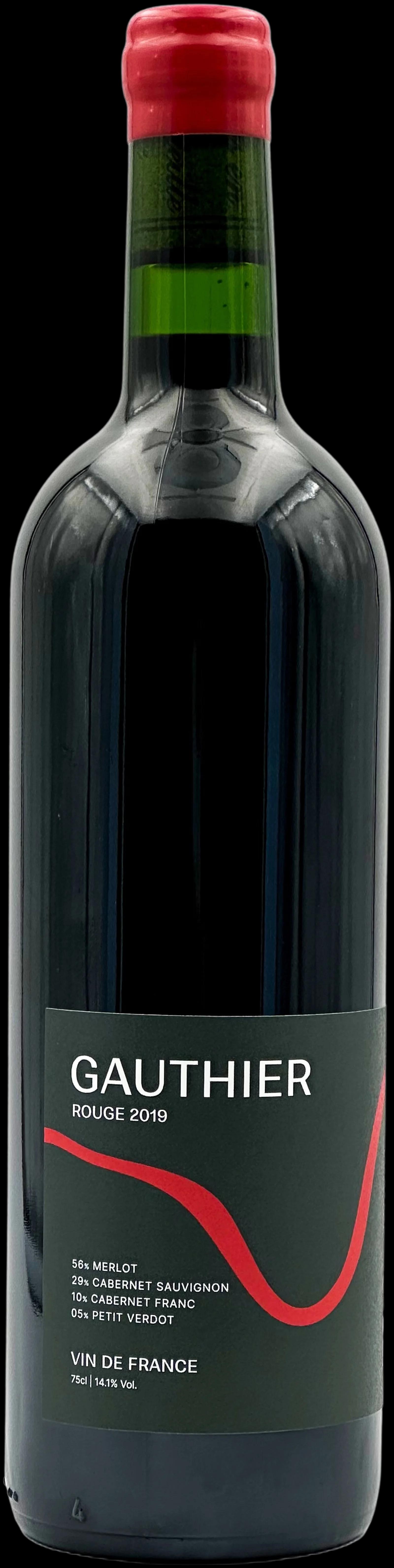
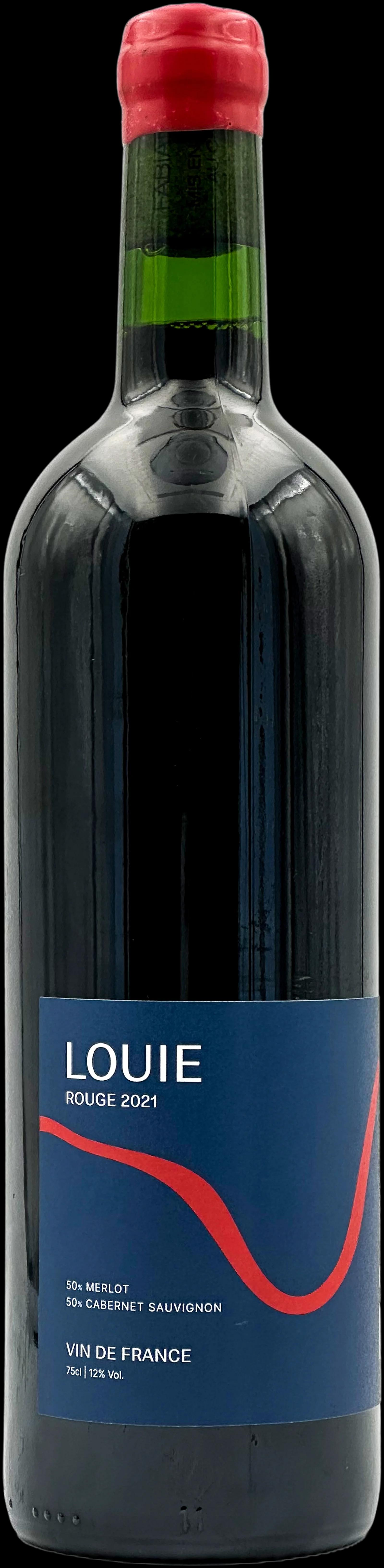
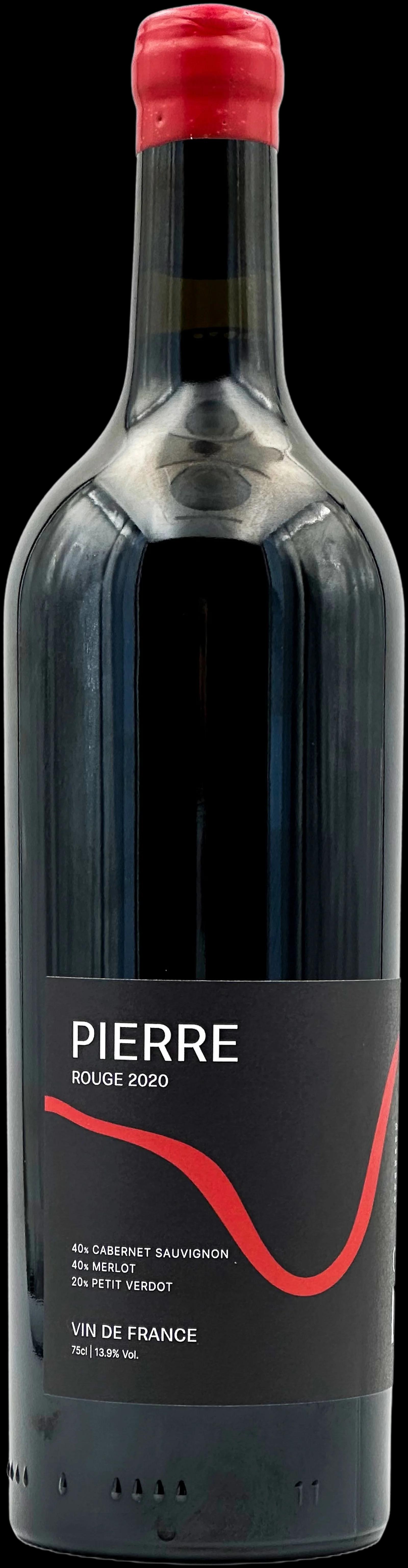
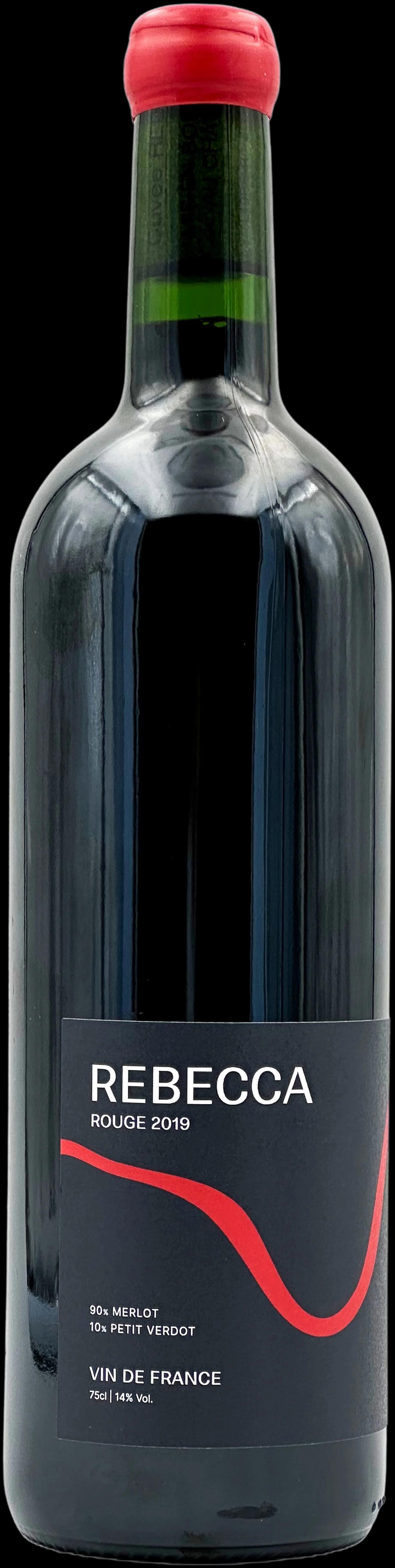
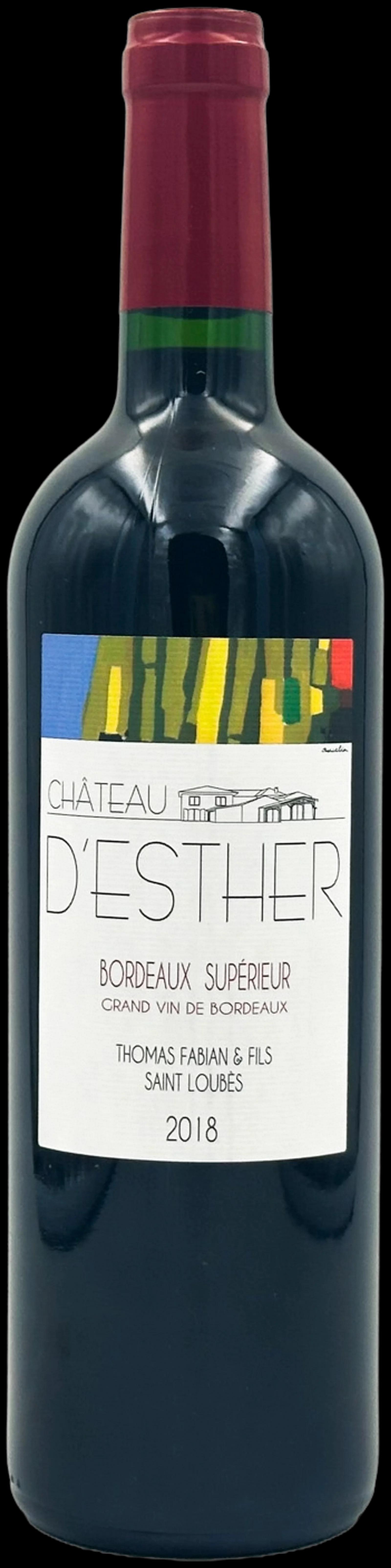
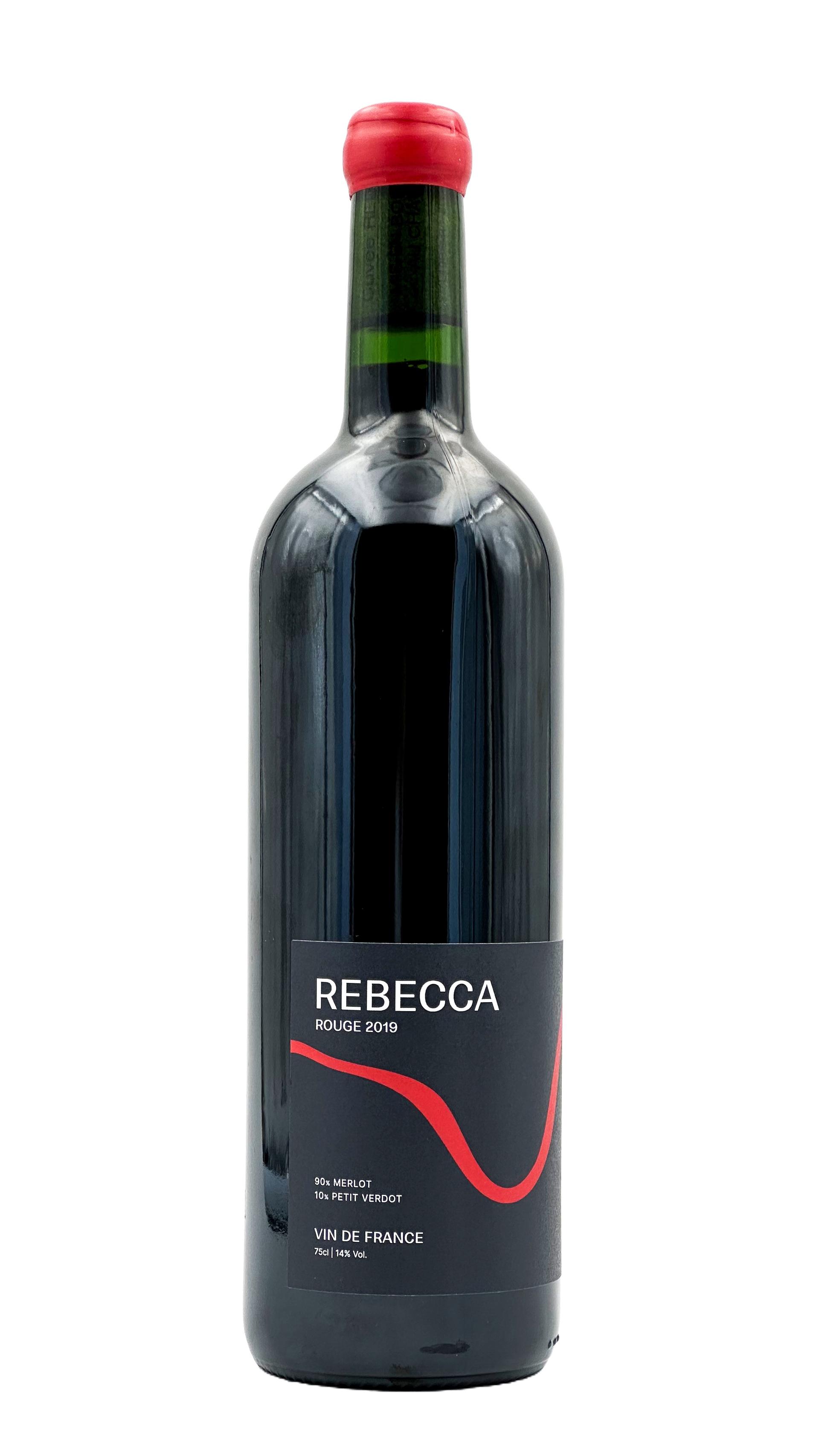
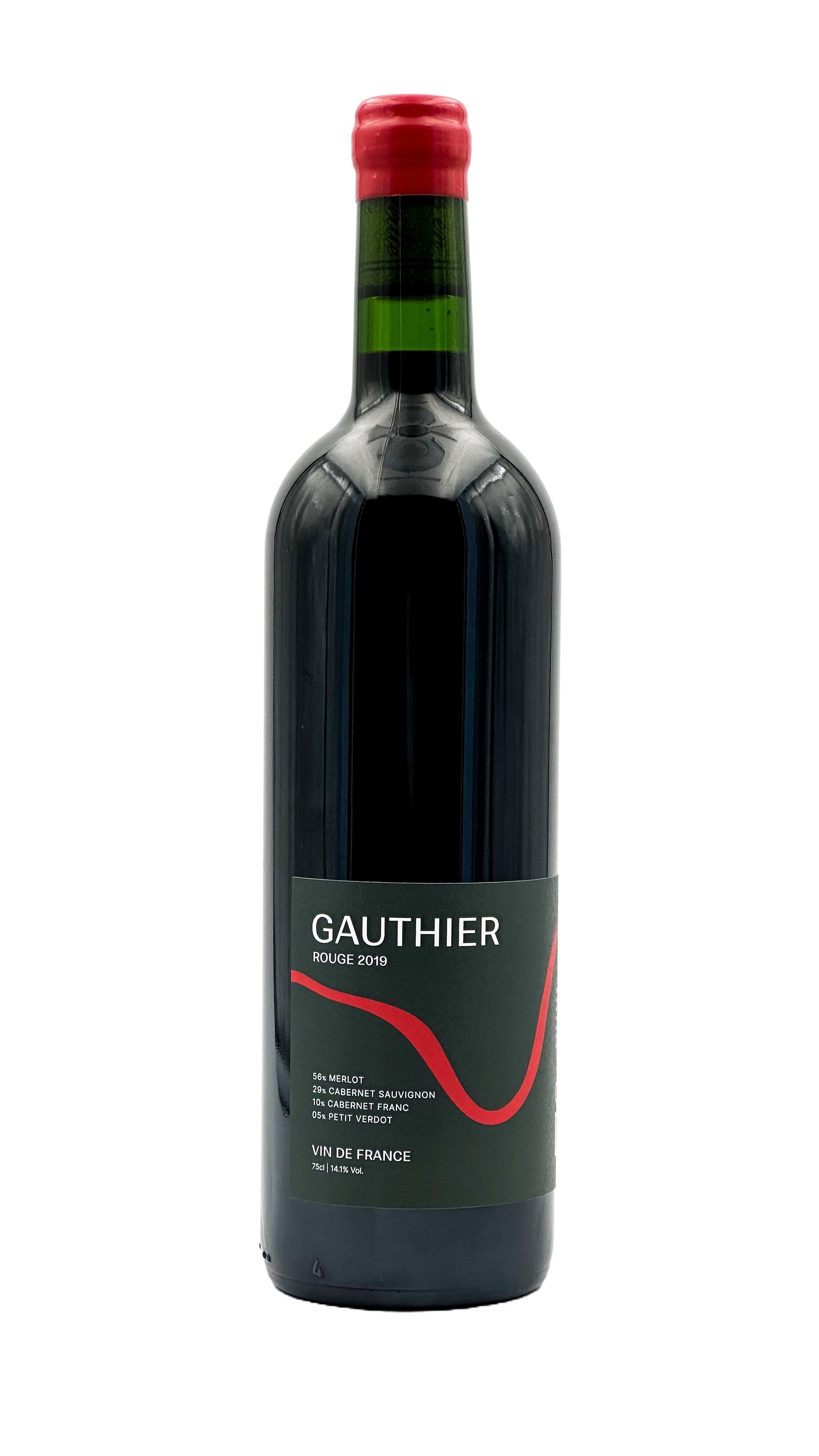
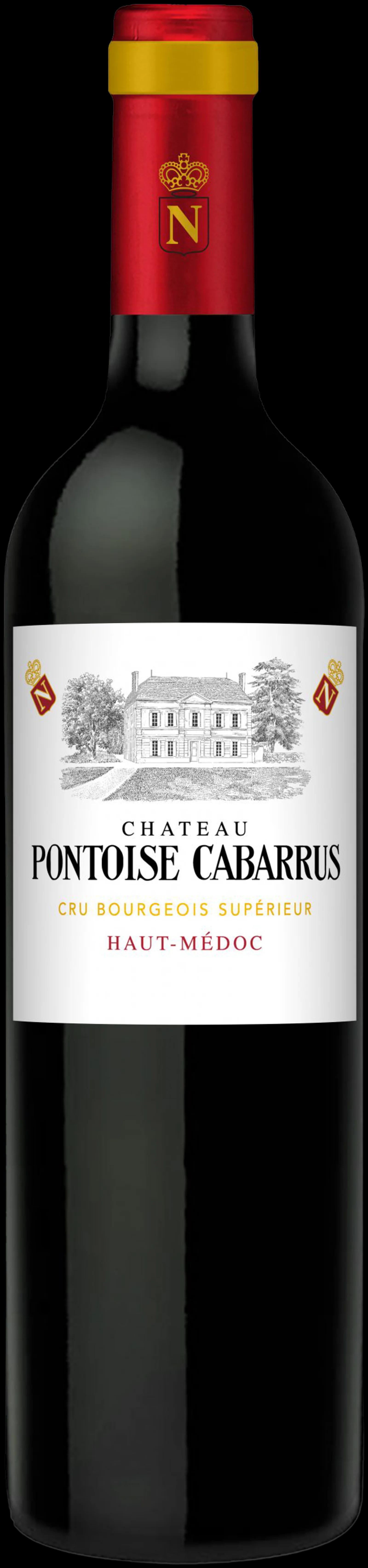
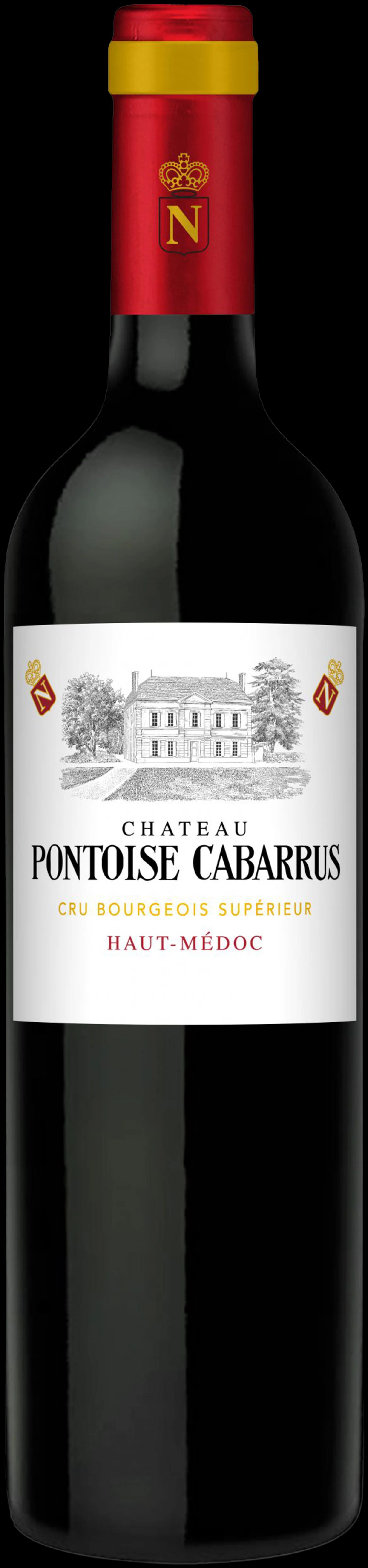
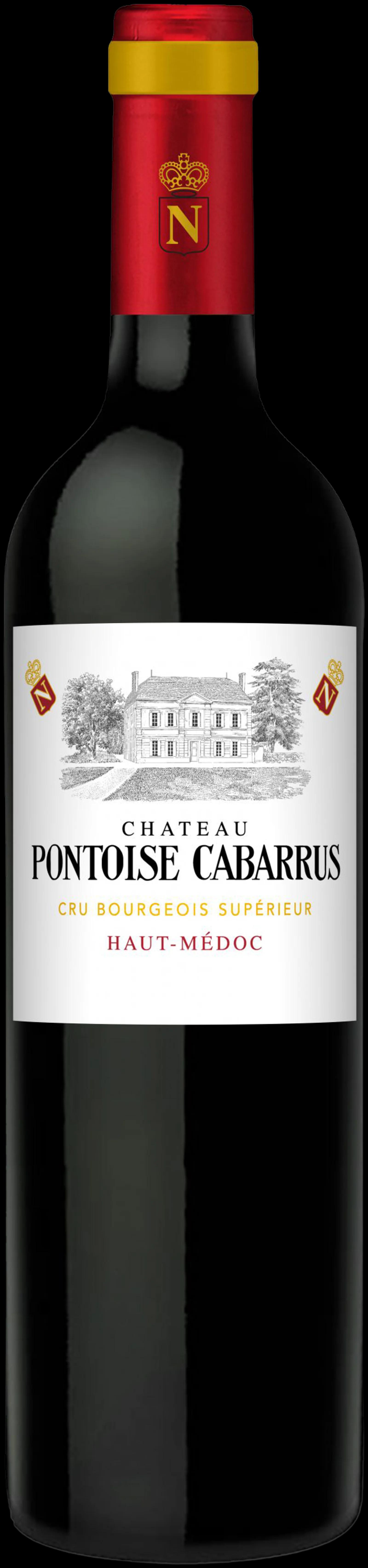
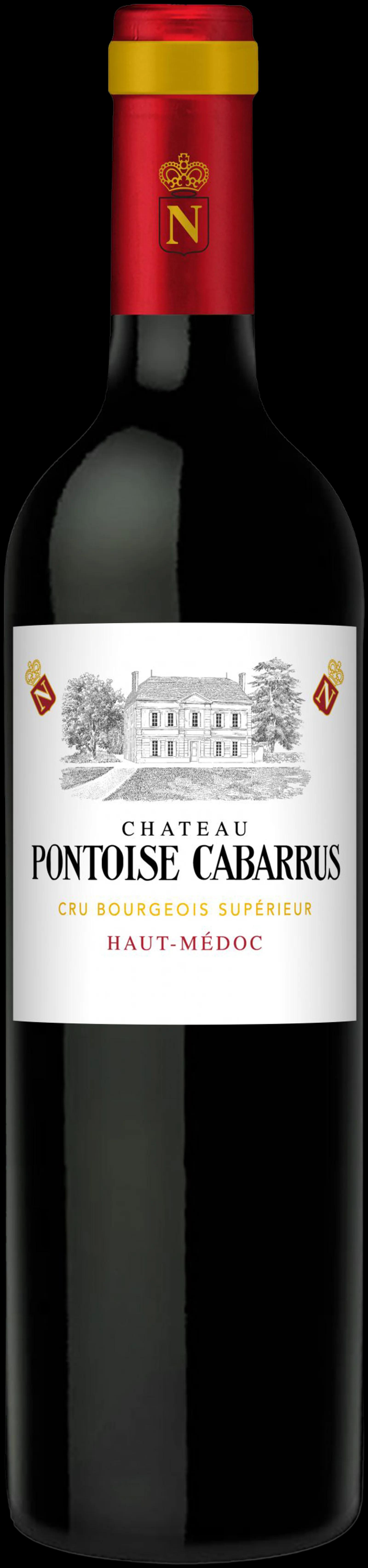
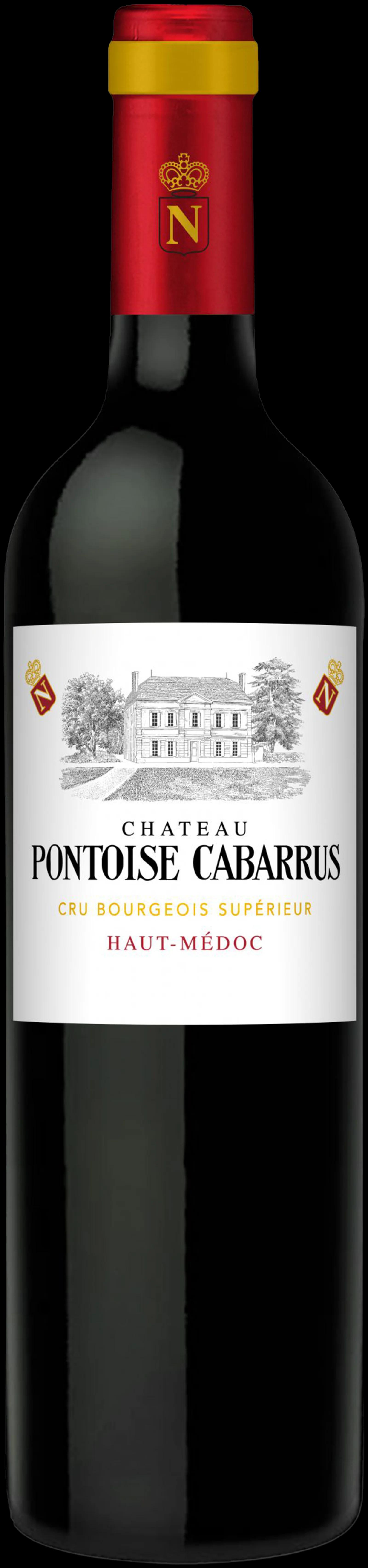
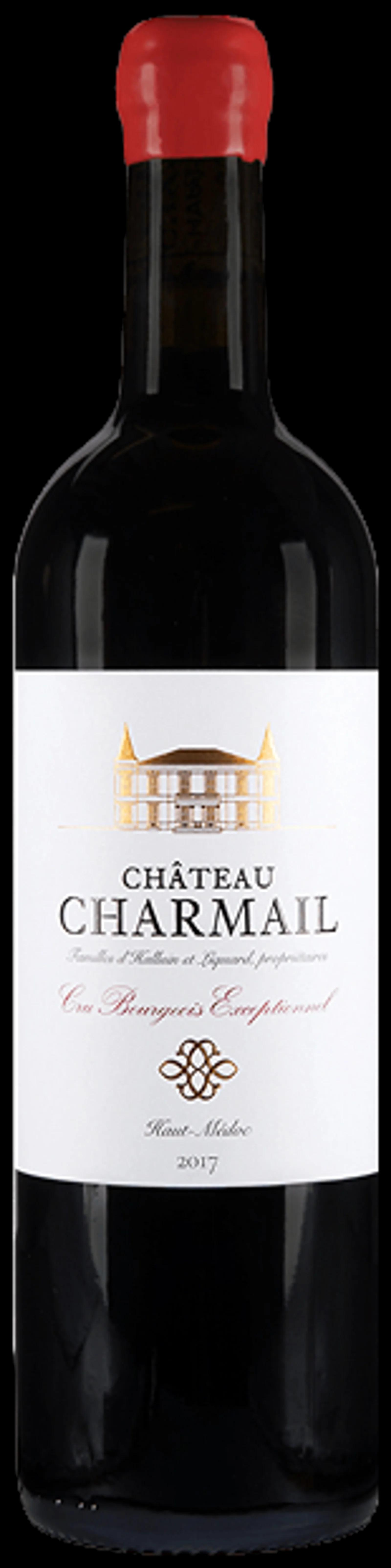
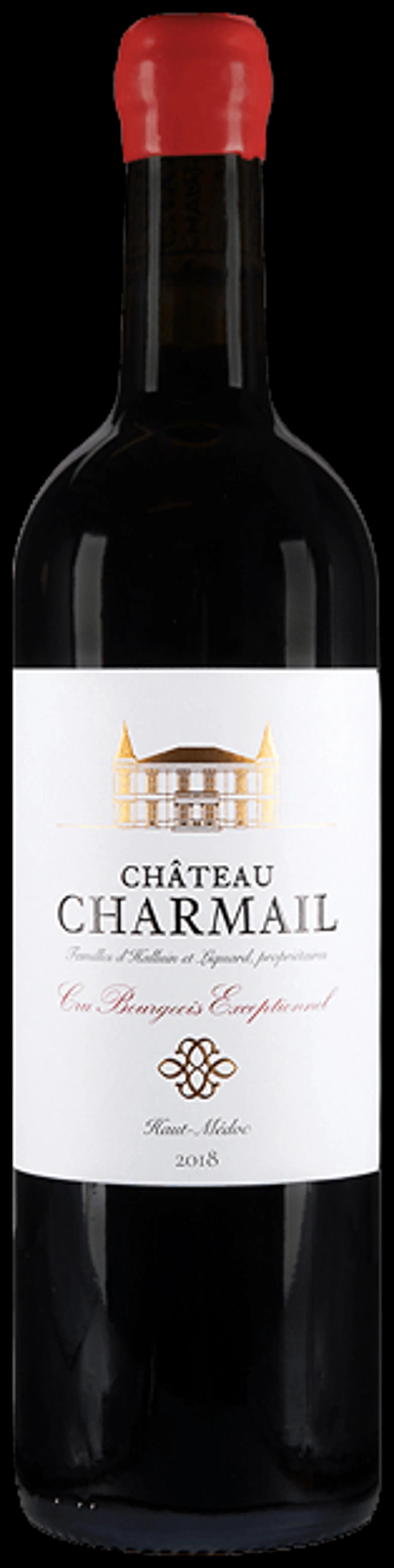
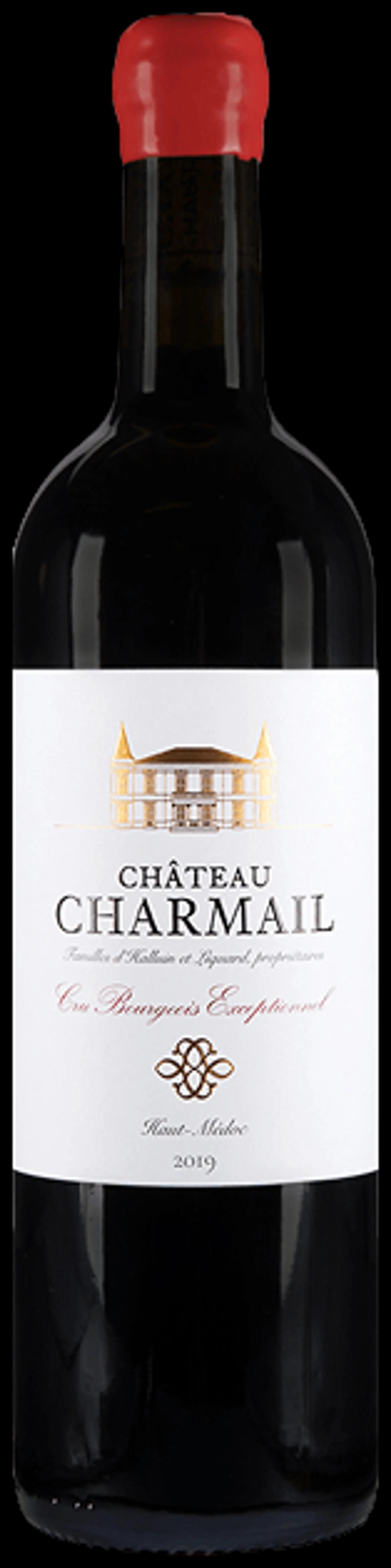
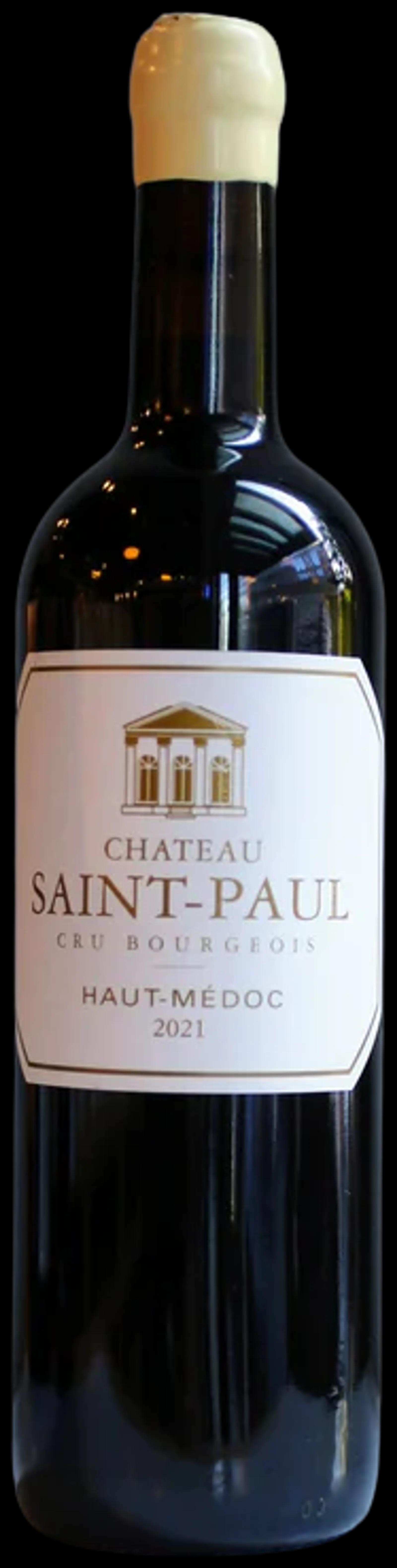
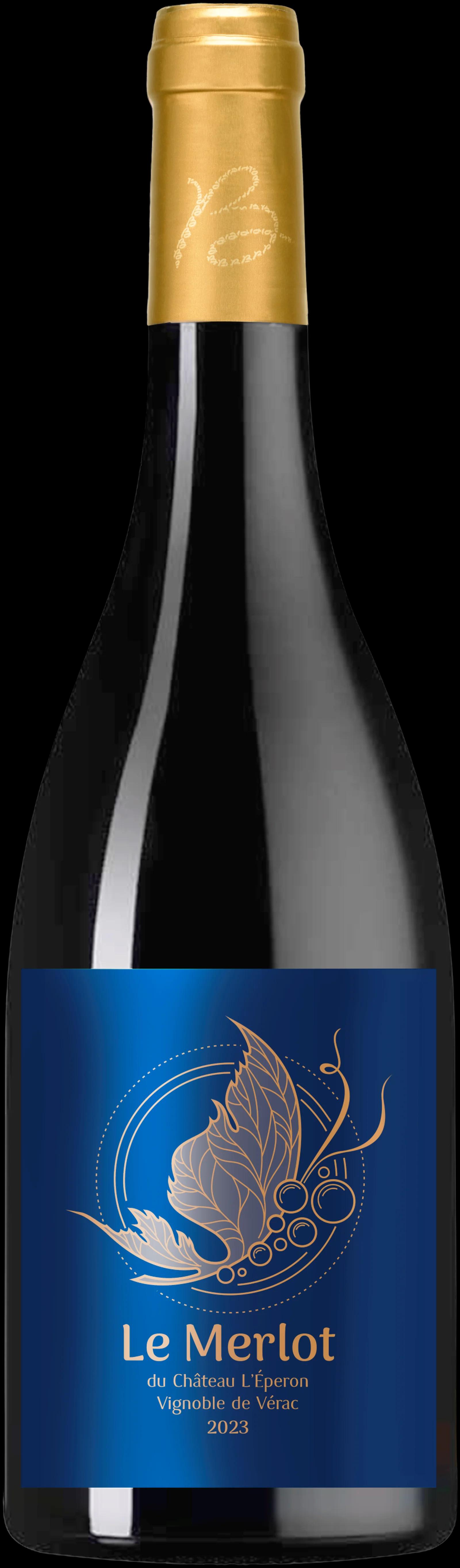
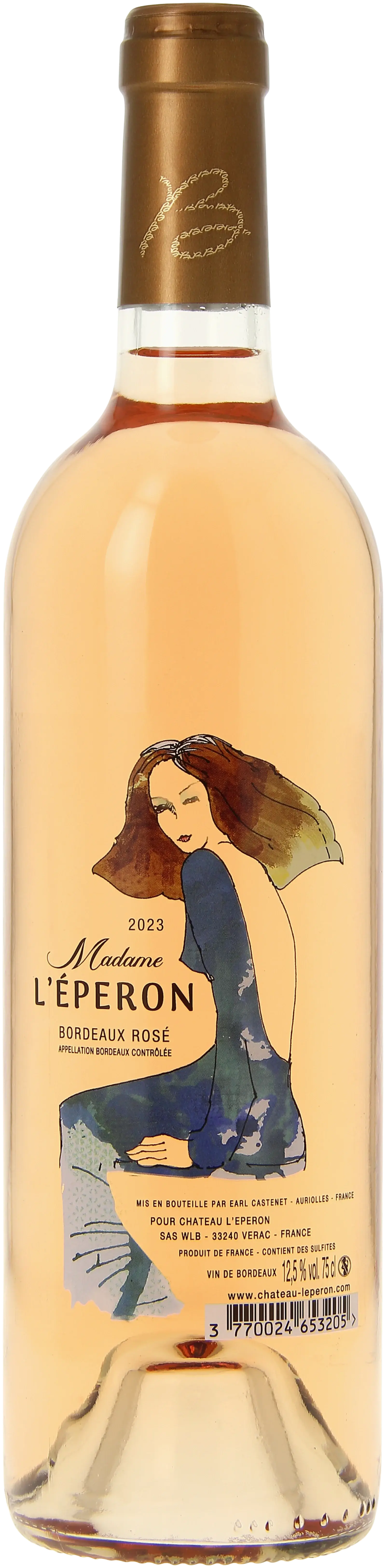
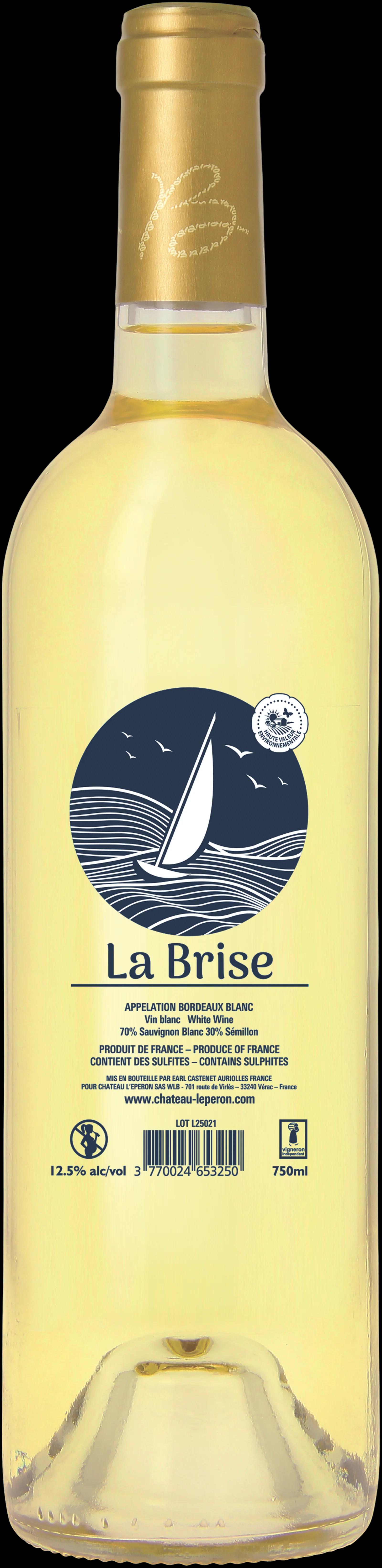
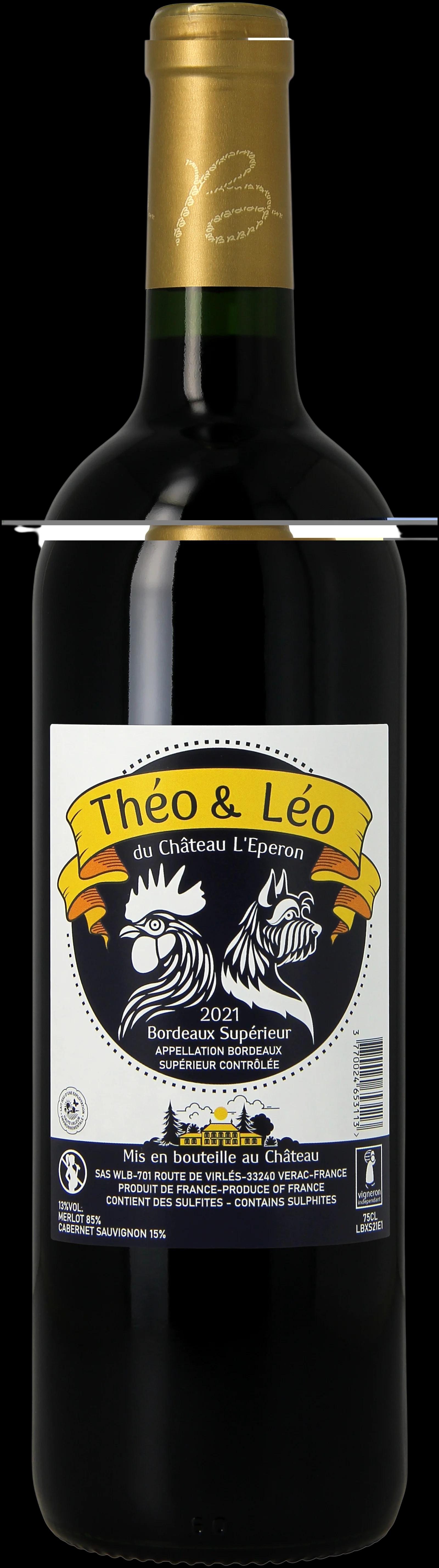
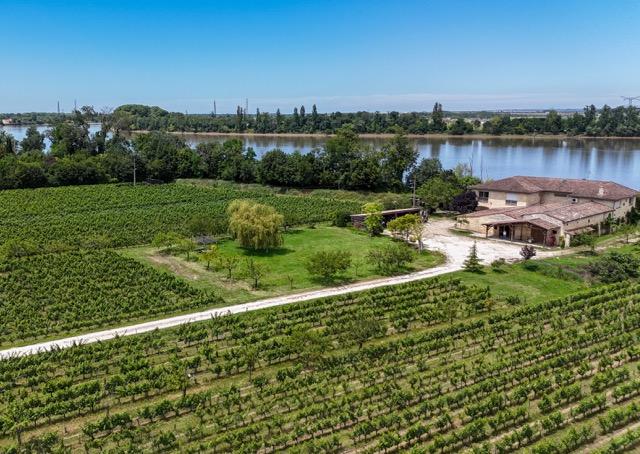
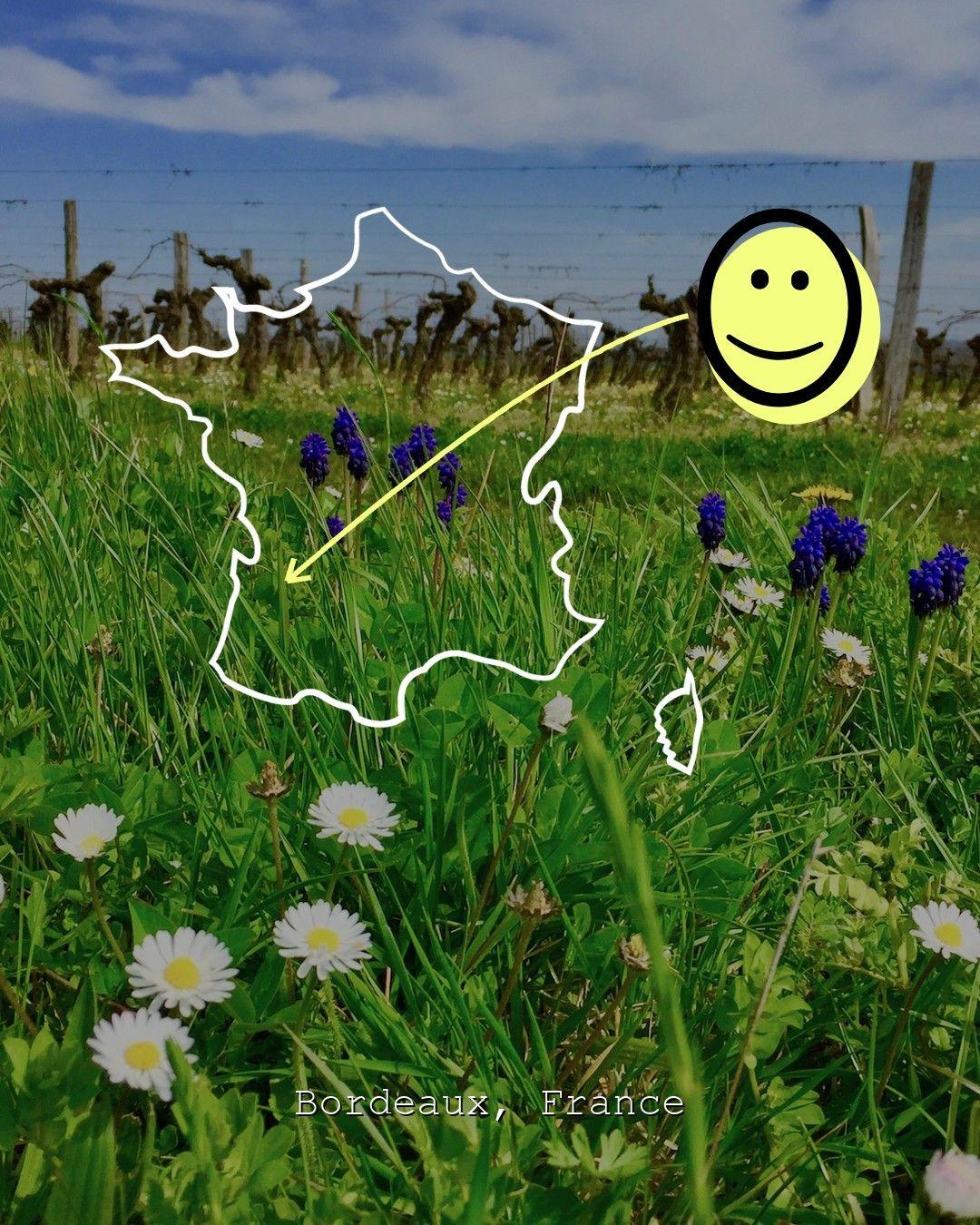
Bordeaux is France's largest fine wine region by volume, covering more than 110,000 hectares across the Gironde estuary. The river divides the region into two distinct halves with different dominant grapes. The Left Bank — Médoc, Pauillac, Saint-Estèphe, Margaux — builds its reds around Cabernet Sauvignon, which performs well on the well-drained gravel soils. The Right Bank — Saint-Émilion, Pomerol, Fronsac — relies more heavily on Merlot, which ripens earlier on the clay-limestone plateau. A six-bottle Bordeaux wine case from a Right Bank producer will therefore taste structurally different from one from a Left Bank château, even when both carry the same vintage. Dry white Bordeaux, made primarily from Sauvignon Blanc and Sémillon, is produced mainly in Graves and Pessac-Léognan, and is considerably less traded internationally than the reds — which means it is underrepresented in most retail selections. Each case on Free Grape Society holds bottles from a single cellar, not a buyer's quarterly allocation.
Grapes, soils, and climate across Bordeaux
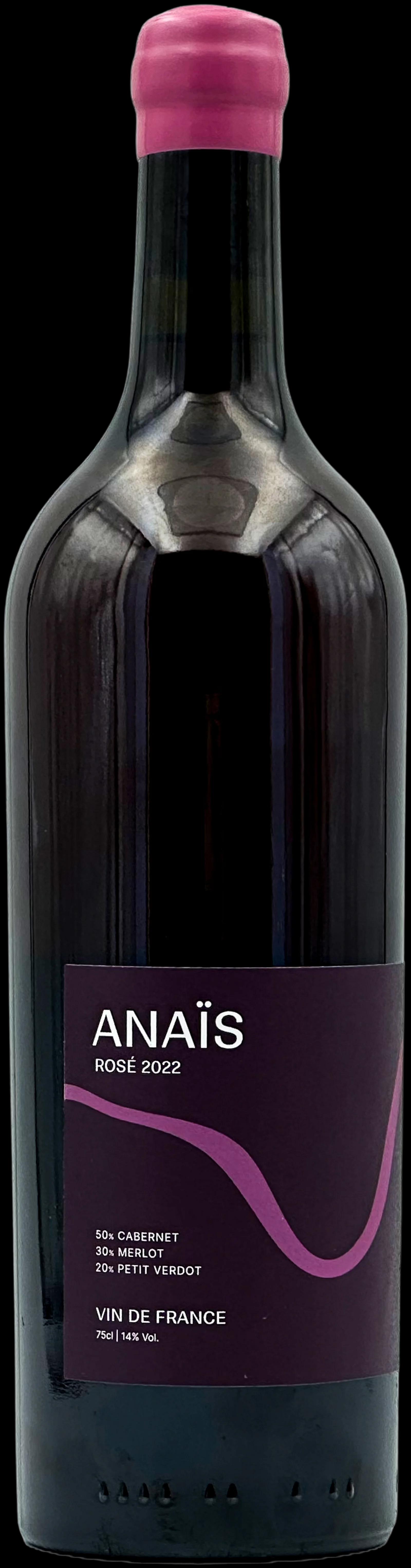
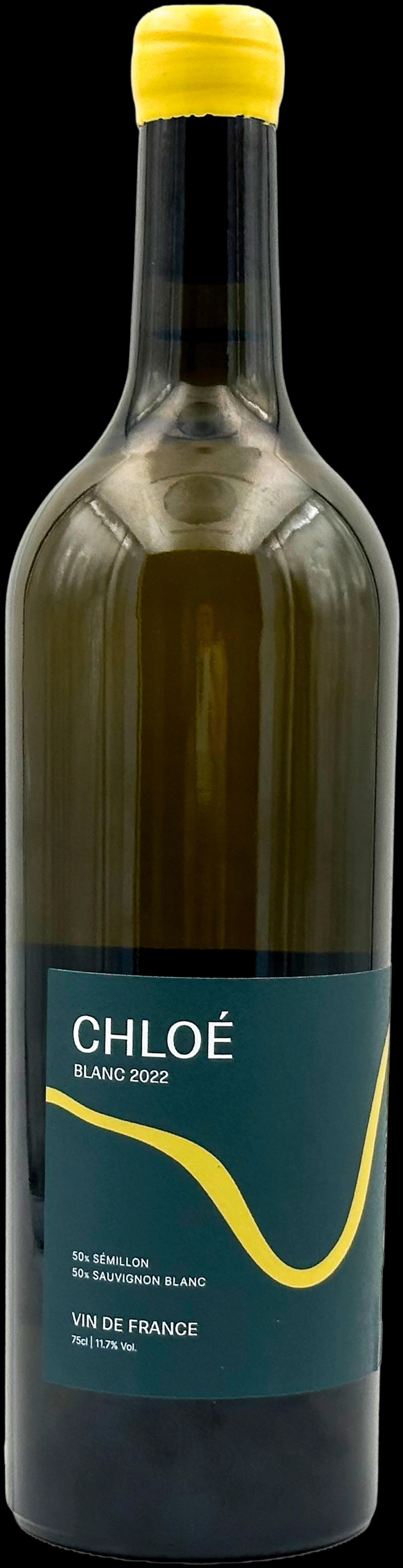
Bordeaux has a maritime climate moderated by the Atlantic, with relatively mild winters and warm, humid summers. The risk of rain during harvest is real and shapes vintage quality more than in many other French regions. The 2017 frost, which destroyed up to 40% of some appellations' crop, remains one of the most damaging single weather events in Bordeaux in recent decades. Soils shift markedly within the region. Gravel and sand dominate in the Médoc, draining excess moisture and warming quickly in spring. Saint-Émilion's plateau is limestone; its slopes are clay-limestone; its foot is sandy. Pomerol sits on a small iron-rich clay plateau — the so-called crasse de fer — which is part of why Merlot reaches different levels of concentration there compared to the broader Right Bank. Cabernet Franc plays a supporting role on the Right Bank and a leading role in certain Saint-Émilion blends; it contributes aromatic lift and structure without the tannin weight of Cabernet Sauvignon. Petit Verdot appears in small quantities in Left Bank blends, adding colour depth and spice. Dry white production relies on Sémillon — a grape with a natural tendency toward low acidity and high sugar, which makes it well-suited to both dry and sweet styles — alongside Sauvignon Blanc, which provides acidity and aromatic freshness. The sweet wines of Sauternes and Barsac depend on Botrytis cinerea, a noble rot that concentrates sugars by perforating the grape skin and allowing water to evaporate.
How Bordeaux producers work with Free Grape Society
Every wine on Free Grape Society is tasted by our Head of Product before it goes live. Independent wine experts Rate & Review individual wines on the platform — their reviews are visible on the wine page and on the expert's own profile. These are not wines selected by a buying committee or filtered through an importer's portfolio. The producer decides to be here. The producer sets the price. No buyer with quarterly targets. No chain defending shelf space. A bottle of wine normally changes hands three times before it reaches you. Here it changes hands once. Browse all six-bottle Bordeaux wine cases or see the full range of French wine cases. If you want to go deeper on the estates themselves, the Bordeaux wineries section lists the producers behind the cases.


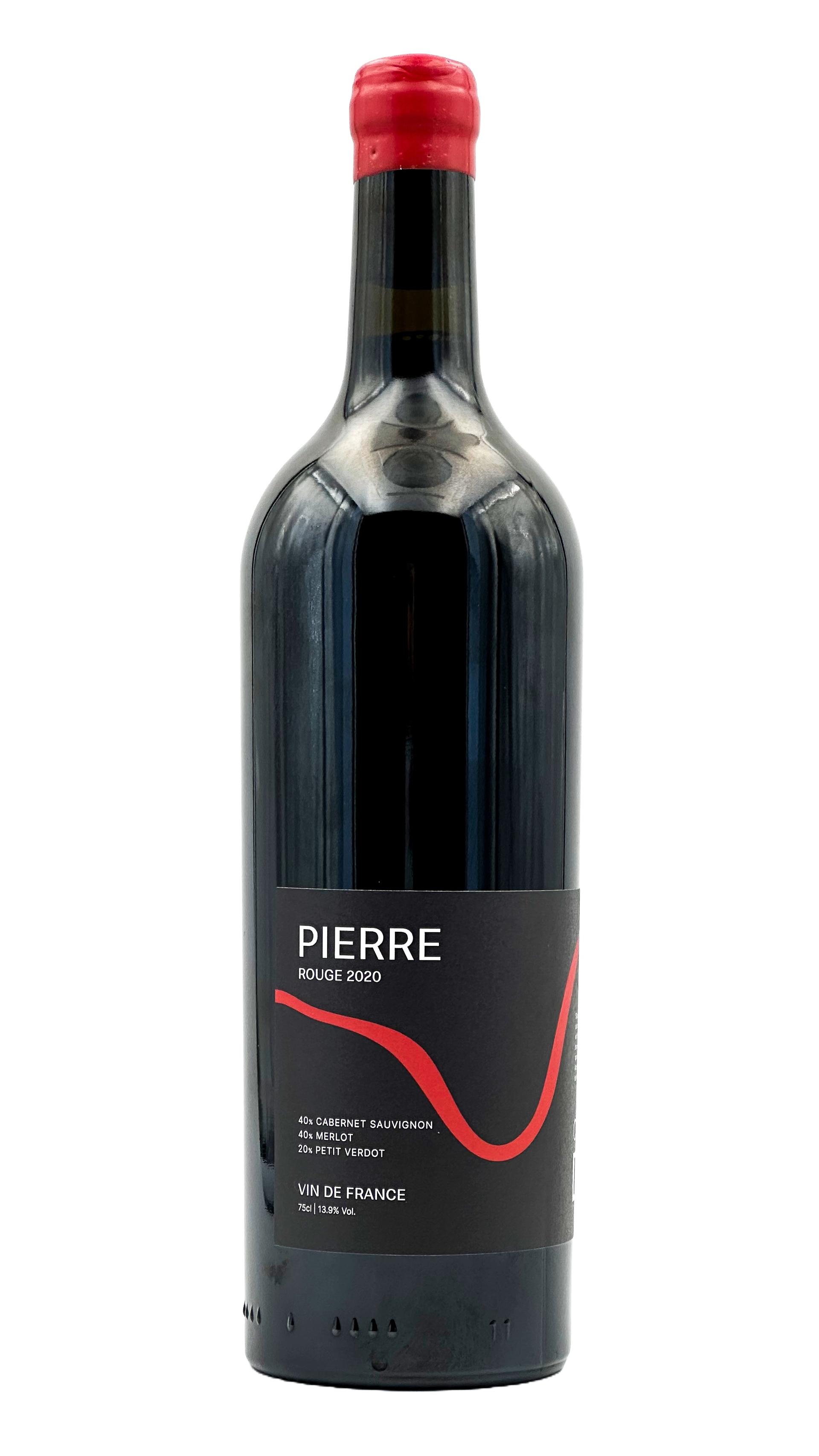
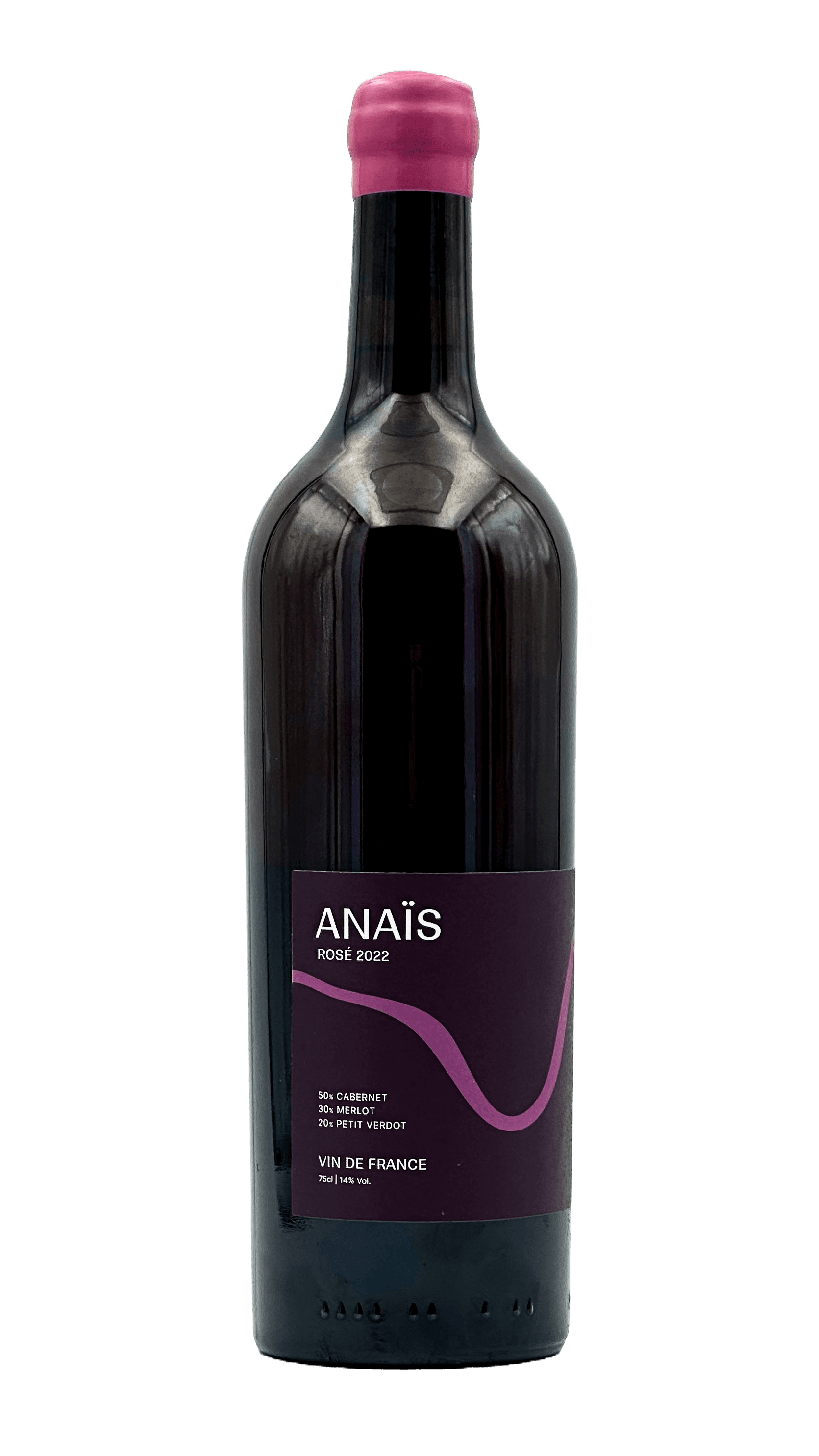
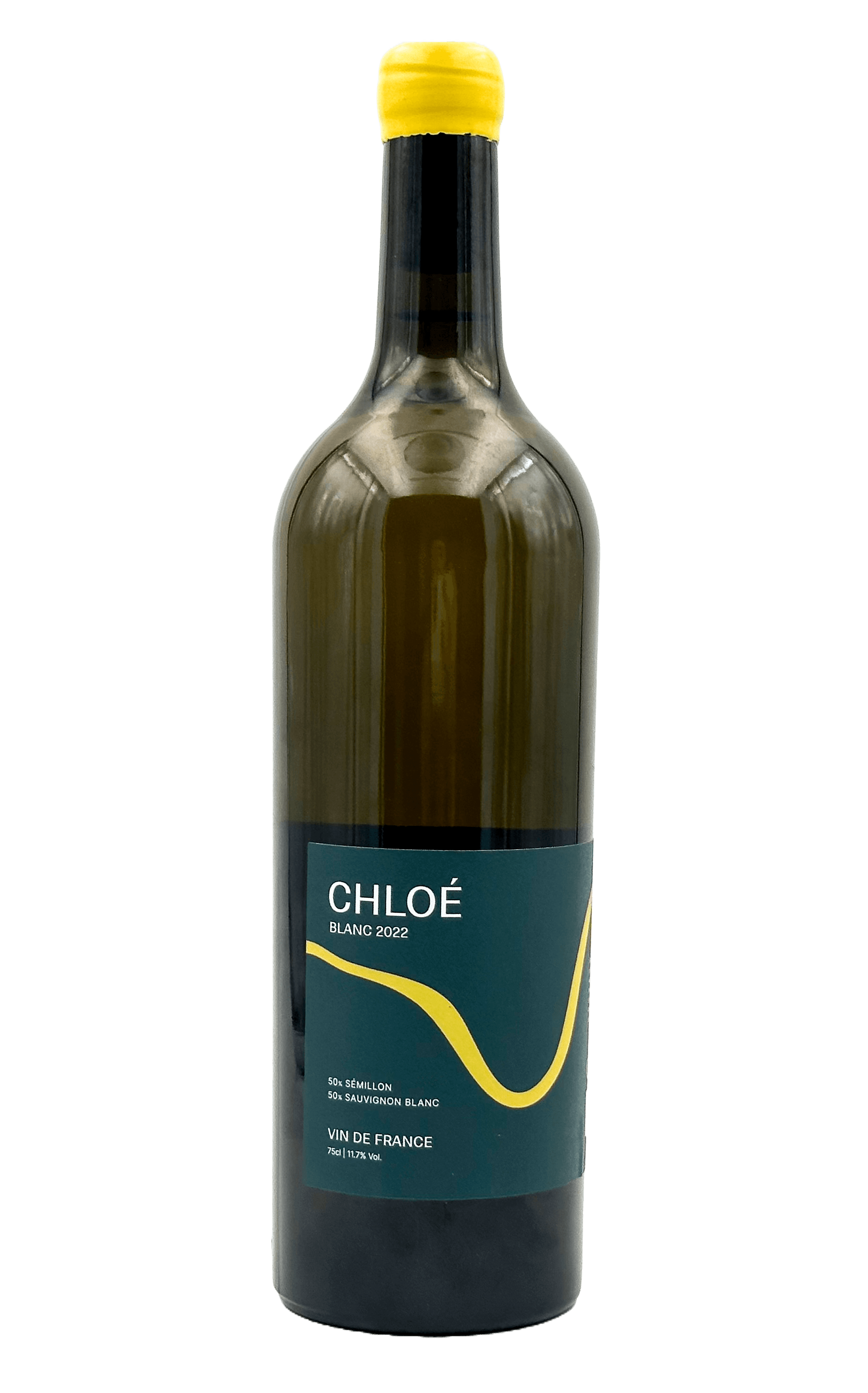
 Wine case