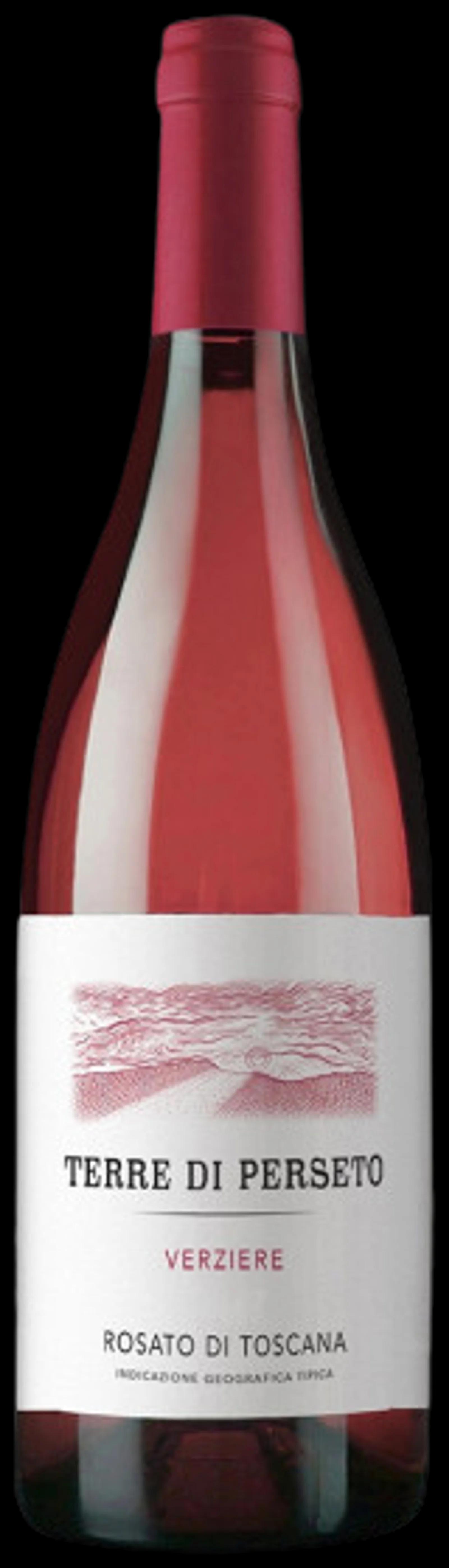
What makes a wine rosé
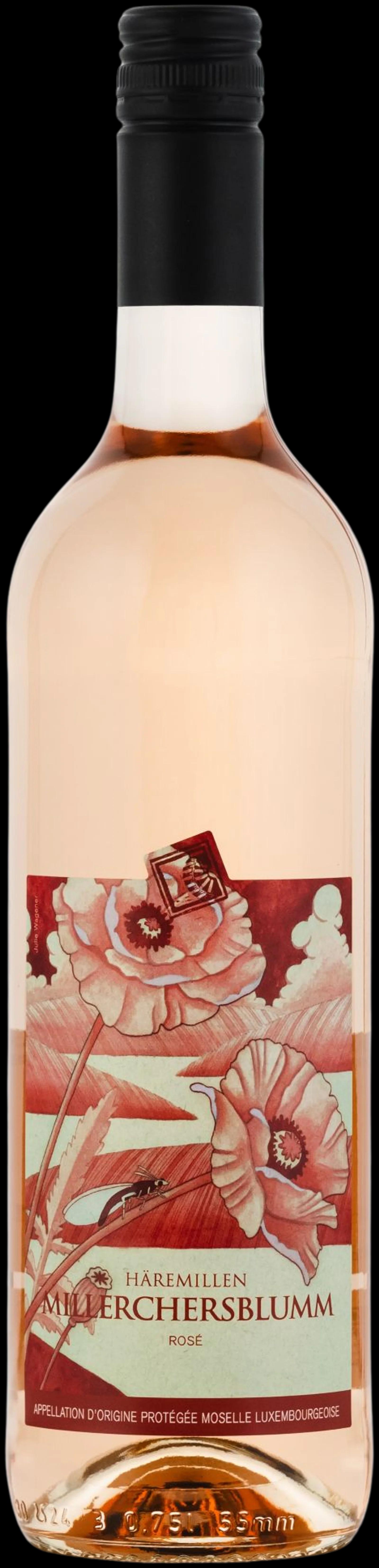
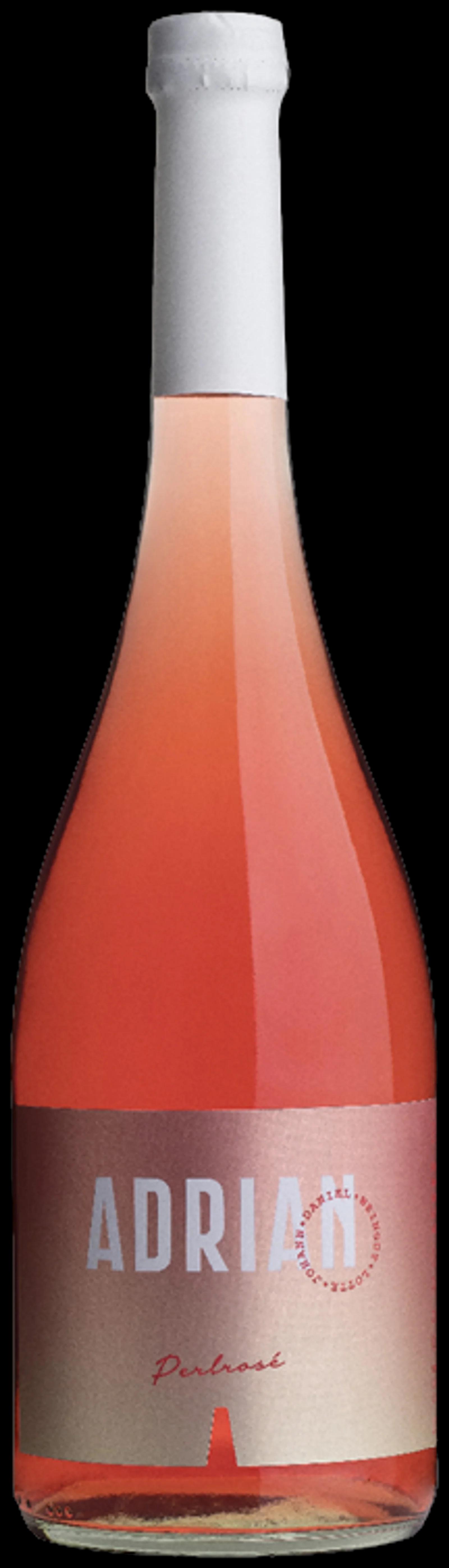
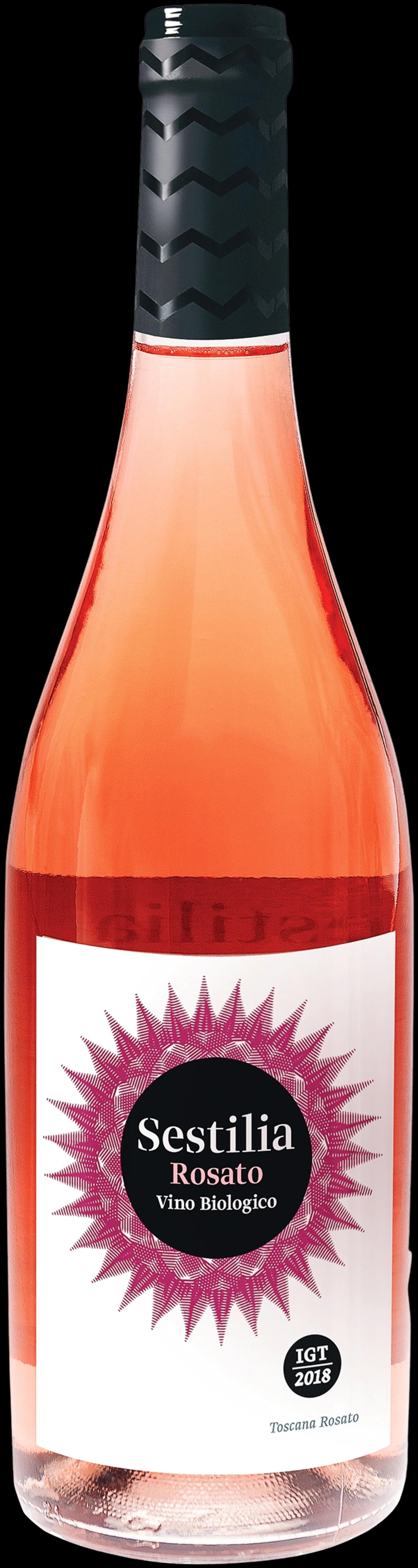
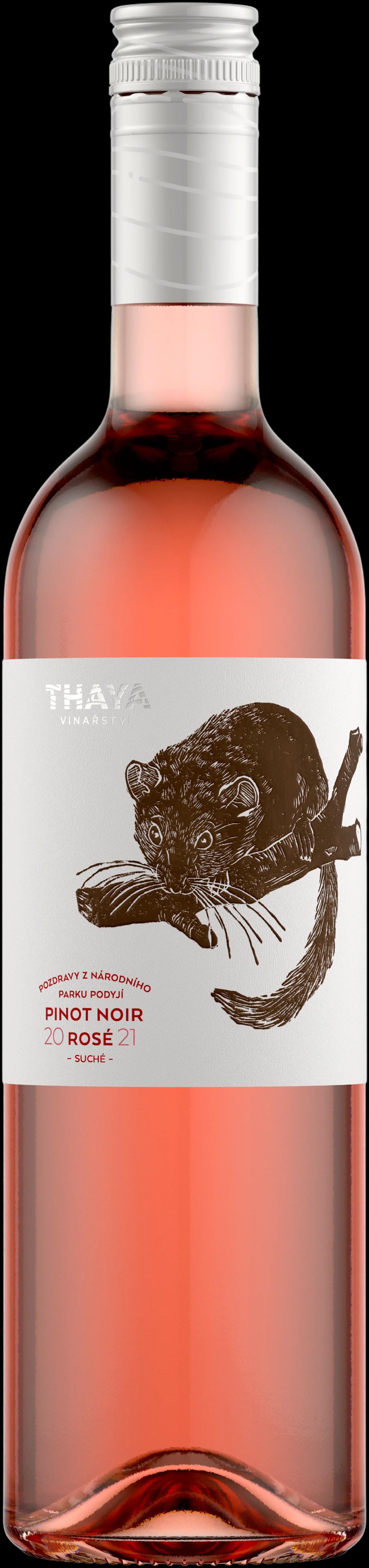
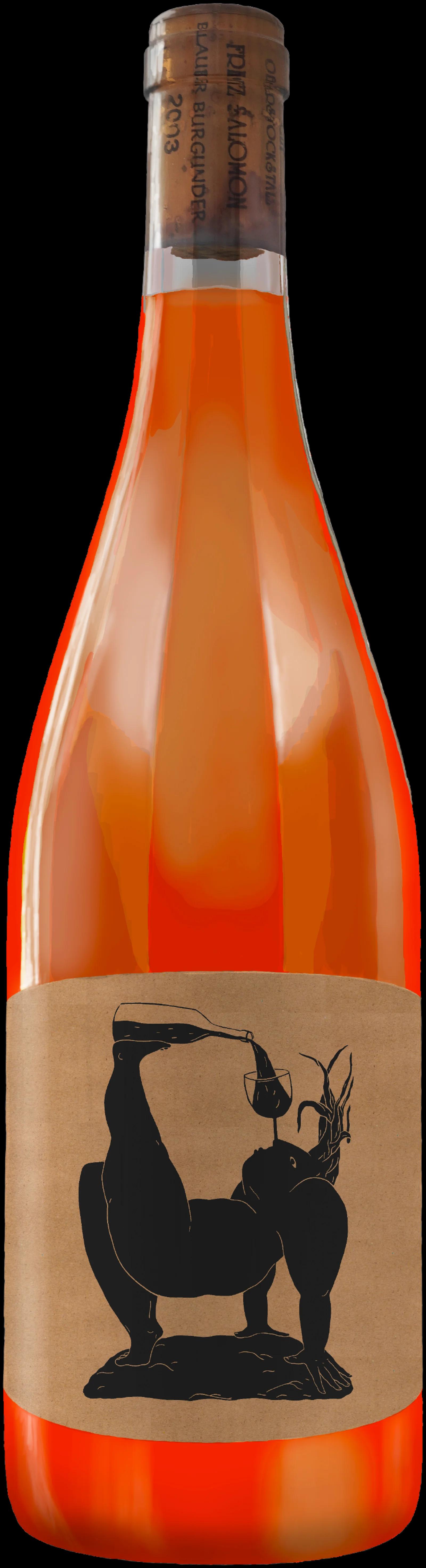
Rosé is not a blend of red and white wine — in almost every case, it gets its colour from brief contact between red grape skins and the juice during fermentation. The winemaker controls how long that contact lasts: a few hours gives the palest copper-pink, closer to twelve hours gives a deeper salmon or berry hue. The shorter the contact, the lighter the wine and the less tannin it picks up from the skins. This technique, called macération pelliculaire or short maceration, is how most still rosé is made across Provence, the Loire, and Spain.
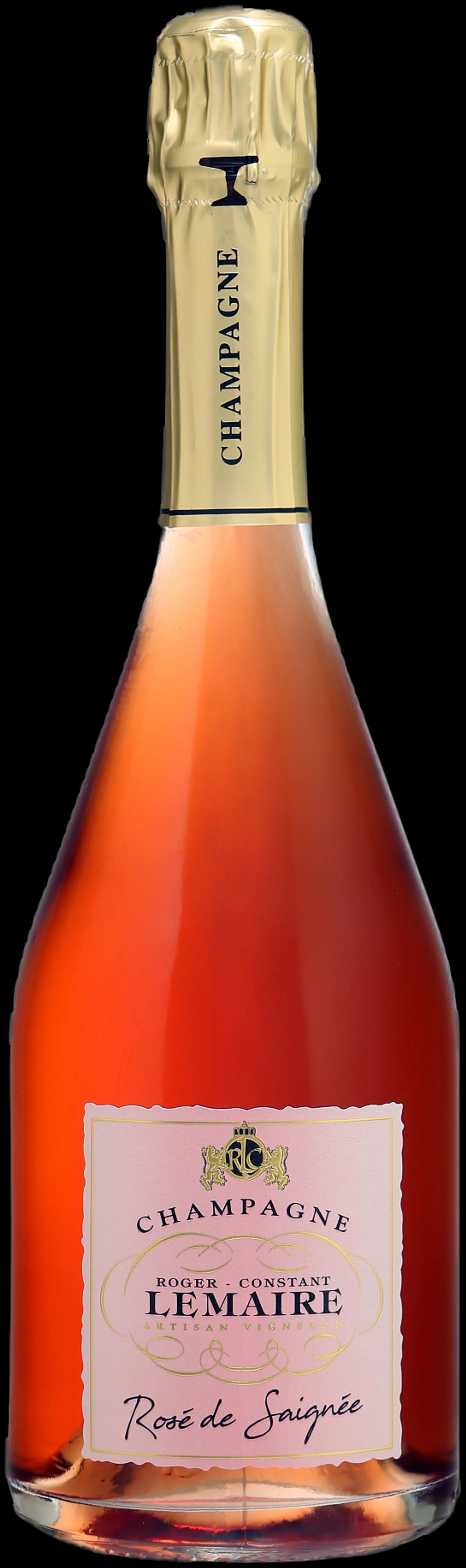
A second method — saignée, meaning 'bleeding' — produces rosé as a byproduct of red winemaking. The winemaker bleeds off a portion of juice early in fermentation, concentrating what remains for the red wine and using the bled juice to make rosé. The resulting wine tends to be deeper in colour and fuller in body than a wine made for rosé from the start.
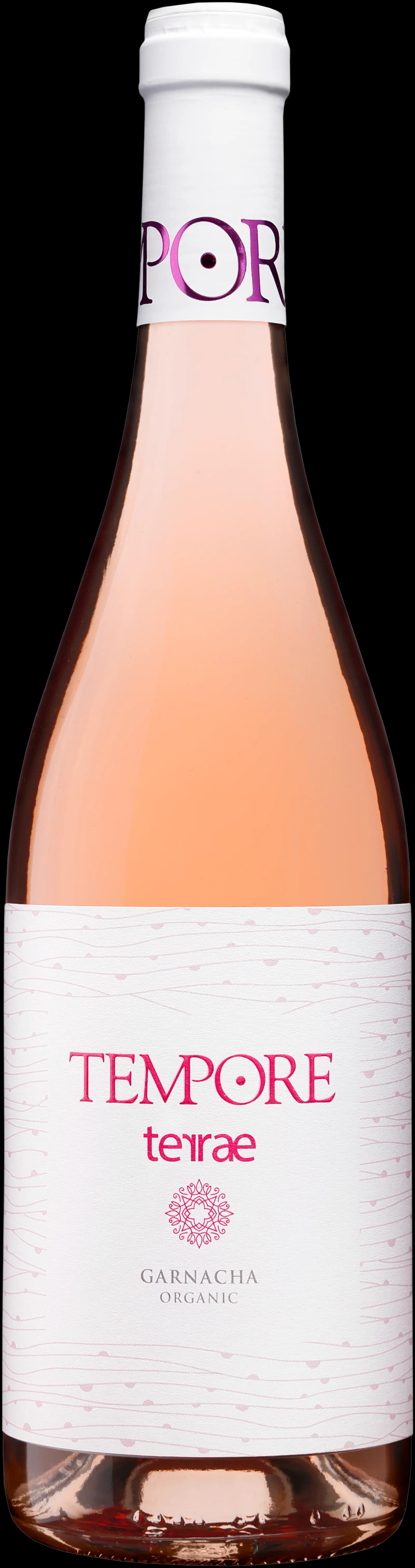
The grape determines the rest. Grenache gives pale, delicate wines with strawberry and white pepper; Cinsault adds freshness and floral lift; Syrah pushes colour deeper and brings savoury, spiced notes. Sangiovese in Tuscany gives a drier, more mineral style; Garnacha on the Spanish plateau gives weight and ripe red fruit. The colour in the glass tells you something about method and grape — but not everything.
Grapes and regions behind rosé wine
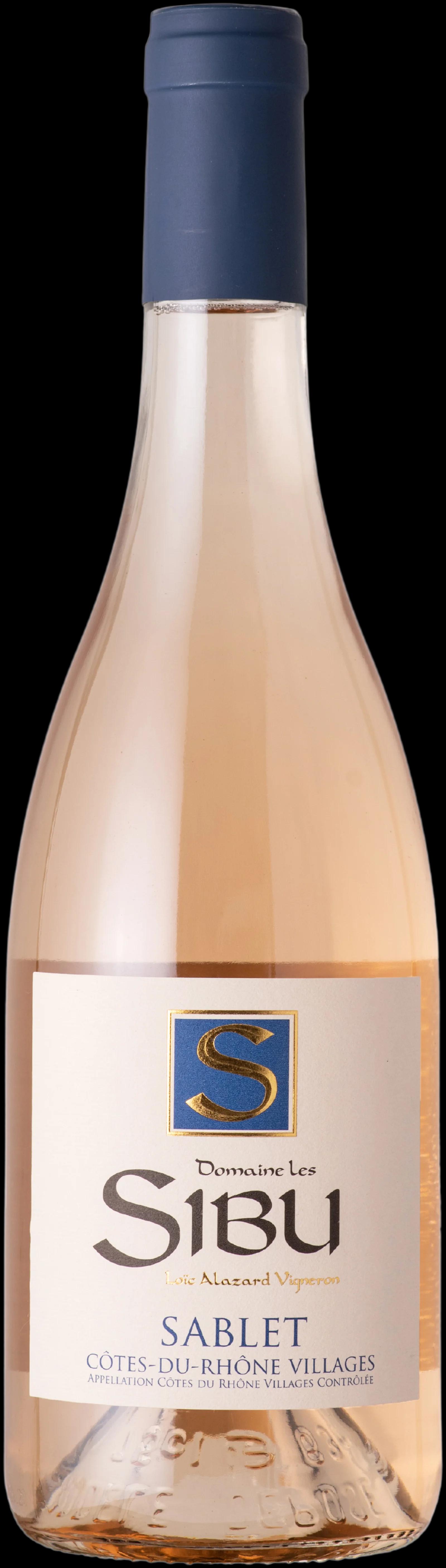
Rosé grows well wherever the climate gives long, warm days and enough acidity to keep the wine fresh — and that covers a wide map. Provence is the benchmark most buyers recognise: pale, dry, and structured, built largely from Grenache, Cinsault, and Mourvedre grown on limestone and schist. Across the Rhône, rosé from the Languedoc-Roussillon tends to be bolder and more fruit-forward, reflecting warmer summers and riper grapes.
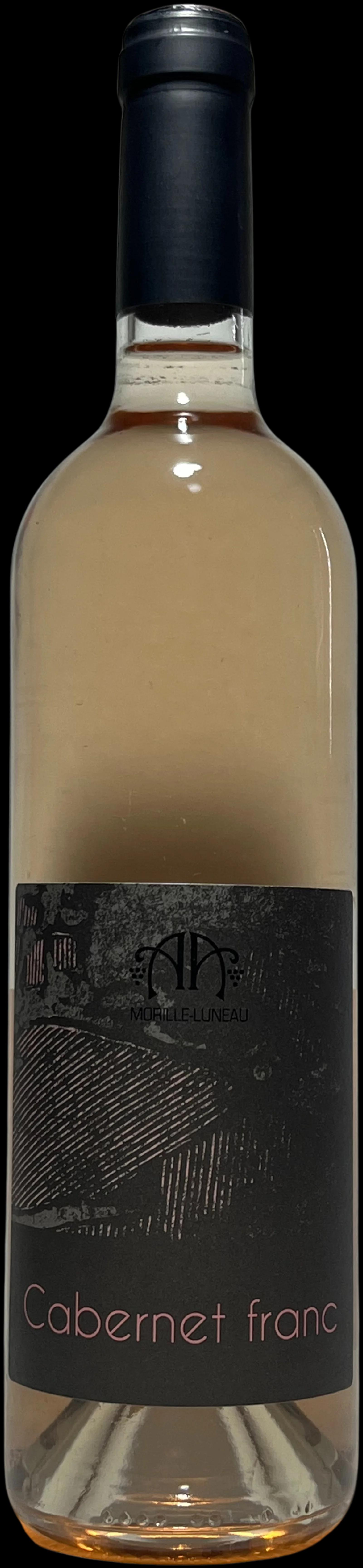
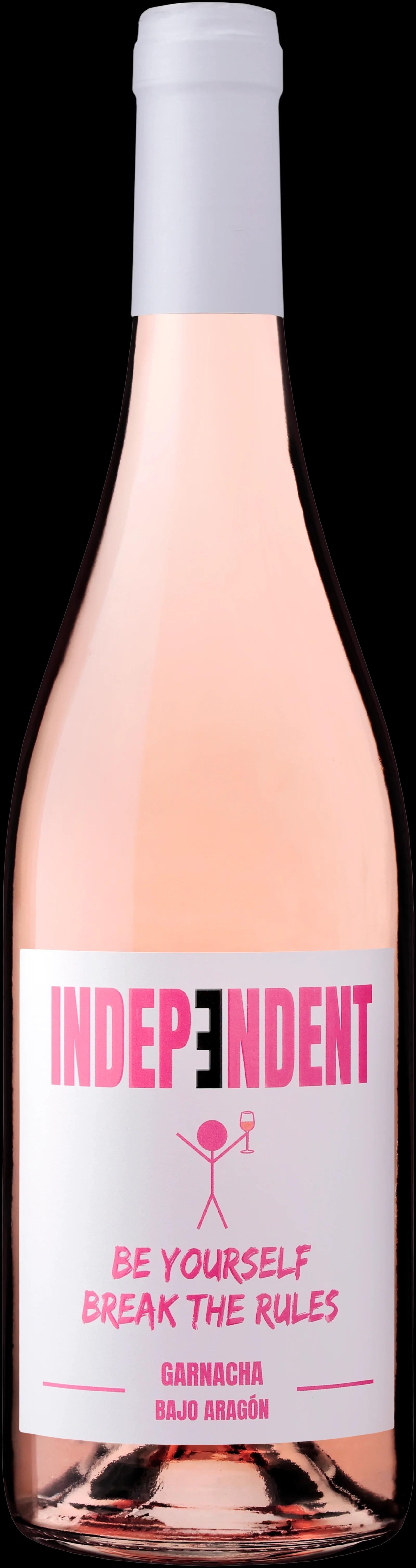
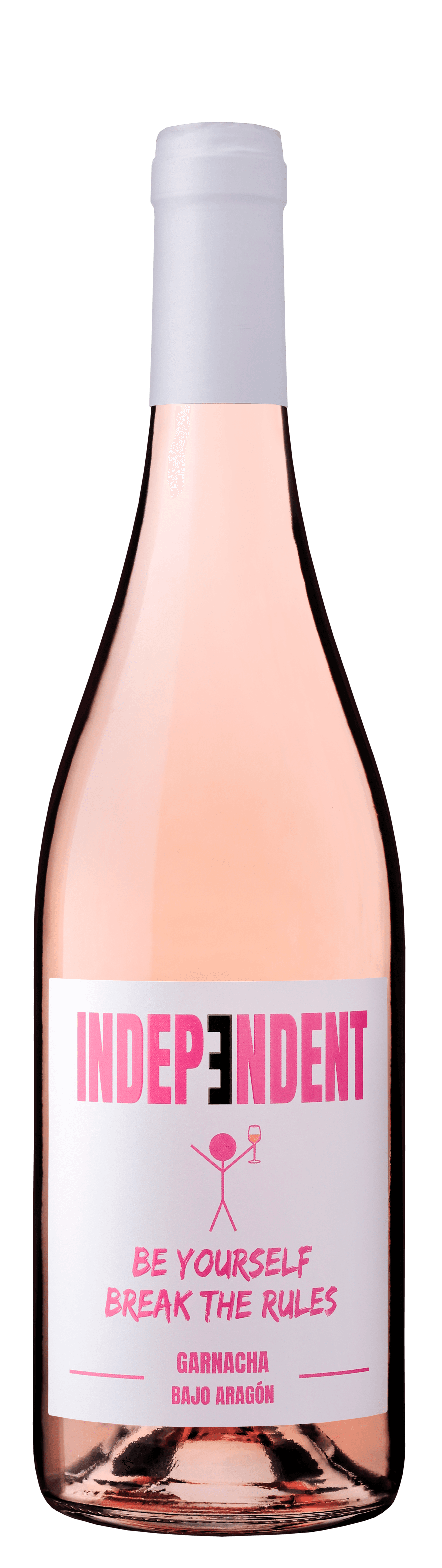
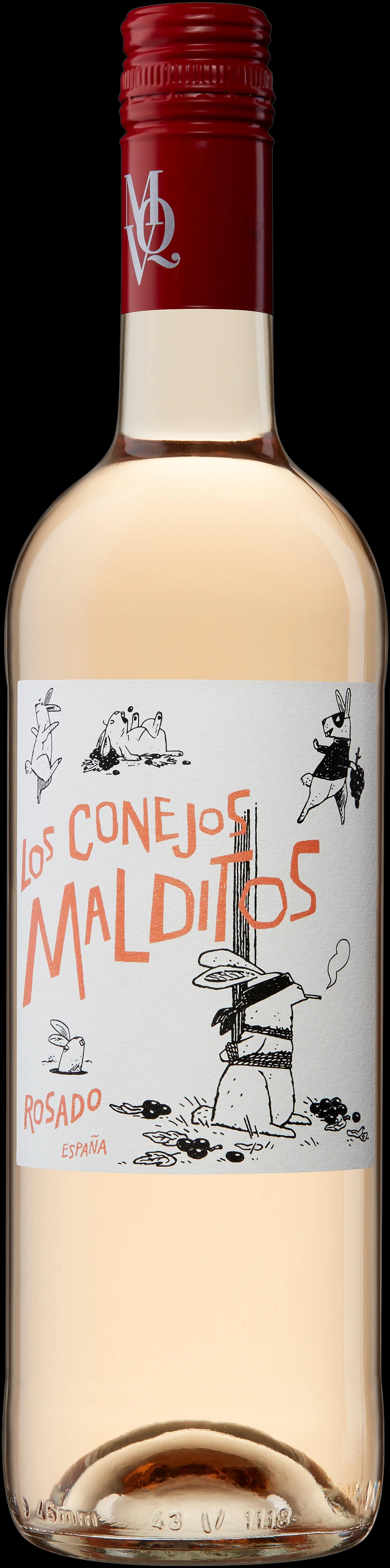
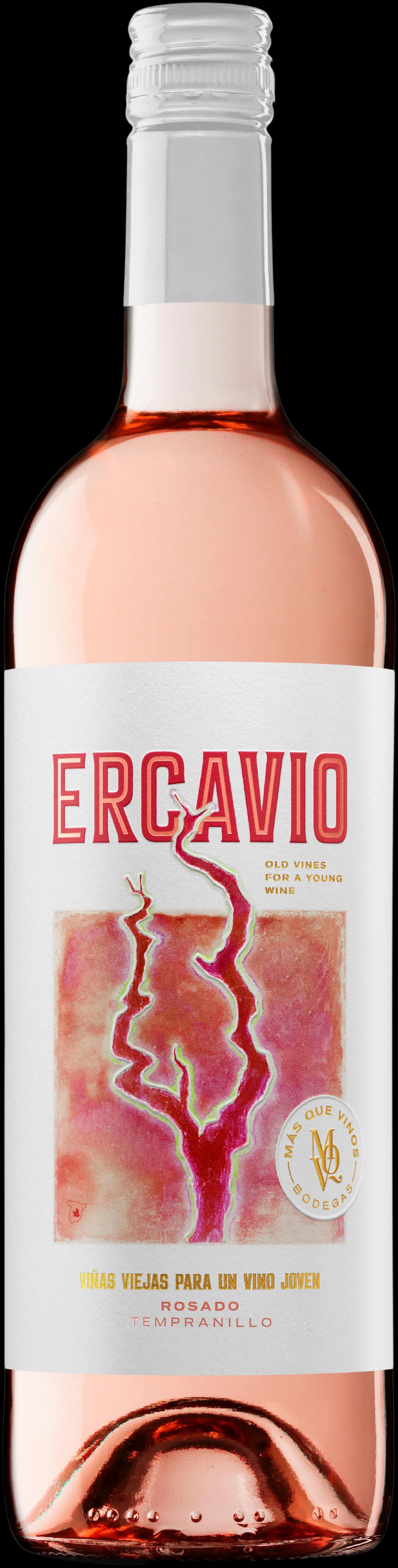
In the Loire Valley, Cabernet Franc and Grolleau give Rosé d'Anjou and Sancerre Rosé their distinctive freshness and minerality — wines built for acidity, not weight. Spain adds its own register: rosado from Rioja is often made from Garnacha or Tempranillo and carries more body than a Provençal wine, while Garnacha-based rosado from Aragon can reach serious depth.
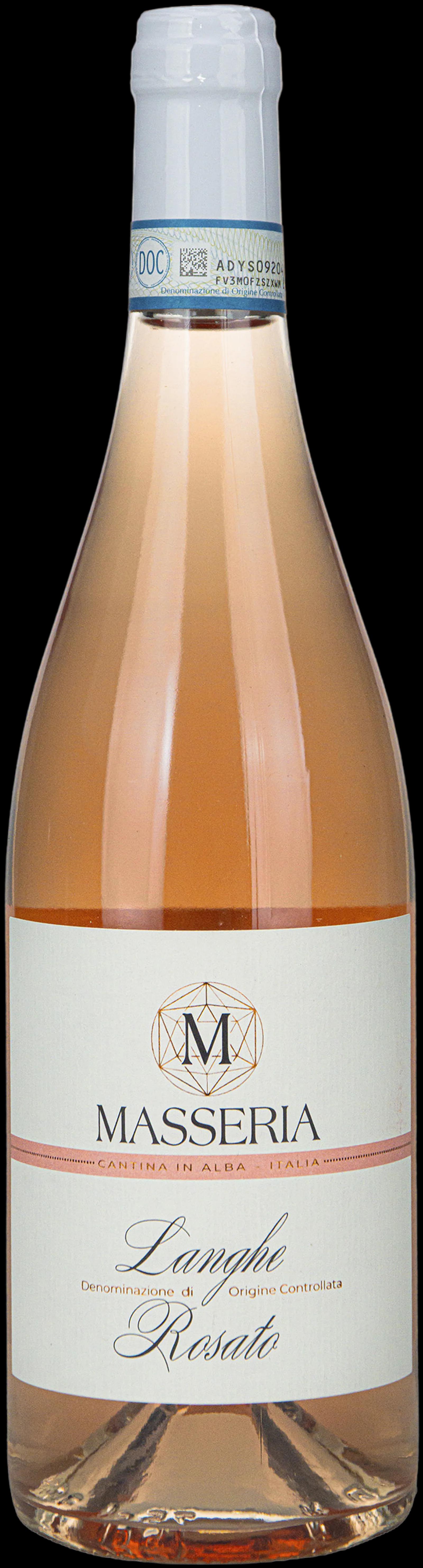
Italy's contribution spans the spectrum. Chiaretto from Lake Garda, made from Corvina and Rondinella in the Veneto, is pale and delicate. Cerasuolo d'Abruzzo — made from Montepulciano — is one of Europe's deepest, most structured rosés. Sicily and Tuscany each have their own producers working in a drier, more food-friendly style. If you want to explore by region, you can browse rosé from France, rosé from Italy, or rosé from Spain as individual bottles, or find a rosé wine case if you want to try several producers at once.
How to choose a rosé wine
The most useful question is weight — not colour depth, which can mislead, but the weight and structure you want in the glass. A pale Provençal rosé typically runs light, dry, and high in acidity, with flavours of white peach, dried herbs, and a mineral finish. A Cerasuolo or a Garnacha-based Spanish rosado sits at the other end: deep, broad, and generous, with the structure to sit alongside grilled meat or bold sauces.
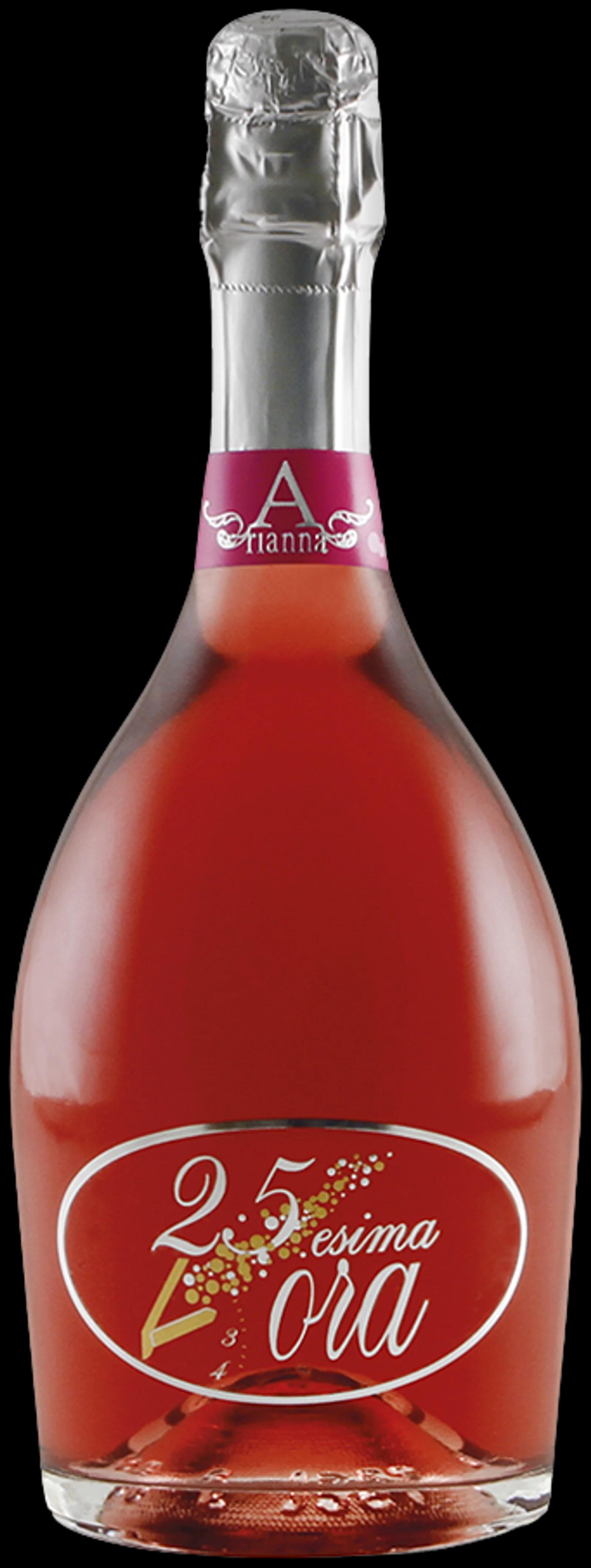
Oakiness is rare in rosé but worth noting: most producers work in stainless steel to keep the fruit clean and the wine fresh, but some use old oak for texture without flavour. Sweetness is another axis — the majority of quality rosé made in Europe today is fully dry, but residual sugar appears in some Loire styles and in some sparkling rosés.
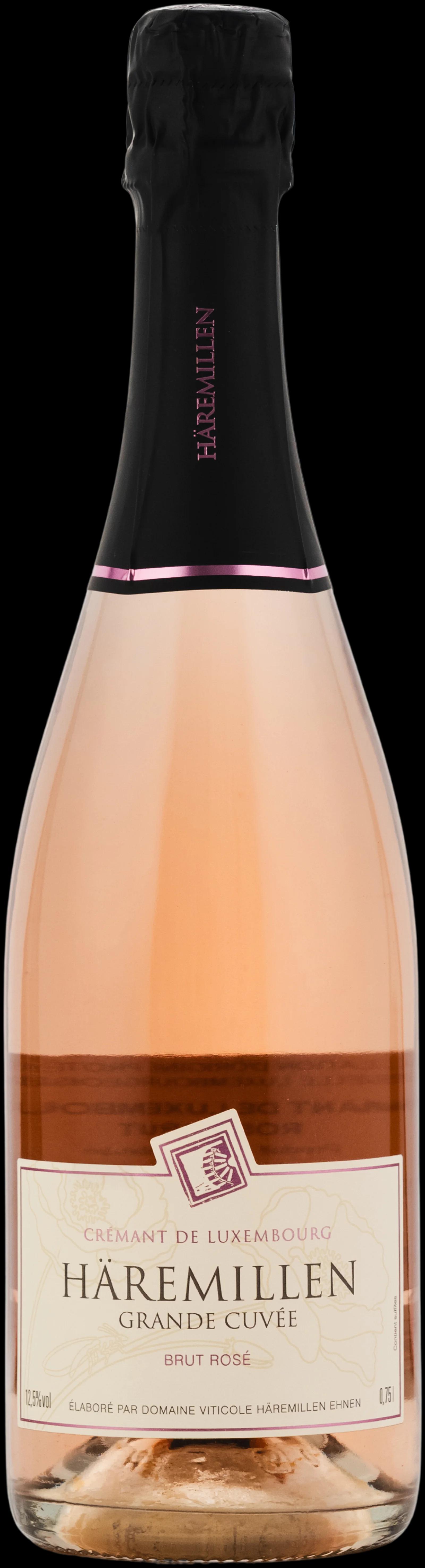
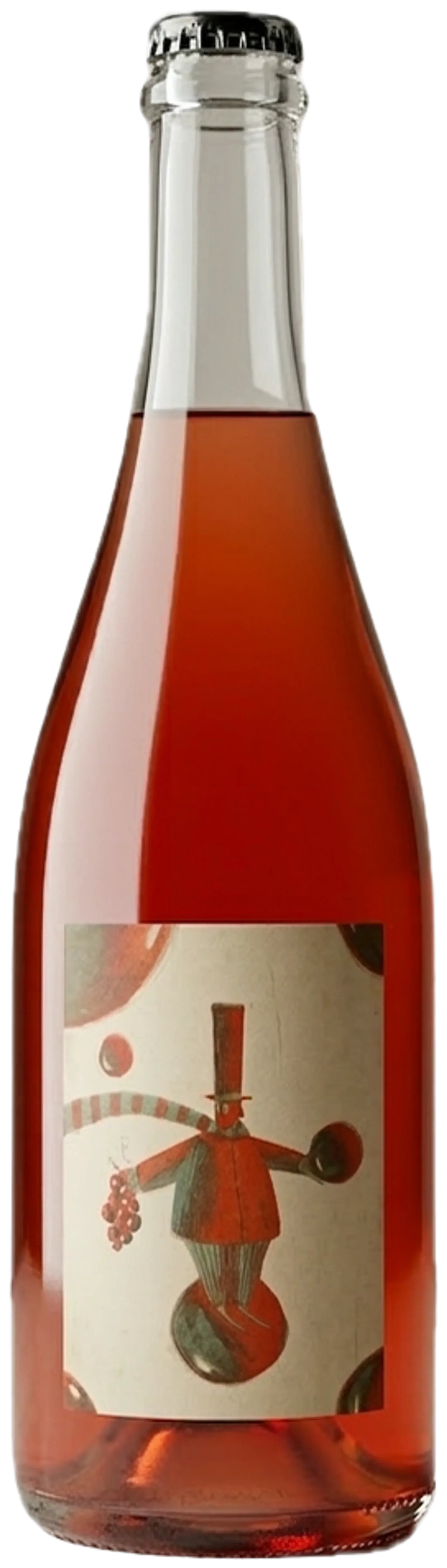
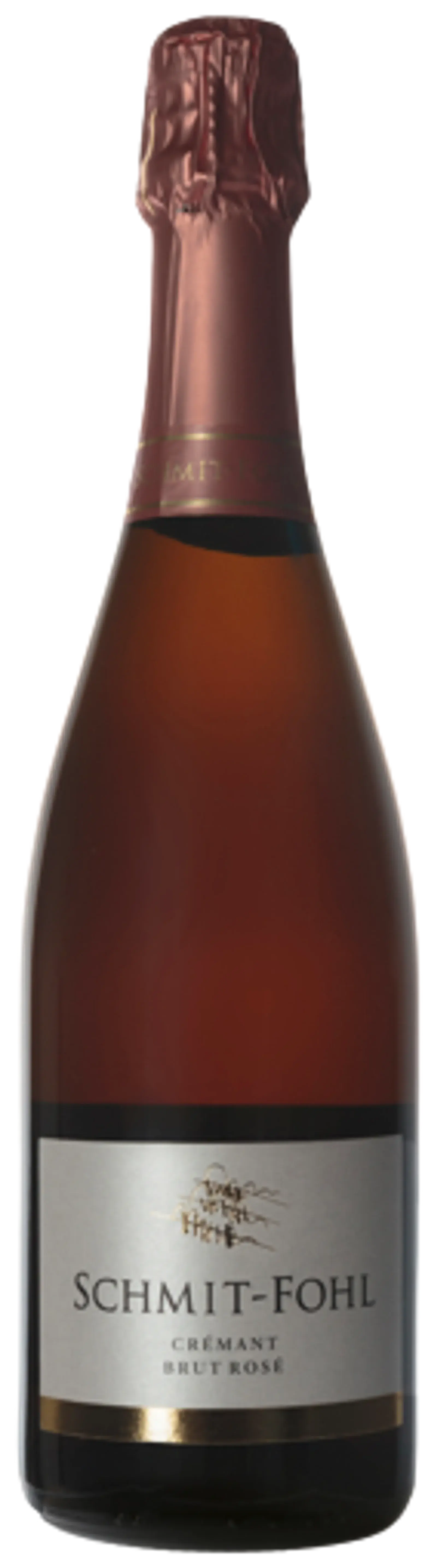
For food, acidity is your guide. High-acid rosé — Provence, Loire, northern Italy — handles fish, vegetables, goat's cheese, and light pasta well. Fuller-bodied rosé — Garnacha, Montepulciano, Syrah-based — can take charcuterie, grilled chicken, or a Provençal daube. Sparkling rosé, whether Crémant or a pétillant style, works across almost everything at the table. You can also browse all wine cases to find mixed selections that include rosé alongside other colours, or look at red wines and white wines if you want to compare structures across the range. Free Grape Society is a society of producers, independent experts, and wine lovers — wines tasted before listing, shipped directly from the producer's cellar.