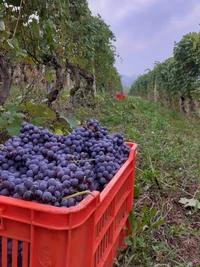
Freisa: Piedmont's sharp, tannic native red from independent growers

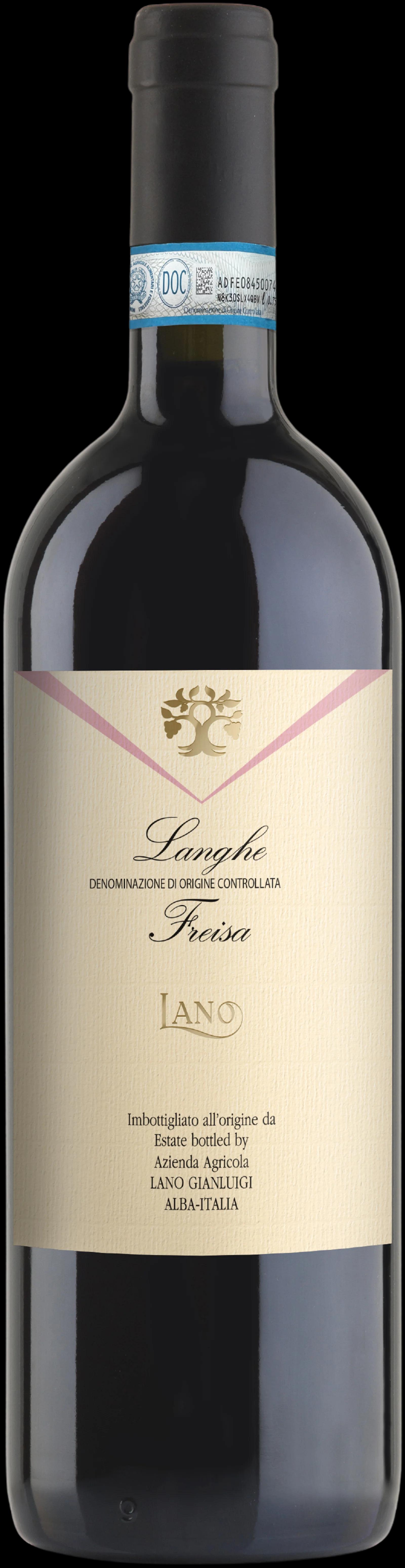
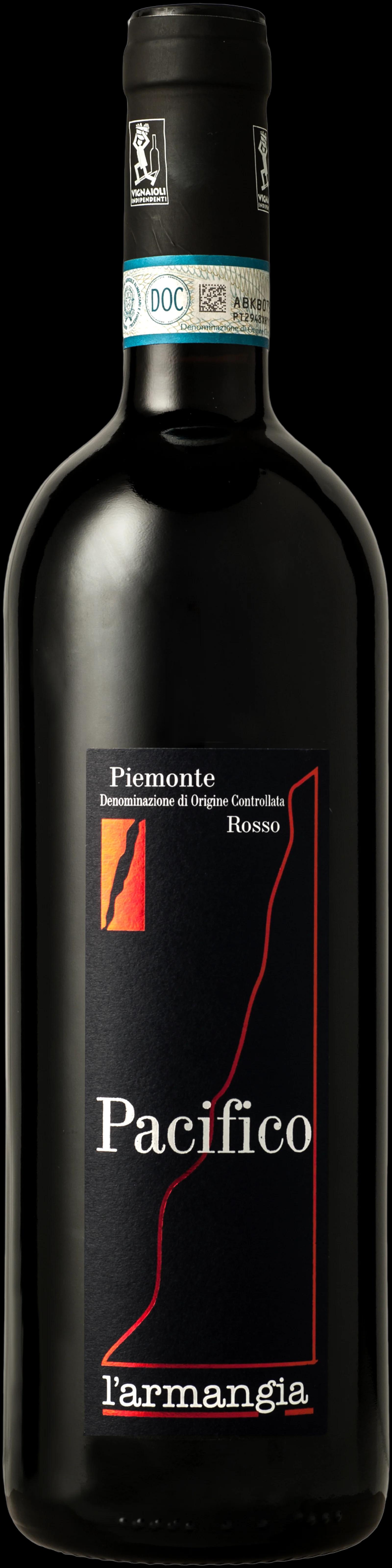
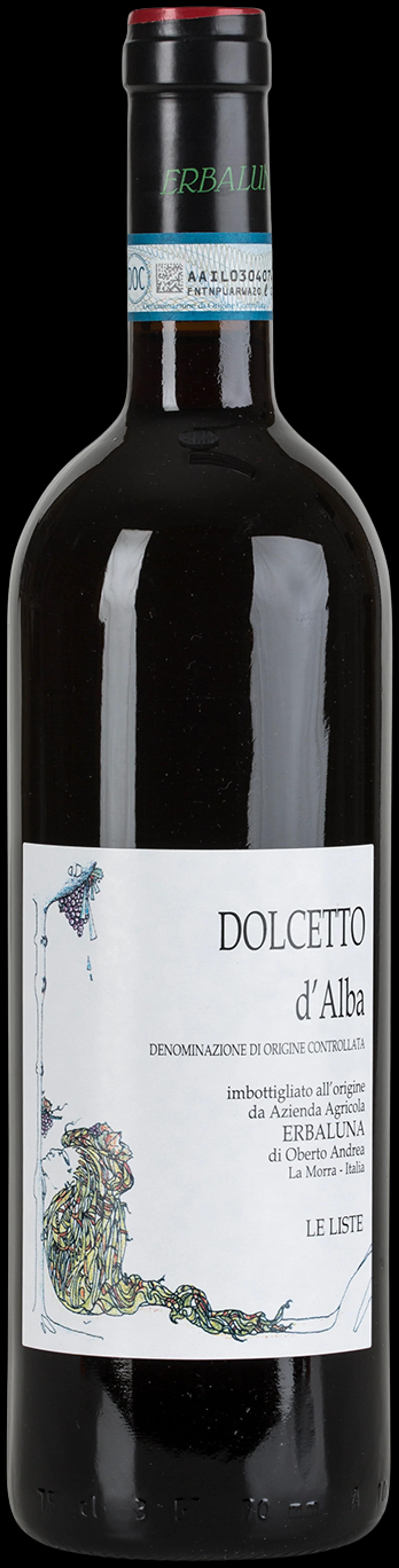
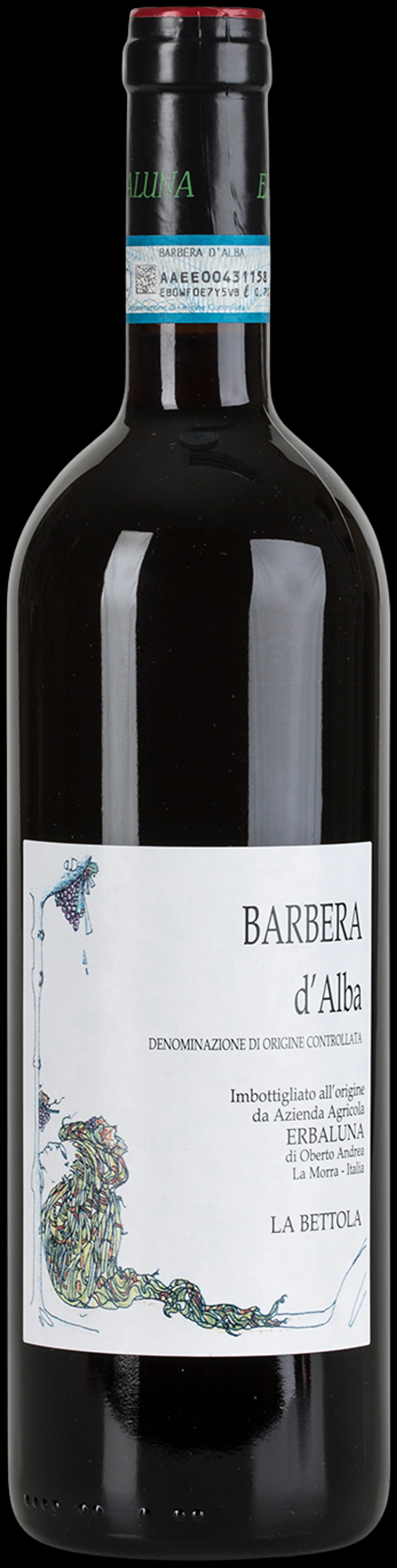
Freisa wine is grown almost exclusively in Piedmont, where it produces everything from bone-dry reds to frizzante and dolce styles. The producers below bottle it as a local specialty, largely outside the mainstream export market.

A rarely exported variety that ranges from dry and austere to lightly sparkling and sweet.

Color

Dropdown arrow

Type

Dropdown arrow

Country

Dropdown arrow

Region

Dropdown arrow

Grape

Dropdown arrow

Pairing

Dropdown arrow

Sort by

Sort arrow
Freisa

Freisa wines

Freisa is native to Piedmont and has been documented there since at least the eighteenth century. It grows in the same hills as Nebbiolo and Barbera but is rarely planted alongside them today, which is part of why it remains so unfamiliar outside the region. The grape tends toward high acidity and firm tannin, and the wines below reflect that — they are not built for broad appeal, but for the kind of drinker who wants to understand Piedmont beyond Barolo. Each bottle ships directly from the grower's own cellar, with no importer or warehouse in between.

Previous1 of 1Next

Freisa wine cases

A mixbox is a producer's own selection of six bottles, composed as the recommendation they would make if you walked into their cellar. For a variety like Freisa, where one producer might make a dry red, a frizzante, and a dolce in the same vintage, a mixbox is often the most revealing way to understand what the grape can do. Free Grape Society is a society of producers, independent experts and wine lovers, not a shop.

View all mixboxes

Wineries

The growers below are among the small number of producers who still work seriously with Freisa rather than pulling it out in favour of more commercially straightforward varieties. Some make it as a single-variety wine; others include it as part of a broader Piedmontese range. Reading each producer's own notes gives the clearest picture of how they approach the grape, and the wine-advice service is there if you would like a recommendation before ordering.

View all wineries

Wine experts

Independent wine experts review wines they have personally tasted, and those reviews appear on the wine page and on each expert's own profile. Several of the experts below have tasted Freisa wines from the producers on this page. Because Freisa sits outside the mainstream, a note from someone who has actually opened a bottle can make it easier to decide which style suits you.

View all wine experts

Frequently asked questions

How do I order Freisa wine on Free Grape Society?

Select the bottle you want and add it to your order. Each wine ships directly from the producer's cellar in Piedmont. Shipping is free, payment is handled by Klarna or card, and most orders arrive within 4 to 14 days. You can order from more than one producer in the same checkout.

What happens if a bottle arrives broken or doesn't taste right?

Send a photo to Free Grape Society customer support within 7 days of delivery. We will arrange a replacement or a refund. Because producers ship directly, quality issues are handled with the producer's direct involvement. Shared responsibility is built into how FGS works.

Can I order a mixed selection of Freisa wines from different producers?

Yes. You can add bottles from different producers to the same order and check out in one step. Each producer ships their own wines separately, so you may receive more than one delivery. Shipping is free regardless of how many producers you order from.

How long does delivery take?

Average delivery is 8 to 9 days from order to door. The full range is 4 to 14 days depending on the producer's location and your delivery address. Wines ship directly from the producer's cellar, not from a central warehouse.

How do I choose between the different Freisa styles on the page?

Freisa is made in several distinct styles: dry and still, lightly sparkling (frizzante), and sweet (dolce). The dry versions tend toward firm tannin and high acidity; the frizzante and dolce styles are softer and more approachable. The producer's own description on each wine page is the most reliable guide to which style you are looking at.

Why is there so little Freisa available compared to other Piedmontese grapes?

Freisa fell out of commercial favour in the second half of the twentieth century as producers replanted vineyards with Nebbiolo and Barbera, which were easier to sell internationally. The producers who still grow it tend to do so out of conviction rather than commercial pressure, which is reflected in how they talk about it on their profiles.

Which Freisa wine expert can recommend something for me?

The wine experts listed on this page have tasted and reviewed Freisa wines from producers on Free Grape Society. You can read their notes on the individual wine pages, or fill in the advice form to ask a question directly. An independent expert will respond with a personal recommendation.

Why don't you sell supermarket-brand Freisa wines?

Free Grape Society lists wines from independent producers who grow their own grapes and bottle under their own name. Supermarket-brand wines are typically sourced, blended, and bottled by large commercial operations with no connection to a specific vineyard or grower. The two models are different enough that they do not sit on the same platform.

Is Freisa available in wine shops outside Piedmont?

Rarely. Freisa never established itself as an export variety, and most bottles are consumed locally or sold directly from the estate. Outside of specialist Italian wine importers in a handful of markets, it is genuinely difficult to find. Ordering directly from the producer is the most reliable way to access it.

Where Freisa comes from and what makes it distinctly Piedmontese

Freisa is a native red grape from Piedmont in northwestern Italy, grown in the same hills that produce Barolo and Barbaresco. It is one of the oldest recorded varieties in the region — documented in the Piedmontese countryside since at least the eighteenth century — and DNA studies suggest it is a close relative of Nebbiolo, the grape behind those more celebrated wines. Freisa tends to grow best in the Langhe and Monferrato areas, where the clay and limestone soils it shares with Barbera and Dolcetto shape a wine with vivid acidity and bright red fruit. Unlike its neighbours, Freisa never achieved the same international profile, which means it has remained largely in the hands of small family estates rather than large commercial producers — exactly the kind of grower you find on Free Grape Society. If you want to explore the breadth of what Piedmont's independent wineries produce beyond the famous appellations, Freisa is one of the most rewarding places to start.

How Freisa tastes, and what to drink it with

Freisa produces wines with high natural acidity, firm tannins, and aromas of raspberries, violets, and dried roses — sometimes with a faint hint of mint or earth that ties it firmly to its Piedmontese origin. It comes in several styles: fully dry and structured, lightly sparkling (frizzante), and occasionally sweet, though dry Freisa has become the dominant direction among quality-focused producers. The acidity that can make it feel angular on its own makes it an excellent companion to food. It works well alongside cured meats, aged cheeses, mushroom-based dishes, and the kind of rich northern Italian cooking — brasato, tajarin with ragù — that its home region does well. If you enjoy the combination of tart red fruit and savoury structure in Barbera wines or Sangiovese, Freisa offers a similar tension in a distinctly Piedmontese register.

Buying Freisa direct from independent producers

Because Freisa has never been heavily exported, most bottles have historically been consumed locally in Piedmont or traded through regional networks. The direct model changes that: on Free Grape Society, producers who grow Freisa ship bottles directly from their own cellar, with no importer or warehouse handling the wine between harvest and your door. That matters for a grape like Freisa, where the difference between a producer who takes it seriously and one who treats it as a secondary variety is considerable, and where personal context — why this estate grows it, how they decide between dry and frizzante — adds real value to what is in the bottle. Independent wine experts review wines they have personally tasted, and their notes are visible on each wine page and on the expert's own profile, so you can read a considered view before ordering. Free Grape Society is a society of producers, independent experts and wine lovers, not a shop — and for a variety as producer-dependent as Freisa, that distinction is exactly what makes the difference. Wines are tasted before listing, and the full range of Italian wines on the platform gives useful context for where Freisa sits within Piedmont's wider offer.