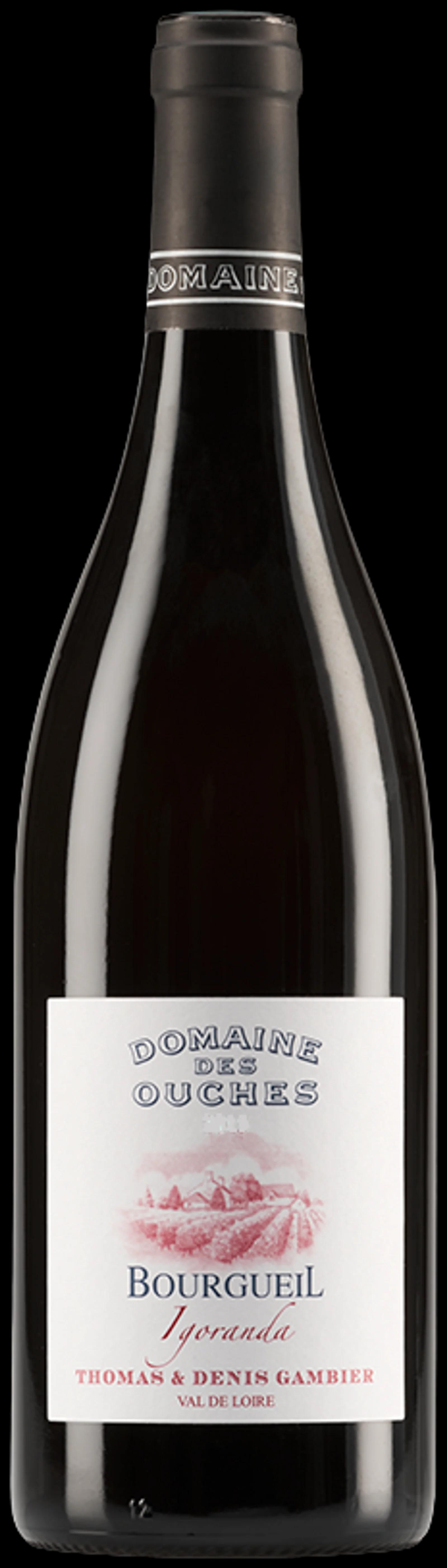
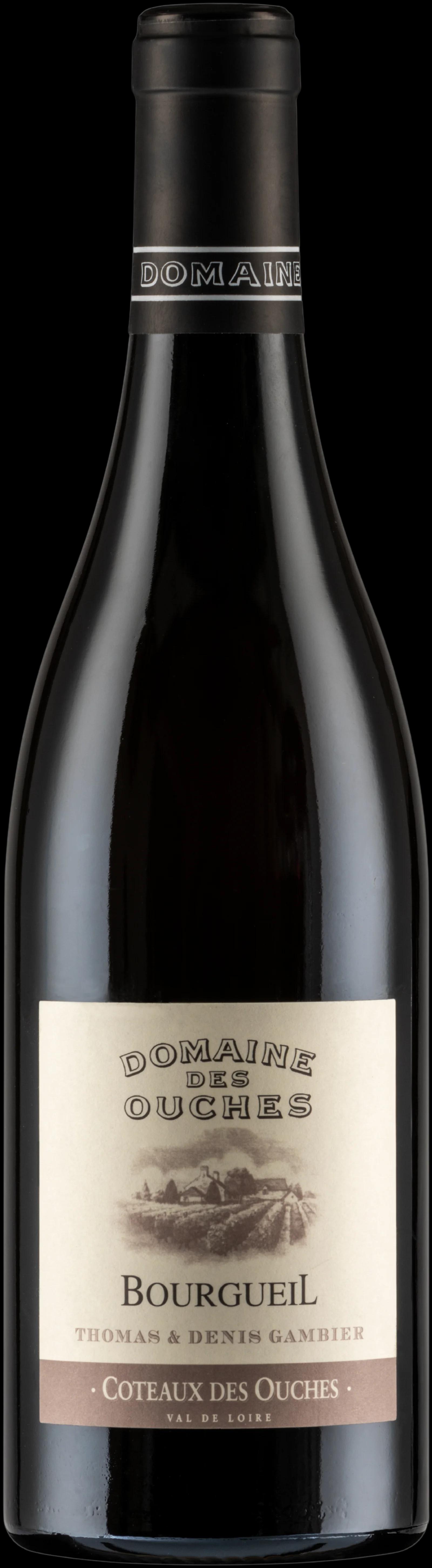
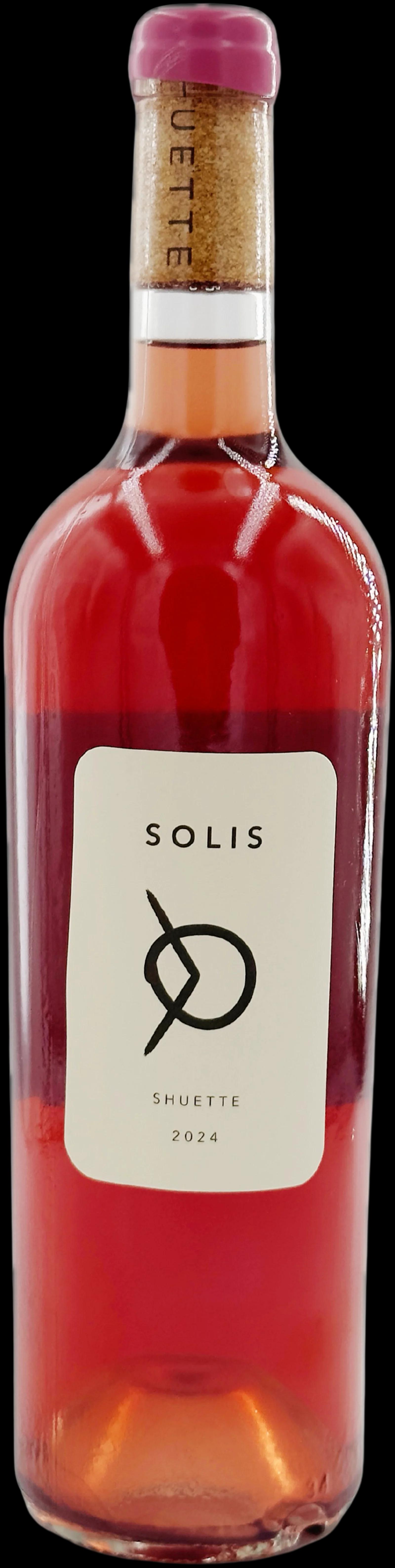
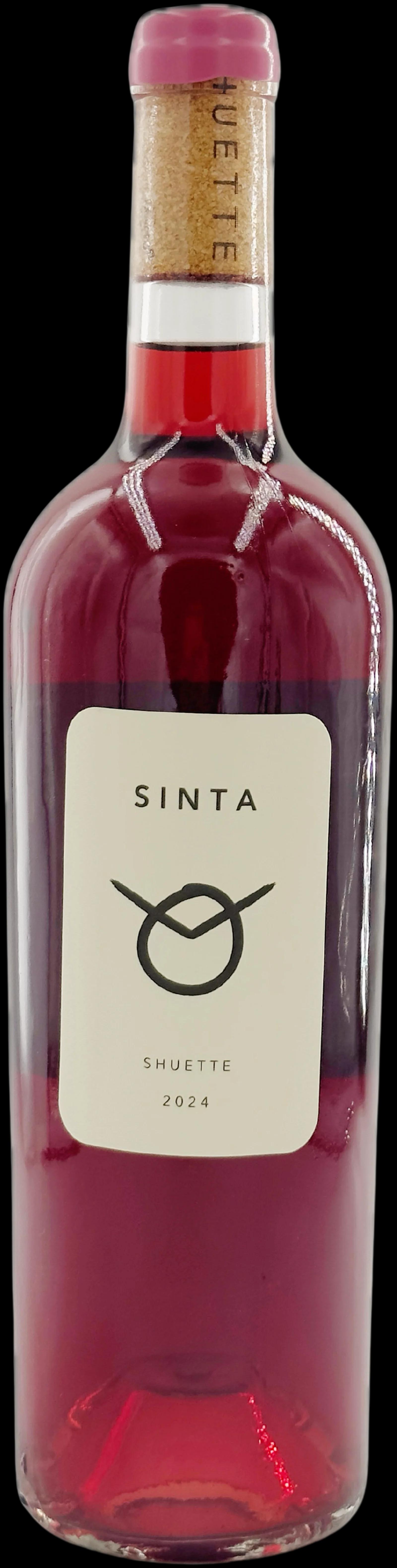
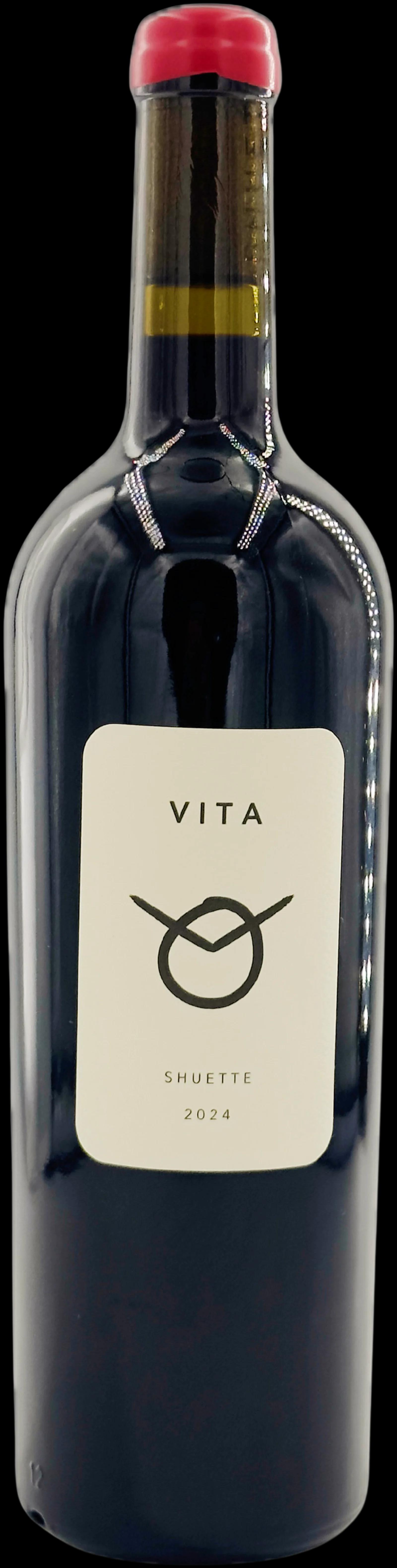
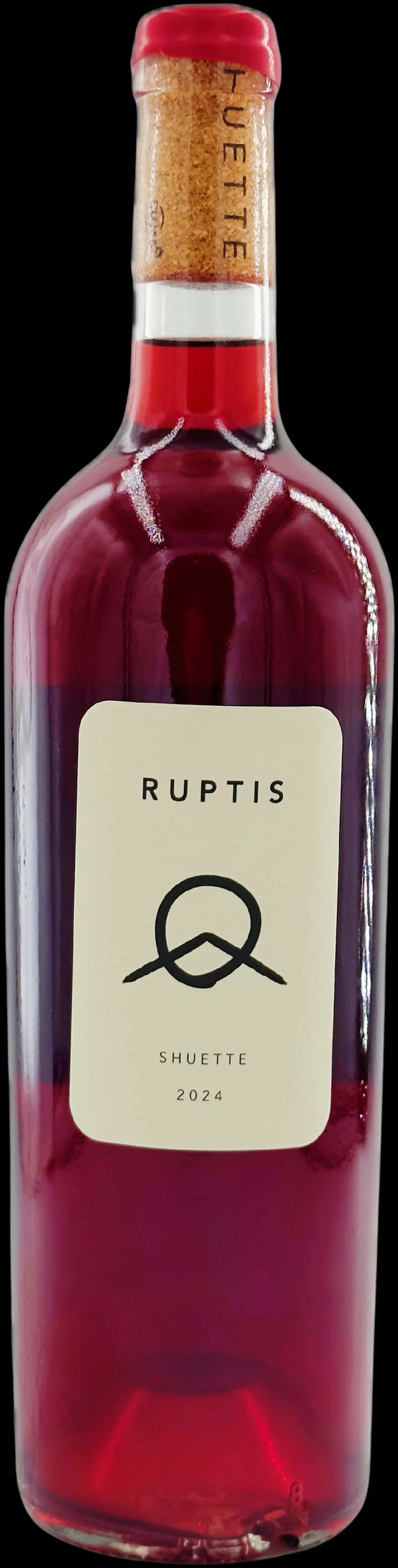
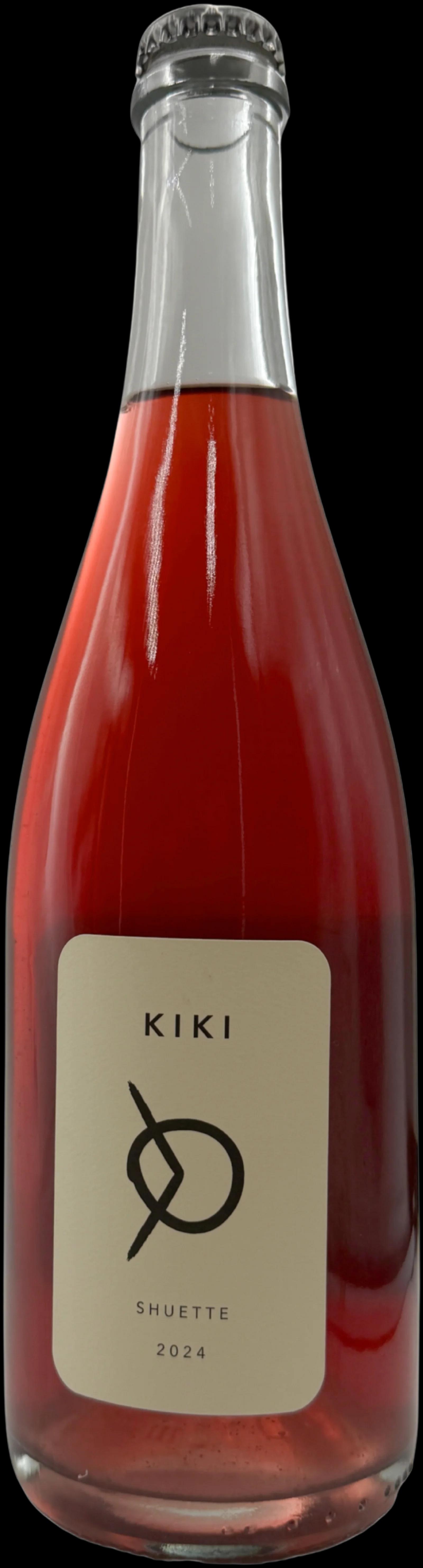
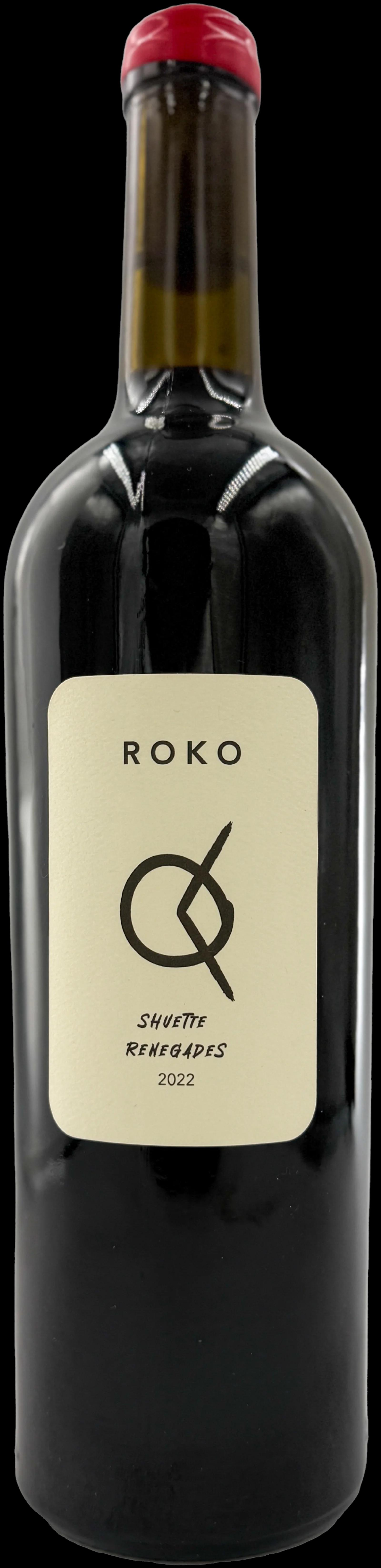


Poulsard wine: a pale, fragrant red from the Jura

Poulsard wine is thin-skinned, low in tannin and unusually pale for a red grape — closer in colour to a deep rosé. The producers below work almost exclusively in the Jura, where this variety has been grown for centuries.

Grown almost nowhere outside the Jura, it produces some of France's most distinctive light reds and rosés.

Color

Dropdown arrow

Type

Dropdown arrow

Country

Dropdown arrow

Region

Dropdown arrow

Grape

Dropdown arrow

Pairing

Dropdown arrow

Sort by

Sort arrow
Poulsard

Poulsard wines

Poulsard is the Jura's most widely planted red grape, yet it remains almost unknown outside that narrow strip of eastern France. Its skin is so thin that even a long maceration produces little tannin and very little colour — the wines are often mistaken for rosé. That lightness is not a flaw; it is the variety's character. Each bottle here is shipped directly from the grower's own cellar, with no importer or warehouse in between.

1 of 1 wine

Previous1 of 1Next

Poulsard wine cases

A Poulsard wine case is the producer's own six-bottle selection, put together as the recommendation they would make if you visited their cellar. In a region as small and idiosyncratic as the Jura, that context matters — a producer who has farmed the same slopes for decades knows which bottles best represent what the variety can do. Free Grape Society is a society of producers, independent experts and wine lovers, not a shop.

View all mixboxes

Wineries

The growers below all work with Poulsard, but their approaches vary: some ferment with whole clusters to preserve freshness, others age in older barrels to add texture without overwhelming the grape's delicate profile. Reading a producer's own notes is often the quickest way to understand the style before buying, and the wine-advice service is there if you would rather talk it through first.

View all wineries

Wine experts

Poulsard is not a grape many people have strong opinions about yet, which is precisely when an independent review is most useful. Wine experts on Free Grape Society review wines they have personally tasted, and those reviews appear on each wine page and on the expert's own profile. Several of the experts below have tasted and reviewed Poulsard wines featured on this page.

View all wine experts

Frequently asked questions

How do I order a bottle of Poulsard wine on Free Grape Society?

Browse the wines listed on this page, add the bottles you want to your cart and complete your order. Each bottle ships directly from the producer's cellar. Delivery typically takes between 4 and 14 days, and free shipping applies to your order.

What happens if a bottle arrives broken or doesn't taste right?

Send a photo to Free Grape Society customer support within 7 days of delivery. We will arrange a replacement or a refund. Because producers ship directly, quality issues are handled with the producer's direct involvement. Shared responsibility is built into how FGS works.

Can I order Poulsard from more than one producer in the same order?

Yes. You can add wines from different producers to the same cart. Each producer ships their own bottles directly, so orders from multiple producers arrive as separate deliveries. There are no middlemen involved on either side.

How long does delivery take?

Average delivery is 8 to 9 days from order to door. The full range is 4 to 14 days depending on the producer's location and your delivery address. Wines ship directly from the producer's cellar, not from a central warehouse.

How do I choose between different Poulsard wines on the page?

Poulsard varies more with winemaking choices than most grapes — look at whether the producer uses whole-cluster fermentation, how long the wine was aged, and whether it is made as a still red or a sparkling Jura-style wine. Producer notes and expert reviews on each wine page help you compare before buying.

Are there other Jura grape varieties I can explore alongside Poulsard?

The Jura is also home to Trousseau and Savagnin, as well as Chardonnay made in the oxidative Jura style. If you want to taste Poulsard in context, the Savoie and Jura pages list producers working with several of these varieties side by side.

Which Poulsard wine expert can recommend something for me?

The independent wine experts listed on this page have reviewed Poulsard wines they have personally tasted. Browse their profiles to find someone whose palate matches yours, or use the wine-advice form to ask a question directly.

Why don't you sell supermarket-brand Poulsard wines?

Supermarket Poulsard, where it exists at all, typically comes from large négociants who blend across producers and regions. Free Grape Society lists only independent growers who grow, vinify and bottle their own wines. With a grape as rare and site-sensitive as Poulsard, that distinction is the whole point.

Is Poulsard available through normal wine retail channels in most countries?

Rarely. Poulsard is produced in small quantities in a single French region and does not travel well through conventional import and distribution networks. Buying directly from a Jura producer through Free Grape Society is one of the most reliable ways to find it outside France.

Where Poulsard comes from and what makes it unusual

Poulsard is native to the Jura, a narrow strip of vineyards in eastern France that runs along the foothills of the Alps. It is one of the palest red grapes in Europe: the skins are thin and low in pigment, so the wine often pours a translucent garnet or copper-pink that looks closer to a rosé than a red. That colour is not a flaw or an accident — it is simply what Poulsard does. The grape thrives in the Jura's particular limestone-and-clay soils, and outside that region it is rarely planted, which makes it one of the few varieties that has stayed genuinely local rather than travelling the world. Within the Jura it sits alongside Trousseau and Pinot Noir, the three reds of the appellation, each with a distinct character. Poulsard tends to be the lightest and most aromatic of the three, with high acidity and a delicate structure that rewards producers who leave it largely alone in the cellar.

How Poulsard tastes and what to eat with it

Because the colour is pale, first-time drinkers sometimes expect a light, fruit-forward wine and are surprised by how savoury and textured Poulsard can be. The aromas are often floral and red-fruited at first — cherry, raspberry, dried rose petal — but the palate tends toward spice, earth and a slightly oxidative note that is characteristic of traditional Jura winemaking. That savouriness makes it a natural match for the food of the region: comté and morbier, charcuterie, mountain cheeses, and dishes with umami weight. It also works well with oily fish and lighter meat dishes precisely because it carries acidity without heavy tannin. Producers who make it in a more reductive, fresh style (sealed fermentation, early bottling) produce a fruitier wine that pairs easily with charcuterie boards or simple roast chicken. If you are exploring the Jura's range, tasting Poulsard alongside wines from Beaujolais or the Loire Valley gives useful context for how low-tannin French reds sit on a wider spectrum.

Buying Poulsard direct from independent Jura producers

Because Poulsard is grown almost exclusively in the Jura, the producers who work with it are a small and specific group. Most are small estates — family operations where the same person tends the vines, makes the wine and decides when it is ready to bottle. The FGS-distinct advantage here is straightforward: on Free Grape Society, producers ship directly from their own cellar, with no importer or warehouse in between, which matters for a grape whose wines are often made in small quantities and do not pass through large distribution networks. You can browse the producers who grow Poulsard alongside growers from neighbouring Savoie and from other parts of France where low-intervention winemaking is common. Wines tasted before listing by our Head of Product, and independent wine experts on the platform add their own reviews as they work through the range. Free Grape Society is a society of producers, independent experts and wine lovers — the goal is to connect you directly with the people who made the wine, not to sit in between them.