Where Muscadelle comes from and what makes it unusual
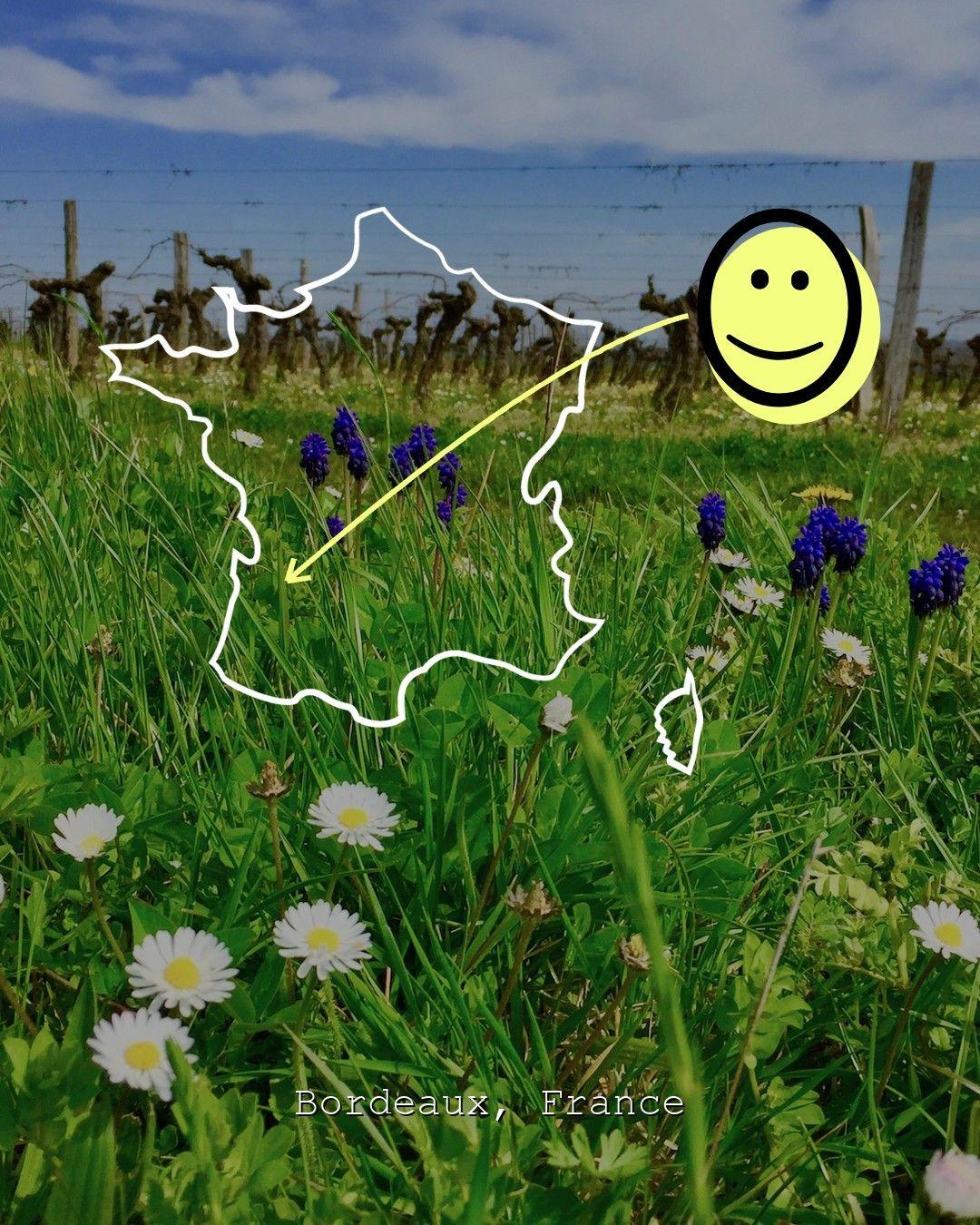
Muscadelle is one of the oldest white grapes of southwest France, grown almost exclusively in the Bordeaux and Bergerac regions. Despite its name, it has no proven genetic relationship to the Muscat family — the aromatic resemblance is coincidental, and the two are genetically distinct. In Bordeaux, Muscadelle rarely stands alone: it appears as a minor but characterful component in white blends alongside Sémillon and Sauvignon Blanc, contributing floral lift and perfume rather than structure. On the right banks of the Garonne and Dordogne, estates in Bordeaux use it sparingly, typically at five to ten percent of a blend, to add aromatic complexity that neither of the two dominant varieties provides on their own. In the sweet wines of Sauternes and Barsac — among the most studied sweet wines in the world — Muscadelle is a permitted but minor player, with botrytis concentrating its already pronounced aromatics into something honeyed and heady. Southwest France more broadly holds the grape's remaining stronghold in Europe, where a handful of independent growers still give it serious attention.
How Muscadelle tastes and what to drink it with
Muscadelle is a grape defined by fragrance rather than weight. Its wines typically show jasmine, white peach, elderflower and a faintly musky quality that distinguishes it from the crispness of Sauvignon Blanc and the waxy texture of Sémillon. When vinified as a dry varietal — which is relatively rare — it produces wines with moderate acidity, lower alcohol, and a softness on the palate that suits early drinking. Because of its aromatic profile, it pairs well with dishes that have floral or herbal notes of their own: lightly spiced white fish, soft-rind cheeses, asparagus, or simply as an aperitif. In its sweet form, whether as part of a late-harvest Bordeaux blend or a Monbazillac from Southwest France, Muscadelle's perfume intensifies and the wine takes on enough richness to match foie gras, blue cheese, or fruit-based desserts. The grape rewards producers willing to work with its delicacy — and the producers working with it on Free Grape Society tend to be exactly the kind of growers who choose varieties for character over commercial convenience.
Finding Muscadelle wine from independent producers
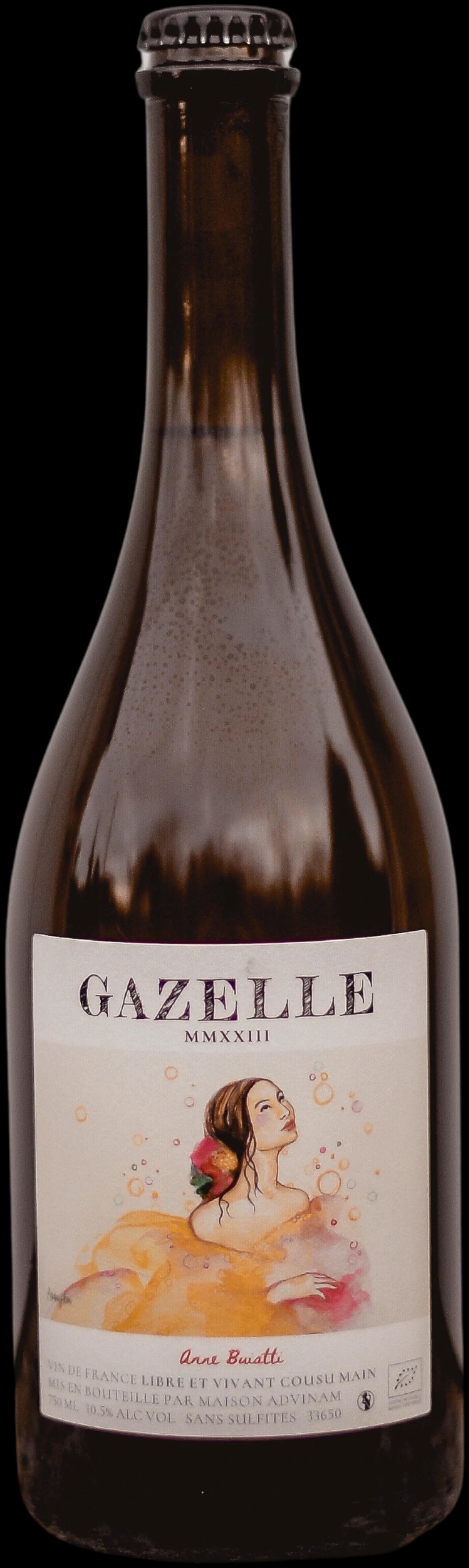
Because Muscadelle is rarely the headline grape on a label, finding wines that feature it meaningfully — rather than as a trace element in a large-production blend — means looking to smaller estates. Most of the France producers on Free Grape Society who work with Muscadelle are based in Bordeaux or Southwest France, where the grape has the longest continuous history. On Free Grape Society, producers ship wines tasted before listing directly from their own cellars, with no importer or warehouse in between — which means the wines arrive fresher and the price reflects what the grower actually charges, not a chain of intermediary margins. If you want to understand how a single estate uses Muscadelle within a blend, or find one of the rare producers making it as a varietal wine, the wine-advice service connects you with independent experts who can point you in the right direction. Free Grape Society is a society of producers, independent experts and wine lovers — not a shop — and Muscadelle is exactly the kind of grape its members tend to find worth exploring.