Where Moscato Giallo comes from and how region shapes it
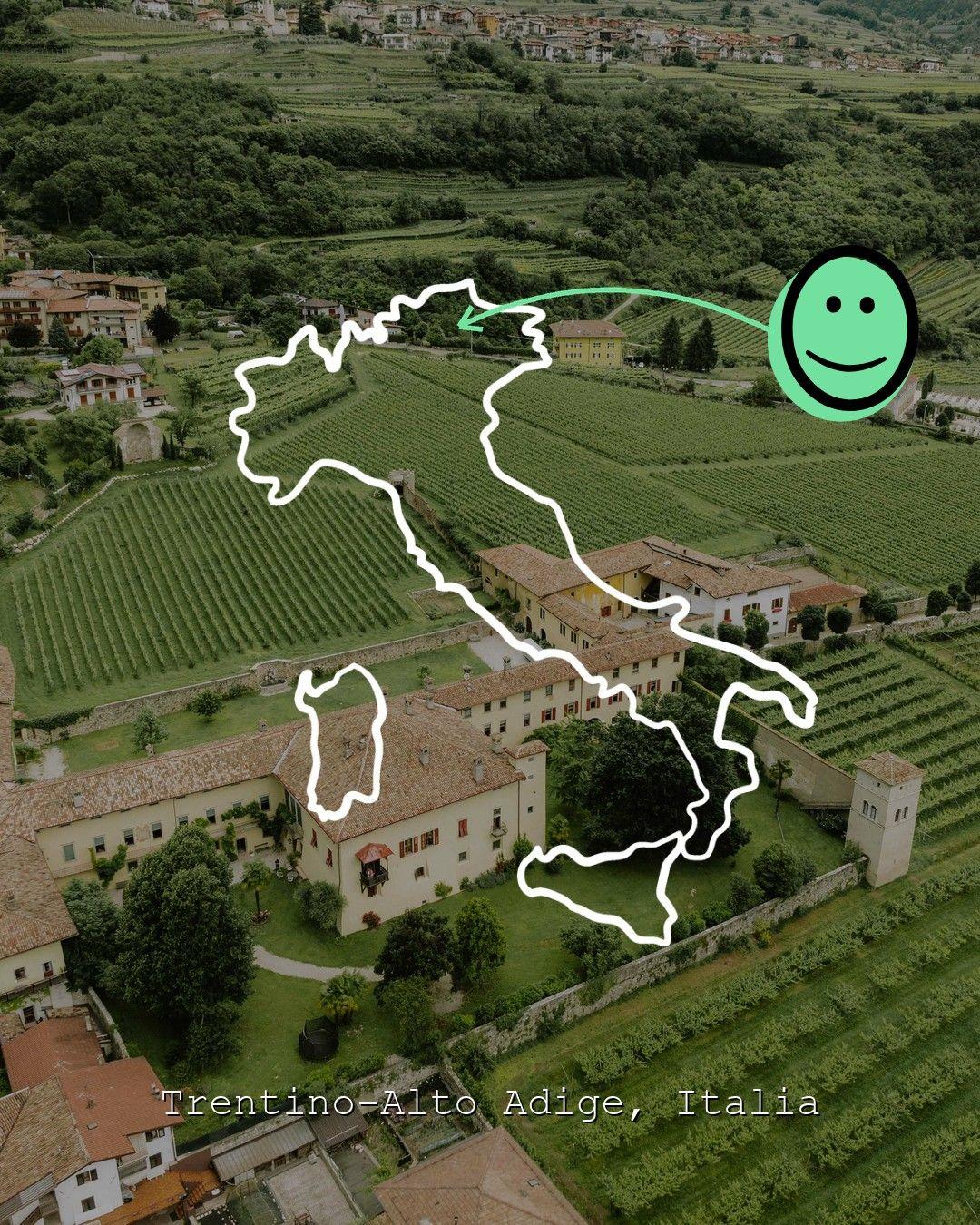
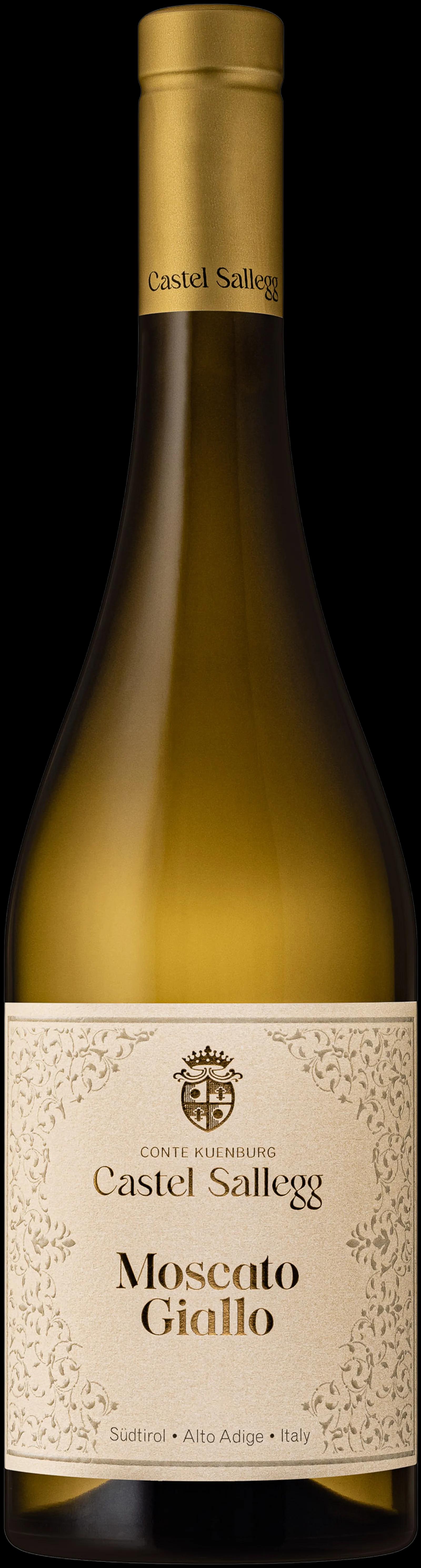
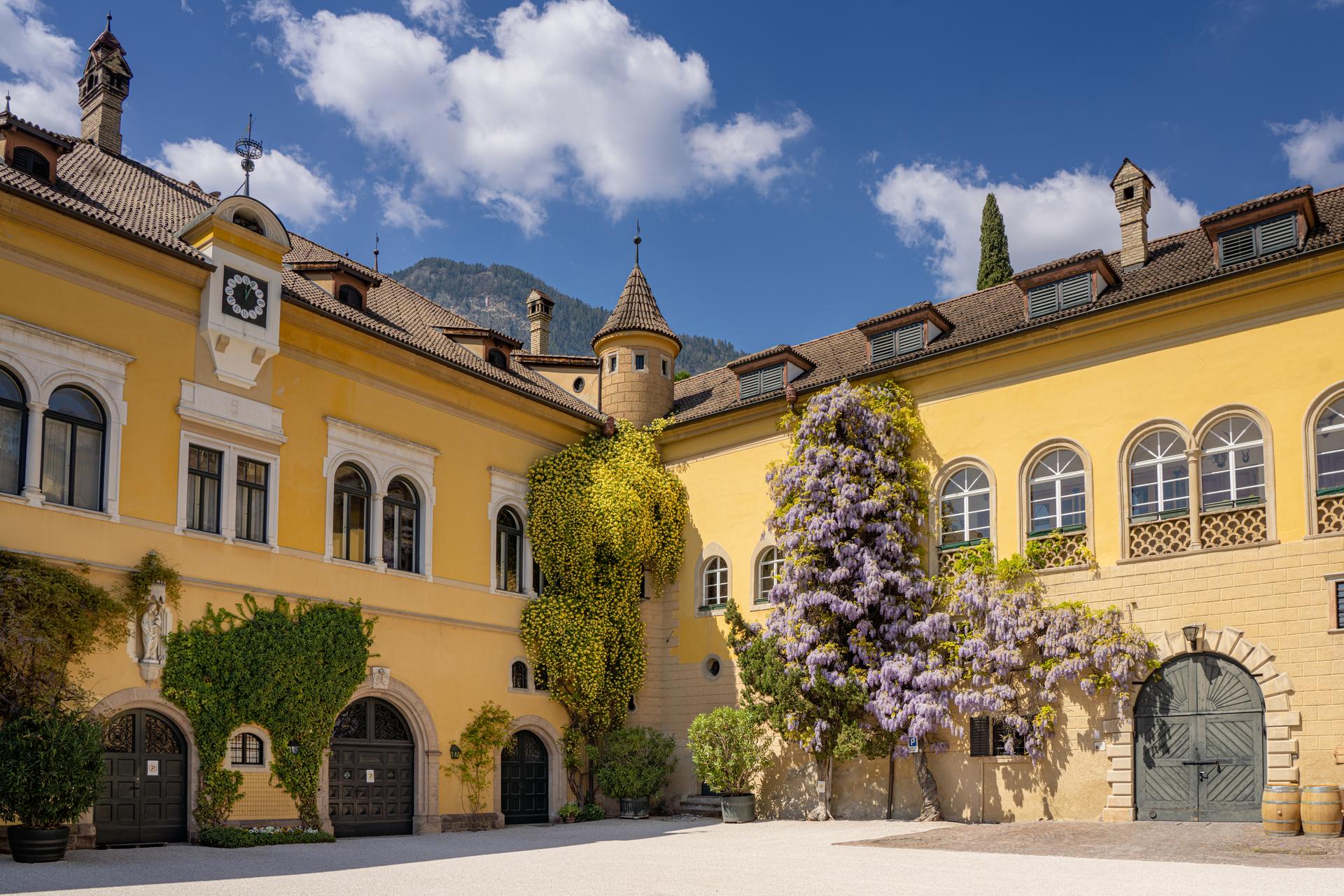
Moscato Giallo — Yellow Muscat — is an ancient aromatic variety with its deepest roots in the alpine foothills of northeastern Italy. It is most closely associated with Trentino-South Tyrol and Friuli Venezia Giulia, where cool mountain air slows ripening and preserves the grape's natural acidity alongside its intense floral perfume. The variety belongs to the broader Muscat family, which is one of the oldest cultivated grape groups in Europe, but Moscato Giallo has its own distinct character — rounder and more golden than Muscat Blanc à Petits Grains, with apricot and orange blossom at its core. Outside Italy it appears in Austria, where it is sometimes labelled Goldmuskateller, and in small pockets across Germany. Altitude is often the deciding factor: vineyards above 400 metres produce wines with sharper definition, while lower-lying sites tend toward richer, more honeyed expressions.
How Moscato Giallo tastes, and what to drink it with
The grape is defined by its aromatic intensity — peach, apricot, orange blossom, and a faint spice that lingers after the wine is gone. Most Moscato Giallo is made as a sweet or off-dry wine, though dry versions exist and are worth seeking out for their balance of fragrance and freshness. Sparkling styles, from light frizzante to fully spumante, are common in Trentino and show the variety at its most refreshing. Because the acidity stays lively even in sweeter expressions, Moscato Giallo works well at the table rather than just as a dessert wine: it pairs naturally with fruit-based desserts, soft cheeses, and lightly spiced dishes. Dry versions from cool sites sit comfortably alongside shellfish or white fish. If you are exploring other aromatic whites from the same corner of Italy, Pinot Bianco and Friulano from Friuli Venezia Giulia are made by some of the same producers and offer a useful contrast in style.
Buying Moscato Giallo direct from independent producers
Moscato Giallo is a grape that rarely travels far from the estates that grow it. It does not appear in supermarket ranges, and it is largely absent from the assortments of large wine merchants — partly because volumes are small, and partly because the producers who grow it tend to bottle and sell it themselves. On Free Grape Society, producers ship wines directly from their own cellar, with no importer or warehouse in between, which makes it a practical way to reach this kind of wine. The same applies to related varieties: Moscato Rosa, Muscat Blanc à Petits Grains, and Moscato all come from independent growers across Italy and Austria. Free Grape Society is a society of producers, independent experts and wine lovers, not a shop — and wines like Moscato Giallo, made in small quantities by growers who know the variety well, are exactly what it exists to connect you with.