Where Erbaluce comes from and what makes it unusual
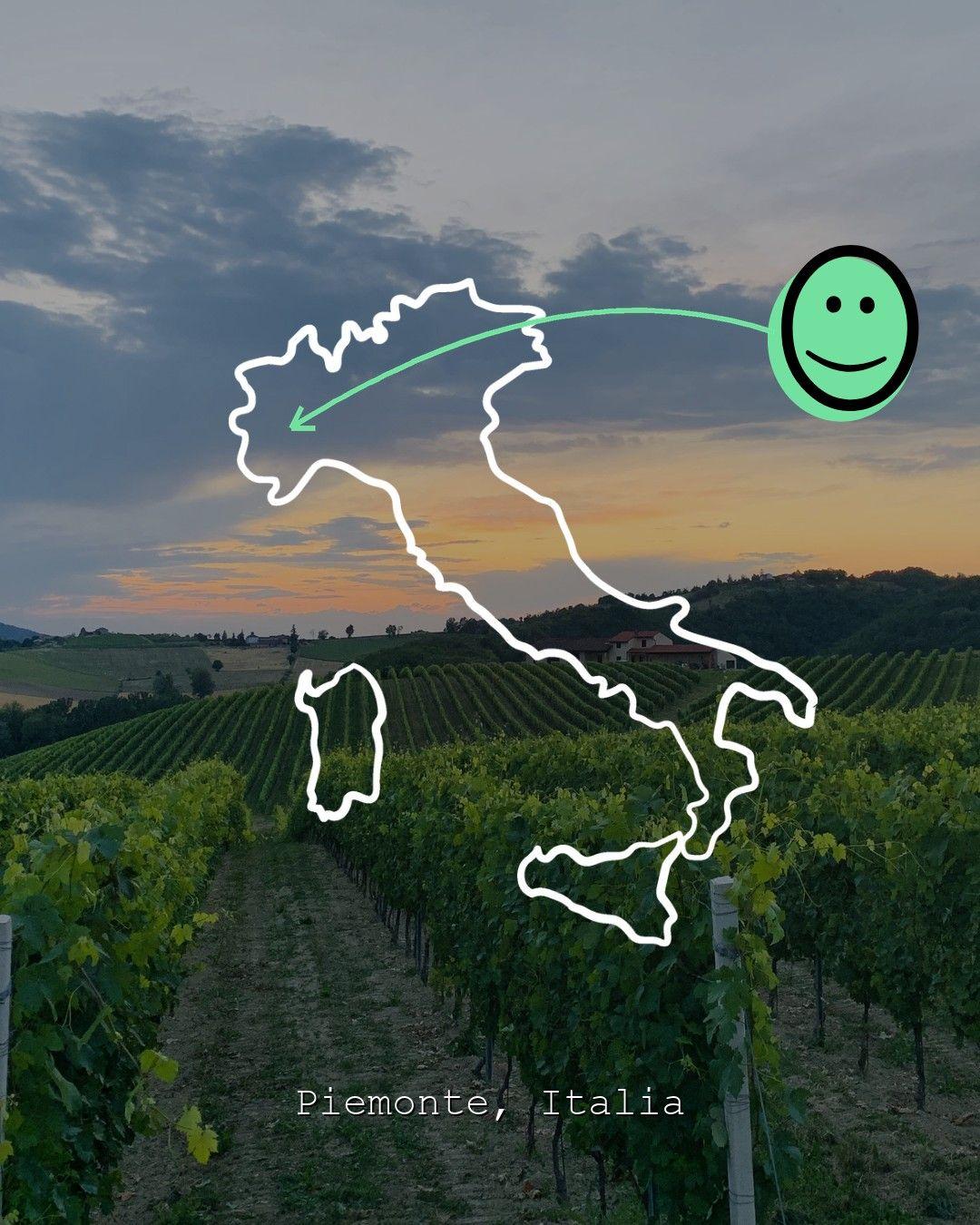
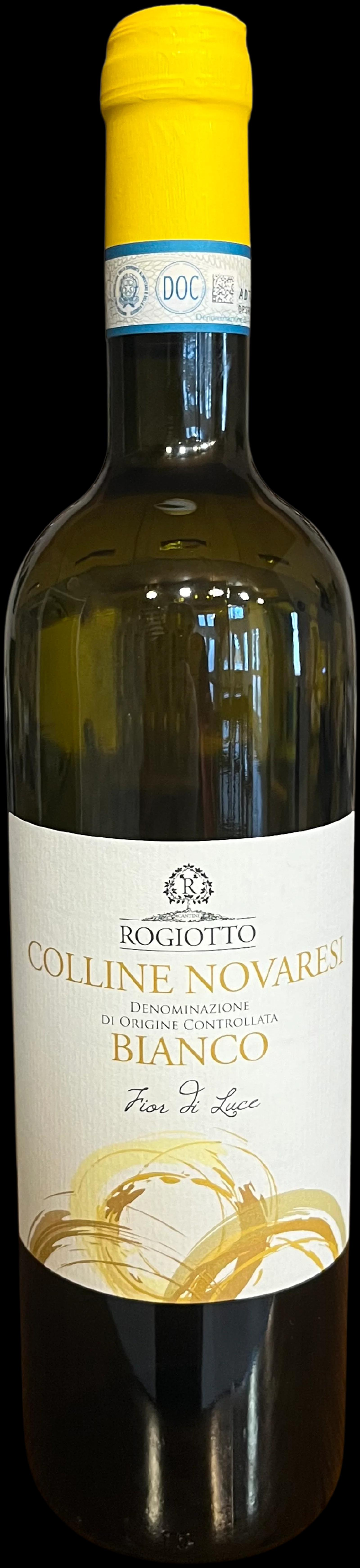
Erbaluce is a white grape native to Piedmont in north-west Italy, grown mainly in the hills around Caluso, north of Turin, where it has been cultivated for centuries. It is one of the few Italian white varieties with its own dedicated DOCG — Erbaluce di Caluso — which covers three distinct wine styles: a dry still white, a sparkling version, and a passito made from grapes dried on racks through the winter. That range in a single variety is genuinely uncommon, and it comes from Erbaluce's naturally high acidity, which holds up well whether the grapes are fermented immediately, refermented for bubbles, or concentrated through drying. Outside Caluso, it appears in small amounts elsewhere in Piedmont, but the Canavese hills remain its home. Producers working with it tend to be small and independent — the variety has never attracted large commercial interest, which is partly why the wines are worth seeking out. You can find them alongside other Piedmont wines and the broader Italian wines on Free Grape Society.
How Erbaluce tastes, and what to drink it with
Erbaluce dry whites are pale and firmly structured, with pronounced acidity and aromas that lean toward white flowers, citrus peel, and green apple, sometimes with a flinty or mineral edge that reflects the glacial morainic soils around Caluso. They are not soft or immediately easy-drinking wines — the acidity is the point, and it is what makes them work particularly well with food. The sparkling versions, made by the traditional method or the Charmat method depending on the producer, carry that same tension with added texture. The passito is a different wine entirely: rich, amber, and sweet from the extended drying, with dried apricot and honey characters, though still lifted by Erbaluce's natural acid backbone. As a dry white, it pairs well with freshwater fish, risotto, and the vegetable-forward dishes of the Piedmontese table. The passito works with aged cheeses and nut-based desserts. If you are exploring Italian white varieties beyond the better-known ones, Erbaluce sits alongside Arneis, Cortese, and Verdicchio as a variety with a clear regional identity and a style that is genuinely its own.
Buying Erbaluce wine direct from independent producers
Because Erbaluce is grown in a small area by a relatively small number of producers, it rarely reaches wine shops outside Italy through conventional distribution channels. On Free Grape Society, the wines are available directly from the growers who make them, shipped from their own cellars without importers or large warehouses in between. That matters for a variety like this: the producers who work with Erbaluce tend to make decisions about how to vinify it — how long to age the dry white on its lees, whether to make a sparkling version, whether to attempt the passito — that only make sense if you understand their particular parcel of Canavese hillside. Buying direct is also the most reliable way to find all three styles, since most retailers stock only the dry still version if they stock it at all. Free Grape Society is a society of producers, independent experts and wine lovers, not a shop. If you are building out your knowledge of Piedmont's native varieties, the Piedmont wineries page and the Nebbiolo and Barbera pages are a good place to continue.