Where Verdicchio comes from and what makes it distinct
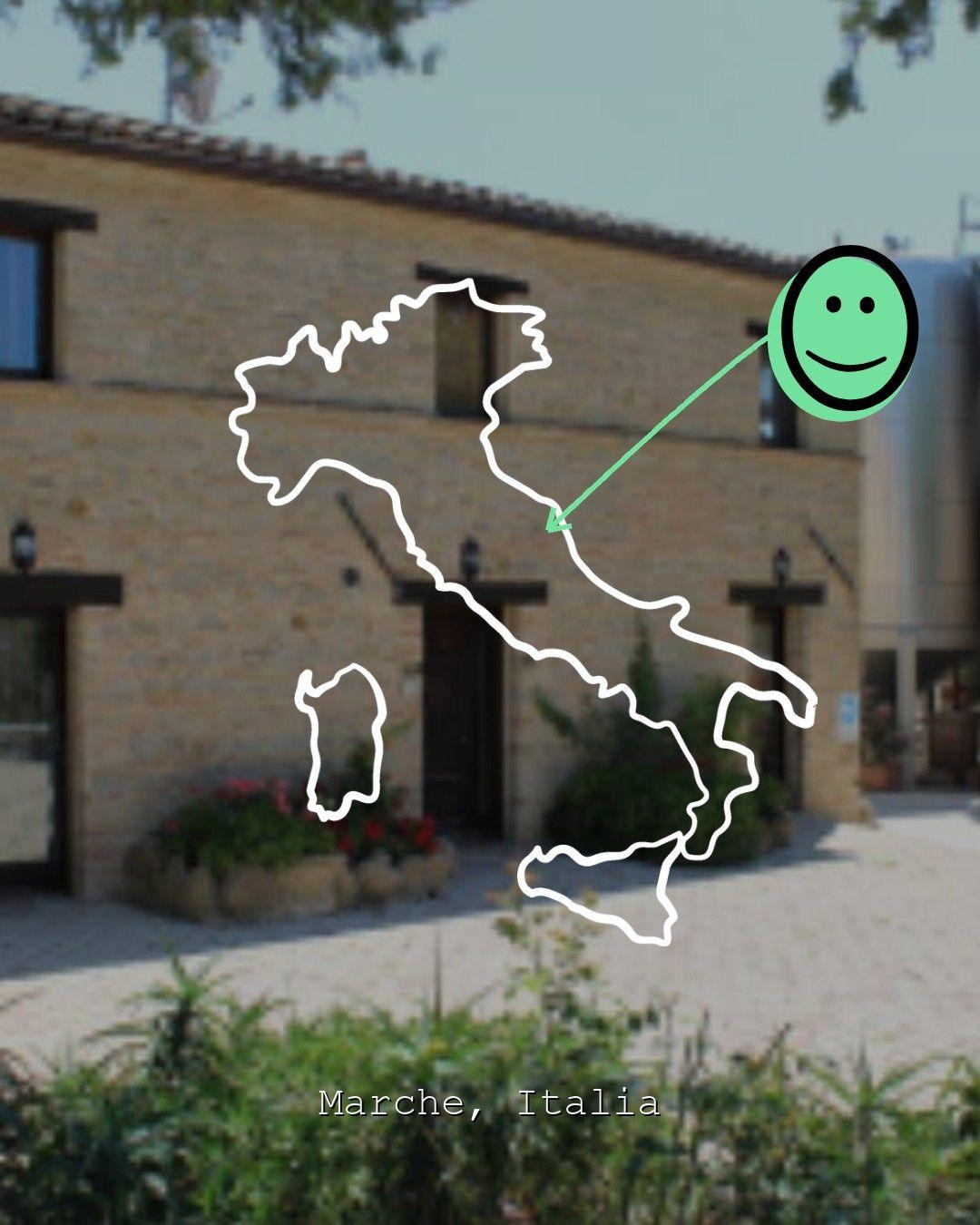
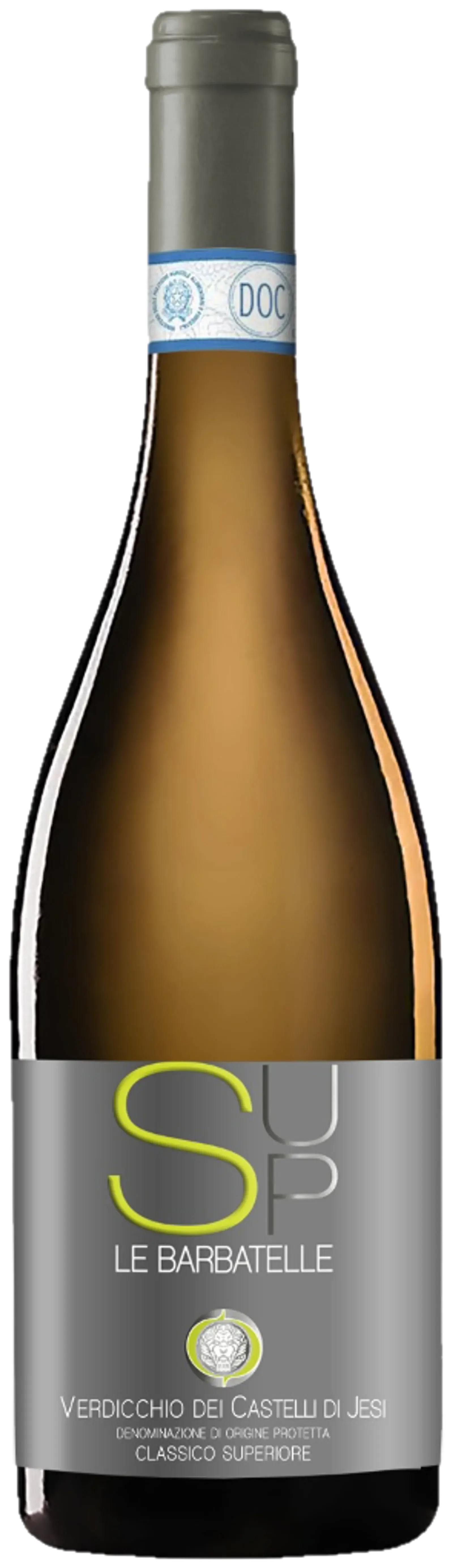
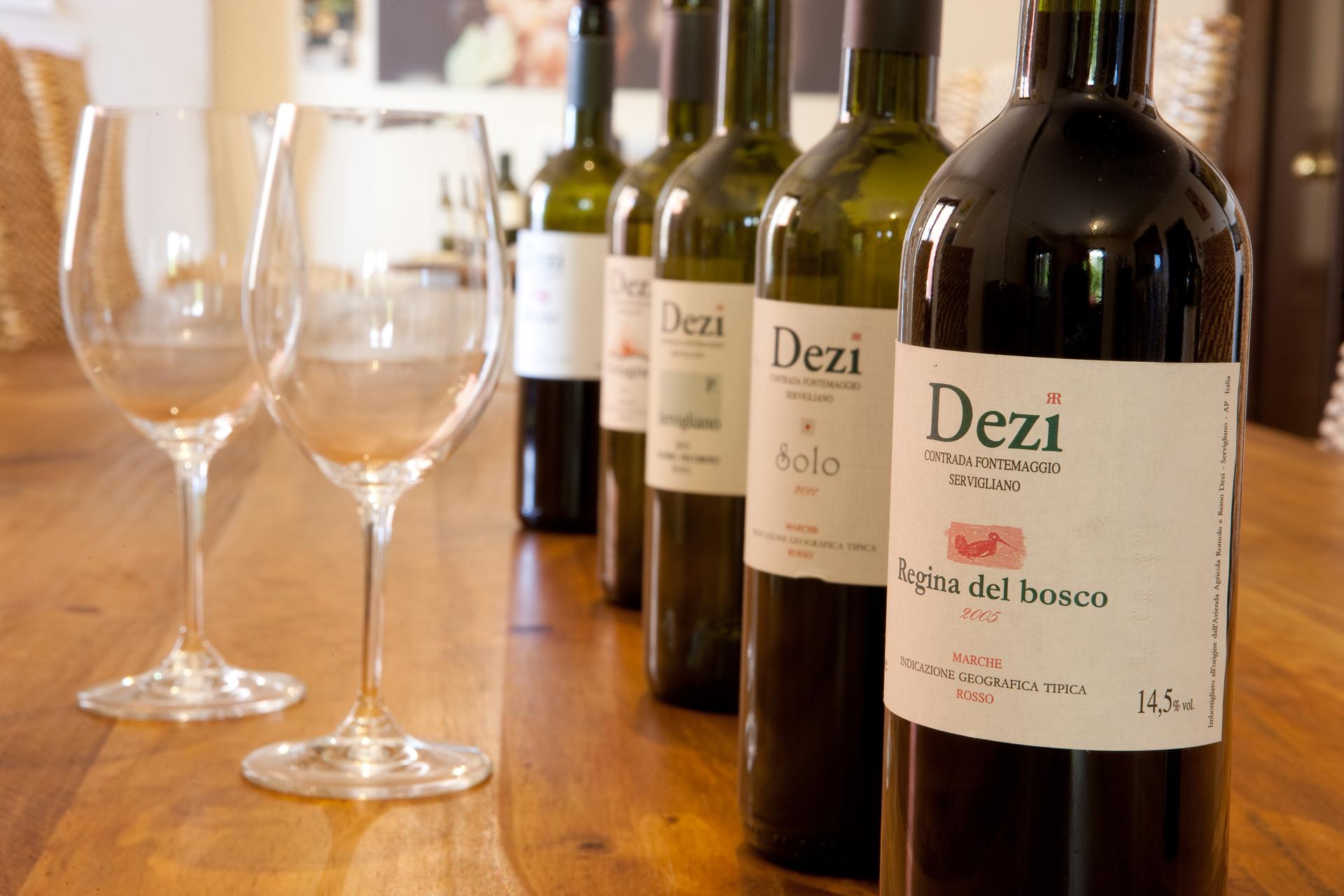
Verdicchio is native to the Marche region on Italy's Adriatic coast, where it has been grown for centuries along the hillsides that run between the Apennines and the sea. The name comes from the Italian for green, a reference to the greenish tint the grape retains even when fully ripe. Two appellations define it: Verdicchio dei Castelli di Jesi, produced across a broad area in the Ancona province, and the smaller, higher-altitude Verdicchio di Matelica, which sits further inland and tends to produce wines with more acidity and concentration. The difference in elevation and distance from the coast matters: Matelica's continental climate means cooler nights and a longer growing season, while Castelli di Jesi benefits from breezes off the Adriatic that keep the vines dry. Verdicchio is also one of the main grapes behind the traditional method sparkling wines made in Marche, and a small amount is vinified as a sweet late-harvest style. You can explore the full range of wines from this part of Italy on the Marche wines and Italian white wines pages.
How Verdicchio tastes, and what to drink it with
Verdicchio is a white grape with naturally high acidity and a profile built around citrus, green apple, and a distinctive bitter almond finish that sets it apart from most other Italian whites. In cooler sites or younger vintages, the wine leans mineral and lean; from warmer hillside plots or when aged longer on the lees, it fills out with texture and a nutty, oxidative complexity. The grape's acidity and salinity make it a natural match for seafood, and in the Marche the traditional pairing is brodetto, the local fish stew. It holds up equally well alongside grilled fish, fried vegetables, and pasta dishes built on olive oil rather than cream. For broader exploration of Italian white varieties, the Friuli Venezia Giulia wines and Campania wines pages show how differently structured Italian whites can be from one region to the next, and the Vermentino and Pecorino pages offer close comparisons to Verdicchio's coastal, saline style.
Buying Verdicchio direct from independent producers
Most Verdicchio on the international market comes from large cooperative bottlings, which means the variety's range — from lean and citrus-driven to textured and age-worthy — rarely shows up in standard retail. The producers working with Verdicchio on Free Grape Society are independent estates that bottle their own wine and set their own prices. Each ships directly from their own cellar, with no importer or warehouse in between, which is how the wines reach you in better condition and at a more honest price. Independent wine experts review wines they have personally tasted, and their notes are visible on each wine page and on the expert's own profile — a useful reference when choosing between a younger, fresher style and something with more bottle age. Free Grape Society is a society of producers, independent experts and wine lovers, not a shop. The Tuscany wineries, Veneto wines, and Italian wines pages are good starting points if you want to explore other Italian varieties alongside Verdicchio.